
▶ Table of Contents
As a travel company, ensuring that your website and content are visible to the right audience is key to driving high-quality traffic and increasing conversions. With the travel industry being incredibly competitive, it’s crucial to adopt a strategic SEO approach that helps you stand out in the digital marketplace. One of the most effective ways to achieve this is by utilizing long-tail keywords—a powerful tool for attracting the right customers and improving your rankings.
Whether you’re just getting started with SEO or refining your current strategy, understanding and using long-tail keywords can make all the difference in your online visibility.
What are Long-Tail Keywords?
In the world of SEO, long-tail keywords refer to search queries that are longer (usually containing three or more words) and more specific than short-tail keywords. While short-tail keywords (also known as head or seed keywords) tend to be very broad and highly competitive (think: “vacations” or “travel”), long-tail keywords are more niche and target specific search intent.
Example of Long-Tail Keywords:
- Best family vacation packages in Europe
- Budget-friendly honeymoon destinations in Bali
- Affordable beach resorts in Mexico for families
- Luxury travel experiences for solo travelers in Asia
Long-tail keywords are incredibly valuable because they allow you to target a highly specific audience with a higher likelihood of conversion. People who use long-tail keywords often know exactly what they want, meaning they’re closer to booking a trip or purchasing a service.
Why are Long-Tail Keywords Important?
Long-tail keywords have several advantages that can significantly enhance your travel company’s SEO strategy:
- Lower competition: Since they are more specific, long-tail keywords are usually less competitive than broad search terms, allowing you to rank more easily.
- Higher intent: Long-tail keywords reflect deeper user intent. For example, someone searching for “luxury resorts for couples in the Maldives” is more likely to book a trip than someone searching for “vacation spots.”
- Better conversion rates: Because long-tail keywords focus on very specific needs, users who search for them are often further down the sales funnel, meaning they are more likely to convert.
- Improved visibility in niche markets: Travel companies with a niche (luxury, eco-tourism, family-friendly, etc.) can leverage long-tail keywords to ensure they’re seen by the right audience.
As you can see, long-tail keywords are not just a trendy SEO technique—they are a strategic asset that can help travel businesses build stronger connections with their target customers.
How to Identify Long-Tail Keywords for Your Travel Business?
Now that we understand what long-tail keywords are and why they’re valuable, the next step is learning how to identify the best long-tail keywords for your travel business. With the right tools and approach, long-tail keyword identification can be straightforward. Here’s a detailed guide on how to get started:
Step 1: Start with Seed Keywords
To kick off the long-tail keyword identification process, begin with seed keywords—the broad terms that are central to your travel business. These might include:
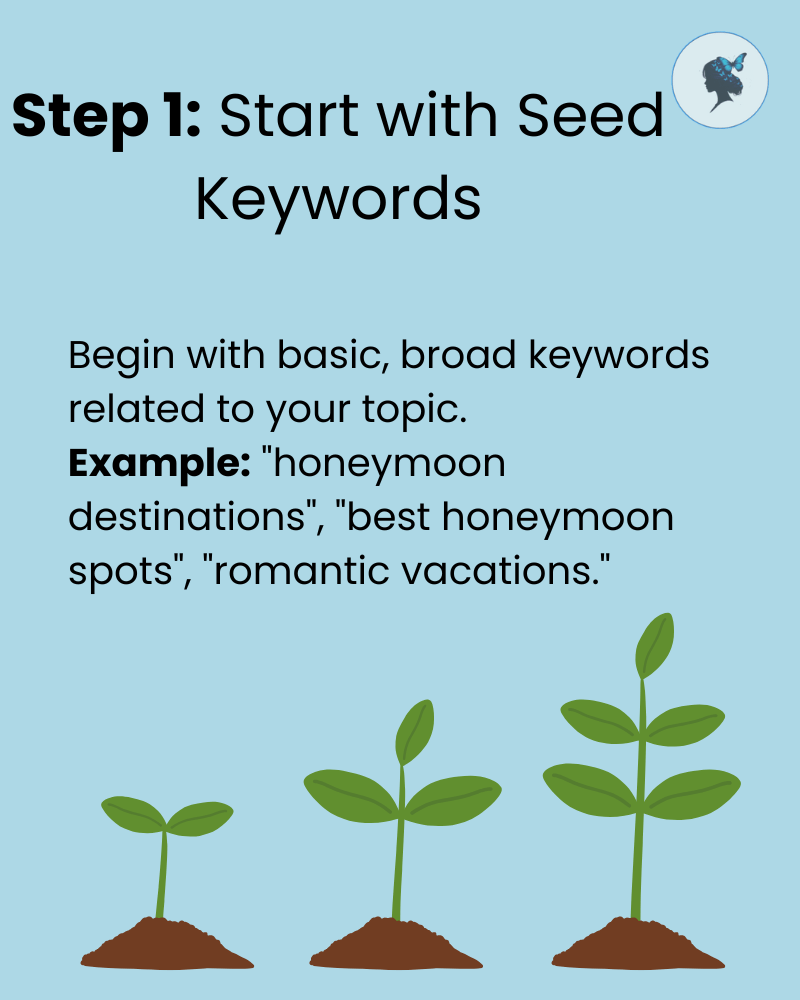
- Travel packages
- Luxury hotels
- Adventure tours
- Beach vacations
- Honeymoon destinations
These seed keywords are the foundation of your keyword research. Once you have your seed list, you’ll start expanding it into long-tail variations that match your target audience’s search queries.
Step 2: Use Keyword Research Tools
Next, you’ll want to leverage keyword research tools to help identify long-tail variations of your seed keywords.
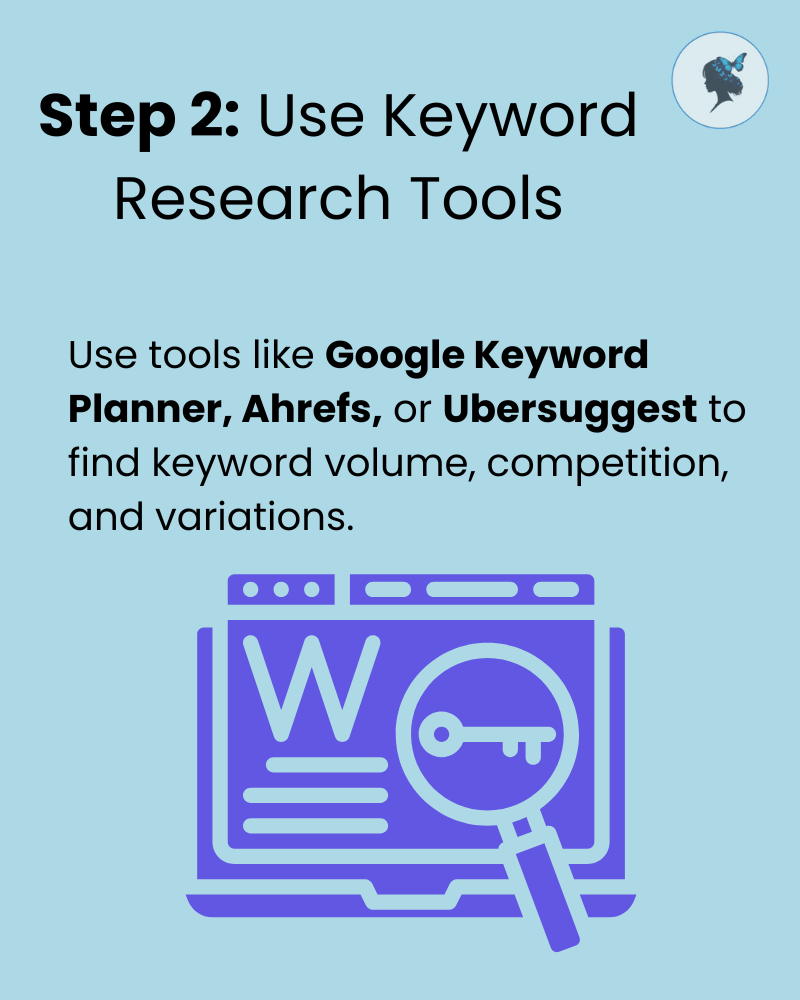
These tools can show you search volume, competition level, and related terms. Here are a few great tools to get started:
- Google Keyword Planner: This free tool allows you to enter your seed keywords and see a variety of related long-tail keywords with data on their search volume and competition.
- Ahrefs: Ahrefs is one of the most robust tools for keyword research. It shows you the exact phrases people are searching for, along with their ranking difficulty and potential traffic.
- Semrush: Semrush provides a detailed breakdown of keyword opportunities, including long-tail keyword ideas, competition analysis, and trending keywords.
- Ubersuggest: This tool is a great beginner-friendly option for discovering long-tail keywords, related keywords, and keyword ideas based on search volume and difficulty.
- Answer the Public: This tool is great for finding questions and phrases that people are searching for, helping you identify long-tail queries based on user intent.
Using these tools, you can discover long-tail keywords with higher search volume and low competition, ensuring you’re optimizing for keywords that will attract qualified leads.
Step 3: Analyze Search Intent
Understanding the intent behind each keyword is crucial. Long-tail keywords are powerful because they reflect specific search intent.
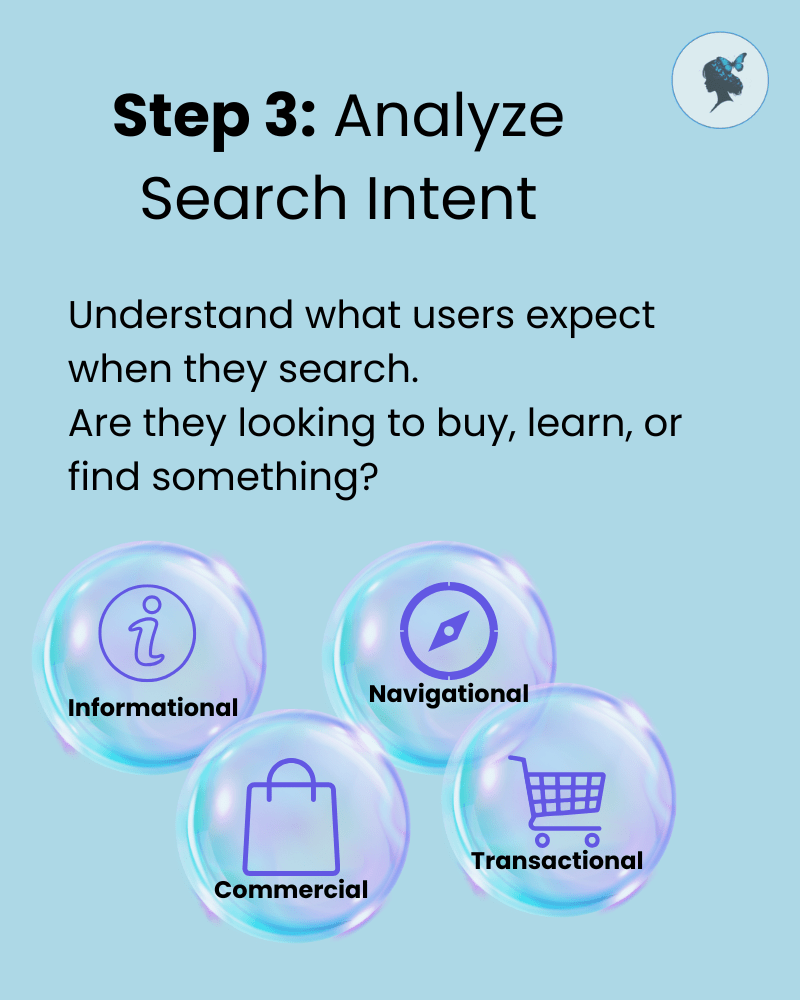
There are typically four types of search intent to consider:
- Informational: The user is seeking information (e.g., “best time to visit Paris” or “what to pack for a trip to the Alps”).
- Navigational: The user is searching for a specific site or brand (e.g., “Hawaiian Airlines booking”).
- Transactional: The user is ready to make a purchase or booking (e.g., “luxury beach resorts in the Maldives for honeymoon”).
- Commercial Investigation: The user is researching or comparing options before buying. (e.g., “best all-inclusive honeymoon packages” or “top-rated safari tours in Kenya”)
For travel companies, focusing on transactional long-tail keywords (those with a high purchase intent) is especially important, as these keywords are more likely to convert into bookings.
Read more about search intent in our guide.
Step 4: Explore Competitor Websites and Content
Another great way to identify valuable long-tail keywords is by analyzing the websites and content of your competitors.

Look at:
- Their blog posts: What topics are they covering? What keywords are they ranking for?
- Meta titles and descriptions: Check their metadata to see what keywords they’re targeting.
- Content gaps: Are there any long-tail keyword opportunities they’re missing that you can capitalize on?
By studying your competitors, you’ll not only identify keyword opportunities but also see how you can differentiate your content strategy to outperform them.
Not sure who your competitors are? Check out our post on competitor identification for travel companies.
Step 5: Refine and Prioritize Keywords
Once you’ve gathered a list of long-tail keywords, it’s time to refine and prioritize them.
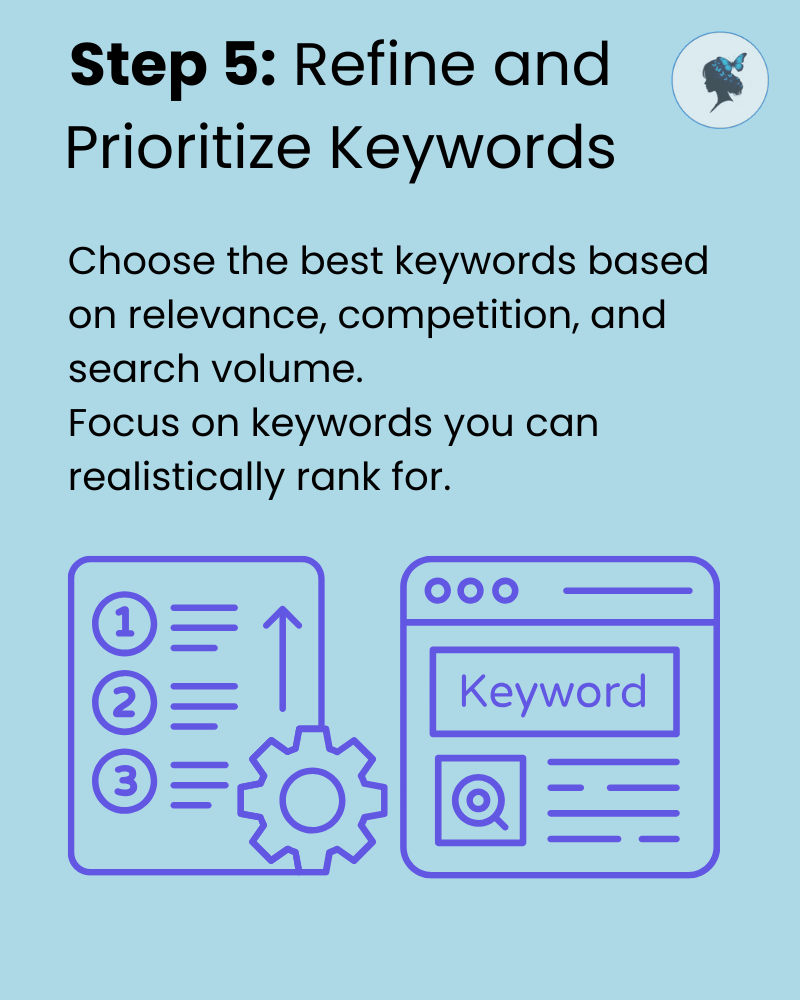
Focus on keywords that:
- Have a high search intent and align with your business offerings.
- Offer low competition but significant traffic potential.
- Match your audience’s journey, whether they are in the research phase or ready to book.
Also, be sure to balance volume with competition. Some long-tail keywords may have high search volume but also be highly competitive, while others may have lower volume but be much easier to rank for.
Why is Long-Tail Keyword Identification Important for Travel Companies?
Long-tail keyword identification is especially crucial for travel companies for several reasons:
1. Capture High-Intent Traffic
Travelers searching for specific, long-tail keywords often know exactly what they want. This means they are typically further down the sales funnel and more likely to convert. By targeting these high-intent keywords, your travel business can attract qualified leads who are actively searching for the experiences and services you offer.
2. Target Niche Markets
The travel industry is vast, and different travelers have unique needs. Whether you specialize in luxury vacations, budget travel, family-friendly trips, or adventure tours, long-tail keywords allow you to speak directly to your niche audience and address their specific concerns and desires.
3. Improve Your SEO Rankings
Long-tail keywords are typically less competitive, making it easier for you to rank for them. Since fewer businesses are targeting long-tail keywords, you’ll have a better chance of reaching the top of search engine results, improving your organic visibility.
4. Provide Content that Resonates with Users
Long-tail keywords often reflect the specific questions and concerns of travelers. By targeting these keywords, you can create content that directly answers those questions and provides real value. This builds trust with your audience, increases engagement, and encourages social sharing.
5. Increase Conversion Rates
Because long-tail keywords are more specific, they help you attract visitors who are more likely to book a service. A traveler searching for “luxury family vacation packages to Italy” is probably further down the decision-making process than someone searching for “vacation spots”.
Get in touch today to learn how we can help you attract the right customers and achieve SEO success!
Discover more from Wander Women Strategies
Subscribe to get the latest posts sent to your email.

15 thoughts on “Mastering Long-Tail Keyword Identification for Travel Companies”
Comments are closed.