

▶ Table of Contents
Introduction
In today’s digital landscape, the success of your travel blog can hinge on how effectively you harness the power of search engine optimization (SEO). A key element of any robust SEO strategy is selecting the right keywords that capture the essence of your niche while resonating with your target audience. Whether you are targeting digital nomads, globe-trotters with luxurious tastes, budget adventurers, families in search of memorable vacations, or eco-conscious wanderers, the right keywords can mean the difference between your blog being discovered or lost in the vast online travel space.
Understanding your audience’s search behavior is essential, and this begins with deep market research. You’ll need to examine the language your potential readers use, the questions they ask, and the destinations they dream about. In the travel industry, where trends ebb and flow, an effective keyword strategy not only draws traffic but also builds credibility. This article will guide you through developing a keyword approach that aligns with your travel niche, supports organic growth, and ultimately increases the visibility of your blog.
The journey begins by exploring specific travel segments. In the following sections, we dive into five sub-niches of travel: solo female travel, budget travel, luxury travel, family travel, and eco travel. By the end of this guide, you’ll have the insights you need to choose the right keywords and develop an SEO strategy that attracts and engages travelers from every corner of the globe.
Solo Female Travel
For travel bloggers focusing on solo female journeys, understanding your audience’s unique needs is essential. Solo travelers often prioritize safety, flexibility, and authentic local experiences; thus, your keyword research must reflect these values. Start by considering long-tail keywords that combine location names with “safe for solo female travel” or “women travel alone” to capture specific search queries. This means using tools such as Google Keyword Planner and Semrush to identify phrases with less competition but high relevance to your niche. Craft your content to emphasize empowerment, responsible travel practices, and tips for navigating unfamiliar destinations solo.
In refining your keyword strategy, consider integrating data that underscores the market’s potential. For instance, according to Booking.com’s 2024 Travel Trends survey, 35% of U.S. female travelers cite safety concerns as their top worry. This statistic not only validates the importance of safety-related keywords but also provides a direction for content that offers tangible advice on safe travel practices. By tailoring your articles to include sections on safety tips, emergency contact information, and destination-specific security advice, you can naturally embed these high-intent keywords.

A prominent and successful example of a solo female travel blog is Adventurous Kate, founded by Kate McCulley. Since embarking on her solo travels in 2010, Kate has visited over 89 countries, sharing her experiences to empower women to travel independently and safely. Her blog offers comprehensive destination guides, safety tips, and personal narratives that resonate with solo female travelers worldwide. Through consistent, SEO-optimized content, Adventurous Kate has built a strong online presence, attracting a dedicated readership seeking authentic and practical travel advice.
Another noteworthy example is The Blonde Abroad, created by Kiersten Rich. Launched in 2011, this blog focuses on solo female travel, providing resources ranging from destination guides to travel photography tips. Kiersten’s engaging writing style and visually appealing content have garnered a substantial following, establishing The Blonde Abroad as a go-to resource for women seeking inspiration and guidance for solo adventures.
Both of these blogs exemplify how targeted, well-crafted content can effectively engage and grow an audience within the solo female travel niche.
Budget Travel
Travelers on a budget are always on the lookout for ways to maximize experiences without overspending. For travel blogs aimed at this segment, keyword research should be geared toward cost-saving tips, inexpensive destination guides, and insider advice on scoring deals. Begin by brainstorming keywords that incorporate terms like “budget,” “cheap,” “affordable,” and “discount” alongside destination-specific words. Utilizing free keyword research tools, you can generate a list of high-volume search phrases that include modifiers and local terms, such as “budget travel Europe” or “cheap adventure vacations.” It’s vital to identify not only broad keywords but also niche-specific long-tail variations that capture the intent of frugal travelers.
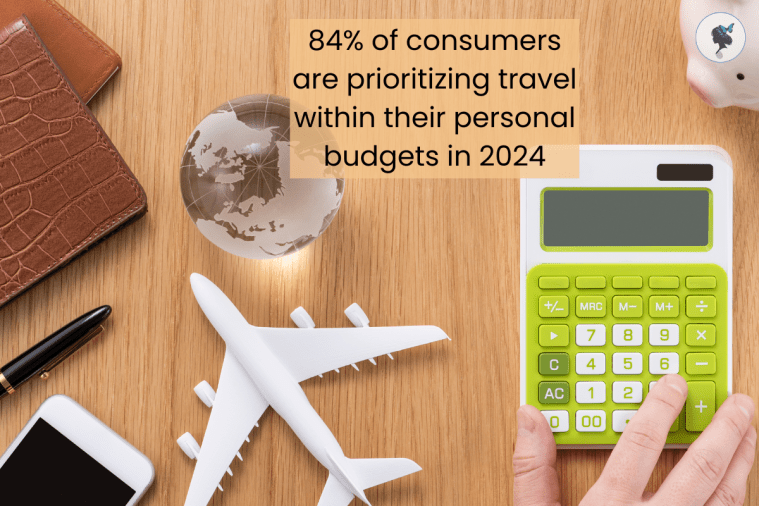
In this market, data can empower your content strategy. A recent study commissioned by eDreams ODIGEO, conducted by OnePoll, reveals that 84% of consumers are prioritizing travel within their personal budgets in 2024, despite the prevailing macroeconomic challenges. This statistic underscores the significance of budget considerations in travel planning, highlighting a trend where travelers are keen on maximizing value for their money. With this information in hand, you can focus on integrating price-comparison tips, budget itineraries, and seasonal travel deals into your blog. By doing so, you’ll be tapping into a segment that is actively searching for advice on getting the most value out of their trips.
A notable and successful example of a budget travel blog is Nomadic Matt, founded by Matthew Kepnes. Since its inception in 2008, Nomadic Matt has become one of the most recognized resources for budget travelers, offering comprehensive guides, tips, and strategies to travel the world affordably.
Matthew Kepnes, also known as Nomadic Matt, is an American travel blogger who began his journey after a transformative trip to Thailand in 2005. This experience inspired him to quit his job, complete his MBA, and embark on global travels, documenting his experiences and insights on his blog. Over the years, he has visited more than 100 countries, sharing practical advice on how to travel on a budget, including tips on finding affordable accommodations, saving on flights, and making the most of travel rewards programs.
Nomadic Matt’s blog has garnered a substantial following, attracting over 1.4 million visits per month. His book, How to Travel the World on $50 a Day, became a New York Times bestseller, further establishing his authority in budget travel. Through his platform, Matthew continues to inspire and educate travelers on how to explore the world without breaking the bank.
Luxury Travel
Luxury travel is defined by exclusivity, personalized service, and exceptional experiences. In this niche, the keywords you choose must evoke a sense of sophistication and refinement. Begin by researching terms that resonate with affluent travelers, such as “luxury escapes,” “bespoke travel experiences,” “five-star vacations,” and “exclusive resorts.” Using premium tools like Ahrefs and Moz can help you gauge both search volume and competition for high-end travel phrases. Remember, many luxury travelers seek unique experiences that go beyond generic travel advice; therefore, your content should reflect an elevated level of detail, including recommendations for private tours, gourmet dining, and upscale accommodations.
Data plays a crucial role in validating your strategy within the luxury sector. According to Virtuoso’s 2024 Trend Report, requests for exceptionally high-end experiences have increased for 89% of Virtuoso advisors. This surge encompasses exclusive-use experiences such as VIP transportation, luxury yachts, private residences, and itineraries that offer next-level stimulation and engagement. These findings highlight the growing demand for bespoke and personalized travel experiences among luxury travelers. This statistic highlights that high-net-worth individuals use refined search terms when planning their trips. It provides a powerful cue to incorporate keywords that emphasize personalization and exclusivity into your blog posts. Focusing on these key phrases—combined with content that highlights unique luxury services—can help set your blog apart from competitors and attract discerning audiences.

Virtuoso is a leading global network specializing in luxury and experiential travel, widely recognized for its high-end offerings and elite travel advisor network. From an SEO standpoint, Virtuoso excels due to its strong domain authority and highly optimized content structure. Its website features rich destination pages, luxury hotel listings, and curated experiences tailored to affluent travelers, all crafted with relevant, high-intent keywords. This content strategy helps Virtuoso rank for competitive search terms like “luxury travel advisor,” “exclusive travel experiences,” and “best luxury resorts,” attracting organic traffic from users actively seeking premium travel planning services.
In addition to its destination and service pages, Virtuoso maintains a robust content marketing strategy through its blog and digital magazine, which publish editorial-quality articles covering travel trends, seasonal destinations, and insider tips. These content pieces are not only engaging but also SEO-optimized, increasing visibility for long-tail keywords and featured snippets. Combined with a strong backlink profile from high-authority travel publications and news outlets, Virtuoso maintains a dominant presence in luxury travel search results, effectively driving high-value leads to its network of advisors.
Family Travel
When it comes to family travel, the journey is as important as the destination. Parents, often planning trips on tight schedules and budgets, look for destinations that cater to both adults and children. The keyword strategy for this segment should capture search terms like “family vacation ideas,” “kid-friendly resorts,” and “multi-generational travel.” Begin with a comprehensive list of terms generated through a combination of keyword research tools (e.g., Ubersuggest, Google Trends) and by analyzing competitor blogs in the family travel space. Enrich your content with practical advice, itineraries that address the needs of both parents and children, and engaging travel narratives that provide value for the entire family.
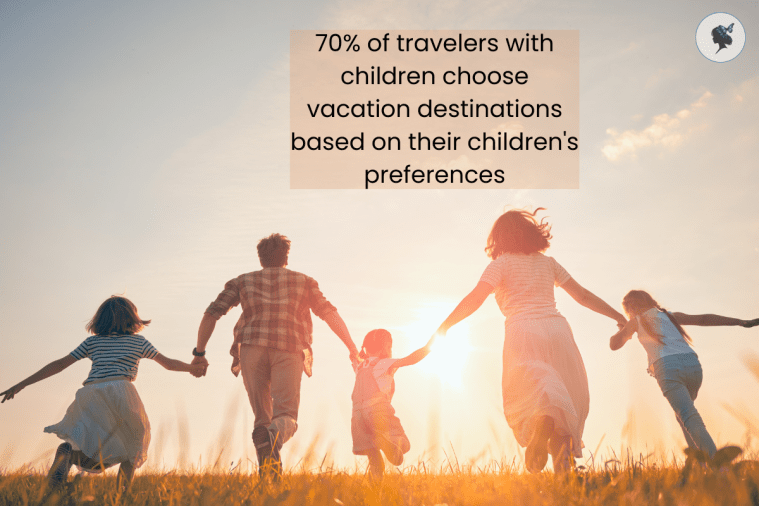
Statistics help reinforce the market’s dynamics in this niche. A survey conducted by Hilton, involving over 13,000 travelers, found that approximately 70% of respondents with children choose vacation destinations based on their children’s preferences. This figure not only points to the importance of including family-oriented keywords in your SEO strategy but also validates the integration of practical travel guides into your content. Incorporating these specific search terms and backing them up with supportive data can help attract the attention of families who are actively searching for travel solutions that balance fun and convenience.
A real-life example of effective family travel SEO comes from the blog “Adventures with the Littles.” This blog has successfully tapped into the family travel market by weaving practical advice with engaging storytelling. By targeting keywords such as “best family vacation spots” and “affordable kid-friendly hotels,” the blog managed to build a community of parents who rely on its in-depth reviews, travel tips, and destination guides. The blog’s consistent emphasis on safety, affordability, and engaging activities for children has translated into increased organic traffic and a robust social media following. This example illustrates that a keen understanding of family travel needs combined with precise keyword optimization can markedly enhance your SEO performance and reader engagement.
Eco Travel
Sustainable travel is no longer a niche trend—it has grown into a full-fledged movement that emphasizes environmental responsibility, conservation, and authentic local engagement. When developing an SEO strategy for eco travel, it is important to select keywords that reflect not just travel but also sustainability. Focus on phrases like “eco-friendly travel,” “sustainable tourism,” “green vacations,” and “responsible travel tips.” Using keyword tools combined with insights from environmental research organizations can help you uncover search terms that resonate with an audience committed to reducing their ecological footprint while exploring the world. Your content should ideally blend travel inspiration with actionable tips on how travelers can contribute to sustainable practices.
Statistics within the eco travel space underscore a significant market trend. Booking.com’s 2023 Sustainable Travel Report indicates that 81% of global travelers consider sustainable travel important, with 53% stating that recent news about climate change has influenced their travel decisions. This remarkable growth highlights that more travelers are actively seeking sustainable options and reinforces the importance of embedding eco-friendly keywords into your strategy. By creating content that focuses on low-impact travel tips, environmentally responsible accommodations, and conservation-focused activities, you can capture a substantial portion of the market that is both growing and highly motivated to make a positive impact.

Responsible Travel is a pioneering UK-based travel company that has championed ethical tourism since 2001. The company offers thousands of small-group and tailor-made holidays that are carefully vetted to ensure they align with environmental and social sustainability principles. From wildlife conservation trips to community-based cultural tours, Responsible Travel puts impact at the core of its business model. The company also advocates for transparency and activism in the tourism industry, publishing thought leadership pieces and campaigns on issues like overtourism, animal welfare, and climate change. Their commitment extends beyond operations—they actively influence policy and consumer behavior through education and campaigning.
From an SEO perspective, Responsible Travel has built a strong digital presence through a highly strategic content and keyword approach. Their site architecture includes thousands of optimized landing pages for destinations, trip types, and eco-themes—each crafted with descriptive, long-tail keywords like “responsible whale watching holidays” or “eco-friendly safaris in Africa.” The website also features detailed guides, sustainability FAQs, and blog posts that answer common user questions, improving its authority and visibility in Google’s organic search results. This content-rich strategy helps Responsible Travel attract eco-conscious travelers early in the booking journey, generating qualified traffic and reinforcing their position as a thought leader in sustainable tourism.
Need help? Contact us today to see how we can help you in your SEO journey.
Discover more from Wander Women Strategies
Subscribe to get the latest posts sent to your email.

One thought on “How to Choose the Right Keywords for Your Travel Blog’s SEO Strategy”
Comments are closed.