
▶ Table of Contents
- Why Personalization Matters in Travel Marketing
- What is Personalization in Travel Website Content?
- How Personalization Enhances SEO for Travel Websites
- Types of Personalization Strategies for Travel Websites
- Tools and Technologies to Implement Personalization
- Examples of Personalization in Travel Websites
- Measuring the Impact of Personalization on SEO and Conversions
- Challenges and Best Practices for Personalization
- Conclusion: The Future of Personalization in Travel Marketing
Why Personalization Matters in Travel Marketing
In today’s highly competitive travel industry, personalization has become essential for engaging potential travelers and turning website visitors into loyal customers. Personalization means tailoring your travel website content and SEO strategies to match the unique preferences, behaviors, and needs of each visitor. As travelers increasingly expect customized experiences online, delivering relevant, personalized content not only improves user satisfaction but also boosts key SEO metrics like engagement and conversions. Studies show that 80% of consumers are more likely to purchase from brands offering personalized experiences—a figure that applies strongly to the travel sector.
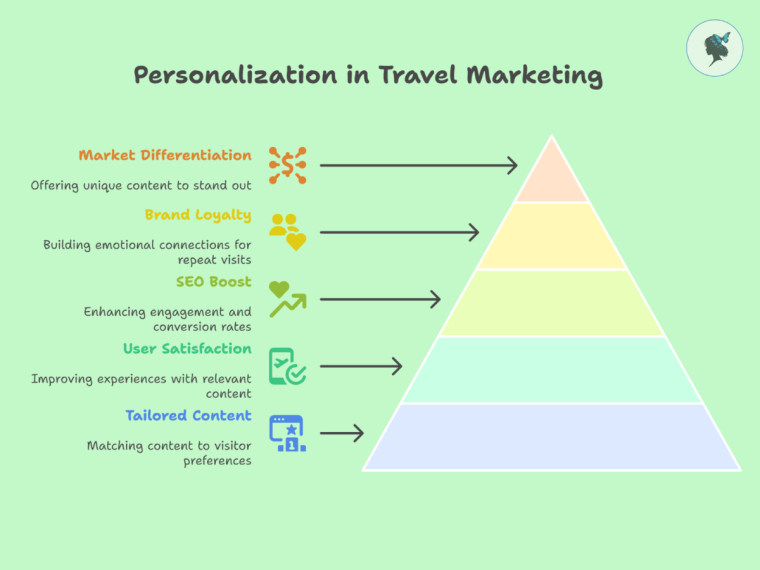
Personalized experiences also help build stronger emotional connections with users, fostering brand loyalty and repeat visits. Furthermore, personalization allows travel brands to differentiate themselves in a crowded marketplace by offering unique, relevant content that competitors may overlook.
What is Personalization in Travel Website Content?
Personalization on travel websites involves dynamically adapting content, offers, and recommendations based on information such as user behavior, location, demographics, and previous interactions. Instead of presenting generic content, personalized sites serve up travel packages, destination guides, and promotions tailored specifically to individual visitors.
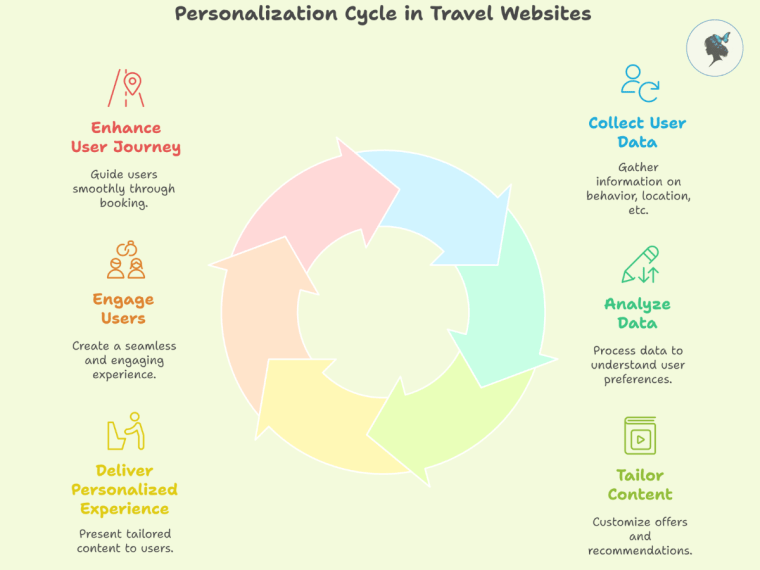
This can include showing relevant flight deals based on a user’s search history, highlighting activities suited to their interests, or recommending destinations that match their climate preferences. Dynamic content is key—it adjusts in real-time to deliver the most pertinent information, creating a more seamless and engaging user experience.
Additionally, personalization can extend to language preferences and currency displays, making international visitors feel more at home. It also enables customized user journeys, guiding visitors smoothly from initial interest to booking based on their unique profiles.
How Personalization Enhances SEO for Travel Websites
Personalized content significantly improves SEO performance by increasing visitor engagement. When users find content that feels relevant and useful, they stay longer on your site and explore more pages, which reduces bounce rates—an important ranking factor for search engines. Additionally, personalization enables the use of long-tail keywords tailored to specific traveler interests or locations, helping capture niche search queries.
More about mastering long-tail keywords here.
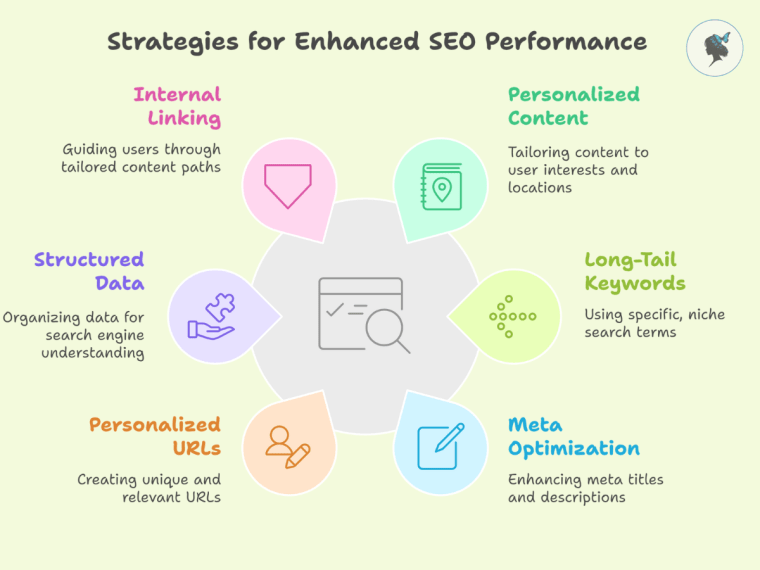
Optimizing meta titles and descriptions with personalized elements can also improve click-through rates (CTR) from search engine results pages (SERPs). For example, dynamically inserting location-specific terms into meta tags can attract travelers searching for packages in their preferred destinations.
Furthermore, personalized URLs and structured data can enhance site indexing by search engines, improving visibility for relevant queries. Personalized internal linking strategies also help distribute page authority effectively, guiding users and crawlers through tailored content pathways.
Types of Personalization Strategies for Travel Websites
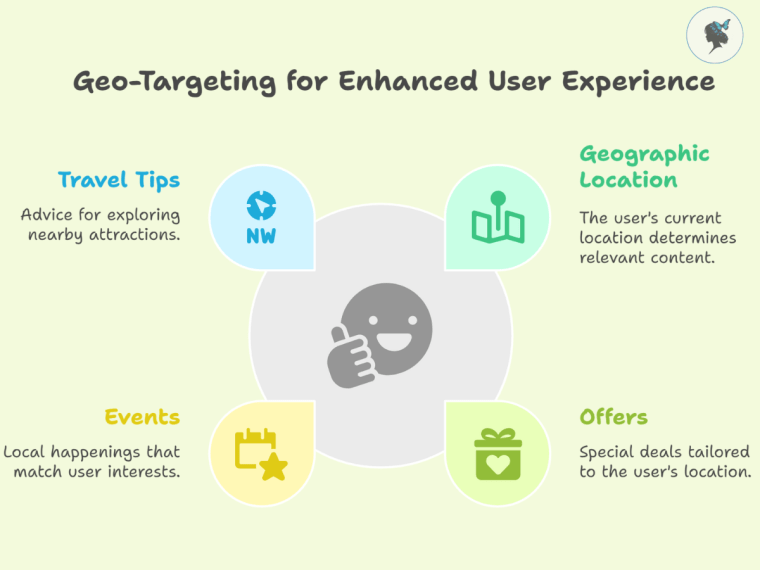
User Location-Based Content
Showing visitors offers, events, and travel tips relevant to their geographic location helps provide immediate value. For example, a visitor from New York might see winter ski packages in the nearby mountains, while someone browsing from California is shown beach resort deals. This geo-targeting increases relevance and conversion potential.
Behavior-Based Recommendations
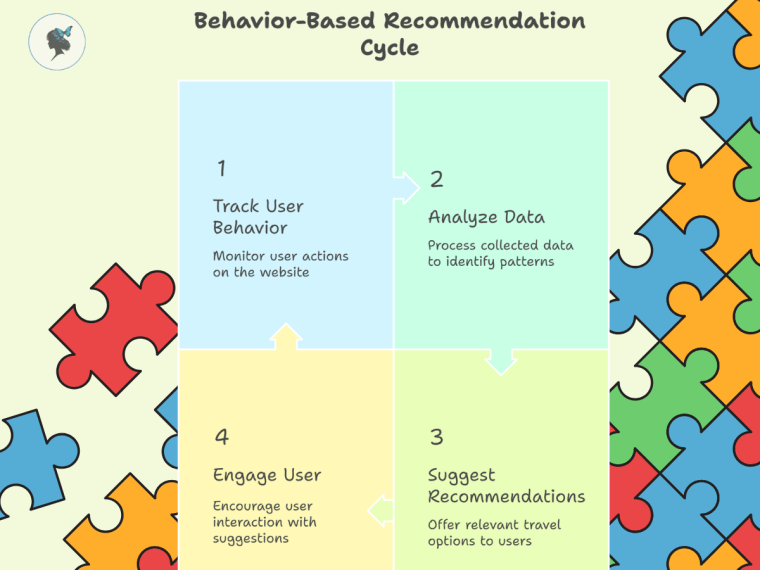
Tracking visitor behavior such as previous searches or pages visited allows websites to suggest related destinations, activities, or travel packages. For instance, if a user views several posts about hiking trips, the site can highlight adventure travel itineraries or gear recommendations.
Personalized Email Marketing and Retargeting
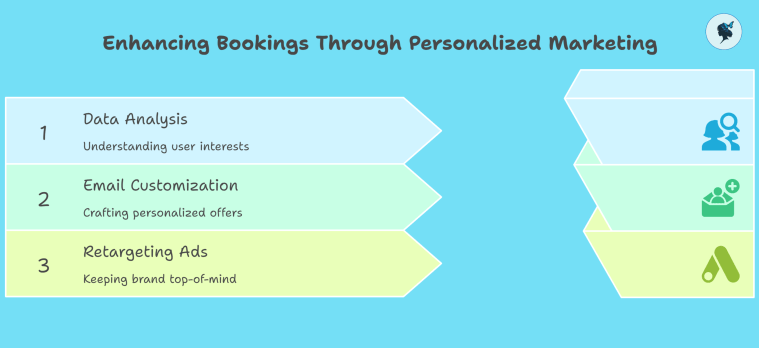
Using data collected from site visits, travel agencies can send customized emails with offers based on user interests, increasing the likelihood of bookings. Retargeting ads showing destinations or packages the user engaged with keep your brand top-of-mind.
Check out our post: AI-Driven Email Personalization
Dynamic Landing Pages
Landing pages tailored for different traveler segments (families, solo travelers, honeymooners) allow the presentation of highly targeted content and offers that appeal directly to those groups, improving SEO relevance and conversions.

Time-Based Personalization
Adjusting content based on seasonality or upcoming holidays—such as promoting beach vacations in summer or ski trips in winter—keeps the website timely and engaging.
Read our post: Strategies for Managing Seasonal Content
Device-Based Personalization
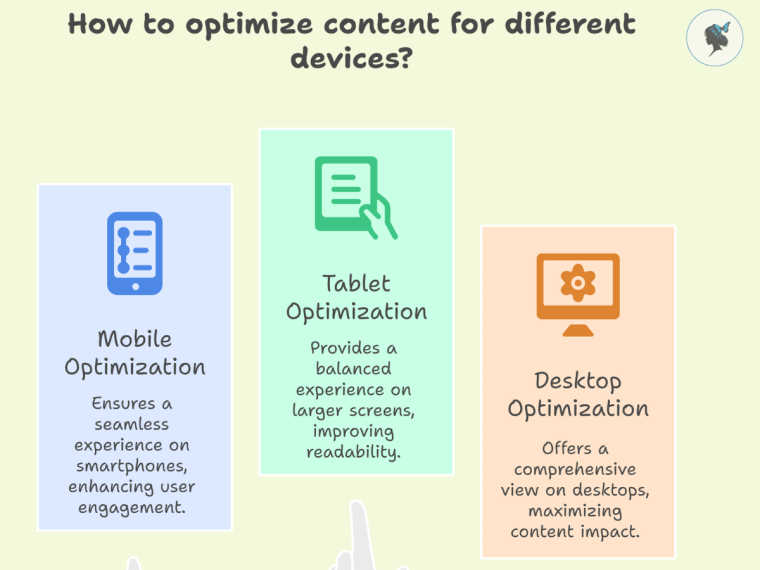
Optimizing content for different devices (mobile, tablet, desktop) and adjusting offers based on the visitor’s device ensures a smooth experience and higher conversion rates.
Tools and Technologies to Implement Personalization
Many CMS platforms and SEO tools now support personalization features. For example, HubSpot offers smart content modules that change based on visitor data, while Optimizely provides A/B testing and personalization capabilities to tailor website content dynamically. Artificial intelligence and machine learning algorithms further enhance personalization by predicting user preferences based on large datasets.
Check out: Ways AI Can Enhance Personalized Itinerary Generation
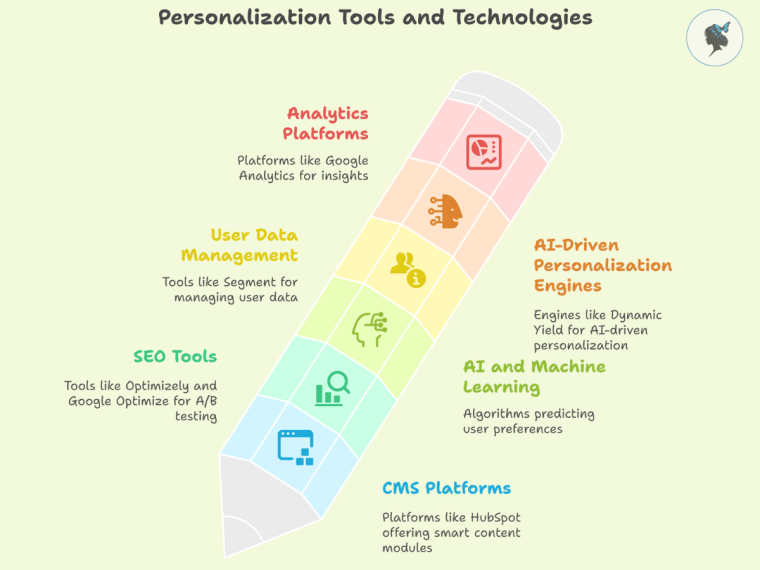
Other useful tools include Segment for managing user data across platforms and Dynamic Yield, which offers AI-driven personalization engines. Integrating these tools with analytics platforms like Google Analytics can provide comprehensive insights for continuous improvement.
Examples of Personalization in Travel Websites
- A travel website detects a user’s previous searches for tropical beaches and dynamically displays a curated list of island resorts with special offers on the homepage.
- For travelers browsing during winter months, the site automatically highlights ski resorts and winter festivals in relevant regions.
- The website provides personalized packing lists and travel tips based on the user’s chosen destination and travel dates, enhancing the overall user experience.
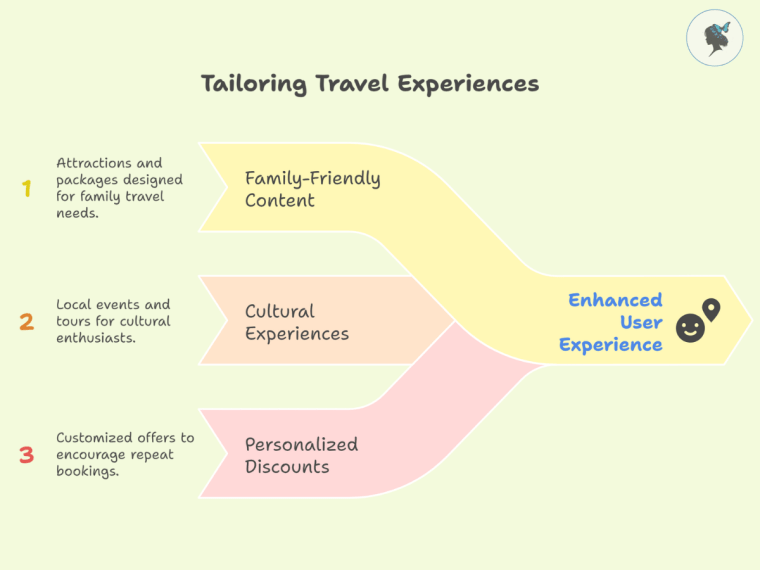
Imagine a family browsing your site during school holidays and seeing kid-friendly attractions and family vacation packages prominently featured. Or a solo traveler interested in cultural experiences is shown content focusing on local events and group tours. Additionally, returning visitors might receive customized discount offers based on their past interactions, encouraging repeat bookings.
Measuring the Impact of Personalization on SEO and Conversions
Tracking key performance indicators (KPIs) such as bounce rate, average session duration, and conversion rate helps assess the effectiveness of personalization. Implementing A/B testing enables travel websites to compare personalized vs. generic content, identifying which strategies yield better engagement and sales.
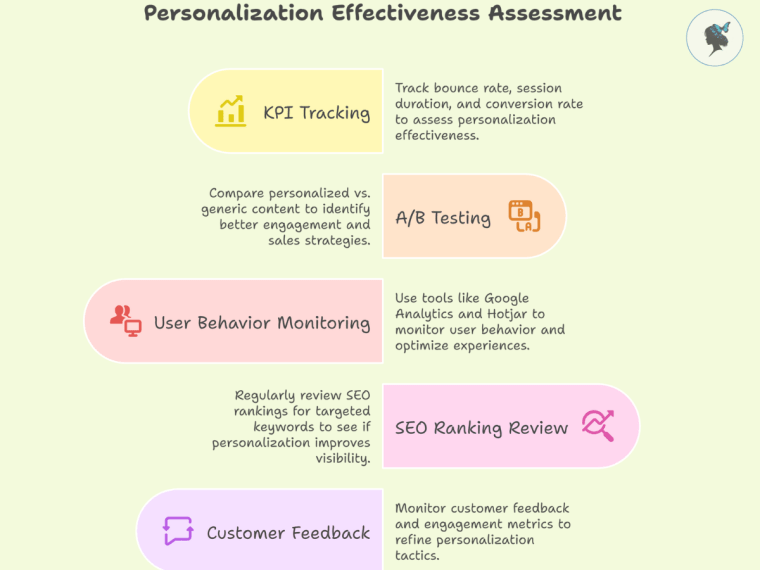
Tools like Google Analytics, Hotjar, and Crazy Egg allow you to monitor user behavior, heatmaps, and conversion funnels, providing insights to optimize personalized experiences further.
Regularly reviewing SEO rankings for targeted keywords can indicate if personalization efforts are improving search visibility. Monitoring customer feedback and engagement metrics also helps refine personalization tactics to better meet traveler expectations.
Challenges and Best Practices for Personalization
While personalization offers great benefits, it must be implemented thoughtfully. Data privacy regulations like GDPR require transparent user consent for data collection and use, so compliance is essential. Over-personalization can sometimes feel intrusive or repetitive, so balancing automated recommendations with fresh, authentic content is critical.
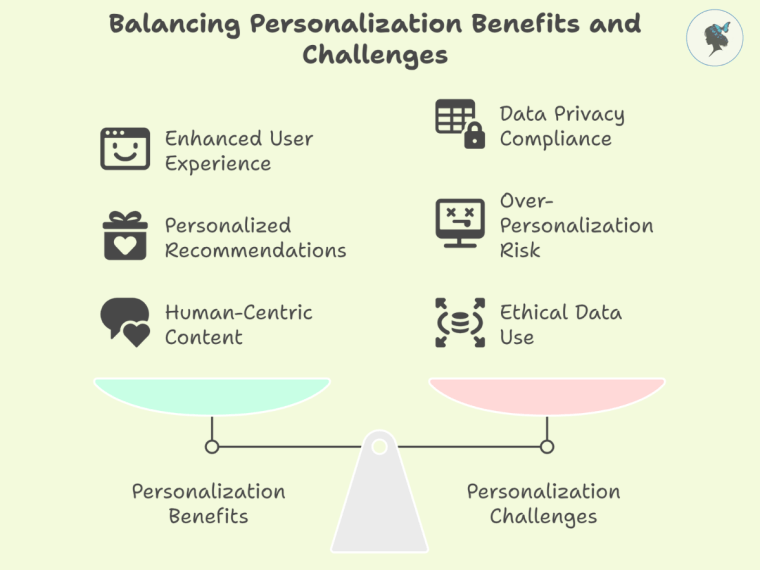
Best practices include regularly updating personalization rules, providing opt-out options, and ensuring your content remains human-centric and trustworthy.
Travel brands should also invest in staff training to understand the ethical use of data and to design personalized experiences that truly benefit the user. Ensuring website speed and technical SEO health is vital as dynamic personalization can increase site complexity.
Conclusion: The Future of Personalization in Travel Marketing
Personalization is no longer optional for travel websites; it’s a key strategy to improve SEO, user experience, and conversions. As technology advances, emerging trends like voice search personalization and augmented reality (AR) travel previews will create even richer, tailored experiences for travelers.
Travel brands that invest in intelligent personalization tools and strategies today will stand out, foster loyalty, and thrive in a rapidly evolving digital landscape.
Building a culture of continuous testing and adaptation around personalization will keep your agency ahead of competitors and aligned with traveler expectations.
Need help with your SEO or Content Strategy? Contact us to get started.
Discover more from Wander Women Strategies
Subscribe to get the latest posts sent to your email.

7 thoughts on “The Importance of Personalization in Travel Website Content and SEO”
Comments are closed.