
▶ Table of Contents
Introduction
In the fast-paced and competitive travel industry, having a solid content strategy is essential to stand out and attract the right travelers. A well-planned content approach not only draws visitors but also nurtures them through the buyer journey, ultimately converting browsers into booked customers. According to the Content Marketing Institute, content marketing rakes in conversion rates six times higher than other methods, making it an indispensable tool for travel brands.
Wander Women takeaways:
- Content marketing boosts engagement and conversions significantly.
- A clear content strategy guides travelers through the buying journey.
- Travel brands without a strategy risk losing customers to competitors.
Define Your Audience & Goals
Understanding who your target travelers are is the foundation of any successful content strategy. Creating detailed personas—whether solo adventurers, families, or luxury seekers—helps tailor your messaging to their unique preferences and pain points. Additionally, setting SMART goals (Specific, Measurable, Achievable, Relevant, Time-bound) aligned with your business objectives, such as increasing bookings by 20% or growing email subscribers, ensures your content efforts are purposeful and measurable.

Wander Women Hot Tips:
- Develop detailed traveler personas for targeted messaging.
- Align content goals with broader business objectives using SMART criteria.
- Continuously revisit and refine personas and goals as your audience evolves.
Conduct a Content Audit & Competitive Analysis
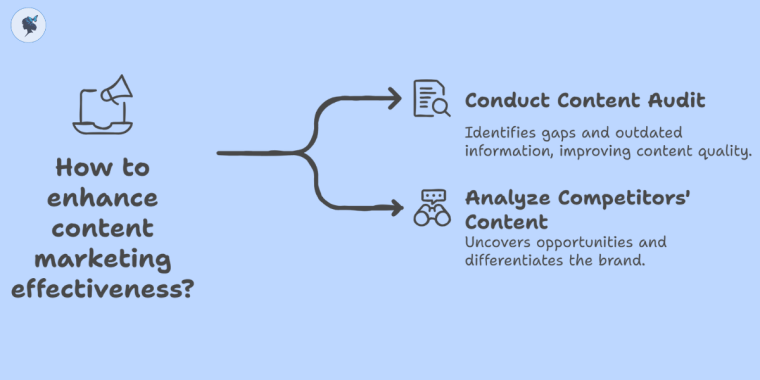
Before creating new content, evaluate what you already have by conducting a thorough content audit. This helps identify gaps, outdated information, or content that performs well. Simultaneously, analyze competitors’ content to uncover opportunities and differentiate your brand. Among the most successful companies in content marketing, 61% conduct content audits at least twice a year.
Wander Women Hot Tips:
- Identify what content resonates and what needs updating.
- Benchmark against competitors to find gaps and opportunities.
- Use audit findings to prioritize new content creation efforts.
Not sure how to identify your competitors? Read our post: Unlocking your competitive edge.
Keyword Research & SEO Planning
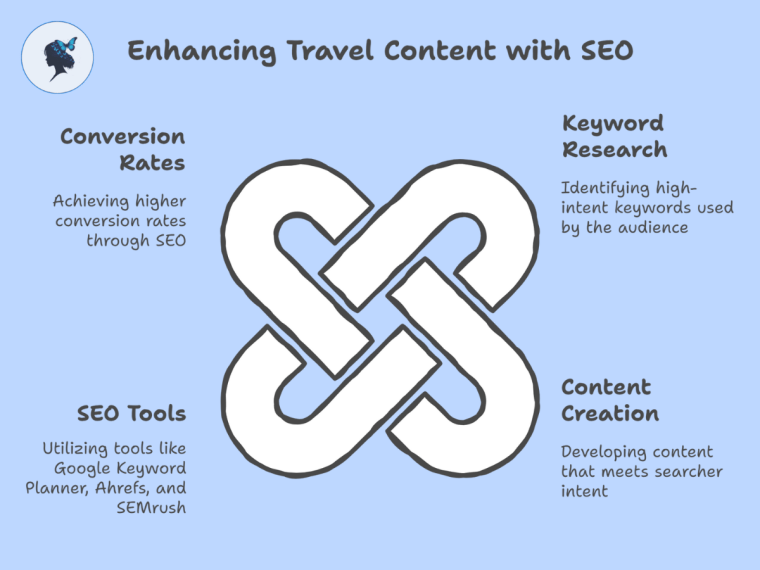
SEO remains a cornerstone for travel content success. By researching high-intent keywords your audience uses, such as “best family resorts in Florida” or “budget Europe travel tips,” you can create content that meets searcher intent—informational, transactional, or navigational. Tools like Google Keyword Planner, Ahrefs, and SEMrush provide valuable insights to guide your content creation. Travel marketers who prioritize SEO report 14.6% conversion rates compared to 1.7% for outbound leads.
Wander Women Hot Tips:
- Target high-intent keywords relevant to your travel niches.
- Match content to the searcher’s intent for better engagement.
- Leverage SEO tools to discover keyword opportunities and monitor rankings.
Content Types & Formats
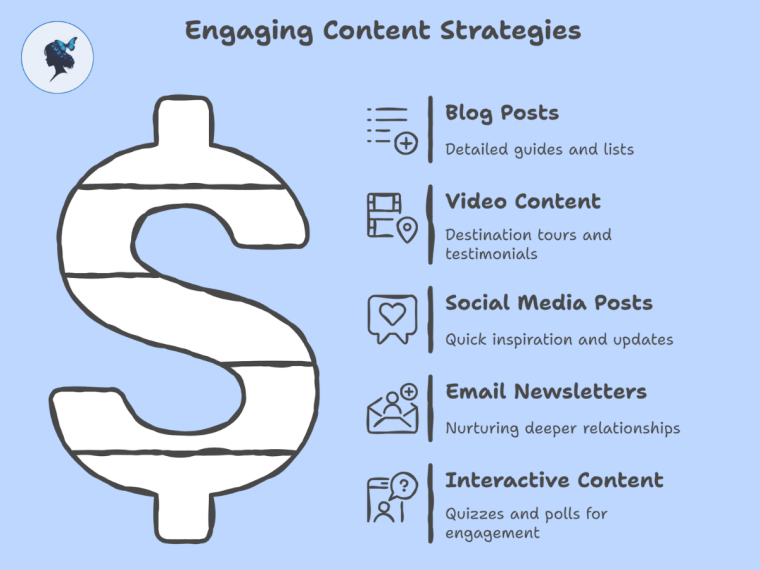
A diverse content mix keeps your audience engaged and caters to different preferences. Blog posts remain a travel staple for detailed guides and lists, while video content—like destination tours and traveler testimonials—is booming; according to the 2024 Global Internet Phenomena Report by Sandvine, streaming video accounts for more than 80% of global internet traffic, underscoring the dominance of video content in online data consumption. Social media posts and Stories allow quick inspiration, while email newsletters nurture deeper relationships. Interactive content such as quizzes or polls can boost engagement by over 40%.
Wander Women Hot Tips:
- Use a mix of blogs, videos, social posts, and interactive content.
- Prioritize video as a growing format for travel inspiration.
- Leverage email newsletters to maintain ongoing connections with prospects.
Check out our post about personalized content.
Create a Content Calendar
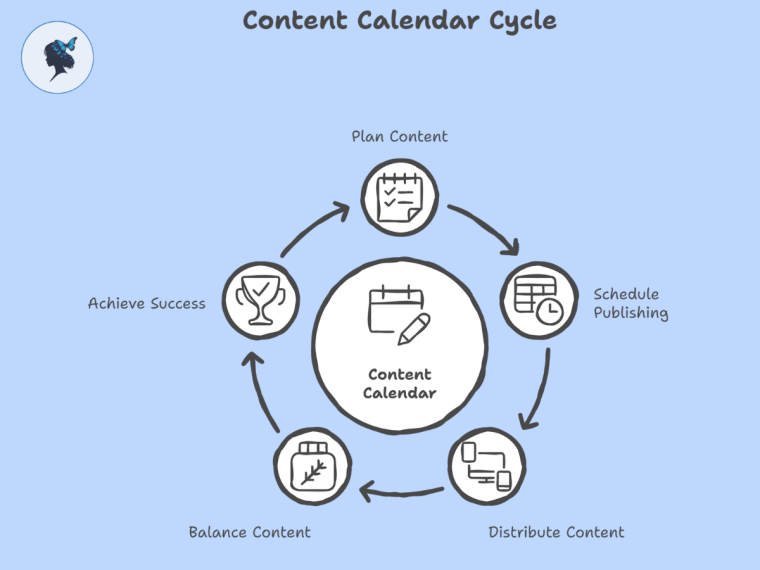
Consistency and planning are vital. Developing a content calendar helps schedule publishing frequency and distribution channels, balancing evergreen content that remains relevant year-round with trending or seasonal topics like holiday travel or summer vacations. According to CoSchedule, marketers who use content calendars are 3 times more likely to report success than those who don’t.
Wander Women Hot Tips:
- Plan publishing frequency and channel distribution ahead of time.
- Balance evergreen content with seasonal and trending topics.
- Use a calendar to maintain consistency and measure campaign success.
Read more about social media calendars here.
Content Creation Best Practices
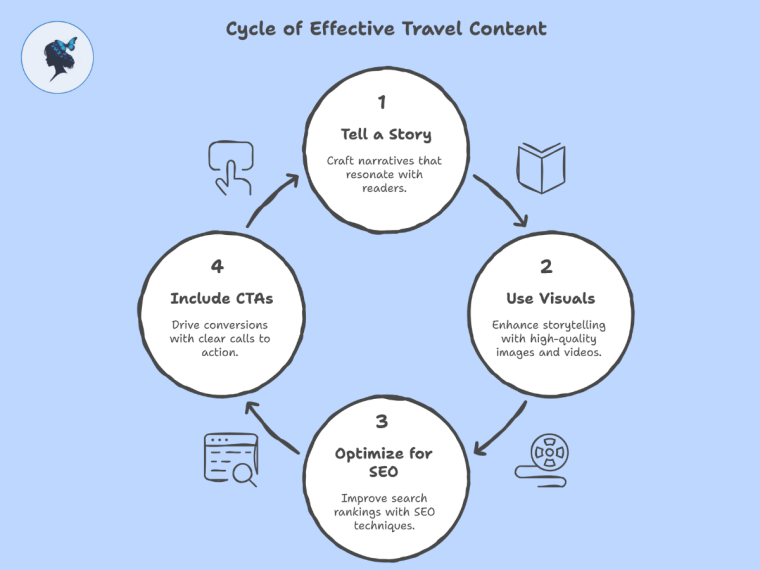
Effective travel content tells a story and appeals to readers’ emotions, helping them imagine their next adventure. Use high-quality images and videos to enhance storytelling and break up text for readability. Incorporate SEO best practices like keyword placement, meta descriptions, and internal linking to boost search rankings. Including clear calls to action—whether to download a guide, subscribe, or book a trip—drives conversions. HubSpot reports that content with strong CTAs increases conversion rates by 202%.
Wander Women Hot Tips:
- Craft storytelling content that resonates emotionally.
- Use visuals to support and break up text content.
- Optimize for SEO and include compelling calls to action.
Read our tips on storytelling here.
Distribution & Promotion
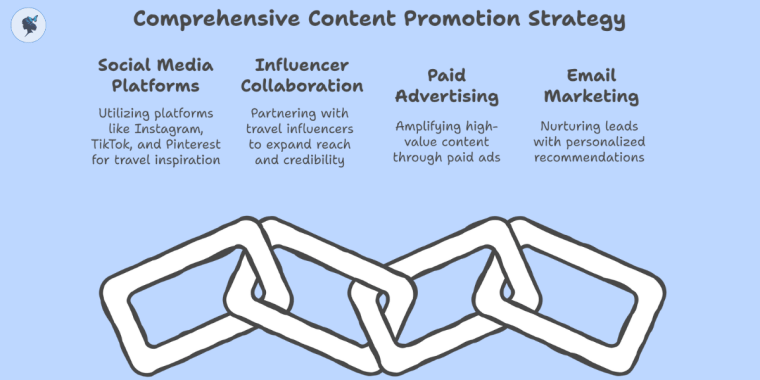
Creating great content is only half the battle—promoting it ensures it reaches your target audience. Share your content on relevant social media platforms such as Instagram, TikTok, and Pinterest, which are popular for travel inspiration. Collaborate with travel influencers or guest bloggers to expand reach and credibility. Paid ads can amplify high-value content, while email marketing nurtures leads with personalized recommendations. Research from Sprout Social shows that 64% of consumers want brands to connect with them on social media.
Wander Women Hot Tips:
- Share content on platforms your audience frequents.
- Partner with influencers and guest bloggers for broader reach.
- Use paid promotion and email marketing to nurture leads and conversions.
Read our post: how to leverage influencer marketing.
Measure & Optimize
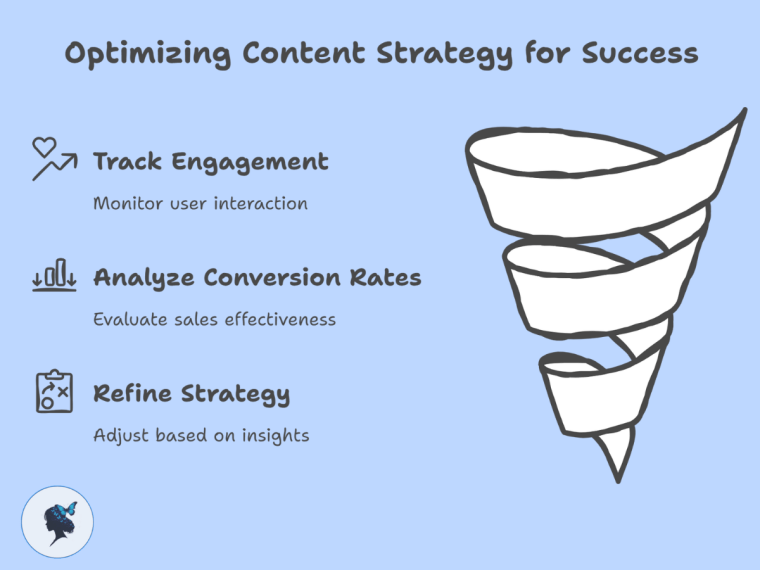
Tracking performance is critical to refine your strategy. Key metrics include website traffic, engagement rates, and conversion rates. Use analytics tools like Google Analytics and platform insights to monitor what’s working and where to improve. According to Deloitte, data-driven organizations are 23 times more likely to acquire customers and 19 times more likely to be profitable. Regularly revisiting and optimizing your content strategy ensures it stays aligned with your goals and audience preferences.
Wander Women Hot Tips:
- Monitor traffic, engagement, and conversion metrics regularly.
- Use analytics tools to identify content strengths and weaknesses.
- Continuously adapt strategy based on data insights.
Read our article: using data here.
Conclusion & Next Steps
Building a travel content strategy that converts requires a clear understanding of your audience, a solid SEO foundation, diverse and engaging content, and consistent promotion and measurement. By following these steps, travel brands can create meaningful connections with travelers, build trust, and ultimately drive more bookings. Start today by conducting a content audit or defining your traveler personas to set your strategy on the path to success.
Wander Women Hot Tips:
- A strategic approach leads to better engagement and conversions.
- Consistent measurement and optimization improve long-term results.
- Begin now with a content audit or audience definition to jumpstart your efforts.
Need help with your travel content strategy? Contact us today!
Discover more from Wander Women Strategies
Subscribe to get the latest posts sent to your email.

3 thoughts on “How to Build a Travel Content Strategy That Converts”
Comments are closed.