
▶ Table of Contents
Introduction
Content marketing is essential for travel brands aiming to connect with potential travelers, build trust, and ultimately drive bookings. In today’s digital landscape, blogging and video content have emerged as two of the most powerful tools to achieve these goals. However, deciding whether to prioritize blogging or video can be challenging, especially when resources are limited. Understanding the strengths and nuances of each format can help travel brands make informed decisions that align with their marketing objectives.
The Power of Blogging for Travel Brands
Blogging remains a cornerstone of digital marketing, primarily because of its significant SEO benefits. Well-optimized blog posts can drive consistent, long-term organic traffic by targeting search queries related to destinations, travel tips, and experiences. According to HubSpot, companies that blog receive 55% more website visitors and 67% more leads than those that don’t.
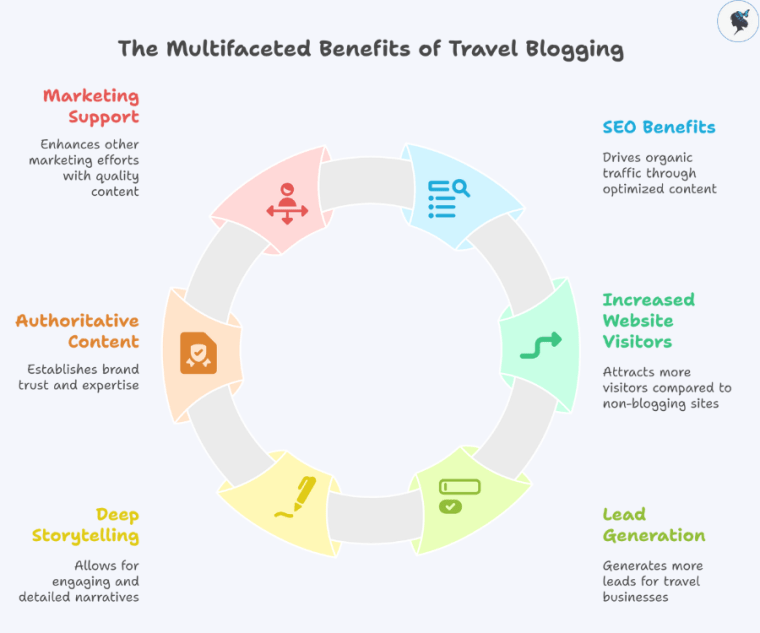
Blogs allow for deep storytelling and detailed travel guides, providing rich information that travelers rely on during their planning phases. Writing authoritative content helps establish your brand as a trusted expert, which is crucial in the highly competitive travel market. Moreover, blogs support other marketing efforts by feeding email campaigns and social media posts with quality content.
Read our post: How storytelling can transform your blog.
The Impact of Video Content in Travel Marketing
Video consumption is skyrocketing, especially on social media platforms where visual content captures attention rapidly. Platforms like YouTube, Instagram Reels, and TikTok have transformed how travelers discover and engage with travel brands. According to Wyzowl, 87% of marketers report that video has increased traffic to their websites, and 88% say video gives them a positive ROI.
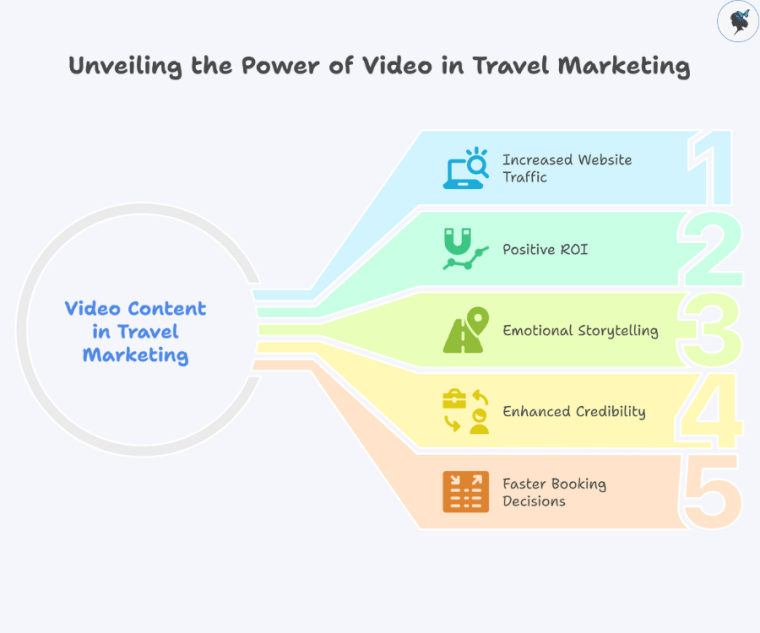
Videos enable emotional storytelling by showcasing immersive experiences, beautiful landscapes, and real-time adventures. This format appeals to travelers’ senses, creating a stronger connection than text alone. Video testimonials from past customers and live updates can also boost credibility and urgency, driving faster booking decisions.
More about storytelling here.
Comparing Reach and Engagement
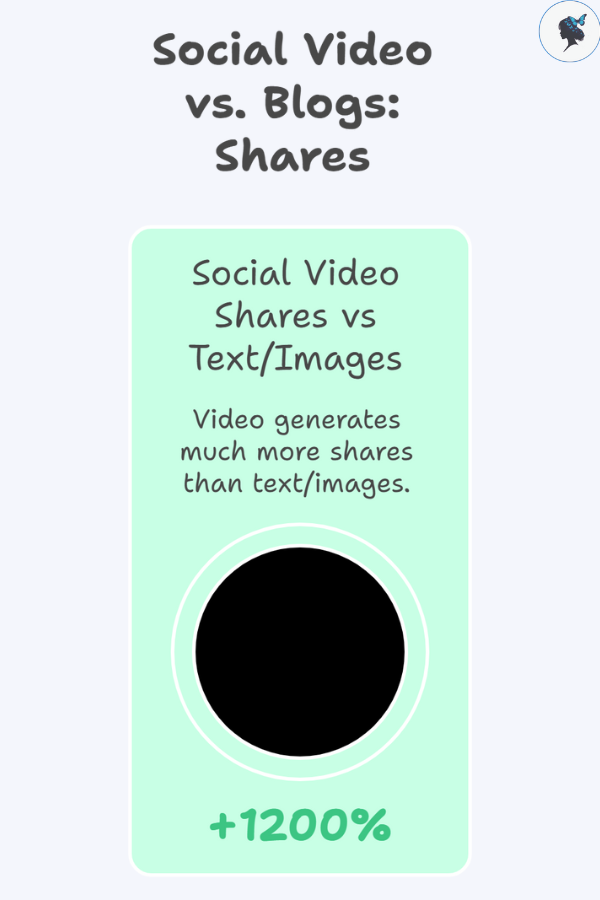
When comparing blogs and videos, metrics such as average time spent, shares, and conversion rates offer valuable insights. Research from Medium shows that social video generates 1200% more shares than text and images combined, which indicates higher engagement potential.
However, blogs typically generate higher SEO value and better performance in search engines, sustaining traffic over time. Video production tends to require higher costs and resources, including equipment, editing, and scripting, whereas blogging can be more cost-effective and faster to produce. Choosing the right balance depends on your budget, team skills, and marketing goals.
Target Audience Considerations
Understanding your target audience is critical when choosing between blogging and video. Younger generations like Gen Z and Millennials favor video content, especially on mobile devices, with 90% of Gen Z consumers preferring to see videos from brands.
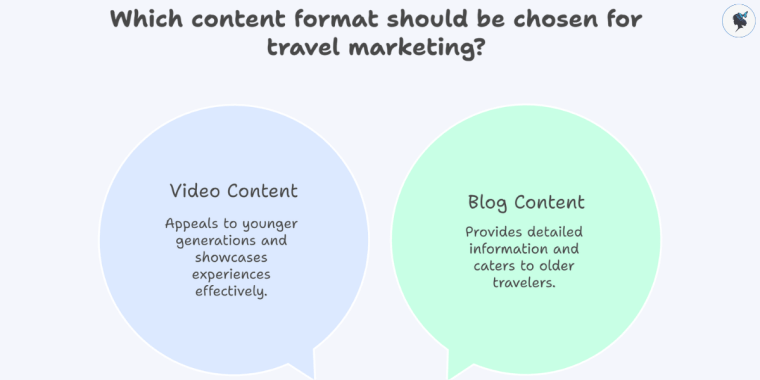
Meanwhile, older travelers may prefer blogs that allow for detailed research at their own pace. Additionally, travel stages influence content preference: travelers in the inspiration phase might engage more with videos showcasing experiences, whereas those in the decision-making phase often seek detailed blog posts to finalize plans. Accessibility issues such as slow internet or device constraints can also affect content consumption.
Read our post: marketing to Gen Z travelers.
When to Prioritize Blogging
Blogging should be a priority if your goal is to improve SEO rankings and build a repository of evergreen content. Detailed guides, how-tos, and FAQs help travelers find your brand through organic search and provide comprehensive trip planning support. Blogging also offers flexibility for integrating keywords and internal links, boosting your site’s authority.
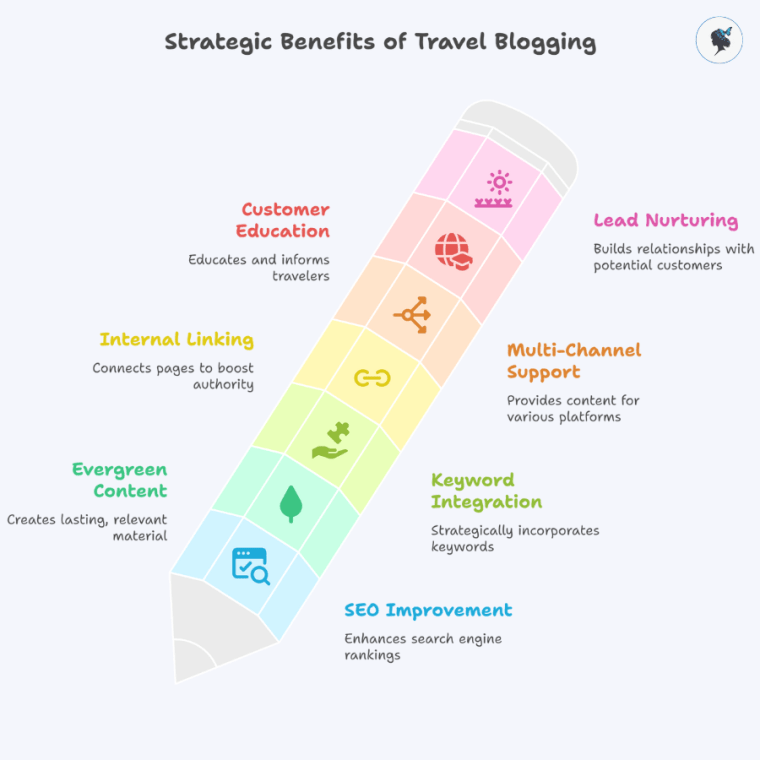
Furthermore, blogs complement multi-channel strategies by providing content that can be repurposed for newsletters, social media captions, and downloadable resources. If your travel brand focuses on educating customers and nurturing leads over time, investing in blogging is essential.
Read our post: How to repurpose travel blog content.
When to Prioritize Video
Video content is ideal when your objective is to maximize social media engagement and tell compelling brand stories. Travel experiences are highly visual, and videos can capture excitement, culture, and scenery in ways text cannot. Short-form videos perform well on platforms like Instagram and TikTok, perfect for reaching younger audiences and generating viral interest.
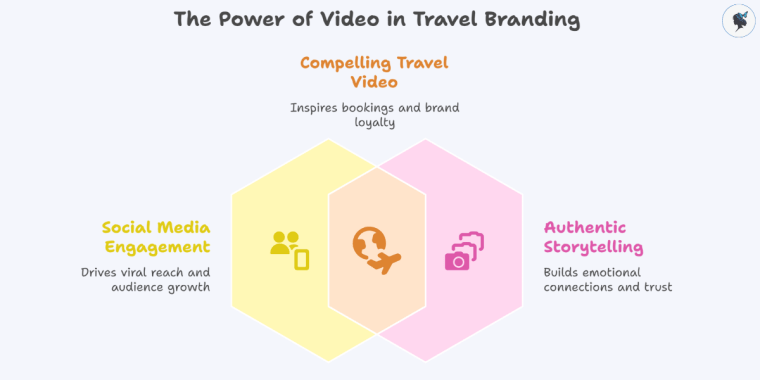
Videos also work well for showcasing customer testimonials and live updates from destinations, which add authenticity and urgency. If your travel brand aims to build emotional connections and prompt immediate bookings or inquiries, prioritizing video content can be highly effective.
Read our post: how to use stunning travel photography and videos.
Combining Blogging and Video for Maximum Impact
The most successful travel brands leverage both blogging and video to maximize their reach and engagement. Repurposing blog content into videos (e.g., travel tips, destination highlights) and vice versa allows you to appeal to different audience preferences without doubling workload.
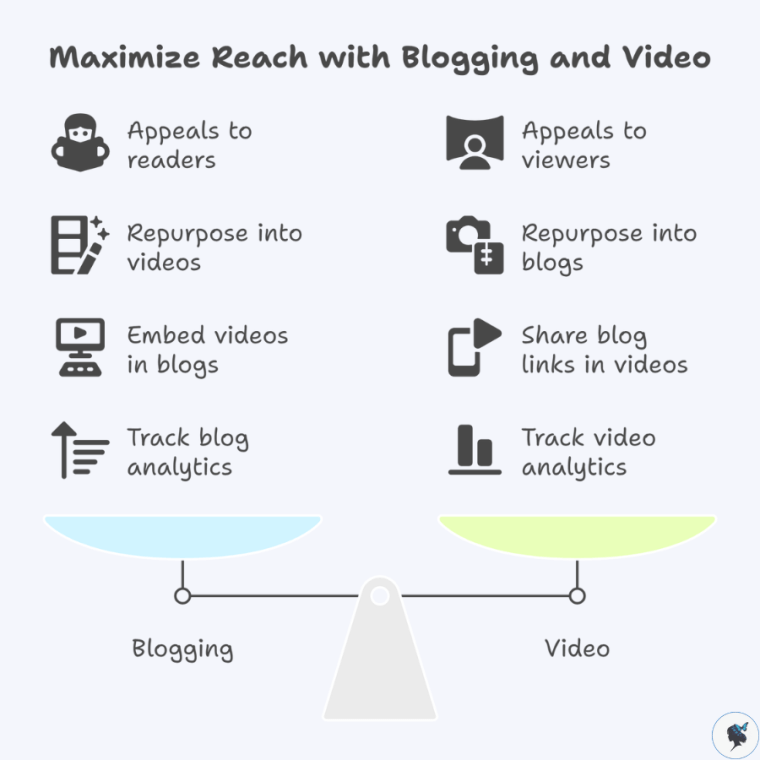
Cross-promotion—embedding videos in blog posts or sharing blog links in video descriptions—can improve SEO and enhance user experience. Tracking performance analytics from both formats enables data-driven decisions, helping you fine-tune your content strategy to what resonates most with your audience.
Conclusion
There is no one-size-fits-all answer when deciding between blogging and video for travel brands. The best approach depends on your brand’s goals, target audience, budget, and resources. Starting with clear objectives and testing both formats helps identify what drives the most engagement and conversions.
Continuously monitoring trends and adapting your strategy ensures your travel brand remains competitive in the evolving digital landscape. Whether you lean towards detailed blogs, captivating videos, or a combination of both, delivering valuable and inspiring content will always be key to winning traveler loyalty and business growth.
Need help? Contact us today!
Discover more from Wander Women Strategies
Subscribe to get the latest posts sent to your email.

One thought on “Blogging vs. Video: What Travel Brands Should Prioritize”
Comments are closed.