
▶ Table of Contents
Introduction
For travel agencies, dynamic inventory pages—featuring seasonal offers, limited-time packages, or fluctuating availability—are essential for converting travelers. However, frequent changes pose SEO challenges. Pages may appear and disappear each season, risking lost rankings, duplicate content, or broken links.
Properly handling these pages requires a combination of technical SEO strategies and content planning to preserve search visibility while delivering a seamless user experience.
Wander Women Hot Tip: Start by auditing your existing offers pages. Identify which seasonal or expiring content has caused 404 errors or ranking drops in the past.
Understanding Dynamic Inventory
1. Definition and Examples
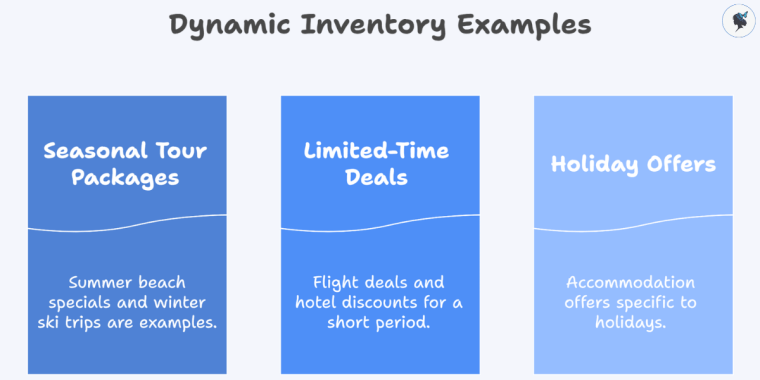
Dynamic inventory pages are those updated frequently based on availability, promotions, or seasonality. Common examples include:
- Seasonal tour packages (e.g., summer beach specials, winter ski trips)
- Limited-time flight deals or hotel discounts
- Holiday-specific accommodation offers
2. Seasonal Trends and Impact
- Travel demand varies by season; peak periods often bring high search interest for specific destinations.
- Search behavior changes accordingly—for instance, “best ski resorts” spikes in winter.
- Agencies must update content timely to match traveler intent.
Wander Women Hot Tip: Track seasonal search trends per destination to plan offers content ahead of peak interest, ensuring your pages are indexed and visible when travelers search.
You might be interested in our post: Strategies for Managing Seasonal Content.
SEO Implications of Dynamic Pages
1. Crawling and Indexing Challenges
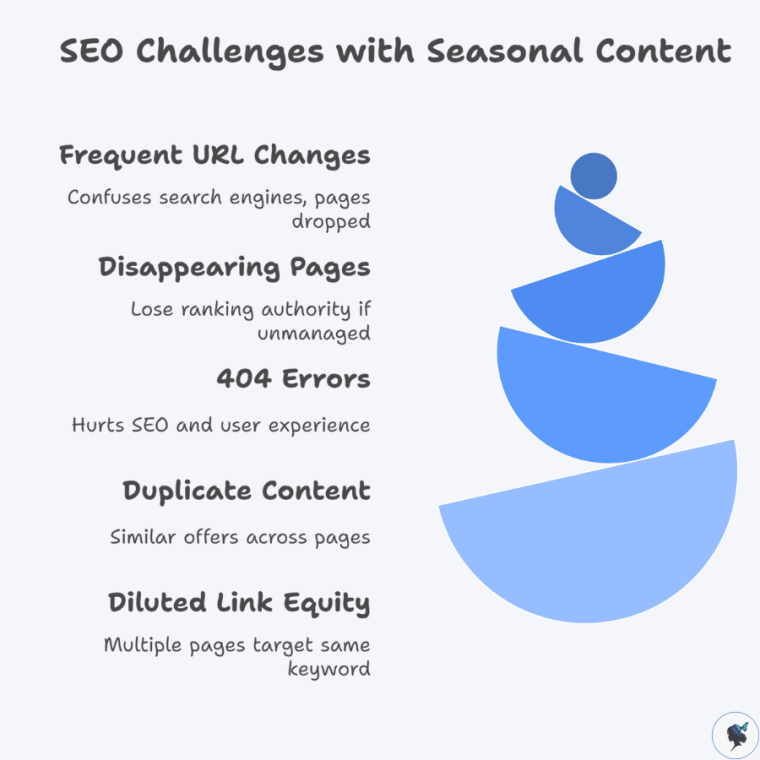
- Frequent URL changes can confuse search engines, leading to pages being dropped from the index.
- Disappearing pages may lose ranking authority if not managed correctly.
More about crawlability and indexability here.
2. Risks of 404 Errors and Duplicate Content
- Expired offers returning 404s hurt both SEO and user experience.
- Similar offers across multiple pages can create duplicate content issues.
3. Impact on Link Equity
- Link equity may be diluted if multiple seasonal pages target the same destination or keyword.
- Without proper canonicalization or redirects, valuable SEO signals can be lost.
Wander Women Hot Tip: Develop a consistent URL strategy for seasonal offers, keeping base URLs evergreen while updating the content dynamically.
Best Practices for Managing Dynamic Offers
1. Structured Data Implementation
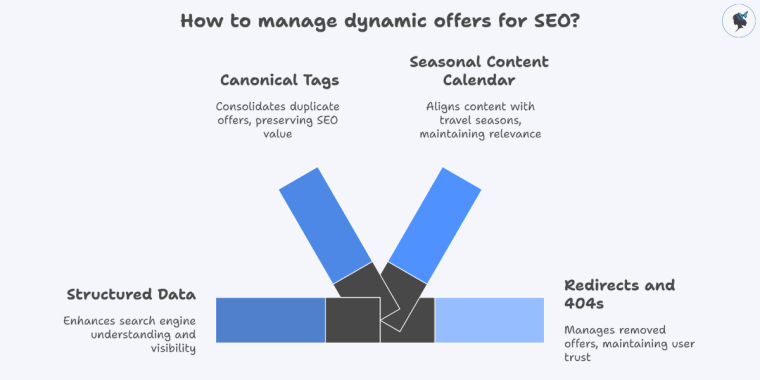
- Use Offer, Product, and Event schema to help search engines understand seasonal packages.
- Structured data can enable rich snippets in search results, increasing CTR and visibility.
2. Canonical Tags
- Use canonical tags to consolidate duplicate or similar offers, preserving SEO value.
- Example:
/summer-beach-specialcanonicalized to/beach-offersensures all authority points to the main destination page.
3. Seasonal Content Calendar
- Plan content updates aligned with travel seasons.
- Schedule posts for new packages before peak search periods to maintain relevance and indexing.
4. Redirects and 404 Handling
- Use 301 redirects for removed offers to relevant alternatives.
- Soft 404s for expired offers can maintain user trust without harming SEO.
Wander Women Hot Tip: Maintain a master offers index page that links to all seasonal pages. This acts as a central hub for both users and search engines.
Enhancing User Experience
1. Displaying Offers Dynamically
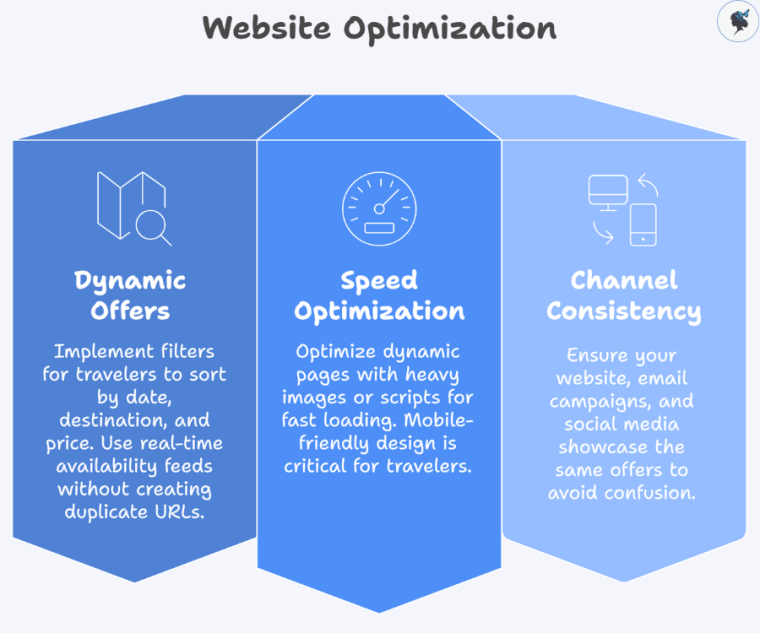
- Implement filters for travelers to sort by date, destination, and price.
- Use real-time availability feeds without creating duplicate URLs for each variant.
2. Page Speed and Mobile Optimization
- Dynamic pages often include heavy images or scripts—optimize for fast loading.
- Mobile-friendly design is critical, as most travelers search and book on mobile devices.
More about mobile optimization here.
3. Consistency Across Channels
- Ensure your website, email campaigns, and social media showcase the same offers to avoid confusion.
Wander Women Hot Tip: Use lazy loading for images and caching for frequently updated content to balance dynamic functionality with page speed.
Case Study
Ingenia Holiday Parks — Migration & SEO protection
- Client: Ingenia Holiday Parks (part of Ingenia Communities).
- Project: Large-scale platform migration from WordPress to headless CMS (Sanity) with a dev partner (Inlight) and SEO partner Optimising.
- Goal: Migrate a high-traffic site without losing organic rankings or bookings.
- Outcome: traffic levels sustained through cutover (200k+ monthly organic visits), impressions doubled year-on-year, key park pages showing significant click gains, and bookings remained consistent. Optimising reports rankings/impressions stabilised within two weeks and continued to improve thereafter.
Wander Women Hot Tip: Analyze which seasonal pages consistently generate traffic and bookings to prioritize future updates.
Conclusion
Managing dynamic inventory pages effectively requires a balance of SEO, content planning, and user experience:
- Use structured data to highlight seasonal offers in search results.
- Apply canonical tags and 301 redirects to preserve SEO value.
- Maintain a content calendar to plan updates and ensure pages remain relevant.
- Optimize page speed and mobile experience to enhance usability.
By implementing these strategies, travel agencies can maintain rankings, improve conversions, and maximize visibility for seasonal offers without compromising SEO.
Wander Women Hot Tip: Treat your dynamic offers pages as a living asset. Update, optimize, and monitor them regularly to ensure both travelers and search engines continue to find your best seasonal content.
Need help with your dynamic content? Contact us today!
Discover more from Wander Women Strategies
Subscribe to get the latest posts sent to your email.
