

▶ Table of Contents
Introduction
In the travel industry, creating content such as summer travel guides is a major investment — in time, research, visuals, SEO and social media effort. But when the summer season ends, too many of those guides simply go stale, losing relevance and letting rankings slip. That’s where content repurposing comes in: consciously refreshing, reshaping, and re‑using your best seasonal assets to extend their lifespan, boost SEO value, and maintain social media traffic well into the off‑season and into the next year.
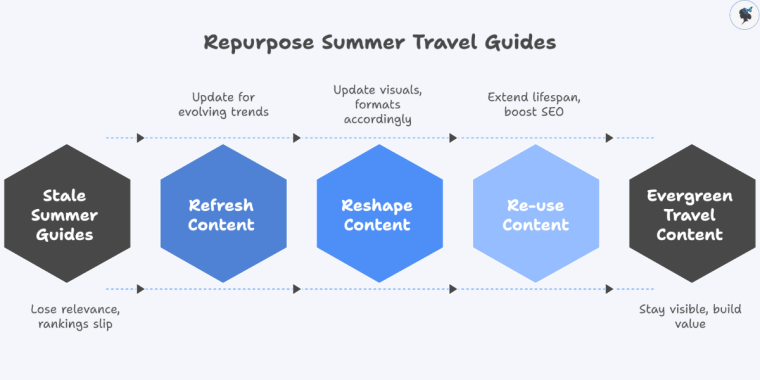
For travel agencies, repurposing is not just a cost saver — it’s an opportunity to stay visible when travel intent dips, build evergreen value, and position for the next peak season. According to a recent guide, one of the “what’s in” travel marketing trends for 2025 is ongoing repurposing rather than one‑and‑done posts. It allows you to refresh content for evolving trends (e.g., “slow travel” or “digital nomad stays”) and update visuals, formats and distribution channels accordingly.
Strategies for Repurposing Summer Guides for Off‑Season Travel
1. Adapt Content for Off‑Season Relevance
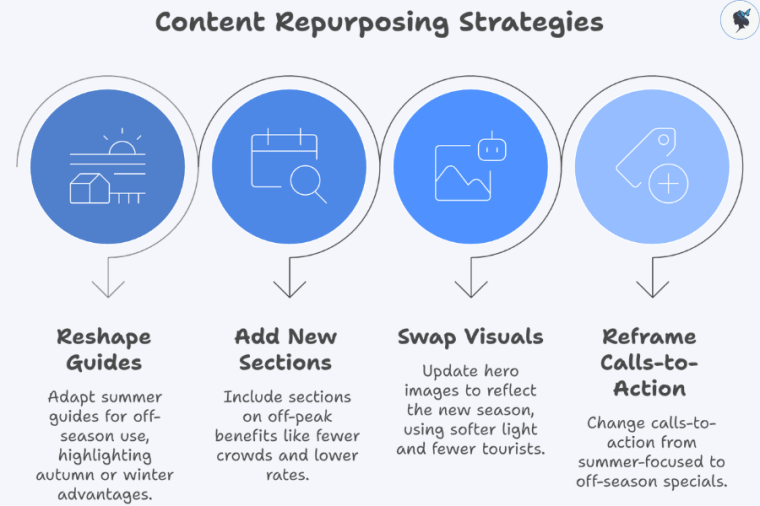
- Take your “Summer 2025 Beach Destinations” guides and reshape them for off‑season uses: e.g., “Why this beach destination is still great in early autumn”, “Winter escape alternatives at low season rates”.
- Add new sections reflecting off‑peak advantages: fewer crowds, lower rates, local cultural events, indoor experiences, shoulder‑season weather.
- Swap visuals or update hero images to reflect the new season (e.g., softer light, fewer tourists) to keep content feeling timely.
- Reframe calls‑to‑action: instead of “Book your summer escape now!”, try “Discover our off‑season specials”.
2. Update Data, Trends & Statistics
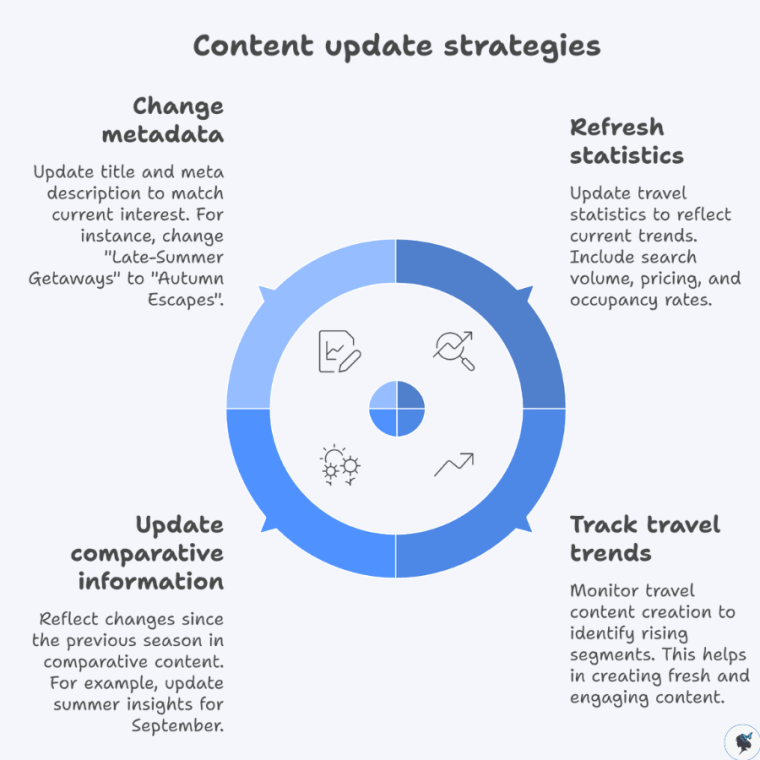
- Refresh travel statistics: search volume for off‑season travel, pricing trends, occupancy rates in shoulder seasons.
- According to industry data, trend‑tracking in travel content creation (spotting which segments are rising) is more important than ever.
- Update any comparative info: e.g., if you publish in September, reflect the “What’s changed since summer” insight.
- Change metadata (title, meta description) to reflect current interest—e.g., “Late‑Summer Getaways 2025” becomes “Autumn Escapes at the Same Destinations”.
3. Transform Formats & Channels
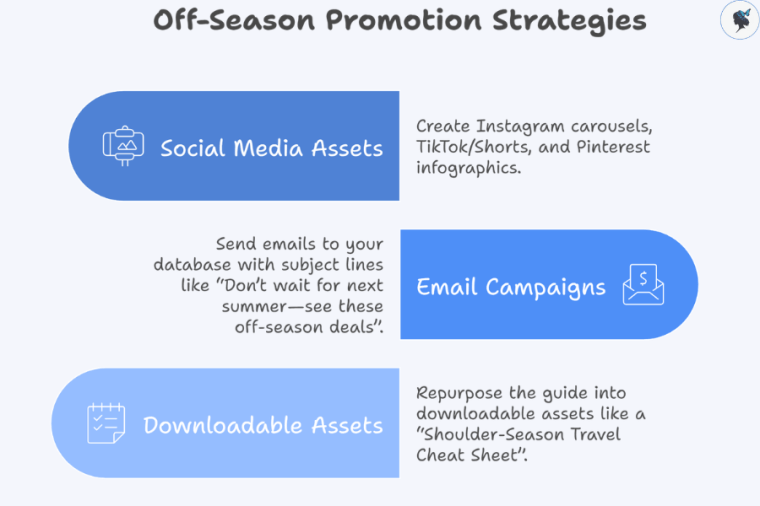
- Break the guide into social media assets: Instagram carousel of “5 things to do off‑peak”, TikTok/Shorts showing quieter scenes, Pinterest infographics of “Why travel in shoulder season”.
- Use email campaigns: send to your database with subject line “Don’t wait for next summer—see these off‑season deals”.
- Consider repurposing into downloadable assets: e.g., a “Shoulder‑Season Travel Cheat Sheet” based on the guide.
4. Optimize for SEO & Discoverability
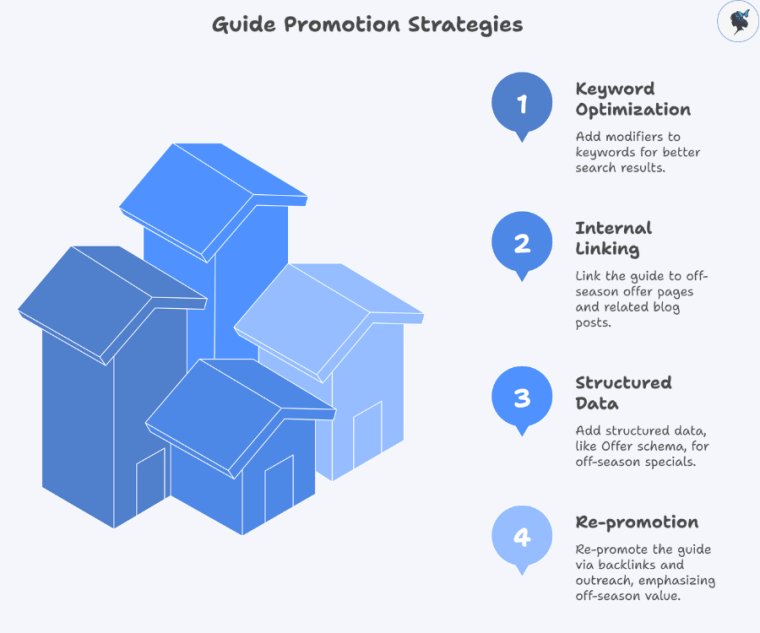
- Change or supplement keywords: for instance, add “autumn beach break”, “low‑season deals”, “winter escape” modifiers.
- Internal linking: link the guide to your off‑season offer pages, or update related blog posts with the refreshed guide.
- Add structured data where applicable (e.g., Offer schema for off‑season specials).
- Re‑promote the guide via backlinks and outreach, emphasizing off‑season value.
Wander Women Hot Tip: Create a repurposing calendar for each summer guide: schedule when it will be updated for off‑season, which social posts will derive from it, and when it will be refreshed again for next summer.
Tips for Refreshing Content for the Next Summer Season
1. Incorporate New Trends and Experiences
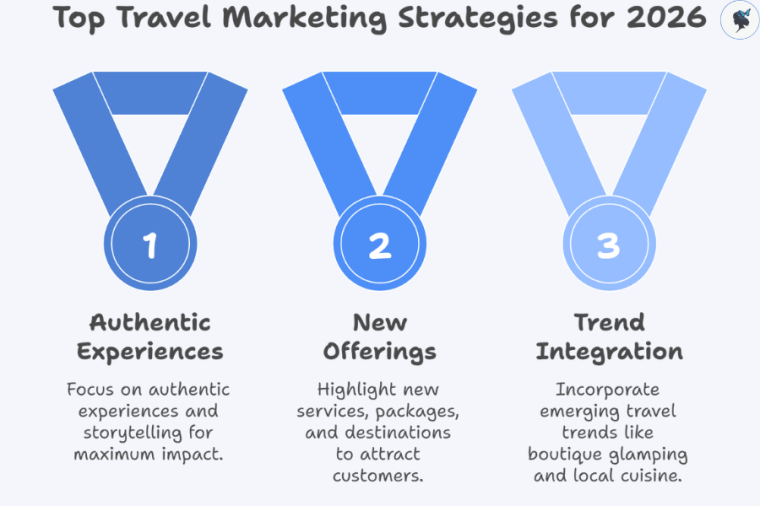
- Ahead of next summer, add sections like: “New for 2026: boutique glamping on the beach”, “Emerging travel trend: local cuisine experiences you’ll see more of”.
- According to travel marketing trend reports, focusing on authentic experiences and storytelling matters more than ever in 2025.
- Highlight services you’ve added, new packages, or new destinations within the same region.
2. Update Visuals and Media
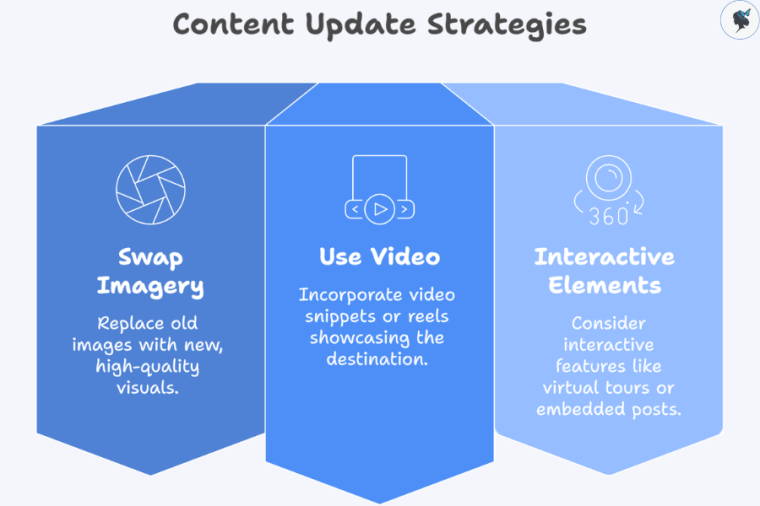
- Swap out dated imagery (e.g., “Summer 2024” labelled) with fresh high‑quality visuals for the coming year.
- Use video snippets or reels showing the destination in its new or improved state.
- Consider interactive elements: a 360° virtual tour of your newest offering, or embedded Instagram posts featuring guests.
3. Audit SEO Performance and Improve
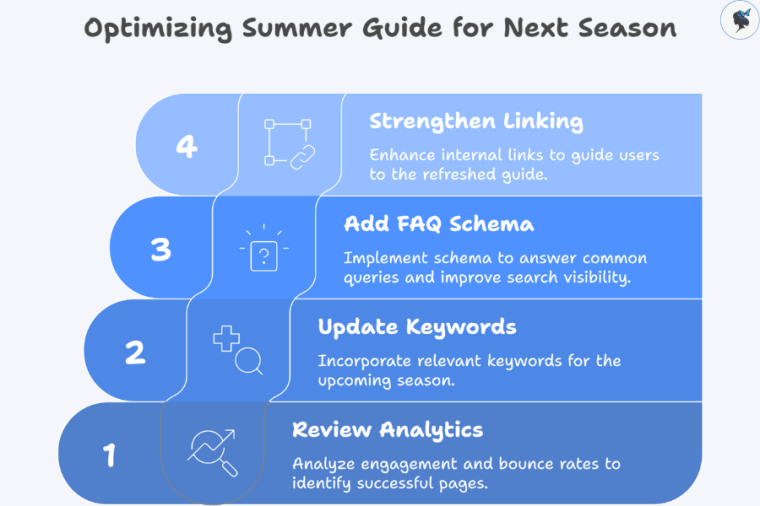
- Review analytics: Which summer guide pages had high engagement, which had low bounce? Which led to bookings? Use this to inform what you keep, what you expand, what you retire.
- Update keywords for next season: e.g., “2026 summer beach break”, “early‑bird summer deals 2026”, or destination‑specific high intent modifiers.
- Add FAQ schema targeting next‑season queries: “When is best time to visit X in summer 2026?”, “What’s new at resort Y for summer 2026?”
- Strengthen internal linking from your blog archive or off‑season pieces into the refreshed guide.
4. Plan Ahead & Pre‑Position Content
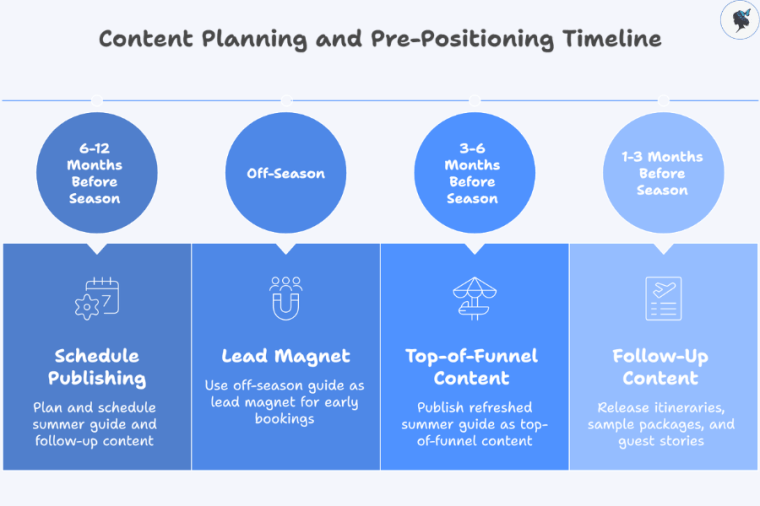
- Schedule publishing well ahead of the upcoming season — travelers often start planning 6‑12 months in advance.
- Use your refreshed summer guide as top‑of‑funnel content, then build follow‑up pieces (itineraries, sample packages, guest stories) into your content calendar.
- Use the off‑season version of the guide as a lead magnet for early bookings or pre‑season promotions.
Wander Women Hot Tip: Keep a seasonal insights tracker where you log what worked (topics, visuals, offers) this summer, so you can build into next summer’s content strategy with data‑backed decisions.
Successful Content Repurposing in Travel
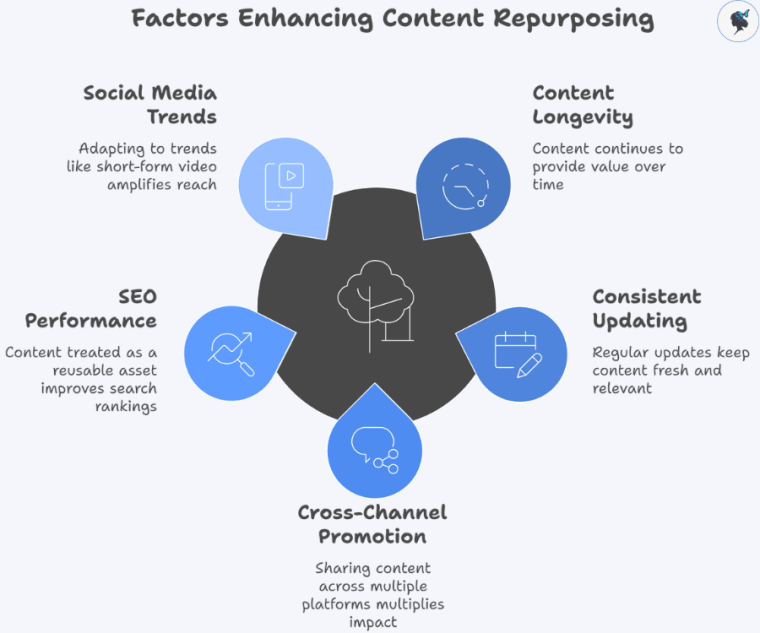
- Repurposing allows content to live longer and continue delivering value outside the peak season.
- Consistent updating and cross‑channel promotion (blog → email → social) multiply impact.
- SEO performance improves when content is treated as a re‑usable asset, not a one‑time post.
- Social media trends (e.g., short‑form video) amplify repurposed content when you adapt format accordingly.
Wander Women Hot Tip: Document each repurposing iteration: note old version’s metrics, what you changed, new version’s performance. This becomes your internal benchmark for future seasons.
Conclusion
Content repurposing is a powerful strategy for travel agencies dealing with seasonal peaks. By adapting your summer travel guides for the off‑season, refreshing them ahead of the next summer, and leveraging multi‑channel distribution, you maximize ROI, maintain search engine visibility, and keep your audience engaged year‑round. The benefits are clear: lower content costs, extended content lifespan, improved SEO, and stronger social media reach.
Now is the time to audit your content library: pick your top summer guides, map how they can be repurposed, schedule updates, then refresh for next year using your insights.
Wander Women Hot Tip: Develop a content repurposing calendar that covers all seasons: summer launch, off‑season refresh, pre‑next summer relaunch. Let each guide follow this loop and you’ll extract far more value from your content investment.
Need help repurposing your content? Contact us today!
Discover more from Wander Women Strategies
Subscribe to get the latest posts sent to your email.
