

▶ Table of Contents
- Introduction
- Why Keyword Research Is Important for Small Businesses
- Understanding What Customers Are Searching For
- Driving High-Quality Website Traffic
- Improving Your Content Strategy
- Unlocking Local SEO Opportunities
- How AI Is Changing Keyword Research
- Faster Keyword Discovery
- Identifying Search Intent
- Finding Content Opportunities
- Making SEO More Accessible
- Practical Ways to Use AI for Keyword Research
- Actionable Steps to Start Using AI for Keyword Research
Introduction
If you want more customers to find your business online, keyword research is one of the most important marketing activities you can do.
Keywords are the words and phrases people type into search engines when they are looking for products, services, or information. When your website content matches those search terms, search engines like Google are more likely to show your site in the results.
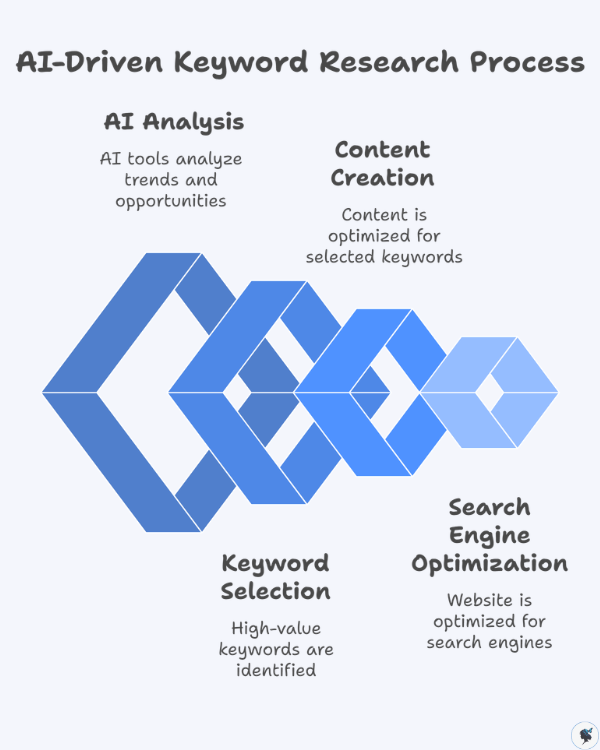
For example, someone searching for “affordable wedding photographer in Chicago” is clearly looking for a specific service. If your website targets that phrase, you have a much better chance of appearing in the search results.
The challenge is that traditional keyword research can be time-consuming and confusing—especially for small business owners without an SEO background.
That’s where artificial intelligence (AI) comes in.
AI-powered tools can generate keyword ideas, analyze search trends, and uncover valuable opportunities within seconds. Instead of spending hours brainstorming and analyzing spreadsheets, small businesses can now use AI to streamline the entire process.
This shift is already happening across the marketing industry. According to SEO research, 63% of SEO professionals now use AI tools for keyword research and optimization.
At the same time, search itself is evolving. Google’s AI-powered search features now reach more than 1.5 billion users every month, changing how people discover information online.
For small businesses, this presents an exciting opportunity. With the right AI tools and strategy, you can identify high-value keywords, create better content, and compete with larger brands online.
In this guide, we’ll explain how AI helps with keyword research and show you practical methods and free tools you can start using today.
Why Keyword Research Is Important for Small Businesses
Keyword research helps businesses understand what potential customers are searching for and how to create content that meets those needs.
For small businesses, it can make the difference between a website that gets traffic and one that remains invisible online.
More about keyword prioritization here.
Competing with Larger Companies
Many small businesses assume they cannot compete with larger companies in search results. However, effective keyword research helps level the playing field.
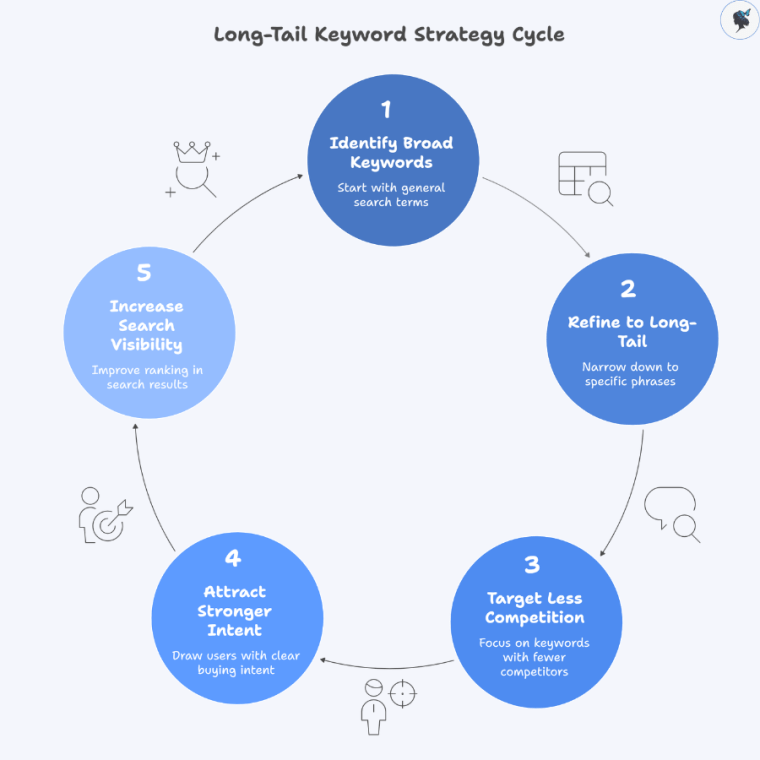
Instead of targeting broad, competitive keywords like:
- coffee shop
- plumber
- running shoes
Small businesses can focus on long-tail keywords, which are more specific search phrases.
For example:
- best coffee shop for studying
- emergency plumber open late
- running shoes for flat feet
These longer search queries often have less competition and attract users with stronger buying intent.
In fact, long-tail keywords account for roughly 70% of all search traffic, making them one of the most powerful opportunities for smaller websites.
Understanding What Customers Are Searching For
Keyword research provides valuable insight into your customers’ needs, problems, and questions.
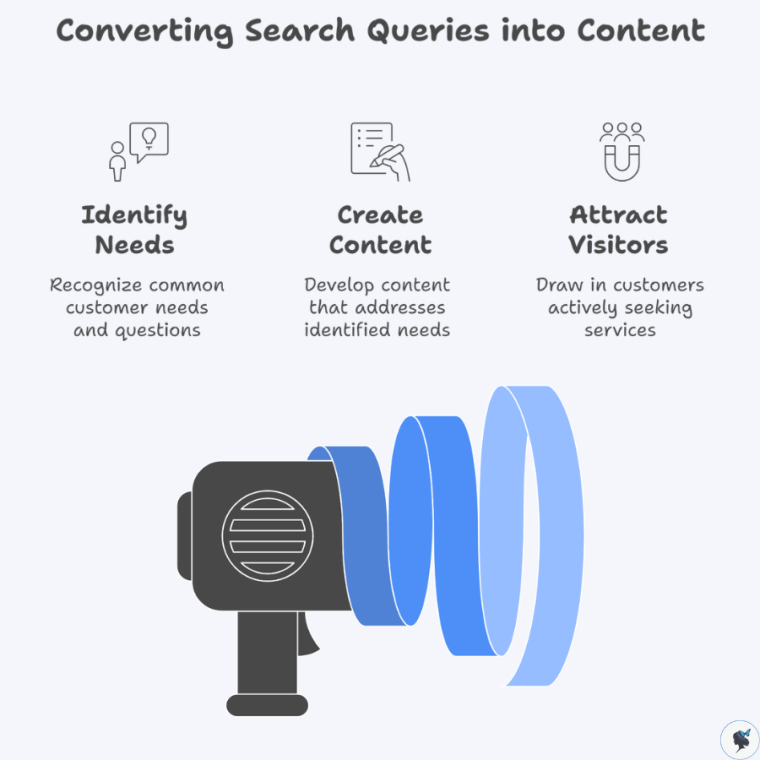
For example, a roofing company might discover that people frequently search for:
- roof repair cost
- how long does a roof last
- emergency roof repair near me
Each of these search queries represents a potential piece of content your business can create.
When your website answers these questions, it naturally attracts visitors who are already looking for your services.
Driving High-Quality Website Traffic
Not all website traffic is equally valuable.
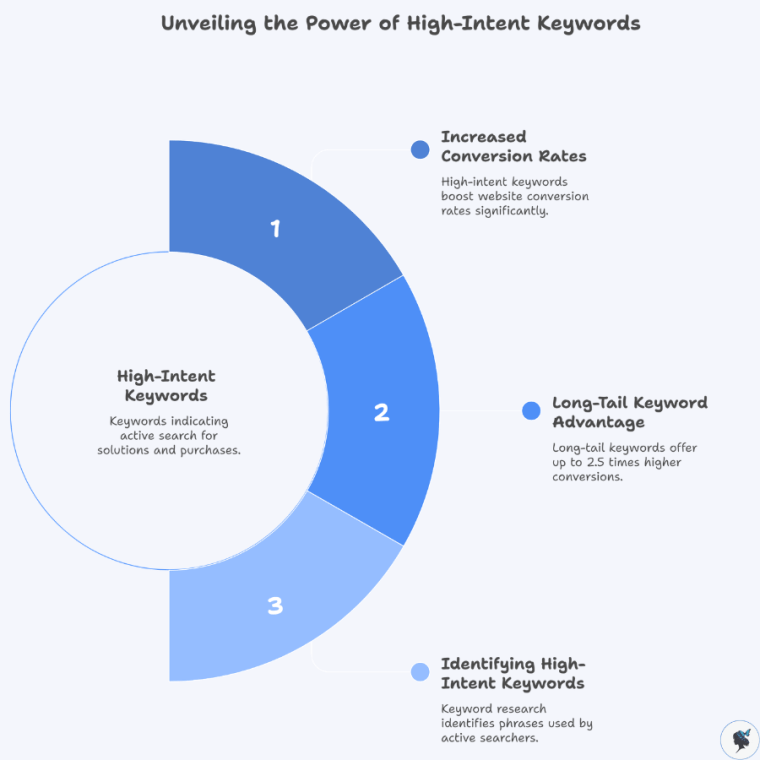
Some visitors are simply browsing, while others are ready to make a purchase.
Keyword research helps you identify high-intent keywords, which are phrases used by people actively searching for solutions.
For example:
Low-intent keyword:
- office chairs
High-intent keyword:
- best ergonomic office chair under $300
Specific keywords like this often lead to higher conversion rates.
Research shows that long-tail keywords can generate conversion rates up to 2.5 times higher than short keywords.
Improving Your Content Strategy
Keyword research also helps guide your content marketing strategy.
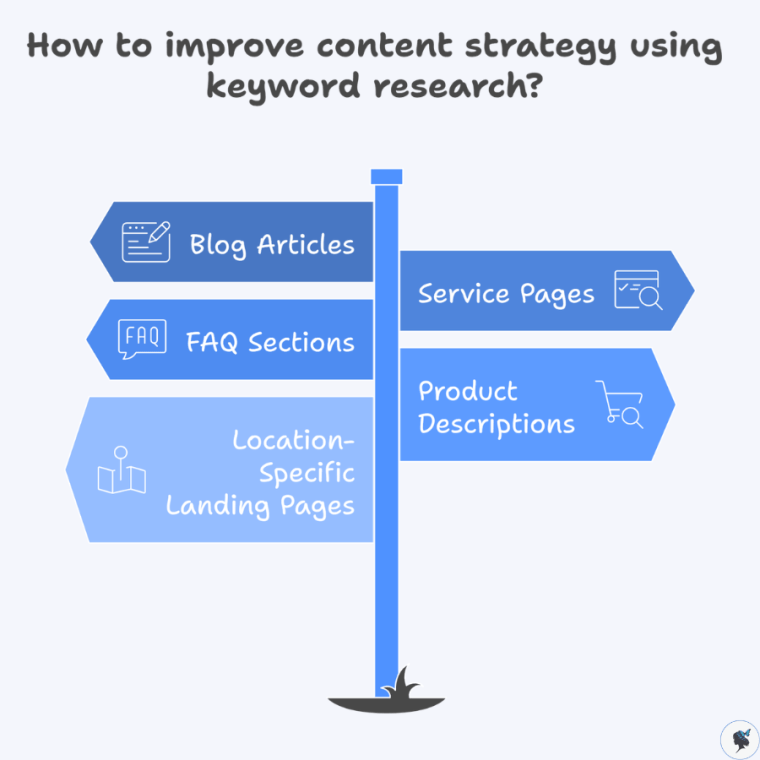
Instead of guessing what topics to write about, you can use keyword data to understand what people actually want to learn.
Small businesses can use keywords to create:
- blog articles
- service pages
- FAQ sections
- product descriptions
- location-specific landing pages
This ensures your content aligns with real search demand. More content ideas here.
Unlocking Local SEO Opportunities
Local search is especially important for small businesses.
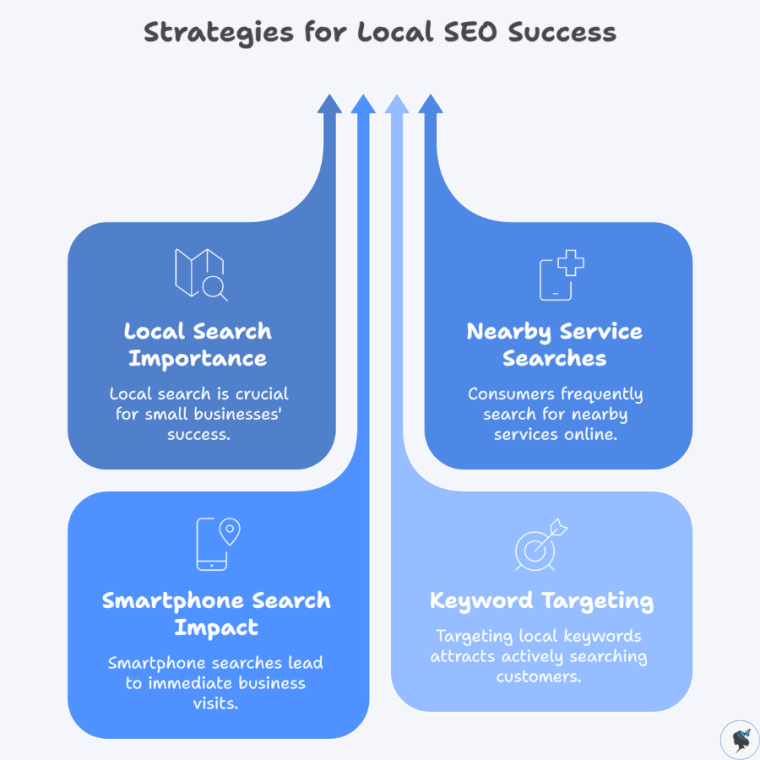
Consumers frequently search for nearby services using phrases like:
- dentist near me
- bakery in Seattle
- plumber open now
Google reports that 76% of people who search for something nearby on their smartphone visit a business within 24 hours.
By targeting local keywords, small businesses can attract customers who are actively looking for nearby services.
How AI Is Changing Keyword Research
Artificial intelligence is transforming how businesses approach SEO and keyword research.
Traditional keyword research often required hours of manual work—brainstorming keyword ideas, analyzing search data, and reviewing spreadsheets.
AI tools now automate much of this process.
Faster Keyword Discovery
AI can analyze large amounts of search data and generate hundreds of keyword ideas instantly.
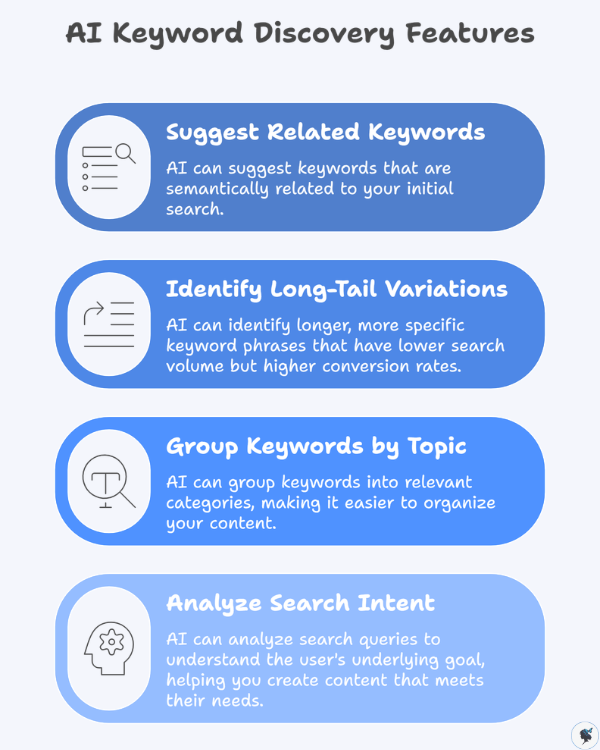
These tools can:
- suggest related keywords
- identify long-tail variations
- group keywords by topic
- analyze search intent
Instead of manually brainstorming dozens of keywords, AI can provide an extensive list within seconds.
Identifying Search Intent
Search intent refers to the reason behind a search query.
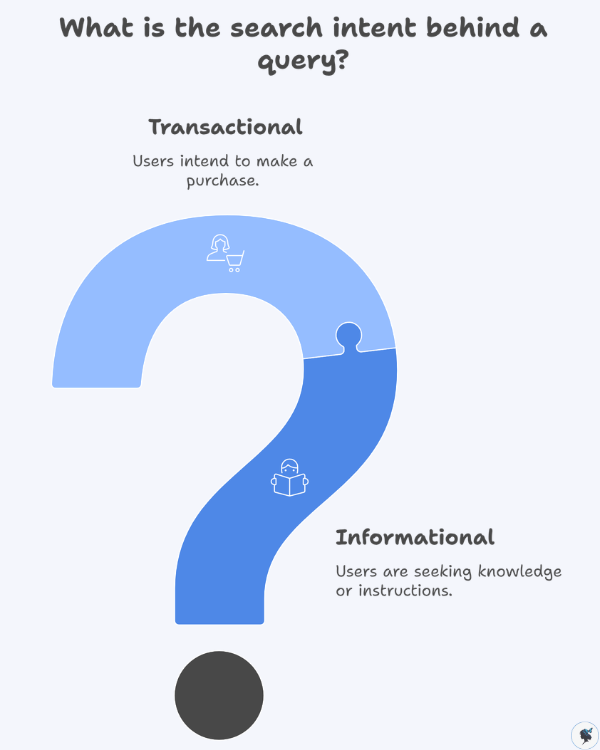
For example:
Informational search:
- how to fix a leaking faucet
Transactional search:
- buy kitchen faucet online
AI tools can help categorize keywords based on user intent, allowing businesses to create content that matches what searchers want.
Finding Content Opportunities
AI can also identify keyword gaps and content opportunities.
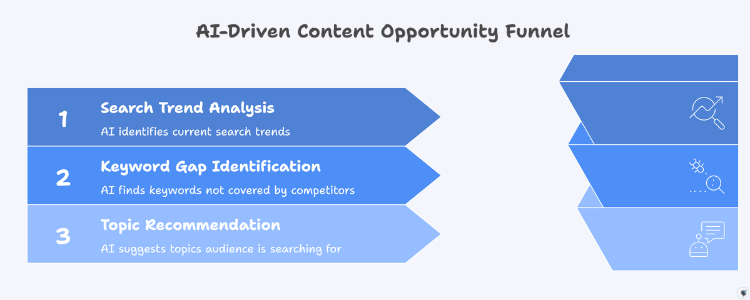
By analyzing competitor content and search trends, AI tools can recommend topics your audience is actively searching for.
According to a survey by HubSpot, 84% of marketers say AI helps them better align content with search intent.
Making SEO More Accessible
In the past, many advanced SEO tools were expensive and difficult to use.
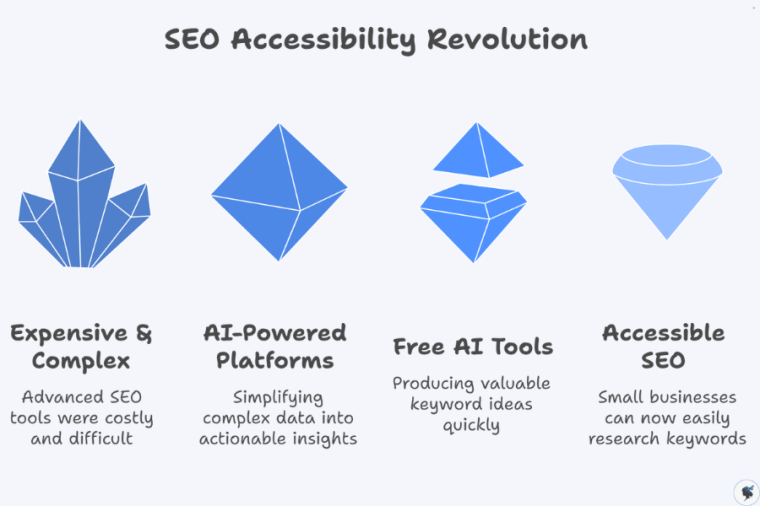
AI-powered platforms now make keyword research more accessible for small businesses by simplifying complex data into actionable insights.
Even free AI tools can produce valuable keyword ideas quickly.
Practical Ways to Use AI for Keyword Research
Let’s explore several simple methods small businesses can use to find valuable keywords using AI and free tools.
1. Generate Keyword Ideas with AI
AI assistants such as ChatGPT or Google Gemini can quickly generate keyword ideas based on your business description.
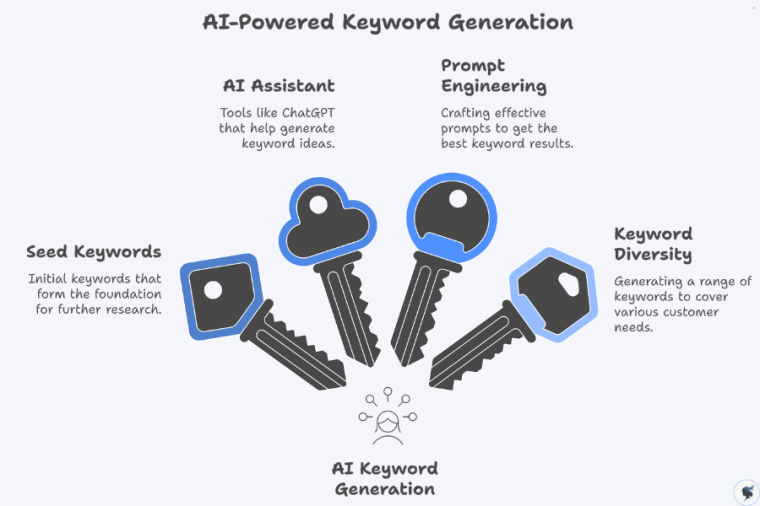
Example prompt:
“Generate 20 SEO keywords for a small bakery specializing in gluten-free desserts.”
Possible results may include:
- gluten free bakery near me
- gluten free birthday cake
- dairy free cupcakes
- vegan gluten free desserts
- gluten free wedding cake
These are called seed keywords, which serve as the starting point for deeper keyword research.
2. Use Google Autocomplete
Google itself is one of the best free keyword research tools.
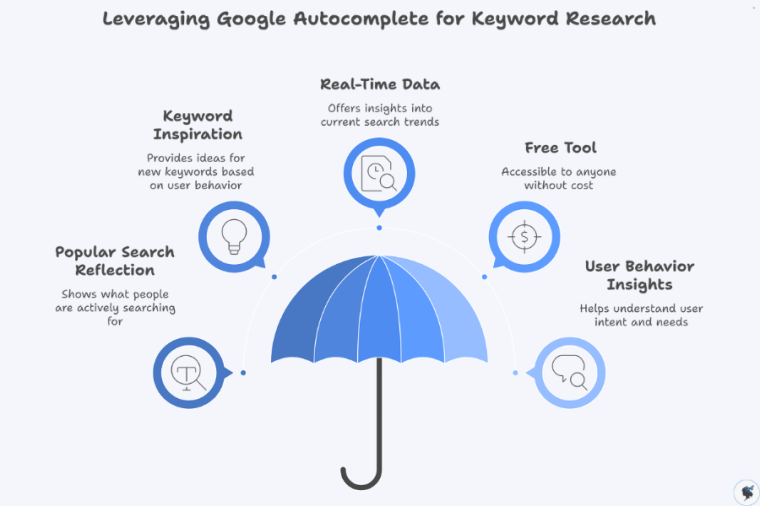
When you begin typing a search query, Google displays autocomplete suggestions based on popular searches.
For example, typing:
best coffee shop for
might generate suggestions such as:
- best coffee shop for studying
- best coffee shop for remote work
- best coffee shop for meetings
These suggestions reflect real search behavior and can inspire valuable keyword ideas.
3. Use Free Keyword Research Tools
Several free tools provide useful keyword data.
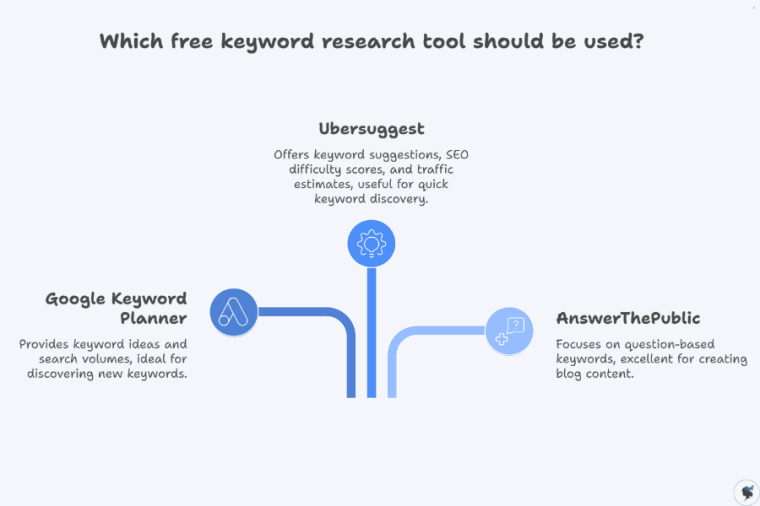
Google Keyword Planner
Google Keyword Planner allows users to discover keyword ideas and view estimated search volumes.
Steps:
- Create a free Google Ads account
- Select “Discover new keywords”
- Enter a keyword related to your business
- Review suggested keywords and search volume data
Example results for “home cleaning service” might include:
- house cleaning cost
- professional home cleaning
- deep cleaning house
Ubersuggest
Ubersuggest provides:
- keyword suggestions
- SEO difficulty scores
- traffic estimates
- content ideas
For example, searching “yoga classes” may reveal:
- yoga classes for beginners
- online yoga classes
- yoga classes near me
This helps businesses discover new keyword opportunities quickly.
AnswerThePublic
AnswerThePublic focuses on question-based keywords, which are excellent for blog content.
Example search: “lawn care”
Possible results:
- how often should you water your lawn
- when should you fertilize grass
- how to repair patchy lawn
These questions are ideal for creating helpful blog posts.
4. Generate Long-Tail Keywords with AI
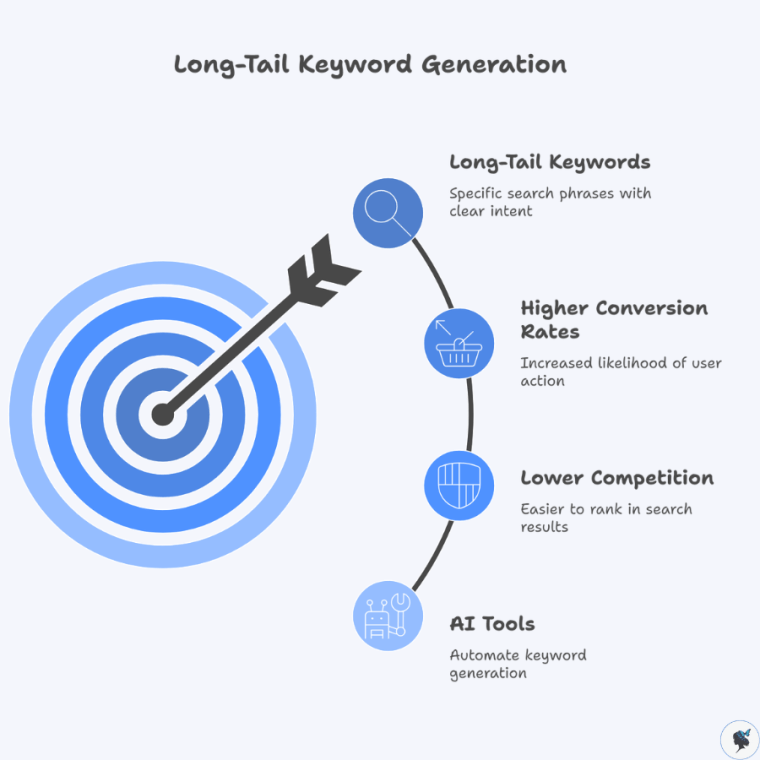
Long-tail keywords are longer, more specific search phrases.
Example:
Short keyword:
running shoes
Long-tail versions:
- best running shoes for beginners
- running shoes for flat feet
- lightweight running shoes for marathon training
Long-tail keywords typically have:
- lower competition
- higher conversion rates
- clearer search intent
AI tools can generate dozens of long-tail variations from a single keyword.
5. Analyze Competitor Keywords
Another useful technique is analyzing competitor content.
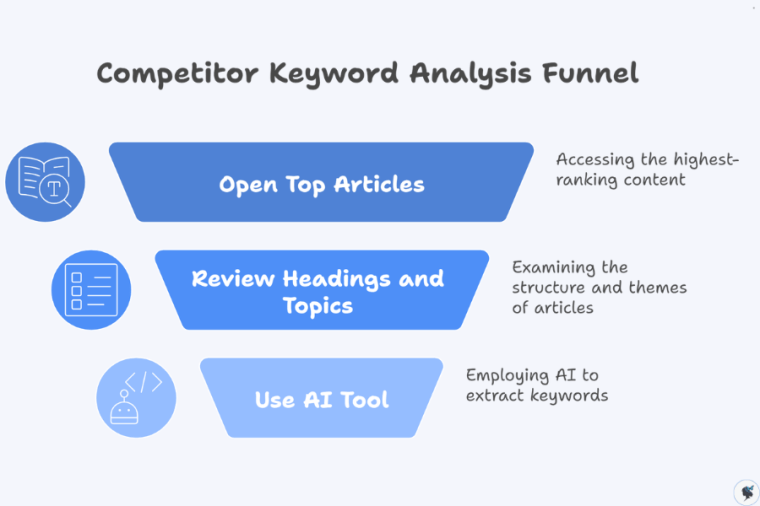
Steps:
- Search your target keyword on Google
- Open the top-ranking articles
- review their headings and topics
You can also paste the content into an AI tool and ask:
“Extract the primary SEO keywords from this article.”
This helps identify keyword opportunities your competitors may already be targeting.
6. Turn Keywords Into Content Ideas
Once you have a keyword list, AI can help transform those keywords into blog topics.
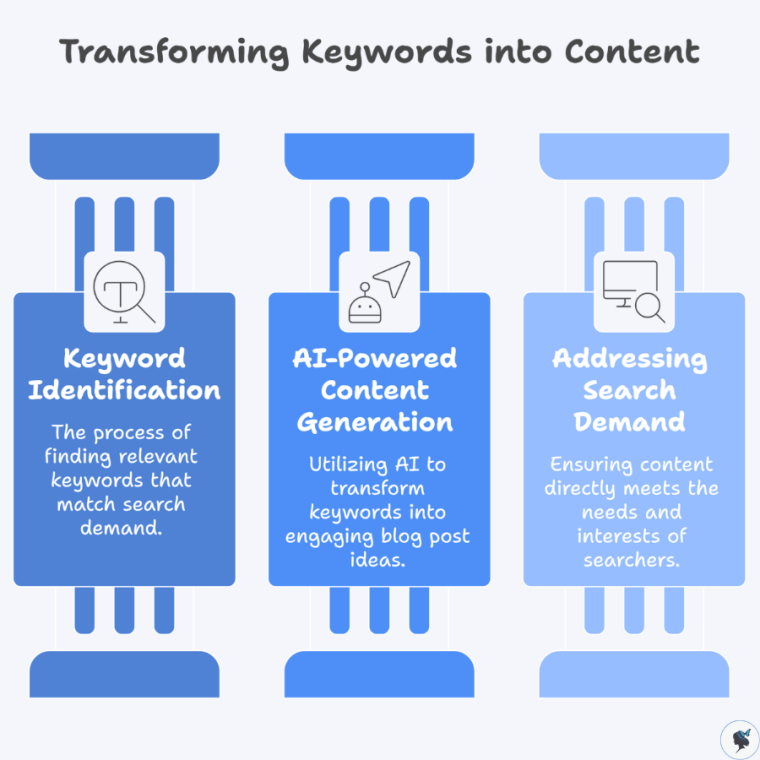
Example keyword:
home office setup for small spaces
AI-generated ideas may include:
- 10 Home Office Setup Ideas for Small Spaces
- Budget-Friendly Home Office Setup Guide
- How to Create a Productive Workspace in a Small Apartment
This ensures your content directly addresses real search demand.
Actionable Steps to Start Using AI for Keyword Research
AI tools have made keyword research easier, faster, and more accessible than ever before.
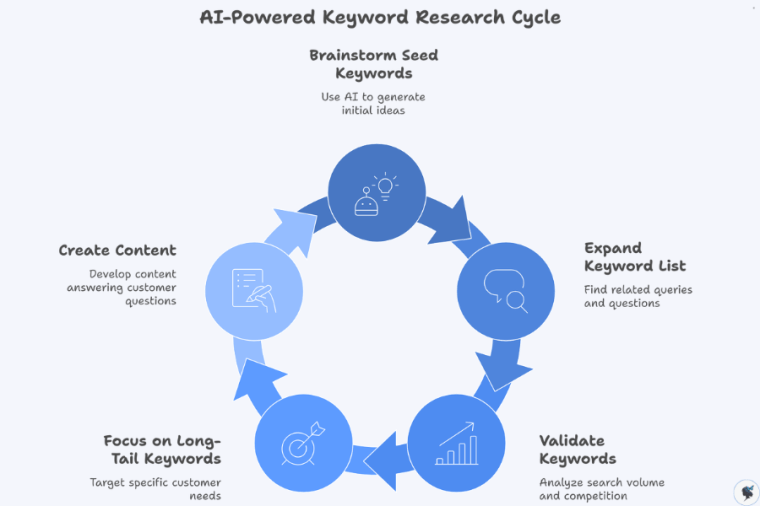
Small businesses can start benefiting from AI-powered keyword research today with just a few simple steps.
Step 1: Brainstorm seed keywords
Use AI tools to generate a list of keyword ideas related to your business.
Step 2: Expand your keyword list
Use Google Autocomplete and AnswerThePublic to find related search queries and questions.
Step 3: Validate keywords
Use Google Keyword Planner or Ubersuggest to analyze search volume and competition.
Step 4: Focus on long-tail keywords
Target specific phrases that reflect customer needs and search intent.
Step 5: Create content around those keywords
Develop blog posts, service pages, and FAQs that answer common customer questions.
Final Thoughts
AI is transforming how businesses approach keyword research and SEO.
Instead of relying on guesswork and manual analysis, small businesses can now use AI tools to quickly discover high-value keywords and content opportunities.
By combining AI-powered insights with helpful, relevant content, small businesses can improve their visibility in search results and attract more potential customers online.
The best part is that many of these tools are free or low cost, making them accessible to businesses of any size.
With a little experimentation and the right strategy, AI-powered keyword research can become one of the most powerful tools in your digital marketing toolkit.
Discover more from Wander Women Strategies
Subscribe to get the latest posts sent to your email.
