
▶ Table of Contents
Introduction
For years, marketers have chased one primary goal: reach as many people as possible. Bigger numbers meant bigger success—right?
Not anymore.
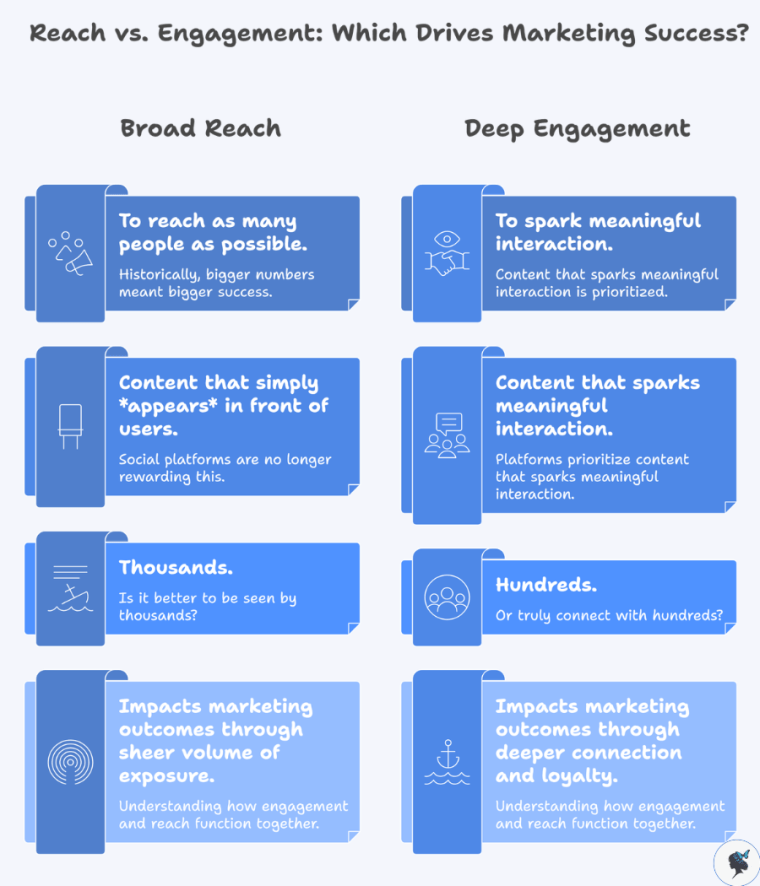
In 2026, the digital landscape has fundamentally shifted. Social platforms are no longer rewarding content that simply appears in front of users. Instead, they prioritize content that sparks meaningful interaction.
This raises a critical question for modern marketers:
Is it better to be seen by thousands—or truly connect with hundreds?
The answer isn’t as simple as choosing one over the other. It lies in understanding how engagement and reach function together—and how each impacts your marketing outcomes.
Definition of Key Terms
What is Reach?
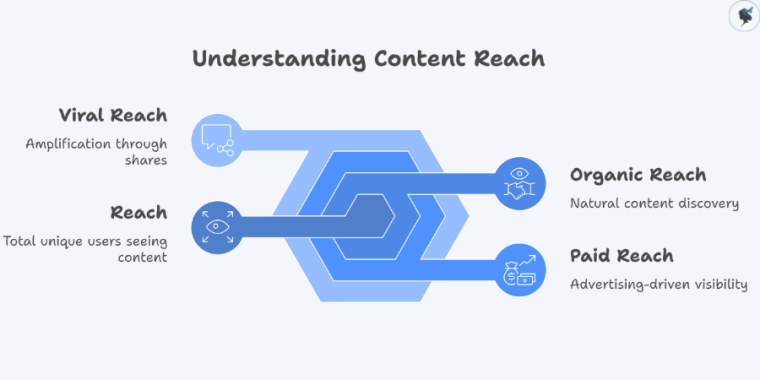
Reach refers to the total number of unique users who see your content.
Types of Reach:
- Organic Reach – Users who discover your content naturally
- Paid Reach – Users reached through advertising
- Viral Reach – Users reached through shares and amplification
Key Metrics:
- Impressions vs Reach
- CPM (Cost per 1,000 impressions)
Example: A TikTok video viewed by 500,000 users with minimal interaction.
What is Engagement?
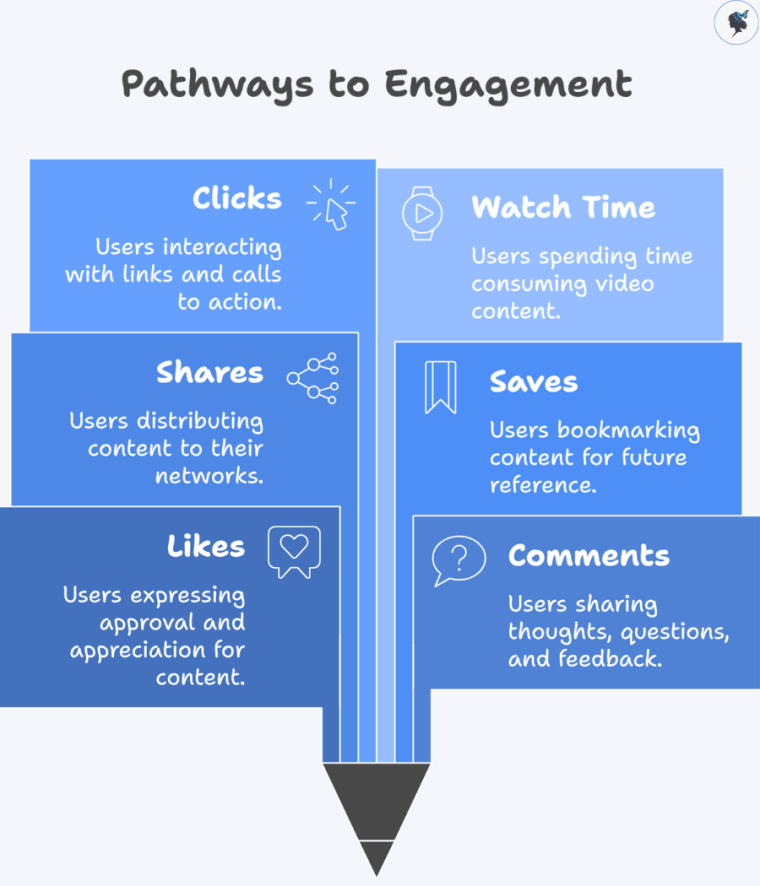
Engagement measures how users interact with your content.
Common Engagement Actions:
- Likes
- Comments
- Shares
- Saves
- Clicks
- Watch time
Key Metrics:
- Engagement Rate (ER)
- Click-Through Rate (CTR)
- Average Watch Time
Example: A LinkedIn post reaching 5,000 people but generating 800 comments, shares, and clicks.
Why Engagement Matters More Than Ever
Engagement Drives Algorithmic Growth
Social platforms in 2026 prioritize quality interactions over passive views.
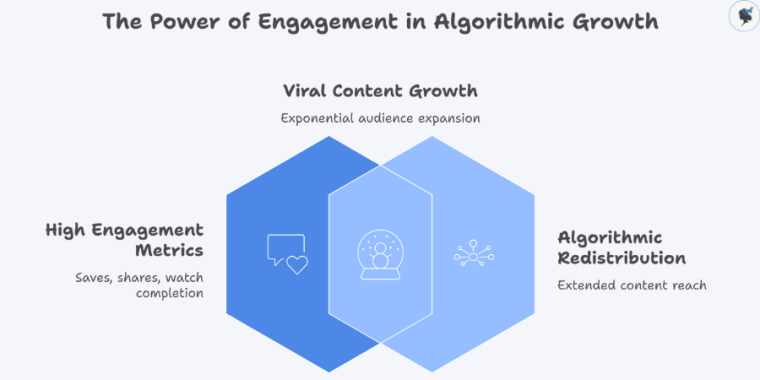
According to Detroit Photography, content with higher:
- Save rates
- Shares
- Watch completion
…is significantly more likely to be redistributed beyond its initial audience.
Stat Insight:
According to Sprout Social, engagement is a primary signal platforms use to extend content distribution.
Engagement Directly Impacts Conversions
Engagement is not just a vanity metric—it’s a predictor of intent.
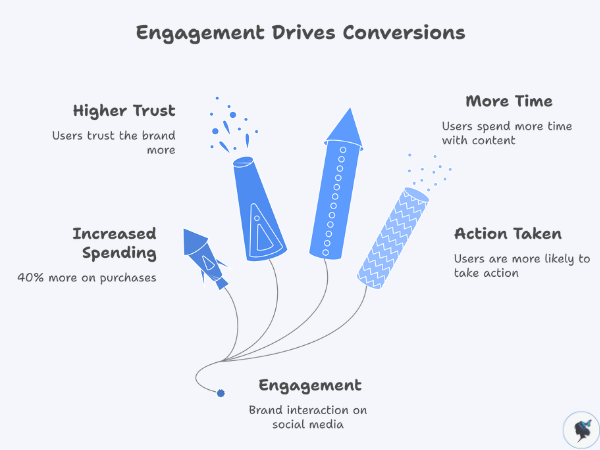
The WifiTalents report (2026) found that:
- Users who engage with brands on social media spend ~40% more on purchases
Why? Because engaged users:
- Trust your brand more
- Spend more time with your content
- Are more likely to take action
Engagement Builds Community and Loyalty
Unlike reach, engagement creates relationships.
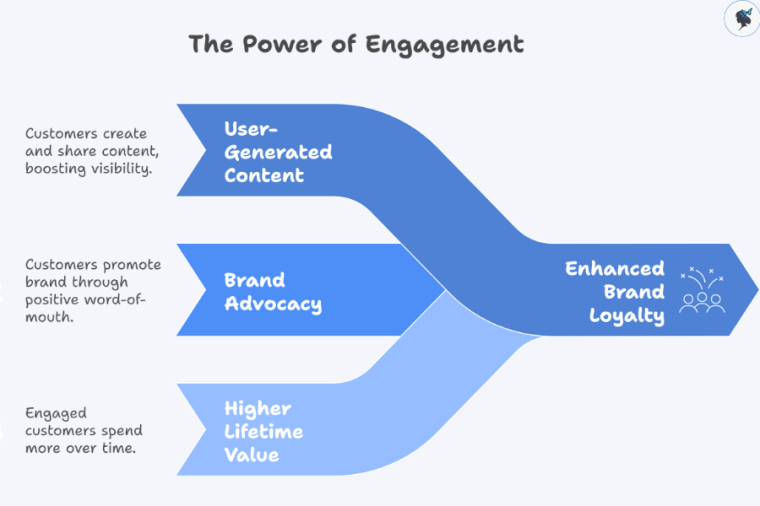
Highly engaged audiences:
- Generate user-generated content (UGC)
- Advocate for your brand
- Have higher lifetime value (LTV)
Insight:
Deloitte’s Digital Consumer Trends 2026 report highlights that brands investing in customer engagement and experience are better positioned to improve retention, as consumers increasingly value personalized and meaningful interactions.
Actionable Strategy for Marketers
To increase engagement:
- Focus on conversation-driven content
- Use questions, polls, and storytelling
- Optimize for:
- Saves
- Shares
- Watch time (not just views)
Why Reach Still Matters
Reach Fuels Brand Awareness
Without reach, your content has no audience to engage with.
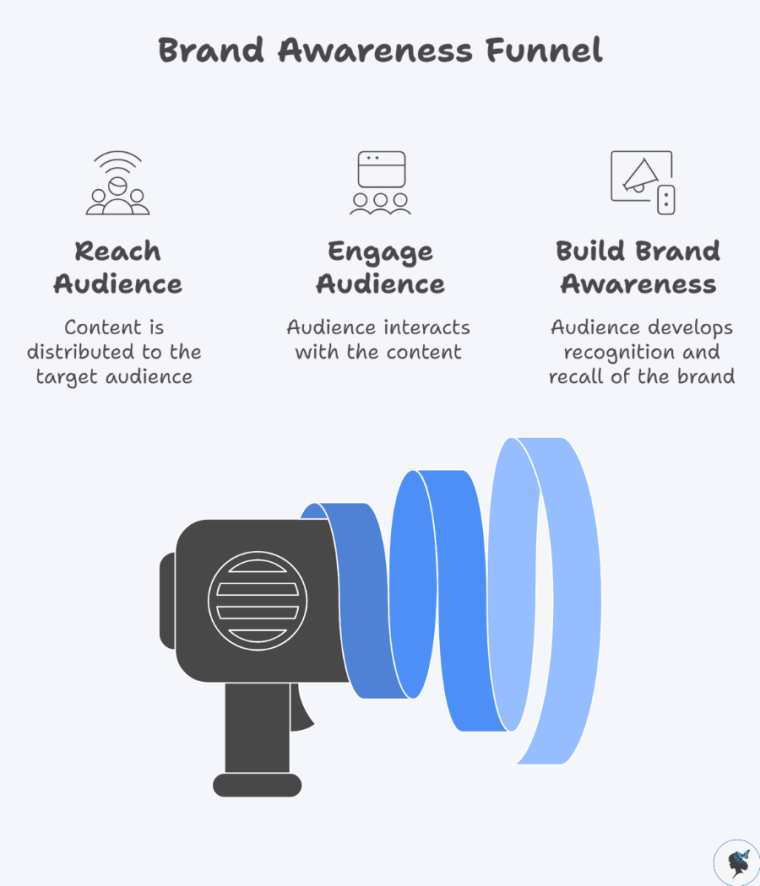
Nielsen research shows that reaching the right audience is a key driver of campaign effectiveness, and that brand recall is one of the strongest contributors to overall brand lift—though results vary significantly depending on targeting, creative quality, and channel.
Reach Expands Your Funnel
Reach is essential at the top of the funnel:
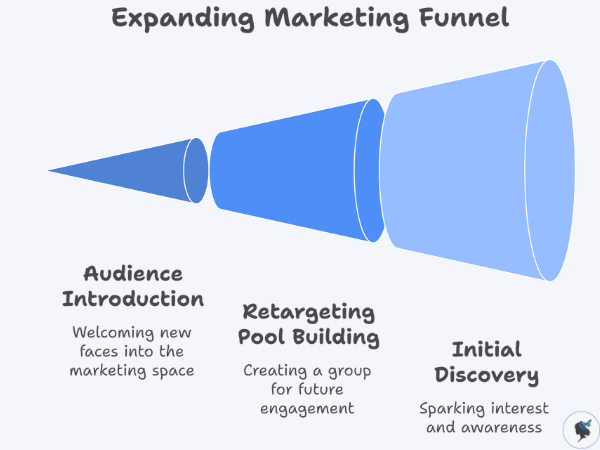
- Introduces new audiences
- Builds retargeting pools
- Drives initial discovery
Without it, your marketing becomes insular and stagnant.
Reach Enables Virality
Virality starts with exposure.
Even the most engaging content needs initial distribution to gain traction.
Actionable Strategy for Marketers
To improve reach:
- Invest in paid amplification
- Optimize for SEO and discoverability
- Leverage short-form video platforms (TikTok, Reels, Shorts)
Engagement vs Reach: A Strategic Comparison
| Metric | Reach | Engagement |
|---|---|---|
| Primary Goal | Visibility | Interaction |
| Funnel Stage | Awareness | Consideration & Conversion |
| ROI Impact | Indirect | Direct |
| Algorithm Role | Initial exposure | Sustained distribution |
When Reach Matters Most
- Product launches
- Market expansion
- Brand awareness campaigns
When Engagement Matters Most
- Community building
- Lead nurturing
- Conversion-focused strategies
The Real Answer: You Need Both
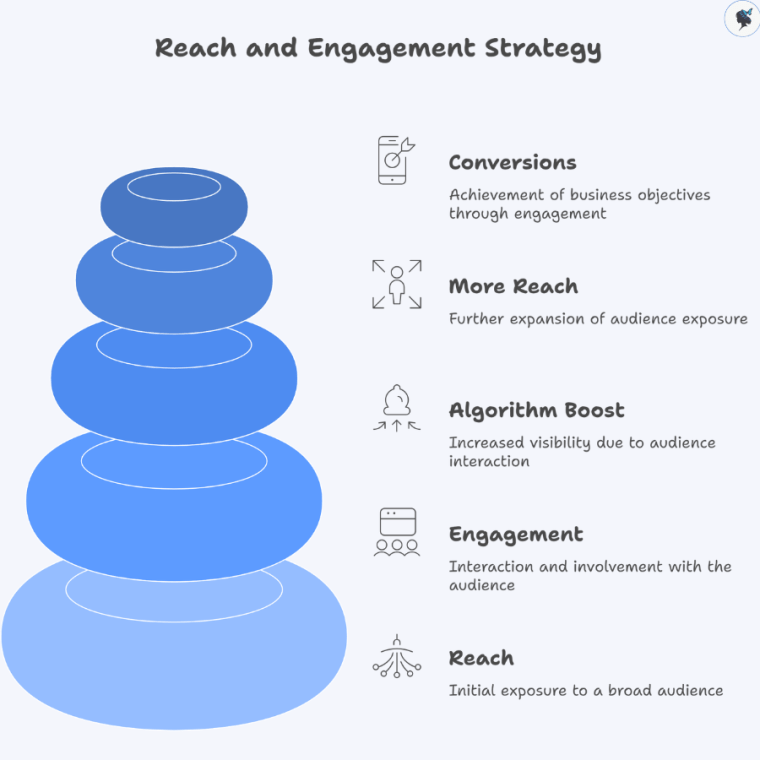
The highest-performing brands in 2026 don’t choose between reach and engagement—they engineer a system where each fuels the other:
Reach → Engagement → Algorithm Boost → More Reach → Conversions
Recent Trends and Studies (2026)
Organic Reach is Declining
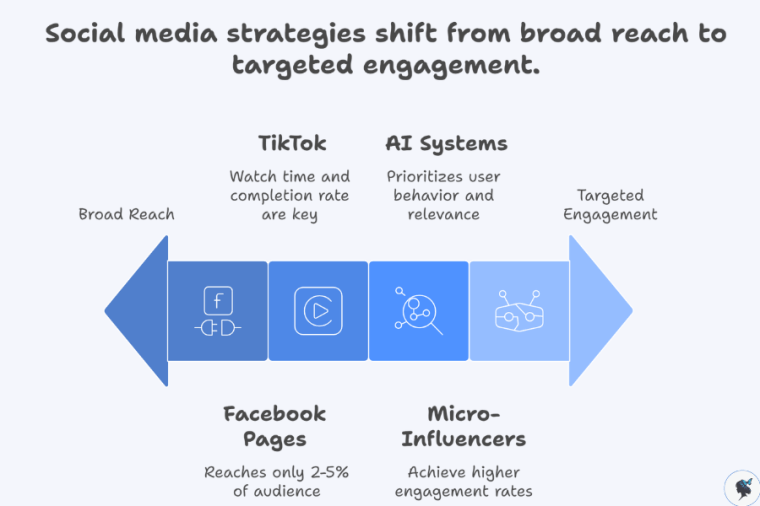
Industry benchmarks show that organic reach has declined significantly across major platforms, with Facebook pages often reaching as little as 2–5% of their audience, while platforms like Instagram and LinkedIn vary depending on engagement and content quality.
Implication: You must earn reach through engagement.
Rise of “Quality Engagement Metrics”
Modern KPIs now include:
- Save rate
- Share rate
- Watch completion rate
While TikTok doesn’t publicly rank its algorithm factors, platform insights consistently show that watch time and completion rate are among the most influential signals driving content distribution.
Micro-Influencers Are Winning
According to 2026 influencer marketing benchmarks, micro‑influencers—those with roughly 10,000 to 100,000 followers—consistently achieve higher engagement rates (often 3–5%) compared to larger influencers, making them particularly valuable for brands focused on interaction and conversion.
Implication: Brands are shifting budgets from reach-heavy influencers to engagement-driven creators.
AI is Redefining Content Distribution
According to Gartner’s 2026 marketing predictions, AI is fundamentally reshaping how content is discovered and distributed, with marketers needing to adapt to intelligent systems that prioritize individual user behavior, relevance signals, and personalized interactions over follower count or traditional broadcast metrics.
Conclusion
So—what matters most?
- Reach gets you seen.
- Engagement gets you results.
In 2026, engagement has become the stronger driver of ROI, but it cannot exist without reach.
The smartest marketers understand:
It’s not about choosing one—it’s about aligning both with your business goals.
Take a moment to evaluate your current strategy:
- Are you optimizing for vanity metrics or meaningful outcomes?
- Does your content spark interaction—or just generate impressions?
Next Steps:
- Audit your last 10 posts: Compare reach vs engagement rate
- Identify: Which content drives interaction
- Double down on: High-engagement formats (carousels, short-form video, storytelling)
Final Thought
If your content reaches thousands but moves no one… what is it really worth?
Need help with reach and engagement? Contact us today!
Discover more from Wander Women Strategies
Subscribe to get the latest posts sent to your email.
