Travel Marketing Myths

(and Wander Women Hot Takes That Set the Record Straight)


▶ Table of Contents
  1. and Wander Women Hot Takes That Set the Record Straight
  2. SEO Myths Travel Brands Still Believe
  3. Content Strategy Myths Holding You Back
  4. Social Media Myths We Need to Stop Believing
  5. Travel Biz & Marketing Myths That Slow Growth
  6. Conclusion

Why These Myths Matter: In the ever-evolving world of travel marketing, outdated advice is everywhere. SEO “best practices” that once worked, content hacks from 2015, and social media tips from influencers who don’t actually sell travel services. It’s easy for travel brands to fall into traps that cost time, money, and visibility. At Wander Women Strategies, we’re here to clear the fog. Below, we’re breaking down the most common myths in travel marketing—across SEO, content strategy, social media, and business fundamentals. For each myth, we offer a no-fluff reality check: our own Wander Women Hot Take. Let’s dive in.


SEO Myths Travel Brands Still Believe

Myth #1: If you just blog regularly, Google will reward you.
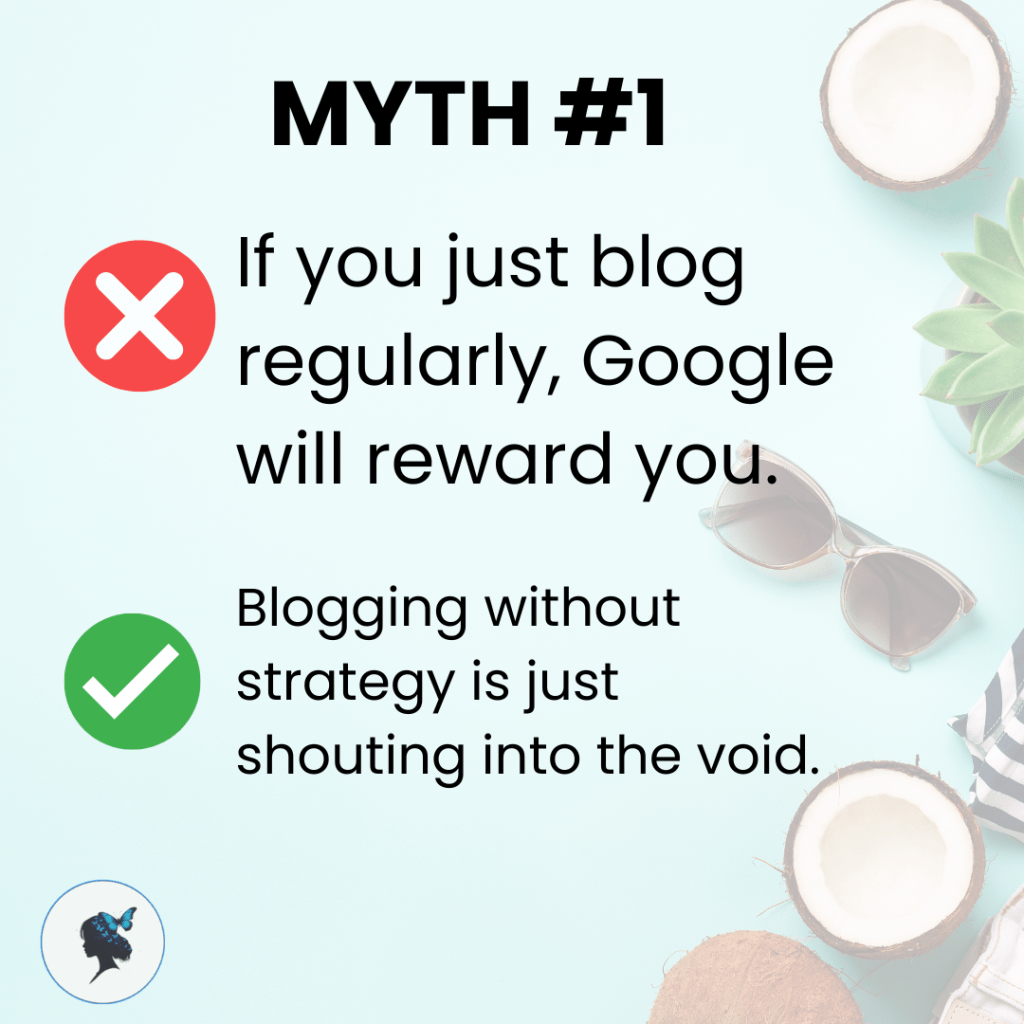
Infograph: Myth #1: If you just blog regularly, Google will reward you.

Why it’s wrong:

Publishing weekly won’t matter if you’re not targeting the right search intent, keywords, or value.

Google ranks pages that serve users’ needs, not just those that update often.

Wander Women Hot Take: Blogging without a strategy is like shouting into the void. Create purposeful, search-optimized content aligned with your audience’s journey and questions. A boutique hotel in Tulum blogging every week about “travel inspiration” might not see results. But writing a strategic guide like “Where to Stay in Tulum for Couples: A 3-Day Itinerary” could rank and convert. Need ideas? Check out our post on 5 content types for travel websites.

Myth #2: Ranking #1 is the only SEO goal that matters.

Why it’s wrong:

You can rank #1 for keywords no one is searching for.

Visibility only matters if it’s in front of the right people.
Infograph: Myth #2: Ranking #1 is the only SEO goal that matters.

Wander Women Hot Take: Ranking for the wrong keywords = ranking for crickets. Focus on traffic that converts, not just vanity metrics. A safari company ranking #1 for “African wildlife facts” may get clicks, but not bookings. Ranking on page one for “best Kenya safari tours” is what actually drives leads.

Myth #3: Meta descriptions affect rankings.

Infograph: Myth #3: Meta descriptions affect rankings.

Why it’s wrong:

Google has confirmed they don’t use meta descriptions as a ranking factor.

Wander Women Hot Take: They don’t affect rankings, but they do influence clicks. A compelling meta description can boost your CTR dramatically. A dull meta like “Blog about Peru travel” won’t drive clicks. A stronger one: “Discover the 7 hidden spots in Peru most tourists miss (with photos!).” For more about metas, check out our post: Meta description optimization.

Myth #4: SEO is a one-time project.

Why it’s wrong:

SEO requires consistent updates to remain effective—Google’s algorithm evolves, and your competitors do too.

Infograph: Myth #4: SEO is a one-time project.

Wander Women Hot Take: SEO is a garden. Leave it alone and the weeds take over. Tend it consistently for lasting results. A travel agent who hasn’t updated destination pages post-COVID may lose rankings to fresher, more relevant content.

Myth #5: Stuff your destination names everywhere to rank better.

Infograph: Myth #5: Stuff your destination names everywhere to rank better.

Why it’s wrong:

Keyword stuffing is a dated practice. According to Google’s Spam Policies for Google Web Search, keyword stuffing refers to the practice of filling a web page with keywords or numbers in an attempt to manipulate rankings in Google Search results. Google now values natural language and user experience.

Wander Women Hot Take: Google’s smarter than that now—and so are travelers. Focus on storytelling and relevance. Saying “Iceland tour” 12 times in one blog won’t help. Describing the unique experience of an Icelandic glacier hike will.


Content Strategy Myths Holding You Back

Myth #6: Just write what your audience wants to read.

Why it’s wrong:

Writing without research means you’re guessing. Guessing isn’t strategy.
Infograph: Myth #6: Just write what your audience wants to read.

Wander Women Hot Take: Write what your audience is searching for. There’s a difference. Instead of writing “My trip to Greece,” write “Best Greek Islands to Visit in September” with keyword insights. Read our comprehensive guide: mastering search intent.

Myth #7: Longer blogs = better SEO.

Infograph: Myth #7: Longer blogs = better SEO.

Why it’s wrong:

Google’s algorithm favors helpful content, not just long content.

Wander Women Hot Take: Quality > word count. A 600-word article that solves a problem is better than 2,000 words of fluff. A concise, clear blog about “How to Pack for a Safari in 7 Steps” may outperform a long-winded one titled “Everything About Africa.”

Myth #8: One piece of content = one use.

Why it’s wrong:

Content that isn’t repurposed is wasted effort.

Infograph: Myth #8: One piece of content = one use.

Wander Women Hot Take: Turn a blog post into 5 social posts, a newsletter, a video script, and more. Squeeze the juice out of it. A “Top 10 Places to Eat in Lisbon” post can become a Reel series, Pinterest board, and interactive map. More about repurposing content here.

Myth #9: You need to write content every week to grow.

Infograph: Myth #9: You need to write content every week to grow.

Why it’s wrong:

Frequency alone doesn’t build traffic. Relevance, quality, and promotion do.

Wander Women Hot Take: Consistency beats frequency. Stick to a sustainable schedule. A solo travel coach posting bi-weekly, well-optimized travel safety tips can outpace daily fluff posts.

Myth #10: Good content sells itself.

Why it’s wrong:

Even the best blog needs promotion and optimization.
Infograph: Myth #10: Good content sells itself.

Wander Women Hot Take: Strategy is what takes content from invisible to impactful. An in-depth Bali guide won’t rank if it isn’t shared across Pinterest, email, and SEO. Read our guide: how to build a content strategy that converts.


Social Media Myths We Need to Stop Believing

Myth #11: Posting every day is the key to growth.

Infograph: Myth #11: Posting every day is the key to growth.

Why it’s wrong:

Engagement matters more than volume. Posting without connection is just noise.

Wander Women Hot Take: Engagement > frequency. Start conversations, not just broadcasts. A travel planner who posts once a week but asks questions, responds to comments, and uses stories & polls may get more leads than one posting daily photo dumps. More lead magnet ideas here.

Myth #12: Travel brands should be on every platform.

Why it’s wrong:

Spreading thin waters down your message and drains your team.

Infograph: Myth #12: Travel brands should be on every platform.

Wander Women Hot Take: Be exceptional where your people are—not everywhere. A hiking tour company killing it on Instagram and YouTube doesn’t need TikTok until they’re ready. Which one to choose? Here we break down 5 of the most common social media platforms for travel companies.

Myth #13: Instagram is only for visuals.
Infograph: Myth #13: Instagram is only for visuals.

Why it’s wrong:

Captions can convert browsers into buyers.

Wander Women Hot Take: Storytelling in captions = emotional connection. Don’t waste that real estate. A heartfelt story of a honeymoon couple on a Santorini tour will sell more than a scenic drone shot with no context. More instagram tips here.

Myth #14: Reels need to be highly produced.

Why it’s wrong:

Overproduction can feel inauthentic or distant.
Infograph: Myth #14: Reels need to be highly produced.

Wander Women Hot Take: Raw, real, and relatable usually wins. Especially in travel. A simple video of a guide introducing themselves on-site in Morocco might outperform a polished montage. Read about the power of visual content.

Myth #15: Hashtags are dead.
Infograph: Myth #15: Hashtags are dead.

Why it’s wrong:

Hashtags still drive discovery when used strategically.

Wander Women Hot Take: Hashtags aren’t dead—spammy ones are. Use focused, relevant tags. Instead of #travel #vacation, try #SoloTravelGreece or #BudgetTravelTips.


Travel Biz & Marketing Myths That Slow Growth

Myth #16: Beautiful websites are enough to book clients.

Why it’s wrong:

A pretty site that doesn’t guide action won’t convert.
Infograph: Myth #16: Beautiful websites are enough to book clients.

Wander Women Hot Take: It’s digital eye candy unless it’s optimized for conversion. A luxury villa site with no clear booking button or reviews will lose visitors fast. Read our guide: create high-quality landing pages.

Myth #17: The travel industry is too saturated to stand out.

Infograph: Myth #17: The travel industry is too saturated to stand out.

Why it’s wrong:

Most brands look and sound the same. That’s the real issue.

Wander Women Hot Take: Standing out is a strategy, not luck. A Sri Lanka tour company focused only on female travelers and wellness retreats carves a niche.

Myth #18: If I build it, they will come.

Why it’s wrong:

Visibility isn’t automatic. It must be earned.
Infograph: Myth #18: If I build it, they will come.

Wander Women Hot Take: Build it, then promote the heck out of it. Creating a travel app or blog without a launch and promo strategy means crickets.

Myth #19: I need a huge budget to market my travel biz.
Infograph: Myth #19: I need a huge budget to market my travel biz.

Why it’s wrong:

Smart strategy often beats big spend.

Wander Women Hot Take: Creativity and clarity > cash. Spend smart, not big. A local walking tour business using Google My Business, SEO, and organic Instagram content can compete with major players.

Myth #20: Travel marketing is just about pretty pictures.

Why it’s wrong:

Visuals alone don’t convert without story or strategy.
Infograph: Myth #20: Travel marketing is just about pretty pictures.

Wander Women Hot Take: Pretty gets attention. Strategy gets bookings. A travel advisor sharing carousel posts that break down “How to Plan a Japan Rail Adventure” will drive more leads than sunset pics.


Strategy Over Assumptions. Myths are powerful. They spread because they’re simple, catchy, and sometimes comforting. But they rarely help your business grow. At Wander Women Strategies, we believe in truth-telling, clarity, and evidence-backed strategy. If you’re tired of guessing and ready to make real marketing moves that get real results, we’re here to help.

Ready to ditch the myths and get strategic? Drop us a message to get started. Your bookings deserve more than buzzwords. Let’s get visible—the right way.
Competitor Identification for Travel Companies: Unlocking Your Competitive Edge


▶ Table of Contents

In the highly competitive world of travel, every company, whether it’s a boutique hotel, a travel agency, or a tour operator, is vying for the attention of travelers. With so many options available online, staying ahead of the competition is crucial to your success. One of the most effective ways to achieve this is through competitor identification.

Knowing who your competitors are, understanding their strengths and weaknesses, and strategically positioning yourself against them can give your travel business a competitive edge.

1. What is Competitor Identification?

Competitor identification is the process of determining which companies within your industry are competing for the same customers, traffic, and market share. For travel businesses, this goes beyond just identifying who is in your direct geographic location. It includes those who are targeting similar audiences, offering related services, and positioning themselves in ways that may influence your potential customers.

Competitor identification isn’t just about finding who is already established. It also involves recognizing emerging players, understanding the market shifts, and identifying trends that might disrupt your business.

Types of Competitors for Travel Companies

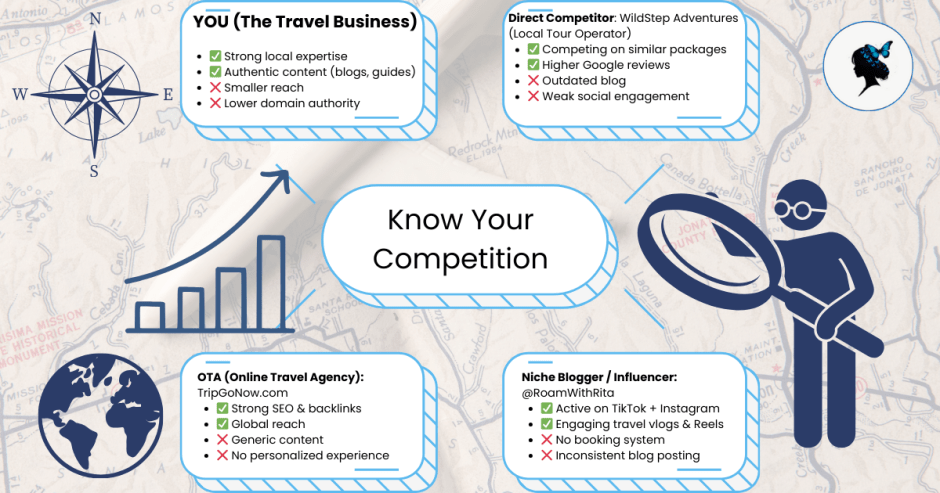
Travel companies face several types of competitors in the digital space:

  • Direct Competitors: These are businesses offering the same or similar services as you. For example, a luxury tour operator in Paris would be competing directly with other luxury tour operators in the same location.
  • Indirect Competitors: These companies provide alternative solutions that satisfy the same customer need. For instance, a local restaurant in Paris may not be offering tours, but it may compete with your tour company for customer attention in a broader travel context.
  • Emerging Competitors: New businesses or startups that are entering the travel industry. These may not be major players yet, but identifying them early can provide you with a significant advantage.

Competitor identification allows you to understand who you’re competing with, their positioning in the market, and the strategies they are using to attract your target audience.


2. How to Identify Competitors in the Travel Industry?

Identifying your competitors may seem straightforward, but a strategic approach can help you dive deeper and gather meaningful insights to gain a competitive advantage. Here’s how you can identify your competitors:

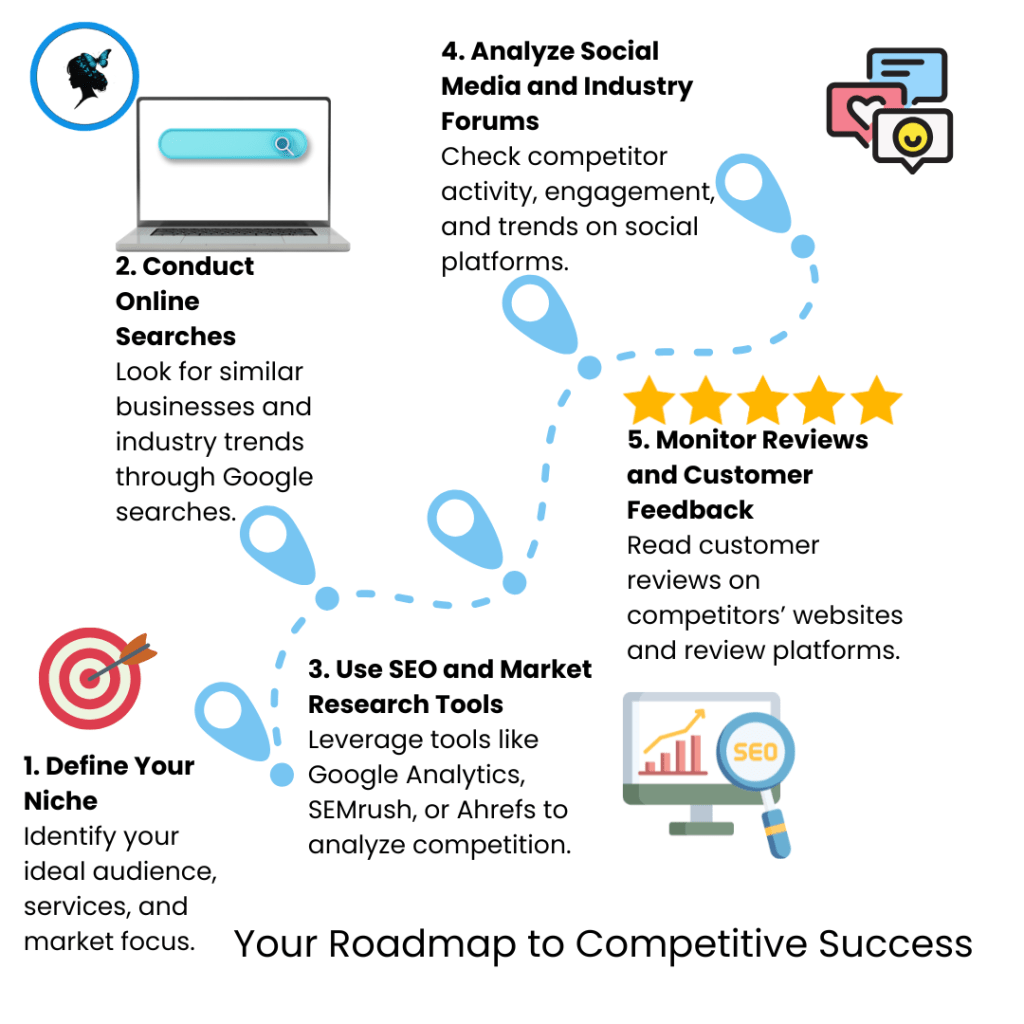
Step 1: Define Your Niche

Before you start identifying competitors, it’s crucial to understand your specific market niche. In the travel industry, there are many different segments, such as:

  • Luxury travel
  • Adventure tourism
  • Cultural or historical tours
  • Family-friendly vacations
  • Eco-tourism

Defining your niche allows you to refine your search for competitors who are directly targeting the same audience. A family-owned bed and breakfast in the mountains might be competing with other bed and breakfasts in the area, while a high-end travel agency focused on bespoke itineraries may find competitors among luxury travel providers.

Step 2: Conduct Online Searches

Use search engines to conduct queries around keywords that are relevant to your business. For example, if you specialize in tours in Paris, search for terms like “private tours in Paris,” “best Paris tour operators,” or “Paris sightseeing tours.” Check out the first page of the search results to identify companies that appear repeatedly.

Step 3: Use SEO and Market Research Tools

In the travel industry, many SEO and market research tools can help you dig deeper into competitor analysis. Tools like Semrush, Ahrefs, and Moz allow you to:

  • Identify competing websites: Search for keywords related to your services and see who is ranking for those terms.
  • Analyze keyword gaps: Find out which keywords your competitors are ranking for that you are not.
  • Evaluate backlinks: Discover where your competitors are getting their backlinks from, and use this information to improve your own link-building efforts.

Additionally, Google Trends and Google Alerts can be valuable in tracking shifts in search volume for key travel-related terms and identifying emerging competitors.

Step 4: Analyze Social Media and Industry Forums

Social media platforms, especially Instagram, Facebook, Twitter, and LinkedIn, can provide valuable insights into your competitors’ activities. Pay attention to the type of content they’re posting, the hashtags they’re using, their engagement rates, and how they’re positioning their brand in front of potential travelers.

Industry forums and online communities like TripAdvisor, Yelp, and even Reddit can provide insights into who your customers are talking about and which travel brands they trust.

Read our tips: creating social media campaigns that inspire wanderlust.

Step 5: Monitor Reviews and Customer Feedback

Customer feedback on review sites, social media, and travel blogs is a goldmine for competitor insights. See what customers are saying about your competitors and identify areas where they are excelling and areas where they are falling short. This will help you find gaps in the market and areas where you can differentiate your services.


3. Why is Competitor Identification Important for Travel Companies?

Understanding who your competitors are and what they are doing well—or poorly—can be the difference between success and failure.

Here’s why competitor identification is so crucial for travel companies:

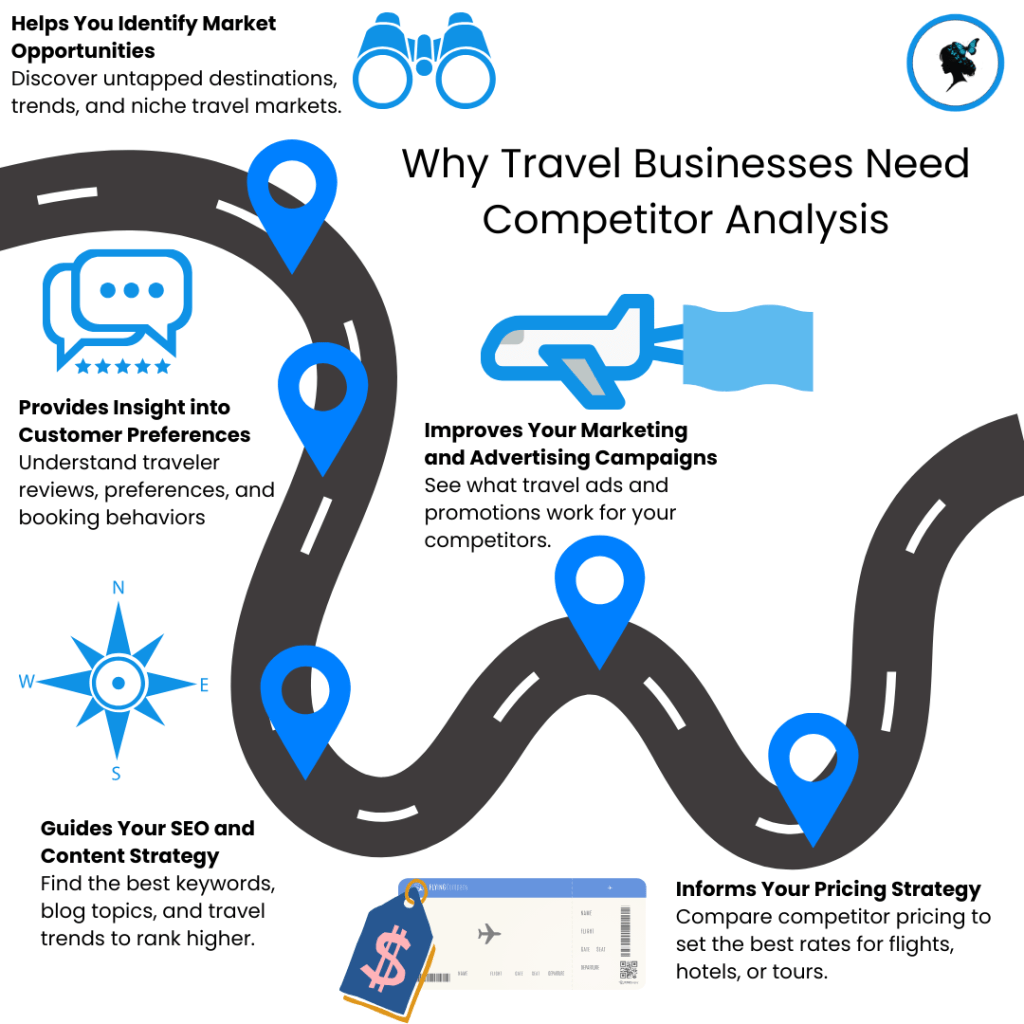
1. Helps You Identify Market Opportunities

By identifying your competitors’ weaknesses, you can spot opportunities in the market that they might be overlooking. Perhaps they’re not offering the level of customer service you believe travelers expect, or maybe they’re not capitalizing on the growing trend of eco-tourism. By filling these gaps, you can carve out a niche that attracts travelers seeking better alternatives.

2. Guides Your SEO and Content Strategy

Competitor analysis is a key part of your SEO and content strategy. Understanding the keywords your competitors are ranking for, the types of content they are producing, and the platforms they are active on allows you to build a more effective SEO plan. For example, if a competitor’s blog is gaining traction with content about “hidden gems in Bali,” you may want to create content targeting other similar off-the-beaten-path destinations.

Read our guide: Why SEO is crucial for travel businesses to stay competitive.

3. Provides Insight into Customer Preferences

Competitor research allows you to better understand your customers’ preferences by evaluating what competitors are doing to attract them. If you notice that a competitor is receiving a lot of positive feedback for a specific tour package, you can leverage that insight to create similar offerings that cater to your target audience.

4. Improves Your Marketing and Advertising Campaigns

Tracking your competitors’ marketing strategies—such as paid ads, promotions, and social media campaigns—gives you insight into what’s working in the travel industry. You can adapt or refine your own campaigns based on what you learn. This will save you time and resources, helping you implement strategies that are more likely to succeed.

5. Informs Your Pricing Strategy

By analyzing your competitors’ pricing models, you can ensure your offerings are competitive. If competitors are underpricing or overpricing their services, you can adjust your pricing strategy accordingly. A well-informed pricing structure can give you an edge in attracting more customers without sacrificing profitability.


Ready to Outsmart Your Competitors?

Don’t wait for your competitors to outpace you. Contact us today to learn more about how we can help you stay ahead of the competition and position yourself for success in the travel industry.