Your website navigation is like the front door of your business—if it’s confusing, cluttered, or hard to use, visitors won’t stick around. In 2026, with users expecting near-instant access to information, poor navigation can directly impact your conversions, credibility, and customer trust.
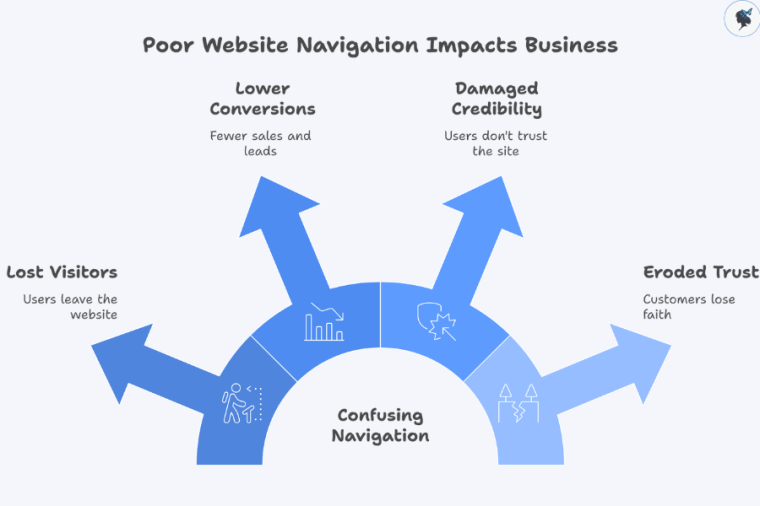
Poor website navigation impacts business
Many small businesses unknowingly make common navigation mistakes that frustrate users and drive them away. This article breaks down five of the most frequent issues—and gives you quick, practical fixes you can apply right away.
This guide is designed for small business owners and managers who want to improve their website without needing deep technical expertise. Need help? Contact us today!
Mistake 1: Overly Complicated or Cluttered Navigation Menu
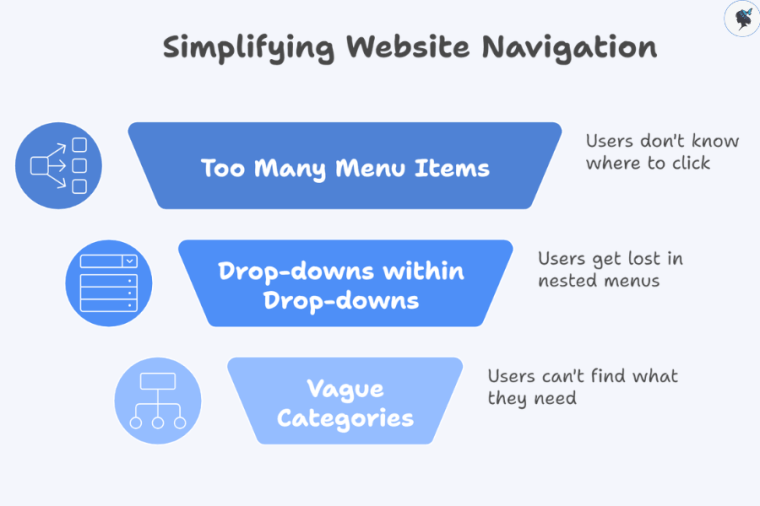
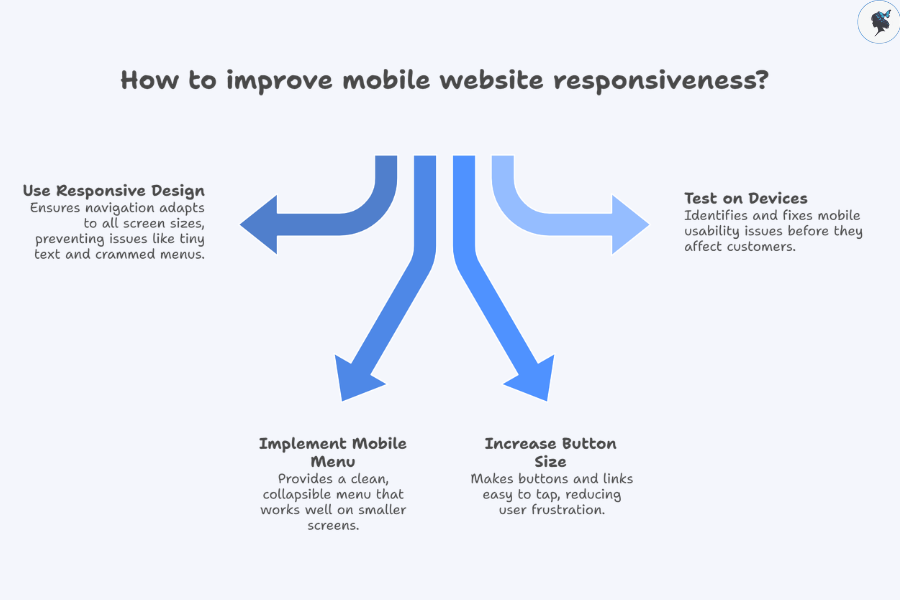
Simplifying website navigation
This often looks like:
Too many menu items (10+ links in the main navigation)
Drop-downs within drop-downs
Vague or overlapping categories
Why it’s a problem:
Users feel overwhelmed and don’t know where to click
Important pages get buried
It creates a “messy” and unprofessional impression
Relatable scenario: It’s like walking into a small shop where every product is crammed into the front window—nothing stands out, so customers walk away.
If you want more customers to find your business online, keyword research is one of the most important marketing activities you can do.
Keywords are the words and phrases people type into search engines when they are looking for products, services, or information. When your website content matches those search terms, search engines like Google are more likely to show your site in the results.
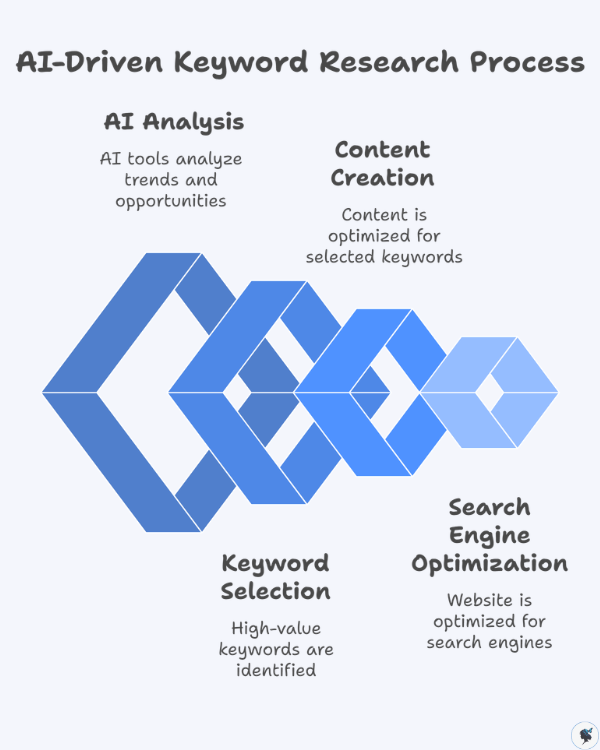
AI-driven keyword research process
For example, someone searching for “affordable wedding photographer in Chicago” is clearly looking for a specific service. If your website targets that phrase, you have a much better chance of appearing in the search results.
The challenge is that traditional keyword research can be time-consuming and confusing—especially for small business owners without an SEO background.
That’s where artificial intelligence (AI) comes in.
AI-powered tools can generate keyword ideas, analyze search trends, and uncover valuable opportunities within seconds. Instead of spending hours brainstorming and analyzing spreadsheets, small businesses can now use AI to streamline the entire process.
This shift is already happening across the marketing industry. According to SEO research, 63% of SEO professionals now use AI tools for keyword research and optimization.
At the same time, search itself is evolving. Google’s AI-powered search features now reach more than 1.5 billion users every month, changing how people discover information online.
For small businesses, this presents an exciting opportunity. With the right AI tools and strategy, you can identify high-value keywords, create better content, and compete with larger brands online.
In this guide, we’ll explain how AI helps with keyword research and show you practical methods and free tools you can start using today.
Why Keyword Research Is Important for Small Businesses
Keyword research helps businesses understand what potential customers are searching for and how to create content that meets those needs.
For small businesses, it can make the difference between a website that gets traffic and one that remains invisible online.
Many small businesses assume they cannot compete with larger companies in search results. However, effective keyword research helps level the playing field.
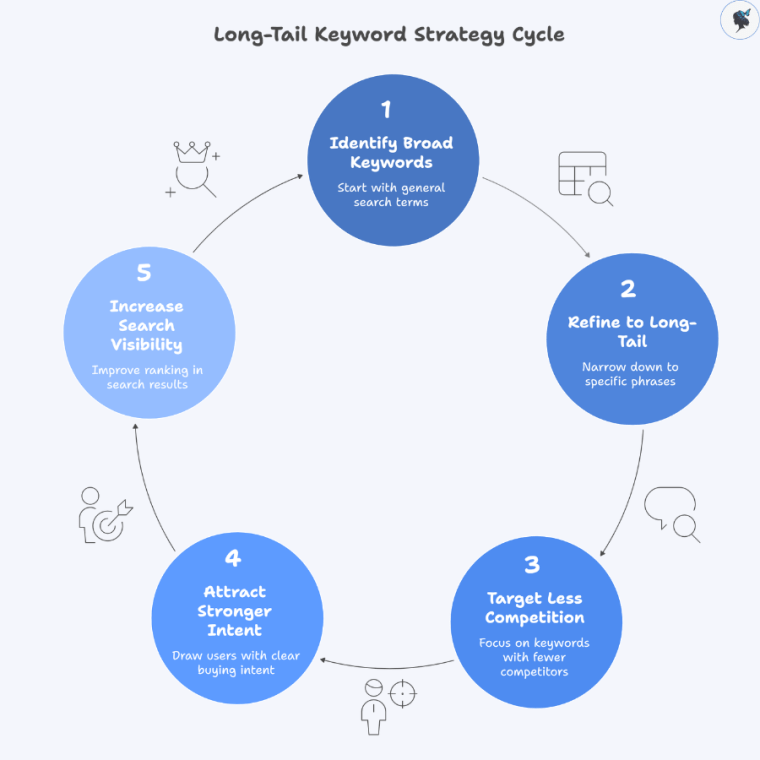
Long-tail keyword strategy cycle
Instead of targeting broad, competitive keywords like:
coffee shop
plumber
running shoes
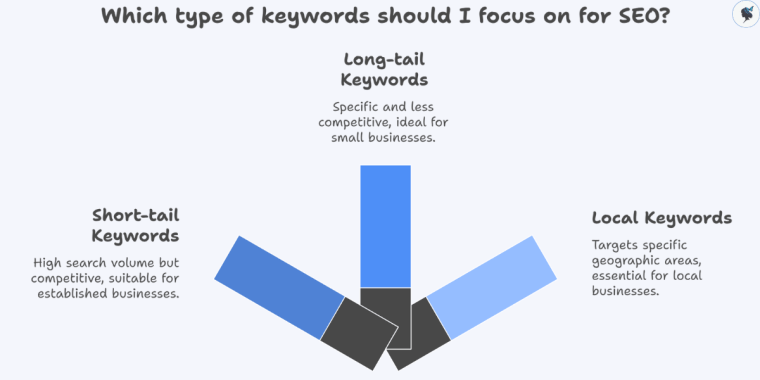
Small businesses can focus on long-tail keywords, which are more specific search phrases.
For example:
best coffee shop for studying
emergency plumber open late
running shoes for flat feet
These longer search queries often have less competition and attract users with stronger buying intent.
In fact, long-tail keywords account for roughly 70% of all search traffic, making them one of the most powerful opportunities for smaller websites.
Understanding What Customers Are Searching For
Keyword research provides valuable insight into your customers’ needs, problems, and questions.
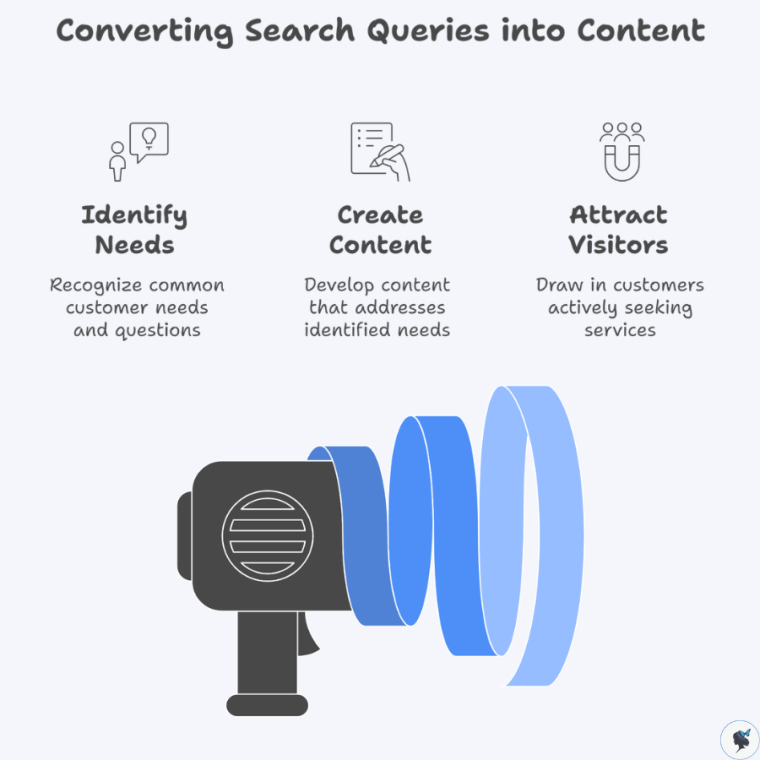
Converting search queries into content
For example, a roofing company might discover that people frequently search for:
roof repair cost
how long does a roof last
emergency roof repair near me
Each of these search queries represents a potential piece of content your business can create.
When your website answers these questions, it naturally attracts visitors who are already looking for your services.
Driving High-Quality Website Traffic
Not all website traffic is equally valuable.
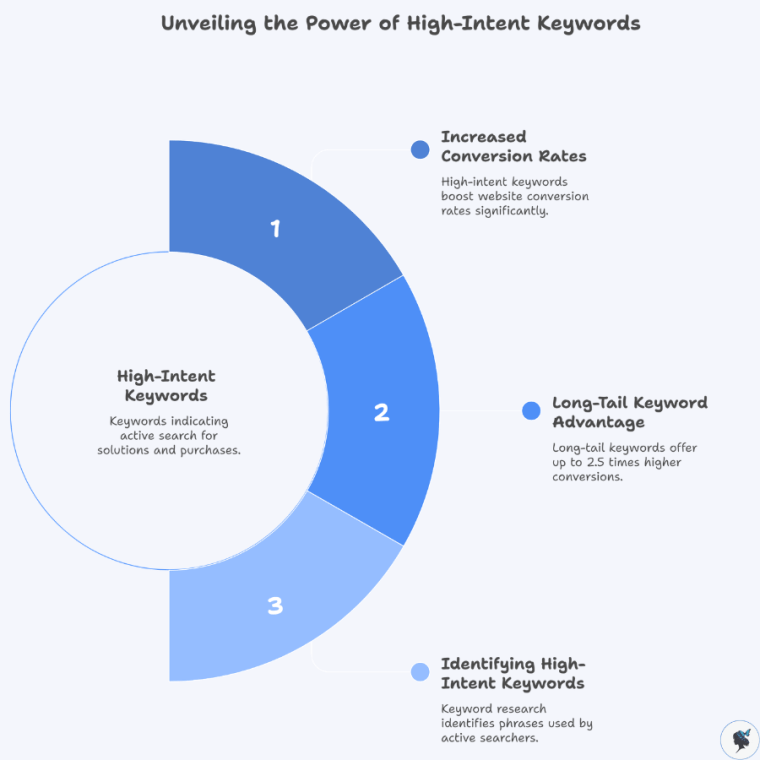
Unveiling the power of high-intent keywords
Some visitors are simply browsing, while others are ready to make a purchase.
Keyword research helps you identify high-intent keywords, which are phrases used by people actively searching for solutions.
For example:
Low-intent keyword:
office chairs
High-intent keyword:
best ergonomic office chair under $300
Specific keywords like this often lead to higher conversion rates.
Research shows that long-tail keywords can generate conversion rates up to 2.5 times higher than short keywords.
Improving Your Content Strategy
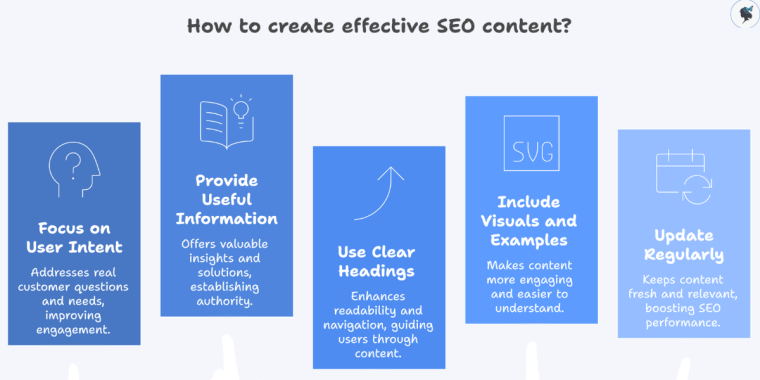
Keyword research also helps guide your content marketing strategy.
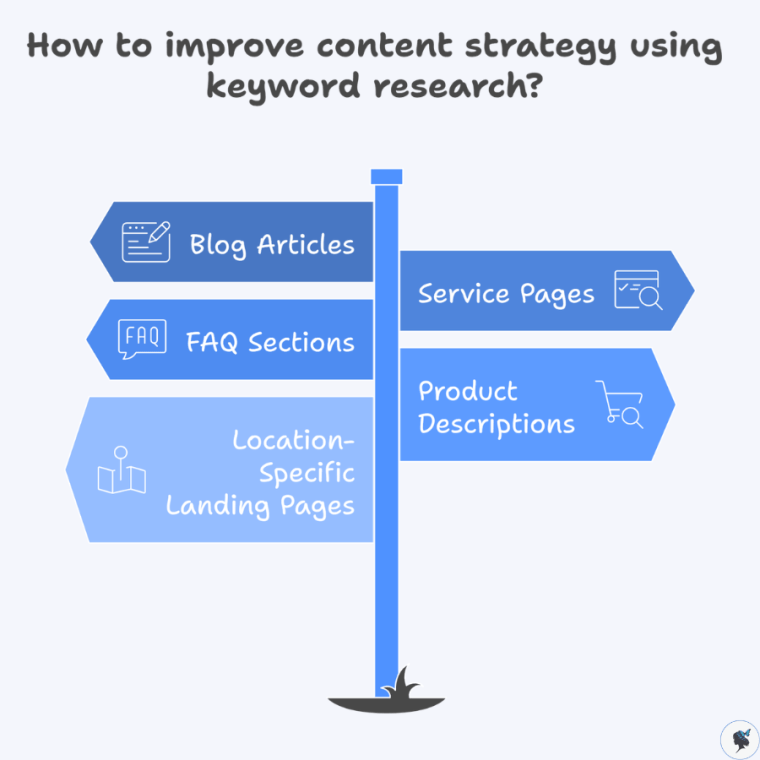
How to improve content strategy using keyword research?
Instead of guessing what topics to write about, you can use keyword data to understand what people actually want to learn.
Small businesses can use keywords to create:
blog articles
service pages
FAQ sections
product descriptions
location-specific landing pages
This ensures your content aligns with real search demand. More content ideas here.
Unlocking Local SEO Opportunities
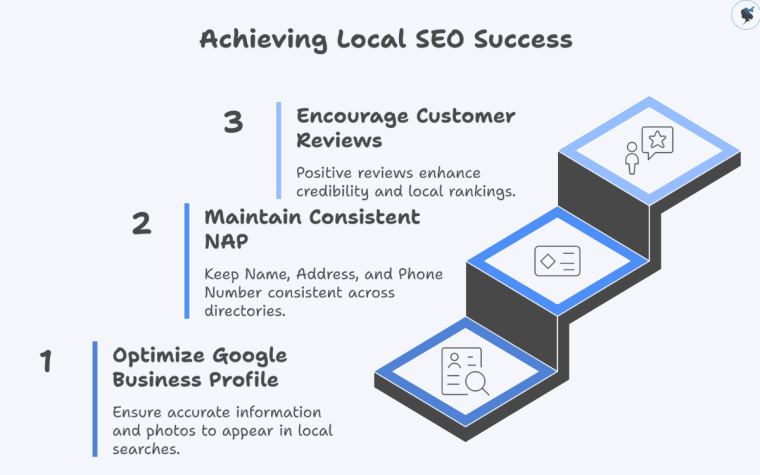
Local search is especially important for small businesses.
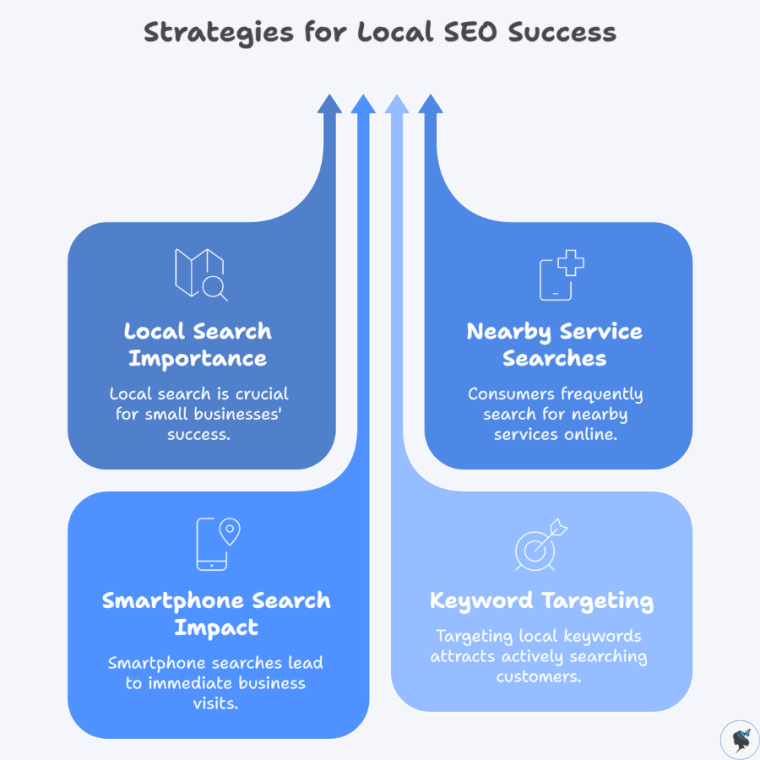
Strategies for Local SEO success
Consumers frequently search for nearby services using phrases like:
dentist near me
bakery in Seattle
plumber open now
Google reports that 76% of people who search for something nearby on their smartphone visit a business within 24 hours.
By targeting local keywords, small businesses can attract customers who are actively looking for nearby services.
How AI Is Changing Keyword Research
Artificial intelligence is transforming how businesses approach SEO and keyword research.
Traditional keyword research often required hours of manual work—brainstorming keyword ideas, analyzing search data, and reviewing spreadsheets.
AI tools now automate much of this process.
Faster Keyword Discovery
AI can analyze large amounts of search data and generate hundreds of keyword ideas instantly.
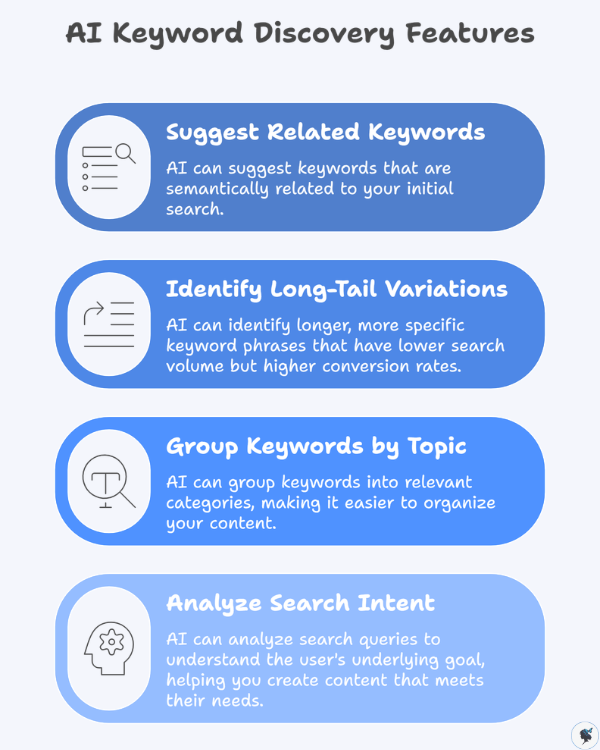
AI keyword discovery features
These tools can:
suggest related keywords
identify long-tail variations
group keywords by topic
analyze search intent
Instead of manually brainstorming dozens of keywords, AI can provide an extensive list within seconds.
Identifying Search Intent
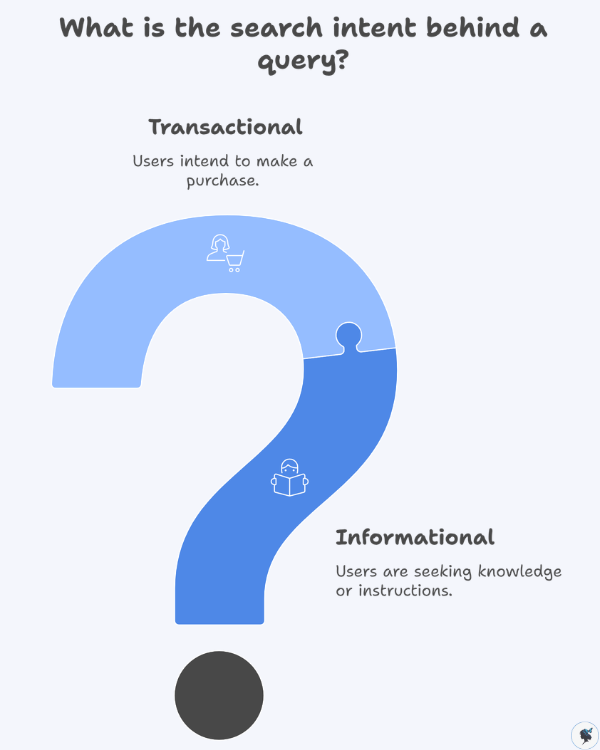
Search intent refers to the reason behind a search query.
What is the search intent behind a query?
For example:
Informational search:
how to fix a leaking faucet
Transactional search:
buy kitchen faucet online
AI tools can help categorize keywords based on user intent, allowing businesses to create content that matches what searchers want.
Finding Content Opportunities
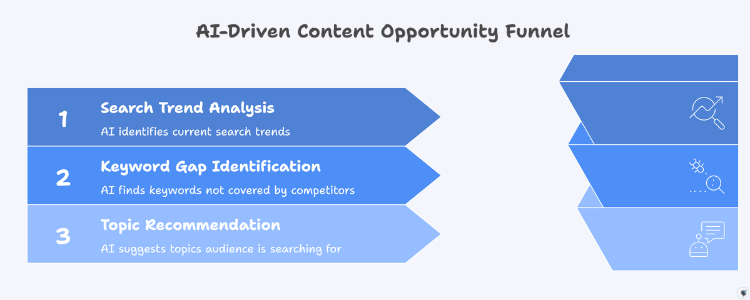
AI can also identify keyword gaps and content opportunities.
AI-driven content opportunity funnel
By analyzing competitor content and search trends, AI tools can recommend topics your audience is actively searching for.
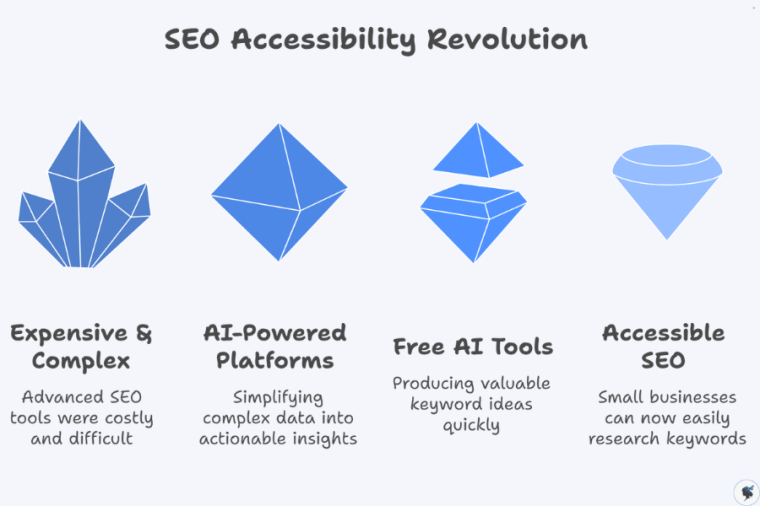
In the past, many advanced SEO tools were expensive and difficult to use.
SEO accessibility revolution
AI-powered platforms now make keyword research more accessible for small businesses by simplifying complex data into actionable insights.
Even free AI tools can produce valuable keyword ideas quickly.
Practical Ways to Use AI for Keyword Research
Let’s explore several simple methods small businesses can use to find valuable keywords using AI and free tools.
1. Generate Keyword Ideas with AI
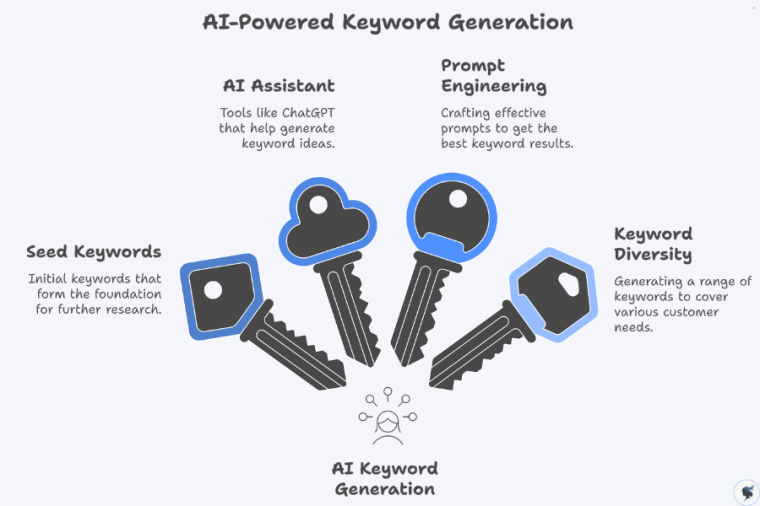
AI assistants such as ChatGPT or Google Gemini can quickly generate keyword ideas based on your business description.
AI-powered keyword generation
Example prompt:
“Generate 20 SEO keywords for a small bakery specializing in gluten-free desserts.”
Possible results may include:
gluten free bakery near me
gluten free birthday cake
dairy free cupcakes
vegan gluten free desserts
gluten free wedding cake
These are called seed keywords, which serve as the starting point for deeper keyword research.
2. Use Google Autocomplete
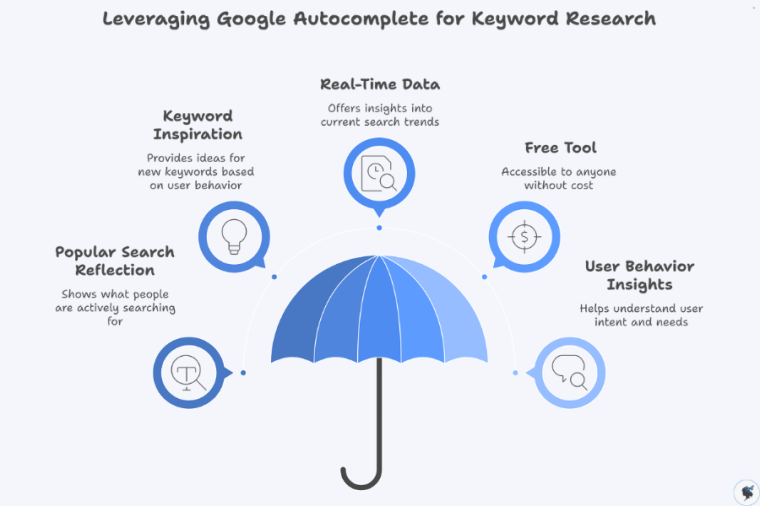
Google itself is one of the best free keyword research tools.
Leveraging Google autocomplete for keyword research
When you begin typing a search query, Google displays autocomplete suggestions based on popular searches.
For example, typing:
best coffee shop for
might generate suggestions such as:
best coffee shop for studying
best coffee shop for remote work
best coffee shop for meetings
These suggestions reflect real search behavior and can inspire valuable keyword ideas.
3. Use Free Keyword Research Tools
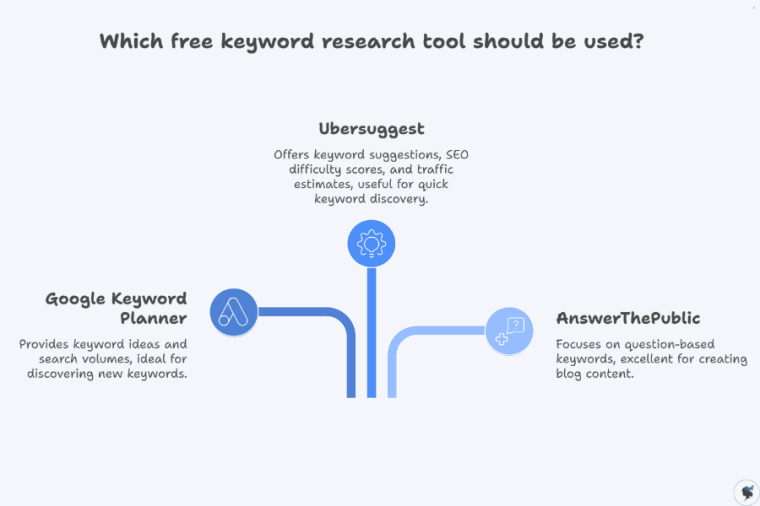
Several free tools provide useful keyword data.
Which free keyword research tool should be used?
Google Keyword Planner
Google Keyword Planner allows users to discover keyword ideas and view estimated search volumes.
Steps:
Create a free Google Ads account
Select “Discover new keywords”
Enter a keyword related to your business
Review suggested keywords and search volume data
Example results for “home cleaning service” might include:
house cleaning cost
professional home cleaning
deep cleaning house
Ubersuggest
Ubersuggest provides:
keyword suggestions
SEO difficulty scores
traffic estimates
content ideas
For example, searching “yoga classes” may reveal:
yoga classes for beginners
online yoga classes
yoga classes near me
This helps businesses discover new keyword opportunities quickly.
AnswerThePublic
AnswerThePublic focuses on question-based keywords, which are excellent for blog content.
Example search: “lawn care”
Possible results:
how often should you water your lawn
when should you fertilize grass
how to repair patchy lawn
These questions are ideal for creating helpful blog posts.
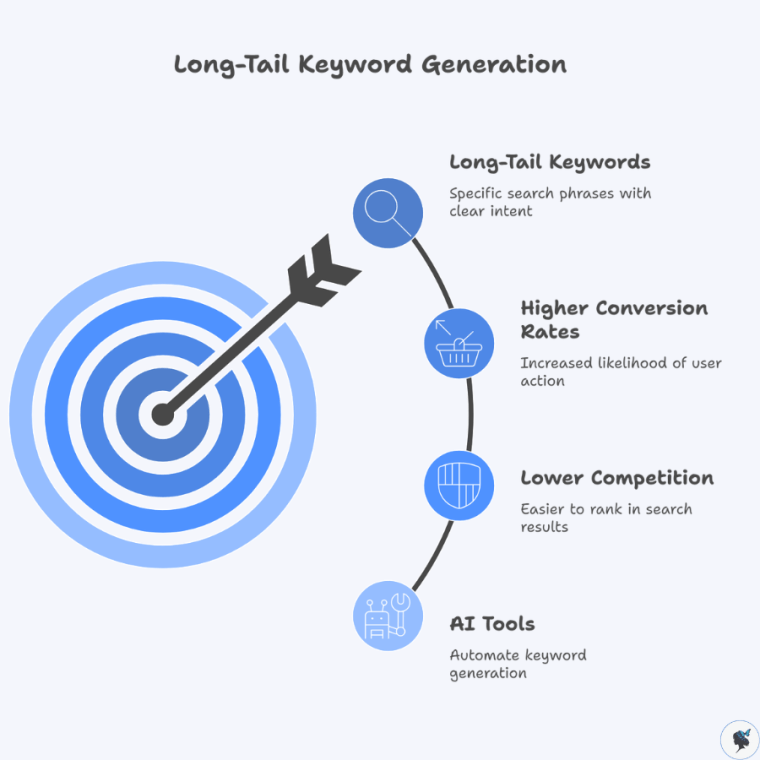
4. Generate Long-Tail Keywords with AI
Long-tail keywords are longer, more specific search phrases.
Long-tail keyword generation
Example:
Short keyword:
running shoes
Long-tail versions:
best running shoes for beginners
running shoes for flat feet
lightweight running shoes for marathon training
Long-tail keywords typically have:
lower competition
higher conversion rates
clearer search intent
AI tools can generate dozens of long-tail variations from a single keyword.
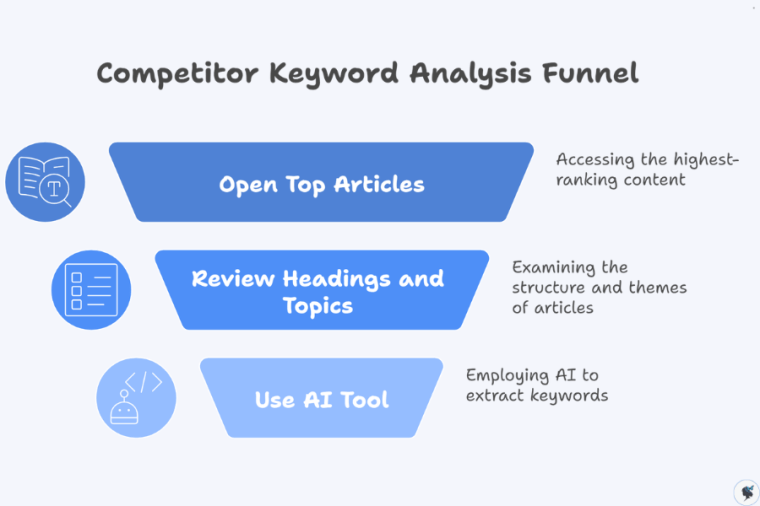
5. Analyze Competitor Keywords
Another useful technique is analyzing competitor content.
Competitor keyword analysis funnel
Steps:
Search your target keyword on Google
Open the top-ranking articles
review their headings and topics
You can also paste the content into an AI tool and ask:
“Extract the primary SEO keywords from this article.”
This helps identify keyword opportunities your competitors may already be targeting.
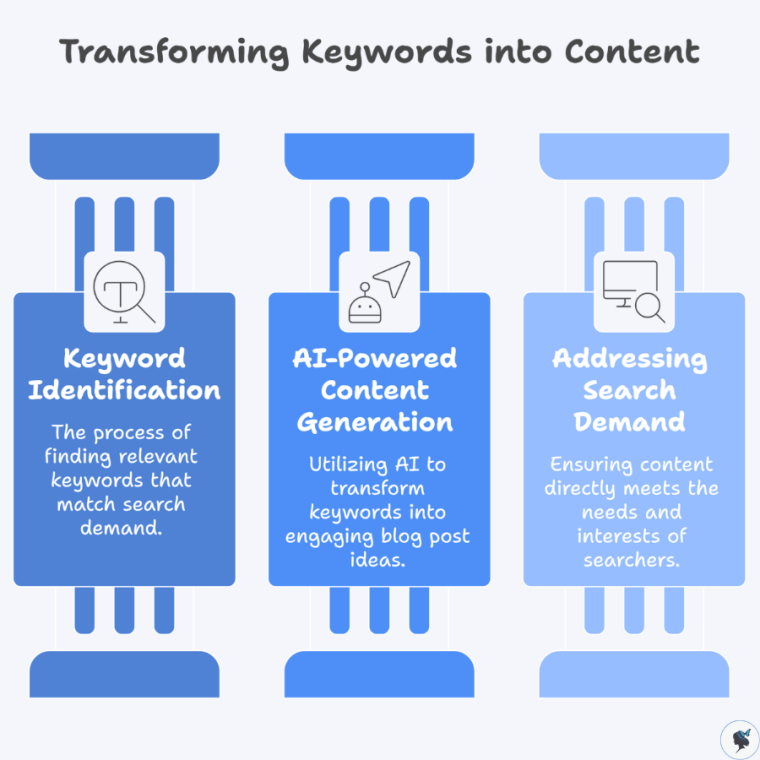
6. Turn Keywords Into Content Ideas
Once you have a keyword list, AI can help transform those keywords into blog topics.
Transforming keywords into content
Example keyword:
home office setup for small spaces
AI-generated ideas may include:
10 Home Office Setup Ideas for Small Spaces
Budget-Friendly Home Office Setup Guide
How to Create a Productive Workspace in a Small Apartment
This ensures your content directly addresses real search demand.
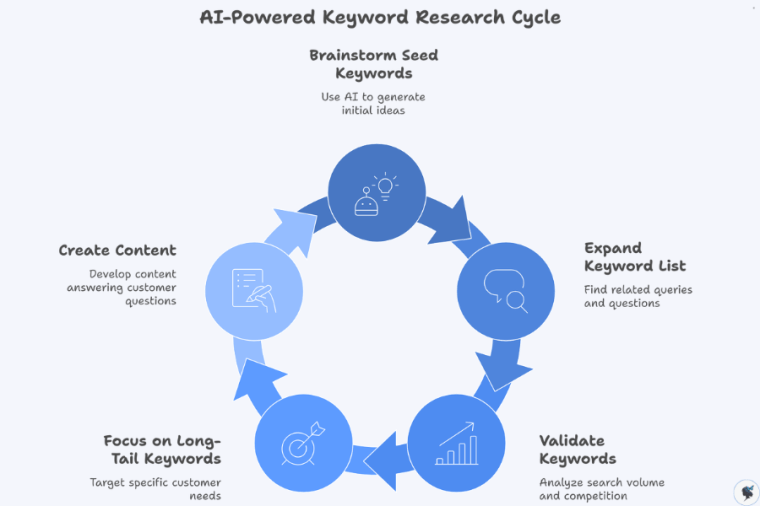
Actionable Steps to Start Using AI for Keyword Research
AI tools have made keyword research easier, faster, and more accessible than ever before.
AI-powered keyword research cycle
Small businesses can start benefiting from AI-powered keyword research today with just a few simple steps.
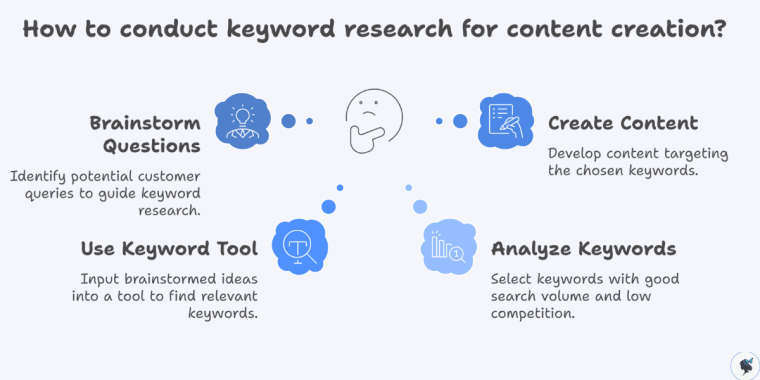
Step 1: Brainstorm seed keywords
Use AI tools to generate a list of keyword ideas related to your business.
Step 2: Expand your keyword list
Use Google Autocomplete and AnswerThePublic to find related search queries and questions.
Step 3: Validate keywords
Use Google Keyword Planner or Ubersuggest to analyze search volume and competition.
Step 4: Focus on long-tail keywords
Target specific phrases that reflect customer needs and search intent.
Step 5: Create content around those keywords
Develop blog posts, service pages, and FAQs that answer common customer questions.
Final Thoughts
AI is transforming how businesses approach keyword research and SEO.
Instead of relying on guesswork and manual analysis, small businesses can now use AI tools to quickly discover high-value keywords and content opportunities.
By combining AI-powered insights with helpful, relevant content, small businesses can improve their visibility in search results and attract more potential customers online.
The best part is that many of these tools are free or low cost, making them accessible to businesses of any size.
With a little experimentation and the right strategy, AI-powered keyword research can become one of the most powerful tools in your digital marketing toolkit.
Introduction: Why SEO Matters for Small Businesses
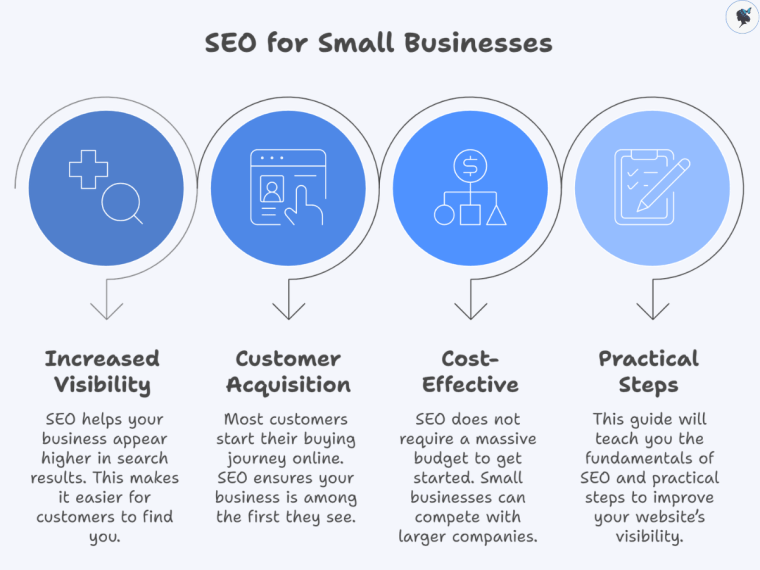
If you run a small business, you probably want more customers to find you online. One of the most effective ways to achieve that is through Search Engine Optimization (SEO).
SEO is the process of improving your website so that it appears higher in search engine results when people search for products or services related to your business. For example, if someone searches for “best bakery near me,” SEO helps ensure your bakery appears among the results.
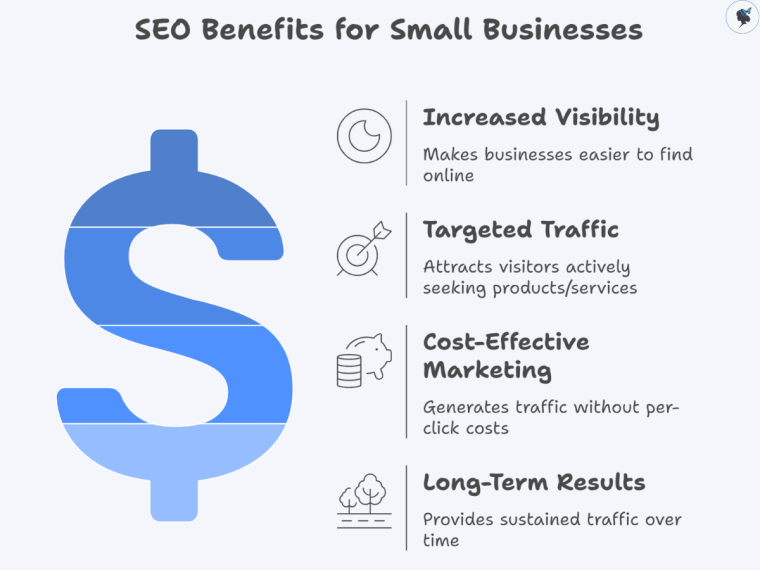
SEO is incredibly important for small businesses because most customers start their buying journey online. Research shows that organic search drives more than 50% of website traffic, making it one of the largest sources of visitors for businesses online.
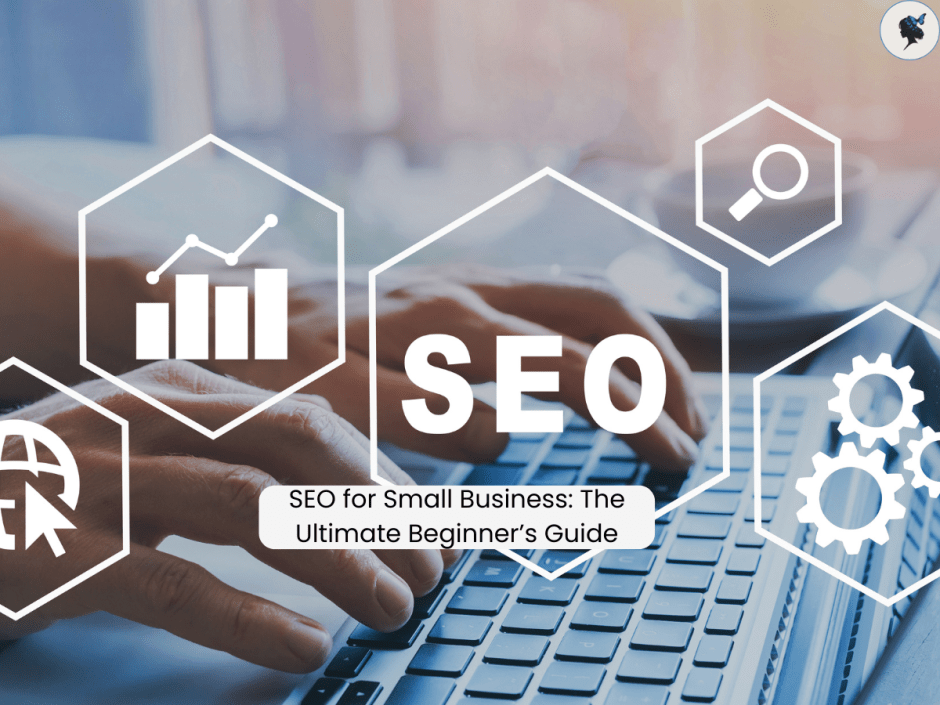
SEO for small businesses
The good news is that SEO does not require a massive budget to get started. With the right strategies and consistent effort, small businesses can compete with larger companies in search results.
In this guide, you’ll learn the fundamentals of SEO and practical steps to improve your website’s visibility.
Understanding SEO Basics
What Is SEO?
Search Engine Optimization (SEO) refers to the process of improving a website’s visibility in search engines like Google. The goal is to attract organic (unpaid) traffic from people who are searching for information, products, or services.
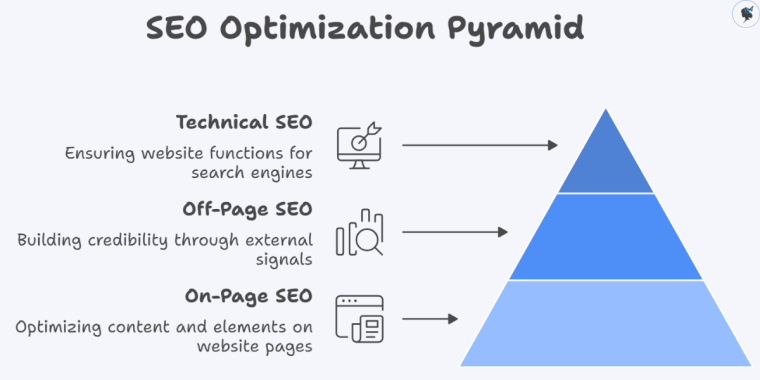
SEO optimization pyramid
SEO typically consists of three main components:
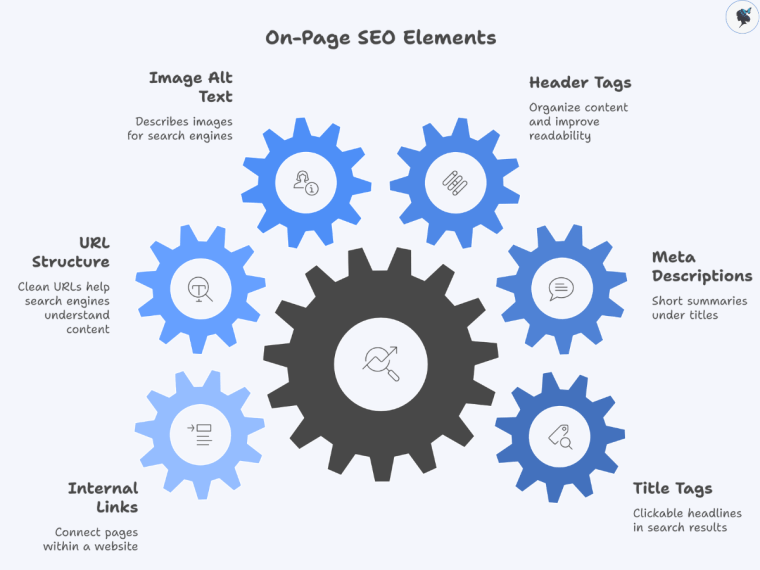
On-page SEO Optimizing the content and elements on your website pages.
Off-page SEO Building credibility and authority through external signals such as backlinks.
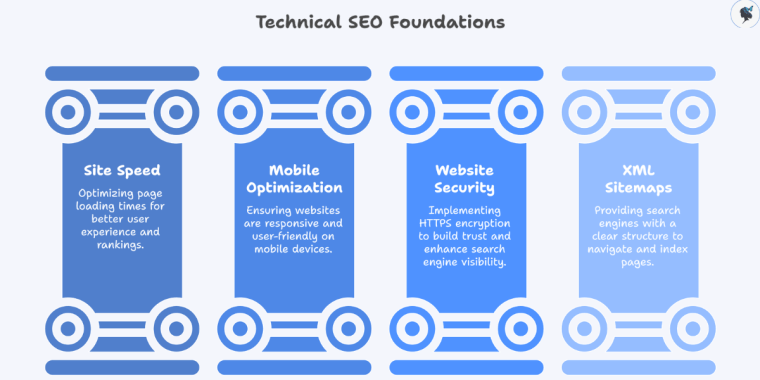
Technical SEO Ensuring your website functions properly so search engines can crawl and index it.
When these three components work together, search engines can better understand your website and rank it higher for relevant searches.
How do Search Engines Work?
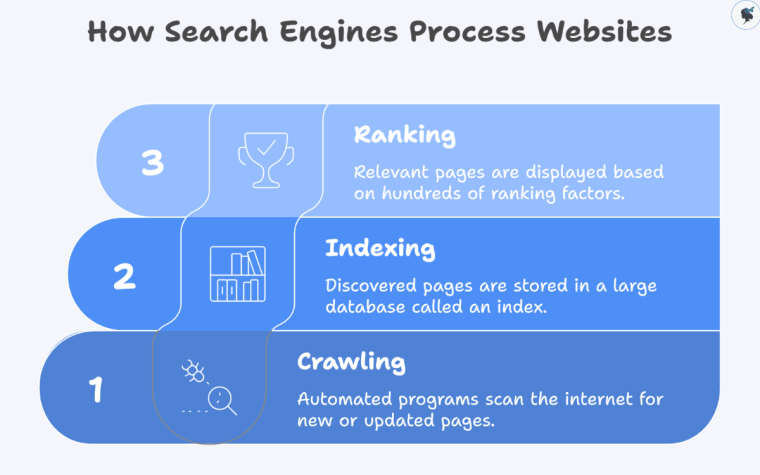
How search engines process websites
Search engines follow three main steps when processing websites:
Crawling
Search engines use automated programs called crawlers or spiders to scan the internet and discover new or updated pages.
Indexing
Once a page is discovered, it is stored in a large database called an index. This index contains billions of webpages.
Ranking
When a user performs a search, the search engine analyzes its index and displays the most relevant pages based on hundreds of ranking factors.
These factors include content relevance, page quality, user experience, and website authority.
SEO is a long-term strategy, so tracking progress is essential.
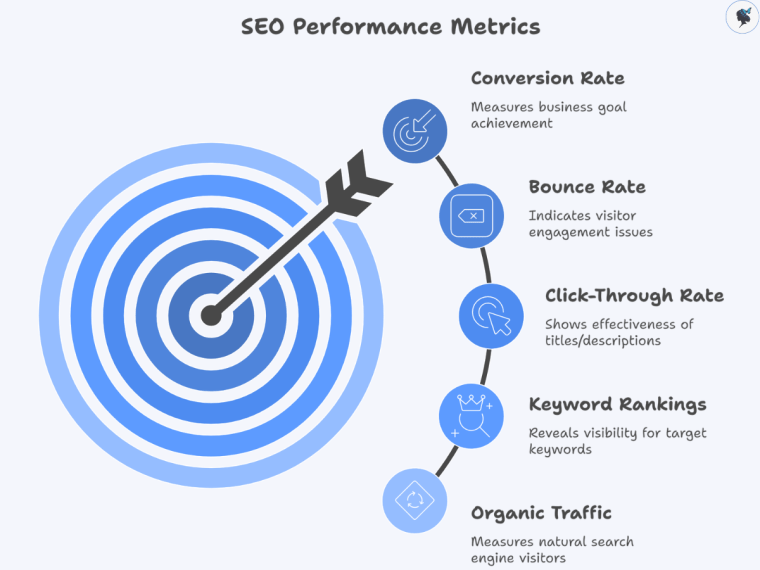
Key Metrics to Monitor
SEO performance metrics
Important SEO metrics include:
Organic traffic The number of visitors arriving from search engines. Organic traffic shows how many people find your website naturally, and increases here indicate that your SEO efforts are effectively improving visibility.
Keyword rankings Where your website appears for target keywords. Monitoring keyword rankings helps you understand which search terms you are visible for and identify opportunities to improve your position in search results.
Click-through rate (CTR) The percentage of users who click your result. A high CTR means your title tags and meta descriptions are compelling, which helps drive more traffic even if your ranking doesn’t change.
Bounce rate The percentage of visitors who leave without interacting. A high bounce rate can indicate that visitors aren’t finding what they expected, signaling potential issues with content relevance or user experience.
Conversion rate How many visitors become customers. Conversion rate measures the actual impact of your SEO traffic on your business goals, showing whether visitors are taking meaningful actions.
Essential SEO Tools
These tools help monitor performance:
Google Analytics
Google Search Console
Semrush
Ahrefs
Moz
They provide insights into traffic, rankings, and website performance.
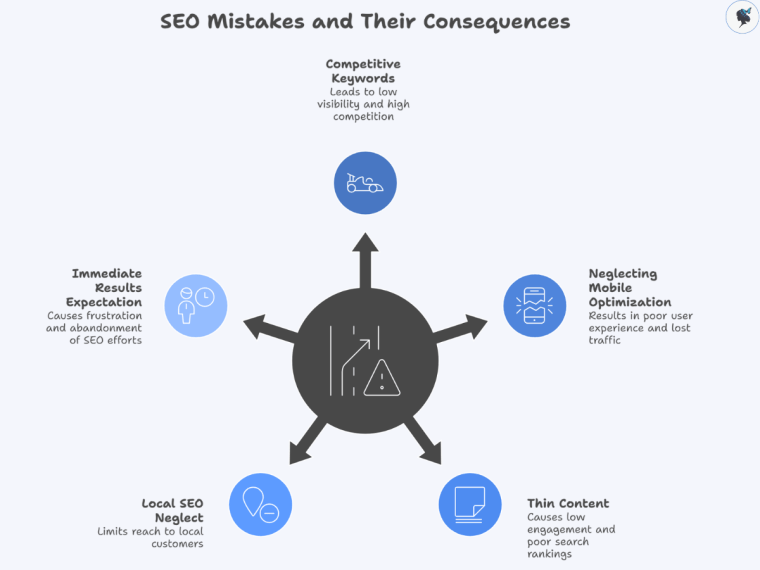
Common SEO Mistakes Small Businesses Should Avoid
Many beginners make similar SEO mistakes.
SEO mistakes and their consequences
Common ones include:
Targeting extremely competitive keywords
Ignoring mobile optimization
Publishing thin or low-quality content
Neglecting local SEO
Expecting immediate results
SEO takes time, but consistent improvements can lead to significant growth.
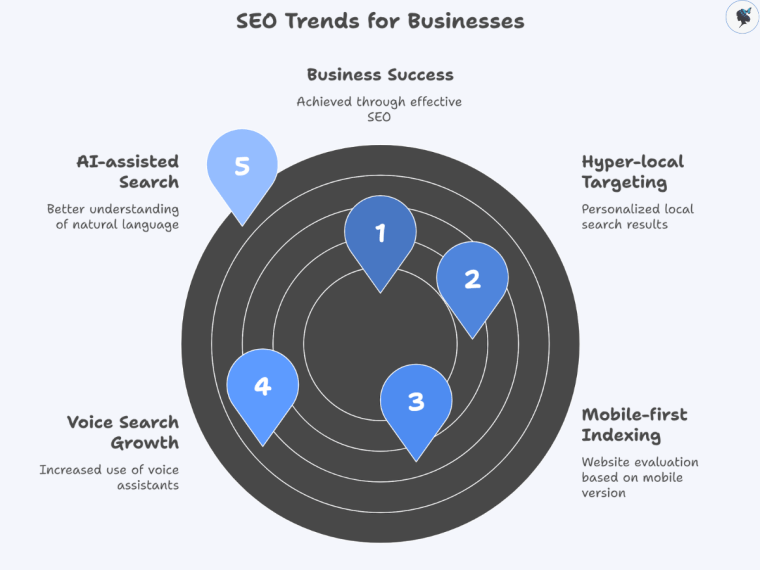
SEO Trends Small Businesses Should Watch
Search engine optimization continues to evolve.
SEO trends for businesses
Important trends include:
AI-assisted search Search engines are becoming better at understanding natural language.
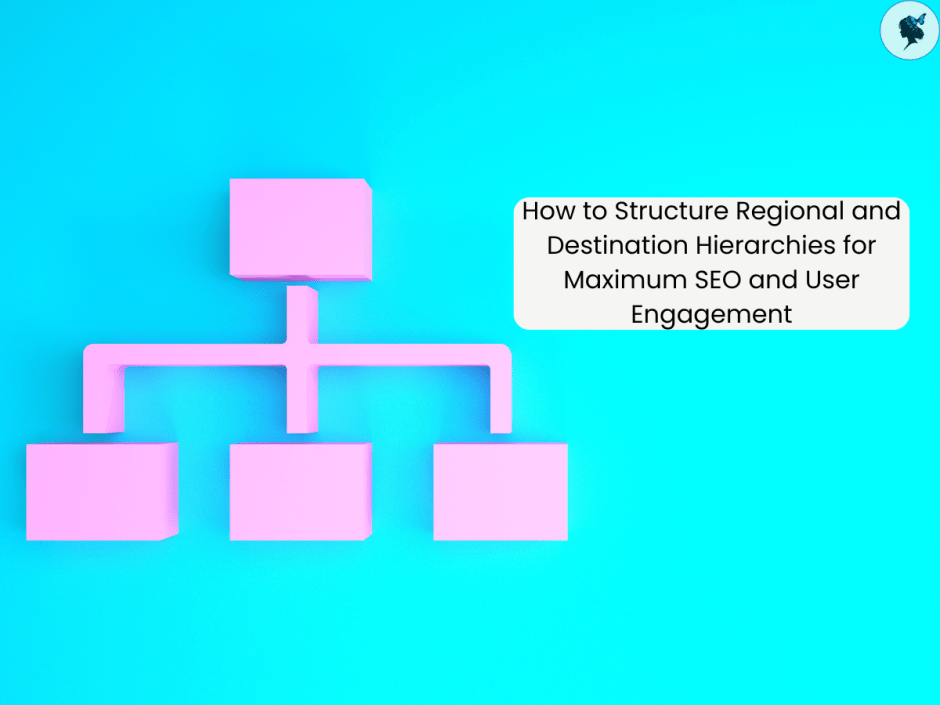
If your travel agency serves multiple cities, countries, or even continents, one of the most overlooked aspects of SEO and user experience is the structure of your website’s regional hierarchy. A clear, logical hierarchy not only helps your visitors find the information they need quickly but also improves how search engines understand and rank your content.
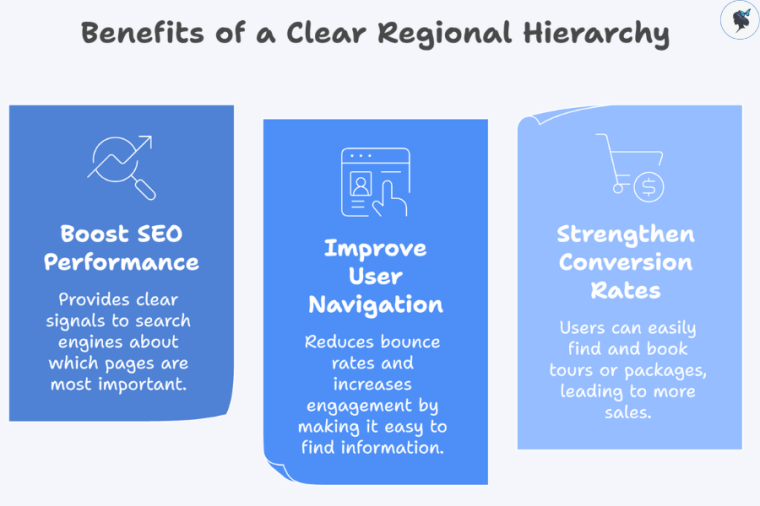
Benefits of a clear regional hierarchy
When done correctly, your hierarchy can:
Boost SEO performance by providing clear signals to search engines about which pages are most important.
Improve user navigation, reducing bounce rates and increasing engagement.
Strengthen conversion rates, as users can easily find and book tours or packages.
Semrush emphasizes that good site structure (clear architecture, logical hierarchy, internal linking) helps both users and search engines navigate a site, which in turn can improve rankings and organic traffic.
Wander Women Hot Tip: Start by mapping out all destinations your agency serves—regions, countries, and cities—before designing your hierarchy. A visual sitemap can save hours of restructuring later.
Understanding the Importance of Regional/Destination Hierarchy
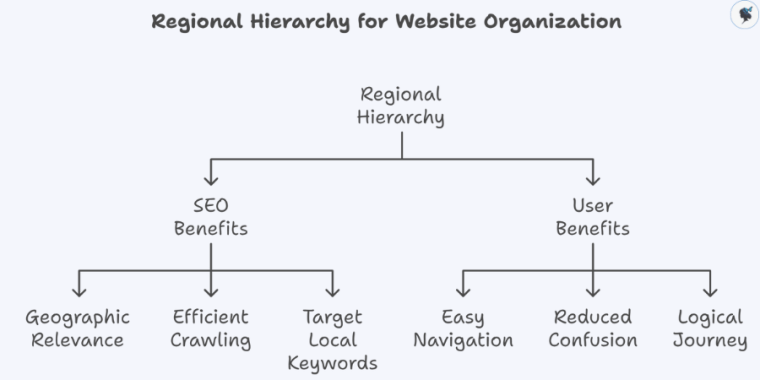
A regional hierarchy is a way of organizing your website so that broader geographic areas (regions or continents) lead to narrower destinations (countries and cities). This hierarchy serves both your users and search engines:
Regional hierarchy for website organization
For SEO:
It signals geographic relevance for location-based searches.
Helps search engines crawl and index pages efficiently.
Visitors can easily navigate from a general region to specific cities or experiences.
Reduces confusion and friction when searching for relevant tours, events, or packages.
Provides a logical journey through your site, increasing engagement and time on site.
Wander Women Hot Tip: Use a visual sitemap or flowchart to plan the hierarchy. Seeing how regions branch into countries and cities helps identify gaps or overlaps.
Best Practices for Structuring Your Website
1. Top-Level Structure
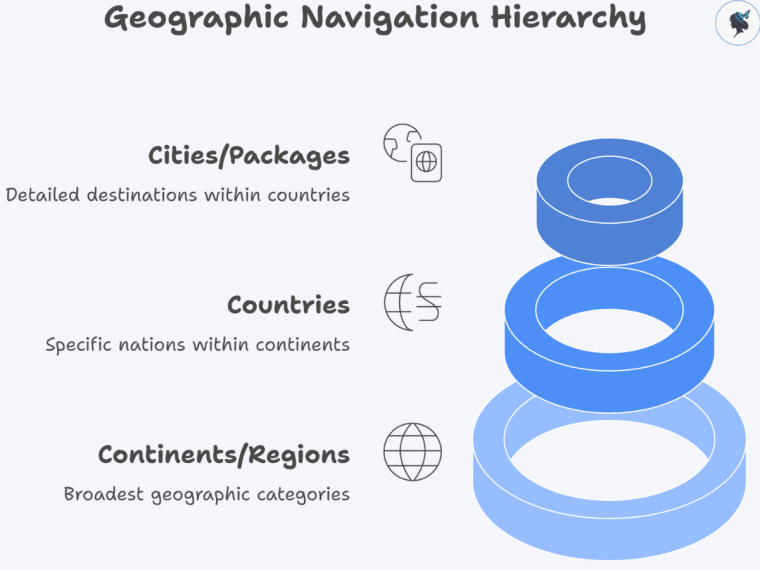
Decide whether your top-level navigation should be based on region, country, or continent.
Geographic navigation hierarchy
For example:
Continents/Regions as Top-Level: Europe, Asia, Americas
Countries as Second-Level: France, Italy, Japan
Cities or Packages as Third-Level: Paris, Rome, Tokyo
SEO Benefits:
Clean URLs like /europe/france/paris clearly indicate the geographic hierarchy.
Breadcrumbs can mirror this structure, improving both UX and search engine understanding.
Wander Women Hot Tip: Keep your main menu concise (7–8 top-level items max). Use dropdowns to handle subregions or countries to avoid overwhelming users.
2. Subcategories for Cities/Countries
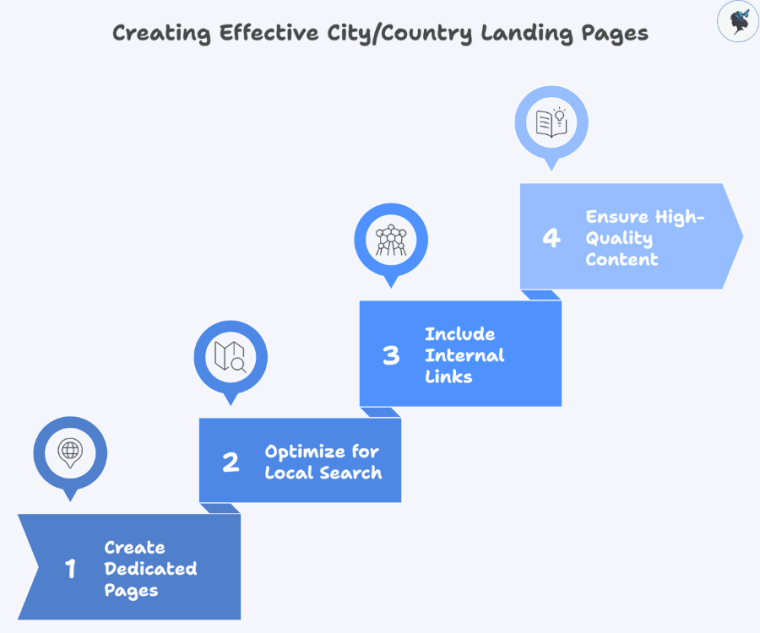
Creating effective city/country landing pages
Create dedicated landing pages for each country and city. These pages should include:
Travel guides, must-see attractions, itineraries.
Seasonal events or festivals.
Tours or packages available in that location.
Optimize each page for local search terms such as “Paris walking tours” or “Rome family-friendly experiences.”
Include internal links to related cities or regions to encourage users to explore more destinations.
Wander Women Hot Tip: Don’t create thin pages. Each city or country page should have at least 800–1,200 words of high-quality content, with images, maps, and structured data where appropriate.
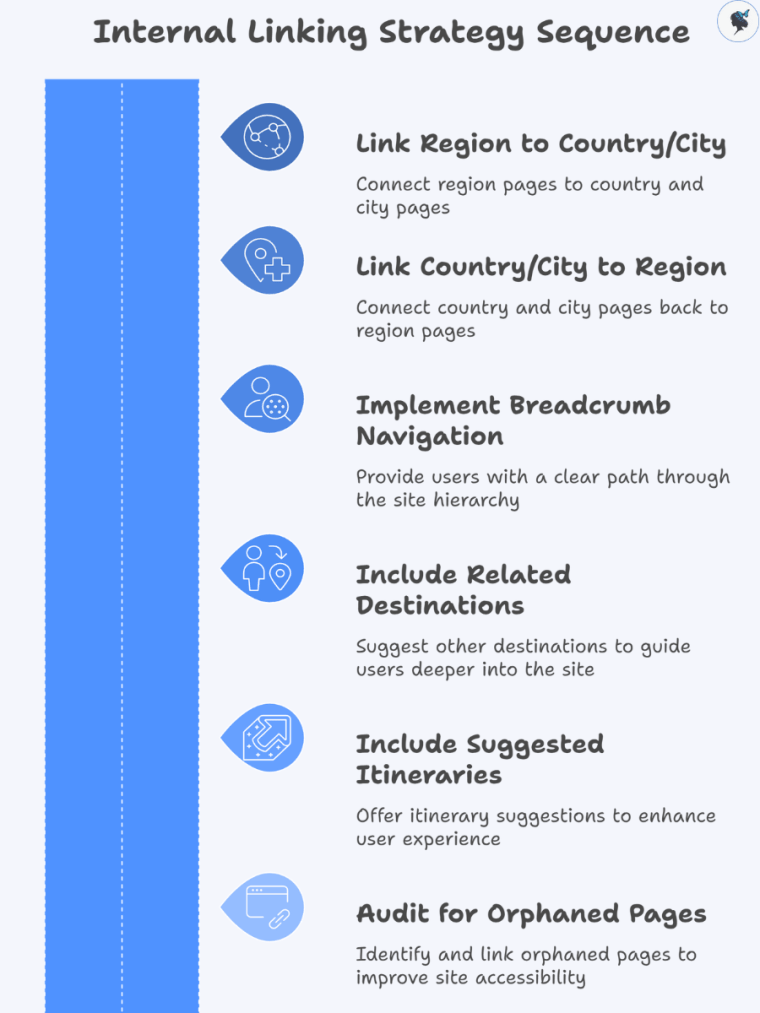
Link from region pages to country and city pages, and vice versa.
Use breadcrumb navigation so users always know where they are in the hierarchy.
Include related destinations or suggested itineraries sections to guide users deeper into your site.
Example: A “France” landing page links to Paris, Lyon, and Marseille. Paris links back to France and to related tours (e.g., “Day Trips from Paris”).
Wander Women Hot Tip: Audit your site for orphaned pages that aren’t linked from any other page. Orphan pages are difficult for both users and search engines to find.
Common Mistakes and How to Avoid Them
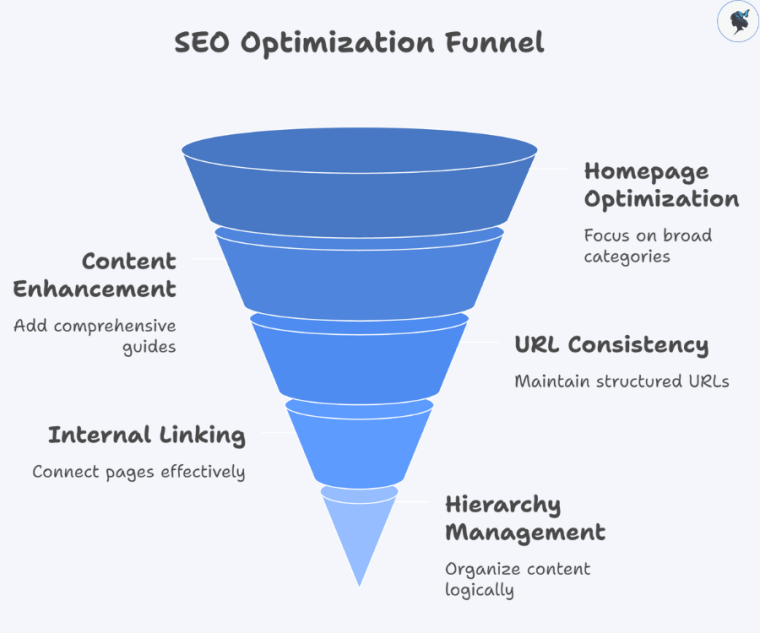
SEO optimization funnel
Overloading the Homepage: Don’t list all cities or packages directly on the homepage. Focus on broad categories and guide users deeper.
Thin Content: Avoid generic city pages with only one or two sentences. Google values comprehensive guides.
Inconsistent URL Structure: Use consistent patterns like /region/country/city rather than mixing formats.
Mixing Content Types Without Hierarchy: Avoid embedding blog posts, offers, and city guides randomly; keep them under the appropriate hierarchical parent pages.
Wander Women Hot Tip: Conduct quarterly audits with tools like Screaming Frog or Ahrefs to identify weak pages, orphaned content, or broken links.
SEO & Audit Tools: Screaming Frog, Semrush, Ahrefs
CMS Plugins: Yoast SEO, Rank Math (for breadcrumbs, structured navigation, schema)
Analytics & User Behavior: Google Analytics, Hotjar
Wander Women Hot Tip: Track how users navigate your destination hierarchy and adjust based on engagement. Pages that receive few clicks may need better linking or content updates.
Conclusion
A clear, well-structured regional and destination hierarchy is essential for travel agencies serving multiple cities or countries. Benefits include:
Improved search engine rankings and local SEO relevance.
Enhanced user experience, making it easier for visitors to find and book experiences.
Stronger conversion rates through logical navigation and CTAs.
Wander Women Hot Tip: Treat your hierarchy as a living document. Revisit it every quarter as new destinations, tours, and seasonal packages are added to maintain clarity and SEO strength.
By following these best practices, your travel website can become both user-friendly and search-engine optimized, positioning your agency for long-term growth in competitive destination markets.
Travel websites are a unique beast in the SEO world. Unlike static sites, they deal with constantly shifting inventory, seasonal peaks, fleeting offers, and event-driven content. These quirks present technical SEO challenges that, if not managed, can hurt search visibility, crawl efficiency, and ultimately bookings.
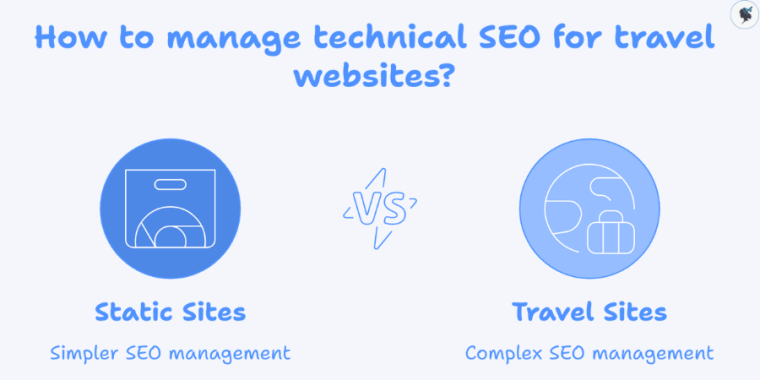
How to manage technical SEO for travel websites?
This guide explores the top technical SEO issues travel sites face and provides actionable strategies to navigate them.
Understanding Technical SEO Quirks in Travel Sites
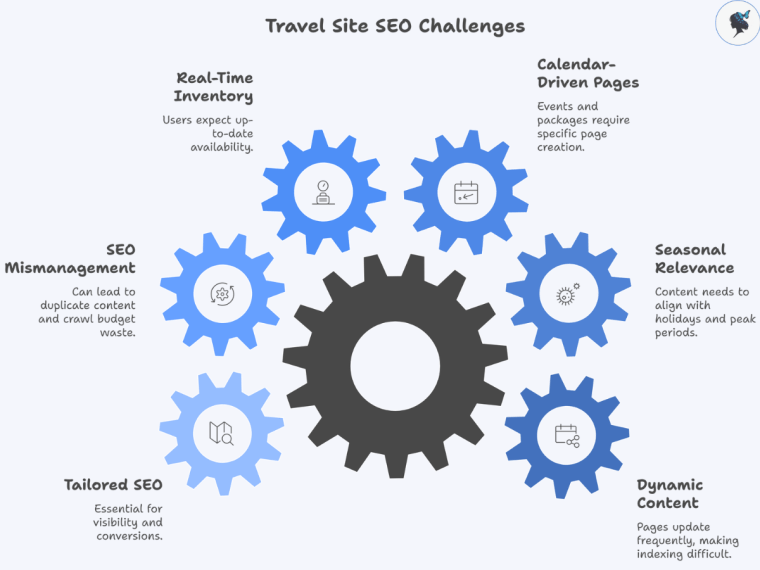
Travel site SEO challenges
1. What Makes Travel Sites Technically Unique
Travel sites differ from other industries because:
Pages often update dynamically based on availability, pricing, or promotions.
Content relevance is highly seasonal (holidays, school breaks, peak travel periods).
There’s frequent creation of calendar-driven pages for events, festivals, or seasonal packages.
Search engines may struggle to index rapidly changing content.
Mismanagement can cause duplicate content issues, wasted crawl budget, or loss of authority.
Travel agencies that understand and manage these quirks gain better visibility and conversion rates.
Wander Women Hot Tip: Document every dynamic URL, seasonal page, and temporary offer in your SEO audit. This creates a baseline for monitoring crawl errors, canonical issues, and indexing gaps.
Seasonal Timing and Its SEO Implications
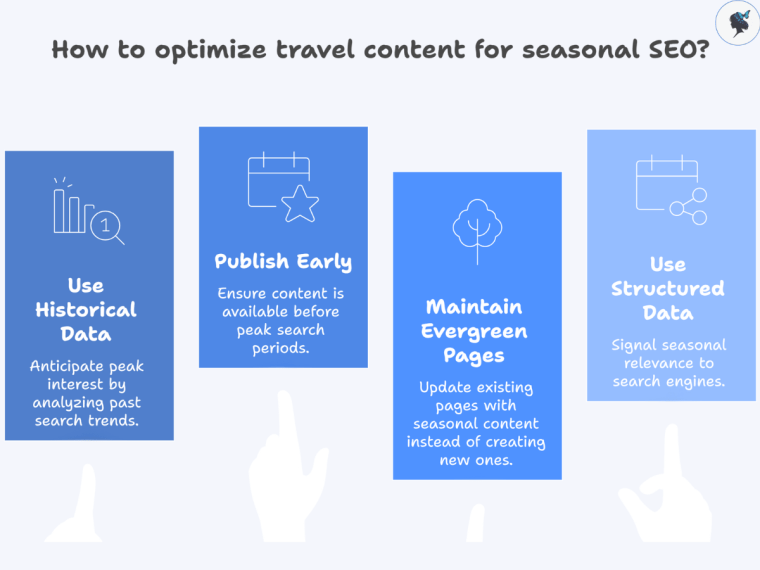
How to optimize travel content for seasonal SEO?
1. Understanding Seasonal SEO Challenges
Peaks in travel search vary by destination and audience (e.g., Christmas ski trips vs. summer beach holidays).
Pages created for seasonal relevance may lose rankings outside peak periods if not updated.
Keywords for seasonal content fluctuate, requiring preemptive optimization.
2. Strategies for Seasonal Content Optimization
Use historical search data to anticipate peak interest. Tools like Google Trends or Search Console are essential.
Publish early: For example, summer vacation guides should go live in spring.
Maintain evergreen pages: Instead of creating a new page each year, update existing pages with seasonal content.
Structured data for events and offers: Signals search engines about seasonal relevance.
Wander Women Hot Tip: Maintain a seasonal content calendar with metadata, internal links, and structured data updated before peak search periods.
Pages that display live availability, pricing, and package options.
Common for hotels, flights, tours, and seasonal packages.
2. SEO Implications
High risk of duplicate or thin content due to rapidly changing inventory.
Frequent updates can waste crawl budget if search engines repeatedly crawl low-value variations.
User experience must remain consistent even if inventory changes frequently.
3. Best Practices
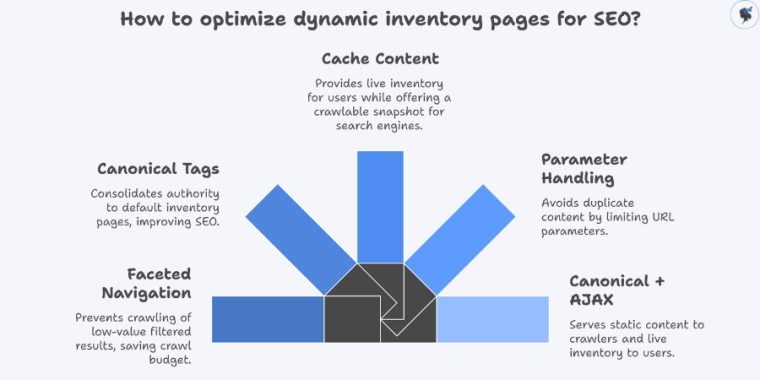
Faceted navigation: Noindex low-value filtered results to prevent unnecessary crawling.
Canonical tags: Point to default inventory pages to consolidate authority.
Cache content for SEO: Users see live inventory, while crawlers see a crawlable snapshot.
Parameter handling: Limit URL parameters to avoid duplicate content.
Wander Women Hot Tip: Use a canonical + AJAX strategy: serve static content to crawlers while providing live inventory for users.
Canonical Issues with Fleeting Offers
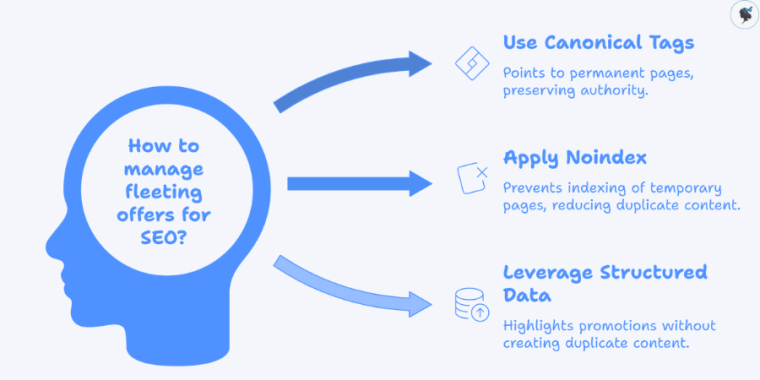
How to manage fleeting offers for SEO?
1. Understanding Fleeting Offers
Flash sales, last-minute deals, or seasonal promotions live for days or weeks.
Often repeated on multiple URLs for different campaigns.
2. Common Canonical Challenges
Duplicate content risk when offers are mirrored on multiple pages.
Temporary pages may be indexed prematurely, affecting long-term SEO.
Incorrect canonical tags can prevent main destination pages from retaining authority.
3. Solutions for Canonical Management
Use canonical tags pointing to permanent destination or product pages.
Apply noindex to short-lived pages if they do not add long-term SEO value.
Leverage structured data to highlight promotions without creating duplicate content.
Wander Women Hot Tip: Create a template for fleeting offers: canonical points to the main page, structured data shows the time-sensitive deal, ensuring SEO value is preserved.
Calendar-Driven Content for Travel Sites
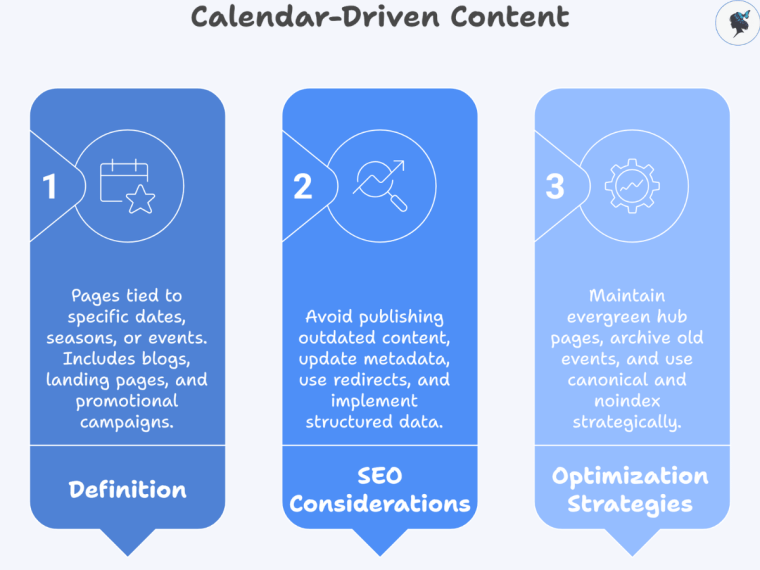
Calendar-driven content
1. What is Calendar-Driven Content?
Pages tied to specific dates, seasons, or events (e.g., “Top Paris Festivals in July”).
Includes blogs, landing pages, and promotional campaigns.
2. SEO Considerations
Avoid publishing outdated content with past event dates.
Update metadata to reflect the current year or season.
Use 301 redirects or updated URLs for recurring annual events to preserve link equity.
Implement structured data for events and offers for rich SERP features.
Archive old events properly to reduce thin content and clutter.
Use canonical and noindex strategically to maintain authority.
Wander Women Hot Tip: Build a calendar-driven content template that automatically updates metadata, structured data, and internal links each year to maintain SEO relevance.
Integrating Technical Strategies Across Travel Sites
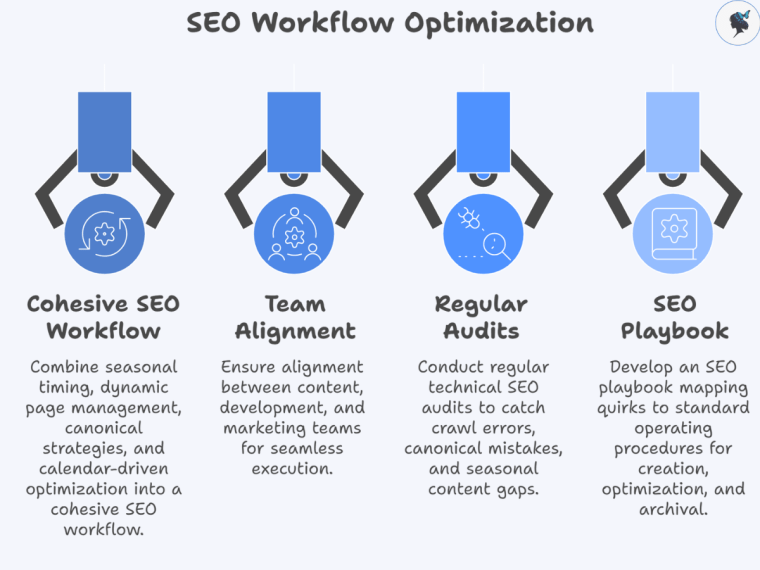
SEO workflow optimization
Combine seasonal timing, dynamic page management, canonical strategies, and calendar-driven optimization into a cohesive SEO workflow.
Ensure alignment between content, development, and marketing teams for seamless execution.
Conduct regular technical SEO audits to catch crawl errors, canonical mistakes, and seasonal content gaps.
Wander Women Hot Tip: Develop an SEO playbook mapping quirks (dynamic inventory, fleeting offers, seasonal content) to standard operating procedures for creation, optimization, and archival.
Conclusion
Travel sites face unique technical SEO challenges due to constantly shifting content, seasonal trends, and inventory-driven pages. By proactively managing seasonal timing, dynamic pages, canonical issues, and calendar-driven content, travel agencies can:
Maintain search visibility year-round.
Improve crawl efficiency and indexation.
Preserve authority across temporary or seasonal offers.
Enhance user experience and booking conversions.
Wander Women Hot Tip: Start with a priority list of seasonal pages and dynamic inventory URLs to audit and optimize. Scaling this process ensures sustained SEO performance and increased revenue opportunities.
Introduction: Why Holiday Content Matters for Travel Agencies
The holiday season—spanning Christmas and New Year—is a peak travel period, yet many travel agencies struggle to capture the full potential of this critical timeframe. From romantic getaways to family adventures and festive city breaks, travelers actively seek inspiration and guidance for holiday planning.
Holiday travel content missed opportunities
Despite this demand, holiday content often suffers from delayed publication, outdated guides, and poor SEO optimization, leaving agencies with missed opportunities for traffic, engagement, and bookings. Searches for queries like “Christmas markets in Europe” and “New Year’s Eve travel ideas” spike starting in October, highlighting the need for early, optimized content.
This guide provides practical strategies for travel agencies to plan, optimize, and promote holiday content effectively, ensuring maximum visibility and engagement.
Common Holiday Content Issues
Understanding the challenges specific to holiday content is the first step in creating an effective strategy.
How to create effective holiday content?
Delayed Publication
Holiday content is often published too late, after October or even November, missing the early planners who begin searching months in advance.
URL Structures with Year
Including years in URLs (e.g., /christmas-2025/) creates duplicate content issues each year and dilutes SEO authority.
Poor Updating of Past Content
Simply republishing old holiday content without updates reduces relevance, affecting search rankings and user engagement.
Ignoring Rich Results and Schema
Failing to implement structured data for offers, events, or itineraries limits visibility in Google’s rich results, including featured snippets.
Lack of Early Promotion
Agencies often neglect email campaigns, social media teasers, and cross-platform promotions, limiting exposure before the holidays.
Short-Term Fixes for Holiday Content
Even with limited time, agencies can take immediate actions to boost holiday content performance.
Short-term fixes for holiday content
Publish and Optimize Early
Launch holiday content before November to capture early planners.
Focus on Long-Tail Keywords: Target high-intent phrases like “romantic Christmas getaway in Paris”.
Promote Across Channels: Email, social media, and blog content should reinforce each other.
Use Multimedia: Videos, infographics, and interactive maps improve engagement and time-on-page.
Monitor and Optimize: Track metrics using Google Analytics and SEO tools to refine next season’s strategy.
Conclusion
Holiday content represents a critical opportunity for travel agencies to engage travelers during a high-demand season. While challenges like late publication, outdated content, and missed SEO opportunities exist, implementing short-term fixes—publishing early, optimizing URLs and metadata, adding structured data, and promoting across channels—can quickly improve visibility and engagement.
Long-term strategies—including evergreen content, backlink building, rich result optimization, post-season analysis, and audience segmentation—ensure that holiday content remains effective year after year.
By following a structured content calendar and implementing these strategies, travel agencies can maximize engagement, boost SEO performance, and convert seasonal interest into bookings.
Begin auditing your holiday content today. Update evergreen pages, implement structured data, plan early campaigns, and create unique festive guides to capture holiday travelers and outperform competitors.
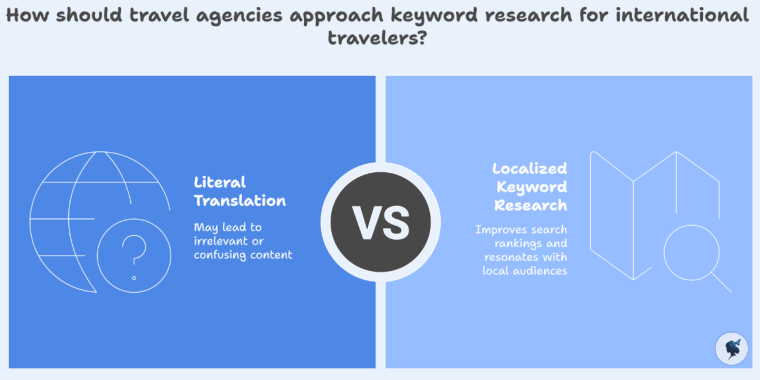
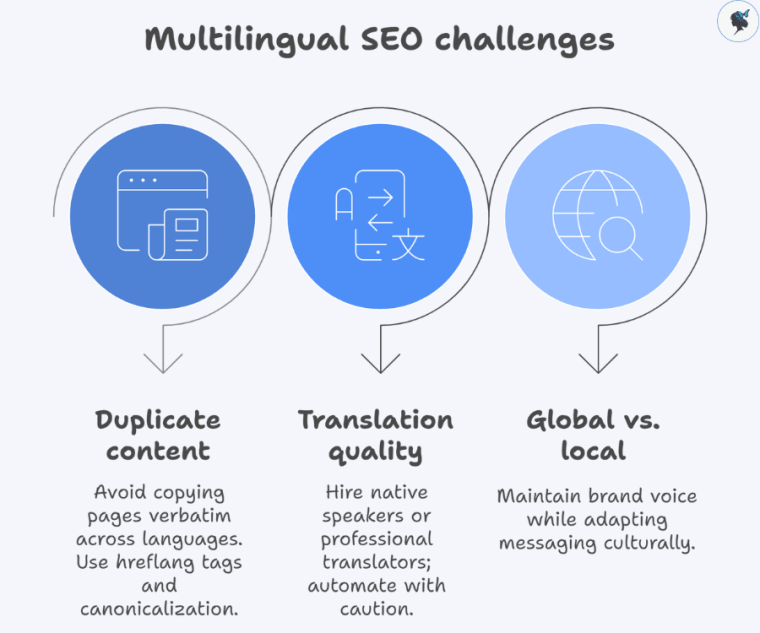
Travel agencies often assume that translating English keywords into other languages is enough to attract international travelers. In reality, literal translation rarely captures local search behavior, cultural nuances, or regional trends. A phrase that ranks well in English may be completely irrelevant or even confusing to travelers searching in German, Japanese, or French.
How should travel agencies approach keyword research for international travelers?
Localized keyword research allows travel agencies to create content that resonates with each audience, improves organic search rankings, and drives more bookings. This approach goes beyond translation, factoring in cultural context, search intent, and local preferences.
Wander Women Hot Tip: Start by auditing your current multilingual content. Identify which pages are underperforming in local markets and prioritize them for localized keyword research.
Why Direct Translation Doesn’t Work
Directly translating English keywords can lead to several issues:
Keyword translation challenges
Linguistic differences: Local languages often have multiple ways to express the same concept. For example, “summer holidays” can be searched as Sommerurlaub in Germany, vacances d’été in France, and 夏の休暇 in Japan, each with different search volumes.
Search engine variations: Google dominates many markets, but in China, Baidu is the primary engine; in Russia, Yandex is dominant. Each has unique ranking factors and query patterns.
Cultural context: Seasonal trends, local holidays, and travel behaviors influence search patterns. “Beach holidays” in Spain may be popular in summer, but in Germany, searches for “wellness retreats in the Alps” spike in winter.
Wander Women Hot Tip: Never rely on automated translation tools for keyword research. Instead, focus on how locals actually search for your destinations in their native language.
Understanding Local Search Intent and Cultural Nuances
To create effective localized content, you must understand how local travelers think and search:
Holiday patterns and school breaks influence travel searches.
Popular local attractions may differ from global trends.
Search phrasing varies by region (formal vs. colloquial terms).
Persona-driven research:
Create travel personas for each target market (e.g., Japanese solo travelers, French family tourists).
Map content around personas’ preferences, pain points, and intent.
Wander Women Hot Tip: Build detailed regional personas to guide both keyword selection and content structure. These personas help ensure your content aligns with local search behavior.
Tools and Methods for Localized Keyword Research
Keyword Tools for International Markets
Strategies for international keyword research
Google Keyword Planner: Target specific countries and languages.
Semrush / Ahrefs: Explore regional search volume, competition, and trends.
Ubersuggest & AnswerThePublic: Identify question-based and long-tail queries.
Trends Tools: Google Trends, Baidu Index, Yandex Wordstat for local search patterns.
Wander Women Hot Tip: Use multiple tools and cross-check results. A high-ranking English keyword may have little relevance in another language or region.
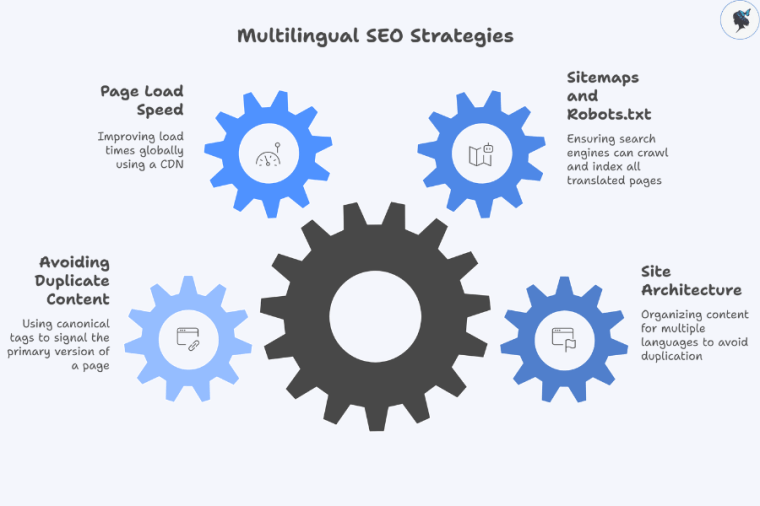
Integrating Keywords into a Multilingual SEO Strategy
Once you have localized keywords, integrate them effectively:
International SEO strategy pyramid
Hreflang Implementation: Signal to search engines which language and country each page targets.
URL Structure:
English: /en/destinations/rome/
German: /de/reiseziel/rom/
French: /fr/destination/rome/
Meta Tags & Headings: Include localized keywords in page titles, headings, and meta descriptions. More about meta optimization here.
Wander Women Hot Tip: Focus on high-value destinations for each market. Avoid duplicating content across regions; tailor the content to the local search intent and cultural context.
Optimized for region-specific keywords and travel terms to increase bookings from Asian markets.
Organic visibility rose 50% across target markets, bookings from Japan and South Korea jumped 75% year over year, mobile app downloads increased 60%, and average session duration grew by 25%.
Wander Women Hot Tip: Document which localized terms perform best per market and use them to inform future content planning.
Actionable Tips for Travel Agencies
How to optimize keywords for international markets?
Avoid literal translation; research how locals search for your destinations.
Build regional personas to guide keyword selection and content creation.
Update keywords regularly based on seasonal trends, cultural events, and analytics insights.
Use structured data (schema) to support multilingual content and rich results.
Leverage social media trends and user-generated content to refine keywords and ideas.
Wander Women Hot Tip: Treat each market as its own ecosystem. Test, iterate, and refine keyword strategies continuously to maintain relevance and search performance.
Conclusion
Localizing keyword research is critical for international travel SEO success. Moving beyond direct translation allows travel agencies to:
Capture authentic search behavior in each market.
Create content that resonates with local travelers.
Improve rankings, engagement, and conversions for multilingual audiences.
Wander Women Hot Tip: Consider every market as a living system. Regularly monitor trends, analyze performance, and adjust strategies to ensure your destination content ranks and converts year after year.
Introduction: Why Multilingual SEO Matters for Travel Agencies
In today’s global travel market, your website isn’t just competing locally—it’s competing internationally. Travelers from different countries and cultures increasingly search online in their native languages for flights, tours, accommodations, and travel experiences.
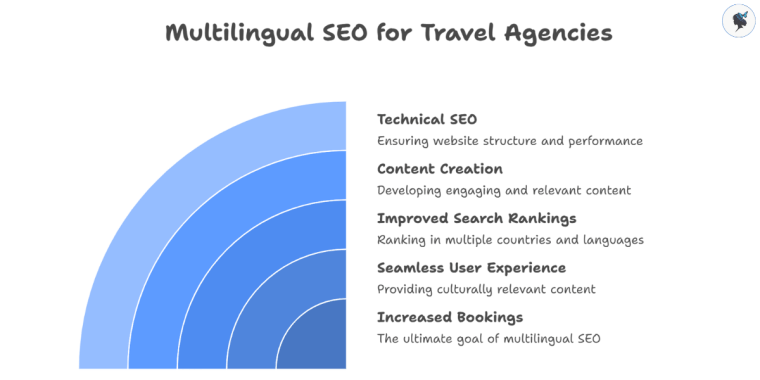
Multilingual SEO for travel agencies
For travel agencies, multilingual SEO is not optional; it’s essential. Without optimizing your website for multiple languages, you risk losing potential clients, missing search traffic, and limiting your international reach.
Effective multilingual SEO ensures your site:
Ranks in multiple countries and languages.
Provides a seamless, culturally relevant experience.
Increases bookings from international travelers.
This guide will walk travel agencies through best practices for multilingual SEO, covering keyword research, on-page and technical SEO, local SEO, content creation strategies, and more.
1. Keyword Research for Multilingual SEO
Keyword research is the foundation of any SEO strategy. When targeting multiple languages, it becomes more nuanced.
How to conduct keyword research for multilingual SEO
Understanding Search Intent Across Languages
Users in different countries search differently for the same travel service.
Example: “vacation packages” in the U.S. vs. “holiday deals” in the UK.
Understanding intent ensures your content matches what travelers are actually searching for.
Keyword Research: Semrush, Ahrefs, Google Keyword Planner
Translation & Transcreation: Smartling, Lokalise, DeepL Pro
Technical SEO & Site Audits: Screaming Frog, Sitebulb
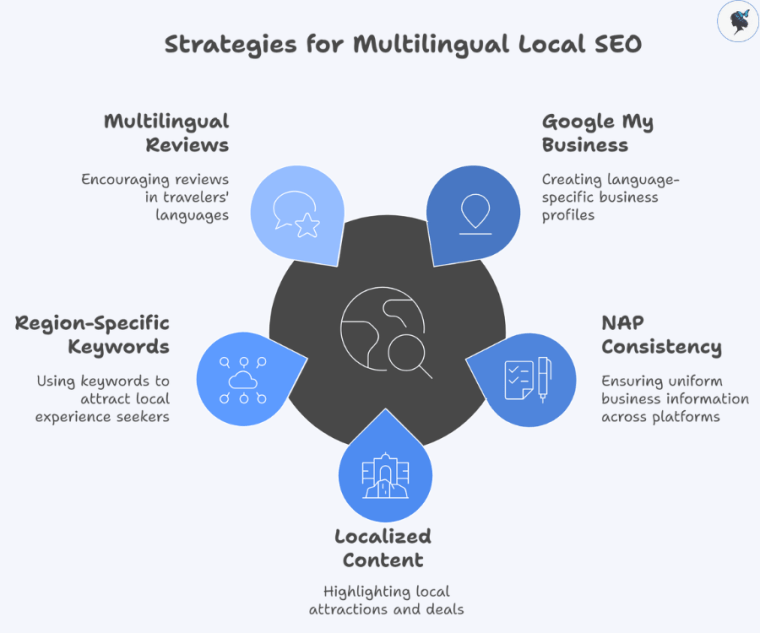
Local SEO Management: Google My Business, Moz Local
Wander Women Hot Tip: Some tools allow geo-targeting and language filtering, which is essential for multilingual SEO success.
Conclusion
Multilingual SEO is a critical strategy for travel agencies seeking to expand their reach internationally. By focusing on:
Keyword research tailored to language and cultural differences.
On-page optimization with hreflang, metadata, and URL structure.
Technical SEO for crawlability and site performance.
Local SEO to attract international travelers.
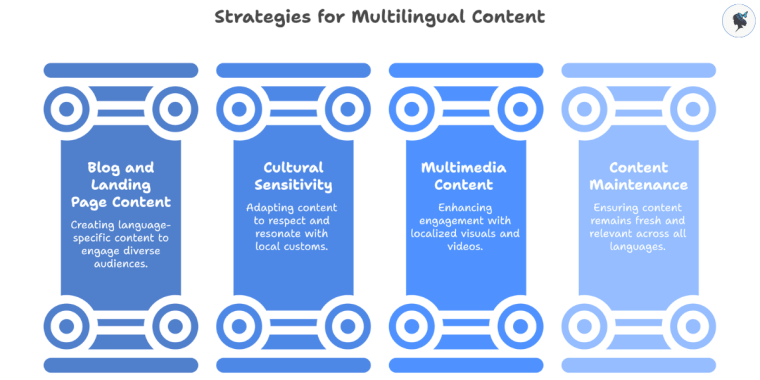
Culturally relevant content across blogs, landing pages, and multimedia.
Travel agencies can significantly improve search visibility, user experience, and ultimately bookings from international markets.
Next Steps: Audit your multilingual SEO setup today, ensure hreflang tags are correctly implemented, and start creating transcreated, culturally relevant content to attract travelers worldwide.
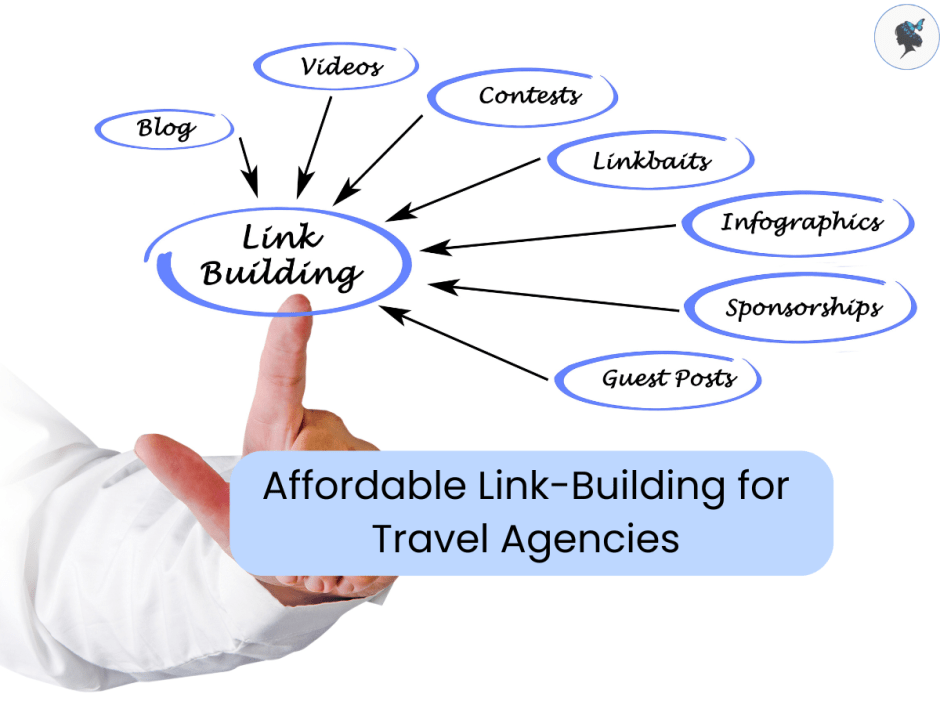
For small travel agencies, link-building can feel daunting. High-profile campaigns and expensive PR initiatives are often out of reach, yet backlinks remain critical for SEO. They signal credibility to search engines, improve rankings, and can drive organic traffic directly to your offers.
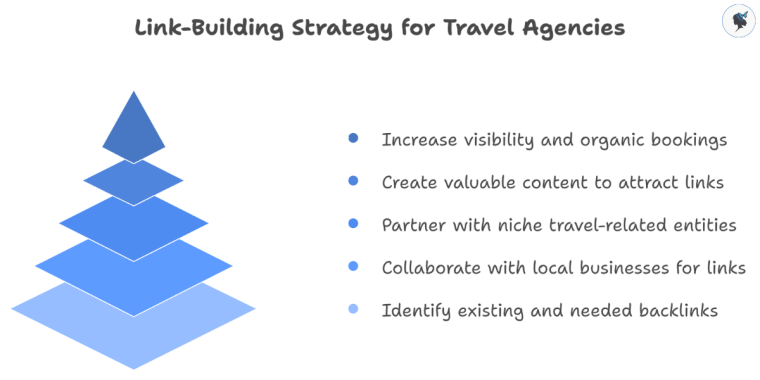
Link-building strategy for travel agencies
The good news? You don’t need a big budget to build high-quality links. By leveraging local partnerships, niche collaborations, and content-focused strategies, small agencies can earn authoritative backlinks that boost visibility, attract leads, and improve organic bookings.
Wander Women Hot Tip: Start by auditing your current backlinks. Identify which pages already attract links and which high-value pages need more support. This will guide your initial link-building efforts.
Why Link-Building Matters for Travel Agencies
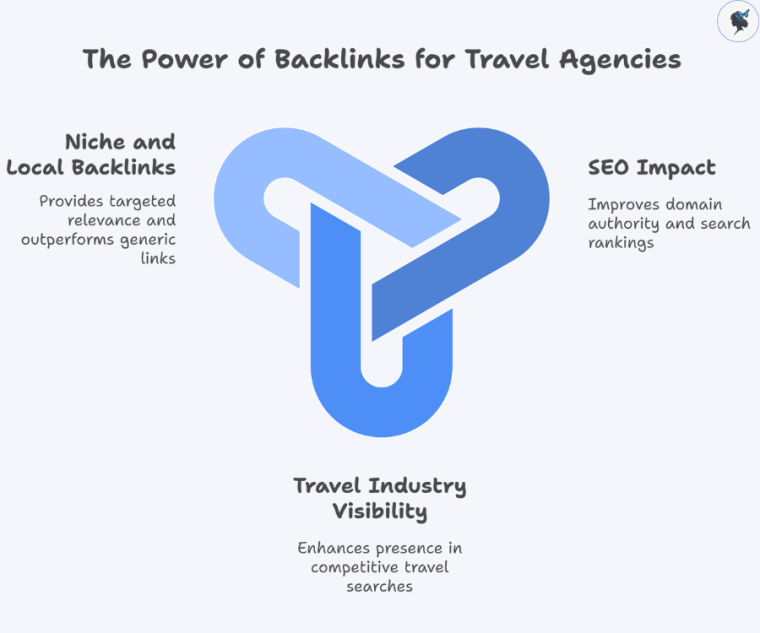
Impact on SEO
Backlinks remain a top-ranking factor for search engines. Quality links improve domain authority, signal relevance, and help your content compete in highly competitive travel searches. Unlike paid ads, which stop delivering once the campaign ends, links provide long-term, compounding value.
The power of backlinks for travel agencies
Role in Travel Industry Visibility
In travel, search visibility is competitive. Even a well-optimized destination page may struggle without backlinks. For example, a boutique travel agency offering tours in Italy or Thailand will rank better if other relevant sites reference their guides, itineraries, or travel tips.
Wander Women Hot Tip: Focus on niche and local backlinks—a few relevant links often outperform dozens of generic ones from unrelated sources.
Effective Low-Cost Link-Building Techniques
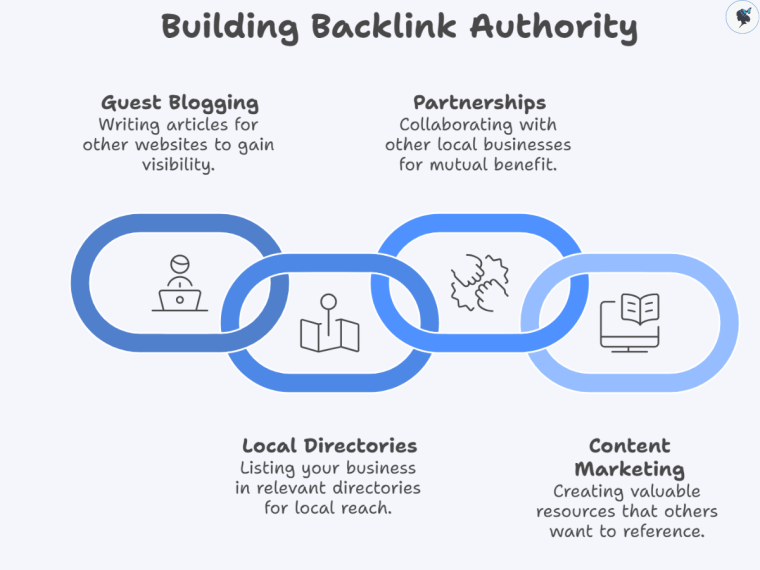
Partnering with Local DMOs and Tourism Boards
Destination Marketing Organizations (DMOs) are excellent partners for link-building. They often maintain resource pages, travel guides, and event calendars where your content can be featured.
Strategic link-building with DMOs
Action Steps:
Offer to create destination guides or itineraries highlighting your expertise.
Collaborate on blog posts or social media campaigns that naturally include links back to your site.
Example: A small tour operator contributes a “Hidden Gems of (Destination)” guide to the local DMO’s blog, earning multiple backlinks and increased visibility.
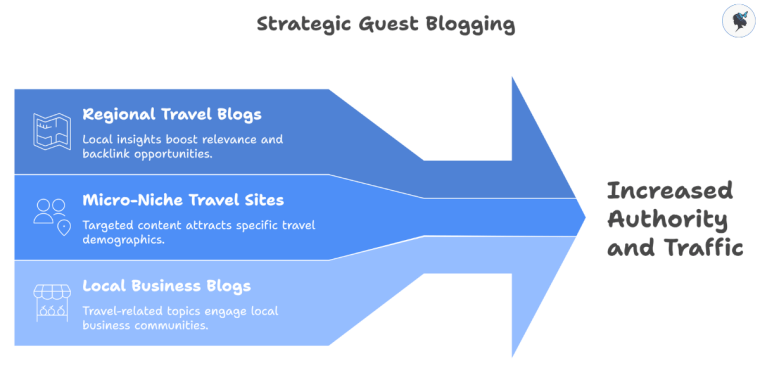
Guest posting remains a cost-effective way to gain authoritative backlinks.
Strategic guest blogging
Focus on:
Regional travel blogs
Micro-niche travel sites (e.g., solo female travel, adventure travel)
Local business blogs that cover travel-related topics
Action Steps:
Pitch unique content like destination guides, travel tips, or personal experiences.
Include contextual backlinks naturally within the content.
Example: A small solo travel agency guest-posted on three micro-niche blogs, generating referral traffic and increasing their authority in a targeted segment.
Leveraging User-Generated Content (UGC) and Reviews
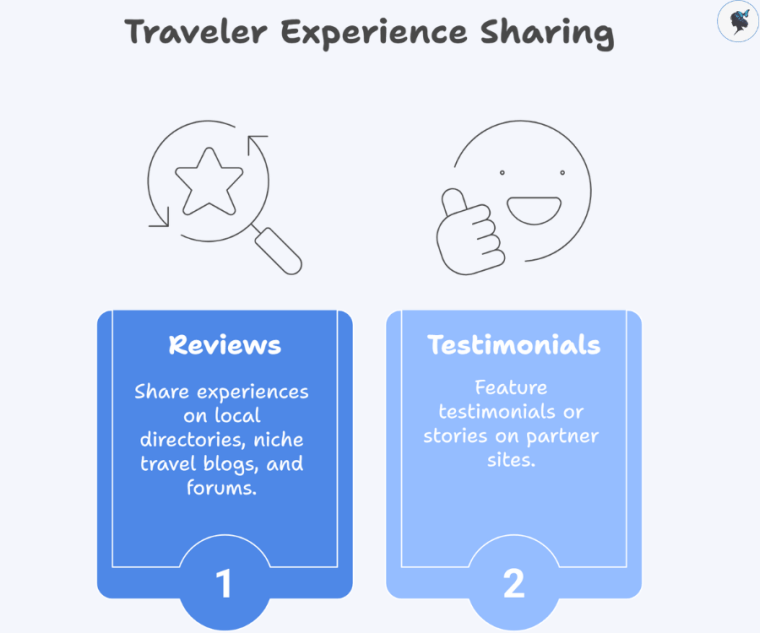
Encourage travelers to share experiences that can be linked:
Traveler experience sharing
Reviews on local directories, niche travel blogs, and forums
Testimonials or stories featured on partner sites
Wander Women Hot Tip: Reach out to local bloggers or online publications who may feature your clients’ experiences—these mentions often result in high-value backlinks.
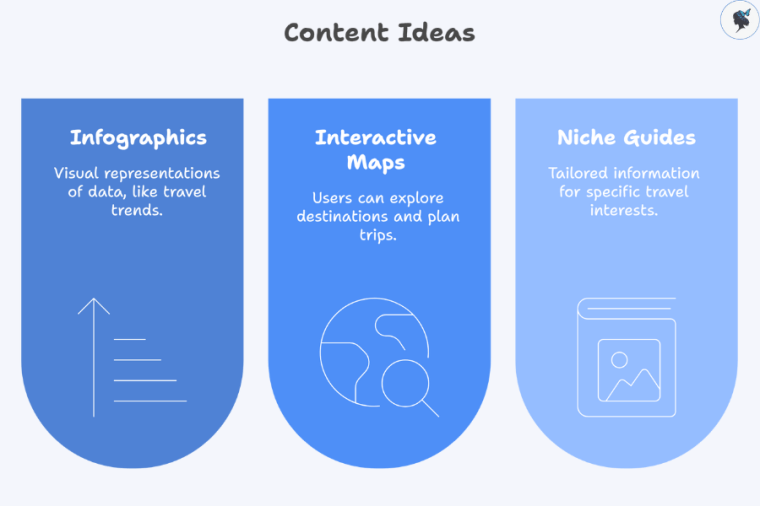
Content that provides clear value attracts links organically:
Infographics showing seasonal travel trends or destination highlights
Interactive maps or visual itineraries
Guides for niche travel segments
Content ideas
Action Steps:
Promote these assets via social media, newsletters, and partner websites.
Reach out directly to sites that might reference your content.
Example: A regional tour operator created a visual “Top 10 Hidden Beaches” infographic. Local travel blogs referenced it, earning several high-quality backlinks.
Resource Pages and Listicles
Content submission strategies
Submit your content to curated lists: “Best Boutique Travel Agencies in (Region)” or “Top Sustainable Tours.”
Identify resource pages maintained by DMOs or local travel blogs.
Wander Women Hot Tip: Track which resource pages provide both backlinks and traffic. Focus on building relationships with those sites for long-term collaboration.
Case Studies / Examples
Boutique Travel Agency
Partnered with a local DMO and contributed a seasonal travel guide.
Result: 5 high-quality backlinks and a 20% increase in organic traffic.
Solo Female Travel Agency
Guest-posted on three micro-niche blogs.
Result: Increased referral traffic and authority in a targeted niche.
Regional Tour Operator
Created seasonal itineraries with infographics and promoted them to local blogs.
Result: Backlinks from 7 travel blogs and improved SERP rankings for destination pages.
Wander Women Hot Tip: Document backlink sources and the traffic they generate. Use this data to refine your outreach strategy and identify high-value partners.
Buying low-quality links: Avoid paid links from irrelevant sources—they can harm SEO.
Over-optimizing anchor text: Keep link anchors natural and contextually relevant.
Neglecting link diversity: Mix sources, formats, and authority levels for a robust backlink profile.
Conclusion
Even small travel agencies can compete effectively with cost-efficient link-building strategies. The key is to focus on:
Building partnerships with local and niche sites
Creating valuable, linkable content
Leveraging guest blogging, UGC, and curated resource pages
Wander Women Hot Tip: Start by identifying 5–10 potential partners or resource pages. Craft content specifically to earn their backlinks and scale gradually based on results.
By implementing these strategies, small travel agencies can increase their search visibility, attract targeted traffic, and grow bookings—all without expensive PR campaigns.