Story Ideas for Hotels & Tour Companies


▶ Table of Contents

Storytelling is one of the most powerful tools for hotels and tour companies to connect emotionally with travelers. Beyond just selling rooms or tours, stories help your audience envision unforgettable experiences, build trust, and feel inspired to book with you. But what kinds of stories resonate best in the travel industry? Below, we explore nine compelling story ideas with examples and practical tips for creating your own.


1. Guest Experience Stories

Nothing builds credibility like authentic stories from real guests. Sharing guest testimonials or narratives about memorable stays and tours creates social proof and showcases the unique value of your offerings.

For example, a boutique hotel might share a story of a couple who celebrated their anniversary with a surprise dinner on the rooftop, highlighting how the staff went the extra mile. Similarly, a tour company could feature a family’s adventure that created lifelong memories.

Guest Experience Stories: surprise dinner

Wander Women Hot Tip: Use direct quotes, photos, or short video clips to make these stories vivid and relatable. Encourage guests to share their stories on social media and seek permission to repurpose their content.

Example: The Kimpton Hotels often share heartfelt guest stories on Instagram and their website, which helps build an emotional connection with their audience.


2. Behind-the-Scenes Narratives

People love seeing what goes on behind the curtain. Sharing behind-the-scenes stories humanizes your brand, highlights the passion of your team, and builds trust.

Tell the story of your chef sourcing fresh local ingredients for your restaurant or a tour guide preparing for a challenging expedition. Or narrate the history of your hotel — how it started, the founders’ vision, and its evolution.

Behind-the-Scenes Narratives: chef at local market

Wander Women Hot Tip: Use storytelling formats like “A Day in the Life” or short staff interviews to bring your team’s dedication to life.

Example: The BBC series Amazing Hotels: Life Beyond the Lobby offers a fascinating behind-the-scenes look at how some of the world’s most extraordinary hotels deliver exceptional guest experiences.

Read our post: 30 social media post ideas.


3. Local Culture & Community

Showcasing your connection to the local culture and community enriches your brand’s story and appeals to travelers seeking authentic experiences.

Share stories about partnerships with local artisans, support for community events, or initiatives promoting cultural heritage. This demonstrates your commitment beyond tourism — you’re part of a larger story.

Local Culture & Community: handwoven baskets

Wander Women Hot Tip: Highlight how guests can engage with these cultural experiences during their stay or tour.

Example: Aman Resorts often highlight their collaborations with local communities and cultural experiences that guests can enjoy.

Read our post: Local SEO strategies for hotels.


4. Destination Highlights Through Guests’ Eyes

Invite your audience to see your destination through the eyes of your guests. First-person narratives, user-generated content, or guest blogs can make travel experiences more relatable and inspiring.

For instance, a guest sharing their day exploring hidden waterfalls or sampling street food paints a vivid picture and invites others to imagine themselves there.
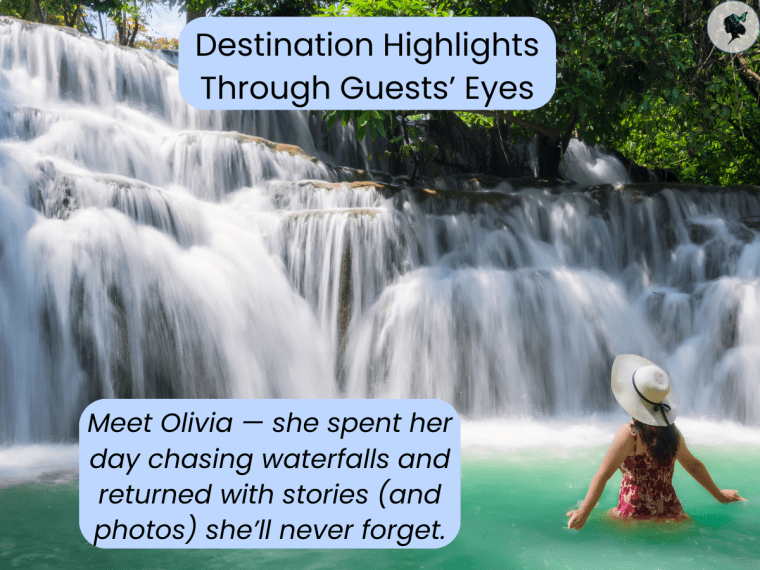
Destination Highlights Through Guests’ Eyes: chasing waterfalls

Wander Women Hot Tip: Encourage guests to tag your brand and use hashtags so you can easily find and share their stories.

Example: Airbnb’s marketing strategy frequently feature guest stories that highlight unique destinations and accommodations.

Read our post: creating destination guides that rank and convert.


5. Seasonal & Event-Based Stories

Capitalize on the excitement around holidays, festivals, and seasons by telling stories themed to these occasions. This makes your content timely and relevant.

Share narratives about Christmas markets, summer beach festivals, or spring wildflower tours your company hosts. Use storytelling to evoke the atmosphere and excitement, encouraging bookings during peak seasons.

Seasonal & Event-Based Stories: Christmas market

Wander Women Hot Tip: Create content calendars that align with key seasonal events and update your stories yearly.

Example: Four Seasons magazine posts stories and guides related to seasonal events and holidays in their destinations, enhancing seasonal engagement.

Read our post: content marketing ideas.


6. Travel Tips and Insider Secrets

Stories that provide practical advice mixed with insider knowledge add value and position your brand as an expert.

Tell the story of a local guide who reveals the best hidden café or a packing tip that saved a traveler’s trip. These useful nuggets encourage saves, shares, and repeat visits.
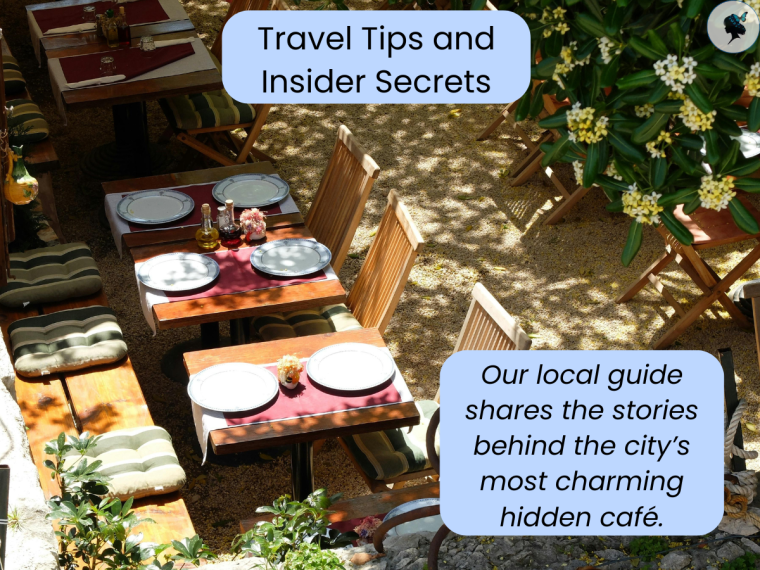
Travel Tips and Insider Secrets: hidden café

Tip: Use blog posts, infographics, or short videos to deliver tips in engaging formats.

Example: On Instagram, Lonely Planet shares insider travel tips on instagram from locals and experts, creating useful content that travelers trust.


7. Transformation and Wellness Journeys

Highlight stories of personal transformation, wellness, or adventure that guests experience with your brand. These narratives tap into travelers’ desire for growth and rejuvenation.

For example, a guest who found mindfulness and relaxation at your spa resort or an adventurer who conquered a challenging trek on your tour.
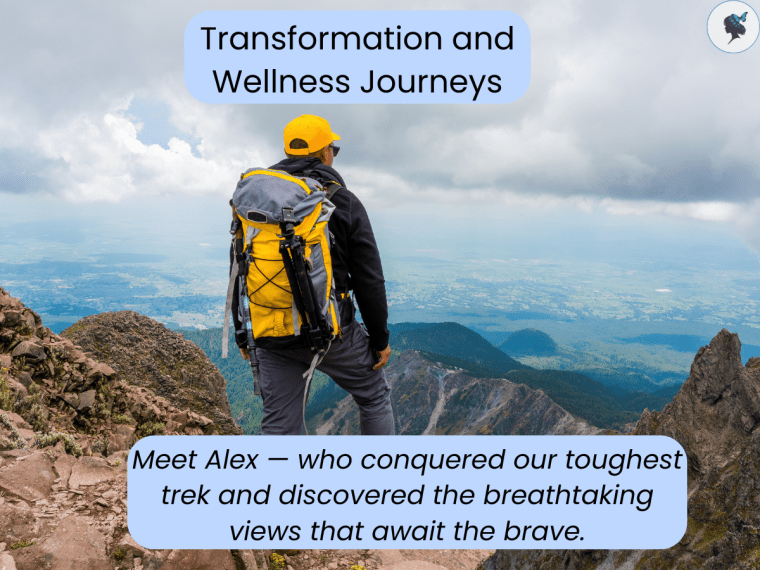
Transformation and Wellness Journeys: tough trek

Wander Women Hot Tip: Use before-and-after testimonials, or invite guests to share their wellness journeys through blogs or videos.

Example: Canyon Ranch shares compelling wellness transformation stories that resonate with health-conscious travelers.


8. Sustainability and Responsible Tourism

Modern travelers care deeply about sustainability. Sharing stories about your eco-friendly initiatives and responsible tourism practices builds trust and appeals to conscious travelers.

Narrate how your company reduces plastic waste, supports wildlife conservation, or empowers local communities. This storytelling positions your brand as ethical and forward-thinking.
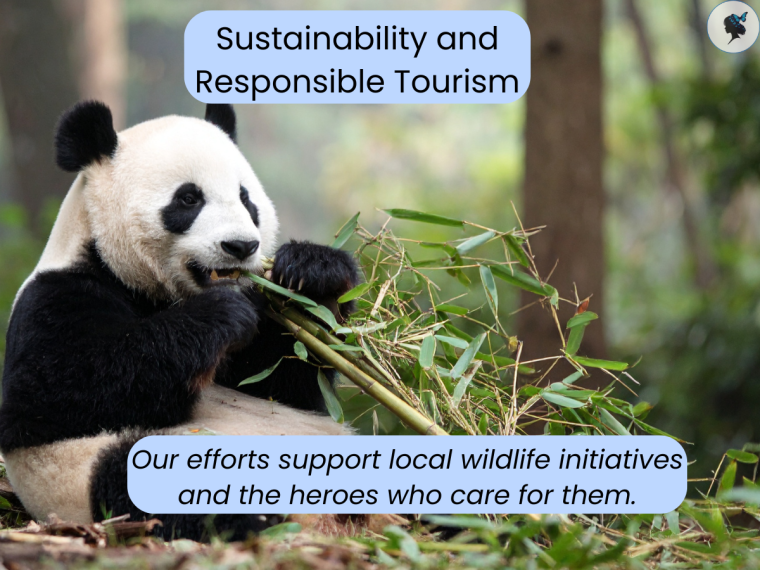
Sustainability and Responsible Tourism: giant panda
Sustainability and Responsible Tourism: Giant panda

Wander Women Hot Tip: Use impact metrics and real-life examples to make these stories credible.

Example: The Intrepid Foundation highlights its commitment to sustainable travel and community projects, attracting eco-conscious clients.


9. Special Celebrations and Milestones

Share your company’s milestones and the special moments your guests celebrate with you. These stories create emotional connections and showcase your brand as a place for life’s memorable occasions.

Celebrate anniversaries, awards, or guest weddings with engaging narratives that invite your audience to be part of your journey.
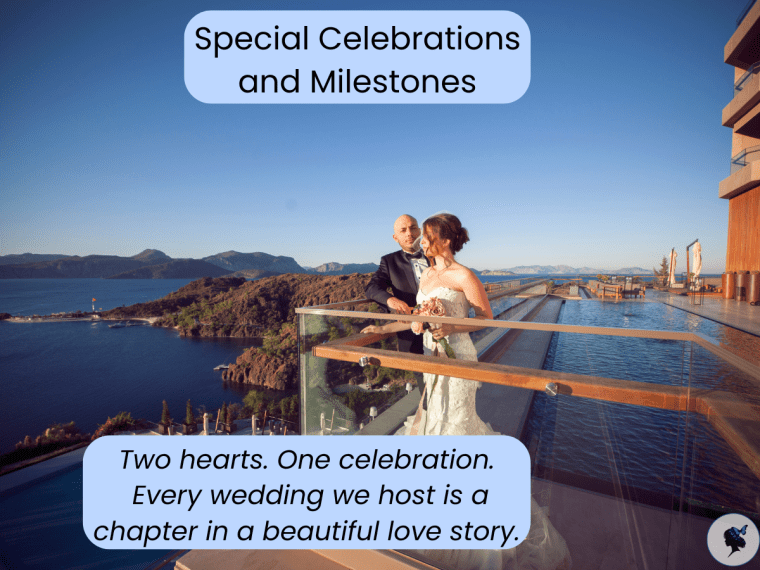
Special Celebrations and Milestones: wedding day

Wander Women Hot Tip: Use photos and videos to capture the joy and significance of these moments.

Example: Coombe Abbey Hotel (Coventry, England) has a section called “Wedding stories at Coombe Abbey” where real couples share their wedding journeys at the venue — from how they chose the venue, how planning went, to the guest experience and how it felt on the day.


Final Thoughts

Storytelling is more than marketing — it’s about creating genuine connections that inspire travelers to choose your hotel or tour company. By mixing guest experiences, behind-the-scenes insights, local culture, tips, and responsible tourism narratives, you can craft a rich content strategy that resonates deeply.

Start gathering your stories today. Encourage guests and staff to share, and watch your brand loyalty and bookings grow!

Need help? Contact us today!
Lead Magnet Ideas for Travel Agencies


How to Attract and Capture More Travel Leads

▶ Table of Contents
  1. How to Attract and Capture More Travel Leads
  2. Destination-Specific Travel Guides
  3. Customized Travel Checklists
  4. Exclusive Discounts and Early-Bird Offers
  5. Interactive Quizzes or Travel Personality Tests
  6. Sample Itineraries and Travel Plans
  7. Travel Budget Calculators or Expense Planners
  8. Travel Safety and Health Tips
  9. Webinars or Virtual Travel Experiences
  10. Packing and Gear Guides

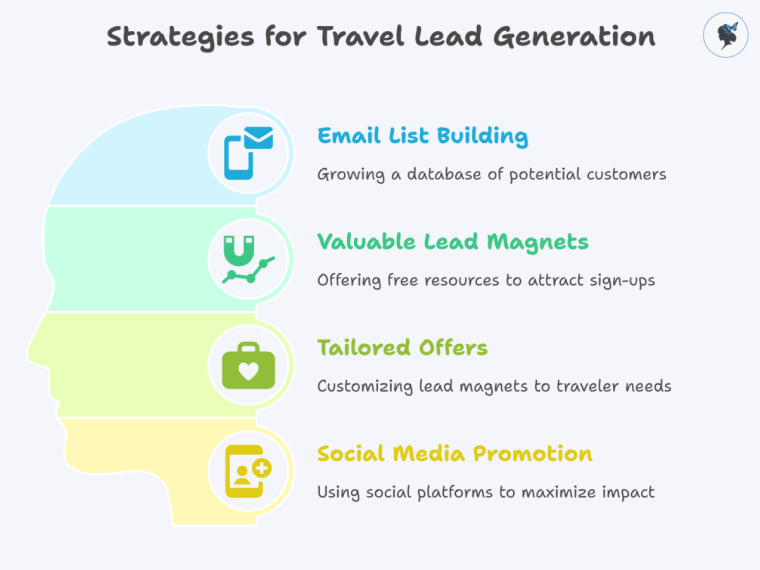
In the fiercely competitive travel industry, attracting potential customers and converting them into loyal clients requires more than just a great website or attractive packages. Building an engaged email list is key to sustained growth, and one of the most effective ways to grow this list is through offering valuable lead magnets. Lead magnets are free resources or offers that provide genuine value, encouraging travelers to exchange their contact details. For travel agencies, tailoring these offers specifically to travelers’ needs can significantly boost sign-ups and eventually bookings.

Infograph: Strategies for travel lead generation
Strategies for travel lead generation

Below, we explore a range of lead magnet ideas tailored for travel agencies, complete with detailed examples, supporting statistics, and tips on how to promote each via social media for maximum impact.


Destination-Specific Travel Guides

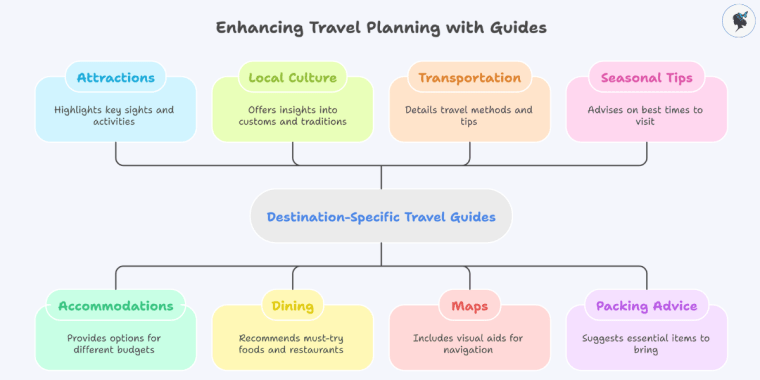
Travelers crave detailed, reliable information before committing to a trip. Destination-specific travel guides offer comprehensive insights into a place, covering attractions, accommodations, local culture, dining, and transportation. These guides serve as valuable planning tools and position your agency as an expert.

Consider creating a “Complete 7-Day Bali Travel Guide” that breaks down each day with activities ranging from temple visits to beach days, includes recommended hotels for different budgets, and highlights local customs and must-try foods. Including maps, seasonal tips, and packing advice enhances usability. Agencies like Intrepid Travel offer similar guides, which boost engagement and bookings by providing actionable insights.

Infograph: Enhancing travel planning with guides
Enhancing travel planning with guides

Over 90% of travelers research online before booking before booking their trips, showing the importance of detailed travel content to capture interest early.

Wander Women Hot Tip: Promote the guide by sharing Instagram carousel posts featuring stunning Bali images paired with tips from the guide. Use Stories with swipe-up links or link stickers to drive downloads. Facebook groups dedicated to travel are ideal for sharing these guides and sparking conversations.

More about destination guides here.


Customized Travel Checklists

Packing can be overwhelming, especially for travelers unfamiliar with their destination’s climate or activities. Customized checklists provide clear, practical guidance, reducing stress and increasing confidence. This type of lead magnet is highly shareable and valued.

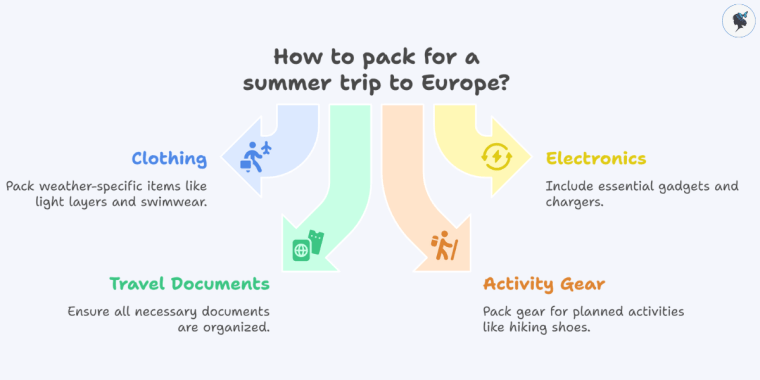
Design a “Summer Europe Travel Packing Checklist” divided into categories such as clothing, electronics, and travel documents. Include suggestions for weather-specific items and activity-based gear like hiking shoes or swimwear.

Infograph: How to pack for a summer trip to Europe
How to pack for a summer trip to Europe

A survey by Expedia found that 53% of travelers feel overwhelmed by packing, making checklists a highly relevant and desirable resource.

Wander Women Hot Tip: Create visually appealing, Pinterest-friendly checklist graphics. Share snippets on Instagram Stories with “Save this checklist” call-to-actions. Encourage followers to tag friends planning trips.


Exclusive Discounts and Early-Bird Offers

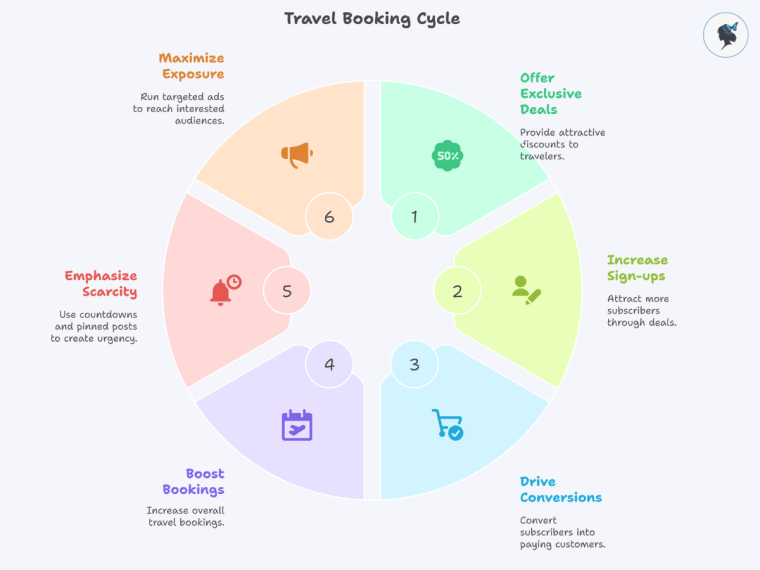
Exclusive offers and early booking discounts act as strong motivators for travelers who are price-conscious but ready to commit. Offering these deals as lead magnets not only increases sign-ups but can also drive immediate conversions.

Offer a “10% Early Bird Discount for Caribbean Cruises” to email subscribers, paired with a deadline to create urgency. Agencies like Viking Cruises use early bird incentives to boost bookings well before peak travel seasons.

Infograph: Travel booking cycle
Travel booking cycle

Over half of consumers want to receive discounts and offers via email, highlighting the effectiveness of this strategy for list building.

Wander Women Hot Tip: Use Instagram Stories countdown stickers and Facebook pinned posts to emphasize scarcity. Run targeted ads to reach audiences interested in your travel segments, maximizing exposure.


Interactive Quizzes or Travel Personality Tests

Interactive quizzes engage potential travelers in a fun and personalized way, helping them discover travel preferences or ideal destinations. This interactivity increases sign-up rates and allows agencies to segment their audience for tailored marketing.

Create a quiz titled “What Type of Traveler Are You?” that categorizes users into types such as Adventure Seeker, Culture Lover, or Relaxation Enthusiast, with corresponding trip suggestions. Travel brands like Booking.com have successfully used quizzes to guide customers toward personalized offers.

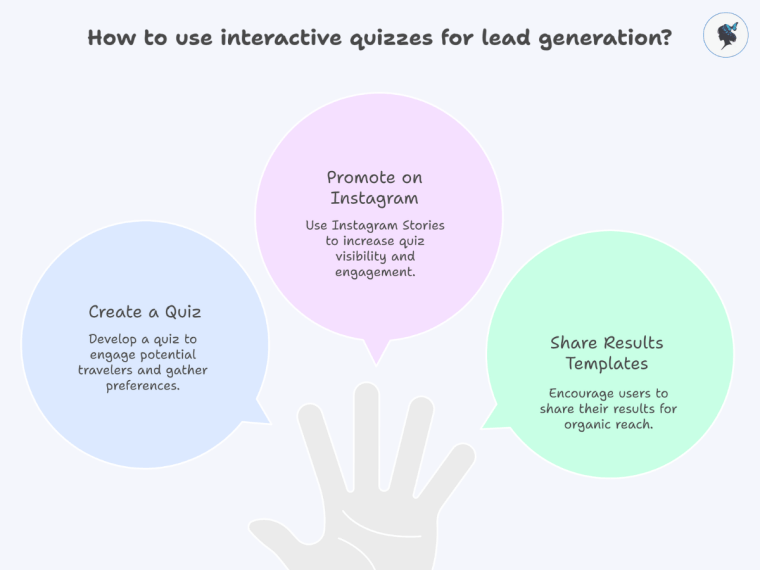
Infograph: How to use interactive quizzes for lead generation
How to use interactive quizzes for lead generation

An interact report found that quizzes have a 40% start to lead rate on average, making them one of the most effective lead generation tools.

Wander Women Hot Tip: Promote your quiz on Instagram Stories with interactive question stickers and “Swipe up” links. Share users’ results templates for organic reach, encouraging sharing and engagement.

More content marketing ideas here.


Sample Itineraries and Travel Plans

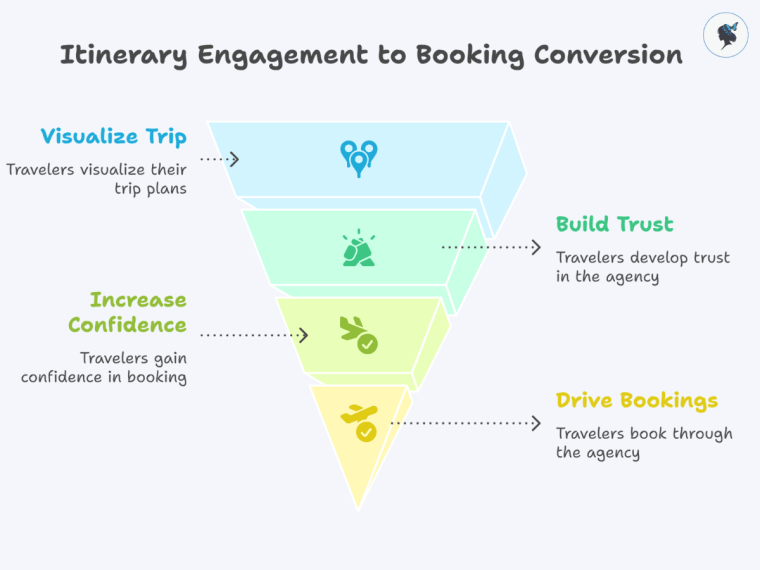
Providing sample itineraries helps travelers visualize their trips and reduces the overwhelm of planning. This leads to higher trust and increased likelihood to book through your agency.

Offer a downloadable “3-Day New York City Itinerary for First-Time Visitors,” featuring sightseeing highlights, restaurant recommendations, and transit tips. Include options for different budgets and interests, such as arts or family-friendly activities. Companies like Lonely Planet Journeys offer itinerary downloads that drive site traffic and conversions.

Infograph: Itinerary engagement to booking conversion
Itinerary engagement to booking conversion

According to Google, travellers who are satisfied with their search experience are 5× more likely to be very confident in their booking decision, and 3× more likely to intend to rebook with the same airline or accommodation provider.

Wander Women Hot Tip: Share itinerary highlights in carousel posts on Instagram or as pinned posts on Pinterest. Use LinkedIn to target business travelers with tailored itinerary content.

More about itinerary tips here.


Travel Budget Calculators or Expense Planners

Budgeting remains one of the top concerns for travelers. Interactive tools like budget calculators help clients plan realistically, increasing trust and easing booking decisions.

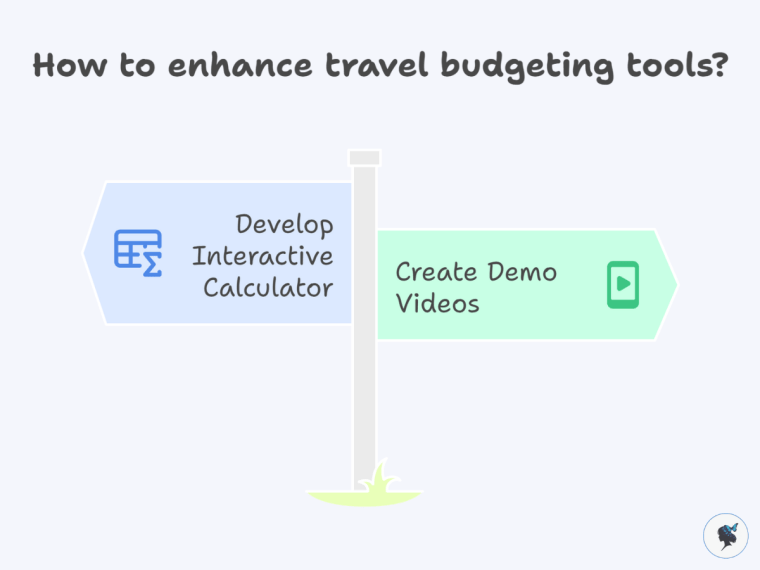
Develop an “Interactive Travel Budget Calculator” where users input trip length, destination, and preferences, receiving a detailed estimated cost breakdown. Brands like TripAdvisor offer budget planners that enhance user experience and retention.

Infograph: How to enhance travel budgeting tools
How to enhance travel budgeting tools

According to a survey by eDreams ODIGEO, 64% of UK respondents and 55% of global respondents said cost-effectiveness (i.e., budget) was a top priority when planning their travel.

Wander Women Hot Tip: Create short demo videos on TikTok or Instagram Reels showing how to use the calculator. Encourage followers to share budgeting tips and tag friends.

Tips for Instagram growth.


Travel Safety and Health Tips

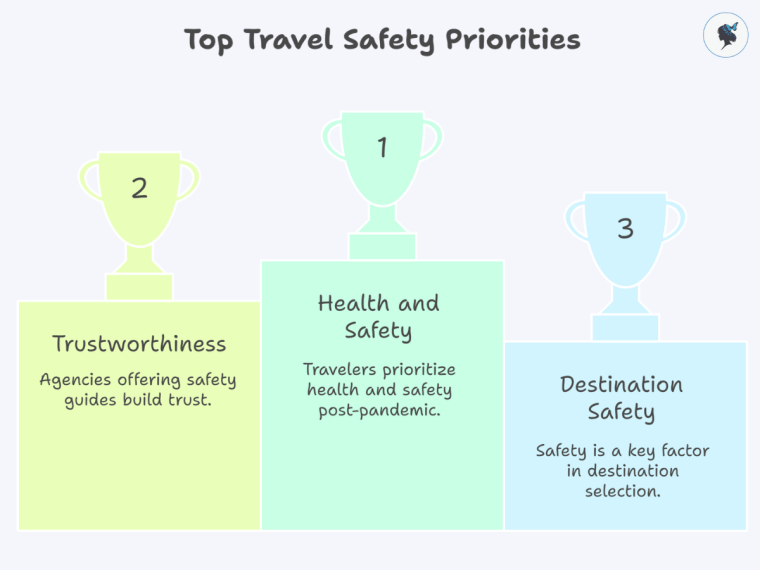
Post-pandemic, travelers prioritize health and safety more than ever. Offering up-to-date safety guides positions your agency as trustworthy and client-focused.

Provide an “Essential Travel Safety Guide for Solo Female Travelers,” including safety apps, destination-specific precautions, and emergency contacts. Agencies like Intrepid Travel emphasize safety in their marketing to build confidence.

Infograph: Top travel safety priorities
Top travel safety priorities

A 2024 survey by European Travel Commission found that 45% of long-haul travellers regard “safety” (including health/physical safety) as a primary factor when selecting a destination for that summer.

Wander Women Hot Tip: Share infographic carousels on Instagram and Facebook detailing key safety tips. Host live Q&A sessions to answer traveler concerns directly.


Webinars or Virtual Travel Experiences

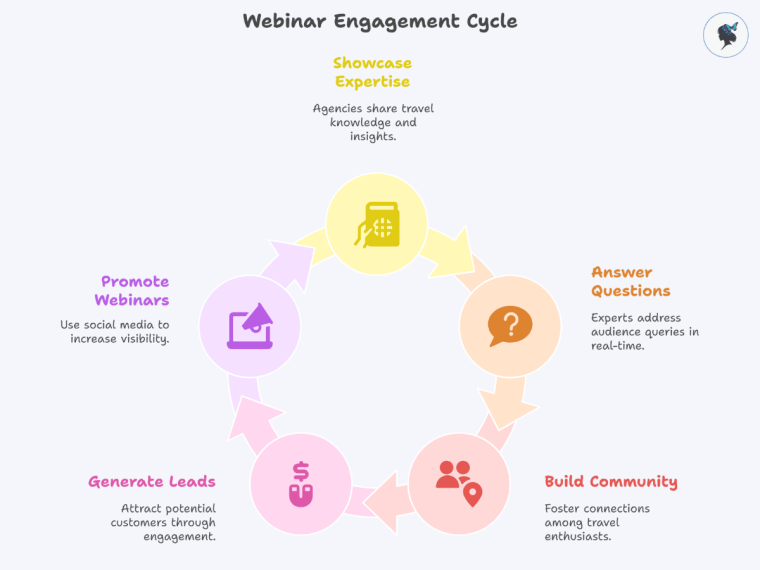
Webinars provide a platform for direct interaction, allowing agencies to showcase expertise, answer questions, and build community around destinations.

Host a live webinar titled “Top 5 Hidden Gems in Italy,” featuring local experts and travel tips, with a live Q&A. Travel agencies like Contiki have leveraged virtual experiences to maintain engagement during travel restrictions.

Infograph: Webinar engagement cycle
Webinar engagement cycle

According to ON24, 89% of marketers believe webinars drive high-quality leads, making them a valuable lead generation tactic.

Wander Women Hot Tip: Promote webinars using Facebook Events and LinkedIn posts. Share teaser videos and countdown posts to build excitement.


Packing and Gear Guides

Travelers often search for expert recommendations on gear and packing, especially for niche or adventure trips. Offering detailed gear guides helps travelers prepare effectively.

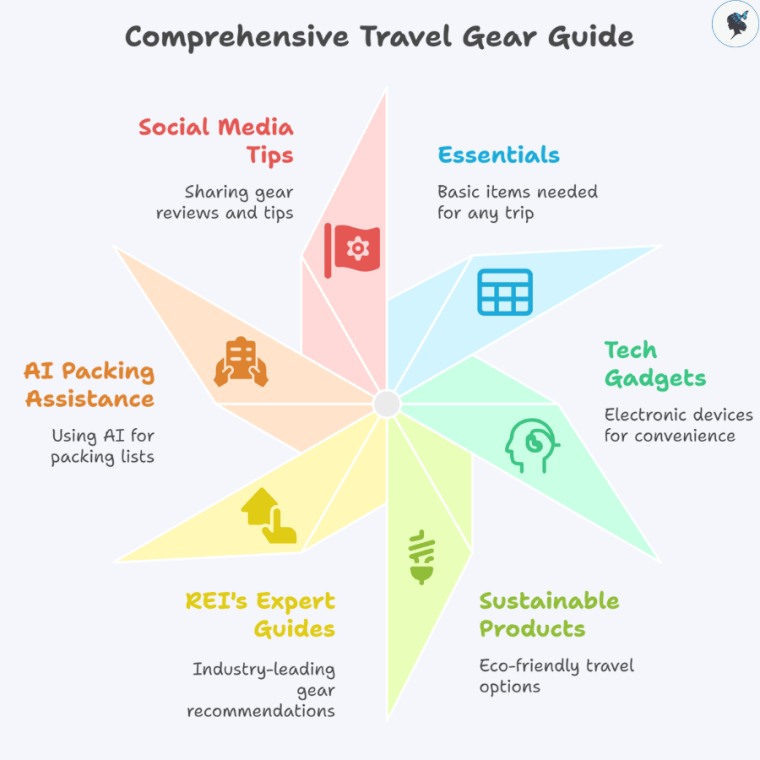
Create “The Ultimate Backpacking Gear Checklist,” covering essentials, tech gadgets, and sustainable travel products. REI’s expert gear guides have set industry standards for trustworthiness and utility.

Infograph: Comprehensive travel gear guide
Comprehensive travel gear guide

A survey conducted by LugLess in April 2025 revealed that 11% of travelers use AI to help them curate a suggested packing list.

Wander Women Hot Tip: Share gear reviews and unboxing videos on YouTube and Instagram Reels. Use Pinterest to curate gear boards linked to your lead magnets.


Conclusion

Lead magnets are powerful tools to grow your travel agency’s email list, build trust, and ultimately increase bookings. By focusing on the unique needs of travelers—from planning to safety to budget—you can craft resources that resonate deeply. Pair these lead magnets with strategic social media promotion to maximize reach and conversions. Start small, track your results, and scale up what works best for your audience.

Need help? Contact us today!
Tips for Writing Travel Itineraries That Sell

▶ Table of Contents
  1. Introduction
  2. Know Your Audience
  3. Create a Clear and Logical Structure
  4. Use Engaging and Persuasive Language
  5. Include Practical Information
  6. Incorporate Visual Elements
  7. Address Common Traveler Questions and Concerns
  8. Call to Action and Booking Information
  9. Review and Test Your Itinerary
  10. Conclusion

Introduction

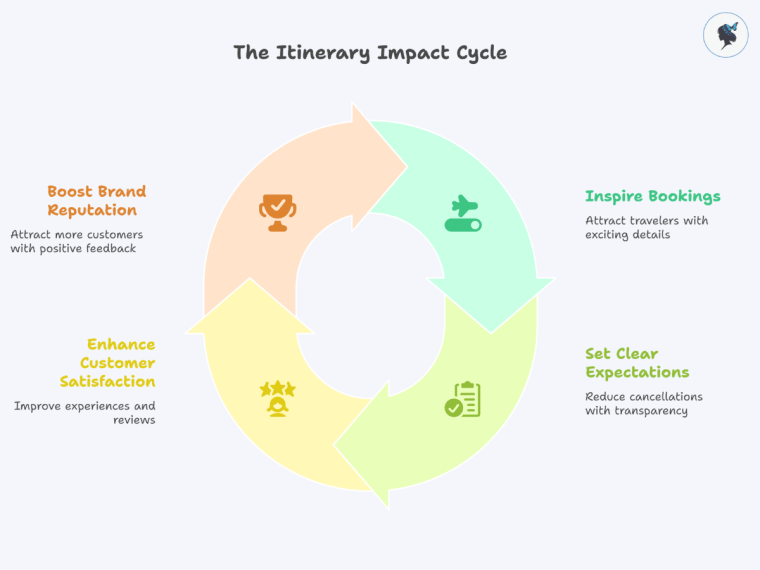
A well-crafted travel itinerary is more than just a schedule—it’s a powerful sales tool that inspires travelers to book their next adventure with you. Itineraries that clearly communicate value, excitement, and practical details can significantly boost bookings and improve customer satisfaction. According to a study by Skift, travelers are researching longer, and prefer detailed itineraries before committing to a trip, making your itinerary writing skills critical for success.

Infograph: The itinerary impact cycle
The itinerary impact cycle

In addition to influencing booking decisions, effective itineraries help set clear expectations, reducing last-minute cancellations and dissatisfaction. When travelers know exactly what to expect, they are more likely to enjoy their trip and leave positive reviews, which in turn attracts more customers. Therefore, the quality of your itinerary impacts not only sales but also your brand reputation and customer loyalty.


Know Your Audience

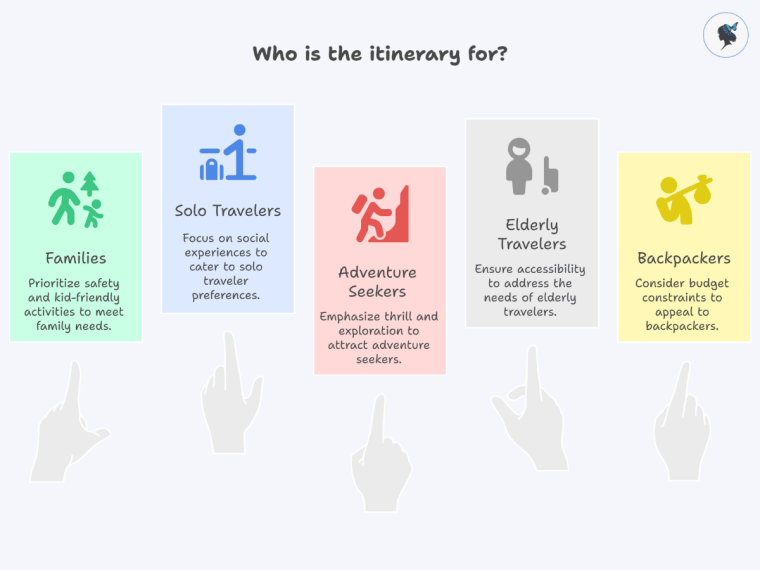
Before drafting an itinerary, understand who you’re writing for. Different traveler types have different priorities—families may prioritize safety and kid-friendly activities, solo travelers might seek social experiences, and adventure seekers want thrill and exploration. Tailor your itineraries accordingly by researching traveler demographics and preferences. Tools like Google Analytics and social media insights can provide valuable audience data. Meeting traveler expectations at this level creates trust and relevance.

Infograph: types of travelers
Who is the itinerary for?

Moreover, understanding your audience enables you to address specific pain points, such as accessibility for elderly travelers or budget constraints for backpackers. Personalizing itineraries for these needs demonstrates empathy and expertise, which enhances the perceived value of your offerings. This approach can also help you segment your marketing efforts, making it easier to reach and convert distinct traveler groups effectively.

Read our post: the complete digital marketing funnel for travel.


Create a Clear and Logical Structure

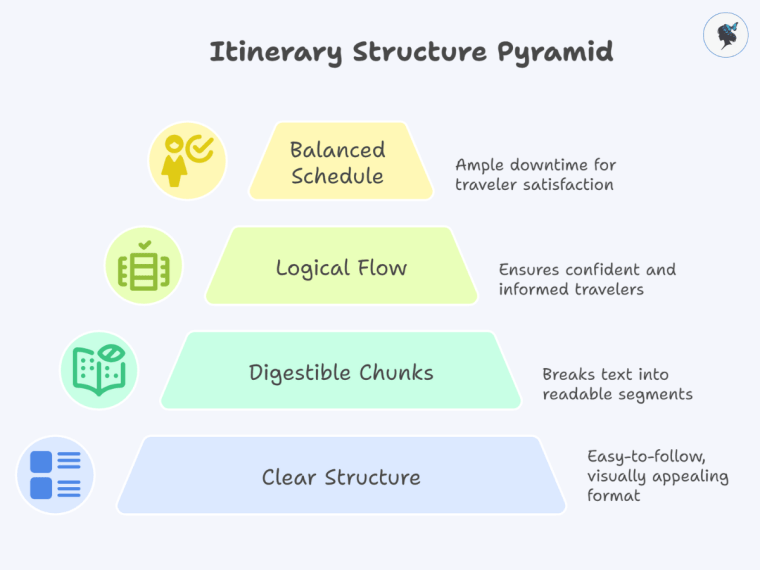
Structure your itinerary so it’s easy to follow and visually appealing. Break it down by days or by activities, with clear headings and bullet points. Including estimated times for each activity, transportation info, and rest periods helps travelers visualize their experience. According to Nielsen Norman Group, users scan web content, so breaking text into digestible chunks improves readability. A logical flow ensures travelers feel confident and informed about their plans.

Infograph: Itinerary structure pyramid
Itinerary structure pyramid

A well-organized itinerary also aids in setting a comfortable travel pace, which is crucial for traveler satisfaction. Overloading a day with too many activities can lead to fatigue, while too few can cause boredom. Providing a balanced schedule with ample downtime signals professionalism and care, reassuring travelers that their wellbeing is a priority.


Use Engaging and Persuasive Language

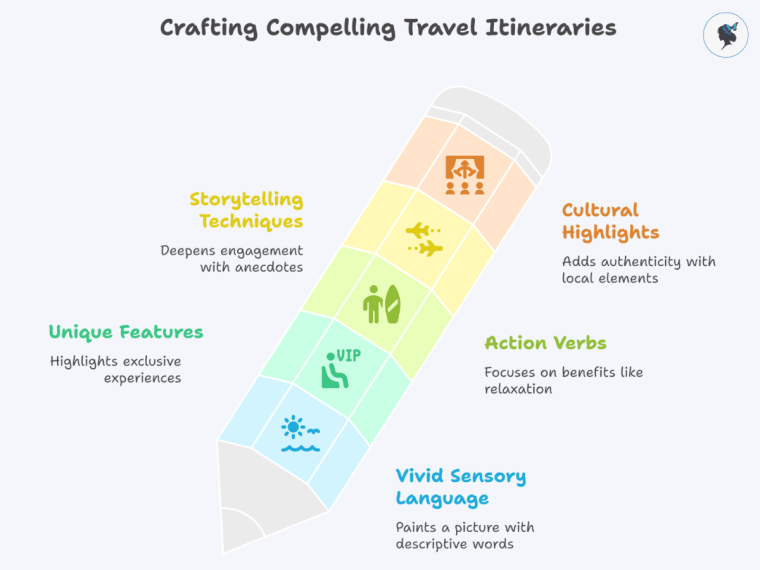
Bring your itinerary to life with vivid, sensory language that paints a picture. Instead of “Visit the beach,” say “Relax on the pristine white sands of Clearwater Beach, soaking up the golden sun.” Highlight unique features or exclusive experiences that set your offering apart. Use action verbs and focus on benefits like relaxation, adventure, or cultural immersion. Persuasive language taps into traveler emotions and helps turn interest into bookings.

Infograph: Crafting compelling travel itineraries
Crafting compelling travel itineraries

Using storytelling techniques, such as describing a typical day or sharing anecdotes from past travelers, can deepen engagement. When travelers emotionally connect with the itinerary, imagining themselves in those scenarios, they are more inclined to make a purchase. Including local cultural highlights or personal touches adds authenticity that differentiates your itineraries from generic ones.

More about storytelling here.


Include Practical Information

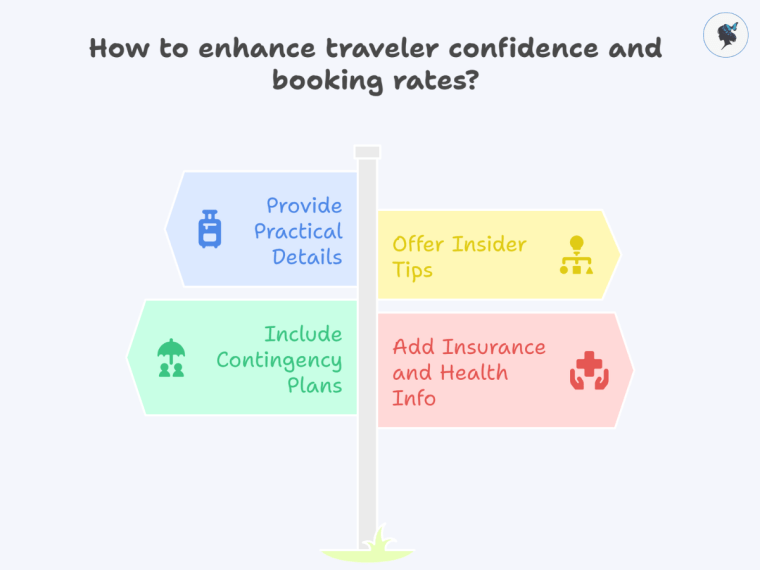
Beyond excitement, travelers need practical details to feel secure. Include transport options, accommodation details, meal arrangements, estimated costs, booking deadlines, and cancellation policies. Adding insider tips—like the best time to visit a site or local customs—adds extra value. Practical info reduces uncertainty, which is a major booking barrier.

Infograph: How to enhance traveler confidence and booking rates
How to enhance traveler confidence and booking rates

Providing contingency plans, such as alternatives during bad weather or emergency contacts, further reassures travelers. Including information on travel insurance or health requirements can also build trust and professionalism. The more transparent and comprehensive your itinerary, the more travelers feel confident booking through you rather than competitors.


Incorporate Visual Elements

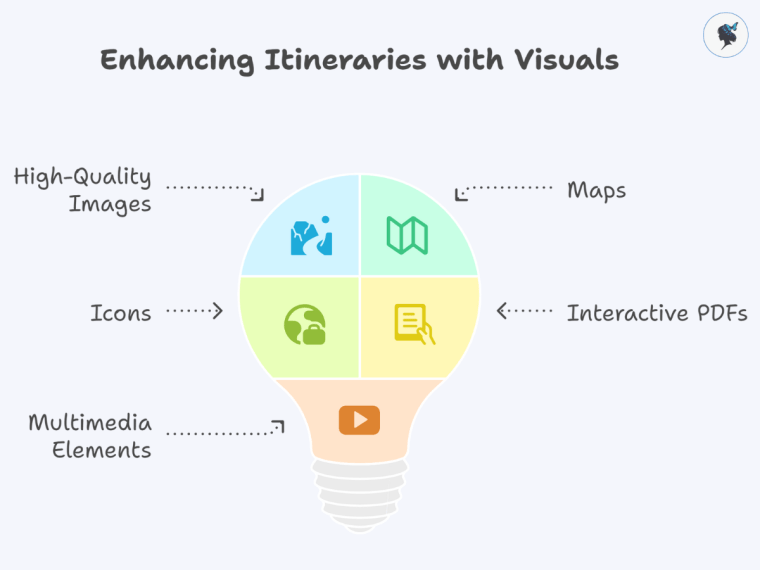
Visuals make itineraries more engaging and easier to understand. Add high-quality images of destinations, maps outlining routes, or icons indicating meal inclusions, activity difficulty, or accessibility. Interactive or downloadable PDFs enhance usability and shareability. Visual cues support comprehension and appeal to different learning styles, increasing the chances that travelers will connect with your offering.

Infograph: Enhancing itineraries with visuals
Enhancing itineraries with visuals

Incorporating multimedia elements like short videos or virtual tours can further enhance the experience, especially for digital-savvy travelers. These elements not only make your itinerary stand out but also help travelers get a real sense of the destinations and activities, increasing excitement and trust in your brand.

Read our post: the power of visual content.


Address Common Traveler Questions and Concerns

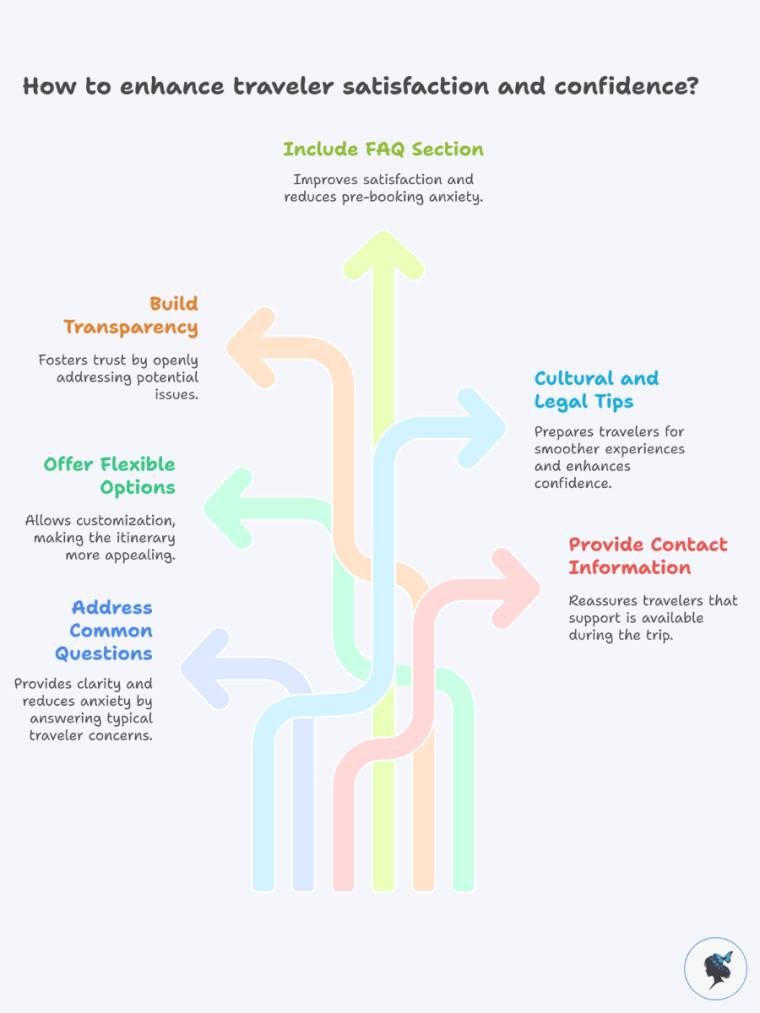
Anticipate and answer typical questions such as safety measures, weather expectations, packing recommendations, and optional activities. Offering alternatives or flexible options helps travelers customize their experience, making your itinerary more appealing. Transparency builds trust—travelers appreciate when you openly address potential concerns. Including an FAQ section can improve satisfaction and reduce pre-booking anxiety.

Infograph: How to enhance traveler satisfaction and confidence?
How to enhance traveler satisfaction and confidence?

Additionally, addressing cultural sensitivities, local laws, and language tips can prepare travelers for smoother experiences, enhancing their confidence in your expertise. Providing contact information for support during the trip further reassures travelers that help is available when needed, which can be a decisive factor in booking.


Call to Action and Booking Information

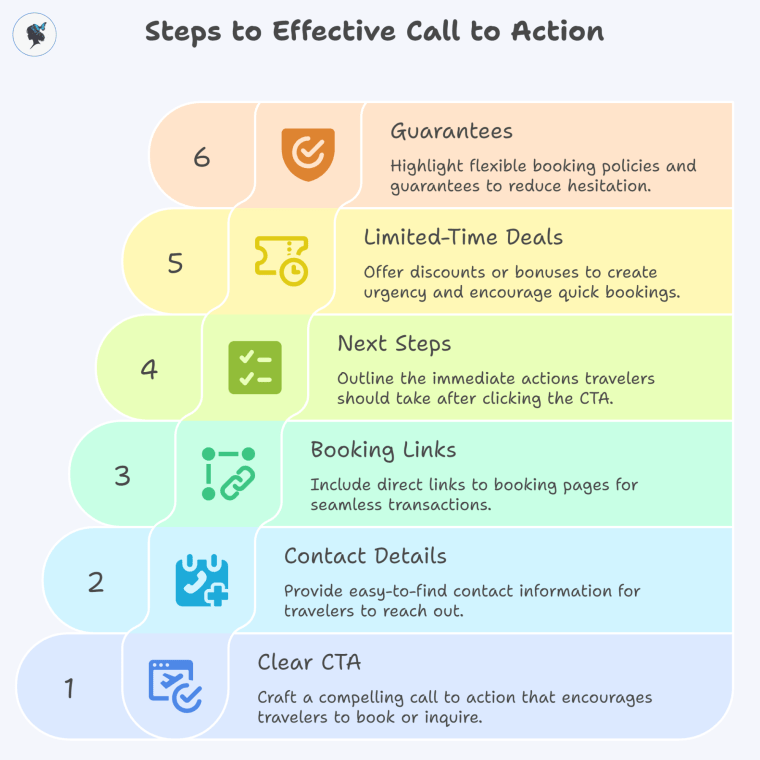
End your itinerary with a clear and compelling call to action (CTA). Encourage travelers to book now, request more info, or customize their trip. Provide contact details, booking links, or next steps so the decision-making process is simple and straightforward. Effective CTAs have been shown to increase conversions when placed strategically. Don’t miss this crucial step to close the sale.

Infograph: Steps to effective call to action
Steps to effective call to action

Consider also offering limited-time deals, early bird discounts, or bonuses for quick bookings in your CTA to create urgency. Highlighting guarantees or flexible booking policies alongside your CTA can reduce hesitation and make travelers feel more comfortable committing immediately.

Check out: the importance of clear CTAs.


Review and Test Your Itinerary

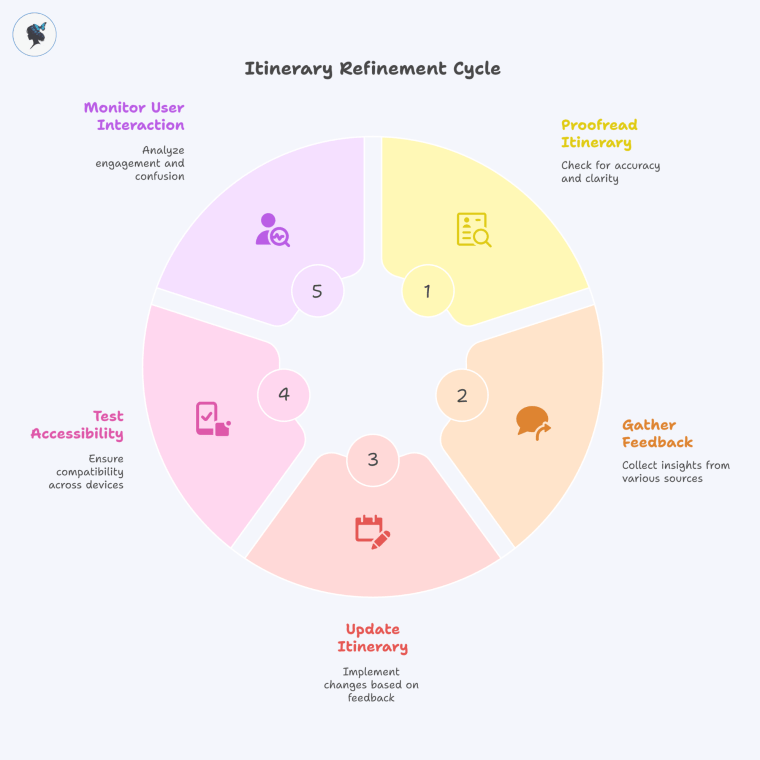
Before publishing, proofread your itinerary carefully for accuracy, clarity, and tone. Getting feedback from colleagues, past travelers, or a focus group can uncover improvements. Regularly update your itineraries based on seasonal changes, new experiences, or traveler feedback. Continuous refinement keeps your content fresh, relevant, and effective in converting leads.

Infograph: Itinerary refinement cycle
Itinerary refinement cycle

Testing your itinerary in different formats (desktop, mobile, PDF) ensures accessibility across platforms, as travelers often access itineraries on multiple devices. Monitoring user interactions and feedback also helps identify which sections are most engaging or confusing, enabling you to optimize accordingly.


Conclusion

Writing travel itineraries that sell requires a blend of audience insight, clear structure, vivid storytelling, practical details, and strong calls to action. When done right, itineraries do more than inform—they excite, reassure, and motivate travelers to book. By continuously improving your itineraries based on feedback and trends, you can enhance your travel business’s appeal and drive sustained growth.

Remember, your itinerary is often the first detailed impression a traveler has of your service. Investing time and effort into perfecting it not only increases bookings but also fosters loyalty and referrals, helping your travel brand thrive in a competitive market.

Need help? Contact us today!

30 Social Media Post Ideas for Travel Agencies

How to Attract, Engage & Convert Travelers Online

▶ Table of Contents

  1. How to Attract, Engage & Convert Travelers Online
  2. INTRODUCTION
  3. Destination-Focused Content
  4. Behind-the-Scenes & Company Culture
  5. Expert Advice & Travel Tips
  6. Social Proof & Testimonials
  7. Promotions, Offers & Deals
  8. Interactive, Fun & Educational Content
  9. Final Social Media Insights for Travel Agencies
  10. CONCLUSION

INTRODUCTION

Social media has transformed how travelers research, plan, and book trips. For travel agencies, it’s no longer just about pretty pictures—it’s about consistent, strategic storytelling. According to Statista, 75% of travelers turn to social media during the trip planning phase. That’s a huge opportunity to show up, inspire, and win clients.


Destination-Focused Content

Inspire wanderlust and position your brand as the ultimate travel curator. These posts are designed to help potential clients imagine themselves exploring the world—with you as their guide.

This guide gives you 30 specific post ideas, grouped into themes, each with an intro and actionable tip. Let’s dive in.

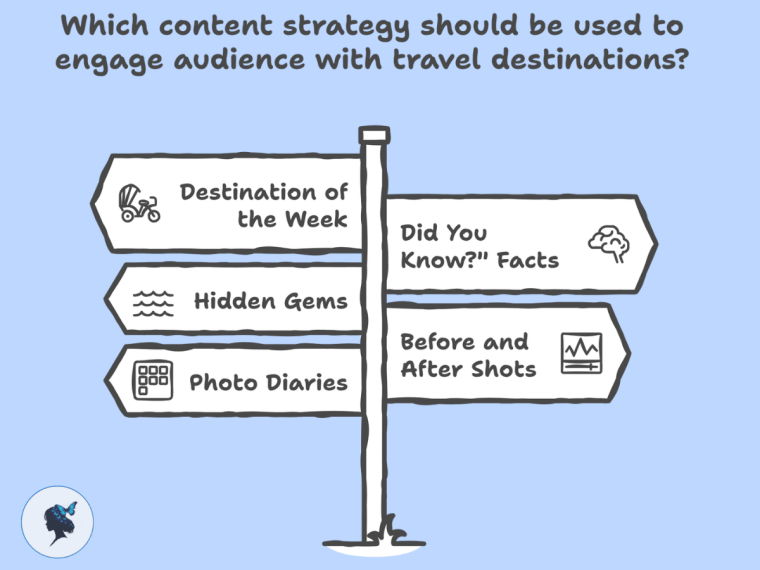
Infograph: Which content strategy should be used to engage audience with travel destinations?
Which content strategy should be used to engage audience with travel destinations?
  1. Feature a Destination of the Week – Highlight a city or region with gorgeous visuals and a short itinerary.
  2. “Did You Know?” Destination Facts – Share surprising or quirky facts about a destination to spark curiosity.
  3. Hidden Gems Posts – Spotlight underrated locations like secluded beaches or quiet mountain villages.
  4. Before and After Travel Shots – Show visual transformations of destinations (or clients’ moods!) pre- and post-trip.
  5. Photo Diaries – Share a day-by-day photo carousel of an unforgettable trip.

Wander Women Hot Tip: Use consistent hashtags (e.g., #WanderlustWednesday or #HiddenGemFridays) to boost discoverability.

Check out this post for more content marketing ideas.


Behind-the-Scenes & Company Culture

Build trust by showing the humans behind the brand. People buy from people. This content creates emotional connections and reinforces your credibility.

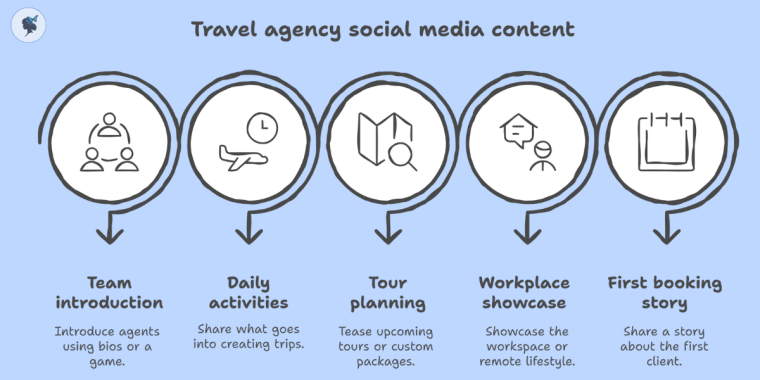
Infograph: Travel agency social media content
Travel agency social media content
  1. Meet the Team – Introduce your agents with fun bios or a “two truths and a lie” game.
  2. A Day in the Life – Share snippets of what goes into creating an unforgettable trip.
  3. Planning in Progress – Tease a behind-the-scenes look at upcoming tours or custom packages.
  4. Office Vibes – Showcase your workspace or remote work lifestyle.
  5. Throwback to First Booking – Share a nostalgic story about your first client or trip planned.

Wander Women Hot tip: Use casual video or candid shots—polished isn’t always better. Authenticity sells.


Expert Advice & Travel Tips

Offer value with helpful, bite-sized knowledge. These posts educate your audience and position you as a trusted expert—not just a salesperson.

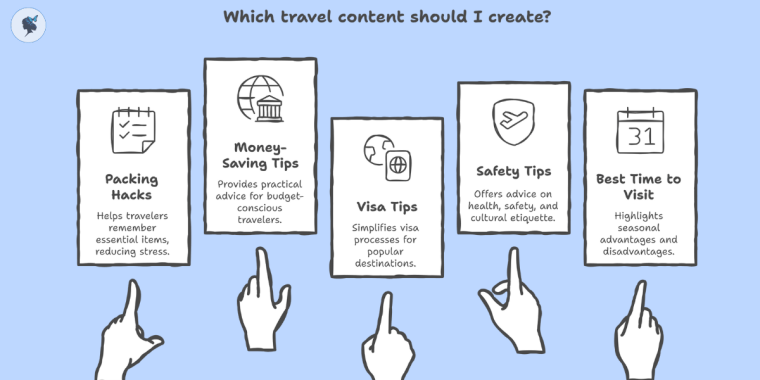
Infograph: Which travel content should I create?
Which travel content should I create?
  1. Packing Hacks – A checklist or reel: “5 things you always forget to pack.”
  2. Money-Saving Travel Tips – Budgeting tips, off-season ideas, or travel apps to use.
  3. Visa or Entry Tips – Demystify travel restrictions or visa applications for popular destinations.
  4. Travel Safety Tips – Share health, safety, or cultural etiquette advice.
  5. Best Time to Visit Posts – Highlight seasonal pros and cons for specific destinations.

Wander Women Hot Tip: Turn longer blog posts into carousels or story highlights to stretch your content value.

Read our guide: repurposing content.


Social Proof & Testimonials

Let your happy clients sell for you. Testimonials, reviews, and real client stories build trust faster than any promo ever could.

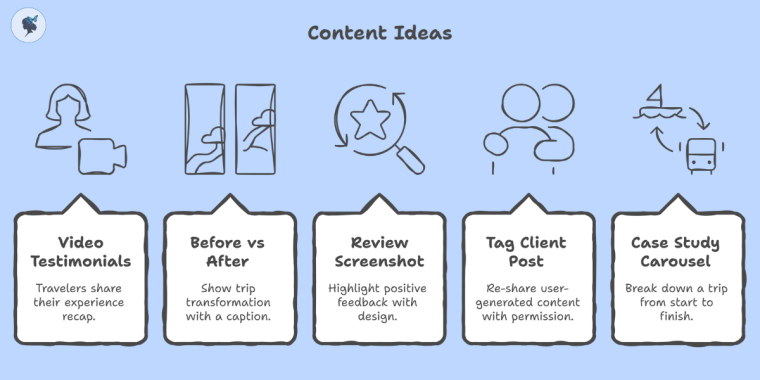
Infograph: Content ideas
Content ideas
  1. Client Video Testimonials – Ask travelers to share a quick recap of their experience.
  2. Before vs After (with caption) – Show how your services transformed their trip.
  3. Screenshot a Review – Highlight positive feedback with on-brand design.
  4. Tag a Client Post – Re-share UGC (user-generated content) with permission.
  5. Case Study Carousel – Break down a trip from inquiry to itinerary to results.

Wander Women Hot Tip: Always include a call to action like “DM us to plan yours!”


Promotions, Offers & Deals

Drive urgency and conversion with timely offers. These posts motivate action—especially when framed around exclusivity or savings.

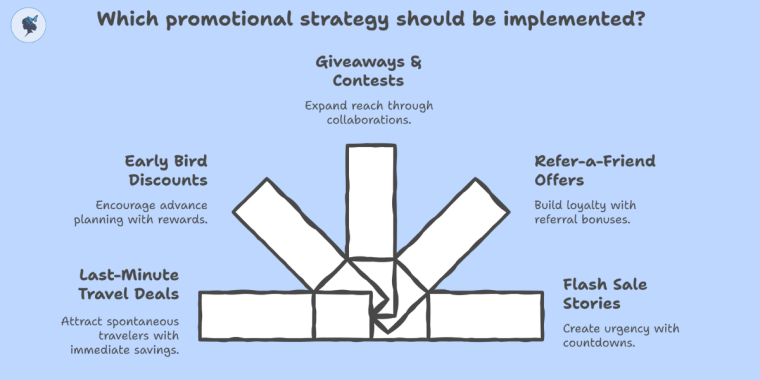
Infograph: Which promotional strategy should be implemented?
Which promotional strategy should be implemented?
  1. Last-Minute Travel Deals – “Fly to Greece next week? Yes, please.”
  2. Early Bird Discounts – Promote planning ahead with savings or upgrades.
  3. Giveaways & Contests – Collaborate with hotels, airlines, or influencers to expand reach.
  4. Refer-a-Friend Offers – Build loyalty with referral bonuses.
  5. Flash Sale Stories – Use 24-hour countdowns to highlight urgency.

Wander Women Hot Tip: Use bright colors, bold CTAs, and countdown stickers in Stories to grab attention.


Interactive, Fun & Educational Content

Boost engagement while keeping it light. These formats encourage responses, comments, and shares—key for algorithm reach.

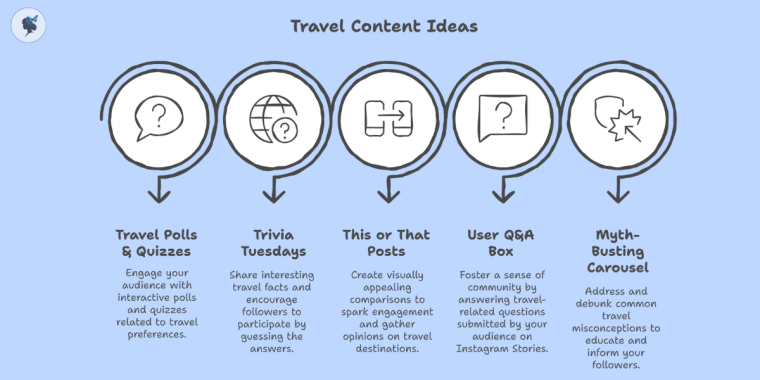
Infograph: Travel content ideas
Travel content ideas
  1. Travel Polls & Quizzes – “What kind of traveler are you?” or “Beach vs. Mountains?”
  2. Trivia Tuesdays – Share a fun fact and ask followers to guess the answer.
  3. This or That Posts – Pose quick visual comparisons: Paris or Rome? Cruise or Safari?
  4. User Q&A Box – Invite travel questions via Instagram Stories.
  5. Myth-Busting Carousel – Clarify common misconceptions (e.g., “Do I need travel insurance?”).

Wander Women Hot Tip: Save these to highlights so new followers can engage anytime.


Final Social Media Insights for Travel Agencies


CONCLUSION

These 30 post ideas aren’t just fluff—they’re strategic tools to help you attract leads, build trust, and drive bookings on social media. Mix them weekly, test formats (Reels, Stories, Pins, Carousels), and repeat what works.

Need help with your Social Media strategy? Contact us today!

Content Marketing Ideas for Travel Agencies to Attract Clients


▶ Table of Contents

Introduction

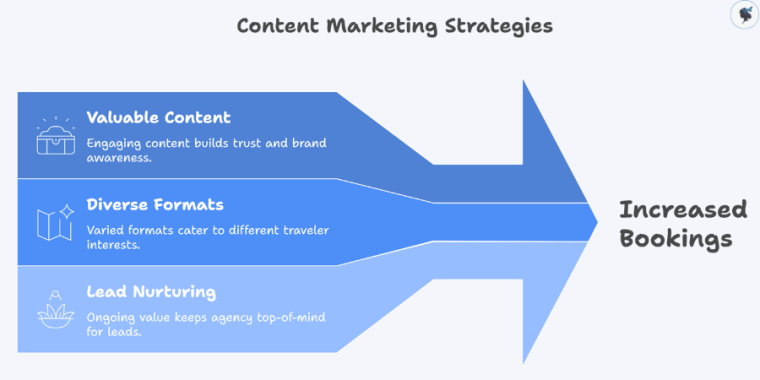
In today’s competitive travel industry, content marketing is a powerful way for travel agencies to stand out and connect with potential clients. By sharing valuable, engaging, and informative content, agencies can build trust, increase brand awareness, and ultimately drive more bookings. Different travelers seek different kinds of information—some want detailed itineraries, others look for travel tips or inspirational stories. Offering a diverse range of content formats allows you to address these varied interests and guide prospects through their journey from inspiration to booking.

Content marketing also helps nurture leads over time by providing ongoing value, keeping your agency top-of-mind. In this post, we’ll explore creative content ideas that travel agencies can use to attract clients, improve engagement, and grow their business.


1. Destination Guides and Travel Itineraries

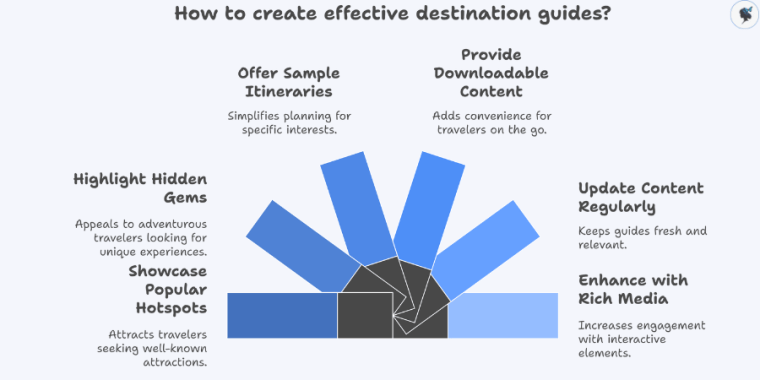
Creating in-depth destination guides is one of the most effective ways to attract travelers researching their next trip. These guides showcase both popular hotspots and hidden gems, helping clients envision their vacation. Sample itineraries tailored to specific interests—like adventure, luxury, or family-friendly trips—make planning easy and inspire bookings.

Offering downloadable PDFs or printable checklists adds extra value, allowing travelers to conveniently reference your content on the go. Updating guides regularly with seasonal events and new attractions keeps content fresh and relevant. Enhance these guides with rich media such as interactive maps, infographics, and videos for increased engagement.

Imagine publishing a detailed “7-Day Family Adventure in Costa Rica” itinerary complete with daily activity suggestions and local restaurant picks to help families plan hassle-free trips. You might create a blog post highlighting lesser-known spots in Italy, complemented by downloadable maps for travelers who love exploring off the beaten path. Or, envision launching a YouTube series offering virtual tours of popular destinations paired with downloadable itinerary PDFs that inspire viewers to book.

You might be interested in our post: 5 types of content every travel website should have.


2. Travel Tips and Advice

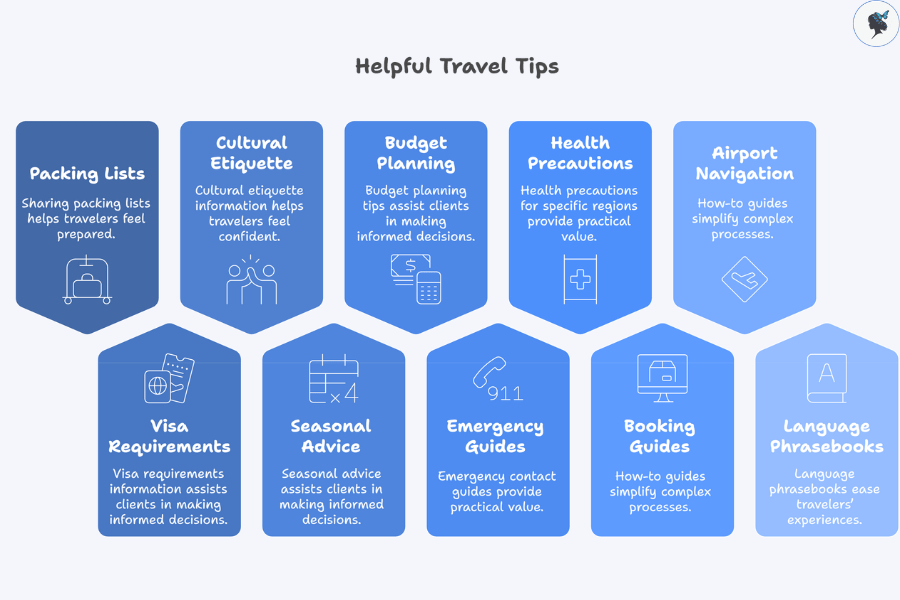
Helpful travel tips build your agency’s authority and answer common customer questions before they even ask. Sharing packing lists, visa requirements, and cultural etiquette helps travelers feel prepared and confident. Seasonal advice and budget planning tips assist clients in making informed decisions tailored to their travel timeframe.

Additional content like emergency contact guides or health precautions for specific regions provide practical value. How-to guides on booking flights, accommodations, or airport navigation simplify complex processes. Language phrasebooks or basic conversational tips for popular destinations further ease travelers’ experiences.

You could publish a blog post titled “Packing Smart for a Winter European Trip” that includes a downloadable checklist, making packing less stressful for clients. A video tutorial explaining “How to Get the Best Deals on Flights” might help educate your audience and encourage them to book early. Another idea is to write a blog on “Essential Travel Safety Tips for Solo Female Travelers” featuring expert interviews to build trust and credibility.


3. Client Testimonials and Travel Stories

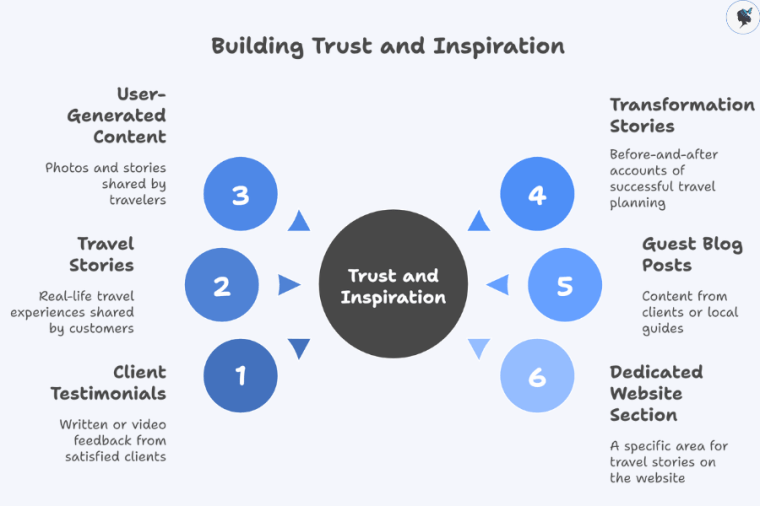
Authentic client testimonials and real travel stories inspire potential customers and build trust. Featuring written or video testimonials lets prospects hear directly from satisfied clients. User-generated content, like photos and stories shared by travelers, creates emotional connections and social proof.

Before-and-after transformation stories, such as successful honeymoon planning, highlight your agency’s value. Guest blog posts from clients or local guides diversify content and provide fresh perspectives. A dedicated “Travel Stories” website section encourages repeat visits and user engagement.

You might share a heartfelt video testimonial from a couple who booked their honeymoon through your agency, highlighting how smooth and special their experience was. Imagine publishing a client’s photo diary blog documenting their safari adventure, giving prospects a vivid sense of the trip. You could also run an Instagram campaign encouraging clients to share their travel photos with a branded hashtag to boost community and engagement.

More about User-Generated Content here.


4. Interactive Content: Quizzes and Polls

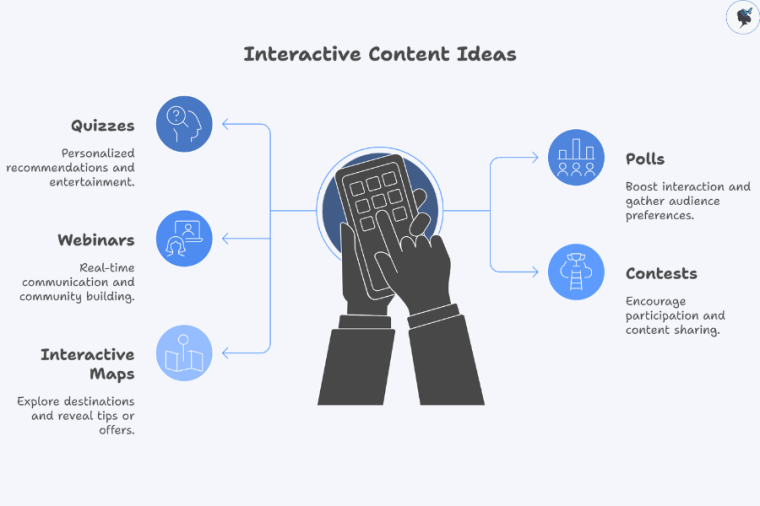
Interactive content like quizzes and polls actively engage your audience and gather valuable data on their preferences. Quizzes such as “What Type of Traveler Are You?” or destination match quizzes provide personalized recommendations while entertaining users. Polls on social media can ask followers about their dream destinations or travel priorities, boosting interaction.

Hosting webinars or live Q&A sessions allows real-time communication and builds community. Contests or photo challenges encourage user participation and content sharing. Interactive maps on your site can let users explore destinations by clicking regions to reveal tips or offers.

Consider creating a Facebook quiz called “Find Your Perfect Beach Vacation” that suggests destinations based on user preferences, encouraging shares and engagement. You might run Instagram polls asking followers which destinations they hope to explore next, increasing story views and interaction. Hosting a live webinar on “Planning Your Dream Trip” where viewers can ask travel experts questions in real time could also help build authority and trust.


5. Behind-the-Scenes Content

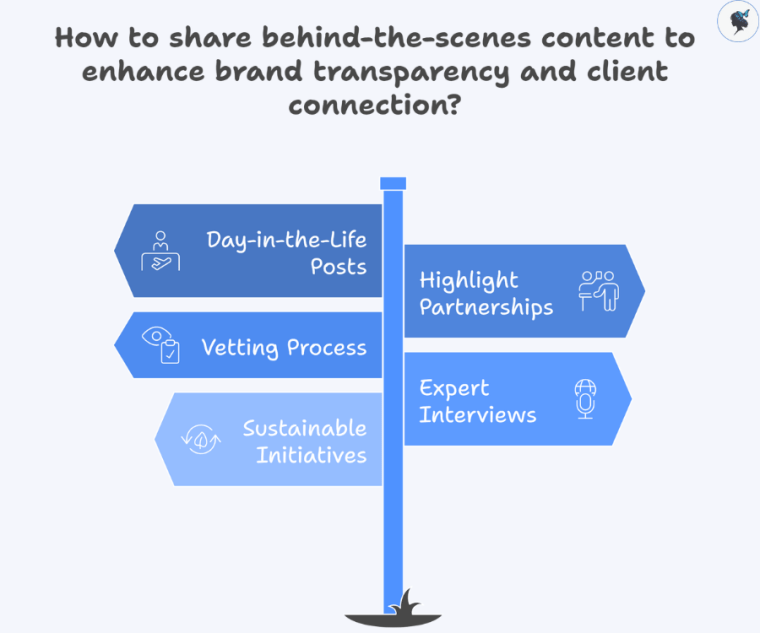
Sharing behind-the-scenes glimpses humanizes your brand and builds transparency. Day-in-the-life posts showcasing travel agents’ daily activities or how trips are curated help clients feel connected. Highlighting partnerships with local guides or exclusive experiences demonstrates your agency’s dedication to quality.

Showing the vetting process for accommodations or exclusive offerings builds trust. Interviews with destination experts or suppliers add authority. Sharing your agency’s involvement in sustainable travel initiatives resonates with eco-conscious travelers and demonstrates corporate responsibility.

You might share Instagram Stories showing your team visiting a resort or cultural site to give followers a sneak peek behind the scenes. Imagine a blog post titled “How We Craft Custom Luxury Trips” that walks readers through your planning process with photos and insights. A video interview with a local guide from Bali could offer insider tips and highlight the unique experiences your agency provides.


6. Seasonal and Event-Based Content

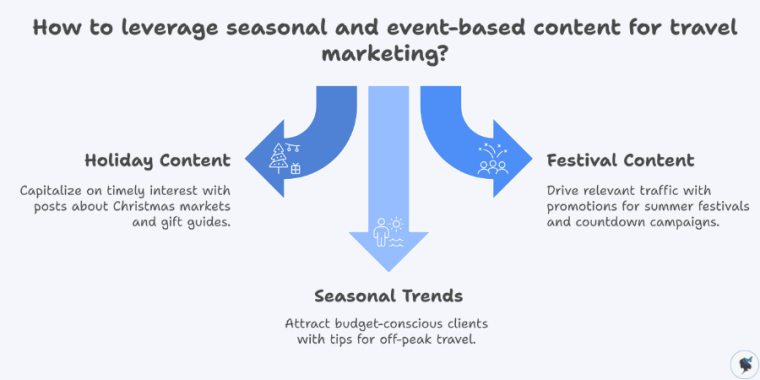
Content tied to holidays, festivals, or seasonal trends capitalizes on timely interest. Creating posts about Christmas markets, summer festivals, or winter sports destinations drives relevant traffic. Promoting last-minute deals or special packages tied to events creates urgency.

Countdown campaigns for major events like the Olympics or Carnival encourage early bookings. Gift guides for travelers during holiday seasons inspire gift purchases. Sharing tips for traveling during off-peak seasons attracts budget-conscious clients and helps smooth demand.

You could write a blog about the “Top 5 Christmas Markets in Europe” and include travel packages designed around those events. An email campaign might promote early bird specials for summer vacations, encouraging clients to book ahead. Social media countdown posts to popular festivals could generate buzz and motivate last-minute bookings.


7. Video Content and Live Streaming

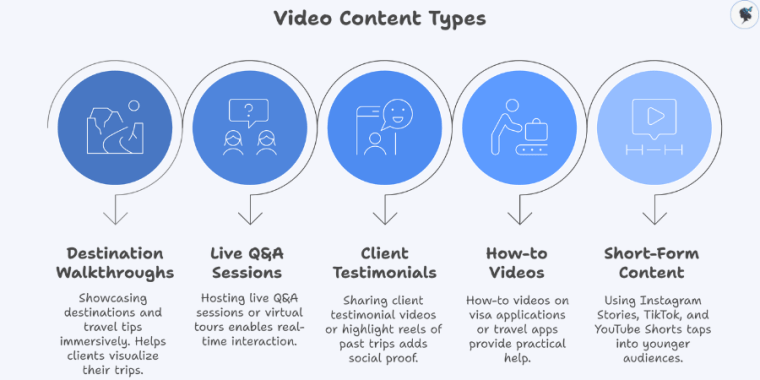
Video content offers immersive and engaging ways to showcase destinations and travel tips. Producing destination walkthroughs, packing demos, or travel vlogs helps clients visualize their trips. Hosting live Q&A sessions or virtual tours enables real-time interaction.

Sharing client testimonial videos or highlight reels of past trips adds social proof. How-to videos on visa applications or travel apps provide practical help. Using Instagram Stories, TikTok, and YouTube Shorts taps into younger audiences who prefer short-form video content.

You might create a YouTube playlist of virtual tours for resorts you offer, helping clients get a feel for the experience. Hosting live Instagram Q&A sessions where travel experts answer viewers’ questions could boost engagement. Short TikTok videos with travel hacks or cultural tips might go viral, driving traffic to your website.


8. Collaborations with Influencers and Travel Bloggers

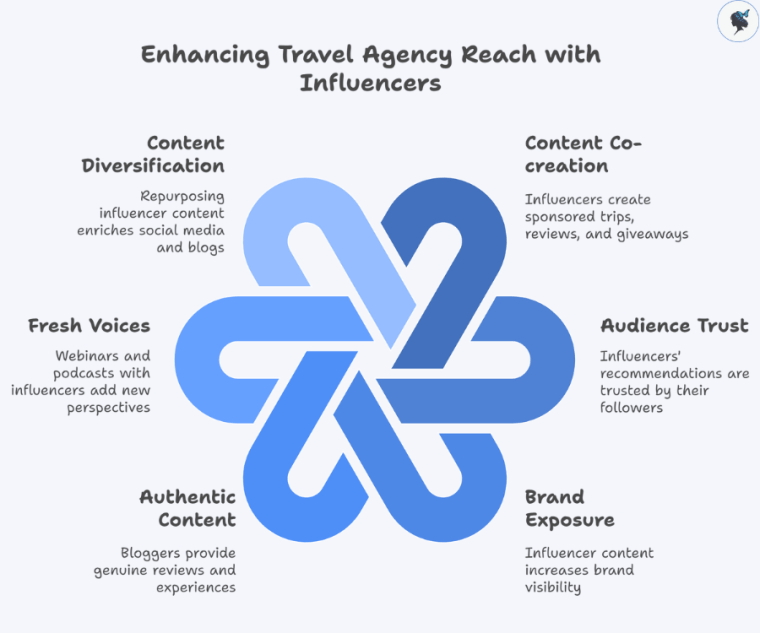
Partnering with travel influencers expands your agency’s reach and credibility. Influencers co-create content such as sponsored trips, reviews, or giveaways. Their audiences trust their recommendations, boosting your brand exposure.

Inviting bloggers to experience and review your packages provides authentic content you can share. Co-hosting webinars or podcasts with influencers adds fresh voices and expertise. Repurposing influencer content diversifies your social media posts and blog articles.

Imagine partnering with a travel blogger who takes a sponsored trip to a tropical destination you offer, sharing daily updates and reviews on their blog and social media. An influencer takeover on your Instagram account might showcase a safari package with authentic, engaging content. You could also collaborate on YouTube interviews with popular travel vloggers to highlight hidden gems and insider tips.

More about Influencer Marketing here.


Conclusion

Content marketing is an essential strategy for travel agencies aiming to attract and engage clients. By offering a diverse mix of destination guides, travel tips, testimonials, interactive quizzes, behind-the-scenes stories, seasonal content, video, and influencer collaborations, agencies can address the needs of varied traveler types. Consistent publishing and performance measurement help refine your efforts and maximize ROI. Remember, authentic storytelling and valuable content are key to winning traveler loyalty and standing out in a crowded market.

Start experimenting with these ideas today to elevate your travel agency’s content marketing and attract more clients!

Contact us for help with your content strategy!