
▶ Table of Contents
In an era where travelers rely on search engines to plan their journeys, mastering Local SEO is crucial for travel agencies looking to connect with potential clients. Local SEO ensures that your agency appears in search results when people are looking for travel services in your area. Whether you’re a boutique agency or part of a larger network, optimizing for local search can significantly boost your visibility and bookings.
Check out our services to start moving in the right direction!
What is Local SEO?
Local SEO focuses on improving your business’s visibility in geographically specific search results. For instance, if someone searches for “travel agencies near me” or “Caribbean tour planners in Miami,” Local SEO ensures your business appears prominently in the results. This involves optimizing your website, Google My Business (GMB) profile, and other online assets to rank higher for location-based searches.
Why Local SEO Matters for Travel Agencies
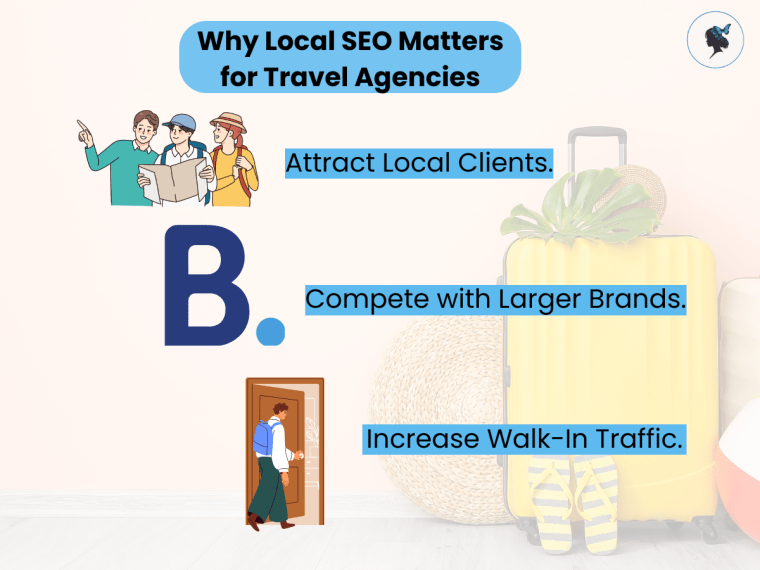
- Attract Local Clients: Many travelers prefer to work with local agencies that understand their region-specific needs.
- Compete with Larger Brands: Local SEO levels the playing field, allowing smaller agencies to compete with national or global players.
- Increase Walk-In Traffic: If you have a physical office, Local SEO can drive foot traffic by making your business easier to find online.
Key Strategies for Local SEO Success
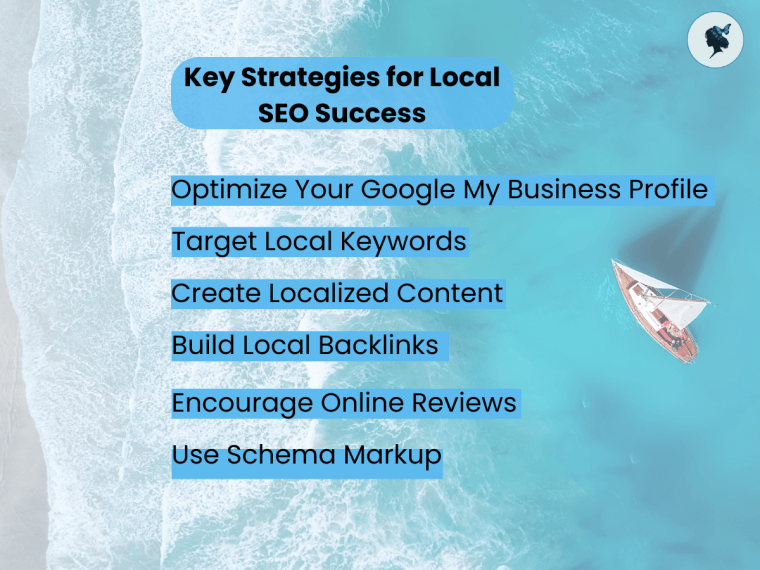
1. Optimize Your Google My Business Profile
Google My Business is the cornerstone of Local SEO. Here’s how to make the most of it:
- Ensure your profile is complete, accurate, and up-to-date.
- Add your business name, address, phone number, website, and operating hours.
- Use high-quality images of your office, staff, or tours.
- Collect and respond to customer reviews to build trust and credibility.
2. Target Local Keywords
Incorporate location-specific keywords into your website’s content, such as “adventure tours in Denver” or “wedding travel planners in Austin.” Use tools like Google Keyword Planner to find relevant local search terms.
You might be interested in our post: Mastering Local Keyword Focus.
3. Create Localized Content
Publish blogs, guides, and articles tailored to your target audience’s location. Examples include:
- “Top 10 Destinations for New Yorkers”
- “How to Plan a Weekend Getaway from Seattle”
- “Hidden Gems in San Francisco for Adventure Lovers”
Localized content not only attracts visitors but also helps establish your agency as a local expert.
Read here for 5 types of content every travel website should have.
4. Build Local Backlinks
Partner with local businesses, tourism boards, or bloggers to earn backlinks from their websites. For example, you could collaborate with a local hotel or restaurant to offer joint promotions and link to each other’s sites.
5. Ensure Mobile-Friendliness
Over half of all local searches are conducted on mobile devices. Ensure your website is responsive, loads quickly, and provides a seamless user experience on mobile.
6. Encourage Online Reviews
Positive reviews not only enhance your reputation but also improve your local search rankings. Politely request reviews from satisfied clients and address any negative feedback professionally.
7. Use Schema Markup
Schema markup is a form of microdata that helps search engines understand your content. Implementing local business schema can improve your chances of appearing in rich search results, such as business cards or map snippets.
Want to know how to optimize your blog for location-based keywords? Look no further!
Measuring Local SEO Success
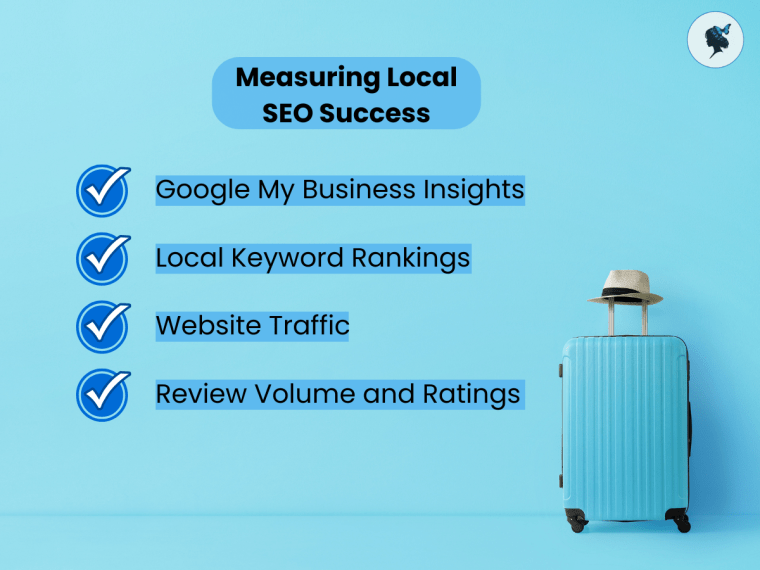
To ensure your Local SEO efforts are paying off, monitor these key metrics:
- Google My Business Insights: Track views, clicks, and customer actions on your GMB profile.
- Local Keyword Rankings: Use tools like SEMrush or Moz to see how well your site ranks for local keywords.
- Website Traffic: Check analytics tools to measure traffic from local searches.
- Review Volume and Ratings: Monitor your online reviews and strive for consistent, positive feedback.
Common Pitfalls to Avoid
- Ignoring Negative Reviews: Addressing bad reviews professionally shows potential clients you value feedback.
- Inconsistent NAP Information: Ensure your Name, Address, and Phone number are consistent across all platforms.
- Overlooking Mobile Optimization: A slow or clunky mobile site can drive potential clients away.
Are you ready to sail to SEO success?
Contact us today to see how we can help you.
Discover more from Wander Women Strategies
Subscribe to get the latest posts sent to your email.

11 thoughts on “The Ultimate Guide to Local SEO for Travel Agencies”
Comments are closed.