
▶ Table of Contents
- A Step-by-Step Framework for Small Businesses
- What a “Guide” Actually Is Now
- Step 1: Start With Intent (Not Just Keywords)
- Step 2: Structure Your Guide for Conversions
- Step 3: Optimize for AI + Search Engines
- Step 4: Add a Local SEO Layer
- Step 5: Build Trust Into Every Section
- Step 6: Turn One Guide Into a Content System
- Step 7: Add Strategic CTAs (Without Being Pushy)
- Step 8: Make It Feel Current (2026 Reality)
- Step 9: Example Guide Template
- Step 10: Small Business Guide SEO Checklist (2026)
- Final Thought
Page updated 26th April, 2026.
A Step-by-Step Framework for Small Businesses
If you run a small business, you don’t need more blog posts—you need pages that bring in customers.
That’s where local guides come in.
In 2026, nearly 46% of all Google searches have local intent, and 76% of people who search locally visit a business within 24 hours.
That means your content isn’t just marketing—it’s directly tied to real-world revenue.
This guide will show you how to create high-intent, local content that ranks in search, appears in AI results, and converts readers into customers.
What a “Guide” Actually Is Now
A guide is no longer just informational content.
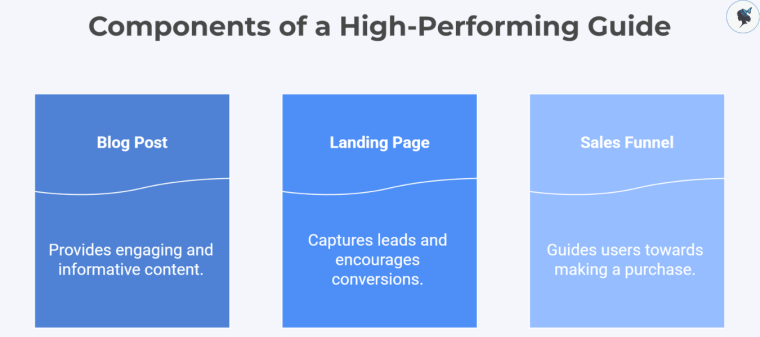
Today, a high-performing guide is:
- Part blog post
- Part landing page
- Part sales funnel
It helps people choose, compare, and take action.
Examples of modern guides:
- Best coworking spaces in Austin
- Top hair salons for curly hair in Toronto
- Cafés in Berlin where you can work remotely
Why this works: Most local searches are decision-stage queries, not browsing. Nearly 78% of local mobile searches lead to offline purchases, making them some of the highest-converting searches online.
Step 1: Start With Intent (Not Just Keywords)
Most businesses target broad keywords.
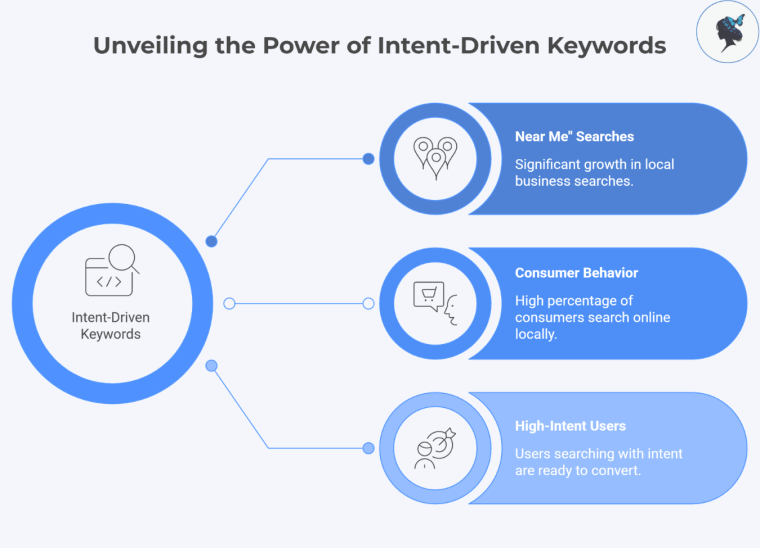
But high-performing guides focus on intent-driven, specific searches.
Use this formula:
Best / Top / Affordable / Near me + Service + Location + Detail
Examples:
- best Pilates studio for beginners in Vancouver
- affordable wedding photographer in Lisbon
- quiet cafés to work from in Amsterdam
Why this matters:
- “Near me” searches have grown 400% since 2020
- 97% of consumers search online for local businesses
These are high-intent, ready-to-act users.
More about search intent here.
Step 2: Structure Your Guide for Conversions
People don’t read—they scan.
And in 2026, search engines (and AI tools) scan too.
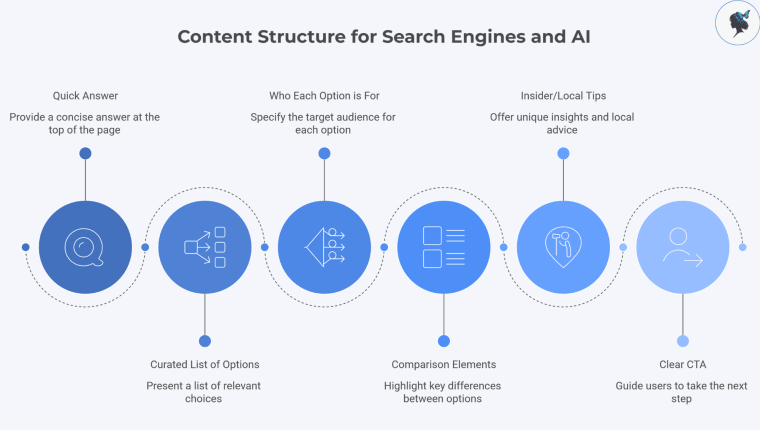
Use this structure:
1. Quick answer (above the fold)
2. Curated list of options
3. Who each option is for
4. Comparison elements
5. Insider/local tips
6. Clear CTA
Why this works: Google increasingly surfaces structured content in AI summaries, which now appear in a growing percentage of queries.
If your content is easy to extract, it’s more likely to be shown.
Step 3: Optimize for AI + Search Engines
Search behavior has changed fast.
AI tools now:
- Summarize answers
- Reduce clicks
- Prioritize clarity
In fact, AI-generated answers now appear in a significant portion of search results and are expanding rapidly across countries.
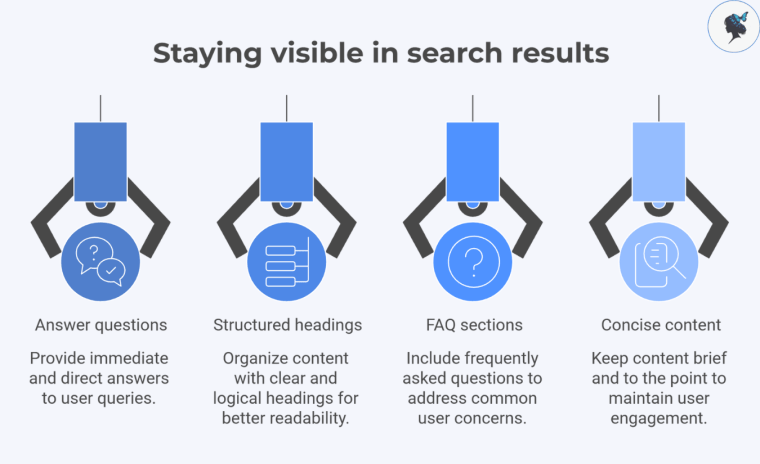
To stay visible:
- Answer questions immediately
- Use structured headings
- Add FAQ sections
- Keep content concise
Think: “Can this be pulled into an answer box or AI summary?”
More about on-page SEO for local service businesses here.
Step 4: Add a Local SEO Layer
This is where small businesses win.
Because local search isn’t just traffic—it’s action.
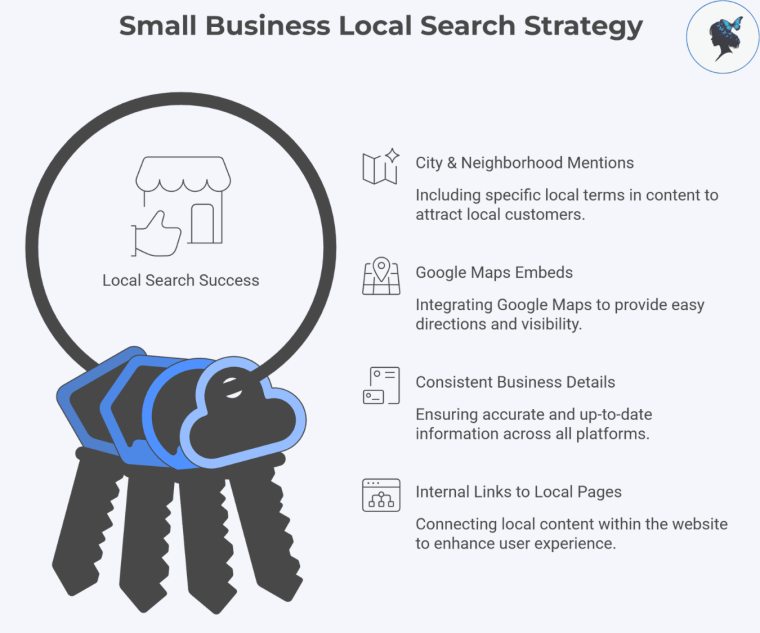
Include:
- City + neighborhood mentions
- Google Maps embeds
- Consistent business details
- Internal links to local pages
Why this matters:
- 46% of all searches are local
- 93% of local searches show a map pack
- Businesses in the top 3 map results capture a huge share of clicks
And most importantly: Google Business Profile drives real conversions, with actions like calls, directions, and bookings increasing 41% year-over-year.
Step 5: Build Trust Into Every Section
Traffic doesn’t convert without trust.
And in 2026, trust is measurable.
- 87–88% of consumers read and trust reviews before choosing a business
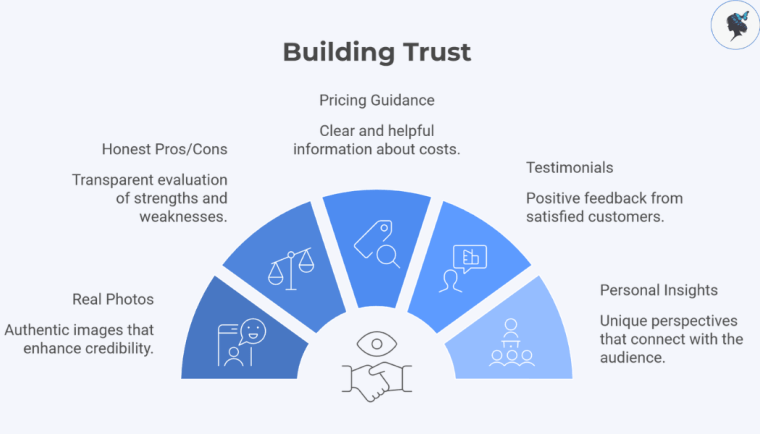
Add:
- Real photos
- Honest pros/cons
- Pricing guidance
- Testimonials
- Personal/local insights
This is your advantage over AI: Real experience + credibility
More about the role of trust signals here.
Step 6: Turn One Guide Into a Content System
One guide is good. A network is better.
Example:
- Chicago hub page
- Best brunch spots in Chicago
- Best gyms in Chicago
- Best coworking spaces in Chicago
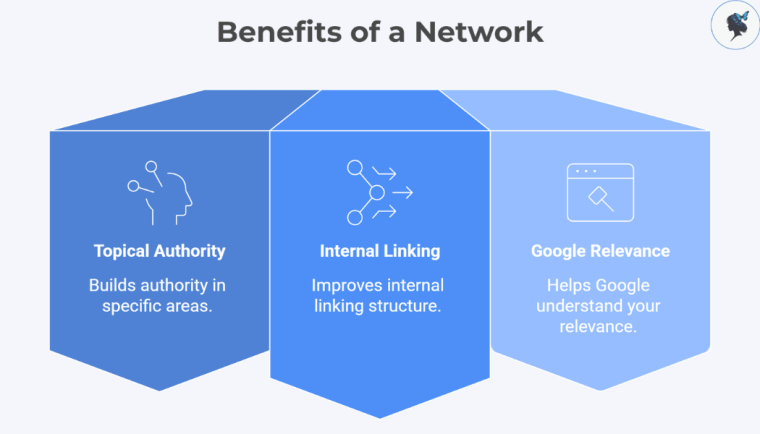
Why this works:
- Builds topical authority
- Improves internal linking
- Helps Google understand your relevance
Local Pack results can capture a significant share of clicks—with studies showing top local listings often receiving a large portion of mobile and local search traffic, sometimes exceeding organic results depending on query intent.
Step 7: Add Strategic CTAs (Without Being Pushy)
Local search is high intent. People are ready to act.
That’s why:
- 76% of local searches lead to a visit within 24 hours
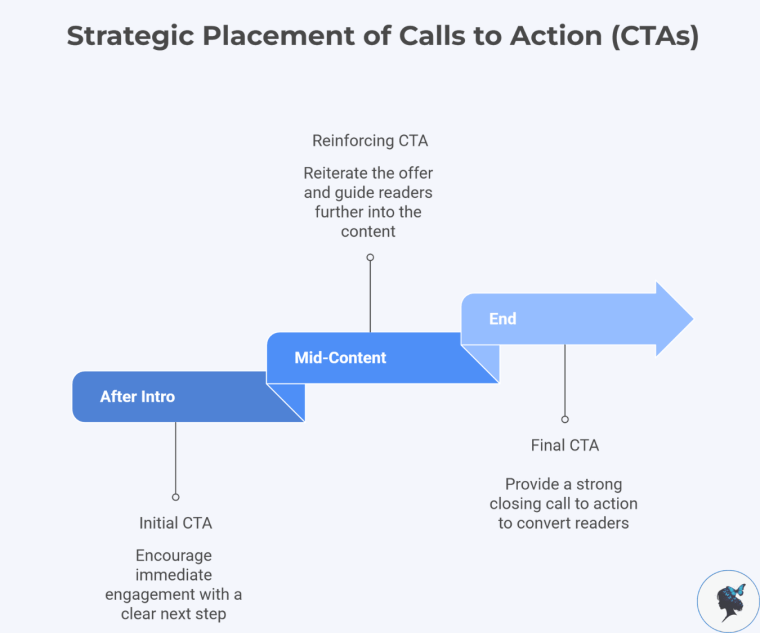
Place CTAs:
- After intro
- Mid-content
- End
Examples:
- Book a consultation
- Reserve a spot
- Call now
- Get directions
Make the CTA feel like the natural next step.
More about the importance of clear CTAs here.
Step 8: Make It Feel Current (2026 Reality)
Search isn’t what it was 2 years ago.
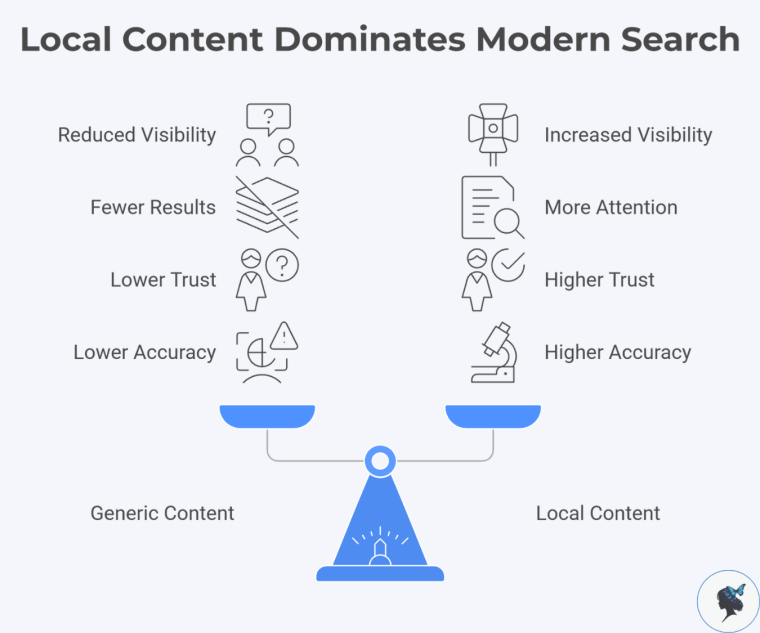
What’s changed:
- AI answers reduce visibility for generic content
- Fewer results get attention
- Trust + accuracy matter more than ever
Local SEO today is driven by:
- Proximity
- Reviews
- Business activity
- Data consistency
Generic content loses.
Specific, local, experience-based content wins.
Step 9: Example Guide Template
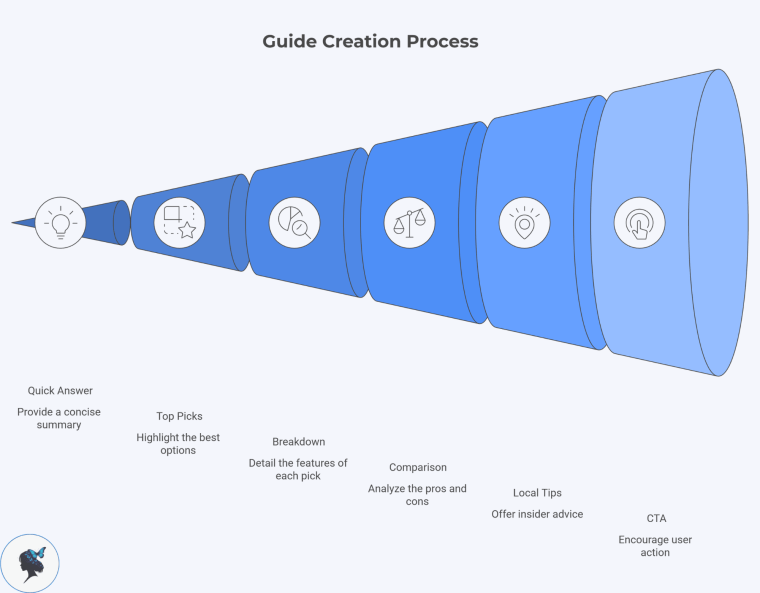
Title: Best [Service] in [City] (2026 Guide)
Example: Best Independent Bookstores in Edinburgh
Structure:
- Quick answer
- Top picks
- Breakdown
- Comparison
- Local tips
- CTA
- FAQ
Step 10: Small Business Guide SEO Checklist (2026)
Before publishing:
- One clear keyword focus
- Local modifier included
- Strong intro with quick answer
- Structured headings
- Internal links
- Real photos
- CTA included
- FAQ section
- Mobile optimized
Because today: Visibility = clarity + trust + local relevance
Final Thought
Local guides aren’t content.
They’re conversion assets.
With nearly half of all searches being local and the majority leading to real-world actions, the opportunity is massive.
The goal isn’t just to rank.
It’s to create something so useful that people think: “This is exactly what I needed—I’ll go with them.”
Need help? Contact us today!
Discover more from Wander Women Strategies
Subscribe to get the latest posts sent to your email.

9 thoughts on “How to Create Local Guides That Rank + Convert”
Comments are closed.