
The Role of SEO in Attracting High-Intent Travelers
▶ Table of Contents
- The Role of SEO in Attracting High-Intent Travelers
- Introduction
- Understanding High-Intent Travelers
- Keyword Research for High-Intent Travel Searches
- On-Page SEO Strategies to Capture High-Intent Traffic
- Content Creation to Nurture and Convert High-Intent Leads
- Technical SEO and User Experience
- Local SEO for Geo-Targeted High-Intent Travelers
- Measuring SEO Success in Attracting High-Intent Travelers
- Conclusion & Next Steps
Introduction
In the highly competitive travel industry, attracting high-intent travelers—those ready to book or make purchasing decisions—is crucial for business success. SEO (Search Engine Optimization) plays a pivotal role in reaching this audience by positioning your travel brand at the top of search results when potential customers are actively looking to book trips. According to a study by BrightEdge, 53% of all website traffic comes from organic search, emphasizing SEO’s importance in customer acquisition.
Understanding High-Intent Travelers
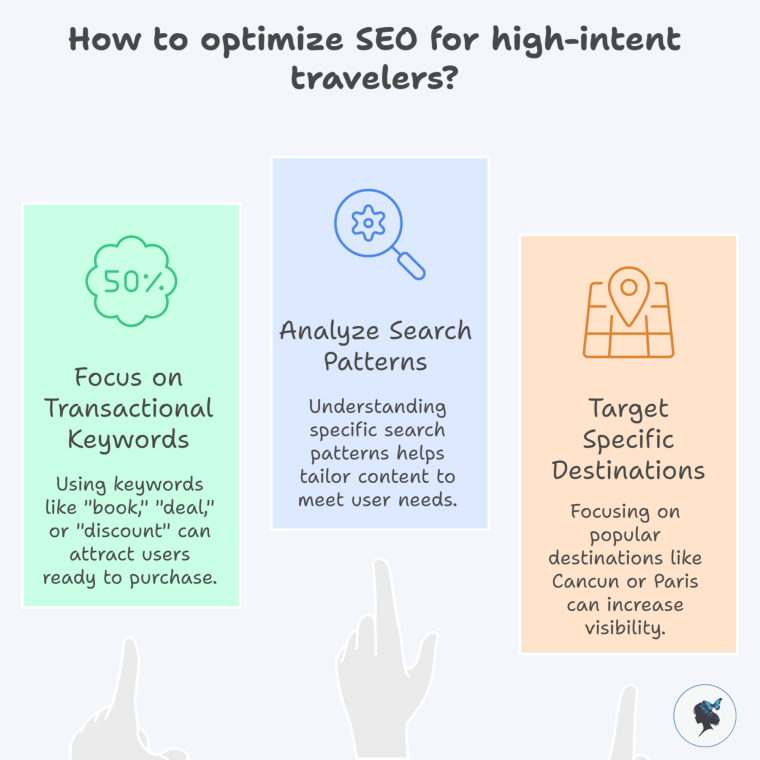
High-intent travelers exhibit specific behaviors and search patterns that indicate readiness to purchase, such as searching for “best family resorts in Cancun” or “last-minute flight deals to Paris.” Unlike informational searches like “how to travel on a budget,” high-intent queries often include transactional keywords like “book,” “deal,” or “discount.” Recognizing this intent helps tailor SEO strategies to capture these valuable visitors. Research shows that approximately 70% of consumers perform online searches before making travel decisions.
More about search intent here.
Keyword Research for High-Intent Travel Searches
Effective keyword research identifies terms travelers use when ready to book. Tools like Google Keyword Planner, Ahrefs, and Semrush help uncover keywords with high search volume and buying intent. Long-tail keywords, though less searched, often signal strong purchase intent and lower competition—like “luxury honeymoon resorts in Bali with ocean view.” Targeting these can attract niche audiences and improve conversion rates. According to Ahrefs, long-tail keywords account for over 70% of all web searches.

More about mastering long-tail keywords here.
On-Page SEO Strategies to Capture High-Intent Traffic
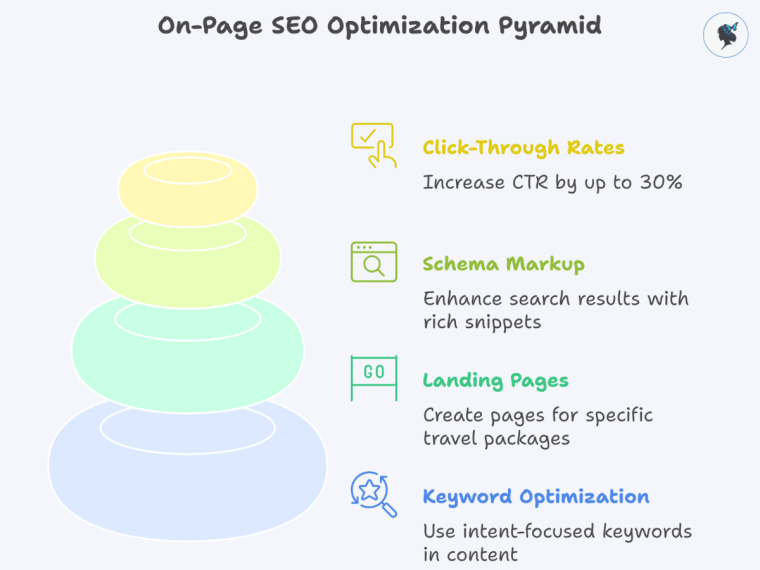
Optimizing on-page elements ensures search engines and travelers understand your offerings. Use intent-focused keywords in meta titles, descriptions, headers, and URLs. Create dedicated landing pages for specific destinations or travel packages to match searcher intent directly. Implementing schema markup enhances search result appearance with rich snippets, increasing click-through rates by up to 30%.
More about on-page SEO here.
Content Creation to Nurture and Convert High-Intent Leads
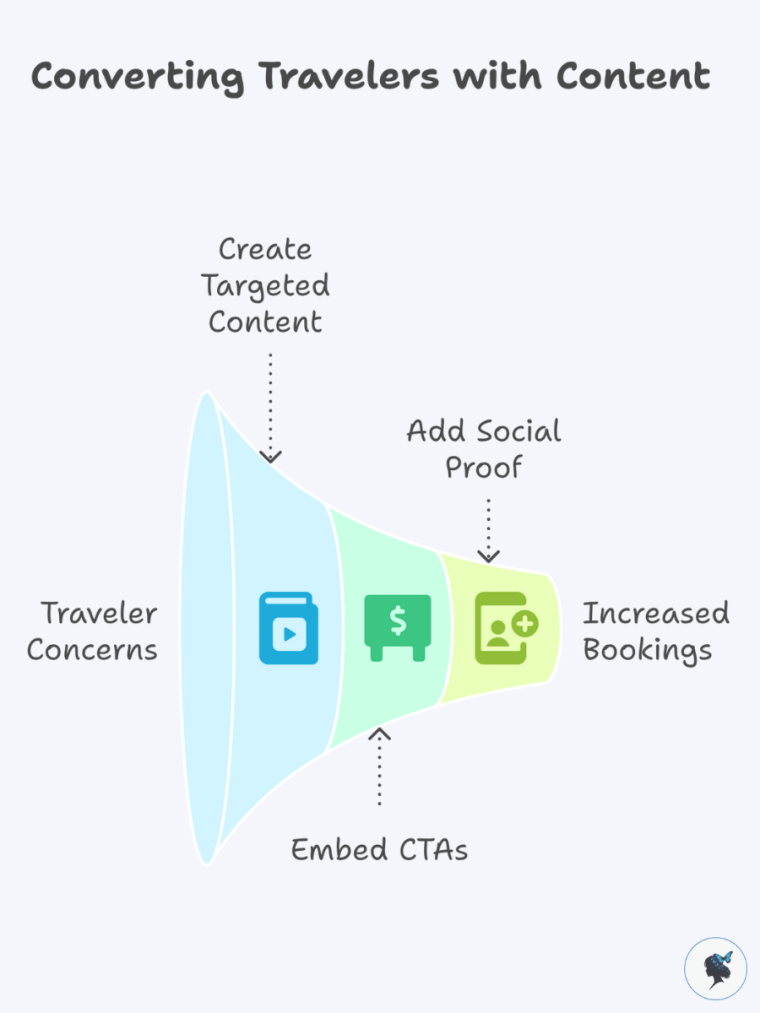
High-quality, targeted content addresses traveler concerns and drives conversions. Write blog posts, guides, and FAQs that solve problems—like “What to pack for a Caribbean cruise” or “Cancellation policies for last-minute bookings.” Embed clear calls to action (CTAs) such as “Book now” or “Request a free quote.” Including testimonials and user reviews adds social proof, building trust and encouraging bookings. Studies reveal that 92% of travelers read reviews before making a booking.
More about trust signals here.
Technical SEO and User Experience
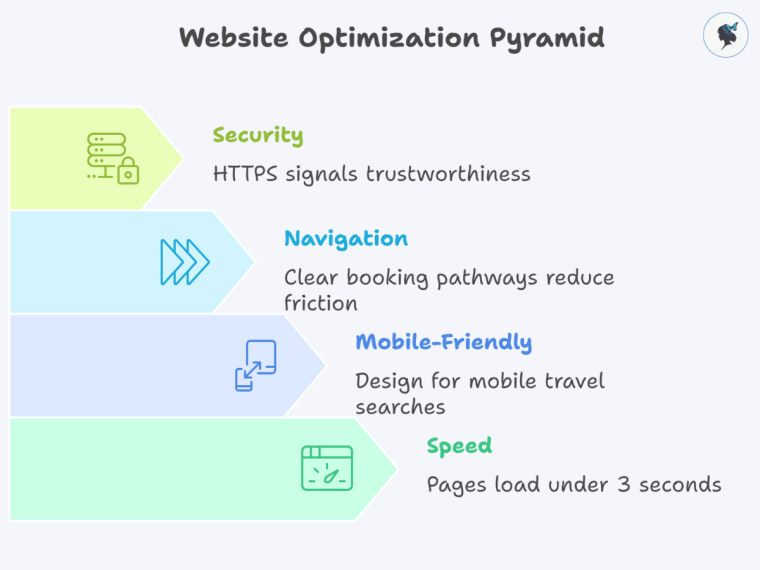
A smooth, fast, and secure website enhances user experience and supports SEO rankings. Ensure your pages load quickly—Google recommends under 3 seconds—as slow sites increase bounce rates. Mobile-friendly design is essential, with over 60% of travel searches occurring on mobile devices. Clear navigation and easy booking pathways reduce friction, while HTTPS security signals trustworthiness to both users and search engines.
More about mobile optimization here.
Local SEO for Geo-Targeted High-Intent Travelers
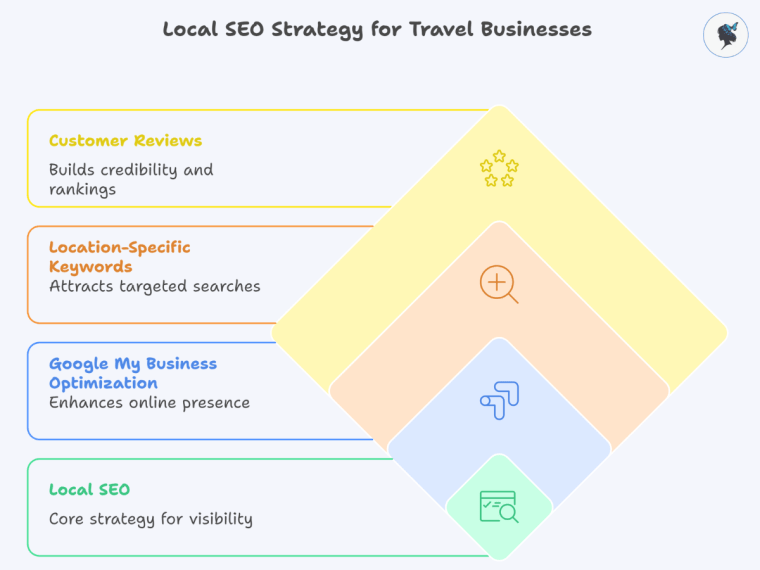
Local SEO is vital for travel businesses targeting specific destinations or nearby customers. Optimize your Google My Business profile with accurate info, photos, and up-to-date offers. Use location-specific keywords such as “best hotel in downtown Miami” to attract geo-targeted searches. Encourage happy customers to leave positive reviews, which improve local rankings and credibility. Seoprofy reports that 72% of consumers who did a local search visited a store within 5 miles.
Read our ultimate guide to local SEO here.
Measuring SEO Success in Attracting High-Intent Travelers
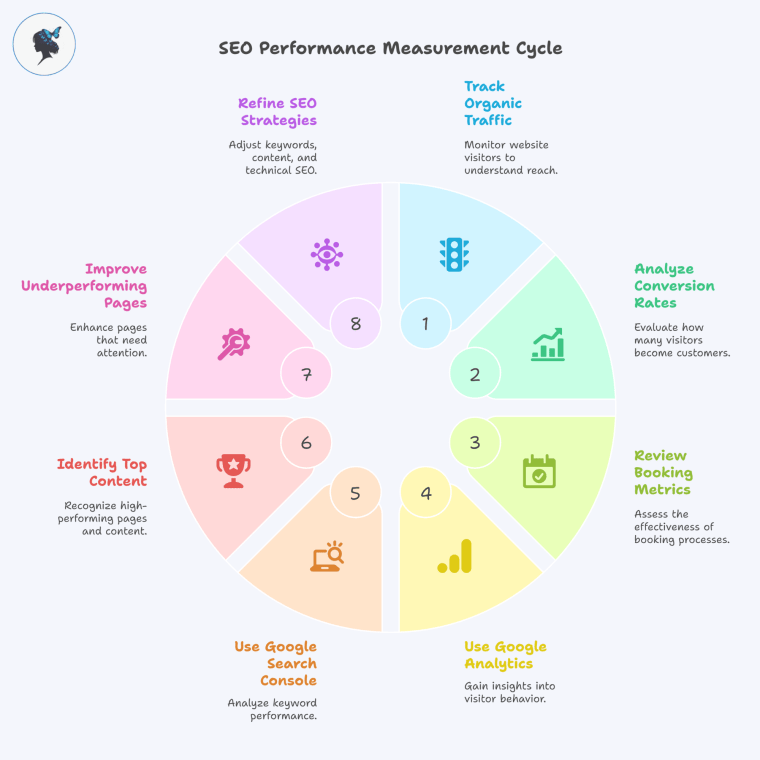
Tracking organic traffic, conversion rates, and booking metrics allows you to gauge SEO effectiveness. Use Google Analytics to monitor visitor behavior and Google Search Console for keyword performance insights. Regularly reviewing these metrics helps identify top-performing content and pages needing improvement. Data-driven marketers are 6 times more likely to be successful in digital marketing. Use these insights to refine keywords, content, and technical SEO for continuous growth.
Conclusion & Next Steps
SEO is a powerful tool to attract high-intent travelers actively searching for travel options. By understanding traveler intent, conducting focused keyword research, optimizing on-page and technical SEO, creating targeted content, and leveraging local SEO, travel brands can capture ready-to-book audiences effectively. Start with a comprehensive SEO audit and keyword strategy to align your efforts. Continual measurement and adaptation ensure your SEO drives consistent bookings and long-term growth.
Contact us today for your FREE SEO audit!
Discover more from Wander Women Strategies
Subscribe to get the latest posts sent to your email.

5 thoughts on “The Role of SEO in Attracting High-Intent Travelers”
Comments are closed.