
▶ Table of Contents
Introduction
In today’s competitive travel industry, building and maintaining strong customer relationships is essential. Customer Relationship Management (CRM) systems have become invaluable tools for travel brands aiming to provide personalized experiences, streamline operations, and drive growth. A CRM helps travel companies organize and leverage customer data to enhance service quality and boost sales. According to Salesforce, 79% of consumers say it’s important for brands to understand their needs, making CRM adoption crucial for success.
Centralized Customer Data Management
A CRM consolidates customer information from various touchpoints such as website inquiries, social media interactions, and booking platforms into one unified database. This centralized data enables travel brands to gain a complete, 360-degree view of each traveler’s preferences, past trips, and communication history.
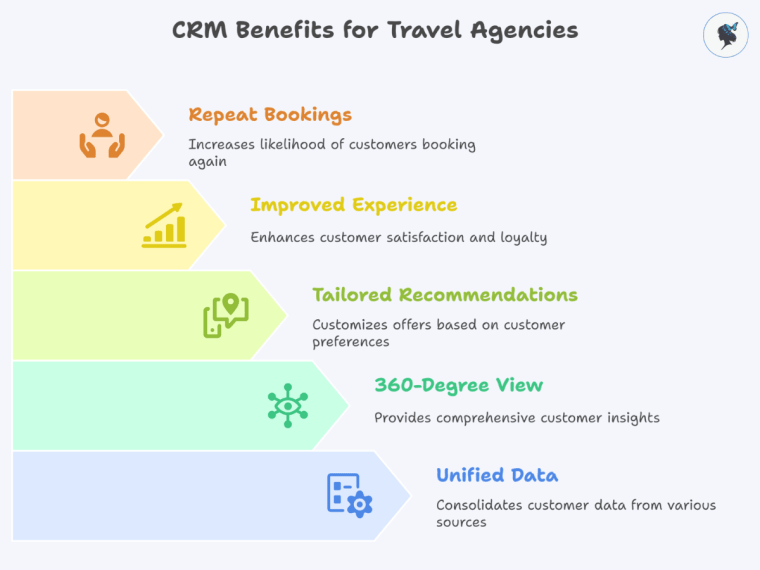
For example, a travel agency can track that a customer prefers beach vacations and has booked trips to the Caribbean before. With this insight, the agency can tailor future recommendations and marketing messages, improving the customer experience and increasing the likelihood of repeat bookings.
Enhanced Customer Segmentation and Targeting
CRMs empower travel brands to segment customers based on demographics, booking behavior, travel interests, and more. This segmentation allows marketers to create highly targeted campaigns that resonate with specific traveler groups.
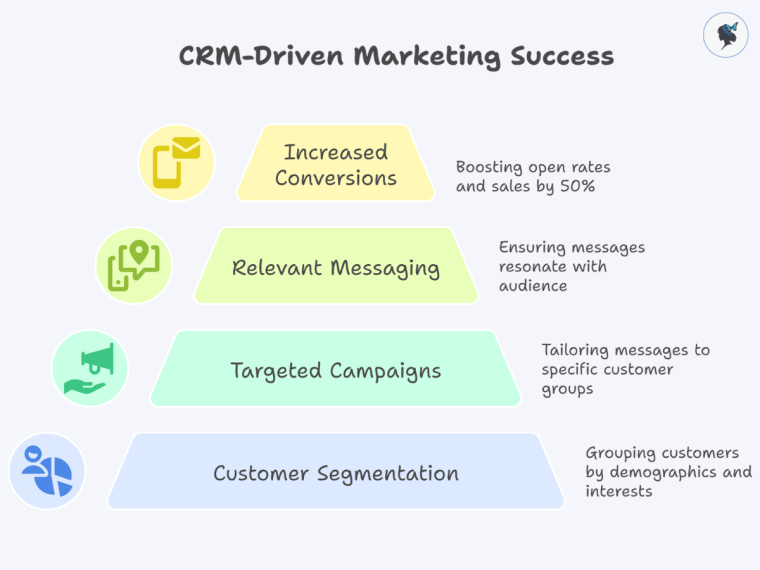
Imagine a campaign promoting luxury safari tours to affluent adventure travelers, while simultaneously sending family vacation package offers to customers with children. Segmenting your audience leads to more relevant messaging, which can increase open rates and conversions by over 50%.
Improved Communication and Customer Service
Effective communication is key to traveler satisfaction. CRMs enable automated yet personalized messages such as booking confirmations, reminders, travel tips, and post-trip surveys. Automated workflows ensure timely follow-ups without manual effort.
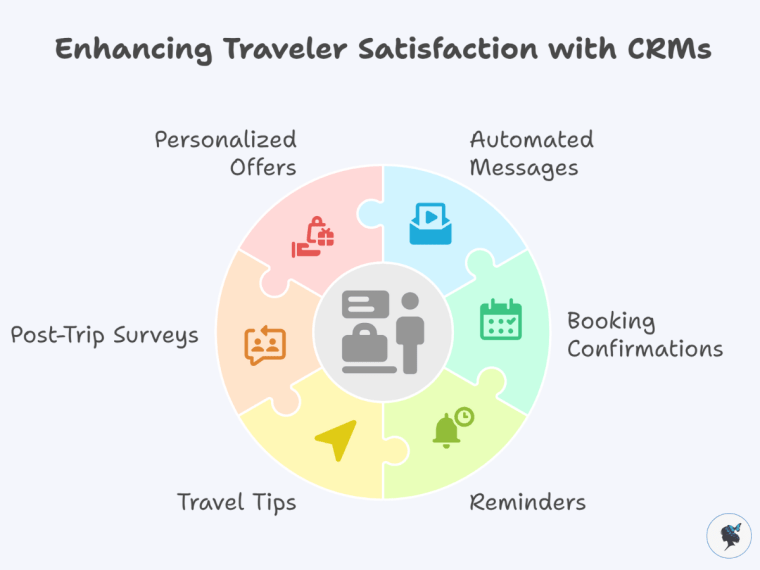
For instance, a CRM can send a friendly reminder about travel documents a week before departure or offer a special discount for a customer’s next trip based on their booking history. This proactive communication fosters trust and loyalty, which can boost customer retention rates by 20%.
Streamlined Sales and Booking Processes
CRMs help travel companies efficiently manage leads, track bookings, and monitor sales pipelines. Integrations with booking engines and payment gateways enable a seamless workflow from inquiry to final purchase.

For example, a corporate travel service can use its CRM to track group bookings, assign sales reps, and ensure timely follow-up for contract renewals. This organized process reduces booking errors and shortens sales cycles, increasing revenue and customer satisfaction.
Data-Driven Decision Making
The analytics capabilities within CRMs provide valuable insights into customer behavior and market trends. Travel brands can analyze which destinations are trending, identify peak booking times, and understand customer lifetime value.
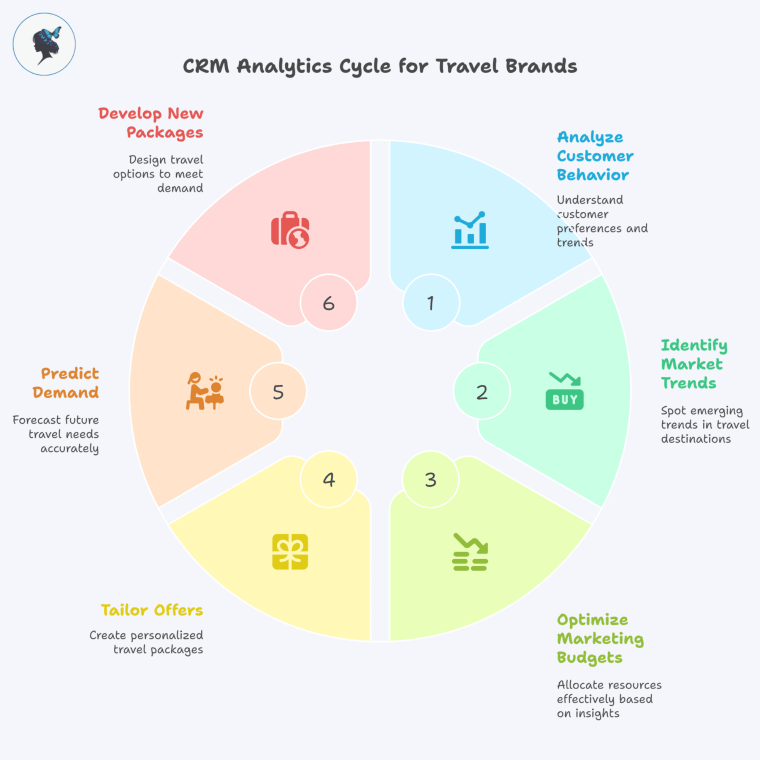
By leveraging these insights, companies can optimize marketing budgets, tailor offers, and predict demand more accurately. For instance, spotting a surge in interest for eco-tourism trips could prompt a travel brand to develop new packages to meet customer demand, gaining a competitive edge.
Building Customer Loyalty and Retention
Repeat customers are the backbone of sustainable travel businesses. CRMs help brands implement loyalty programs, track rewards, and send personalized offers to encourage repeat bookings.
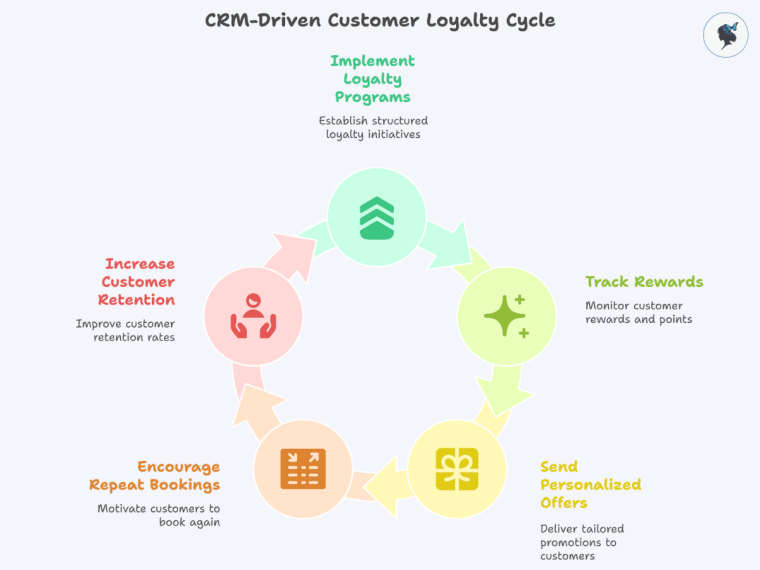
For example, a travel company might use CRM data to send a special discount on a client’s travel anniversary or early access to new tour packages. According to Invesp, increasing customer retention rates by just 5% can increase profits by 25-95%.
Scalability and Growth Support
As your travel brand grows, managing an expanding customer base across multiple channels becomes complex. CRMs scale with your business, handling larger data volumes and supporting omnichannel marketing strategies.
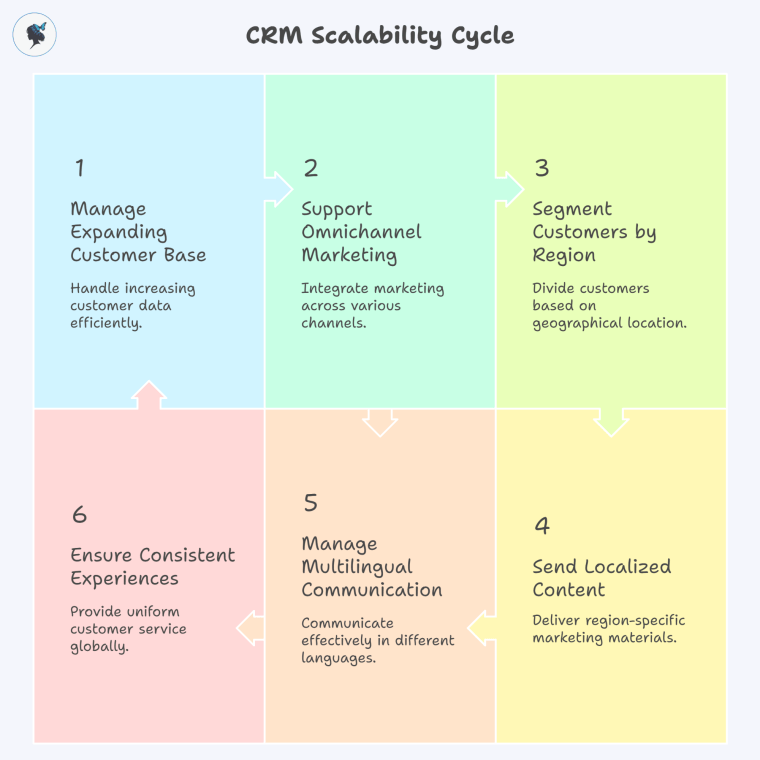
For example, an international travel agency can use a CRM to segment customers by region, send localized content, and manage communication in different languages. This scalability ensures consistent, personalized experiences for customers worldwide.
Conclusion
A CRM is not just a software tool but a strategic asset for any travel brand aiming to enhance customer relationships, improve operational efficiency, and drive revenue growth. By centralizing customer data, enabling targeted marketing, automating communication, and providing actionable insights, CRMs empower travel companies to deliver memorable experiences that keep travelers coming back.
If your travel brand hasn’t adopted a CRM yet, now is the time to start. The investment in technology and process can pay off through increased customer satisfaction, loyalty, and profitability.
Need help to choose the right CRM? Contact us today!
Discover more from Wander Women Strategies
Subscribe to get the latest posts sent to your email.
