

▶ Table of Contents
- Introduction
- Understanding Evergreen Content for Travel Destinations
- Why Build a Destination Content Hub
- Structuring a Seasonal Evergreen Content Hub
- Maintaining Seasonal Relevance
- Integrating User‑Generated Content (UGC)
- Promoting and Leveraging Seasonal Hubs
- Measuring Success and Iterating
Introduction
In the fast‑moving world of travel content, where every destination feels ten minutes away from being “over‑covered,” a smart approach is to build evergreen destination seasonal content hubs. These hubs combine the stability of timeless content with the freshness of seasonal relevance — creating resources that attract search engine traffic, engage travellers consistently, and stay top‑of‑mind year after year.
Why bother? Evergreen content continues to deliver long after publication; in fact, for many websites, evergreen content consistently drives more than a third of total organic traffic. In travel specifically, with seasonal patterns and shifting consumer habits, this hybrid approach of evergreen + seasonality gives you both resilience and relevance.
Wander Women Hot Tip: Start with a “destination hub” strategy rather than hundreds of disconnected blog posts. Think big, centralised, modular — build the library now so that future updates are smoother.
Understanding Evergreen Content for Travel Destinations
1. What Makes Content Truly Evergreen in Travel

- Evergreen travel content covers topics that remain relevant regardless of year, season, or fleeting trends: e.g., “How to get to X destination,” “What you must pack for X,” “Cultural norms and local etiquette in X.”
- It avoids being too tied to a fixed date (e.g., “Summer 2025 deals”) and instead focuses on enduring user needs.
- In a travel‑destination hub, evergreen pieces can be the “core” of the hub: destination overview, transport and logistics, “must sees,” best time to go (with caveats), local culture, food, safety tips, etc.
2. SEO Benefits of Evergreen Content

- Because it remains relevant, evergreen content drives consistent organic traffic. Search engines favour pages that continue to satisfy user intent, rather than topics that die out.
- Evergreen pages give excellent internal‑linking opportunities (they become pillars that link out to seasonal or more specific pieces). That strengthens your site architecture and authority.
- You save resources: you don’t have to constantly churn brand‐new content; instead you maintain and update. One guide noted companies prioritising evergreen content see a 5× higher return on investment than those focusing only on trend‑based content.
Wander Women Hot Tip: Identify 8–12 evergreen “pillar” pages for each destination (e.g., Getting There, Where to Stay, Food & Drink, Culture & Customs, Best Time to Visit, Practical Tips). These become the foundation of your hub. Then seasonal content layers on top.
Why Build a Destination Content Hub
1. Benefits Over Stand‑alone Blog Posts
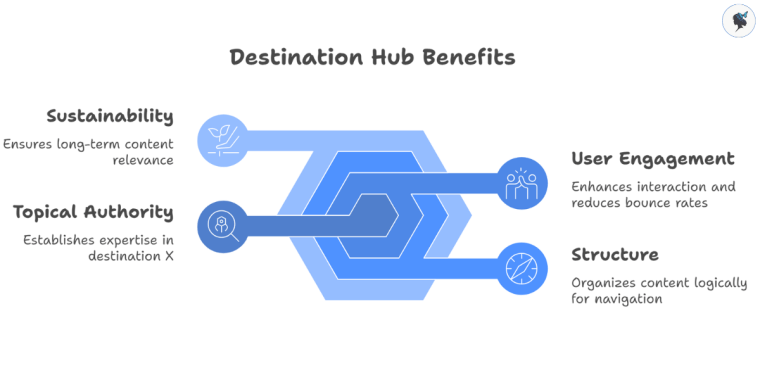
- A hub creates structure: instead of random blog posts, you have a parent page (“destination hub”) and child pages (evergreen + seasonal) that nest logically.
- Search engines see this structure as topical authority: you’re demonstrating your site knows all about destination X, not just that you occasionally wrote about it.
- For users, it’s better: if someone lands on your hub for “Visit X”, they find everything in one place — not just a blog post bouncing them out. This increases engagement, time on site, and reduces bounce rates.
- Stand‑alone posts may generate a short‑term spike but then fade. A hub is more sustainable.
More about content clusters (hubs) here.
2. How Content Hubs Improve User Experience
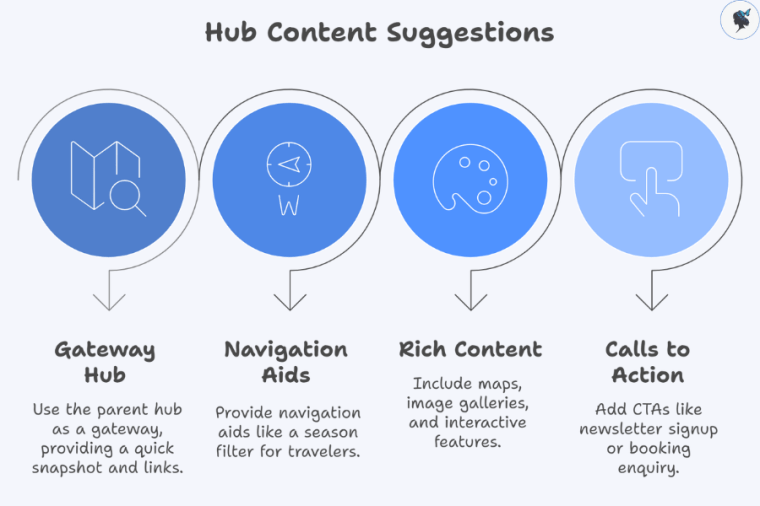
- Use the parent hub as a gateway: quick snapshot of destination + links to deeper dives (seasonal activities, upcoming festivals, itineraries, FAQs).
- Provide navigation aids: e.g., a “Select your season” filter so travellers see what to do in spring vs winter.
- Include rich content: maps, image galleries, interactive features (quiz: “Which season at X fits you best?”).
- Add CTAs (calls to action): newsletter signup for seasonal updates, booking enquiry, user photo gallery submission.
Wander Women Hot Tip: Design the hub UI/UX like a mini‑magazine: think “Explore Destination X” homepage with cards for each season, “In this month”, “Insider tips”, “Traveller stories.” Make it visually appealing and scannable.
Structuring a Seasonal Evergreen Content Hub
1. Hub Architecture and Layout
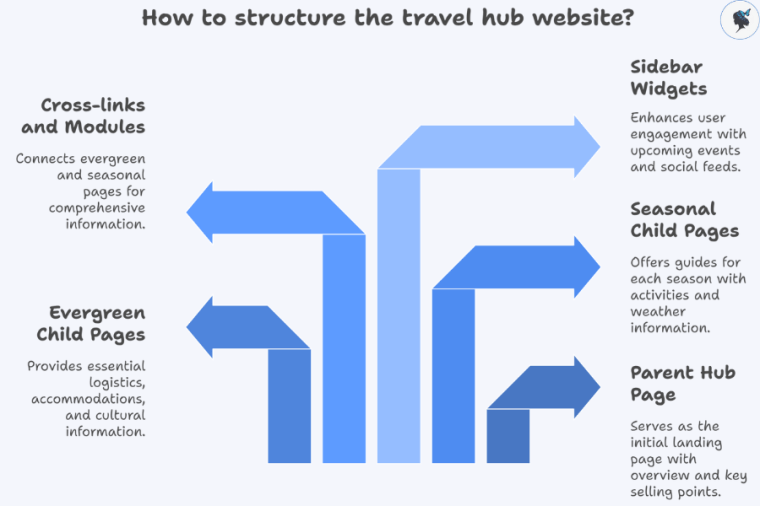
- Parent Hub Page: the first destination page a traveller lands on. It includes the overview, key selling points (“Why go here”), quick links to seasons, top experiences, and a “Start planning” CTA.
- Child Pages — Evergreen Layer: logistics (how to get there, travel documents), accommodations, local culture, cuisine, “must‑do experiences”.
- Child Pages — Seasonal Layer: each major season (Spring, Summer, Autumn, Winter) gets its own guide: best activities, events, weather guide, seasonal pros & cons, suggested itineraries.
- Cross‑links and modules: On each seasonal page, link back to the evergreen pages (“Need to know about travel documents? Visit our logistics guide”). Likewise the evergreen page can link to each seasonal page (“Check what’s happening this winter”).
- Sidebar / module widgets: “Upcoming festival in X”, “Traveller photo of the month”, social feed.
- Consider a year‑round calendar of events embedded or linked.
2. Balancing Evergreen and Seasonal Content
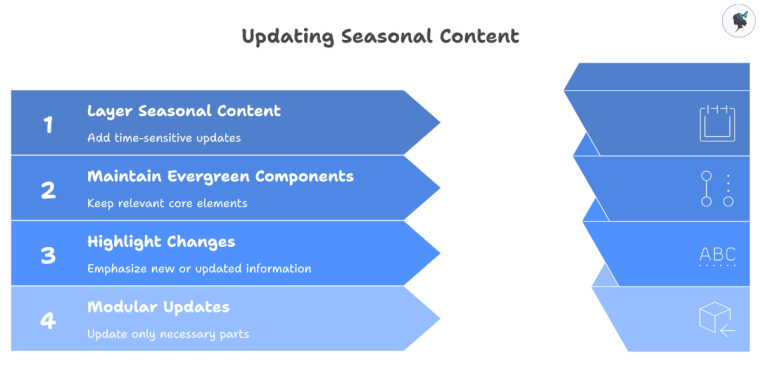
- Start with the evergreen core — this remains mostly stable year‑to‑year.
- Then layer seasonal content — which may require annual updates (dates of festivals, seasonal deals, weather variations, new experiences).
- Ensure seasonal pages maintain some evergreen components (e.g., “Spring in X: what you can do” still relevant from year to year) but highlight what changes.
- Use a modular update approach: only parts of the seasonal pages change (dates, deals, new venues); rest remains. That keeps maintenance manageable.
3. Internal Linking Strategy
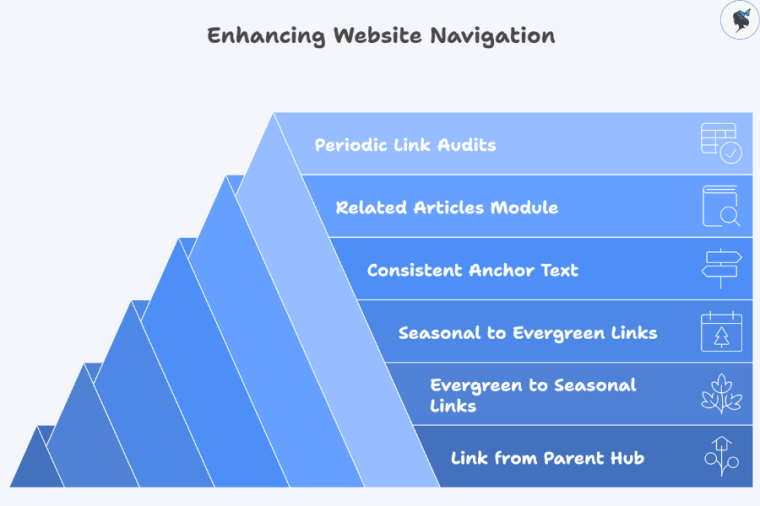
- Link from parent hub – evergreen pages – seasonal pages.
- On evergreen pages, include “Explore this destination by season” links.
- On seasonal pages, include “Also check: full destination guide” links.
- Use consistent anchor text: e.g., “Visit X in autumn” or “Autumn activities in Destination X”.
- Use a “Related articles” module at bottom of every page to suggest deeper reads (which helps dwell time).
- Perform periodic audits of links to ensure seasonal pages still point to correct evergreen pages and vice versa.
Wander Women Hot Tip: Set up a mini‑site‑map or interactive menu within the hub that lets users jump to “Summer activities”, “Winter festivals”, “Family travel”, etc. The clearer your internal linking, the more search engines (and travellers) see the depth of your coverage.
Maintaining Seasonal Relevance
1. Updating Content for Each Season
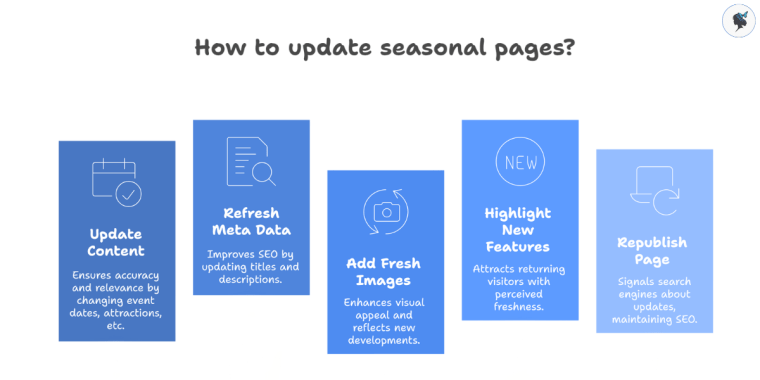
- At set intervals (quarterly or annually), review each seasonal page: update event dates, new attractions, closures, weather data, deals.
- Refresh meta titles/descriptions when changes occur (e.g., “What’s new for Autumn 2026 in Destination X”).
- Add fresh images or user‑submitted photos to reflect updates (e.g., new festival venue).
- Highlight “What’s new this season” inside each seasonal page — creates perceived freshness for returning visitors.
- Republish or refresh the page (even if URL remains same) to signal search engines it’s current.
2. Automating Seasonal Updates
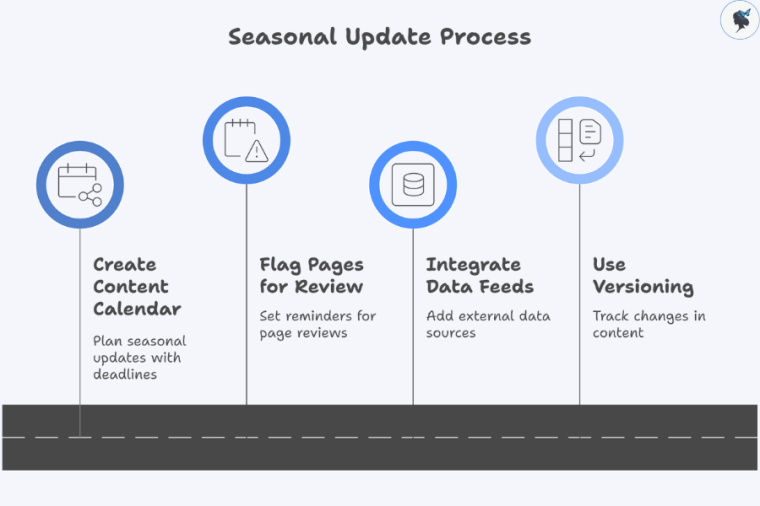
- Maintain a content calendar: at the start of the year list all hubs + seasonal updates with deadlines.
- Use CMS features to flag when a page is due for review (6‑12 months after last update).
- Consider integrating data feeds: e.g., event partner API, weather service widget, local tourism board feed for upcoming events.
- Use versioning: keep a revision log so you know what changed from last season — helpful during audits.
Wander Women Hot Tip: Create a “Seasonal update checklist” for each destination: events, weather, closures, new attractions, traveller tips changes. Use it year after year with tweaks — saves time and ensures nothing is overlooked.
Integrating User‑Generated Content (UGC)
1. Benefits of UGC in Travel Content
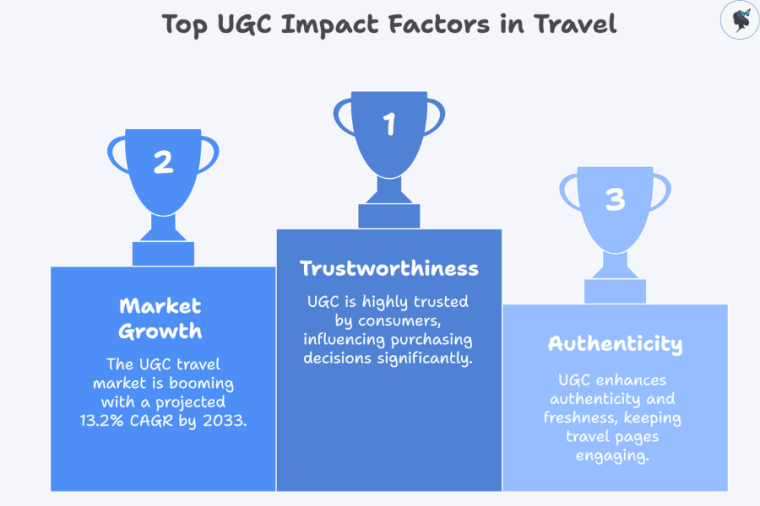
- UGC is seen as highly trust‑worthy: a study found 79% of consumers say user‑generated content significantly influences their purchasing decisions.
- In the travel market, the global user‑generated content for travel market size was US$10.4 billion in 2024, with a projected compound annual growth rate (CAGR) of 13.2% out to 2033.
- UGC enhances authenticity and freshness, and when naturally embedded in a hub, keeps pages alive and engaging.
Read our post: Use User‑Generated Content as SEO Assets
2. Sources of UGC
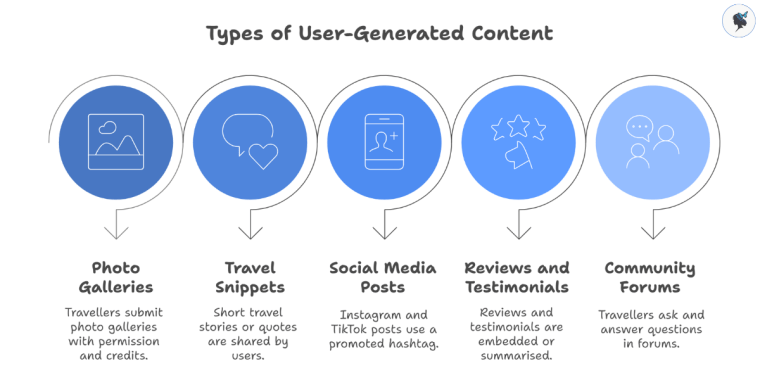
- Photo galleries submitted by travellers (with permission/credits).
- Short travel‑story snippets or quotes (“I loved sunrise at X”).
- Instagram / TikTok posts using a hashtag you promote (e.g., #MyTripToX).
- Reviews and testimonials — embed or summarise within seasonal/evergreen pages.
- Community Q&A or forums on your site: travellers ask and answer.
3. Displaying UGC Effectively
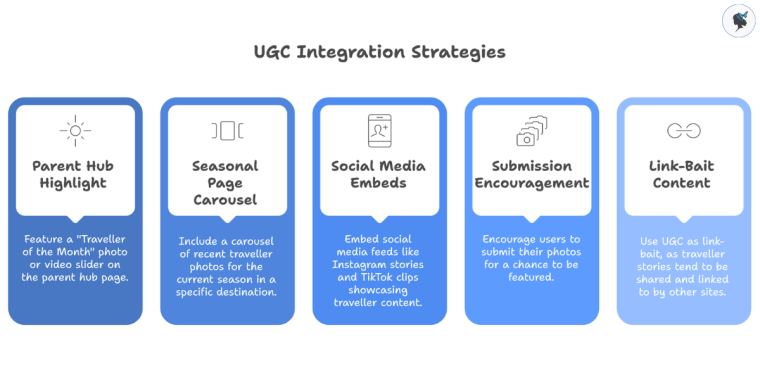
- On the parent hub page: highlight a “Traveller of the Month” photo or video slider.
- On seasonal pages: include a carousel of “Recent traveller photos this (season) in Destination X”.
- Embed social media feeds (Instagram stories, TikTok clips) with traveller content.
- Encourage submission by offering spotlight features (“Submit your photo and be featured”).
- Use UGC as link‑bait: published content with traveller stories tends to be shared and linked to by other sites.
Wander Women Hot Tip: Create a monthly “UGC roundup” blog/article inside the hub: “5 real traveller stories from this season at Destination X” — this keeps content fresh, supports the hub and encourages community participation.
Promoting and Leveraging Seasonal Hubs
1. Social Media Integration
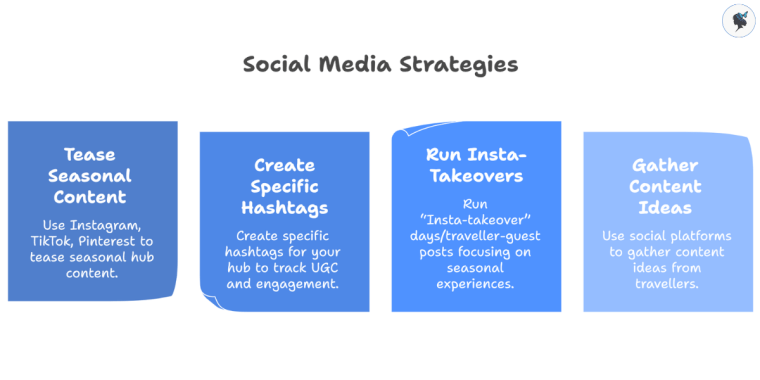
- Use Instagram, TikTok, Pinterest to tease seasonal hub content: e.g., short video “Top winter tips for Destination X”, linking to the seasonal page. Note that travel‑related content on TikTok has increased by about 410% since 2021.
- Create specific hashtags for your hub (e.g., #ExploreXSpring2026) to track UGC and engagement.
- Run “Insta‑takeover” days/traveller‑guest posts focusing on seasonal experiences at the destination.
- Use social platforms to gather content ideas: ask travellers “What are your top tips for Destination X in autumn?” and then build blog content from that.
2. Email Marketing & Newsletter Tie‑Ins

- Segment your email list by interest or season (e.g., subscribers interested in “Summer X”).
- Send a seasonal hub update email: “What’s new for summer 2026 at Destination X” linking into the hub.
- Use evergreen content as the basis for an automated “Welcome sequence” for new subscribers (“Start with our ultimate destination guide”) and then nurture into seasonal offers.
3. Cross‑Promotion Across Platforms
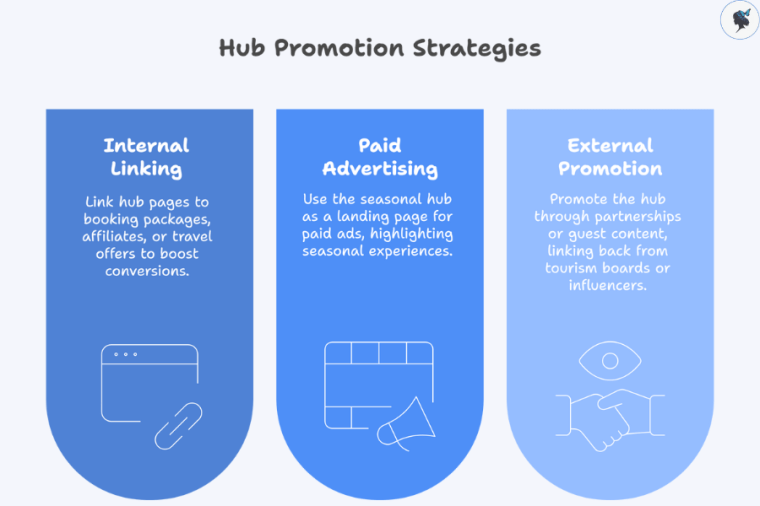
- Link from hub pages to your booking/itinerary packages, affiliate partners, or travel‑offer pages — this increases conversion opportunities.
- Use the seasonal hub as a campaign landing page for paid ads: e.g., “Visit X this winter – see our winter hub and book the best experiences”.
- Promote the hub in partnerships or guest‐content: have local tourism boards or influencers link back into your hub.
Wander Women Hot Tip: Treat each seasonal page like a micro‑campaign asset: plan one social post, one community challenge (e.g., share your winter hiking photo), one newsletter trigger, one site update per season. That creates a rhythm.
Measuring Success and Iterating
1. Key Metrics to Track
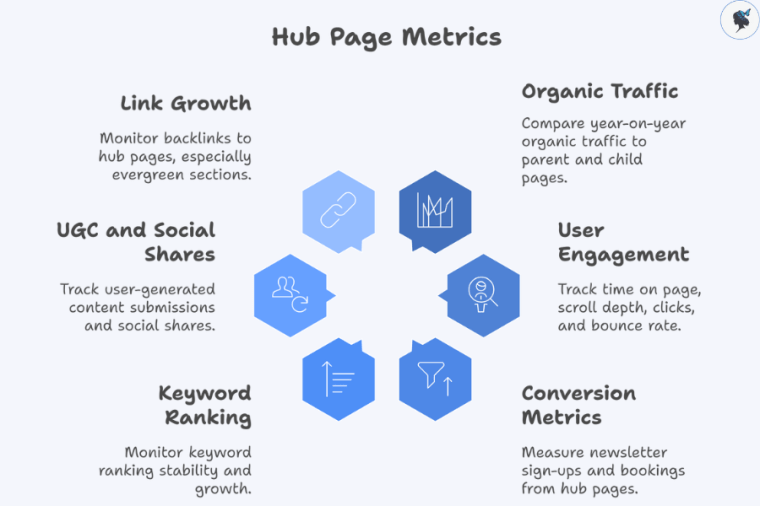
- Organic traffic to the parent hub page and each seasonal child page (compare year‑on‑year).
- User engagement metrics: average time on page, scroll depth, clicks to other hub pages, “bounce” from hub.
- Conversion metrics (if applicable): newsletter sign‑ups, enquiries/bookings from hub pages.
- Keyword ranking stability/growth for core evergreen and seasonal keywords.
- UGC submission volume and social shares of hub content.
- Link growth/backlinks to hub pages (especially evergreen sections).
2. Continuous Improvement
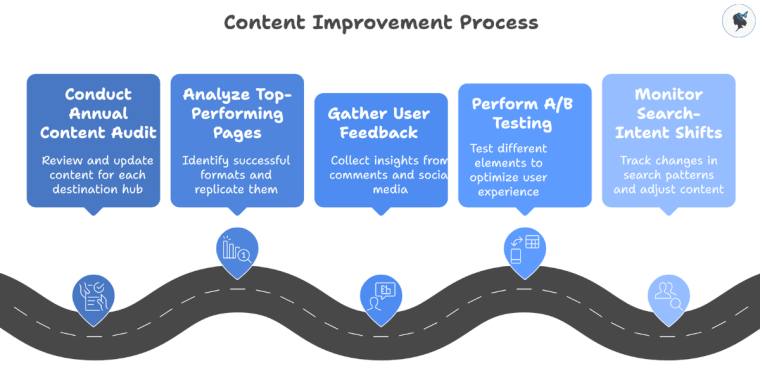
- Perform an annual content audit for each destination hub: update what’s outdated, remove links to dead external pages, correct event dates.
- Review top‑performing pages (seasonal and evergreen) and replicate formats for other destinations.
- Use user feedback: comments, social shares, DMs can hint at what travellers want more of (e.g., “I wish you covered off‑season travel tips”).
- Use A/B testing for CTA placements, interactive modules, UGC display formats.
- Monitor search‐intent shifts: if a seasonal keyword’s search pattern changes, update your page accordingly.
Wander Women Hot Tip: Build a “hub health dashboard” for each destination: seasonal update indicator, link check status, top UGC item this month, traffic vs last year. Review quarterly.
Conclusion
Building and maintaining evergreen destination seasonal content hubs is one of the smartest investments a travel brand can make. You get the enduring power of evergreen content — which drives consistent organic traffic and builds authority over time. And you also gain the relevance and freshness of seasonal content that keeps your destination top of mind with travellers.
By structuring your hub thoughtfully, layering seasonal content on top of an evergreen foundation, integrating user‑generated content and social media, and keeping your updates systematic and measurable, you simultaneously build a resource that helps visitors now and continues helping visitors next year and the year after.
Wander Women Hot Tip: Start now. Pick your priority destinations, build one hub thoroughly — with your pillar pages, seasonal pages, UGC modules — then roll the model out to the next destination. The compounding benefits will snowball.
Need help? Contact us today!
Discover more from Wander Women Strategies
Subscribe to get the latest posts sent to your email.

4 thoughts on “How to Structure and Maintain Evergreen Destination Seasonal Content Hubs for Travel Sites”
Comments are closed.