

▶ Table of Contents
- Why Competitor SEO Analysis Matters More in 2026
- The Tools You’ll Need
- Step 1: Identify Your Real SEO Competitors (5 Minutes)
- Step 2: Analyze Their Best-Performing Pages (7 Minutes)
- Step 3: Review Their Keyword Strategy (5 Minutes)
- Step 4: Evaluate Their Local SEO Presence (5 Minutes)
- Step 5: Look for Trust and Authority Signals (5 Minutes)
- How to Turn Insights Into Action
- Common Mistakes to Avoid
- Final Thoughts
Most small business owners don’t have an SEO problem—they have a visibility problem.
You might be publishing blog posts, updating your website, and posting on social media, yet competitors still appear above you in search results. The good news is that you don’t need a full SEO audit or expensive consulting engagement to understand why.
A focused competitor SEO analysis can reveal what’s working in your market in less than 30 minutes.
That’s important because organic search remains one of the most valuable sources of website traffic. Recent industry research shows that 53% of all website traffic still comes from organic search, while 68% of online experiences begin with a search engine.
The goal isn’t to copy competitors. It’s to identify the strategies already generating visibility, traffic, and customers—and then improve on them.
Here’s a practical framework you can use today.
Why Competitor SEO Analysis Matters More in 2026
Search has become more competitive and more fragmented.
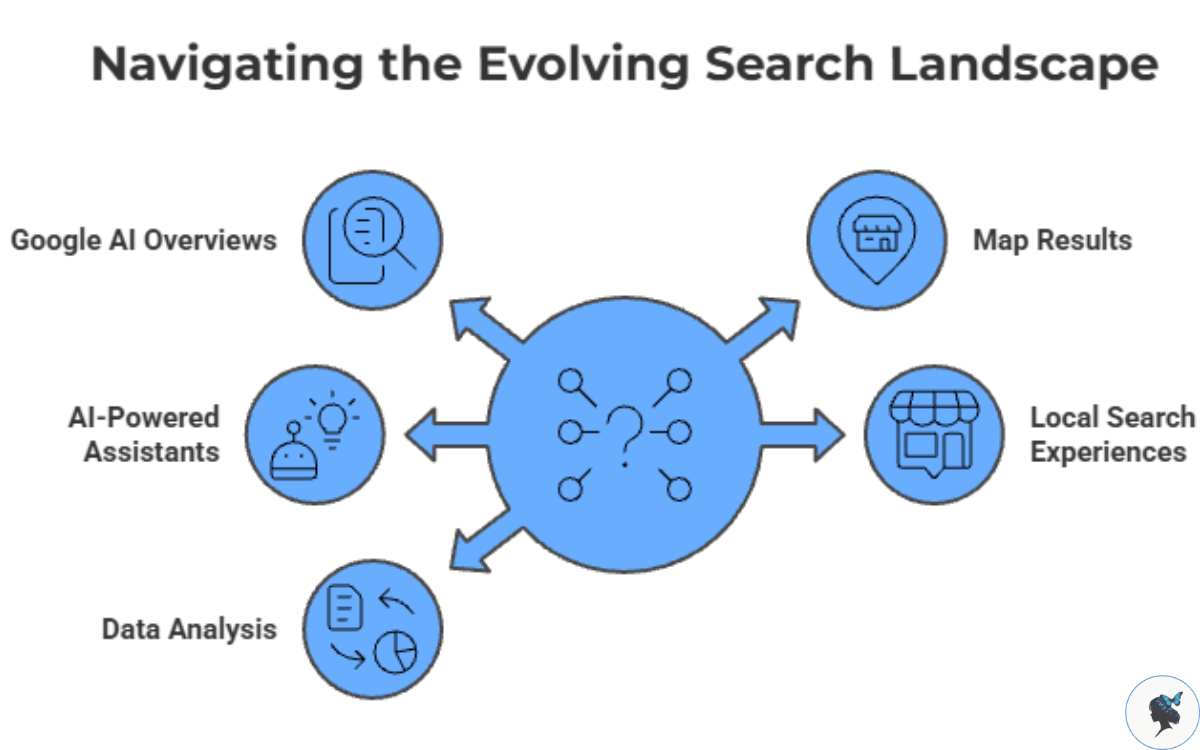
Businesses are no longer competing only for traditional Google rankings. They also need visibility in Google AI Overviews, map results, AI-powered search assistants, and local search experiences. Recent market research shows AI-generated search experiences now influence a growing share of online discovery, while Google AI Overviews appear in a significant percentage of informational searches.
For small businesses, this creates a challenge—but also an opportunity.
Instead of guessing what customers want, you can analyze businesses already winning visibility and uncover patterns you can apply to your own website.
The Tools You’ll Need
The process works with free tools, although paid platforms can speed things up.
Free Tools
Optional Paid Tools
The key is not having more tools. The key is asking better questions.
Step 1: Identify Your Real SEO Competitors (5 Minutes)
Many businesses analyze the wrong competitors.
Your biggest business competitor isn’t always your biggest search competitor.
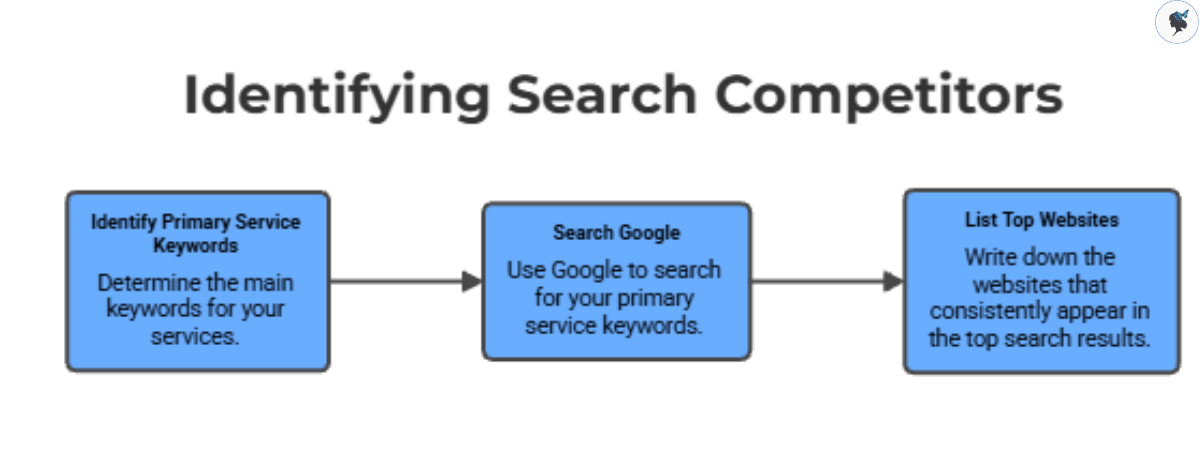
Open Google and search for your primary service keywords.
For example:
- “wedding photographer New York”
- “family lawyer London”
- “best sushi restaurant Tokyo”
Write down the websites that consistently appear in the top results.
Example: New York
A bakery in New York may discover that local competitors aren’t the only sites ranking. Food blogs, event websites, and neighborhood guides may dominate valuable searches such as “best birthday cakes NYC.”
Example: London
A law firm in London may find legal directories outranking individual firms for competitive terms.
The businesses and websites consistently appearing above you are the competitors worth studying first. Limit your analysis to two or three competitors. More than that often creates information overload.
More about competitor identification here.
Step 2: Analyze Their Best-Performing Pages (7 Minutes)
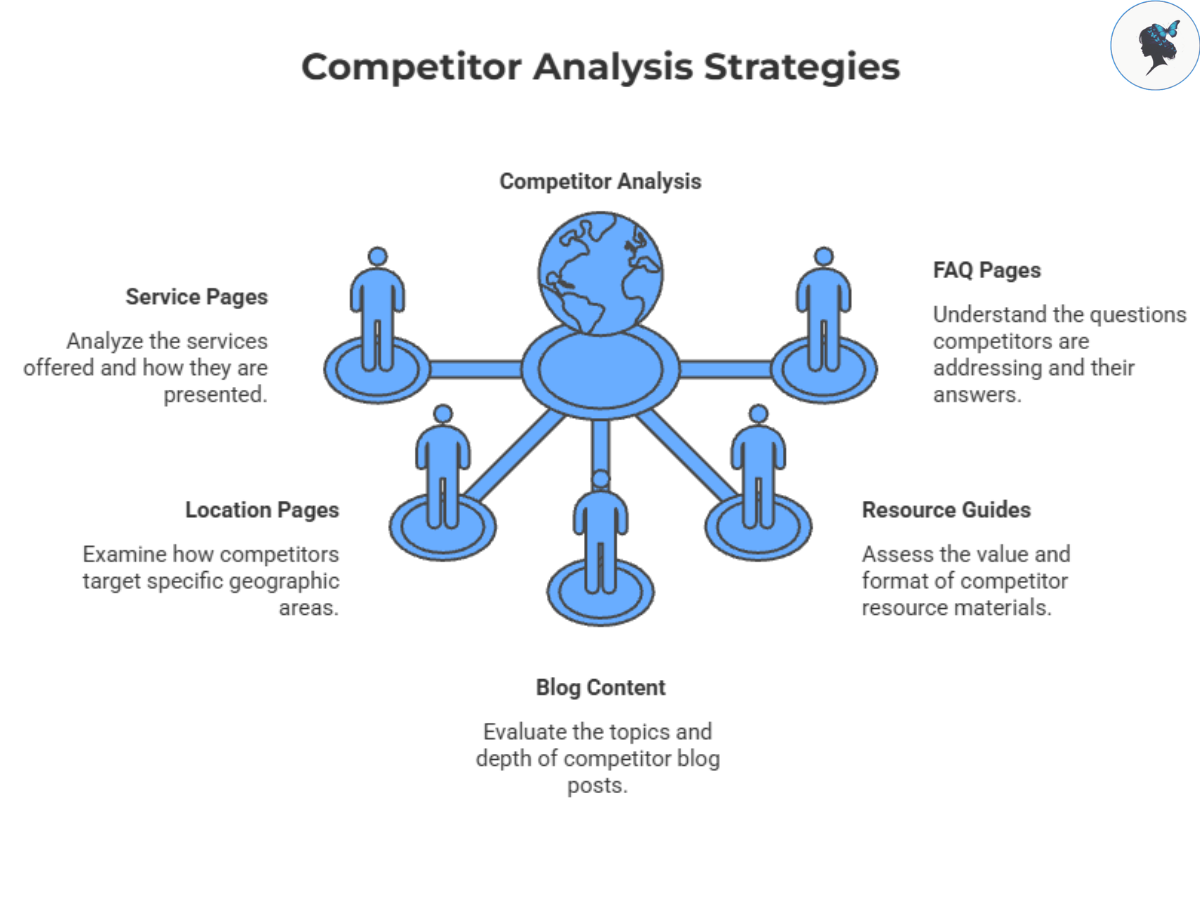
Once you’ve identified competitors, examine the pages that appear most often in search results.
Look for:
- Service pages
- Location pages
- Blog content
- Resource guides
- FAQ pages
Ask yourself:
- What topics are they covering?
- How detailed is the content?
- What questions are they answering?
- How is the page structured?
Example: Tokyo
A restaurant in Tokyo might discover that competitors aren’t just publishing menus. They’re creating neighborhood guides, seasonal dining recommendations, and local food content that attracts search traffic before customers are ready to book.
This reveals an important SEO principle.
Successful competitors often rank because they answer customer questions earlier in the buying journey.
If multiple competitors are covering the same topic, that’s usually a sign of proven search demand.
Step 3: Review Their Keyword Strategy (5 Minutes)
Avoid focusing only on high-volume keywords.
Many small businesses waste time chasing broad phrases that are difficult to rank for and often convert poorly.
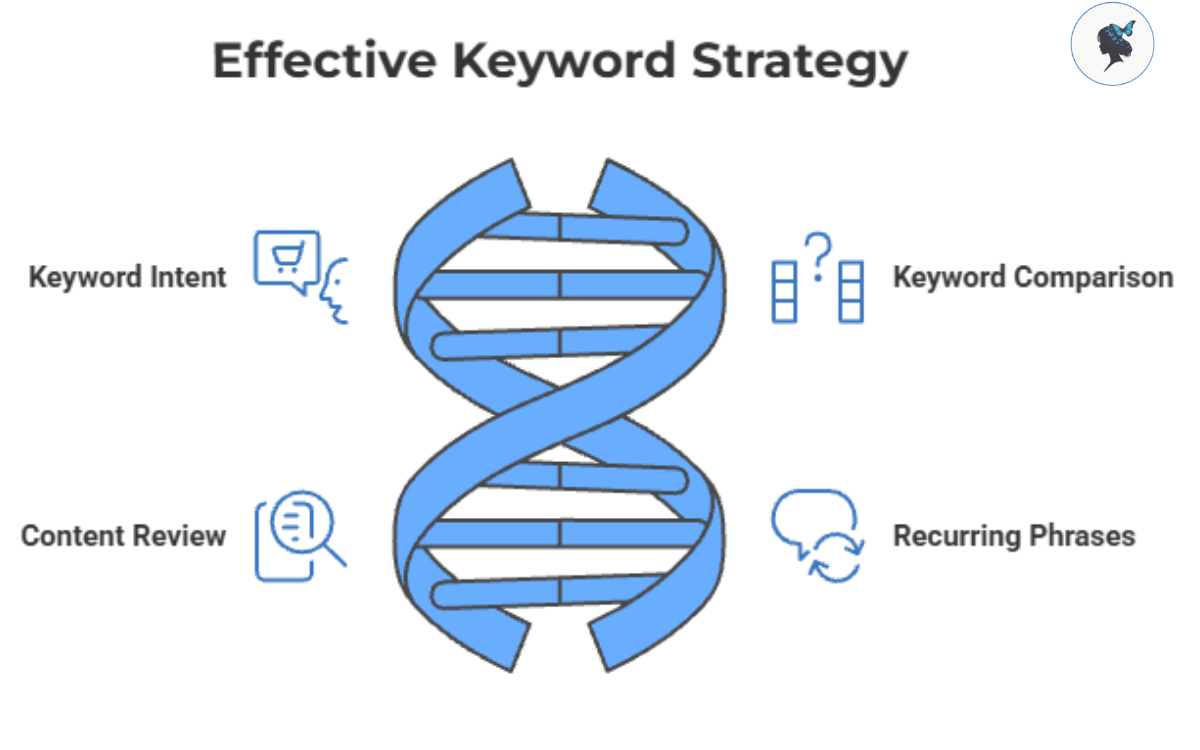
Instead, identify keywords that show clear intent.
Compare:
- “marketing agency”
- “marketing agency for dentists in New York”
Or:
- “coffee shop”
- “coffee shop near London Bridge”
The second examples show stronger buying intent.
Review:
- Page titles
- Headings
- Meta descriptions
- Frequently asked questions
Pay attention to recurring phrases.
If multiple competitors repeatedly target the same terms, they’re probably generating traffic or leads from those searches.
More about competitor keywords here.
Step 4: Evaluate Their Local SEO Presence (5 Minutes)
For many small businesses, local SEO matters more than national rankings.
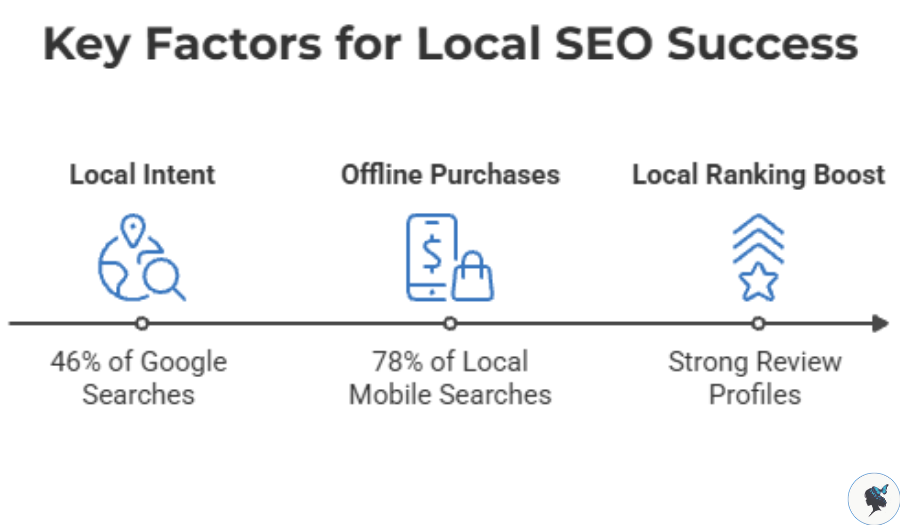
Research shows that 46% of Google searches have local intent, while 78% of local mobile searches result in offline purchases. Additionally, businesses with strong review profiles are significantly more likely to appear in Google’s local results.
Review each competitor’s:
- Google Business Profile
- Reviews
- Photos
- Business descriptions
- Local landing pages
Example: New York
Many businesses create borough-specific pages targeting neighborhoods rather than the entire city.
Example: London
Service providers often optimize pages around individual districts and local landmarks.
Example: Tokyo
Companies frequently target district-level searches instead of city-wide terms.
Notice patterns in reviews as well.
Customers often reveal:
- Common complaints
- Desired features
- Frequently asked questions
- Purchase motivations
These insights can directly influence your content strategy.
Read: the ultimate guide to local SEO.
Step 5: Look for Trust and Authority Signals (5 Minutes)
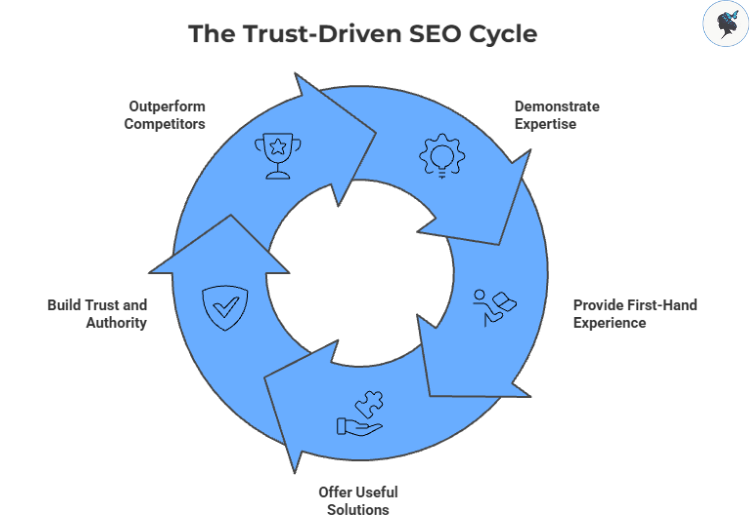
SEO in 2026 increasingly rewards trust, expertise, and authority.
Following recent Google updates, websites that demonstrate genuine expertise, first-hand experience, and provide useful solutions to user problems appear to be outperforming thin, keyword-focused content. Google’s guidance emphasizes “people-first” content and warns against creating pages primarily for search-engine rankings.
Check whether competitors have:
- Media mentions
- Industry partnerships
- Customer case studies
- Testimonials
- Guest articles
- Active social profiles
Ask:
- Where are they getting mentioned?
- What type of content earns engagement?
- What proof points do they emphasize?
Often, the strongest ranking pages aren’t necessarily the most optimized.
They’re the most trustworthy.
More about the role of trust signals here.
How to Turn Insights Into Action
Competitor analysis only matters if you use what you learn.
Start with quick wins.
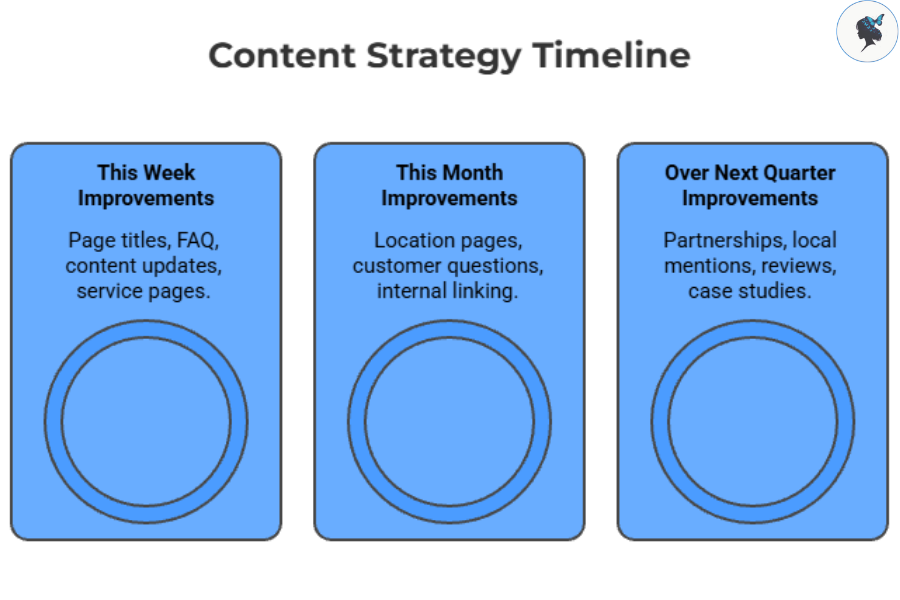
This Week
- Improve page titles.
- Add FAQ sections.
- Update outdated content.
- Expand thin service pages.
This Month
- Create missing location pages.
- Publish content targeting overlooked customer questions.
- Improve internal linking between pages.
Over the Next Quarter
- Build partnerships.
- Earn local mentions.
- Collect more customer reviews.
- Publish case studies and success stories.
One important trend to keep in mind: search visibility is increasingly distributed across traditional search engines, local listings, and AI-powered search experiences. Businesses that create detailed, trustworthy, and source-rich content are more likely to remain visible across all of them.
Common Mistakes to Avoid
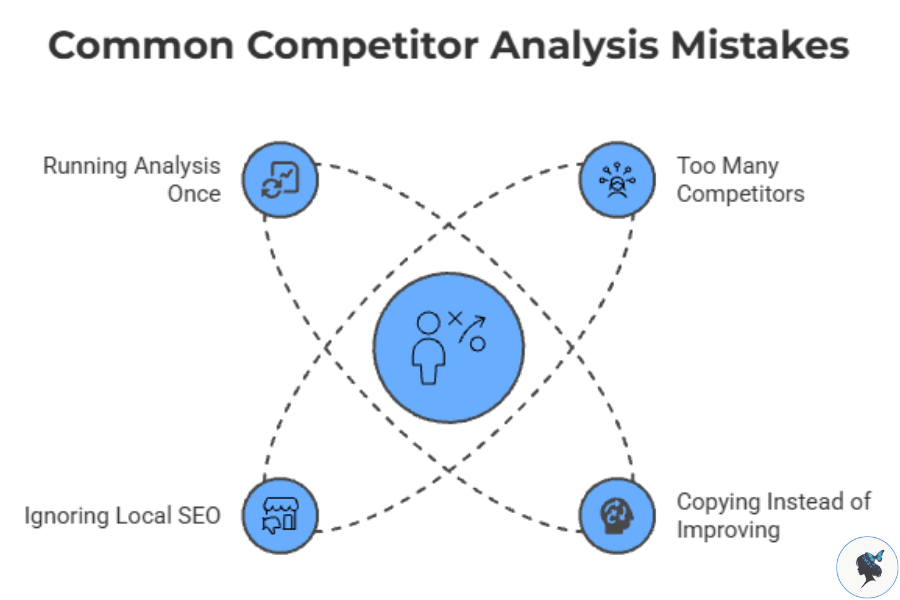
Analyzing Too Many Competitors
Focus on two or three strong competitors rather than ten average ones.
Copying Instead of Improving
Use competitor research for inspiration, not duplication.
Ignoring Local SEO
Nearly half of searches now have local intent. Many small businesses still overlook this opportunity.
Running the Analysis Once
Competitor analysis isn’t a one-time project.
Search behavior changes constantly, especially as AI-generated search experiences evolve. Recent studies show significant shifts in how search engines surface information and how users interact with results.
More common SEO mistakes here.
Final Thoughts
A useful competitor SEO analysis doesn’t require advanced technical knowledge or expensive software.
In 30 minutes, you can identify:
- Which keywords competitors target
- What content performs best
- Where local opportunities exist
- Which trust signals influence rankings
- How customer needs are changing
The businesses that consistently improve search visibility aren’t always the largest. They’re often the ones that pay attention to what’s working in their market and adapt quickly.
Set aside 30 minutes each month to repeat this process.
Over time, you’ll build a clearer understanding of your competitive landscape, discover new opportunities faster, and make smarter SEO decisions based on evidence instead of assumptions.
Need help? Contact us today!
Discover more from Wander Women Strategies
Subscribe to get the latest posts sent to your email.
