BLOG

Creating Social Media Campaigns That Inspire Wanderlust

Social media has transformed the travel industry, offering small and large businesses alike the ability to connect directly with travelers. Platforms like Instagram, TikTok, and Pinterest are ideal for showcasing breathtaking destinations and inspiring wanderlust. But creating a successful social media campaign requires more than just posting stunning photos—it involves strategy, creativity, and engagement.

Here’s how to craft campaigns that captivate audiences and turn dreams into bookings.


▶ Table of Contents
  1. Why Social Media Matters for Travel Businesses
  2. Essential Elements of a Wanderlust-Worthy Campaign
  3. Tips for Platform-Specific Campaigns
  4. Measuring Success
  5. Conclusion

Why Social Media Matters for Travel Businesses

Travel is inherently visual and experiential, making it a perfect match for social media platforms. A well-executed social media campaign can:

  • Boost Brand Awareness: Get your name in front of a larger audience.
  • Drive Website Traffic: Guide users from posts to your website or booking platform.
  • Engage Your Community: Build relationships with followers through comments, shares, and likes.
  • Inspire Bookings: Convert followers into customers by showcasing your unique offerings.

Need some help with your SEO, Content and Social Media strategies?

Check out our packages to start moving in the right direction!

Essential Elements of a Wanderlust-Worthy Campaign

1. Know Your Audience

Understanding your target audience is crucial. Are they budget backpackers, luxury travelers, or adventure seekers? Tailor your content to their interests and preferences. Use platform insights and analytics to determine what resonates most with your followers.

Read here for more insights on types of content every travel website should have.

2. Use Stunning Visuals

Travelers are drawn to captivating imagery and videos. Invest in high-quality photography or videography that highlights the best aspects of your offerings. Focus on:

  • Scenic landscapes
  • Unique experiences (e.g., dining under the stars or diving with dolphins)
  • Authentic cultural moments

3. Leverage Storytelling

Great travel campaigns tell a story. Share personal experiences, testimonials, or behind-the-scenes looks at destinations. Use captions to evoke emotions and paint a vivid picture of the traveler’s journey.

More tips on how storytelling can transform your travel brand’s blog here.

4. Engage With User-Generated Content (UGC)

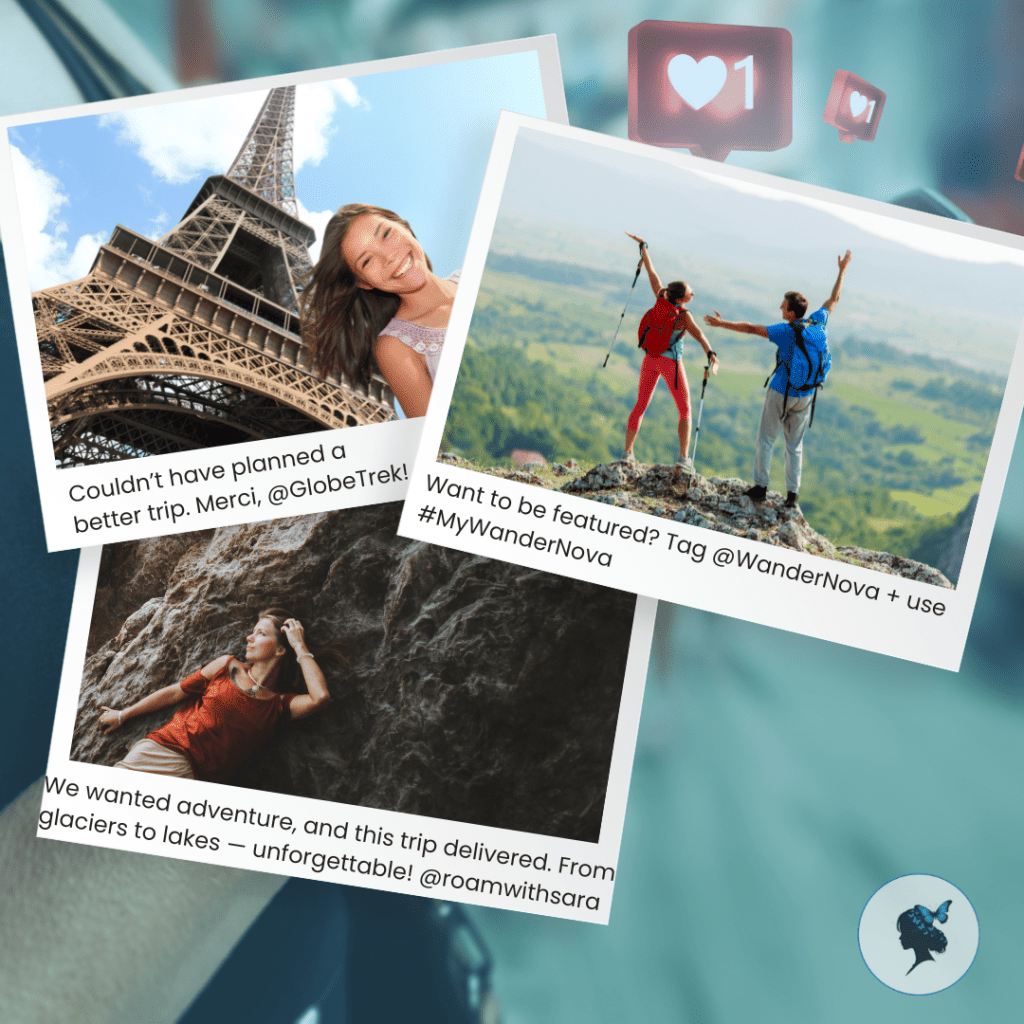
Encourage your followers to share their own travel experiences using your hashtags or tagging your business. Reposting UGC not only builds a sense of community but also provides authentic content that resonates with potential customers.

Read our guide: How to Use User-Generated Content to Enhance Your Travel Brand’s Trust.

Social media trends evolve quickly. Stay relevant by using popular formats such as:

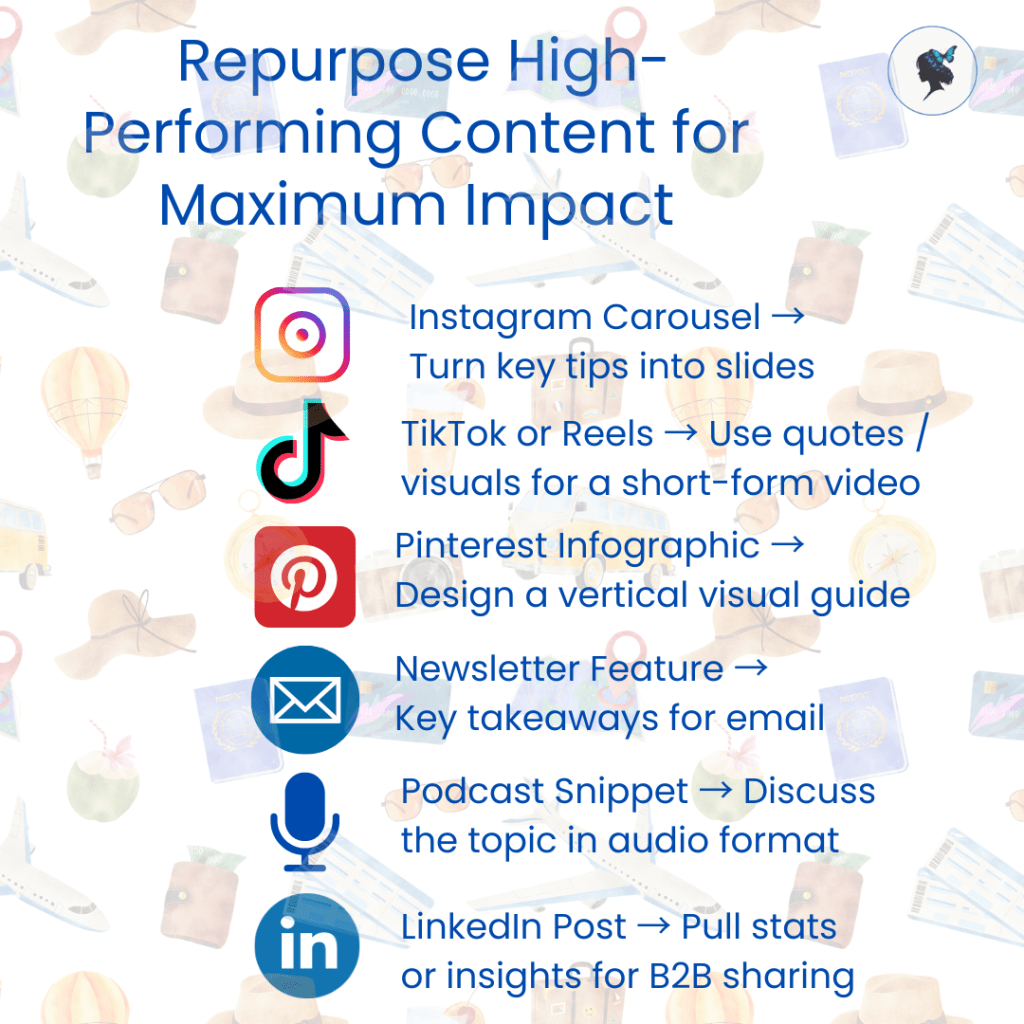
  • Instagram Reels
  • TikTok challenges
  • Pinterest travel boards
  • Twitter threads with travel tips

Get inspired with our post: Social Media captions and why they matter.

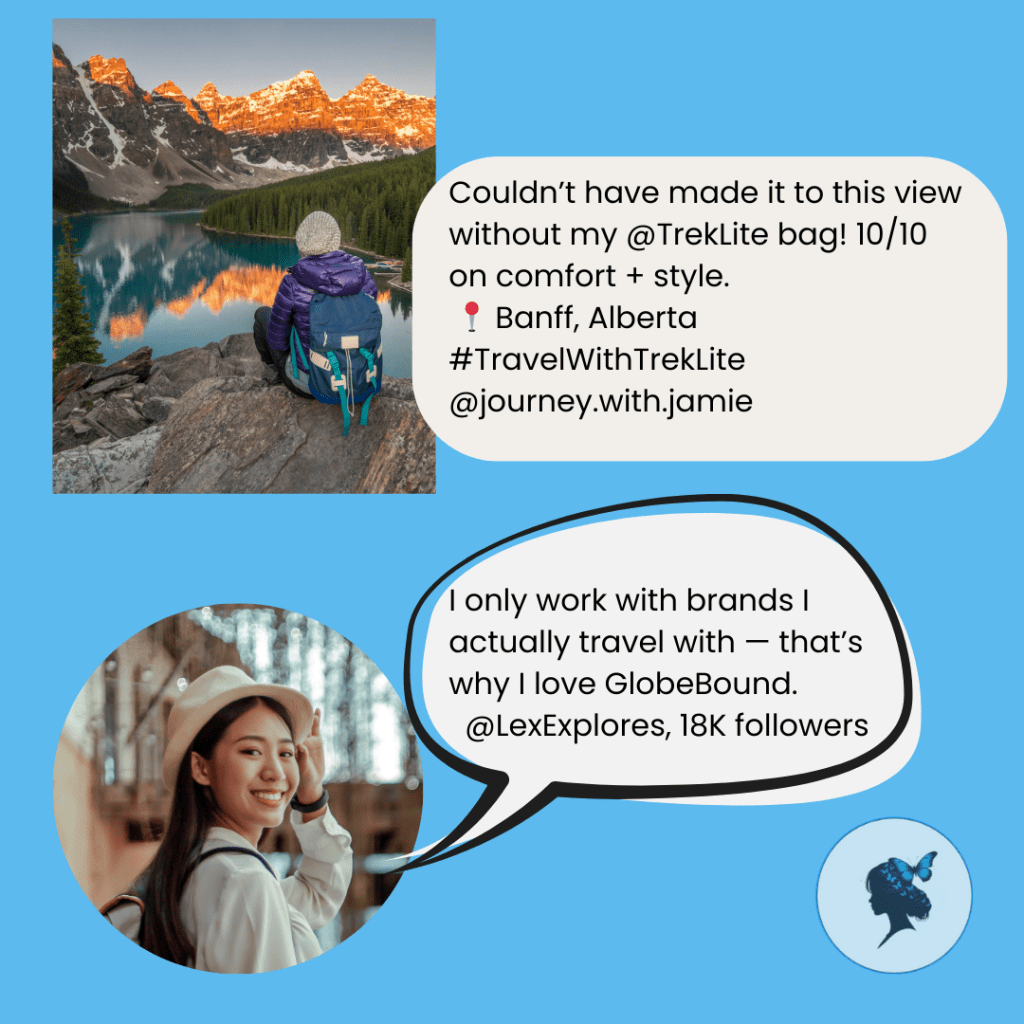
6. Collaborate With Influencers

Partnering with travel influencers can expand your reach and add credibility to your brand. Choose influencers whose audience aligns with your target market and who can authentically represent your offerings.

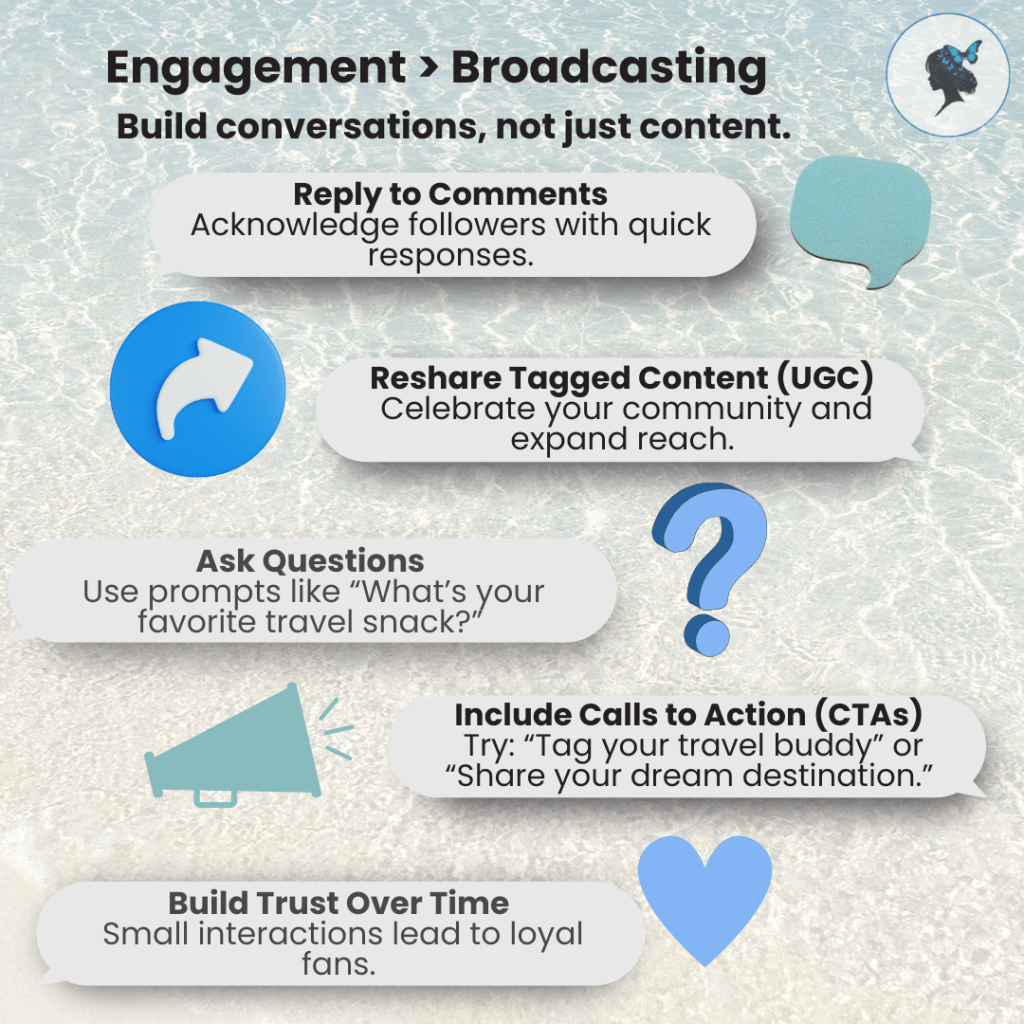
7. Optimize for Engagement

Craft posts that encourage interaction. Ask questions, run polls, or host contests to keep your audience engaged. Examples include:

  • “Which destination is on your bucket list?”
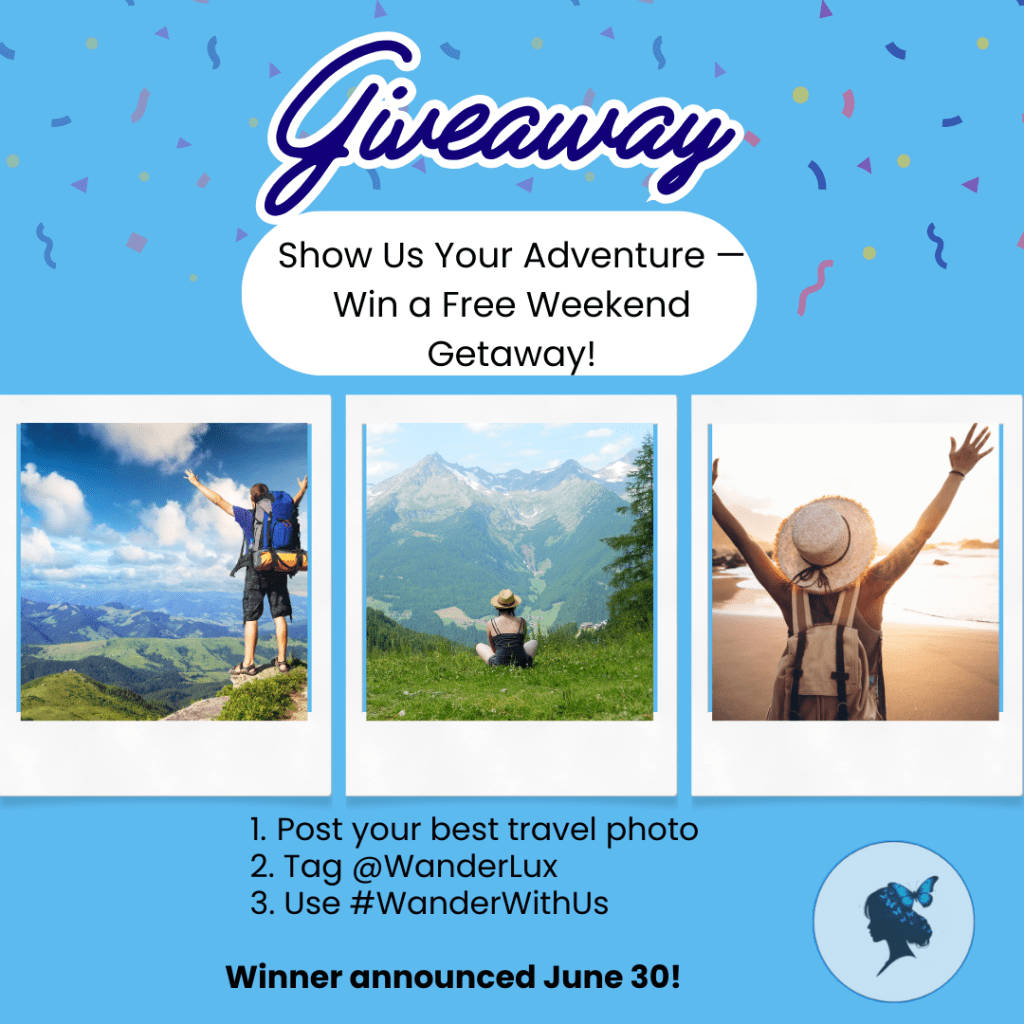
  • Photo contests with travel-related prizes
  • Polls about travel preferences

Tips for Platform-Specific Campaigns

Instagram

  • Focus on visually stunning posts and Reels.
  • Use relevant hashtags to increase discoverability.
  • Share Stories regularly to maintain visibility.

TikTok

  • Create short, engaging videos showcasing unique experiences.
  • Use trending sounds and challenges to boost reach.
  • Collaborate with TikTok travel influencers for authentic content.

Pinterest

  • Design eye-catching pins with travel tips, itineraries, or bucket lists.
  • Create boards around themes (e.g., “Top Beaches of 2025”).
  • Link pins directly to your website or booking platform.

Facebook

  • Share longer-form content like travel guides or event updates.
  • Use Facebook Groups to connect with niche communities.
  • Invest in targeted ads for specific demographics.

Measuring Success

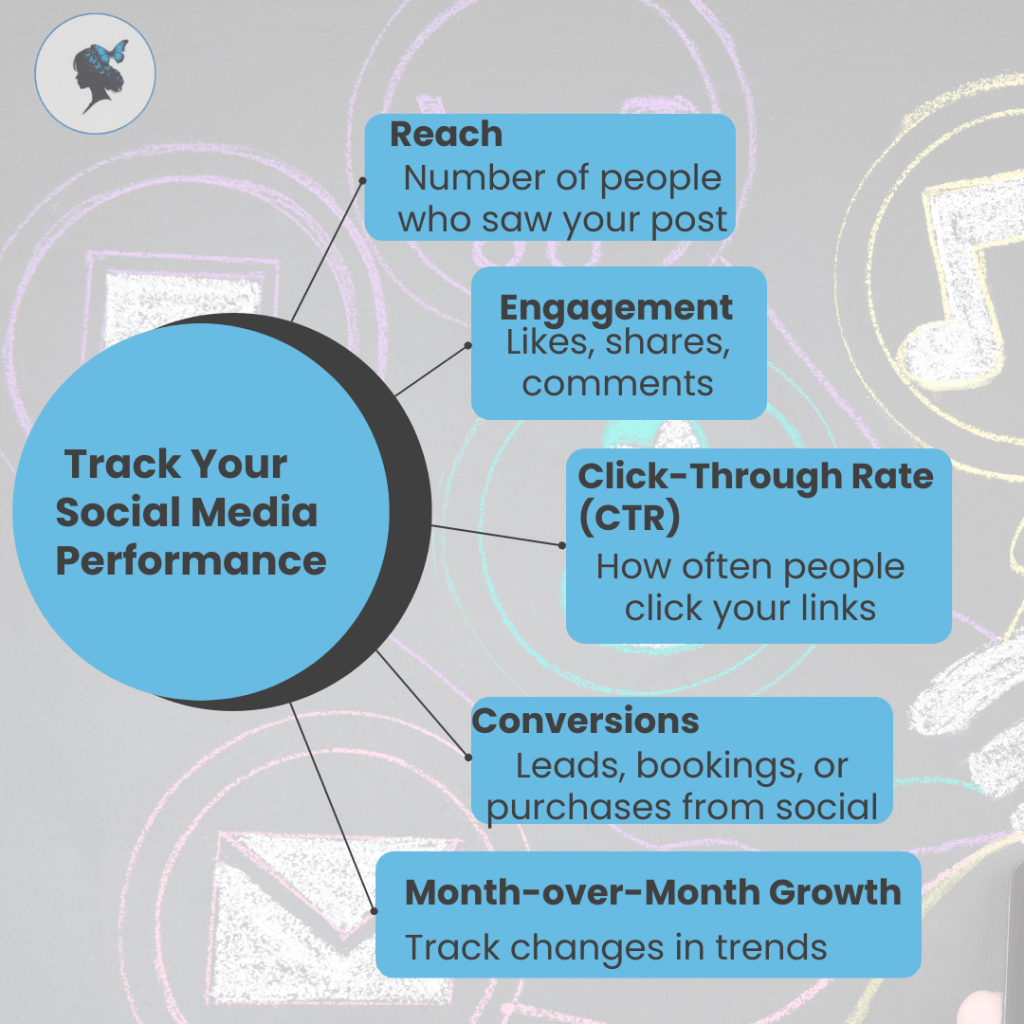
Analyze the performance of your campaign to understand what works and what doesn’t. Key metrics to track include:

  • Engagement Rates: Likes, comments, shares, and saves.
  • Click-Through Rates: Traffic driven to your website or landing pages.
  • Follower Growth: New followers gained during the campaign.
  • Conversion Rates: Bookings or inquiries generated from social media.

Conclusion

Social media is a powerful tool for travel businesses to inspire wanderlust and turn dreams into action. By creating visually stunning, engaging, and authentic campaigns, you can connect with your audience on a deeper level and drive meaningful results. Start crafting your next campaign today, and watch as your followers become your biggest fans and loyal customers.

Need help with your Social Media strategy? Contact us to see how we can help!

5 Types of Content Every Travel Website Should Have

A well-designed travel website is more than just a booking platform; it’s a source of inspiration and information for travelers. To stand out in the competitive travel industry, your website must offer engaging and valuable content that keeps visitors coming back. Here are five essential types of content every travel website should have to attract and retain an audience.


▶ Table of Contents
  1. Destination Guides
  2. Travel Blogs and Stories
  3. Photo and Video Galleries
  4. User Reviews and Testimonials
  5. Booking and Planning Tools
  6. Conclusion

Check out our packages to start moving in the right direction!

1. Destination Guides

Travelers are always seeking detailed information about their next destination. Comprehensive destination guides can serve as a cornerstone for your website, providing:

  • Overview of the Location: Highlight key attractions, cultural experiences, and must-visit spots.
  • Practical Tips: Include advice on weather, local customs, currency, and transportation.
  • Hidden Gems: Share insider recommendations that aren’t typically covered in mainstream guides.

By offering rich, localized content, you establish your website as an authority in the travel space and attract both first-time and repeat visitors.

For more tips, check out our post: a step-by-step guide to creating destination guides.

2. Travel Blogs and Stories

Authentic travel stories and blogs resonate deeply with readers. Use this space to share:

  • Personal Travel Experiences: Narratives that inspire readers to follow in the footsteps of real travelers.
  • Itinerary Ideas: Provide detailed, day-by-day plans for popular destinations or themed trips.
  • Seasonal Travel Tips: Write about the best destinations for specific seasons or holidays.

Engaging travel blogs not only captivate your audience but also improve your SEO, drawing in organic traffic through long-tail keywords.

Read more tips on how storytelling can transform your travel brand’s blog.

3. Photo and Video Galleries

Visual content is a powerful tool for sparking wanderlust. A curated gallery of high-quality photos and videos can:

  • Showcase stunning landscapes, iconic landmarks, and cultural experiences.
  • Help potential customers visualize their trip, increasing the likelihood of bookings.
  • Be shared across social media platforms, driving additional traffic to your site.

Invest in professional photography and videography to create a visually compelling experience for your audience.

4. User Reviews and Testimonials

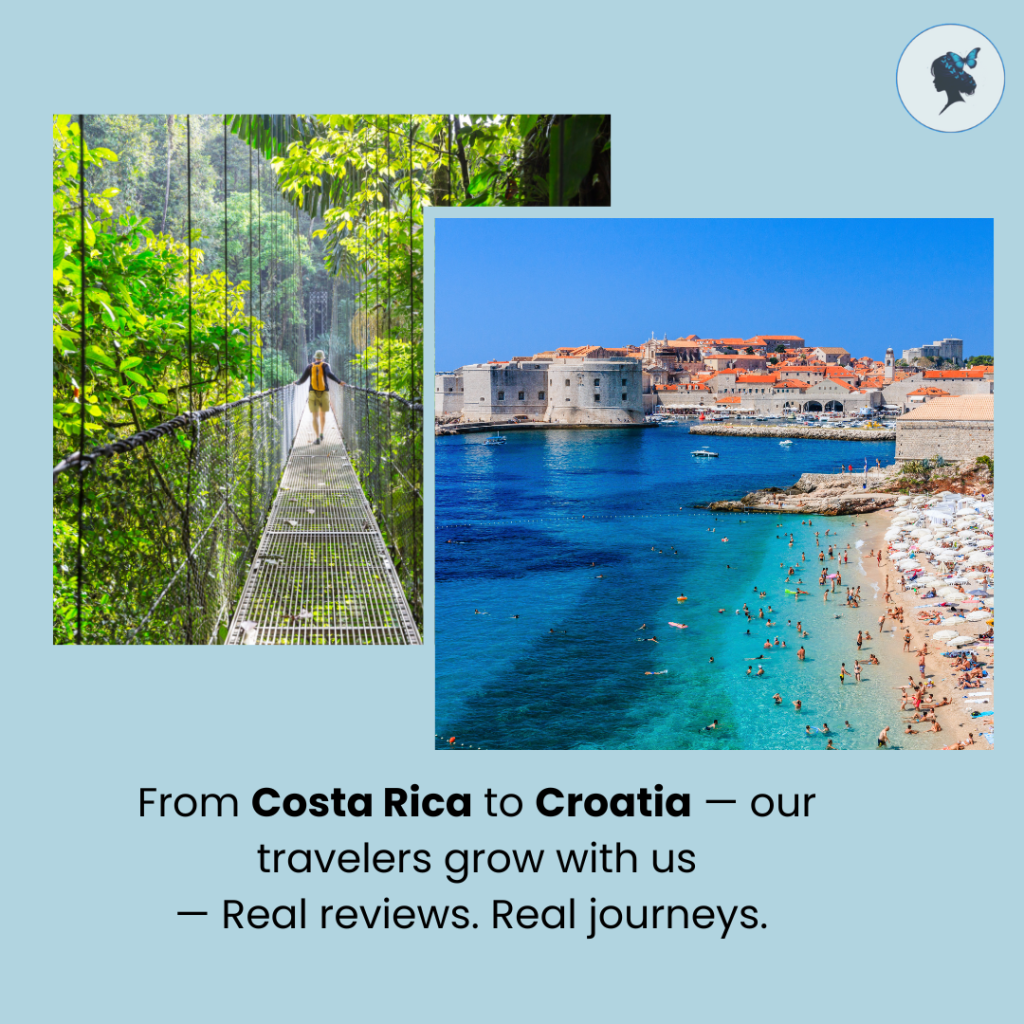
Social proof plays a critical role in the decision-making process for travelers. Featuring user reviews and testimonials can:

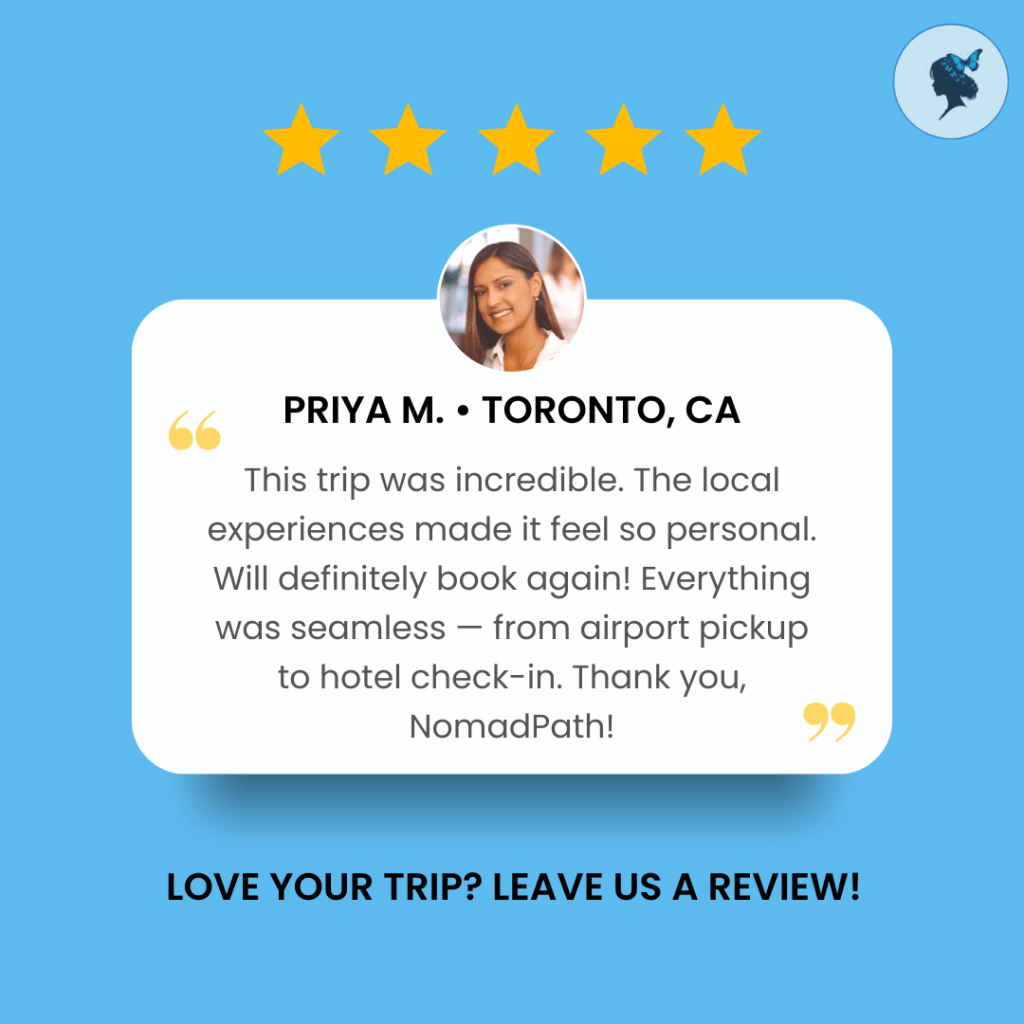
  • Build trust and credibility for your brand.
  • Provide real-life insights into the experiences you offer.
  • Encourage satisfied customers to share their feedback, creating a loop of positive reinforcement.

Make reviews easy to find and integrate with platforms like Google Reviews or TripAdvisor to enhance authenticity.

User-Generated Content (UGC) is also great for building trust. Read more about UGC here.

5. Booking and Planning Tools

Travelers value convenience, and having interactive tools on your website can make the planning process seamless. Consider including:

  • Itinerary Planners: Allow users to customize their travel schedules.
  • Cost Calculators: Help travelers estimate their expenses for accommodation, transport, and activities.
  • Maps and Navigation Tools: Offer interactive maps with pinned attractions, restaurants, and accommodations.

By providing these resources, you’ll position your website as a one-stop solution for all travel needs.

Conclusion

Creating diverse and engaging content is essential for building a successful travel website. From destination guides to interactive planning tools, these five content types can help you attract a wider audience, enhance user experience, and drive conversions. Remember, the key to success lies in understanding your audience and continuously updating your content to meet their evolving needs.

Start integrating these content types into your travel website today and watch your engagement and bookings soar!

Need help? Contact us for tailor-made content strategies.

The Ultimate Guide to Local SEO for Travel Agencies

In an era where travelers rely on search engines to plan their journeys, mastering Local SEO is crucial for travel agencies looking to connect with potential clients. Local SEO ensures that your agency appears in search results when people are looking for travel services in your area. Whether you’re a boutique agency or part of a larger network, optimizing for local search can significantly boost your visibility and bookings.

Check out our packages to start moving in the right direction!


▶ Table of Contents
  1. What is Local SEO?
  2. Why Local SEO Matters for Travel Agencies
  3. Measuring Local SEO Success
  4. How Wanderlust Keywords can Help

What is Local SEO?

Local SEO focuses on improving your business’s visibility in geographically specific search results. For instance, if someone searches for “travel agencies near me” or “Caribbean tour planners in Miami,” Local SEO ensures your business appears prominently in the results. This involves optimizing your website, Google My Business (GMB) profile, and other online assets to rank higher for location-based searches.

Why Local SEO Matters for Travel Agencies

  1. Attract Local Clients: Many travelers prefer to work with local agencies that understand their region-specific needs.
  2. Compete with Larger Brands: Local SEO levels the playing field, allowing smaller agencies to compete with national or global players.
  3. Increase Walk-In Traffic: If you have a physical office, Local SEO can drive foot traffic by making your business easier to find online.

Key Strategies for Local SEO Success

1. Optimize Your Google My Business Profile

Google My Business is the cornerstone of Local SEO. Here’s how to make the most of it:

  • Ensure your profile is complete, accurate, and up-to-date.
  • Add your business name, address, phone number, website, and operating hours.
  • Use high-quality images of your office, staff, or tours.
  • Collect and respond to customer reviews to build trust and credibility.

2. Target Local Keywords

Incorporate location-specific keywords into your website’s content, such as “adventure tours in Denver” or “wedding travel planners in Austin.” Use tools like Google Keyword Planner to find relevant local search terms.

You might be interested in our post: Mastering Local Keyword Focus.

3. Create Localized Content

Publish blogs, guides, and articles tailored to your target audience’s location. Examples include:

  • “Top 10 Destinations for New Yorkers”
  • “How to Plan a Weekend Getaway from Seattle”
  • “Hidden Gems in San Francisco for Adventure Lovers”

Localized content not only attracts visitors but also helps establish your agency as a local expert.

Read here for 5 types of content every travel website should have.

Partner with local businesses, tourism boards, or bloggers to earn backlinks from their websites. For example, you could collaborate with a local hotel or restaurant to offer joint promotions and link to each other’s sites.

Need help with backlinks? Our WanderLinks Package can help!

5. Ensure Mobile-Friendliness

Over half of all local searches are conducted on mobile devices. Ensure your website is responsive, loads quickly, and provides a seamless user experience on mobile.

6. Encourage Online Reviews

Positive reviews not only enhance your reputation but also improve your local search rankings. Politely request reviews from satisfied clients and address any negative feedback professionally.

7. Use Schema Markup

Schema markup is a form of microdata that helps search engines understand your content. Implementing local business schema can improve your chances of appearing in rich search results, such as business cards or map snippets.

Want to know how to optimize your blog for location-based keywords? Look no further!

Measuring Local SEO Success

To ensure your Local SEO efforts are paying off, monitor these key metrics:

  • Google My Business Insights: Track views, clicks, and customer actions on your GMB profile.
  • Local Keyword Rankings: Use tools like SEMrush or Moz to see how well your site ranks for local keywords.
  • Website Traffic: Check analytics tools to measure traffic from local searches.
  • Review Volume and Ratings: Monitor your online reviews and strive for consistent, positive feedback.

Common Pitfalls to Avoid

  1. Ignoring Negative Reviews: Addressing bad reviews professionally shows potential clients you value feedback.
  2. Inconsistent NAP Information: Ensure your Name, Address, and Phone number are consistent across all platforms.
  3. Overlooking Mobile Optimization: A slow or clunky mobile site can drive potential clients away.

Local SEO is a powerful tool for travel agencies aiming to attract clients in their area. Our SEO keyword research package provides valuable insight for your Local SEO strategy. With Wanderlust Keywords, you’ll receive:

How Wanderlust Keywords can Help

  • Initial Keyword Discovery: Top 5 Current Keywords & position in SERPs, Monthly Search Volume, Organic Traffic and Competition of these Keywords & Top 5 Rising Keywords & position in SERPs, Monthly Search Volume, Organic Traffic and Competition of these Keywords
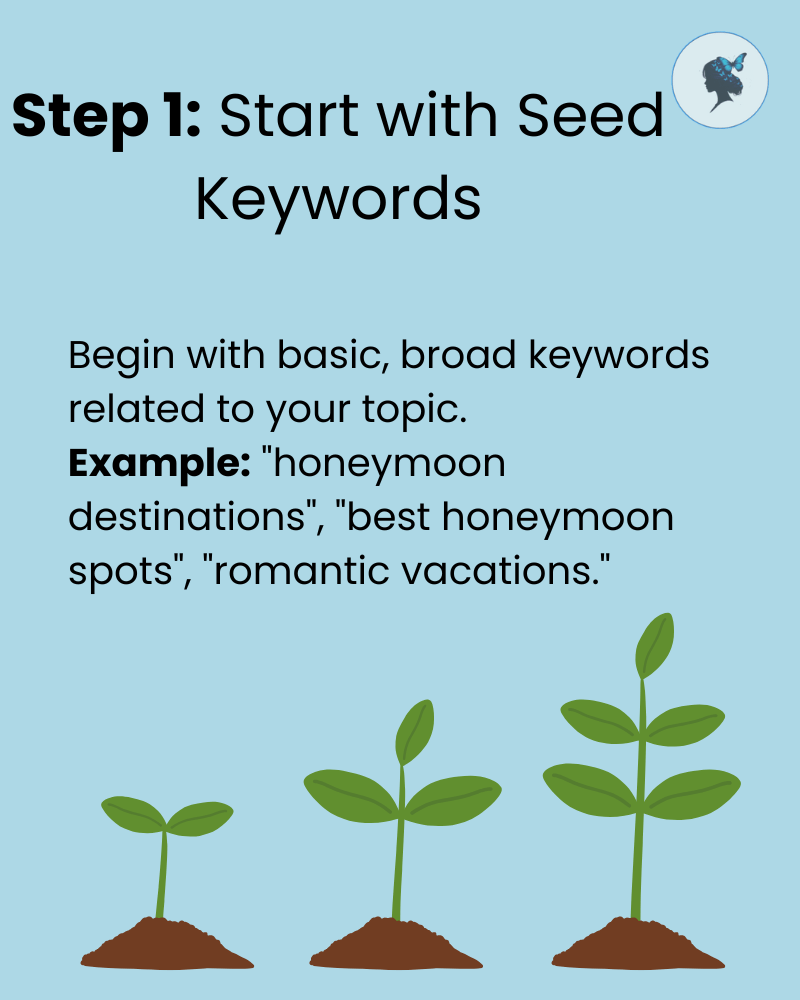
  • Long-Tail Keyword Identification: 20+ Long-Tail Keywords, divided into Search Intent
  • Local Keyword Focus: 20+ Local Keywords, including Search Volume and Keyword Difficulty
  • Keyword Prioritization and Strategy: Local Keywords prioritized, 15 + Suggestions for new content based on Keyword Research

Are you ready to sail to SEO success?

Contact us today to see how we can help you.

How Storytelling Can Transform Your Travel Brand’s Blog


▶ Table of Contents
  1. The Power of Storytelling in Travel Marketing
  2. Benefits of Storytelling for Your Travel Blog
  3. Tips for Effective Storytelling in Travel Blogging
  4. Examples of Storytelling for Travel Blogs
  5. Conclusion

In the travel industry, it’s not just about selling a destination—it’s about selling an experience. For many travelers, choosing where to go isn’t driven by facts or features but by emotions and inspiration. This is where storytelling comes in. A compelling narrative can take your travel brand’s blog from a generic content repository to an engaging platform that connects deeply with your audience.

The Power of Storytelling in Travel Marketing

Storytelling is one of the oldest and most effective forms of communication. In travel blogging, it allows you to go beyond promoting your services and instead share meaningful experiences that inspire readers to take action. When done well, storytelling creates an emotional connection, making your brand memorable and trustworthy.

Check out our packages to start moving in the right direction!

Benefits of Storytelling for Your Travel Blog

1. Capturing Reader Interest

A good story draws readers in. By painting vivid pictures of unique travel experiences—whether it’s trekking through the Amazon rainforest or savoring street food in Bangkok—you can keep your audience hooked from start to finish.

2. Building Emotional Connections

Travel decisions are often influenced by emotions. Storytelling helps your audience visualize themselves in the destinations or scenarios you describe, creating a desire to live those moments themselves.

3. Differentiating Your Brand

In a saturated market, storytelling helps set your travel brand apart. While competitors may list itineraries or features, your stories bring the journey to life, showing what makes your services unique.

4. Encouraging User Engagement

Authentic stories resonate with readers, encouraging them to comment, share, or even contribute their own travel experiences. This engagement builds a loyal community around your brand.

Tips for Effective Storytelling in Travel Blogging

1. Focus on the Traveler’s Perspective

Instead of solely promoting your services, share stories from a traveler’s viewpoint. Highlight their emotions, challenges, and joys to make your content relatable.

2. Use Sensory Details

Bring your stories to life by incorporating sensory details. Describe the aroma of spices in a Moroccan market or the sound of waves crashing on a secluded beach. Such details transport readers to the heart of the experience.

3. Incorporate Visual Elements

Pair your narratives with stunning visuals, including photos and videos, to enhance the storytelling experience. A picture truly can be worth a thousand words when it comes to travel.

4. Add a Personal Touch

Authenticity is key. Share real experiences, whether they’re your own or those of satisfied customers. Personal stories make your content more genuine and engaging.

5. End with a Call to Action

Every story should inspire action. Whether it’s booking a tour, exploring a destination, or simply subscribing to your blog, make sure your readers know the next step.

Examples of Storytelling for Travel Blogs

1. Destination Narratives

Instead of listing “10 Things to Do in Paris,” share a day in the life of a traveler exploring Paris. Describe strolling along the Seine, sipping coffee at a quaint café, and watching the Eiffel Tower light up at night.

2. Customer Success Stories

Feature testimonials or stories from past customers who’ve had memorable trips with your brand. Highlight their unique experiences and the role your services played in making their journey special.

3. Behind-the-Scenes Stories

Give readers a glimpse behind the curtain by sharing stories about your team, the planning process, or the history behind certain tours or destinations. This builds trust and humanizes your brand.

Conclusion

In today’s travel industry, storytelling isn’t just a nice-to-have—it’s a must-have. By weaving compelling narratives into your blog, you can transform your travel brand into a source of inspiration and connection. Stories have the power to move people, and in travel, they have the power to move them across the world.

Start telling your brand’s stories today and watch your audience grow, engage, and embark on adventures fueled by your content.

Contact us to see how we can help you!

Why SEO is Crucial for Small Travel Businesses to Stay Competitive

In today’s digital-first world, travelers turn to search engines as their go-to resource for planning trips. Whether it’s finding flight deals, researching destinations, or booking accommodations, the journey begins with a simple Google search. For small travel businesses, this presents both an opportunity and a challenge: to stand out in a crowded market, you need a strong online presence—and that’s where Search Engine Optimization (SEO) comes in.

Check out our packages to start moving in the right direction!


▶ Table of Contents
  1. The Growing Importance of Online Visibility
  2. Key Benefits of SEO for Small Travel Businesses
  3. Essential SEO Strategies for Travel Businesses
  4. Staying Ahead of the Competition
  5. Conclusion

The Growing Importance of Online Visibility

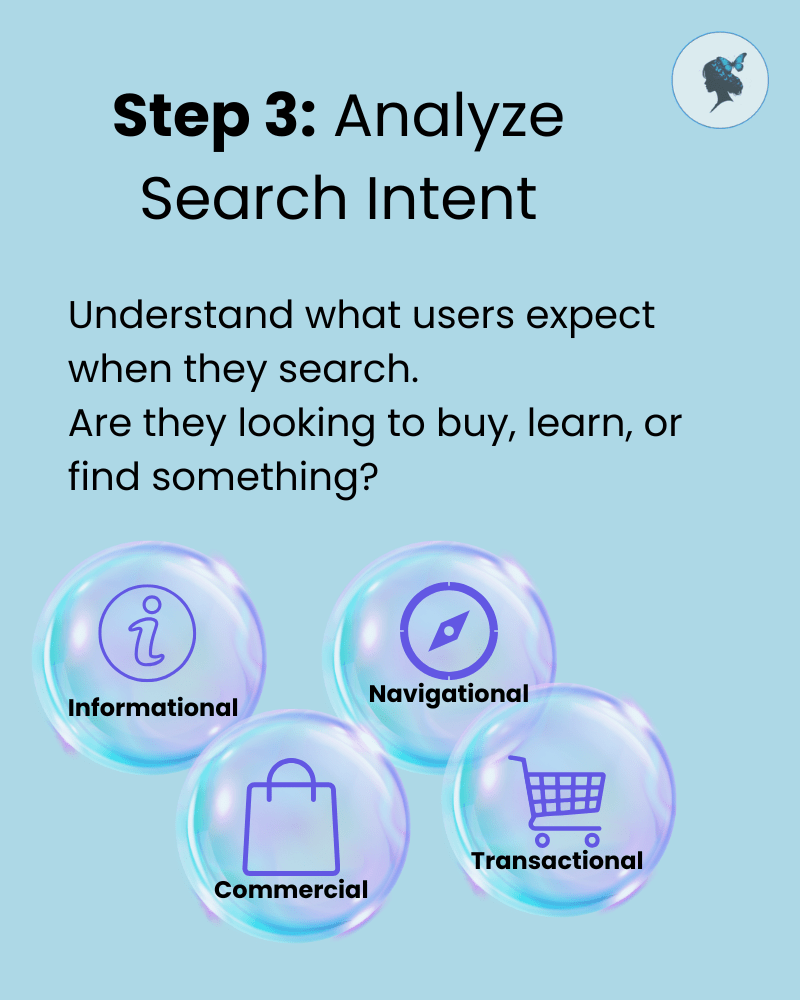
According to recent studies, over 80% of travel planning starts online, with search engines being the primary tool for research. If your website doesn’t appear on the first page of search results, potential customers are likely booking with your competitors. SEO helps ensure your business is visible when travelers are searching for services you offer, giving you a competitive edge.
Key Benefits of SEO for Small Travel Businesses

1. Increased Website Traffic

SEO helps improve your website’s ranking on search engines, driving organic traffic. By targeting keywords related to your niche—like “family-friendly safaris” or “budget beach resorts in Bali”—you attract travelers actively looking for your offerings.

2. Cost-Effective Marketing

Compared to paid advertising, SEO offers long-term benefits at a lower cost. Once your website ranks well, you’ll continue receiving traffic without needing to pay for every click or view. For small businesses with limited marketing budgets, this is invaluable.

3. Building Trust and Credibility

Websites that rank higher on search engines are perceived as more trustworthy by users. An optimized website not only attracts more visitors but also helps establish your brand as an authority in the travel industry.

4. Enhanced User Experience

SEO isn’t just about keywords; it also involves optimizing your website’s structure, speed, and mobile-friendliness. A fast, user-friendly website improves your visitors’ experience, increasing the likelihood of conversions.
Essential SEO Strategies for Travel Businesses

1. Target Local SEO

Many travelers search for location-specific services, like “tour guides in Paris” or “private lodges in Kenya.” Optimizing for local SEO by claiming your Google My Business profile and including location-specific keywords can help you attract these customers.

Read our Ultimate Guide to Local SEO for Travel Agencies here.

2. Create High-Quality Content

Travelers are constantly seeking inspiration and information. By publishing blog posts, destination guides, and travel tips, you can attract visitors and establish yourself as an expert. Use engaging visuals and shareable content to amplify your reach.

Read our post on the top 5 types of content every travel website should have.

3. Optimize for Mobile

Over 60% of travel searches are conducted on mobile devices. Ensure your website is mobile-friendly to provide a seamless experience for users on the go.

4. Leverage Reviews and Testimonials

Positive reviews boost your credibility and improve your local SEO rankings. Encourage satisfied customers to leave reviews on platforms like Google and TripAdvisor.

Staying Ahead of the Competition

SEO isn’t a one-time effort but an ongoing process. Regularly updating your content, analyzing performance metrics, and adapting to algorithm changes are crucial for maintaining your rankings. While larger competitors may have bigger budgets, a well-executed SEO strategy can level the playing field, allowing your small travel business to thrive.

That’s why Wander Women Strategies offer mini SEO & content packages—so you can get exactly what you need, when you need it, at a price you can afford.

Conclusion

In the competitive travel industry, having a robust SEO strategy is no longer optional—it’s essential. By investing in SEO, small travel businesses can boost visibility, attract more customers, and build a loyal following. As more travelers turn to search engines for their travel needs, ensuring your business appears prominently in search results is key to long-term success. Start optimizing today, and watch your small travel business soar to new heights!

Need help with SEO? Contact us to see how we can help!

What Are Social Media Captions and Why Do They Matter?

In the ever-evolving world of social media, visuals often take center stage. A stunning photo, an eye-catching video, or an engaging infographic grabs the viewer’s attention immediately. However, behind every great visual is a tool that anchors the content, adds context, and sparks connection: the social media caption.

Here are some more ideas for Social Media Campaigns to Inspire Wanderlust!

Check out our packages to start moving in the right direction!


▶ Table of Contents
  1. Defining Social Media Captions
  2. Why Are Social Media Captions Important?
  3. Elements of a Great Social Media Caption
  4. Examples of Captions by Platform
  5. Final Thoughts

Defining Social Media Captions

At its core, a social media caption is the text accompanying your image, video, or post on platforms like Instagram, Facebook, Twitter, LinkedIn, or TikTok. Captions can be as short as a few words or as long as several paragraphs, depending on the platform’s limitations and the message you want to convey. They’re not just add-ons; they’re an integral part of the post’s narrative.

A caption can include:

  • Text: Your primary message or storytelling component.
  • Hashtags: Keywords prefixed by the # symbol to increase discoverability.
  • Mentions: Tags that reference other accounts using @.
  • Emojis: Visual elements that add personality or emotion.
  • Call-to-Action (CTA): Encouragement for your audience to engage (e.g., “Click the link in bio,” “Tag a friend,” or “Comment below”).

Why Are Social Media Captions Important?

Infograph: Why are social media captions important?
Why are social media captions important?

A well-crafted caption is much more than filler text. It serves several crucial purposes:

1. Adds Context

A picture might be worth a thousand words, but captions provide clarity. They give your audience the backstory, explain your intent, or highlight details that may not be immediately obvious in the visual.

2. Drives Engagement

Captions can spark conversations, inspire likes, and encourage shares. By asking questions, including CTAs, or sharing relatable anecdotes, you create opportunities for your audience to interact with your post.

3. Reinforces Brand Voice

Your caption is an extension of your brand’s personality. Whether your tone is witty, professional, inspirational, or playful, captions help maintain consistency and deepen your connection with your audience.

4. Boosts Discoverability

Strategic use of hashtags and mentions can amplify your post’s reach. Hashtags make your content searchable, while mentions allow you to engage with other users or brands directly.

5. Encourages Action

From clicking a link to visiting your website, signing up for a newsletter, or attending an event, captions can guide your audience toward specific actions that align with your goals.

Elements of a Great Social Media Caption

What makes a caption stand out?

While there’s no one-size-fits-all formula, great captions often share the following traits:

Infograph: Elements of a great social media caption
Elements of a great social media caption

1. Clarity and Conciseness

Keep your message straightforward and easy to understand. People scroll quickly, so make your point early and effectively.

2. Relevance to Your Audience

Understand your audience’s interests, challenges, and preferences. A relatable caption resonates better and encourages interaction.

3. Strong Opening Line

The first few words are crucial for grabbing attention. Use hooks like intriguing questions, bold statements, or compelling facts to draw readers in.

4. Authenticity

Be genuine. Audiences value transparency and are quick to spot insincerity.

5. Strategic Use of Hashtags

Research trending or niche hashtags relevant to your content. Avoid overloading your caption with hashtags; 3-5 well-chosen ones often work best.

6. Clear CTA

What do you want your audience to do after reading your caption? Whether it’s to comment, share, or visit a link, make your CTA direct and compelling.

The importance of clear CTAs.

Examples of Captions by Platform

Different platforms have different norms and audiences, so your caption style may vary:

  • Instagram: Often more personal and storytelling-driven. Example: “A day in the life of a coffee lover. What’s your favorite morning ritual?”
  • Twitter (X): Concise and impactful due to character limits. Example: “Breaking news: Our new product launches tomorrow! #Innovation”
  • LinkedIn: Professional and informative. Example: “Excited to share our latest report on workplace trends. Download it here: [link].”
  • TikTok: Fun and playful to match the platform’s tone. Example: “POV: You realize it’s Friday and your weekend plans just got canceled #WeekendVibes”

Read our thoughts on the best social media platforms in 2025.

Final Thoughts

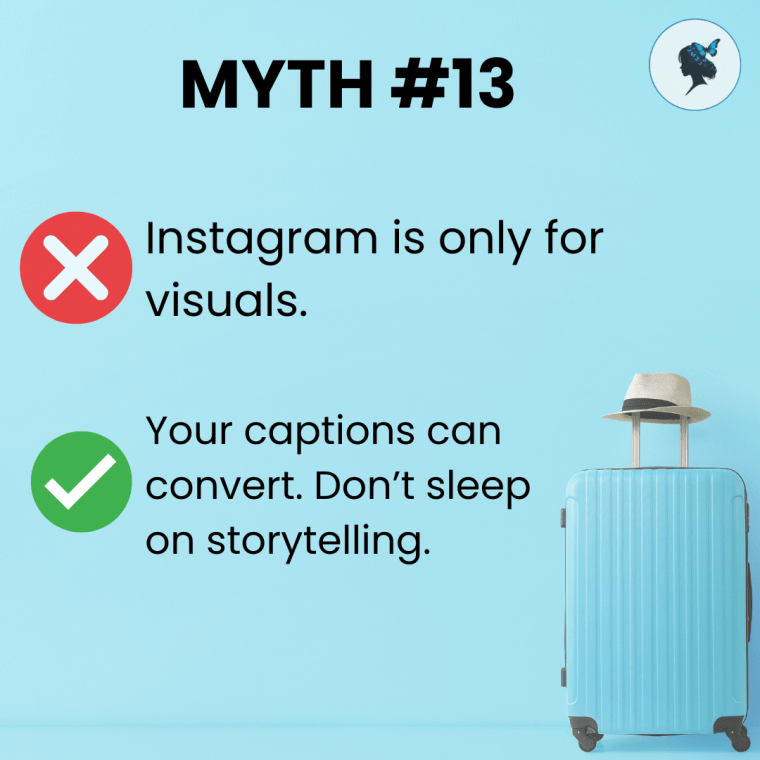
While visuals draw attention, captions hold the power to engage and convert. They’re your opportunity to share your story, showcase your personality, and build a relationship with your audience. Whether you’re a brand, an influencer, or an everyday user, investing time and thought into your captions can transform your social media presence from good to unforgettable.

Need help with your Social Media Strategy? Contact us to see how we can help!