BLOG

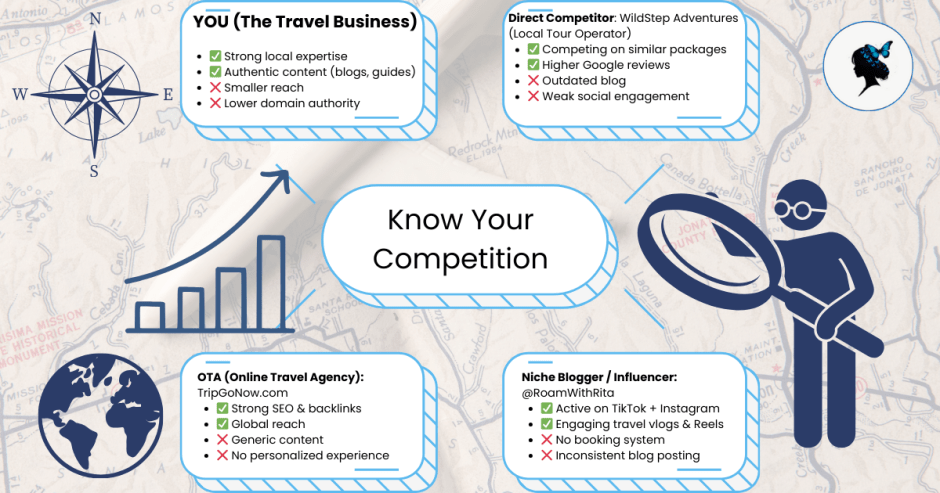
Competitor Identification for Travel Companies: Unlocking Your Competitive Edge


▶ Table of Contents
  1. 1. What is Competitor Identification?
  2. 2. How to Identify Competitors in the Travel Industry?
  3. 3. Why is Competitor Identification Important for Travel Companies?
  4. Take Action with Wanderer’s Watchlist

In the highly competitive world of travel, every company, whether it’s a boutique hotel, a travel agency, or a tour operator, is vying for the attention of travelers. With so many options available online, staying ahead of the competition is crucial to your success. One of the most effective ways to achieve this is through competitor identification.

Knowing who your competitors are, understanding their strengths and weaknesses, and strategically positioning yourself against them can give your travel business a competitive edge. In this article, we’ll take you through the process of competitor identification, explain why it’s vital for travel companies, and show you how to implement it effectively with our Wanderer’s Watchlist package.

1. What is Competitor Identification?

Competitor identification is the process of determining which companies within your industry are competing for the same customers, traffic, and market share. For travel businesses, this goes beyond just identifying who is in your direct geographic location. It includes those who are targeting similar audiences, offering related services, and positioning themselves in ways that may influence your potential customers.

Competitor identification isn’t just about finding who is already established. It also involves recognizing emerging players, understanding the market shifts, and identifying trends that might disrupt your business.
Types of Competitors for Travel Companies

Travel companies face several types of competitors in the digital space:

  • Direct Competitors: These are businesses offering the same or similar services as you. For example, a luxury tour operator in Paris would be competing directly with other luxury tour operators in the same location.
  • Indirect Competitors: These companies provide alternative solutions that satisfy the same customer need. For instance, a local restaurant in Paris may not be offering tours, but it may compete with your tour company for customer attention in a broader travel context.
  • Emerging Competitors: New businesses or startups that are entering the travel industry. These may not be major players yet, but identifying them early can provide you with a significant advantage.

Competitor identification allows you to understand who you’re competing with, their positioning in the market, and the strategies they are using to attract your target audience.


2. How to Identify Competitors in the Travel Industry?

Identifying your competitors may seem straightforward, but a strategic approach can help you dive deeper and gather meaningful insights to gain a competitive advantage. Here’s how you can identify your competitors:
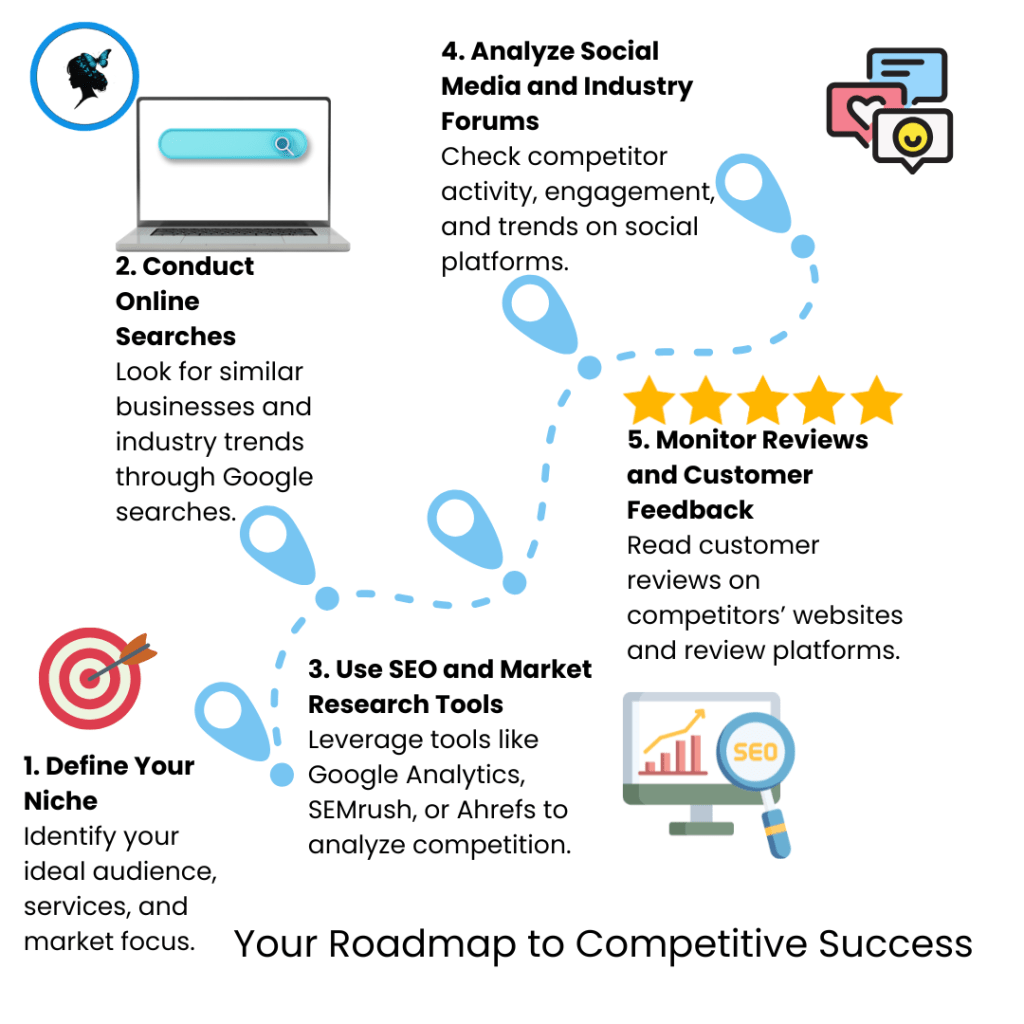
Step 1: Define Your Niche

Before you start identifying competitors, it’s crucial to understand your specific market niche. In the travel industry, there are many different segments, such as:

  • Luxury travel
  • Adventure tourism
  • Cultural or historical tours
  • Family-friendly vacations
  • Eco-tourism

Defining your niche allows you to refine your search for competitors who are directly targeting the same audience. A family-owned bed and breakfast in the mountains might be competing with other bed and breakfasts in the area, while a high-end travel agency focused on bespoke itineraries may find competitors among luxury travel providers.

Step 2: Conduct Online Searches

Use search engines to conduct queries around keywords that are relevant to your business. For example, if you specialize in tours in Paris, search for terms like “private tours in Paris,” “best Paris tour operators,” or “Paris sightseeing tours.” Check out the first page of the search results to identify companies that appear repeatedly.

Step 3: Use SEO and Market Research Tools

In the travel industry, many SEO and market research tools can help you dig deeper into competitor analysis. Tools like Semrush, Ahrefs, and Moz allow you to:

  • Identify competing websites: Search for keywords related to your services and see who is ranking for those terms.
  • Analyze keyword gaps: Find out which keywords your competitors are ranking for that you are not.
  • Evaluate backlinks: Discover where your competitors are getting their backlinks from, and use this information to improve your own link-building efforts.

Additionally, Google Trends and Google Alerts can be valuable in tracking shifts in search volume for key travel-related terms and identifying emerging competitors.

Step 4: Analyze Social Media and Industry Forums

Social media platforms, especially Instagram, Facebook, Twitter, and LinkedIn, can provide valuable insights into your competitors’ activities. Pay attention to the type of content they’re posting, the hashtags they’re using, their engagement rates, and how they’re positioning their brand in front of potential travelers.

Industry forums and online communities like TripAdvisor, Yelp, and even Reddit can provide insights into who your customers are talking about and which travel brands they trust.

Read our tips: creating social media campaigns that inspire wanderlust.

Step 5: Monitor Reviews and Customer Feedback

Customer feedback on review sites, social media, and travel blogs is a goldmine for competitor insights. See what customers are saying about your competitors and identify areas where they are excelling and areas where they are falling short. This will help you find gaps in the market and areas where you can differentiate your services.


3. Why is Competitor Identification Important for Travel Companies?

Understanding who your competitors are and what they are doing well—or poorly—can be the difference between success and failure.
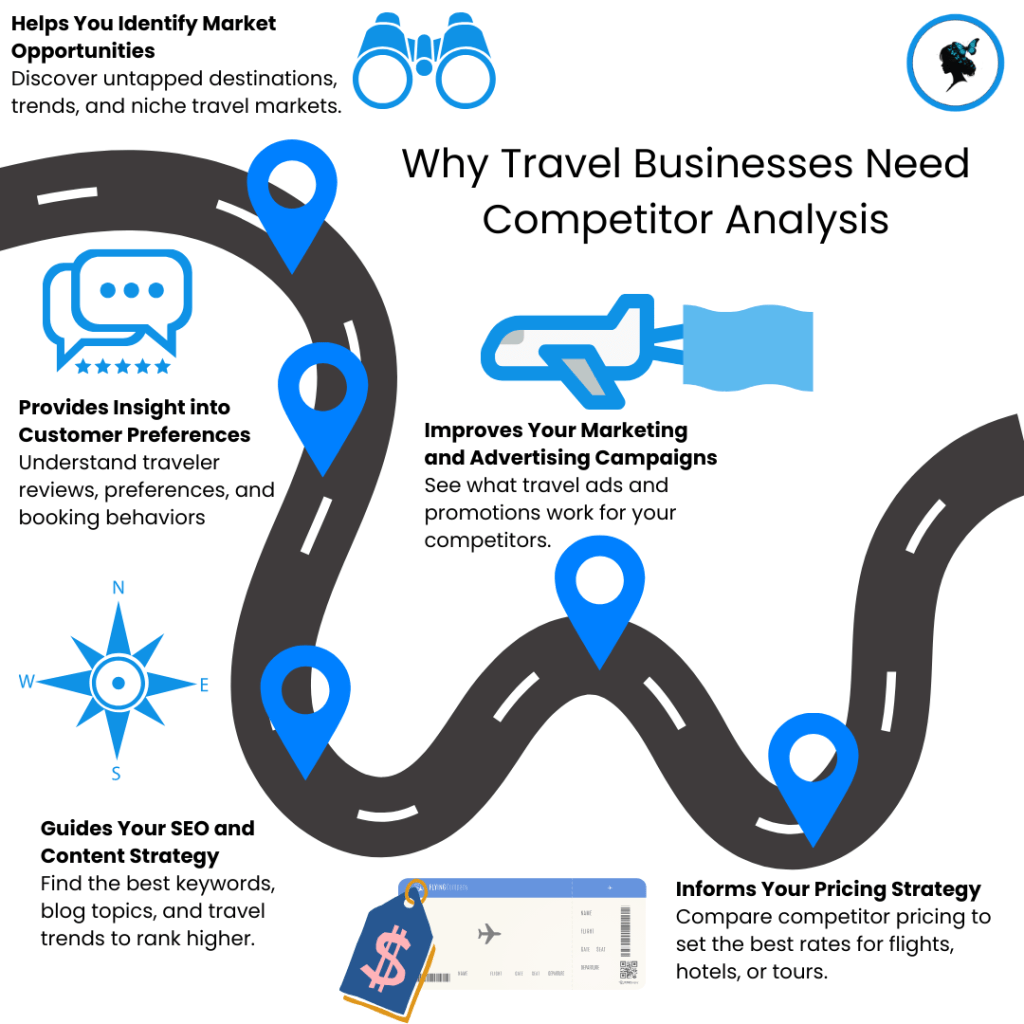
Here’s why competitor identification is so crucial for travel companies:

1. Helps You Identify Market Opportunities

By identifying your competitors’ weaknesses, you can spot opportunities in the market that they might be overlooking. Perhaps they’re not offering the level of customer service you believe travelers expect, or maybe they’re not capitalizing on the growing trend of eco-tourism. By filling these gaps, you can carve out a niche that attracts travelers seeking better alternatives.

2. Guides Your SEO and Content Strategy

Competitor analysis is a key part of your SEO and content strategy. Understanding the keywords your competitors are ranking for, the types of content they are producing, and the platforms they are active on allows you to build a more effective SEO plan. For example, if a competitor’s blog is gaining traction with content about “hidden gems in Bali,” you may want to create content targeting other similar off-the-beaten-path destinations.

Read our guide: Why SEO is crucial for travel businesses to stay competitive.

3. Provides Insight into Customer Preferences

Competitor research allows you to better understand your customers’ preferences by evaluating what competitors are doing to attract them. If you notice that a competitor is receiving a lot of positive feedback for a specific tour package, you can leverage that insight to create similar offerings that cater to your target audience.

4. Improves Your Marketing and Advertising Campaigns

Tracking your competitors’ marketing strategies—such as paid ads, promotions, and social media campaigns—gives you insight into what’s working in the travel industry. You can adapt or refine your own campaigns based on what you learn. This will save you time and resources, helping you implement strategies that are more likely to succeed.

5. Informs Your Pricing Strategy

By analyzing your competitors’ pricing models, you can ensure your offerings are competitive. If competitors are underpricing or overpricing their services, you can adjust your pricing strategy accordingly. A well-informed pricing structure can give you an edge in attracting more customers without sacrificing profitability.


Take Action with Wanderer’s Watchlist

Now that you understand the importance of competitor identification and how it benefits your travel business, it’s time to put this knowledge into action. Wanderer’s Watchlist, our comprehensive competitor analysis package, helps you stay ahead of the curve and consistently outperform your competitors.

What’s Included in Wanderer’s Watchlist?

  • Competitor Identification: We identify your top 5 competitors and compare ranking keywords, organic traffic Search Volume and their top position in Google.
  • Keyword Analysis: We identify the top 5 competitor keywords for each competitor, including search volume and position in SERPs.
  • Backlink Analysis: We take a deep dive into your competitor’s domain rating, number of backlinks and linking websites, and 20+ backlink & link building opportunities.
  • Traffic and Ranking Insights: We identify the top five pages bringing traffic to your competitors and provide detailed insights into URLs, SERPs, and search volume and provide suggestions on turning insights into opportunities.

With Wanderer’s Watchlist, you’ll receive an actionable roadmap for staying competitive in the ever-evolving travel industry. Our team will help you implement strategies that target the right audience, leverage opportunities, and maximize your growth potential.

Ready to Outsmart Your Competitors?

Don’t wait for your competitors to outpace you. Get the insights you need with Wanderer’s Watchlist, and take your travel business to the next level. Contact us today to learn more about how we can help you stay ahead of the competition and position yourself for success in the travel industry.
The Best Social Media Platforms for Travel Companies in 2025

In the fast-evolving world of travel marketing, social media has become one of the most powerful tools for travel companies to reach, engage, and convert potential customers. As the travel industry continues to thrive in 2025, knowing which social media platforms to focus on is crucial for staying competitive. In this blog post, we will explore the best social media platforms for travel companies in 2025 and provide tips on how to leverage each platform to grow your travel business.

You might find our post “Creating social media campaigns that inspire Wanderlust!” helpful too.

Check out our packages to see how we can help your SEO and Content move in the right direction!


▶ Table of Contents

1. Instagram: The Visual Platform for Travel Inspiration

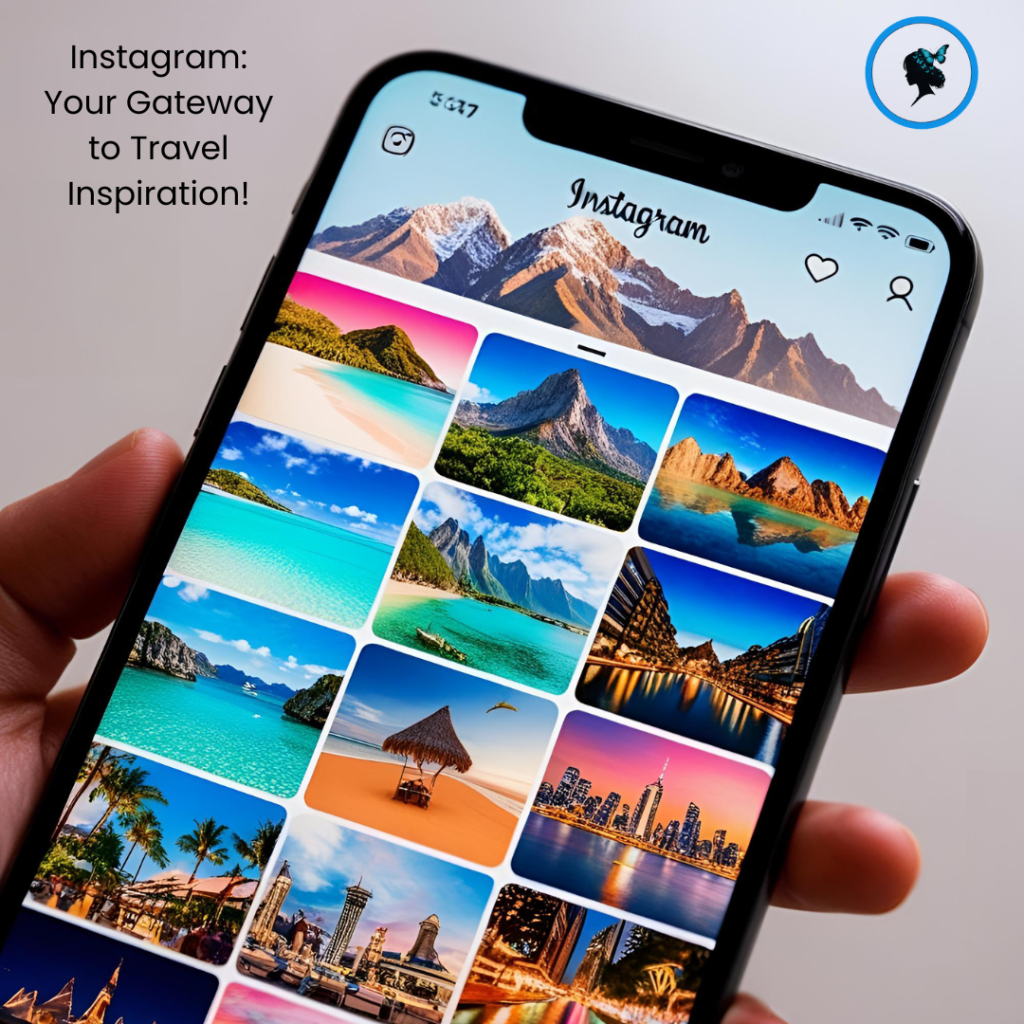
Instagram has long been a top choice for travel brands, and it continues to be an essential platform for businesses in the travel industry in 2025. With its emphasis on visual storytelling, Instagram allows travel companies to showcase beautiful destinations, experiences, and accommodations to a highly engaged audience.

Image of several destinations on someone's phone.
Instagram: your gateway to travel inspiration

Why Instagram is Essential for Travel Companies:

  • Highly Visual Nature: Instagram is a photo- and video-based platform, making it ideal for showcasing stunning landscapes, exotic destinations, and travel experiences.
  • Strong Engagement Rates: Instagram boasts high engagement rates compared to other social platforms, with users actively liking, commenting, and sharing content.
  • Stories and Reels: Instagram’s Stories and Reels features are perfect for sharing behind-the-scenes content, travel tips, and short-form videos that engage users in a more personal way.
  • Shopping Features: Instagram’s e-commerce capabilities, including the “Book Now” and “Shop” buttons, allow users to directly book tours or purchase travel-related products through the platform.

How to Use Instagram Effectively for Your Travel Business:

  • Share Stunning Visuals: Post high-quality photos and videos of your travel destinations, hotels, tours, and experiences. Ensure your content is captivating and inspiring.
  • Leverage User-Generated Content: Encourage your customers to share their travel experiences and tag your business. Reposting their content not only builds trust but also increases brand visibility.
  • Utilize Instagram Ads: Instagram’s ad targeting capabilities are highly effective for travel companies, allowing you to reach specific demographics, such as adventure seekers, honeymooners, or family vacation planners.

Check out our post: Instagram tips for travel brands.

2. Facebook: The All-Encompassing Platform for Community Engagement

While some may argue that Facebook is past its prime for younger audiences, it remains a vital platform for travel businesses in 2025, particularly for community building and generating bookings.

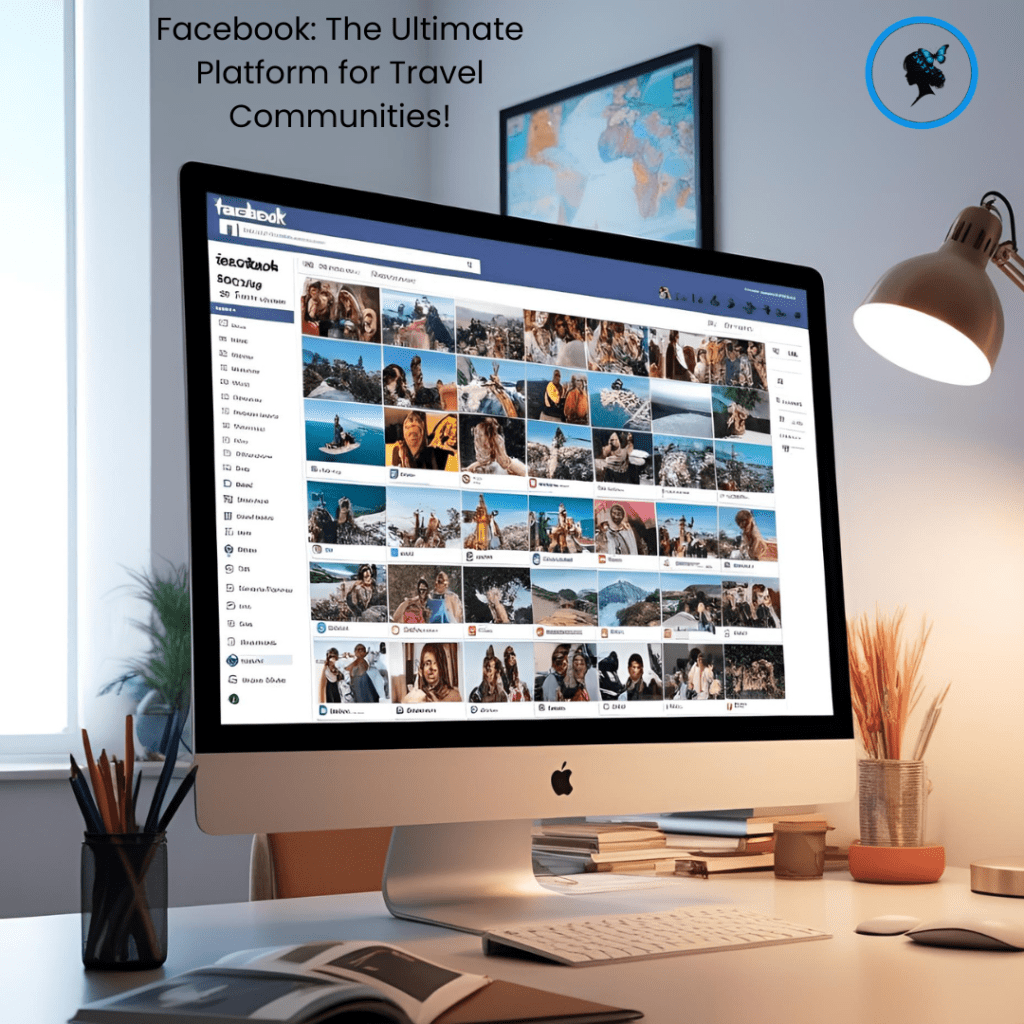
Facebook screen on desktop with travel images
Facebook: the ultimate platform for travel communities

Why Facebook is Still Relevant for Travel Companies:

  • Wide User Base: Facebook continues to have one of the largest user bases, encompassing a diverse demographic, making it ideal for reaching potential customers of all ages.
  • Groups and Communities: Facebook Groups offer a great opportunity for travel companies to build niche communities, share travel tips, and engage with potential customers in meaningful ways.
  • Event Promotion: Travel companies can promote events, webinars, or special promotions directly on Facebook, increasing engagement and conversions.
  • Targeted Advertising: Facebook Ads are incredibly powerful for targeting potential travelers based on location, interests, behaviors, and even past interactions with your website.

How to Use Facebook Effectively for Your Travel Business:

  • Create a Travel Community: Start a Facebook Group around specific destinations, types of travel (e.g., solo travel, family vacations), or experiences. Share valuable content, respond to queries, and engage with members regularly.
  • Run Facebook Ads: Use Facebook’s extensive targeting options to run ads that promote travel packages, tours, or seasonal offers to a relevant audience.
  • Host Facebook Live Sessions: Go live to showcase live travel experiences, host Q&A sessions, or give virtual tours of destinations to keep your audience engaged and interested in your services.

3. TikTok: Short-Form Videos for Travel Storytelling

TikTok has quickly emerged as a powerful tool for brands to create viral content, and the travel industry is no exception. In 2025, TikTok remains one of the best platforms for travel companies looking to reach a younger, trend-conscious audience and create engaging, shareable content.

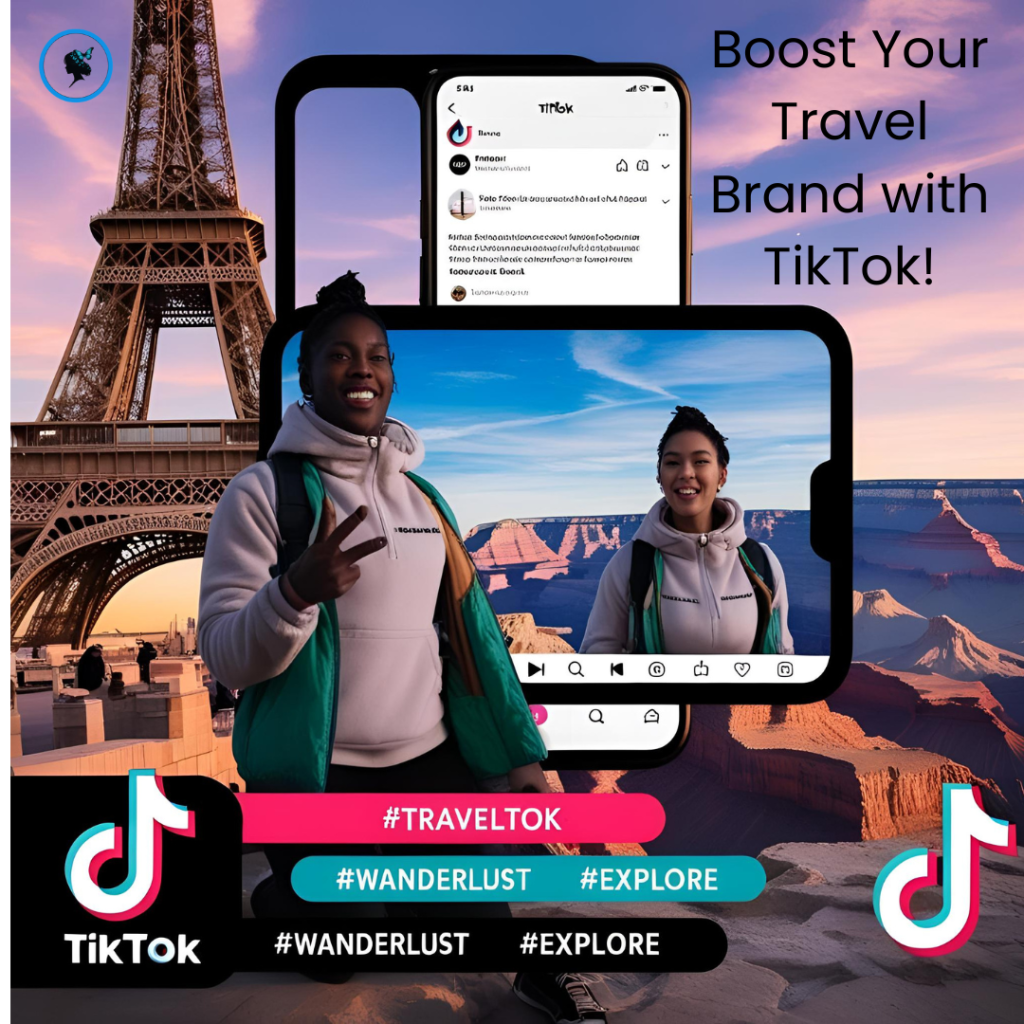
travel imagery and 2 girls with phones
Boost your travel brand with TikTok

Why TikTok is Key for Travel Companies:

  • Viral Potential: TikTok’s algorithm favors engaging content, meaning even small travel businesses can go viral with the right video. This offers huge exposure potential for your brand.
  • Creative Storytelling: TikTok’s short-form video format is perfect for showcasing fast-paced, exciting travel experiences, from exploring hidden gems in a destination to giving tips for affordable travel.
  • Influencer Marketing: TikTok influencers have massive reach, and partnering with them can help amplify your message and boost your brand’s visibility.
  • Trendy Content: TikTok thrives on trends and challenges, so participating in travel-related trends can give your business a fun and engaging way to connect with a wider audience.

How to Use TikTok Effectively for Your Travel Business:

  • Create Engaging, Short Videos: Showcase highlights of your destinations, fun travel hacks, or travel-related challenges in quick, creative video formats.
  • Participate in Trends: Keep an eye on popular TikTok trends and incorporate them into your travel content to increase visibility and relevance.
  • Collaborate with Influencers: Partner with TikTok influencers who align with your brand to showcase your travel services in an authentic and engaging way.
  • Use Hashtags and Captions: Optimize your content by using trending hashtags and writing compelling captions that encourage interaction.

More about influencer marketing here.

4. Pinterest: The Visual Search Engine for Travel Inspiration

Pinterest is often referred to as a visual search engine, and its ability to help users discover and save ideas makes it a powerful platform for travel businesses. In 2025, Pinterest remains one of the best social media platforms for generating organic traffic to your website.

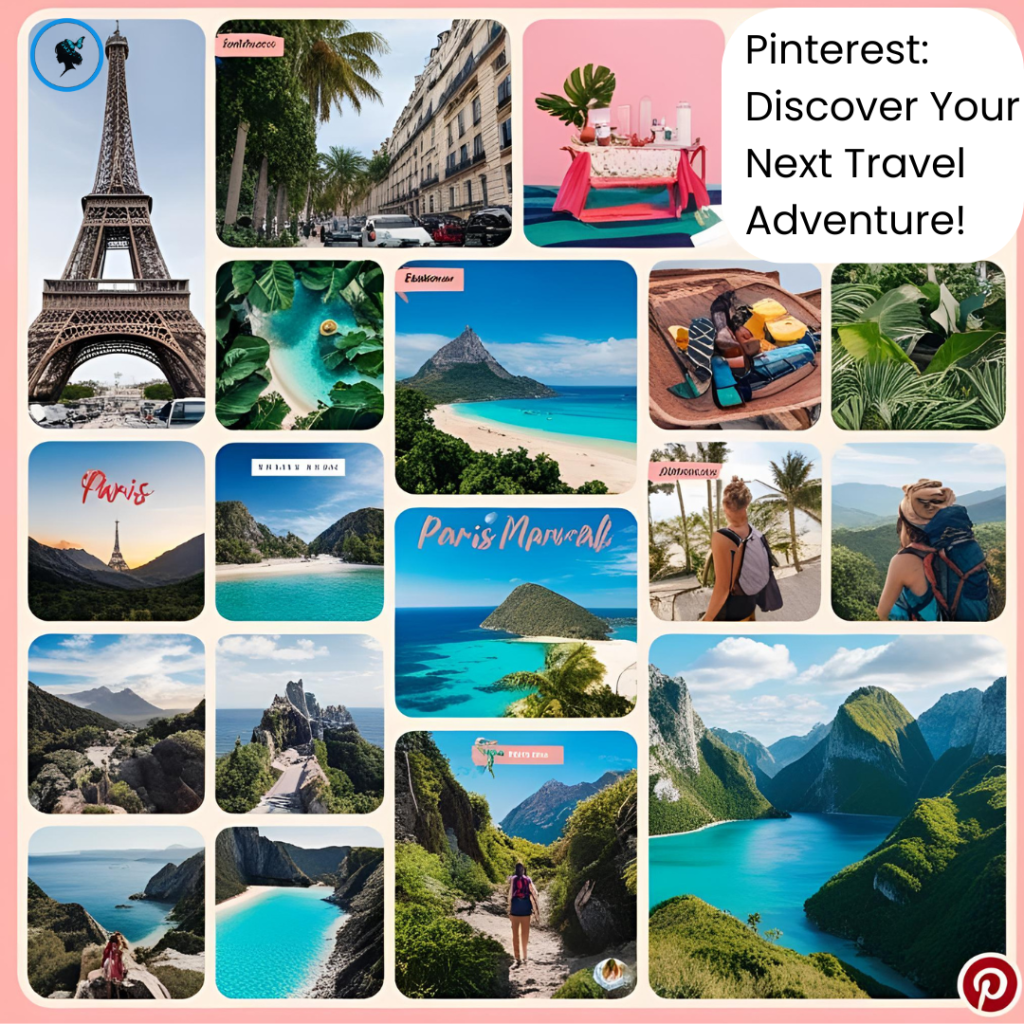
Pinterest: discover your next travel adventure. Many travel images and pinterest logo.
Pinterest: discover your next travel adventure

Why Pinterest is Valuable for Travel Companies:

  • Travel Planning: Pinterest is a go-to platform for users seeking travel inspiration and planning their vacations. Many users use Pinterest to find ideas for destinations, itineraries, and accommodations.
  • Long-Lasting Content: Unlike other social media platforms where posts have a short lifespan, Pins on Pinterest can continue to drive traffic for months or even years after being posted.
  • Targeted Traffic: Pinterest users actively search for specific travel-related content, meaning your Pins can attract a highly relevant audience looking for exactly what you offer.
  • Search Functionality: With Pinterest’s search function, your Pins can show up in relevant searches for keywords like “budget travel tips” or “best beaches in the Maldives.”

How to Use Pinterest Effectively for Your Travel Business:

  • Create Beautiful Pins: Design visually appealing Pins that showcase destinations, itineraries, or travel tips. Include a strong call-to-action and link directly to relevant landing pages.
  • Use Keyword-Rich Descriptions: Optimize your Pins with keywords related to travel, destinations, and experiences to increase discoverability.
  • Share Travel Guides and Itineraries: Post Pins linking to detailed travel guides, itineraries, or blog posts, driving traffic back to your website.
  • Create Boards Around Travel Themes: Organize your Pins into boards around specific topics like “Tropical Getaways,” “Family Travel,” or “Luxury Vacations” to help users find exactly what they’re looking for.

5. YouTube: Video Marketing for Travel Brands

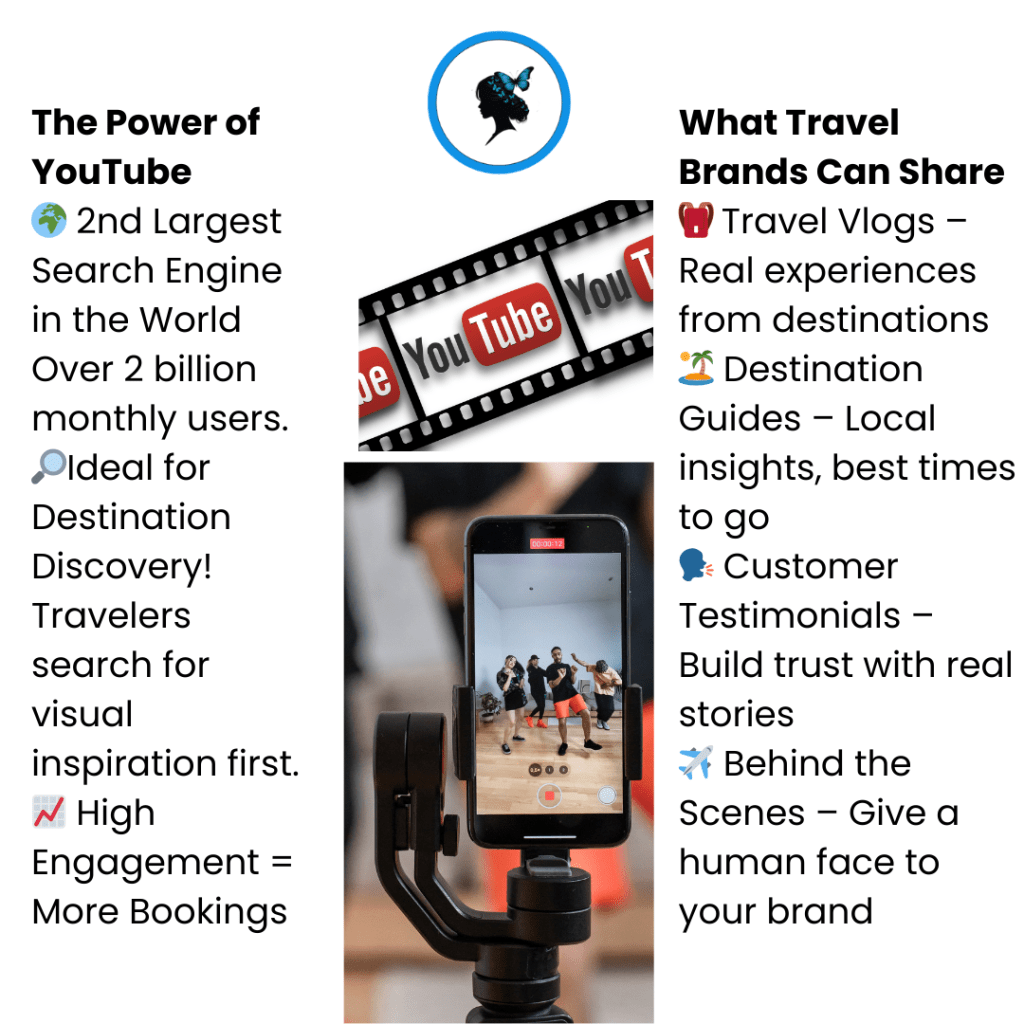
YouTube is the second-largest search engine globally, making it an invaluable platform for travel companies that want to provide in-depth video content, such as destination guides, travel vlogs, and customer testimonials. In 2025, YouTube remains one of the most effective platforms for video marketing in the travel industry.
Infograph: The power of YouTube.
The power of YouTube

Why YouTube is Crucial for Travel Companies:

  • Rich, Long-Form Content: YouTube is perfect for long-form content, such as detailed destination guides, how-to videos, or travel experiences.
  • Massive Audience Reach: With over 2 billion logged-in monthly users, YouTube allows you to reach a global audience interested in travel-related content.
  • SEO Benefits: YouTube videos can show up in Google search results, driving additional traffic to your website.
  • Content Longevity: Unlike other platforms where posts may quickly fade, YouTube videos can continue to drive traffic long after they’re published.

How to Use YouTube Effectively for Your Travel Business:

  • Create Travel Vlogs: Share immersive travel vlogs that give potential customers a taste of the destinations and experiences you offer.
  • Produce Educational Content: Post how-to videos, tips for planning a trip, or packing guides to offer value to your audience.
  • Optimize Video Titles and Descriptions: Use SEO best practices by incorporating relevant keywords in your video titles, descriptions, and tags.
  • Collaborate with Influencers: Partner with YouTube influencers to create co-branded content and reach a larger audience.

Conclusion: Leveraging Social Media for Travel Success in 2025

As we move further into 2025, the best social media platforms for travel companies continue to evolve, but certain platforms remain highly effective for driving engagement and bookings. Instagram, Facebook, TikTok, Pinterest, and YouTube all offer unique advantages that can help travel brands grow their online presence and connect with their target audience.

By strategically using each platform based on its strengths—whether that’s visual content on Instagram, community building on Facebook, or long-form video storytelling on YouTube—travel companies can create a comprehensive and successful social media marketing strategy that drives bookings and enhances brand awareness. Stay consistent, engage authentically, and keep up with trends to ensure your business stays ahead in the ever-evolving digital world of travel marketing.

Related post: What are social captions and why do they matter?

Seem a bit overwhelming? Contact us, we can get you on the right track!

Creating Destination Guides That Rank and Convert: A Step-by-Step Guide for Travel Businesses

Destination guides are one of the most powerful types of content for travel businesses. Not only do they serve as valuable resources for your audience, but they also play a critical role in improving your website’s SEO and driving more bookings. By creating destination guides that are both informative and optimized for search engines, you can attract potential travelers, engage them with compelling content, and increase the likelihood of conversion.

In this blog post, we’ll walk you through the process of creating destination guides that rank well in search engines and convert website visitors into loyal customers.

Need some help with your SEO, Content and Social Media strategies? Check out our packages to start moving in the right direction!


▶ Table of Contents
  1. Why Destination Guides Are Essential for Travel Businesses
  2. Step 1: Conduct Thorough Keyword Research
  3. Step 2: Create Comprehensive and Engaging Content
  4. Step 3: Optimize for SEO
  5. Step 4: Promote Your Destination Guide
  6. Step 5: Monitor Performance and Make Improvements
  7. Conclusion

Why Destination Guides Are Essential for Travel Businesses

Before diving into the creation process, it’s important to understand why destination guides are so valuable for travel businesses:

  • SEO Benefits: Well-optimized destination guides have the potential to rank for highly relevant keywords, driving organic traffic to your website. These guides often target long-tail keywords like “best things to do in Dublin” or “hidden gems in Hawaii,” which are less competitive but highly specific.
  • Engagement and Trust: A comprehensive destination guide builds trust with your audience by showcasing your expertise in a particular location. When potential travelers see that you understand a destination inside and out, they’re more likely to turn to you for their booking needs.
  • Conversion Potential: Destination guides can lead directly to conversions. For example, a guide about “Top 5 Family-Friendly Activities in Bali” can seamlessly guide a user to your tour booking page or hotel reservation system.

Now that we understand the importance of destination guides, let’s take a closer look at how to create guides that rank and convert.

Step 1: Conduct Thorough Keyword Research

Keyword research is the foundation of any successful SEO strategy, including creating destination guides. If you want your guides to rank well in search engine results pages (SERPs), it’s essential to identify the right keywords that will attract your target audience.

Infograph: Organize keywords into subcategories
Organize keywords into subcategories

How to Do It:

  1. Use SEO Tools: Tools like Google Keyword Planner, Ahrefs, SEMrush, or Ubersuggest can help you identify keywords related to the destination you’re writing about. Look for both primary and secondary keywords (e.g., “things to do in Melbourne,” “best tours in Melbourne,” “family activities in Melbourne”).
  2. Focus on Long-Tail Keywords: Long-tail keywords (phrases that are more specific and often longer) are highly valuable for destination guides. These keywords tend to have lower competition, which makes them easier to rank for. Examples include “best luxury hotels in Paris” or “adventure tours in Costa Rica for families.”
  3. Check Search Intent: Understanding search intent is key. If a user is searching for “best places to visit in Rome,” they likely want a list of top attractions, while someone searching “how to travel to Rome on a budget” might be looking for tips on affordable transportation and accommodations. Make sure your destination guide matches the search intent behind the keywords you target.

Need help with Keyword research? Check out Wanderlust Keywords, our Keyword Research package.

Step 2: Create Comprehensive and Engaging Content

A destination guide needs to be more than just a list of attractions. To rank well in search engines and convert visitors, your guide must be comprehensive, engaging, and highly useful to your audience.

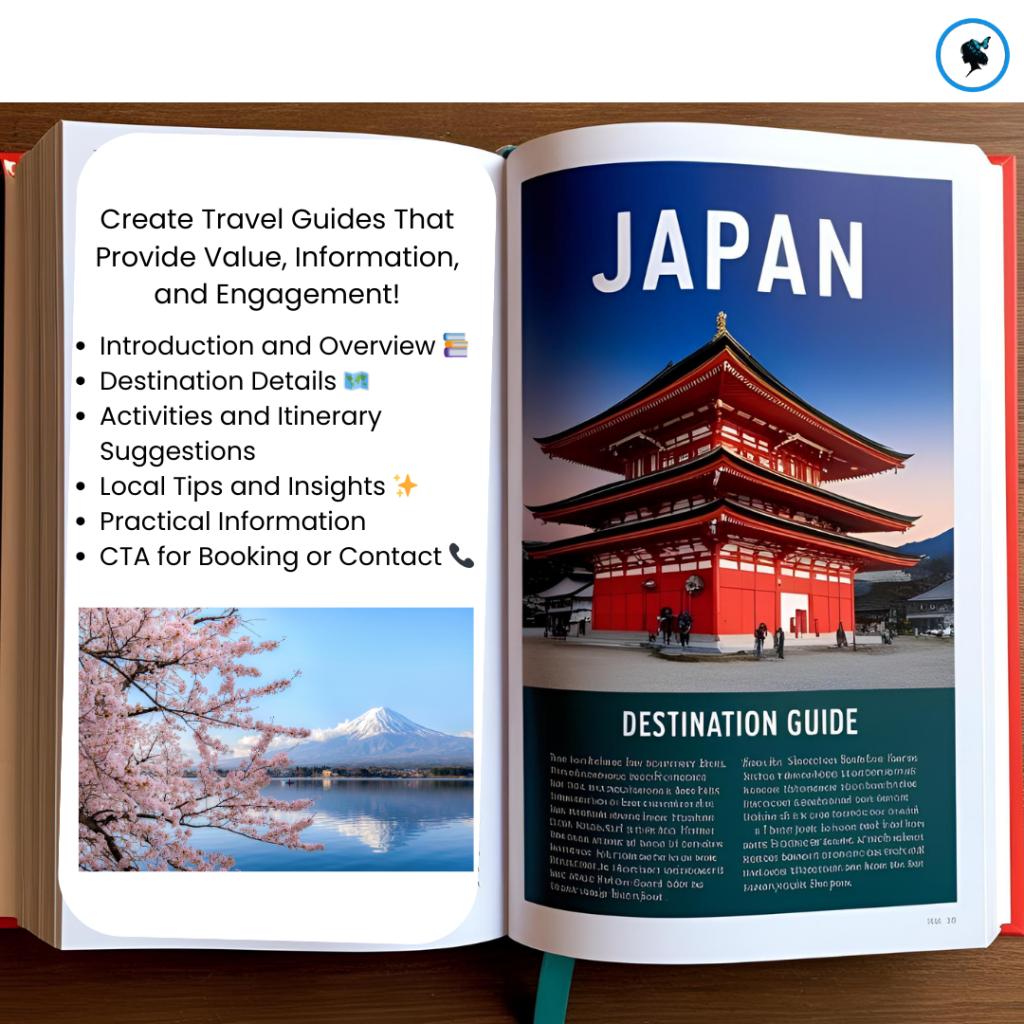
Example of a destination guide for Japan.
Create comprehensive and engaging content

How to Do It:

  1. Provide In-Depth Information: Include details on a variety of topics such as top attractions, best activities for different types of travelers (families, solo travelers, couples, etc.), local dining recommendations, cultural tips, hidden gems, and practical information like transportation options, weather, and local customs.
  2. Use Compelling Storytelling: Instead of just listing facts, try to weave storytelling into your content. For example, describe a day trip to a popular tourist spot in a way that makes the reader feel as if they are experiencing it themselves. This will engage your audience and make them more likely to continue reading and ultimately book your services.
  3. Break the Content Into Digestible Sections: Keep your audience’s attention by organizing the guide into well-structured sections with clear headings and subheadings. This makes it easier for users to find the information they need quickly. Use bullet points, lists, and bold text for key points.
  4. Use High-Quality Visuals: Incorporate images, videos, and maps to enrich your destination guide. High-quality photos of landmarks, local food, scenic landscapes, and happy travelers will make your guide more appealing and increase engagement.
  5. Provide Actionable Recommendations: Make your guide actionable by recommending specific hotels, tours, restaurants, or local experiences. Include links to your booking system or affiliate partners for easy conversion.

Check out our post on how storytelling can transform your travel brand’s blog.

Step 3: Optimize for SEO

Once your content is created, the next step is optimizing it to rank well in search engines. SEO is about ensuring that both users and search engines can find, understand, and appreciate the content of your destination guide.

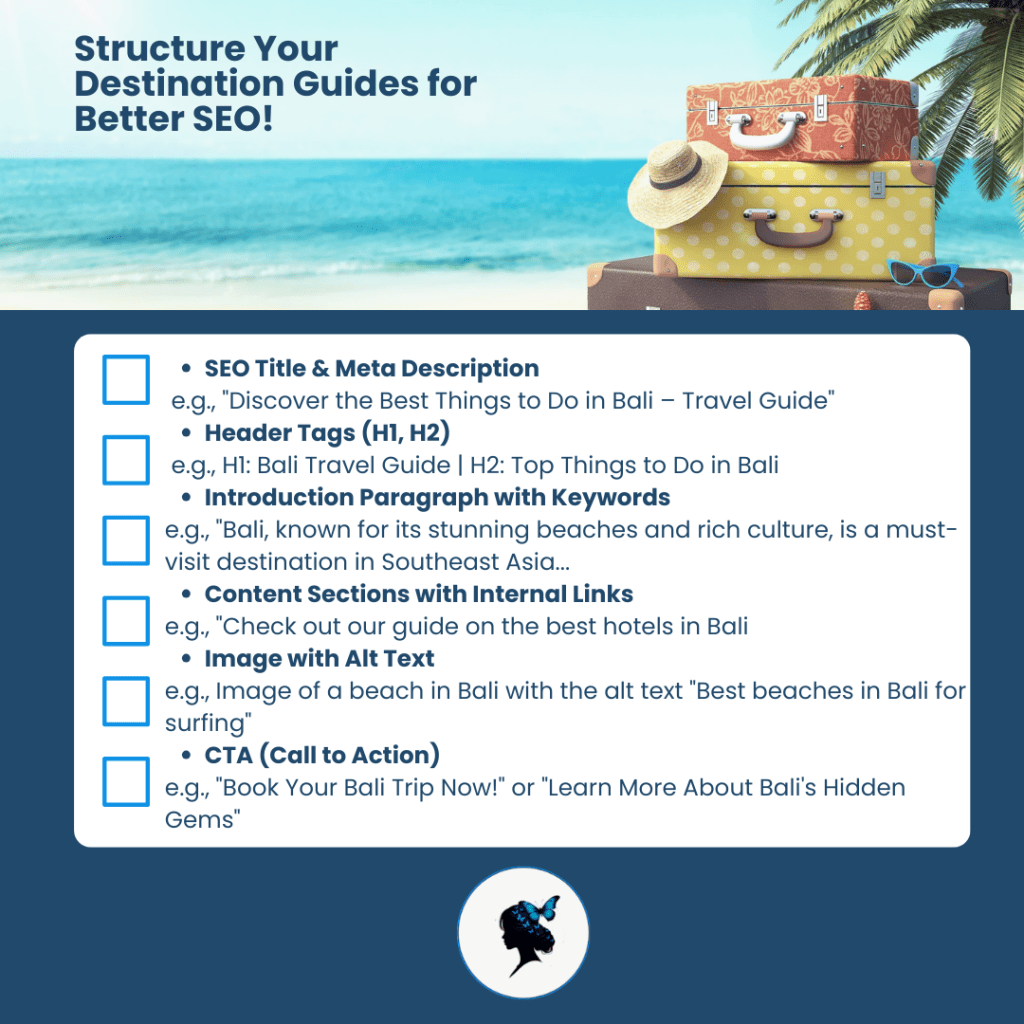
Mini SEO checklist
Mini SEO checklist

How to Do It:

  1. Optimize On-Page SEO:
    • Title Tags and Meta Descriptions: Write a compelling title and meta description that include your primary keyword and encourage users to click through to your guide. For example, a title like “Top 10 Things to Do in Bali: A Comprehensive Travel Guide” will grab attention and clearly indicate what the page is about.
    • URL Structure: Use a clean and descriptive URL, like “/things-to-do-in-bali” instead of something generic like “/guide12345.” This helps search engines understand the content of the page.
    • Keyword Placement: Place your target keyword naturally in the first paragraph, headings, and throughout the guide. However, avoid keyword stuffing—focus on readability and user experience first.
  2. Internal Linking: Link to relevant pages or blog posts on your site, such as booking pages, related guides, or customer testimonials. Internal links help search engines crawl your site and encourage visitors to explore more of your content.
  3. Mobile Optimization: Ensure that your destination guide is optimized for mobile devices. Google’s mobile-first indexing prioritizes the mobile version of your site, and a poor mobile experience could negatively affect your rankings. Ensure fast load times, easy navigation, and responsive design for all screen sizes.
  4. Schema Markup: Use schema markup (structured data) to help search engines understand your content better. For example, using schema for local attractions or events can help your destination guide appear as a rich snippet in search results, which can increase visibility and click-through rates.

Need help with On-Page SEO? Check out our Wander-Ready Web On-Page SEO Package.

Step 4: Promote Your Destination Guide

Creating an excellent destination guide is only half the battle. To drive traffic and conversions, you must actively promote it across various channels.

Infograph: Share stunning visuals and captions to drive traffic
Share stunning visuals and captions to drive traffic

How to Do It:

  1. Social Media: Share your destination guide on your social media profiles, including Facebook, Instagram, Pinterest, and LinkedIn. Use relevant hashtags and geotags to increase discoverability. You can also use paid ads to target specific demographics who are likely to be interested in the destination.
  2. Email Marketing: If you have an email list, send out a dedicated email highlighting the destination guide. Personalize the email to make it more engaging, and include a call to action (e.g., “Read our guide to plan your perfect trip to Bali!”).
  3. Collaborate with Influencers: Reach out to influencers or bloggers in the travel niche to help promote your destination guide. Influencers can help share your content with a wider audience and lend credibility to your brand.
  4. Backlink Building: Promote your guide by reaching out to relevant travel blogs, industry websites, or local tourism boards. Ask for backlinks to your guide, which can improve your SEO rankings and drive traffic.

Check out our guide for the best social media platforms for travel companies in 2025.

Step 5: Monitor Performance and Make Improvements

Once your destination guide is live and gaining traction, it’s important to monitor its performance and make adjustments as needed.

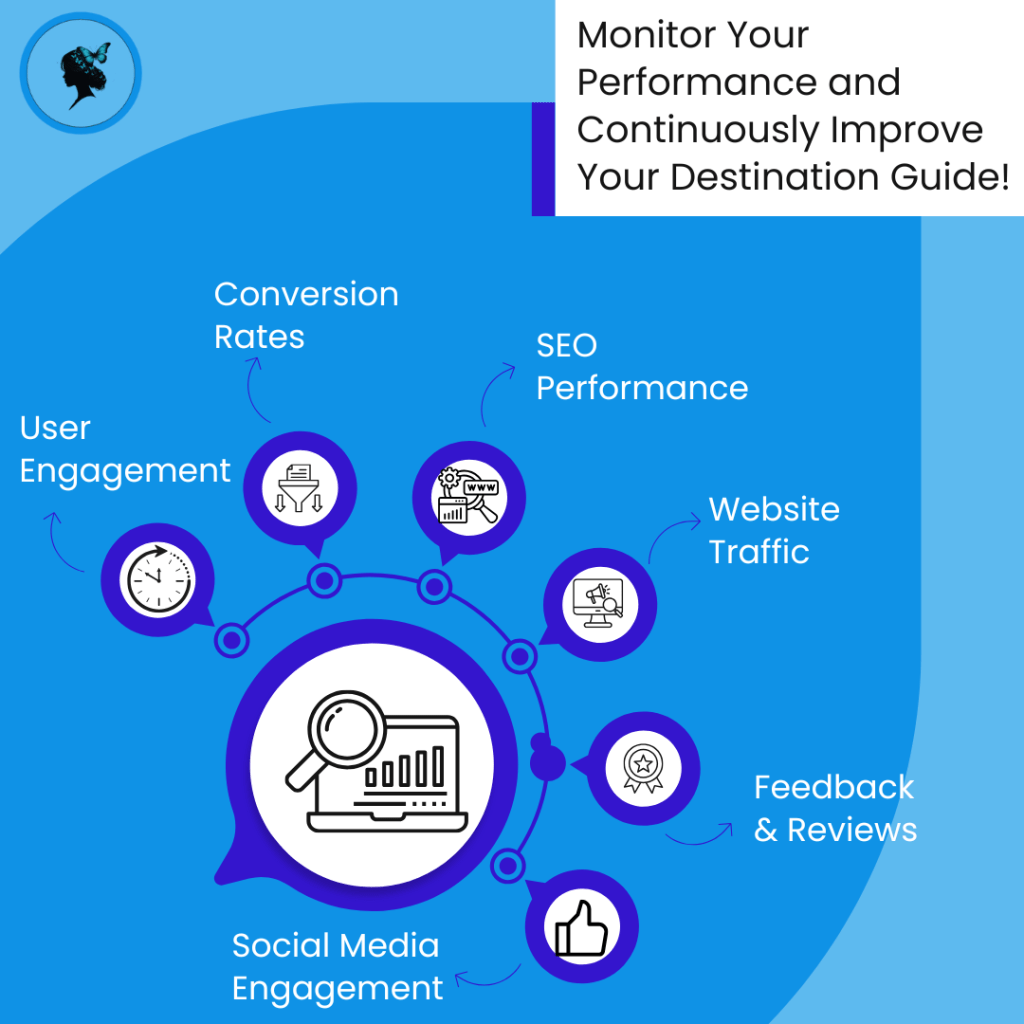
Infograph: Monitor performance and improve destination guides
Monitor performance and improve destination guides

How to Do It:

  1. Track Analytics: Use Google Analytics and Google Search Console to track how well your guide is performing. Monitor metrics such as traffic, bounce rate, time on page, and conversions (bookings or inquiries). This data will help you understand how users are interacting with the guide and where improvements can be made.
  2. Test and Update Regularly: Keep your destination guide up-to-date with new information, travel tips, or changing conditions. Regularly update the guide to keep it relevant, and test different headlines, images, or call-to-action buttons to improve conversions.

Conclusion

Creating destination guides that rank and convert is a combination of solid SEO practices, high-quality content, and effective promotion strategies. By focusing on keyword research, providing engaging and actionable information, optimizing your content for search engines, and promoting your guides, you can build resources that not only drive organic traffic but also convert visitors into paying customers.

Whether you’re a travel agency, tour operator, or destination marketer, well-crafted destination guides are an essential tool in your content marketing strategy. Follow these steps, and you’ll be well on your way to creating destination guides that help your business grow and thrive in the competitive travel industry.

Trouble getting started? Contact us to see how we can help!

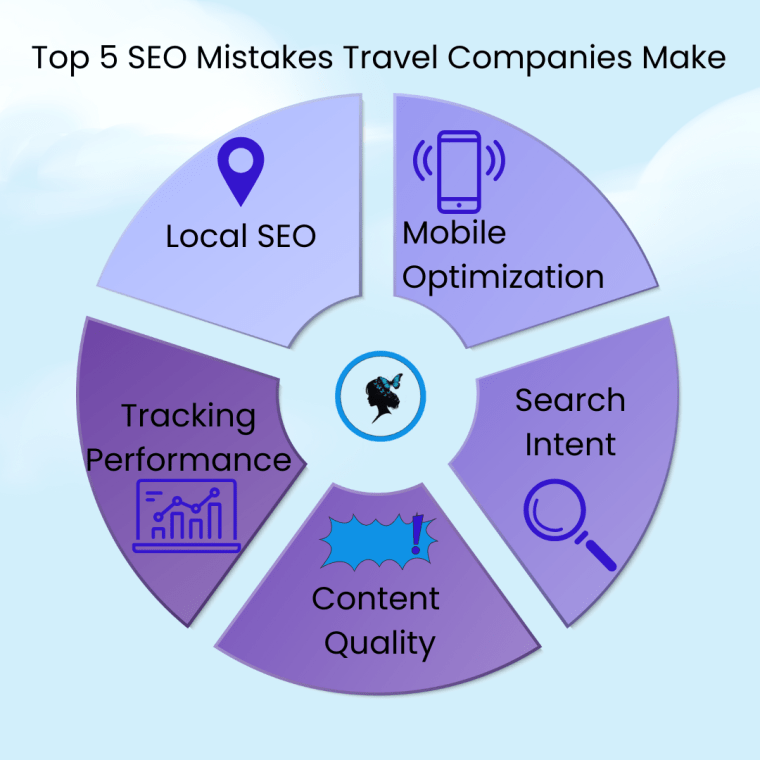
Top 5 SEO Mistakes Small Travel Companies Make (And How to Fix Them)

Search Engine Optimization (SEO) is one of the most effective ways for small travel companies to grow their online presence and attract more customers. But SEO can be tricky, especially when you’re balancing the needs of your clients and maintaining the day-to-day operations of your business. While many small travel businesses understand the importance of SEO, there are common mistakes that often prevent them from reaching their full potential.


Table of Contents
  1. Neglecting Local SEO
  2. Ignoring Mobile Optimization
  3. Failing to Optimize for Search Intent
  4. Overlooking the Importance of Quality Content
  5. Not Measuring or Tracking SEO Performance
  6. Conclusion

In this blog, we’ll walk through the top 5 SEO mistakes small travel companies make and provide actionable tips on how to fix them.

Need some help with SEO strategies? Check out our packages to start moving in the right direction!

1. Neglecting Local SEO

One of the biggest mistakes small travel companies make is ignoring the importance of local SEO. Travel businesses often focus on broader, generic keywords like “vacation packages” or “holiday tours,” but these terms are extremely competitive and may not help you reach the customers who are most likely to book your services.

Why This Is a Problem:

By not optimizing for local SEO, you’re missing out on a large pool of potential customers who are actively searching for travel services in your specific location. Local SEO is essential for travel agencies, tour operators, and hotels because travelers often search for services close to their destination.

Read our Ultimate Guide to Local SEO for Travel Agencies for more tips.

How to Fix It:

  • Claim and Optimize Your Google My Business Listing: Google My Business (GMB) is a powerful tool for local businesses. Make sure your listing is complete with accurate business details, operating hours, contact information, and high-quality images of your services. Encourage customers to leave reviews, as these can improve your local search rankings.
  • Use Location-Specific Keywords: If you operate in a specific region or cater to a particular destination, use keywords like “best tours in Rome,” “affordable hotels in Madrid,” or “family-friendly activities in London.” Localizing your content will increase your chances of ranking higher for relevant searches in your target area.
  • Create Localized Content: Write blog posts or guides about the local area, such as “Top 10 Things to Do in Sydney” or “Hidden Gems in Portland.” This type of content not only provides value to your customers but also helps boost your local SEO rankings.

Read our ultimate guide to Local SEO.

2. Ignoring Mobile Optimization

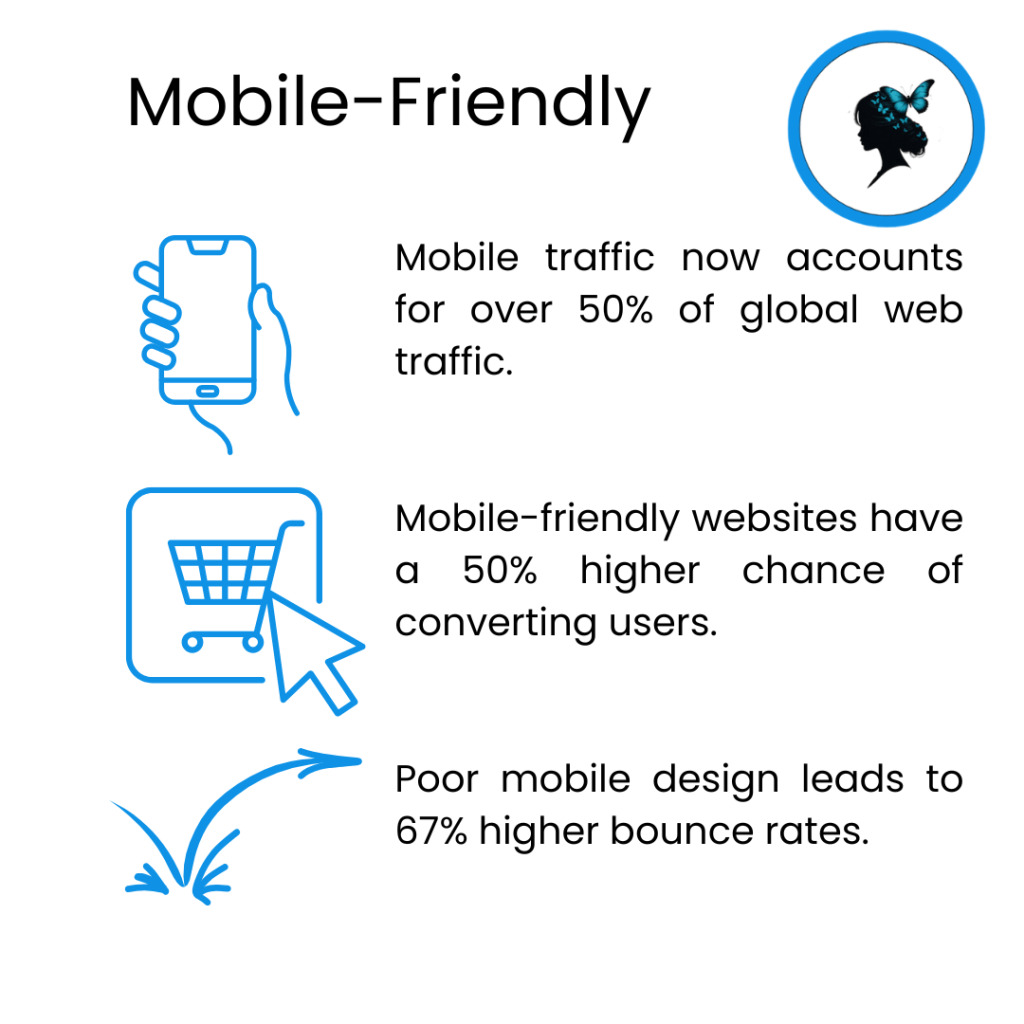
With over 50% of website traffic coming from mobile devices, having a mobile-optimized website is no longer optional. If your site isn’t mobile-friendly, you could be losing valuable customers, especially since many travelers search for information while on the go.

Why This Is a Problem:

Google’s mobile-first indexing means that Google predominantly uses the mobile version of your website for ranking and indexing. If your site isn’t optimized for mobile users, it can negatively impact your SEO rankings, making it harder for potential customers to find you.

How to Fix It:

  • Use a Responsive Web Design: A responsive design automatically adjusts the layout and content of your website depending on the screen size. This ensures that your site is easily navigable, whether it’s viewed on a smartphone, tablet, or desktop.
  • Speed Up Your Site: Mobile users are often on the go and impatient for slow-loading pages. Use tools like Google PageSpeed Insights to identify and fix issues that may be slowing down your website. Compress images, eliminate unnecessary scripts, and optimize your website’s structure to ensure fast loading times.
  • Simplify Navigation: On mobile devices, space is limited. Make sure that your site’s navigation is easy to use and that important information (like contact details, booking forms, and service descriptions) is easily accessible.

3. Failing to Optimize for Search Intent

Search intent is the reason behind a user’s search query. If you’re targeting keywords without considering the intent behind them, you may not attract the right audience. There are four main types of search intent: informational, navigational, transactional, and commercial investigation. Small travel companies often make the mistake of targeting keywords that are too broad or irrelevant to their business goals.

Why This Is a Problem:

When you fail to understand the intent behind your customers’ search queries, you may create content that doesn’t meet their needs. This leads to higher bounce rates and lower engagement, which can negatively impact your SEO performance.

How to Fix It:

  • Conduct Keyword Research with Search Intent in Mind: Instead of just targeting keywords with high search volume, focus on keywords that align with the intent of your target audience.
  • Create Content for Each Stage of the Customer Journey: Map your content to the buyer’s journey. Informational content (like blog posts or destination guides) can attract potential travelers in the research phase, while transactional content (like service pages or booking options) can convert them into customers.
  • Optimize Landing Pages for Conversions: If your goal is to drive bookings, make sure that your landing pages are optimized to convert visitors into customers. Include clear calls to action, customer testimonials, and easy navigation for booking or contact information.

More about search intent in our comprehensive guide.

4. Overlooking the Importance of Quality Content

Content is king in SEO. However, many small travel businesses make the mistake of publishing low-quality content that doesn’t add value to their audience. Content that isn’t informative, engaging, or well-optimized for search engines will fail to rank and fail to connect with potential customers.

Why This Is a Problem:

Without high-quality content, your website will struggle to attract visitors and build trust with your audience. Google values content that is informative, relevant, and engaging to users, so low-quality content can severely hurt your SEO efforts.

Read here for more tips on how Storytelling can Transform your Travel Brand’s Blog.

How to Fix It:

  • Focus on Creating Valuable, Engaging Content: Think about your customers’ pain points and needs. Create blog posts, guides, videos, and infographics that provide useful information. For example, a blog post titled “Top 5 Family-Friendly Activities in Rome” would attract people planning family trips and help position your business as an authority in that niche.
  • Use the Right Keywords Naturally: While keyword optimization is essential, avoid keyword stuffing. Focus on creating content that answers the questions your potential customers are asking. Use natural, conversational language and include variations of your target keywords to make your content more engaging and accessible.
  • Update Old Content: Don’t let outdated content linger on your site. Refresh old blog posts and landing pages with new information, updated statistics, and fresh keywords to ensure they continue to provide value to your audience and perform well in search results.

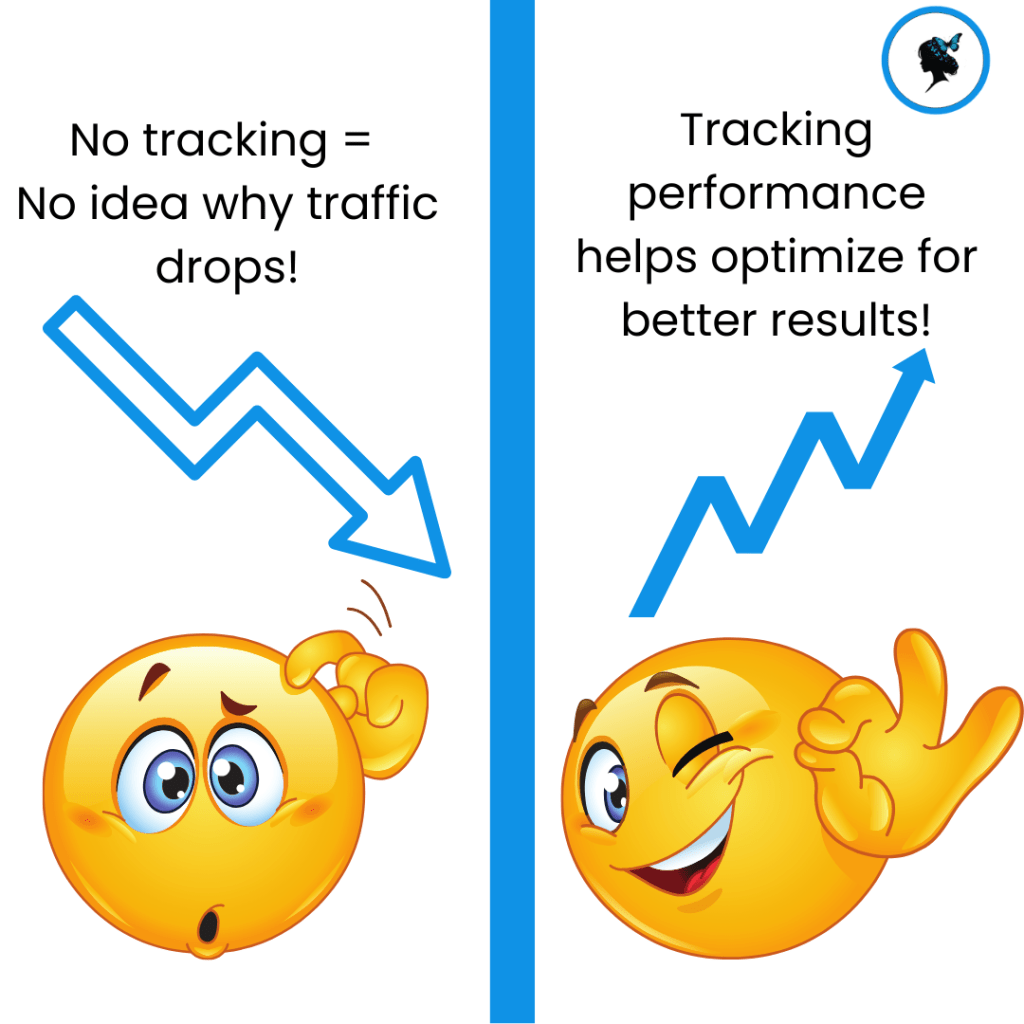
5. Not Measuring or Tracking SEO Performance

Many small travel businesses dive into SEO without taking the time to measure and track their performance. Not having a clear understanding of how your SEO efforts are performing means you’re operating blindly, which can lead to wasted resources and missed opportunities.

Why This Is a Problem:

Without tracking SEO performance, you won’t know what’s working and what’s not. This can prevent you from making data-driven decisions and adjustments to improve your rankings and traffic over time.

How to Fix It:

  • Use Analytics Tools: Google Analytics and Google Search Console are essential tools for tracking SEO performance. These platforms can show you which keywords are driving traffic, where your visitors are coming from, and how they interact with your site.
  • Track Key Metrics: Focus on tracking metrics that matter, such as organic traffic, keyword rankings, bounce rates, time on page, and conversion rates. Monitoring these metrics will help you make informed decisions about where to focus your SEO efforts.
  • Regularly Review Your SEO Strategy: SEO is a long-term game, and it’s important to review your strategy periodically. Make adjustments based on your performance data, industry changes, and shifts in customer behavior.

Conclusion

SEO is a powerful tool for small travel companies, but it requires ongoing effort, strategy, and attention to detail. By avoiding these common SEO mistakes—neglecting local SEO, ignoring mobile optimization, failing to understand search intent, publishing low-quality content, and not tracking performance—you can significantly improve your online visibility, drive more traffic to your site, and convert more visitors into loyal customers.

Start by addressing these issues in your SEO strategy, and you’ll be well on your way to achieving better rankings, more leads, and ultimately, business growth. If you need help optimizing your SEO strategy for your travel business, contact us to help you get results faster.

Creating Social Media Campaigns That Inspire Wanderlust

Social media has transformed the travel industry, offering small and large businesses alike the ability to connect directly with travelers. Platforms like Instagram, TikTok, and Pinterest are ideal for showcasing breathtaking destinations and inspiring wanderlust. But creating a successful social media campaign requires more than just posting stunning photos—it involves strategy, creativity, and engagement.

Here’s how to craft campaigns that captivate audiences and turn dreams into bookings.


▶ Table of Contents
  1. Why Social Media Matters for Travel Businesses
  2. Essential Elements of a Wanderlust-Worthy Campaign
  3. Tips for Platform-Specific Campaigns
  4. Measuring Success
  5. Conclusion

Why Social Media Matters for Travel Businesses

Travel is inherently visual and experiential, making it a perfect match for social media platforms. A well-executed social media campaign can:

  • Boost Brand Awareness: Get your name in front of a larger audience.
  • Drive Website Traffic: Guide users from posts to your website or booking platform.
  • Engage Your Community: Build relationships with followers through comments, shares, and likes.
  • Inspire Bookings: Convert followers into customers by showcasing your unique offerings.

Need some help with your SEO, Content and Social Media strategies?

Check out our packages to start moving in the right direction!

Essential Elements of a Wanderlust-Worthy Campaign

1. Know Your Audience

Understanding your target audience is crucial. Are they budget backpackers, luxury travelers, or adventure seekers? Tailor your content to their interests and preferences. Use platform insights and analytics to determine what resonates most with your followers.

Read here for more insights on types of content every travel website should have.

2. Use Stunning Visuals

Travelers are drawn to captivating imagery and videos. Invest in high-quality photography or videography that highlights the best aspects of your offerings. Focus on:

  • Scenic landscapes
  • Unique experiences (e.g., dining under the stars or diving with dolphins)
  • Authentic cultural moments

3. Leverage Storytelling

Great travel campaigns tell a story. Share personal experiences, testimonials, or behind-the-scenes looks at destinations. Use captions to evoke emotions and paint a vivid picture of the traveler’s journey.

More tips on how storytelling can transform your travel brand’s blog here.

4. Engage With User-Generated Content (UGC)

Encourage your followers to share their own travel experiences using your hashtags or tagging your business. Reposting UGC not only builds a sense of community but also provides authentic content that resonates with potential customers.

Read our guide: How to Use User-Generated Content to Enhance Your Travel Brand’s Trust.

Social media trends evolve quickly. Stay relevant by using popular formats such as:

  • Instagram Reels
  • TikTok challenges
  • Pinterest travel boards
  • Twitter threads with travel tips

Get inspired with our post: Social Media captions and why they matter.

6. Collaborate With Influencers

Partnering with travel influencers can expand your reach and add credibility to your brand. Choose influencers whose audience aligns with your target market and who can authentically represent your offerings.

7. Optimize for Engagement

Craft posts that encourage interaction. Ask questions, run polls, or host contests to keep your audience engaged. Examples include:

  • “Which destination is on your bucket list?”
  • Photo contests with travel-related prizes
  • Polls about travel preferences

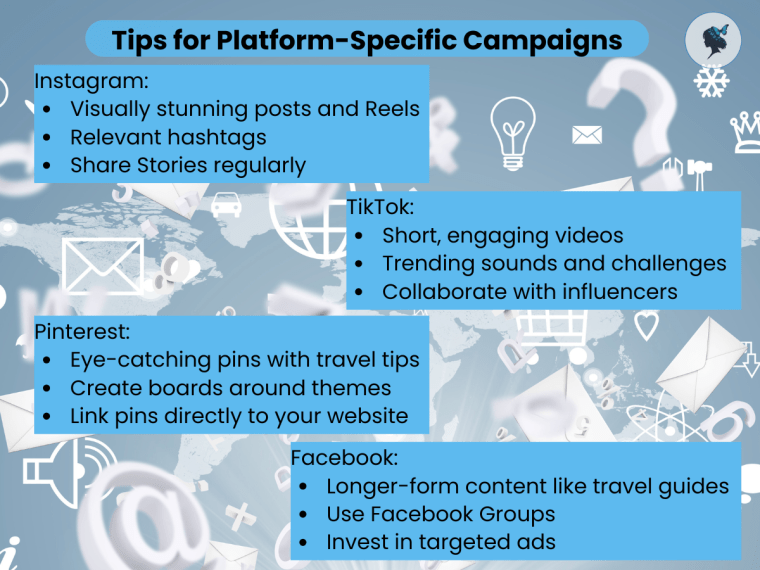
Tips for Platform-Specific Campaigns

Instagram

  • Focus on visually stunning posts and Reels.
  • Use relevant hashtags to increase discoverability.
  • Share Stories regularly to maintain visibility.

TikTok

  • Create short, engaging videos showcasing unique experiences.
  • Use trending sounds and challenges to boost reach.
  • Collaborate with TikTok travel influencers for authentic content.

Pinterest

  • Design eye-catching pins with travel tips, itineraries, or bucket lists.
  • Create boards around themes (e.g., “Top Beaches of 2025”).
  • Link pins directly to your website or booking platform.

Facebook

  • Share longer-form content like travel guides or event updates.
  • Use Facebook Groups to connect with niche communities.
  • Invest in targeted ads for specific demographics.

Measuring Success

Analyze the performance of your campaign to understand what works and what doesn’t. Key metrics to track include:

  • Engagement Rates: Likes, comments, shares, and saves.
  • Click-Through Rates: Traffic driven to your website or landing pages.
  • Follower Growth: New followers gained during the campaign.
  • Conversion Rates: Bookings or inquiries generated from social media.

Conclusion

Social media is a powerful tool for travel businesses to inspire wanderlust and turn dreams into action. By creating visually stunning, engaging, and authentic campaigns, you can connect with your audience on a deeper level and drive meaningful results. Start crafting your next campaign today, and watch as your followers become your biggest fans and loyal customers.

Need help with your Social Media strategy? Contact us to see how we can help!

5 Types of Content Every Travel Website Should Have

A well-designed travel website is more than just a booking platform; it’s a source of inspiration and information for travelers. To stand out in the competitive travel industry, your website must offer engaging and valuable content that keeps visitors coming back. Here are five essential types of content every travel website should have to attract and retain an audience.


▶ Table of Contents
  1. Destination Guides
  2. Travel Blogs and Stories
  3. Photo and Video Galleries
  4. User Reviews and Testimonials
  5. Booking and Planning Tools
  6. Conclusion

Check out our packages to start moving in the right direction!

1. Destination Guides

Travelers are always seeking detailed information about their next destination. Comprehensive destination guides can serve as a cornerstone for your website, providing:

  • Overview of the Location: Highlight key attractions, cultural experiences, and must-visit spots.
  • Practical Tips: Include advice on weather, local customs, currency, and transportation.
  • Hidden Gems: Share insider recommendations that aren’t typically covered in mainstream guides.

By offering rich, localized content, you establish your website as an authority in the travel space and attract both first-time and repeat visitors.

For more tips, check out our post: a step-by-step guide to creating destination guides.

2. Travel Blogs and Stories

Authentic travel stories and blogs resonate deeply with readers. Use this space to share:

  • Personal Travel Experiences: Narratives that inspire readers to follow in the footsteps of real travelers.
  • Itinerary Ideas: Provide detailed, day-by-day plans for popular destinations or themed trips.
  • Seasonal Travel Tips: Write about the best destinations for specific seasons or holidays.

Engaging travel blogs not only captivate your audience but also improve your SEO, drawing in organic traffic through long-tail keywords.

Read more tips on how storytelling can transform your travel brand’s blog.

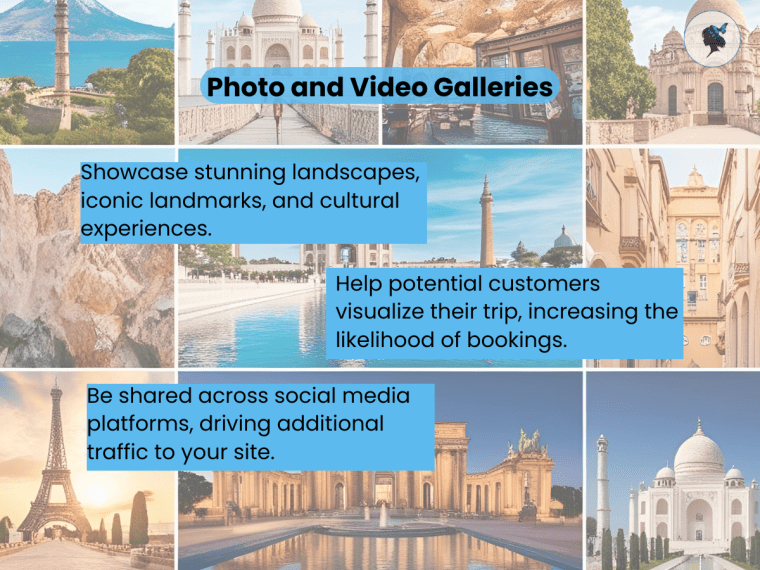
3. Photo and Video Galleries

Visual content is a powerful tool for sparking wanderlust. A curated gallery of high-quality photos and videos can:

  • Showcase stunning landscapes, iconic landmarks, and cultural experiences.
  • Help potential customers visualize their trip, increasing the likelihood of bookings.
  • Be shared across social media platforms, driving additional traffic to your site.

Invest in professional photography and videography to create a visually compelling experience for your audience.

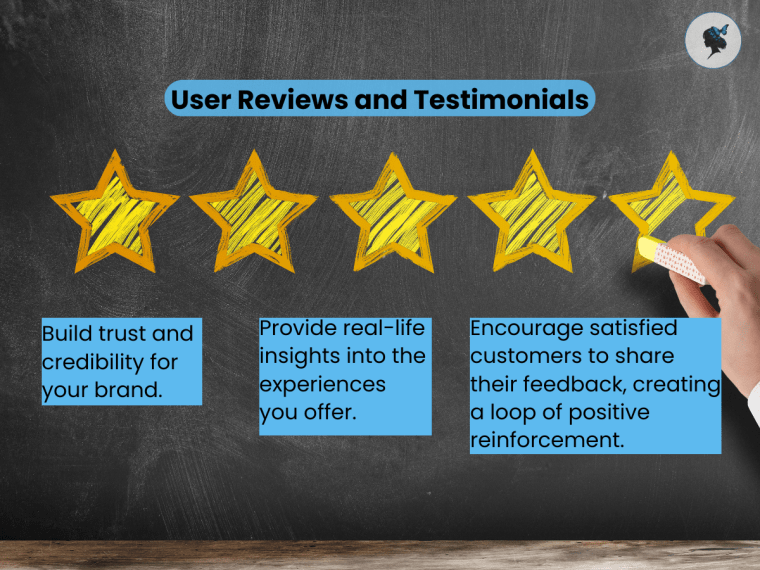
4. User Reviews and Testimonials

Social proof plays a critical role in the decision-making process for travelers. Featuring user reviews and testimonials can:

  • Build trust and credibility for your brand.
  • Provide real-life insights into the experiences you offer.
  • Encourage satisfied customers to share their feedback, creating a loop of positive reinforcement.

Make reviews easy to find and integrate with platforms like Google Reviews or TripAdvisor to enhance authenticity.

User-Generated Content (UGC) is also great for building trust. Read more about UGC here.

5. Booking and Planning Tools

Travelers value convenience, and having interactive tools on your website can make the planning process seamless. Consider including:

  • Itinerary Planners: Allow users to customize their travel schedules.
  • Cost Calculators: Help travelers estimate their expenses for accommodation, transport, and activities.
  • Maps and Navigation Tools: Offer interactive maps with pinned attractions, restaurants, and accommodations.

By providing these resources, you’ll position your website as a one-stop solution for all travel needs.

Conclusion

Creating diverse and engaging content is essential for building a successful travel website. From destination guides to interactive planning tools, these five content types can help you attract a wider audience, enhance user experience, and drive conversions. Remember, the key to success lies in understanding your audience and continuously updating your content to meet their evolving needs.

Start integrating these content types into your travel website today and watch your engagement and bookings soar!

Need help? Contact us for tailor-made content strategies.

The Ultimate Guide to Local SEO for Travel Agencies

In an era where travelers rely on search engines to plan their journeys, mastering Local SEO is crucial for travel agencies looking to connect with potential clients. Local SEO ensures that your agency appears in search results when people are looking for travel services in your area. Whether you’re a boutique agency or part of a larger network, optimizing for local search can significantly boost your visibility and bookings.

Check out our packages to start moving in the right direction!


▶ Table of Contents
  1. What is Local SEO?
  2. Why Local SEO Matters for Travel Agencies
  3. Measuring Local SEO Success
  4. How Wanderlust Keywords can Help

What is Local SEO?

Local SEO focuses on improving your business’s visibility in geographically specific search results. For instance, if someone searches for “travel agencies near me” or “Caribbean tour planners in Miami,” Local SEO ensures your business appears prominently in the results. This involves optimizing your website, Google My Business (GMB) profile, and other online assets to rank higher for location-based searches.

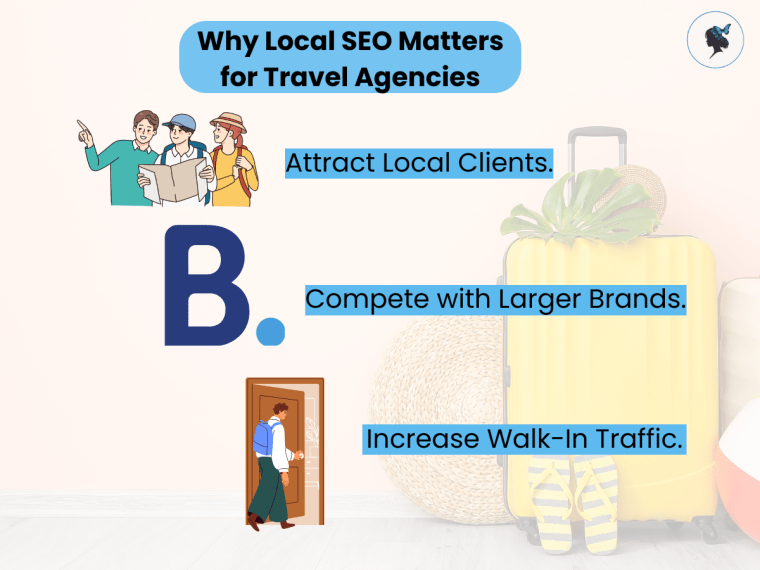
Why Local SEO Matters for Travel Agencies

  1. Attract Local Clients: Many travelers prefer to work with local agencies that understand their region-specific needs.
  2. Compete with Larger Brands: Local SEO levels the playing field, allowing smaller agencies to compete with national or global players.
  3. Increase Walk-In Traffic: If you have a physical office, Local SEO can drive foot traffic by making your business easier to find online.

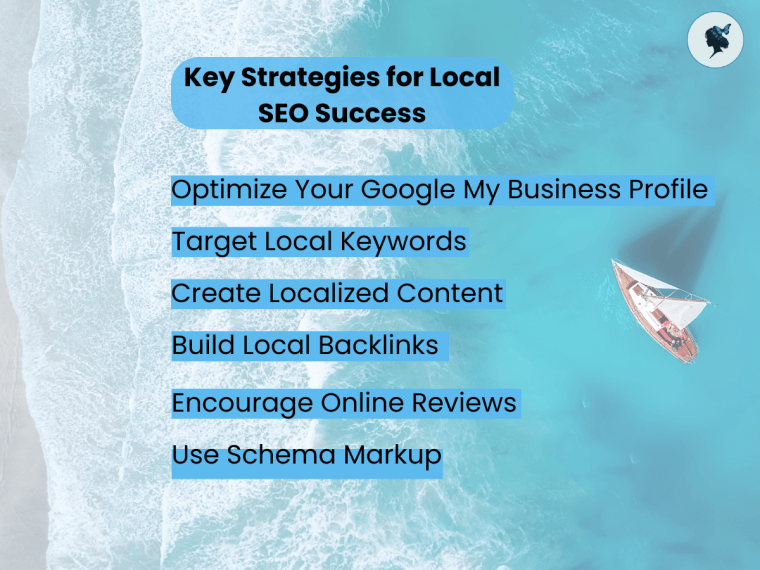
Key Strategies for Local SEO Success

1. Optimize Your Google My Business Profile

Google My Business is the cornerstone of Local SEO. Here’s how to make the most of it:

  • Ensure your profile is complete, accurate, and up-to-date.
  • Add your business name, address, phone number, website, and operating hours.
  • Use high-quality images of your office, staff, or tours.
  • Collect and respond to customer reviews to build trust and credibility.

2. Target Local Keywords

Incorporate location-specific keywords into your website’s content, such as “adventure tours in Denver” or “wedding travel planners in Austin.” Use tools like Google Keyword Planner to find relevant local search terms.

You might be interested in our post: Mastering Local Keyword Focus.

3. Create Localized Content

Publish blogs, guides, and articles tailored to your target audience’s location. Examples include:

  • “Top 10 Destinations for New Yorkers”
  • “How to Plan a Weekend Getaway from Seattle”
  • “Hidden Gems in San Francisco for Adventure Lovers”

Localized content not only attracts visitors but also helps establish your agency as a local expert.

Read here for 5 types of content every travel website should have.

Partner with local businesses, tourism boards, or bloggers to earn backlinks from their websites. For example, you could collaborate with a local hotel or restaurant to offer joint promotions and link to each other’s sites.

Need help with backlinks? Our WanderLinks Package can help!

5. Ensure Mobile-Friendliness

Over half of all local searches are conducted on mobile devices. Ensure your website is responsive, loads quickly, and provides a seamless user experience on mobile.

6. Encourage Online Reviews

Positive reviews not only enhance your reputation but also improve your local search rankings. Politely request reviews from satisfied clients and address any negative feedback professionally.

7. Use Schema Markup

Schema markup is a form of microdata that helps search engines understand your content. Implementing local business schema can improve your chances of appearing in rich search results, such as business cards or map snippets.

Want to know how to optimize your blog for location-based keywords? Look no further!

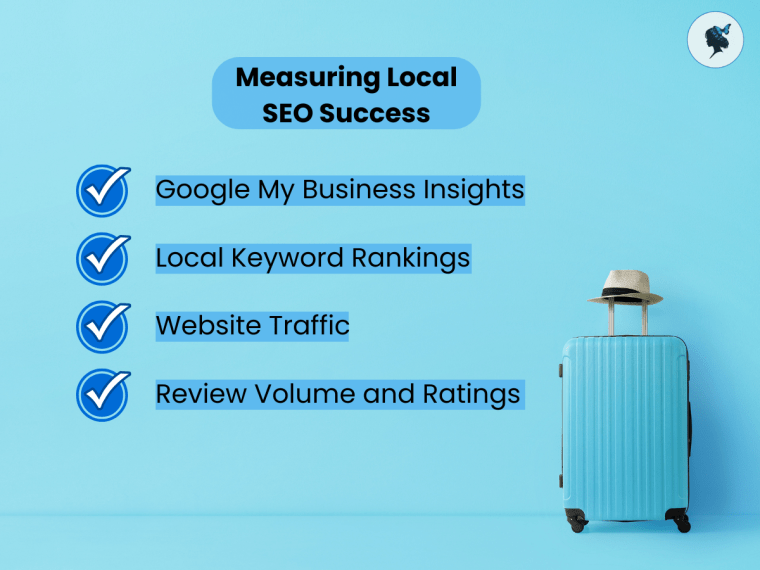
Measuring Local SEO Success

To ensure your Local SEO efforts are paying off, monitor these key metrics:

  • Google My Business Insights: Track views, clicks, and customer actions on your GMB profile.
  • Local Keyword Rankings: Use tools like SEMrush or Moz to see how well your site ranks for local keywords.
  • Website Traffic: Check analytics tools to measure traffic from local searches.
  • Review Volume and Ratings: Monitor your online reviews and strive for consistent, positive feedback.

Common Pitfalls to Avoid

  1. Ignoring Negative Reviews: Addressing bad reviews professionally shows potential clients you value feedback.
  2. Inconsistent NAP Information: Ensure your Name, Address, and Phone number are consistent across all platforms.
  3. Overlooking Mobile Optimization: A slow or clunky mobile site can drive potential clients away.

Local SEO is a powerful tool for travel agencies aiming to attract clients in their area. Our SEO keyword research package provides valuable insight for your Local SEO strategy. With Wanderlust Keywords, you’ll receive:

How Wanderlust Keywords can Help

  • Initial Keyword Discovery: Top 5 Current Keywords & position in SERPs, Monthly Search Volume, Organic Traffic and Competition of these Keywords & Top 5 Rising Keywords & position in SERPs, Monthly Search Volume, Organic Traffic and Competition of these Keywords
  • Long-Tail Keyword Identification: 20+ Long-Tail Keywords, divided into Search Intent
  • Local Keyword Focus: 20+ Local Keywords, including Search Volume and Keyword Difficulty
  • Keyword Prioritization and Strategy: Local Keywords prioritized, 15 + Suggestions for new content based on Keyword Research

Are you ready to sail to SEO success?

Contact us today to see how we can help you.

How Storytelling Can Transform Your Travel Brand’s Blog


▶ Table of Contents
  1. The Power of Storytelling in Travel Marketing
  2. Benefits of Storytelling for Your Travel Blog
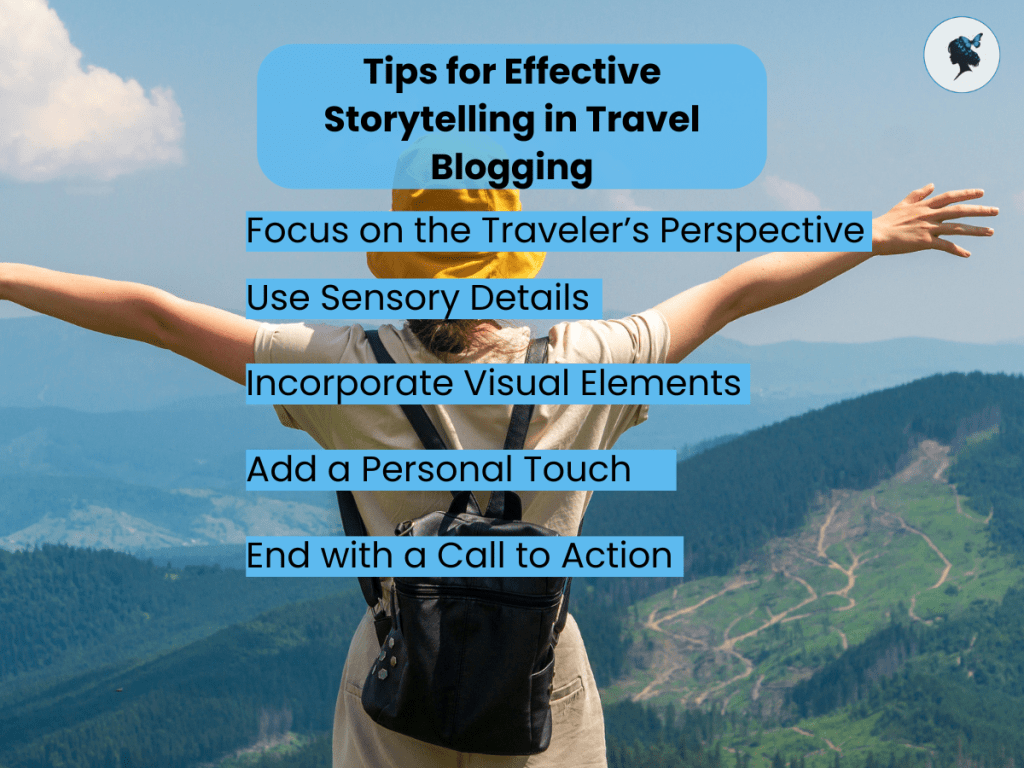
  3. Tips for Effective Storytelling in Travel Blogging
  4. Examples of Storytelling for Travel Blogs
  5. Conclusion

In the travel industry, it’s not just about selling a destination—it’s about selling an experience. For many travelers, choosing where to go isn’t driven by facts or features but by emotions and inspiration. This is where storytelling comes in. A compelling narrative can take your travel brand’s blog from a generic content repository to an engaging platform that connects deeply with your audience.

The Power of Storytelling in Travel Marketing

Storytelling is one of the oldest and most effective forms of communication. In travel blogging, it allows you to go beyond promoting your services and instead share meaningful experiences that inspire readers to take action. When done well, storytelling creates an emotional connection, making your brand memorable and trustworthy.

Check out our packages to start moving in the right direction!

Benefits of Storytelling for Your Travel Blog

1. Capturing Reader Interest

A good story draws readers in. By painting vivid pictures of unique travel experiences—whether it’s trekking through the Amazon rainforest or savoring street food in Bangkok—you can keep your audience hooked from start to finish.

2. Building Emotional Connections

Travel decisions are often influenced by emotions. Storytelling helps your audience visualize themselves in the destinations or scenarios you describe, creating a desire to live those moments themselves.

3. Differentiating Your Brand

In a saturated market, storytelling helps set your travel brand apart. While competitors may list itineraries or features, your stories bring the journey to life, showing what makes your services unique.

4. Encouraging User Engagement

Authentic stories resonate with readers, encouraging them to comment, share, or even contribute their own travel experiences. This engagement builds a loyal community around your brand.

Tips for Effective Storytelling in Travel Blogging

1. Focus on the Traveler’s Perspective

Instead of solely promoting your services, share stories from a traveler’s viewpoint. Highlight their emotions, challenges, and joys to make your content relatable.

2. Use Sensory Details

Bring your stories to life by incorporating sensory details. Describe the aroma of spices in a Moroccan market or the sound of waves crashing on a secluded beach. Such details transport readers to the heart of the experience.

3. Incorporate Visual Elements

Pair your narratives with stunning visuals, including photos and videos, to enhance the storytelling experience. A picture truly can be worth a thousand words when it comes to travel.

4. Add a Personal Touch

Authenticity is key. Share real experiences, whether they’re your own or those of satisfied customers. Personal stories make your content more genuine and engaging.

5. End with a Call to Action

Every story should inspire action. Whether it’s booking a tour, exploring a destination, or simply subscribing to your blog, make sure your readers know the next step.

Examples of Storytelling for Travel Blogs

1. Destination Narratives

Instead of listing “10 Things to Do in Paris,” share a day in the life of a traveler exploring Paris. Describe strolling along the Seine, sipping coffee at a quaint café, and watching the Eiffel Tower light up at night.

2. Customer Success Stories

Feature testimonials or stories from past customers who’ve had memorable trips with your brand. Highlight their unique experiences and the role your services played in making their journey special.

3. Behind-the-Scenes Stories

Give readers a glimpse behind the curtain by sharing stories about your team, the planning process, or the history behind certain tours or destinations. This builds trust and humanizes your brand.

Conclusion

In today’s travel industry, storytelling isn’t just a nice-to-have—it’s a must-have. By weaving compelling narratives into your blog, you can transform your travel brand into a source of inspiration and connection. Stories have the power to move people, and in travel, they have the power to move them across the world.

Start telling your brand’s stories today and watch your audience grow, engage, and embark on adventures fueled by your content.

Contact us to see how we can help you!

Why SEO is Crucial for Small Travel Businesses to Stay Competitive

In today’s digital-first world, travelers turn to search engines as their go-to resource for planning trips. Whether it’s finding flight deals, researching destinations, or booking accommodations, the journey begins with a simple Google search. For small travel businesses, this presents both an opportunity and a challenge: to stand out in a crowded market, you need a strong online presence—and that’s where Search Engine Optimization (SEO) comes in.

Check out our packages to start moving in the right direction!


▶ Table of Contents
  1. The Growing Importance of Online Visibility
  2. Key Benefits of SEO for Small Travel Businesses
  3. Essential SEO Strategies for Travel Businesses
  4. Staying Ahead of the Competition
  5. Conclusion

The Growing Importance of Online Visibility

According to recent studies, over 80% of travel planning starts online, with search engines being the primary tool for research. If your website doesn’t appear on the first page of search results, potential customers are likely booking with your competitors. SEO helps ensure your business is visible when travelers are searching for services you offer, giving you a competitive edge.

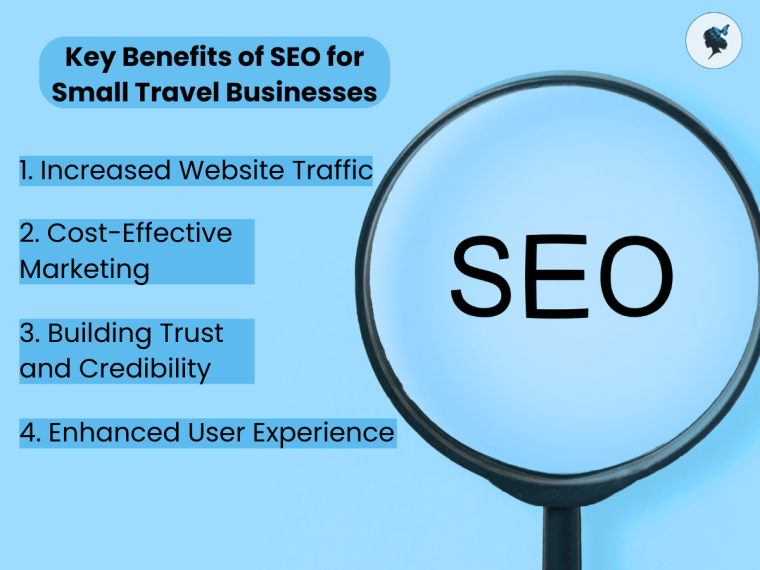
Key Benefits of SEO for Small Travel Businesses

1. Increased Website Traffic

SEO helps improve your website’s ranking on search engines, driving organic traffic. By targeting keywords related to your niche—like “family-friendly safaris” or “budget beach resorts in Bali”—you attract travelers actively looking for your offerings.

2. Cost-Effective Marketing

Compared to paid advertising, SEO offers long-term benefits at a lower cost. Once your website ranks well, you’ll continue receiving traffic without needing to pay for every click or view. For small businesses with limited marketing budgets, this is invaluable.

3. Building Trust and Credibility

Websites that rank higher on search engines are perceived as more trustworthy by users. An optimized website not only attracts more visitors but also helps establish your brand as an authority in the travel industry.

4. Enhanced User Experience

SEO isn’t just about keywords; it also involves optimizing your website’s structure, speed, and mobile-friendliness. A fast, user-friendly website improves your visitors’ experience, increasing the likelihood of conversions.

Essential SEO Strategies for Travel Businesses

1. Target Local SEO

Many travelers search for location-specific services, like “tour guides in Paris” or “private lodges in Kenya.” Optimizing for local SEO by claiming your Google My Business profile and including location-specific keywords can help you attract these customers.

Read our Ultimate Guide to Local SEO for Travel Agencies here.

2. Create High-Quality Content

Travelers are constantly seeking inspiration and information. By publishing blog posts, destination guides, and travel tips, you can attract visitors and establish yourself as an expert. Use engaging visuals and shareable content to amplify your reach.

Read our post on the top 5 types of content every travel website should have.

3. Optimize for Mobile

Over 60% of travel searches are conducted on mobile devices. Ensure your website is mobile-friendly to provide a seamless experience for users on the go.

4. Leverage Reviews and Testimonials

Positive reviews boost your credibility and improve your local SEO rankings. Encourage satisfied customers to leave reviews on platforms like Google and TripAdvisor.

Staying Ahead of the Competition

SEO isn’t a one-time effort but an ongoing process. Regularly updating your content, analyzing performance metrics, and adapting to algorithm changes are crucial for maintaining your rankings. While larger competitors may have bigger budgets, a well-executed SEO strategy can level the playing field, allowing your small travel business to thrive.

That’s why Wander Women Strategies offer mini SEO & content packages—so you can get exactly what you need, when you need it, at a price you can afford.

Conclusion

In the competitive travel industry, having a robust SEO strategy is no longer optional—it’s essential. By investing in SEO, small travel businesses can boost visibility, attract more customers, and build a loyal following. As more travelers turn to search engines for their travel needs, ensuring your business appears prominently in search results is key to long-term success. Start optimizing today, and watch your small travel business soar to new heights!

Need help with SEO? Contact us to see how we can help!