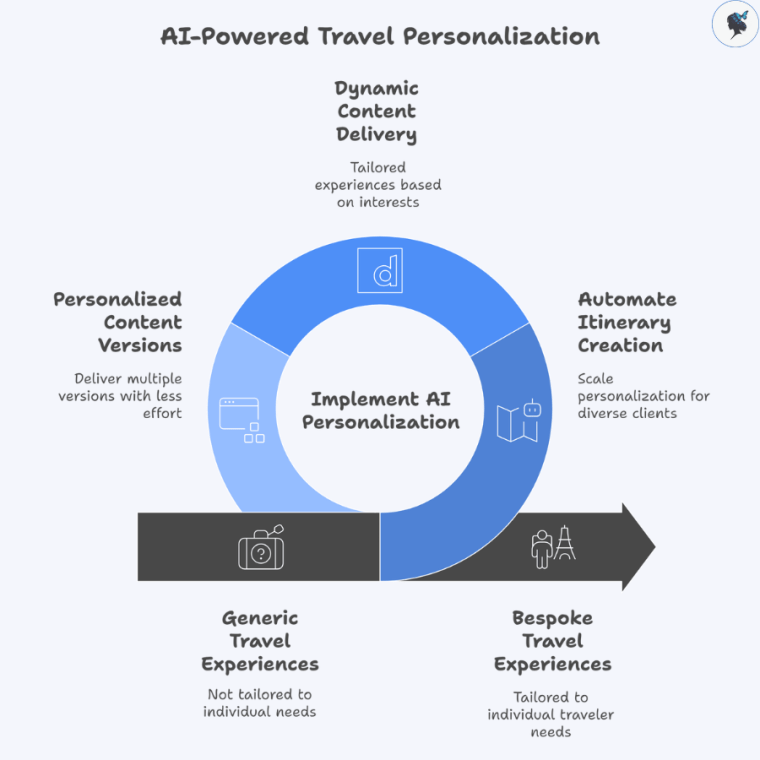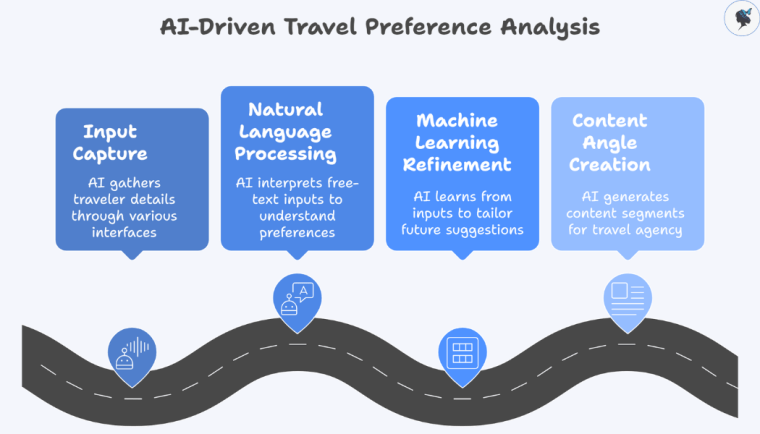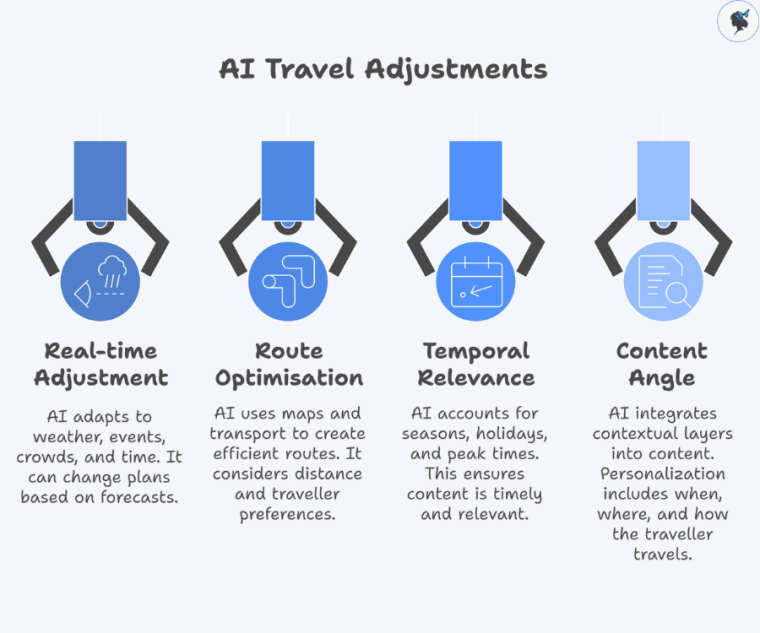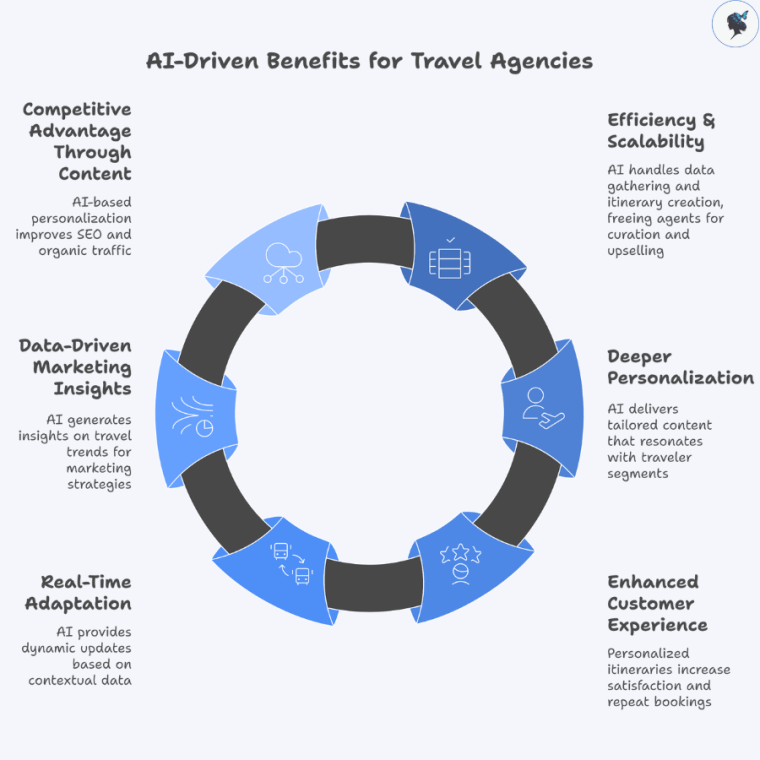
BLOG

Lead Magnet Ideas for Travel Agencies


How to Attract and Capture More Travel Leads

▶ Table of Contents
  1. How to Attract and Capture More Travel Leads
  2. Destination-Specific Travel Guides
  3. Customized Travel Checklists
  4. Exclusive Discounts and Early-Bird Offers
  5. Interactive Quizzes or Travel Personality Tests
  6. Sample Itineraries and Travel Plans
  7. Travel Budget Calculators or Expense Planners
  8. Travel Safety and Health Tips
  9. Webinars or Virtual Travel Experiences
  10. Packing and Gear Guides

In the fiercely competitive travel industry, attracting potential customers and converting them into loyal clients requires more than just a great website or attractive packages. Building an engaged email list is key to sustained growth, and one of the most effective ways to grow this list is through offering valuable lead magnets. Lead magnets are free resources or offers that provide genuine value, encouraging travelers to exchange their contact details. For travel agencies, tailoring these offers specifically to travelers’ needs can significantly boost sign-ups and eventually bookings.

Infograph: Strategies for travel lead generation
Strategies for travel lead generation

Below, we explore a range of lead magnet ideas tailored for travel agencies, complete with detailed examples, supporting statistics, and tips on how to promote each via social media for maximum impact.


Destination-Specific Travel Guides

Travelers crave detailed, reliable information before committing to a trip. Destination-specific travel guides offer comprehensive insights into a place, covering attractions, accommodations, local culture, dining, and transportation. These guides serve as valuable planning tools and position your agency as an expert.

Consider creating a “Complete 7-Day Bali Travel Guide” that breaks down each day with activities ranging from temple visits to beach days, includes recommended hotels for different budgets, and highlights local customs and must-try foods. Including maps, seasonal tips, and packing advice enhances usability. Agencies like Intrepid Travel offer similar guides, which boost engagement and bookings by providing actionable insights.

Infograph: Enhancing travel planning with guides
Enhancing travel planning with guides

Over 90% of travelers research online before booking before booking their trips, showing the importance of detailed travel content to capture interest early.

Wander Women Hot Tip: Promote the guide by sharing Instagram carousel posts featuring stunning Bali images paired with tips from the guide. Use Stories with swipe-up links or link stickers to drive downloads. Facebook groups dedicated to travel are ideal for sharing these guides and sparking conversations.

More about destination guides here.


Customized Travel Checklists

Packing can be overwhelming, especially for travelers unfamiliar with their destination’s climate or activities. Customized checklists provide clear, practical guidance, reducing stress and increasing confidence. This type of lead magnet is highly shareable and valued.

Design a “Summer Europe Travel Packing Checklist” divided into categories such as clothing, electronics, and travel documents. Include suggestions for weather-specific items and activity-based gear like hiking shoes or swimwear.

Infograph: How to pack for a summer trip to Europe
How to pack for a summer trip to Europe

A survey by Expedia found that 53% of travelers feel overwhelmed by packing, making checklists a highly relevant and desirable resource.

Wander Women Hot Tip: Create visually appealing, Pinterest-friendly checklist graphics. Share snippets on Instagram Stories with “Save this checklist” call-to-actions. Encourage followers to tag friends planning trips.


Exclusive Discounts and Early-Bird Offers

Exclusive offers and early booking discounts act as strong motivators for travelers who are price-conscious but ready to commit. Offering these deals as lead magnets not only increases sign-ups but can also drive immediate conversions.

Offer a “10% Early Bird Discount for Caribbean Cruises” to email subscribers, paired with a deadline to create urgency. Agencies like Viking Cruises use early bird incentives to boost bookings well before peak travel seasons.

Infograph: Travel booking cycle
Travel booking cycle

Over half of consumers want to receive discounts and offers via email, highlighting the effectiveness of this strategy for list building.

Wander Women Hot Tip: Use Instagram Stories countdown stickers and Facebook pinned posts to emphasize scarcity. Run targeted ads to reach audiences interested in your travel segments, maximizing exposure.


Interactive Quizzes or Travel Personality Tests

Interactive quizzes engage potential travelers in a fun and personalized way, helping them discover travel preferences or ideal destinations. This interactivity increases sign-up rates and allows agencies to segment their audience for tailored marketing.

Create a quiz titled “What Type of Traveler Are You?” that categorizes users into types such as Adventure Seeker, Culture Lover, or Relaxation Enthusiast, with corresponding trip suggestions. Travel brands like Booking.com have successfully used quizzes to guide customers toward personalized offers.

Infograph: How to use interactive quizzes for lead generation
How to use interactive quizzes for lead generation

An interact report found that quizzes have a 40% start to lead rate on average, making them one of the most effective lead generation tools.

Wander Women Hot Tip: Promote your quiz on Instagram Stories with interactive question stickers and “Swipe up” links. Share users’ results templates for organic reach, encouraging sharing and engagement.

More content marketing ideas here.


Sample Itineraries and Travel Plans

Providing sample itineraries helps travelers visualize their trips and reduces the overwhelm of planning. This leads to higher trust and increased likelihood to book through your agency.

Offer a downloadable “3-Day New York City Itinerary for First-Time Visitors,” featuring sightseeing highlights, restaurant recommendations, and transit tips. Include options for different budgets and interests, such as arts or family-friendly activities. Companies like Lonely Planet Journeys offer itinerary downloads that drive site traffic and conversions.

Infograph: Itinerary engagement to booking conversion
Itinerary engagement to booking conversion

According to Google, travellers who are satisfied with their search experience are 5× more likely to be very confident in their booking decision, and 3× more likely to intend to rebook with the same airline or accommodation provider.

Wander Women Hot Tip: Share itinerary highlights in carousel posts on Instagram or as pinned posts on Pinterest. Use LinkedIn to target business travelers with tailored itinerary content.

More about itinerary tips here.


Travel Budget Calculators or Expense Planners

Budgeting remains one of the top concerns for travelers. Interactive tools like budget calculators help clients plan realistically, increasing trust and easing booking decisions.

Develop an “Interactive Travel Budget Calculator” where users input trip length, destination, and preferences, receiving a detailed estimated cost breakdown. Brands like TripAdvisor offer budget planners that enhance user experience and retention.

Infograph: How to enhance travel budgeting tools
How to enhance travel budgeting tools

According to a survey by eDreams ODIGEO, 64% of UK respondents and 55% of global respondents said cost-effectiveness (i.e., budget) was a top priority when planning their travel.

Wander Women Hot Tip: Create short demo videos on TikTok or Instagram Reels showing how to use the calculator. Encourage followers to share budgeting tips and tag friends.

Tips for Instagram growth.


Travel Safety and Health Tips

Post-pandemic, travelers prioritize health and safety more than ever. Offering up-to-date safety guides positions your agency as trustworthy and client-focused.

Provide an “Essential Travel Safety Guide for Solo Female Travelers,” including safety apps, destination-specific precautions, and emergency contacts. Agencies like Intrepid Travel emphasize safety in their marketing to build confidence.

Infograph: Top travel safety priorities
Top travel safety priorities

A 2024 survey by European Travel Commission found that 45% of long-haul travellers regard “safety” (including health/physical safety) as a primary factor when selecting a destination for that summer.

Wander Women Hot Tip: Share infographic carousels on Instagram and Facebook detailing key safety tips. Host live Q&A sessions to answer traveler concerns directly.


Webinars or Virtual Travel Experiences

Webinars provide a platform for direct interaction, allowing agencies to showcase expertise, answer questions, and build community around destinations.

Host a live webinar titled “Top 5 Hidden Gems in Italy,” featuring local experts and travel tips, with a live Q&A. Travel agencies like Contiki have leveraged virtual experiences to maintain engagement during travel restrictions.

Infograph: Webinar engagement cycle
Webinar engagement cycle

According to ON24, 89% of marketers believe webinars drive high-quality leads, making them a valuable lead generation tactic.

Wander Women Hot Tip: Promote webinars using Facebook Events and LinkedIn posts. Share teaser videos and countdown posts to build excitement.


Packing and Gear Guides

Travelers often search for expert recommendations on gear and packing, especially for niche or adventure trips. Offering detailed gear guides helps travelers prepare effectively.

Create “The Ultimate Backpacking Gear Checklist,” covering essentials, tech gadgets, and sustainable travel products. REI’s expert gear guides have set industry standards for trustworthiness and utility.

Infograph: Comprehensive travel gear guide
Comprehensive travel gear guide

A survey conducted by LugLess in April 2025 revealed that 11% of travelers use AI to help them curate a suggested packing list.

Wander Women Hot Tip: Share gear reviews and unboxing videos on YouTube and Instagram Reels. Use Pinterest to curate gear boards linked to your lead magnets.


Conclusion

Lead magnets are powerful tools to grow your travel agency’s email list, build trust, and ultimately increase bookings. By focusing on the unique needs of travelers—from planning to safety to budget—you can craft resources that resonate deeply. Pair these lead magnets with strategic social media promotion to maximize reach and conversions. Start small, track your results, and scale up what works best for your audience.

Need help? Contact us today!
Tips for Writing Travel Itineraries That Sell

▶ Table of Contents
  1. Introduction
  2. Know Your Audience
  3. Create a Clear and Logical Structure
  4. Use Engaging and Persuasive Language
  5. Include Practical Information
  6. Incorporate Visual Elements
  7. Address Common Traveler Questions and Concerns
  8. Call to Action and Booking Information
  9. Review and Test Your Itinerary
  10. Conclusion

Introduction

A well-crafted travel itinerary is more than just a schedule—it’s a powerful sales tool that inspires travelers to book their next adventure with you. Itineraries that clearly communicate value, excitement, and practical details can significantly boost bookings and improve customer satisfaction. According to a study by Skift, travelers are researching longer, and prefer detailed itineraries before committing to a trip, making your itinerary writing skills critical for success.

Infograph: The itinerary impact cycle
The itinerary impact cycle

In addition to influencing booking decisions, effective itineraries help set clear expectations, reducing last-minute cancellations and dissatisfaction. When travelers know exactly what to expect, they are more likely to enjoy their trip and leave positive reviews, which in turn attracts more customers. Therefore, the quality of your itinerary impacts not only sales but also your brand reputation and customer loyalty.


Know Your Audience

Before drafting an itinerary, understand who you’re writing for. Different traveler types have different priorities—families may prioritize safety and kid-friendly activities, solo travelers might seek social experiences, and adventure seekers want thrill and exploration. Tailor your itineraries accordingly by researching traveler demographics and preferences. Tools like Google Analytics and social media insights can provide valuable audience data. Meeting traveler expectations at this level creates trust and relevance.

Infograph: types of travelers
Who is the itinerary for?

Moreover, understanding your audience enables you to address specific pain points, such as accessibility for elderly travelers or budget constraints for backpackers. Personalizing itineraries for these needs demonstrates empathy and expertise, which enhances the perceived value of your offerings. This approach can also help you segment your marketing efforts, making it easier to reach and convert distinct traveler groups effectively.

Read our post: the complete digital marketing funnel for travel.


Create a Clear and Logical Structure

Structure your itinerary so it’s easy to follow and visually appealing. Break it down by days or by activities, with clear headings and bullet points. Including estimated times for each activity, transportation info, and rest periods helps travelers visualize their experience. According to Nielsen Norman Group, users scan web content, so breaking text into digestible chunks improves readability. A logical flow ensures travelers feel confident and informed about their plans.

Infograph: Itinerary structure pyramid
Itinerary structure pyramid

A well-organized itinerary also aids in setting a comfortable travel pace, which is crucial for traveler satisfaction. Overloading a day with too many activities can lead to fatigue, while too few can cause boredom. Providing a balanced schedule with ample downtime signals professionalism and care, reassuring travelers that their wellbeing is a priority.


Use Engaging and Persuasive Language

Bring your itinerary to life with vivid, sensory language that paints a picture. Instead of “Visit the beach,” say “Relax on the pristine white sands of Clearwater Beach, soaking up the golden sun.” Highlight unique features or exclusive experiences that set your offering apart. Use action verbs and focus on benefits like relaxation, adventure, or cultural immersion. Persuasive language taps into traveler emotions and helps turn interest into bookings.

Infograph: Crafting compelling travel itineraries
Crafting compelling travel itineraries

Using storytelling techniques, such as describing a typical day or sharing anecdotes from past travelers, can deepen engagement. When travelers emotionally connect with the itinerary, imagining themselves in those scenarios, they are more inclined to make a purchase. Including local cultural highlights or personal touches adds authenticity that differentiates your itineraries from generic ones.

More about storytelling here.


Include Practical Information

Beyond excitement, travelers need practical details to feel secure. Include transport options, accommodation details, meal arrangements, estimated costs, booking deadlines, and cancellation policies. Adding insider tips—like the best time to visit a site or local customs—adds extra value. Practical info reduces uncertainty, which is a major booking barrier.

Infograph: How to enhance traveler confidence and booking rates
How to enhance traveler confidence and booking rates

Providing contingency plans, such as alternatives during bad weather or emergency contacts, further reassures travelers. Including information on travel insurance or health requirements can also build trust and professionalism. The more transparent and comprehensive your itinerary, the more travelers feel confident booking through you rather than competitors.


Incorporate Visual Elements

Visuals make itineraries more engaging and easier to understand. Add high-quality images of destinations, maps outlining routes, or icons indicating meal inclusions, activity difficulty, or accessibility. Interactive or downloadable PDFs enhance usability and shareability. Visual cues support comprehension and appeal to different learning styles, increasing the chances that travelers will connect with your offering.

Infograph: Enhancing itineraries with visuals
Enhancing itineraries with visuals

Incorporating multimedia elements like short videos or virtual tours can further enhance the experience, especially for digital-savvy travelers. These elements not only make your itinerary stand out but also help travelers get a real sense of the destinations and activities, increasing excitement and trust in your brand.

Read our post: the power of visual content.


Address Common Traveler Questions and Concerns

Anticipate and answer typical questions such as safety measures, weather expectations, packing recommendations, and optional activities. Offering alternatives or flexible options helps travelers customize their experience, making your itinerary more appealing. Transparency builds trust—travelers appreciate when you openly address potential concerns. Including an FAQ section can improve satisfaction and reduce pre-booking anxiety.

Infograph: How to enhance traveler satisfaction and confidence?
How to enhance traveler satisfaction and confidence?

Additionally, addressing cultural sensitivities, local laws, and language tips can prepare travelers for smoother experiences, enhancing their confidence in your expertise. Providing contact information for support during the trip further reassures travelers that help is available when needed, which can be a decisive factor in booking.


Call to Action and Booking Information

End your itinerary with a clear and compelling call to action (CTA). Encourage travelers to book now, request more info, or customize their trip. Provide contact details, booking links, or next steps so the decision-making process is simple and straightforward. Effective CTAs have been shown to increase conversions when placed strategically. Don’t miss this crucial step to close the sale.

Infograph: Steps to effective call to action
Steps to effective call to action

Consider also offering limited-time deals, early bird discounts, or bonuses for quick bookings in your CTA to create urgency. Highlighting guarantees or flexible booking policies alongside your CTA can reduce hesitation and make travelers feel more comfortable committing immediately.

Check out: the importance of clear CTAs.


Review and Test Your Itinerary

Before publishing, proofread your itinerary carefully for accuracy, clarity, and tone. Getting feedback from colleagues, past travelers, or a focus group can uncover improvements. Regularly update your itineraries based on seasonal changes, new experiences, or traveler feedback. Continuous refinement keeps your content fresh, relevant, and effective in converting leads.

Infograph: Itinerary refinement cycle
Itinerary refinement cycle

Testing your itinerary in different formats (desktop, mobile, PDF) ensures accessibility across platforms, as travelers often access itineraries on multiple devices. Monitoring user interactions and feedback also helps identify which sections are most engaging or confusing, enabling you to optimize accordingly.


Conclusion

Writing travel itineraries that sell requires a blend of audience insight, clear structure, vivid storytelling, practical details, and strong calls to action. When done right, itineraries do more than inform—they excite, reassure, and motivate travelers to book. By continuously improving your itineraries based on feedback and trends, you can enhance your travel business’s appeal and drive sustained growth.

Remember, your itinerary is often the first detailed impression a traveler has of your service. Investing time and effort into perfecting it not only increases bookings but also fosters loyalty and referrals, helping your travel brand thrive in a competitive market.

Need help? Contact us today!


Why Your Travel Brand Needs a CRM

▶ Table of Contents
  1. Introduction
  2. Centralized Customer Data Management
  3. Enhanced Customer Segmentation and Targeting
  4. Improved Communication and Customer Service
  5. Streamlined Sales and Booking Processes
  6. Data-Driven Decision Making
  7. Building Customer Loyalty and Retention
  8. Scalability and Growth Support
  9. Conclusion

Introduction

In today’s competitive travel industry, building and maintaining strong customer relationships is essential. Customer Relationship Management (CRM) systems have become invaluable tools for travel brands aiming to provide personalized experiences, streamline operations, and drive growth. A CRM helps travel companies organize and leverage customer data to enhance service quality and boost sales. According to Salesforce, 79% of consumers say it’s important for brands to understand their needs, making CRM adoption crucial for success.


Centralized Customer Data Management

A CRM consolidates customer information from various touchpoints such as website inquiries, social media interactions, and booking platforms into one unified database. This centralized data enables travel brands to gain a complete, 360-degree view of each traveler’s preferences, past trips, and communication history.

Infograph: CRM benefits for travel agencies.
CRM benefits for travel agencies.

For example, a travel agency can track that a customer prefers beach vacations and has booked trips to the Caribbean before. With this insight, the agency can tailor future recommendations and marketing messages, improving the customer experience and increasing the likelihood of repeat bookings.


Enhanced Customer Segmentation and Targeting

CRMs empower travel brands to segment customers based on demographics, booking behavior, travel interests, and more. This segmentation allows marketers to create highly targeted campaigns that resonate with specific traveler groups.

Infograph: CRM-driven marketing success.
CRM-driven marketing success.

Imagine a campaign promoting luxury safari tours to affluent adventure travelers, while simultaneously sending family vacation package offers to customers with children. Segmenting your audience leads to more relevant messaging, which can increase open rates and conversions by over 50%.


Improved Communication and Customer Service

Effective communication is key to traveler satisfaction. CRMs enable automated yet personalized messages such as booking confirmations, reminders, travel tips, and post-trip surveys. Automated workflows ensure timely follow-ups without manual effort.

Infograph: Enhancing travel satisfaction with CRMs
Enhancing travel satisfaction with CRMs

For instance, a CRM can send a friendly reminder about travel documents a week before departure or offer a special discount for a customer’s next trip based on their booking history. This proactive communication fosters trust and loyalty, which can boost customer retention rates by 20%.


Streamlined Sales and Booking Processes

CRMs help travel companies efficiently manage leads, track bookings, and monitor sales pipelines. Integrations with booking engines and payment gateways enable a seamless workflow from inquiry to final purchase.

Infograph: CRM-driven sales cycle
CRM-driven sales cycle

For example, a corporate travel service can use its CRM to track group bookings, assign sales reps, and ensure timely follow-up for contract renewals. This organized process reduces booking errors and shortens sales cycles, increasing revenue and customer satisfaction.


Data-Driven Decision Making

The analytics capabilities within CRMs provide valuable insights into customer behavior and market trends. Travel brands can analyze which destinations are trending, identify peak booking times, and understand customer lifetime value.

Infograph: CRM analytics cycle for travel brands
CRM analytics cycle for travel brands

By leveraging these insights, companies can optimize marketing budgets, tailor offers, and predict demand more accurately. For instance, spotting a surge in interest for eco-tourism trips could prompt a travel brand to develop new packages to meet customer demand, gaining a competitive edge.


Building Customer Loyalty and Retention

Repeat customers are the backbone of sustainable travel businesses. CRMs help brands implement loyalty programs, track rewards, and send personalized offers to encourage repeat bookings.

Infograph: CRM-driven customer loyalty cycle
CRM-driven customer loyalty cycle

For example, a travel company might use CRM data to send a special discount on a client’s travel anniversary or early access to new tour packages. According to Invesp, increasing customer retention rates by just 5% can increase profits by 25-95%.


Scalability and Growth Support

As your travel brand grows, managing an expanding customer base across multiple channels becomes complex. CRMs scale with your business, handling larger data volumes and supporting omnichannel marketing strategies.

Infograph: CRM scalability cycle
CRM scalability cycle

For example, an international travel agency can use a CRM to segment customers by region, send localized content, and manage communication in different languages. This scalability ensures consistent, personalized experiences for customers worldwide.


Conclusion

A CRM is not just a software tool but a strategic asset for any travel brand aiming to enhance customer relationships, improve operational efficiency, and drive revenue growth. By centralizing customer data, enabling targeted marketing, automating communication, and providing actionable insights, CRMs empower travel companies to deliver memorable experiences that keep travelers coming back.

If your travel brand hasn’t adopted a CRM yet, now is the time to start. The investment in technology and process can pay off through increased customer satisfaction, loyalty, and profitability.

Need help to choose the right CRM? Contact us today!

The Role of SEO in Attracting High-Intent Travelers


The Role of SEO in Attracting High-Intent Travelers

▶ Table of Contents
  1. The Role of SEO in Attracting High-Intent Travelers
    1. Introduction
    2. Understanding High-Intent Travelers
    3. Keyword Research for High-Intent Travel Searches
    4. On-Page SEO Strategies to Capture High-Intent Traffic
    5. Content Creation to Nurture and Convert High-Intent Leads
    6. Technical SEO and User Experience
    7. Local SEO for Geo-Targeted High-Intent Travelers
    8. Measuring SEO Success in Attracting High-Intent Travelers
    9. Conclusion & Next Steps

Introduction

In the highly competitive travel industry, attracting high-intent travelers—those ready to book or make purchasing decisions—is crucial for business success. SEO (Search Engine Optimization) plays a pivotal role in reaching this audience by positioning your travel brand at the top of search results when potential customers are actively looking to book trips. According to a study by BrightEdge, 53% of all website traffic comes from organic search, emphasizing SEO’s importance in customer acquisition.


Understanding High-Intent Travelers

High-intent travelers exhibit specific behaviors and search patterns that indicate readiness to purchase, such as searching for “best family resorts in Cancun” or “last-minute flight deals to Paris.” Unlike informational searches like “how to travel on a budget,” high-intent queries often include transactional keywords like “book,” “deal,” or “discount.” Recognizing this intent helps tailor SEO strategies to capture these valuable visitors. Research shows that approximately 70% of consumers perform online searches before making travel decisions.

Infograph: How to optimize SEO for high-intent travelers.
How to optimize SEO for high-intent travelers.

More about search intent here.


Keyword Research for High-Intent Travel Searches

Effective keyword research identifies terms travelers use when ready to book. Tools like Google Keyword Planner, Ahrefs, and Semrush help uncover keywords with high search volume and buying intent. Long-tail keywords, though less searched, often signal strong purchase intent and lower competition—like “luxury honeymoon resorts in Bali with ocean view.” Targeting these can attract niche audiences and improve conversion rates. According to Ahrefs, long-tail keywords account for over 70% of all web searches.

Infograph: Keyword strategy for travel bookings.
Keyword strategy for travel bookings.

More about mastering long-tail keywords here.


On-Page SEO Strategies to Capture High-Intent Traffic

Optimizing on-page elements ensures search engines and travelers understand your offerings. Use intent-focused keywords in meta titles, descriptions, headers, and URLs. Create dedicated landing pages for specific destinations or travel packages to match searcher intent directly. Implementing schema markup enhances search result appearance with rich snippets, increasing click-through rates by up to 30%.

Infograph: On-Page SEO optimization pyramid.
On-Page SEO optimization pyramid.

More about on-page SEO here.


Content Creation to Nurture and Convert High-Intent Leads

High-quality, targeted content addresses traveler concerns and drives conversions. Write blog posts, guides, and FAQs that solve problems—like “What to pack for a Caribbean cruise” or “Cancellation policies for last-minute bookings.” Embed clear calls to action (CTAs) such as “Book now” or “Request a free quote.” Including testimonials and user reviews adds social proof, building trust and encouraging bookings. Studies reveal that 92% of travelers read reviews before making a booking.

Infograph: Converting travelers with content.
Converting travelers with content.

More about trust signals here.


Technical SEO and User Experience

A smooth, fast, and secure website enhances user experience and supports SEO rankings. Ensure your pages load quickly—Google recommends under 3 seconds—as slow sites increase bounce rates. Mobile-friendly design is essential, with over 60% of travel searches occurring on mobile devices. Clear navigation and easy booking pathways reduce friction, while HTTPS security signals trustworthiness to both users and search engines.

Infograph: Website optimization pyramid.
Website optimization pyramid.

More about mobile optimization here.


Local SEO for Geo-Targeted High-Intent Travelers

Local SEO is vital for travel businesses targeting specific destinations or nearby customers. Optimize your Google My Business profile with accurate info, photos, and up-to-date offers. Use location-specific keywords such as “best hotel in downtown Miami” to attract geo-targeted searches. Encourage happy customers to leave positive reviews, which improve local rankings and credibility. Seoprofy reports that 72% of consumers who did a local search visited a store within 5 miles.

Infograph: Local SEO strategy for travel businesses.
Local SEO strategy for travel businesses.

Read our ultimate guide to local SEO here.


Measuring SEO Success in Attracting High-Intent Travelers

Tracking organic traffic, conversion rates, and booking metrics allows you to gauge SEO effectiveness. Use Google Analytics to monitor visitor behavior and Google Search Console for keyword performance insights. Regularly reviewing these metrics helps identify top-performing content and pages needing improvement. Data-driven marketers are 6 times more likely to be successful in digital marketing. Use these insights to refine keywords, content, and technical SEO for continuous growth.

Infograph: SEO performance measurement cycle.
SEO performance measurement cycle.

Conclusion & Next Steps

SEO is a powerful tool to attract high-intent travelers actively searching for travel options. By understanding traveler intent, conducting focused keyword research, optimizing on-page and technical SEO, creating targeted content, and leveraging local SEO, travel brands can capture ready-to-book audiences effectively. Start with a comprehensive SEO audit and keyword strategy to align your efforts. Continual measurement and adaptation ensure your SEO drives consistent bookings and long-term growth.

Contact us today for your FREE SEO audit!


How to Optimize Travel Content for Generative AI: From GEO to AEO


How to Optimize Travel Content for Generative AI: From GEO to AEO

▶ Table of Contents

Introduction

According to a Minty Digital industry analysis, 40% of travelers now say AI helps them discover new destinations — signaling that AI is already reshaping how people explore and plan trips. In today’s landscape, travel marketers and DMOs must evolve from traditional SEO to strategies that help their content be recognized, synthesized, and cited by generative AI engines like ChatGPT, Gemini, or Bing Copilot.

Infograph: How should travel content be optimized for AI recognition?
How should travel content be optimized for AI recognition?

Wander Women Hot Tip: Start by auditing your highest-traffic content — and ask: would an AI assistant “see” and trust it?


Understanding Generative AI in the Travel Ecosystem

1 What Is Generative AI — and Why It Matters for Travel?

A recent study by Booking.com reveals that 74% of travelers appreciate AI-generated recommendations that help them avoid overcrowded destinations or peak travel times. news. For travel brands, generative AI doesn’t just shift discovery — it changes how users ask questions and expect answers. An AI might generate a full itinerary, narrative, or comparative recommendation rather than deliver a list of links.

For example: A traveler might ask, “Plan me a 10-day road trip in Italy focused on food and small towns.” Instead of showing links, AI engines build a complete itinerary — citing a few trusted sources.

Infograph: How should travel brands leverage generative AI?
How should travel brands leverage generative AI?

Wander Women Hot Tip: Test your own destination or itinerary queries by asking ChatGPT — see whether your brand is surfaced or ignored.

2 What Is Generative Engine Optimization (GEO)?

In 2025, the AI-in-travel market is projected to reach USD 531.95 billion by 2029, underlining that AI-driven content will dominate travel tech investment.
GEO (Generative Engine Optimization) is the practice of optimizing your travel content so that AI systems understand, reference, or weave your content into generated travel narratives. It leans heavily on semantic clarity, topical depth, and structured context rather than just keyword density.

GEO prioritizes:

  • Semantic clarity — clear relationships between topics (e.g., destinations, activities, experiences).
  • Structured context — well-labeled schema, FAQs, and entity-based connections.
  • Credibility — first-hand expertise, author transparency, and verified data.
Infograph: How to optimize travel content for AI?
How to optimize travel content for AI?

Wander Women Hot Tip: When drafting destination content, think in “entity clusters” (attraction, region, nearby towns) rather than standalone pages.

More about content clusters here.

3 What Is Answer Engine Optimization (AEO)?

In recent Semrush research, AI Overviews now appear in over 13% of all queries, up from 6.49% earlier in 2025 — confirming that answer-style summaries are becoming more common in search. AEO (Answer Engine Optimization) is about tailoring content so that short, factual responses from your content can power featured snippets, voice answers, or AI summaries.

AEO ensures your pages can power:

  • Featured snippets
  • Voice search answers
  • AI Overviews (Google’s new generative summaries)

Example:

  • AEO query: “Best time to visit Iceland”
  • Answer: “The best time to visit Iceland is from June to August for warmer temperatures and longer daylight hours.”
  • Well-structured, schema-backed pages are what AI models prefer for these results.
infograph: Top AEO strategies for travel guides.
Top AEO strategies for travel guides.

Wander Women Hot Tip: Embed succinct, Q&A-style snippets within your longer travel guides to seed AEO-ready content.

Read out post: Optimize your blog for voice search.


Why Travel Brands Must Adapt to AI-Driven Discovery

Search Engine land reports that in March 2025, 27.2% of U.S. searches ended without a click (versus 24.4 % a year prior), highlighting how zero-click behavior is rising. Meanwhile, Bain estimates 80% of consumers rely on “zero-click” results in at least 40% of their searches, reducing organic traffic by 15–25%. For the travel industry, this means traditional SEO — chasing clicks — is no longer enough. Brands must aim to be the answer, not just occupy a top link.

infograph: Zero-click search impact on travel.
Zero-click search impact on travel.

Wander Women Hot Tip: Map your top-performing pages and see which are most at risk of being eclipsed by AI summaries — prioritize them for AI optimization.


Key Differences Between GEO and AEO

FactorAEOGEO
GoalProvide concise factual responsesBe referenced in longer AI-generated narratives
Ideal Content TypeFAQs, how-to lists, definitionsDestination guides, itineraries, deep stories
Optimization FocusSchema, brevity, clarityEntities, context linking, authority signals
Typical Use Case“When is best time to visit Iceland?”“Plan a 7-day Iceland itinerary with hidden gems”

Generative travel SEO in 2025 means integrating both — AEO for attention, GEO for context and relevance.
Wander Women Hot Tip: For each topic, include one “AEO hook” (a quick answer block) and a deeper GEO passage.


Strategies for GEO SEO in Travel

1 Focus on Entity-Based SEO

The travel content that thrives with AI frames clear semantic relationships.
To help AI understand your destination:

  • Mention key entities (cities, landmarks, attractions) using consistent naming.
  • Use schema types like:
  • TouristAttraction
  • Itinerary
  • Hotel
  • Restaurant
  • Include relevant relationships: “Palermo is part of Sicily.” “Mount Etna is a top-rated tourist attraction near Catania.”
Infograph: Structuring travel content with AI.
Structuring travel content with AI.

Wander Women Hot Tip: Always link your pages using the same canonical names (e.g. “Sicily / Sicilia”) to help AI resolve entity consistency.

2 Build AI-Comprehensible Content Structures

AI models parse headings, Q&A, and structured layout to extract meaning.
Use:

  • Clear H2/H3 headings reflecting traveler intent (e.g., “Where to Stay in Lisbon for First-Time Visitors”).
  • Natural question-and-answer formats.
  • FAQ sections covering conversational search terms.
Infograph: AI content comprehension funnel.
AI content comprehension funnel.

Wander Women Hot Tip: Before writing, map your content as an AI “outline” — will an AI be able to extract meaning easily?

3 Use Verified and Localized Data

Travel content that cites authoritative sources tends to be trusted by AI engines.
That means:

  • Include sources, statistics, and citations (e.g., from tourism boards or government data).
  • Highlight author credentials and local expertise.
  • Use fresh, updated content — outdated info may be de-prioritized by AI.
Infograph: Enhancing travel content trust.
Enhancing travel content trust.

Wander Women Hot Tip: Embed local tourism board APIs or datasets where possible to power freshness.

4 Strengthen Context with Internal Linking

Content clusters matter more than isolated pages.
Link deep — “Top 10 Things in Lisbon” → “Hidden Gardens of Alfama” → “Lisbon Day Trips by Train.”

Infograph: Strengthen context with internal linking.
Strengthen context with internal linking.

Wander Women Hot Tip: Use descriptive anchor text (not generic “click here”) to reinforce semantic relations.

More about internal linking here.

5 Optimize Multimedia for AI Recognition

AI models also interpret images and metadata.
Make it easy for them by:

  • Using descriptive alt text (e.g., “Sunrise over Santorini caldera, Greece”).
  • Embedding EXIF metadata with location and copyright info.
  • Adding captions that explain context.
Infograph: Enhancing AI image recognition.
Enhancing AI image recognition.

Wander Women Hot Tip: Always embed a “caption snippet” below images — the first sentence becomes AI fodder.


Implementing AEO for Travel Content

1 Create FAQ-Driven Segments

Insert a small FAQ block in each topic page (2–5 Qs) with natural language traveler queries.

  • “What’s the best time to visit?”
  • “How many days should I spend here?”
  • “Is it family-friendly?”

Wander Women Hot Tip: Use your search analytics to identify 2 or 3 long-tail conversational queries and answer them succinctly.

2 Use Structured Data Markup

Apply FAQPage, HowTo, Review, Organization schema where relevant.
This makes your content machine-readable for AI answer engines.

Apply schema like:

  • FAQPage
  • HowTo
  • Organization
  • Review

Wander Women Hot Tip: Validate schema in Google’s Rich Results tool — errors often prevent AI uptake.

3 Write for Conversational Queries

People talk to AI like humans. Embed subheadings that mirror phrasing: “Where to eat in Porto like a local?”

Infograph: Optimizing travel content for AI.
Optimizing travel content for AI.

Wander Women Hot Tip: Use variations (Who, What, Where, Why) in headings to cover more conversational ground.


Monitor metrics beyond clicks:

  • AI mentions / citations in tools like Perplexity, Bing Copilot
  • Branded search lift post-AI exposure
  • Referral traffic from AI “read more” links (if available)
  • Zero-click visibility (impressions in search console from summary panels)

Wander Women Hot Tip: Build a “monitoring query list” of 10–20 seed travel topics and check weekly whether AI engines surface your content.


Case Studies and Best Practices

Case Study 1: Sicily Itinerary Optimization

A boutique travel blog restructured its “7-Day Sicily Itinerary” applying entity markup, internal linking clusters, and FAQ sections — within weeks, their content began appearing in Bing Copilot and Perplexity’s reference list.

Wander Women Hot Tip: After publishing, test your content prompt “Plan a 7-day Sicily trip” to see if your article is cited.

Case Study 2: DMO Destination Hub Model

A DMO created a hub-and-spoke model:

  • Hub: “Explore Northern Portugal”
  • Spokes: “Douro Valley Wine Tours,” “Porto Neighborhood Walks,” “Eco-Stays in Minho”

They saw increased topical authority and AI mention traction.

Wander Women Hot Tip: Use a visual site map to confirm each subpage is tightly linked to the hub.


The Future: Where GEO Meets Social Discovery

In 2025, a study observed that almost 1 in 5 UK adults aged 25–34 are now using AI tools to design holiday packages. Social platforms — TikTok, Instagram, YouTube — are increasingly feeding into AI models as source data. Brands should optimize UGC and social metadata (captions, tags) to become part of those AI inputs.

Wander Women Hot Tip: When reposting social content, republish it as a structured blog snippet to feed both social and AI visibility.

More about repurposing content here.


Conclusion

In this AI-first environment, visibility is no longer about ranking — it’s about being recognized. Travel marketers must fuse GEO (depth + context) with AEO (clarity + structure) to stay relevant.

Wander Women Hot Tip: Treat your site as a knowledge graph — not a collection of pages — and feed AI the best path through it.

Need help? Contact us today.

The Complete Digital Marketing Funnel for Travel


The Complete Digital Marketing Funnel for Travel

▶ Table of Contents

Introduction

In today’s highly competitive travel industry, simply having a website or social media presence isn’t enough. Travel brands need a structured, strategic approach to guide potential travelers from discovering your offerings to becoming loyal customers. This is where a digital marketing funnel becomes essential. It helps you attract, engage, convert, and retain customers by delivering the right message at the right time.

infograph: Journey to traveler loyalty.
Journey to traveler loyalty.

According to HubSpot, companies that adopt a structured inbound funnel see a 55% increase in leads and higher conversion rates. For travel businesses, where purchase decisions can be complex and expensive, funnel marketing ensures no prospect gets left behind.


1. Awareness Stage: Attracting Potential Travelers

The first stage is all about visibility—making sure your travel brand is discovered by people dreaming about their next getaway. Key channels include SEO, social media ads, content marketing, and influencer partnerships.

Infograph: Travel brand visibility stategies
Travel brand visibility stategies
  • SEO: Travel-related search volume continues to grow; Google Trends shows that keywords like “best beach vacations” and “affordable trips 2025” spike seasonally, offering great opportunities.
  • Social Media: Platforms like Instagram and TikTok are where 80-90% of Gen Z and Millennials discover travel inspiration.
  • Influencers: Partnering with travel influencers can increase brand reach.

Metrics to track: reach, impressions, and website visits.

Read our post: Marketing to Gen Z travelers.


2. Interest Stage: Engaging & Educating Prospects

Once you have their attention, it’s important to deepen interest by providing valuable, informative content that helps prospects envision their trip and builds trust.

infograph: Engaging and educating prospects
Engaging and educating prospects
  • Use engaging blog posts on destinations, travel tips, and insider guides. 60% of travelers read blogs before booking trips.
  • Email newsletters with personalized tips see an average open rate of 25-30% in the travel industry.
  • Interactive content like quizzes (“What’s your travel style?”) increases engagement by over 40%.

Metrics to track: time on site, bounce rate, email open and click-through rates.


3. Consideration Stage: Nurturing Leads with Personalized Offers

At this point, your prospects are weighing options. Personalized nurturing is key to tipping the scale in your favor.

infograph: Converting travel prospects
Converting travel prospects

Metrics: click-through rates (CTR), engagement with personalized offers, webinar attendance.

Read our post: the importance of personalization.


4. Conversion Stage: Turning Prospects into Bookings

This is the critical phase where interest turns into action—your prospect becomes a customer.

infograph: Converting prospects to customers
Converting prospects to customers

Metrics: booking conversion rate, cart abandonment rate, average booking value.

More about trust signals here.


5. Loyalty & Advocacy Stage: Creating Repeat Travelers & Brand Ambassadors

Repeat customers are the backbone of sustainable travel businesses. Turning travelers into loyal advocates drives ongoing revenue and new customer referrals.

infograph: Cycle of customer loyalty in travel
Cycle of customer loyalty in travel
  • Sending post-trip follow-ups with thank-you notes and surveys increases repeat bookings by 20-25%.
  • Implementing loyalty programs with points, discounts, and perks leads to 30% higher customer retention.
  • Encouraging user-generated content and reviews boosts brand credibility; UGC campaigns see 4x higher engagement on social media.
  • Personalized offers based on travel history increase upsell success by 10%.

Metrics: repeat booking rate, referral rates, Net Promoter Score (NPS).


6. Tools & Technology to Support the Funnel

  • CRM software (e.g., Salesforce, HubSpot) for managing leads and customer data.
  • Marketing automation platforms for email and retargeting campaigns.
  • Analytics tools (Google Analytics, Facebook Insights) to measure funnel performance.
  • AI chatbots to provide 24/7 customer support and personalized recommendations.

Investing in the right tools can improve efficiency and ROI by up to 30%.


7. Case Studies / Examples


Conclusion

A well-structured digital marketing funnel is critical for travel brands aiming to grow in a competitive market. From awareness through loyalty, each stage requires tailored strategies, relevant content, and smart technology. By measuring key metrics and optimizing at every step, you can turn casual browsers into passionate travelers who come back year after year.

Ready to implement a winning digital marketing funnel? Contact us for a tailored audit, strategy plan, or content calendar designed specifically for your travel brand.

Marketing to Gen Z Travelers: What You Need to Know

▶ Table of Contents

Introduction

Gen Z (born 1997–2012) is reshaping global tourism. Unlike previous generations, they prioritize immersive experiences, digital discovery, and purpose-driven travel. McKinsey finds that 52% of Gen Zers are willing to spend more on experiential travel vs. just 29% of Boomers. Travel today is less about bucket lists and more about emotional connection, cultural authenticity, and digital sharing.


1. Prioritize Authentic, Immersive Experiences

Gen Z travelers favor experiences over luxury: 73% say they prefer experiences to material goods. They embrace offbeat adventures—from immersive festivals to community-based stays in small towns (a trend dubbed “townsizing,” with 67% expressing interest).

Infograph: Gen Z travel preferences
Gen Z travel preferences

Wander Women Strategy: Develop itineraries around local traditions, boutique stays, wellness experiences, and niche festivals that create lasting memories—not just photo ops.


2. Sustainability Is a Brand Imperative

Gen Z is deeply eco-conscious: up to 70% prefer sustainable travel options, and nearly half worry about environmental impact when they travel. YouGov reports that many are even opting for no-fly itineraries or paying extra for carbon offsets.

Infograph: Gen Z's eco-friendly travel choices
Gen Z’s eco-friendly travel choices

Wander Women Strategy: Emphasize eco-friendly lodging, responsible sourcing, local-business partnerships, and sustainability accreditation. Communicate it transparently on websites and socials.


3. Meet Them Where They Are: Social-First Travel Discovery

Gen Z uses TikTok, Instagram, and YouTube as their primary travel search engines: 80–90% use social media for inspiration, with ~40% preferring TikTok over Google for travel research. TikTok is especially powerful: 77% of European users were motivated to visit destinations after seeing them there.

Infograph: Gen Z travel inspiration: from passive to active engagement
Gen Z travel inspiration: from passive to active engagement

Wander Women Strategy: Build short-form video content featuring raw, unfiltered travel moments—Reels, TikToks, UGC reels—and partner with micro/nano creators who mirror Gen Z values.


4. Mobile-First Is Non-Negotiable

Gen Z expects seamless, on-the-go experiences: 65–80% book via mobile apps, and many rely on apps for planning and last-minute deals. Around 40% use AR/VR tools to preview destinations beforehand.

Infograph: Mobile-first is non-negotiable for Gen Z
Mobile-first is non-negotiable for Gen Z

Wander Women Strategy: Ensure responsive booking workflows, app-based itineraries, contactless tools, and digital concierge services. Explore VR previews or immersive experiences for high-engagement travel products.


5. Affordable, Value-Driven, and Emotionally Intelligent

Gen Z travels frequently (often 2–3 trips/year), despite modest incomes (60% earn under $50K). They use “soft-saving” tactics—strategic budgeting, loyalty points, and flexible trip formats—to make it possible.

Infograph: Balancing Gen Z habits with strategic travel solutions
Balancing Gen Z habits with strategic travel solutions

Wander Women Strategy: Design travel budgets and modular packages with transparent pricing. Promote deals, indie or hostel stays, domestic adventures, and multi-faceted itineraries that offer high emotional ROI.


6. Trust Peer Reviews & User-Generated Content

Reviews and UGC are gold for Gen Z—49% depend on peer reviews, and ~30–50% book based on influencer or user content. 84% follow influencer-travel content regularly.

Infograph: Gen Z Trust Peer Reviews & User-Generated Content
Gen Z Trust Peer Reviews & User-Generated Content

Wander Women Strategy: Amplify guest content: Instagram takeovers, Reels from travelers, review spotlights. Offer branded templates or hashtags for client-generated content, reposting highlights that feel authentic and fun.


7. Gen Z Is Influencing Group & Family Travel

While Gen Z often travels solo or with friends, they heavily influence family trip choices—80% of the time, they shape group itineraries. They want flexibility, modular activities, and multi-generational inclusivity.

Infograph: Balancing generational needs in travel packages
Balancing generational needs in travel packages

Wander Women Strategy: Build hybrid packages that balance generational needs—adventure segments, relaxed cultural exploration, photo-worthy stops, wellness breaks, and optional adrenaline activities.


8. Wellness, Self-Growth & Digital Detox Trips Appeal Strongly

Wellness travel is trending: studies show high percentages (50-70%) of Gen Z saying travel helps their mental health, or that they seek wellness/relaxation in travel. Many prefer low-alcohol or sobriety-focused experiences and nature-rich lodging.

Infograph: Wellness retreats overview
Wellness retreats overview

Wander Women Strategy: Offer curated wellness escapes—mindfulness retreats, yoga by the sea, nature hikes, or silent digital detox days. Emphasize mental clarity, purpose, and restorative experiences.


Final Overview & Strategic Snapshot

Gen Z TraitMarketing Insight
Prefers experience over luxuryOffer immersive, culturally rich, and adventurous packages
Concerned about sustainabilityFeature green credentials, carbon offsets, ethical lodging
Discovers via social mediaInvest in TikTok, Instagram Reels, UGC and influencer collaborations
Mobile-first behaviorOptimize app-based booking, AR/VR previews, contactless systems
Budget-savvy yet experientialProvide flexible budgets, domestic options, modular itineraries
Trusts peers and UGCShowcase real traveler stories and content for credibility
Drives family travel choicesDesign multi-gen and flexible packages with varied experience layers
Wants wellness & growth tripsOffer digital detox, wellness retreats, sober, nature-focused, and retreat tours

Conclusion

Marketing to Gen Z travelers in 2025 means blending digital dynamism, values-based storytelling, and affordable adventure. They seek autonomy, authenticity, and deeper meaning in how they travel—and they expect brands to share those values.

Want to create content and campaigns that resonate with Gen Z? Contact us today!

Instagram Growth Tips for Travel Brands

▶ Table of Contents
  1. Introduction
  2. Optimize Your Profile
  3. Post High-Quality, Engaging Visuals
  4. Leverage Instagram Reels and Stories
  5. Use Hashtags Strategically
  6. Engage Actively with Your Audience
  7. Collaborate with Travel Influencers
  8. Run Targeted Instagram Ads
  9. Analyze Your Metrics and Adapt
  10. Conclusion & Next Steps

Introduction

Instagram is a powerful platform for travel brands aiming to inspire and connect with wanderlust-driven audiences. With over 2 billion monthly active users, Instagram offers unparalleled opportunities to showcase stunning destinations, share authentic experiences, and build a loyal community. Whether you’re a boutique tour operator or a global travel agency, leveraging Instagram effectively can drive brand awareness, engagement, and bookings.


Optimize Your Profile

Your Instagram profile is your brand’s first impression. Use a clear, travel-related profile photo such as your logo or a signature destination image. Craft a bio that highlights your unique value and includes keywords travelers might search for, such as “adventure tours” or “family vacations.” Don’t forget to add a clickable link to your website, booking page, or a link-in-bio tool like Linktree to direct traffic effectively. According to Instagram, profiles with complete information get 30% more profile visits.

Infograph: Instagram profile optimization pyramid
Instagram profile optimization pyramid

Wander Women Hot Tips:

  • Choose a clean, recognizable profile image.
  • Write a concise bio with keywords and a call to action.
  • Add a link that drives traffic to your highest priority page.

Post High-Quality, Engaging Visuals

Instagram is a visual-first platform, so the quality of your photos and videos is critical. Share breathtaking travel photos, immersive videos, and engaging carousel posts to tell a story. Maintain a consistent editing style and color palette to create a cohesive brand aesthetic. Brands that use consistent visuals see a 23% higher engagement rate. Don’t hesitate to mix formats—carousel posts, Reels, and Stories all serve different purposes and reach audiences in varied ways.

Infograph: How to enhance instagram engagement through visual content?
How to enhance Instagram engagement through visual content?

Wander Women Hot Tips:

  • Invest in professional or well-edited travel photos.
  • Maintain visual consistency for brand recognition.
  • Experiment with content formats to maximize reach.

Read our guide: the power of visual content.


Leverage Instagram Reels and Stories

Instagram Reels and Stories have become vital tools for travel brands to increase visibility and engagement. Reels, with their short, engaging videos, can go viral and reach audiences beyond your followers. Stories offer a more casual, authentic glimpse behind the scenes and allow you to use interactive features like polls, quizzes, and question stickers. Data shows that Reels receive 22% more engagement than regular video posts. Posting Stories daily keeps your brand top of mind and encourages audience interaction.

Infograph: Which instagram feature should be prioritized for marketing?
Which Instagram feature should be prioritized for marketing?

Wander Women Hot Tips:

  • Create fun, inspiring Reels showcasing destinations or travel tips.
  • Use Stories to share daily updates and interactive content.
  • Incorporate stickers to boost viewer engagement.

Use Hashtags Strategically

Hashtags help categorize your content and extend its reach. Use a mix of popular, niche, and branded hashtags to target the right audience. For example, combine #TravelTuesday (popular) with #EcoTravelTips (niche) and your branded hashtag like #YourBrandTravels. Avoid banned or overly saturated hashtags, which can reduce your post visibility.

Infograph: How to strategically use hashtags?
How to strategically use hashtags?

Wander Women Hot Tips:

  • Research and compile a hashtag set that fits your brand and audience.
  • Create and promote a unique branded hashtag.
  • Rotate hashtags to avoid spam signals from Instagram.

Engage Actively with Your Audience

Engagement is a two-way street. Respond to comments and DMs quickly to build trust and loyalty. Like and comment on your followers’ posts to foster community. Hosting giveaways or contests encourages interaction and grows your following organically. Instagram reports that accounts with high engagement see faster follower growth and increased visibility.

Infograph: Instagram engagement cycle
Instagram engagement cycle

Wander Women Hot Tips:

  • Prioritize responding to all comments and messages.
  • Actively engage with followers and similar accounts.
  • Run contests or giveaways to encourage participation.

Collaborate with Travel Influencers

Partnering with influencers who align with your brand can dramatically increase your reach and credibility. Micro-influencers (10k–100k followers) often have highly engaged niche audiences and can provide authentic promotion at a lower cost. Use influencer content as social proof on your channels and track ROI carefully to ensure value. Influencer marketing yields an average of $5.78 ROI for every dollar spent.

Infograph: Maximizing influencer partnerships
Maximizing influencer partnerships

Wander Women Hot Tips:

  • Identify influencers relevant to your travel niche and audience.
  • Build genuine, long-term partnerships rather than one-off posts.
  • Measure campaign results to optimize future collaborations.

Check out our post: Leveraging Influencer Marketing.


Run Targeted Instagram Ads

Instagram Ads allow travel brands to promote their best content to highly targeted demographics, based on interests, locations, and behaviors. Use ads to boost posts that perform well organically or to drive traffic to landing pages. Testing different creatives and copy through A/B testing helps refine ad effectiveness.

Infograph: Enhancing travel brand presence on Instagram
Enhancing travel brand presence on Instagram

Wander Women Hot Tips:

  • Promote your top-performing organic content with ads.
  • Target ads by traveler interests, demographics, and locations.
  • Continuously A/B test ad creatives and messaging for improvement.

More about A/B testing here.


Analyze Your Metrics and Adapt

Use Instagram Insights or third-party analytics tools to track follower growth, engagement rates, reach, and conversion metrics. Understanding which posts and tactics drive results allows you to optimize your content calendar and strategy. Data-driven marketers are 6 times more likely to report success. Regular analysis keeps your efforts aligned with your goals and audience preferences.

Infograph: Optimizing marketing strategy through data analysis
Optimizing marketing strategy through data analysis

Wander Women Hot Tips:

  • Monitor key metrics like engagement rate, reach, and follower growth.
  • Identify top-performing content and replicate its success.
  • Adjust posting times and content types based on analytics.

Conclusion & Next Steps

Growing your Instagram presence as a travel brand requires consistent effort, creativity, and strategic planning. By optimizing your profile, posting engaging visuals, leveraging Reels and Stories, using hashtags wisely, engaging your audience, collaborating with influencers, running targeted ads, and analyzing your data, you can build a vibrant community of travel enthusiasts eager to explore with you. Start by auditing your current profile and creating a content calendar to implement these tips systematically.

Need help with Instagram? Contact us today!


30 Social Media Post Ideas for Travel Agencies

How to Attract, Engage & Convert Travelers Online

▶ Table of Contents

  1. How to Attract, Engage & Convert Travelers Online
  2. INTRODUCTION
  3. Destination-Focused Content
  4. Behind-the-Scenes & Company Culture
  5. Expert Advice & Travel Tips
  6. Social Proof & Testimonials
  7. Promotions, Offers & Deals
  8. Interactive, Fun & Educational Content
  9. Final Social Media Insights for Travel Agencies
  10. CONCLUSION

INTRODUCTION

Social media has transformed how travelers research, plan, and book trips. For travel agencies, it’s no longer just about pretty pictures—it’s about consistent, strategic storytelling. According to Statista, 75% of travelers turn to social media during the trip planning phase. That’s a huge opportunity to show up, inspire, and win clients.


Destination-Focused Content

Inspire wanderlust and position your brand as the ultimate travel curator. These posts are designed to help potential clients imagine themselves exploring the world—with you as their guide.

This guide gives you 30 specific post ideas, grouped into themes, each with an intro and actionable tip. Let’s dive in.

Infograph: Which content strategy should be used to engage audience with travel destinations?
Which content strategy should be used to engage audience with travel destinations?
  1. Feature a Destination of the Week – Highlight a city or region with gorgeous visuals and a short itinerary.
  2. “Did You Know?” Destination Facts – Share surprising or quirky facts about a destination to spark curiosity.
  3. Hidden Gems Posts – Spotlight underrated locations like secluded beaches or quiet mountain villages.
  4. Before and After Travel Shots – Show visual transformations of destinations (or clients’ moods!) pre- and post-trip.
  5. Photo Diaries – Share a day-by-day photo carousel of an unforgettable trip.

Wander Women Hot Tip: Use consistent hashtags (e.g., #WanderlustWednesday or #HiddenGemFridays) to boost discoverability.

Check out this post for more content marketing ideas.


Behind-the-Scenes & Company Culture

Build trust by showing the humans behind the brand. People buy from people. This content creates emotional connections and reinforces your credibility.

Infograph: Travel agency social media content
Travel agency social media content
  1. Meet the Team – Introduce your agents with fun bios or a “two truths and a lie” game.
  2. A Day in the Life – Share snippets of what goes into creating an unforgettable trip.
  3. Planning in Progress – Tease a behind-the-scenes look at upcoming tours or custom packages.
  4. Office Vibes – Showcase your workspace or remote work lifestyle.
  5. Throwback to First Booking – Share a nostalgic story about your first client or trip planned.

Wander Women Hot tip: Use casual video or candid shots—polished isn’t always better. Authenticity sells.


Expert Advice & Travel Tips

Offer value with helpful, bite-sized knowledge. These posts educate your audience and position you as a trusted expert—not just a salesperson.

Infograph: Which travel content should I create?
Which travel content should I create?
  1. Packing Hacks – A checklist or reel: “5 things you always forget to pack.”
  2. Money-Saving Travel Tips – Budgeting tips, off-season ideas, or travel apps to use.
  3. Visa or Entry Tips – Demystify travel restrictions or visa applications for popular destinations.
  4. Travel Safety Tips – Share health, safety, or cultural etiquette advice.
  5. Best Time to Visit Posts – Highlight seasonal pros and cons for specific destinations.

Wander Women Hot Tip: Turn longer blog posts into carousels or story highlights to stretch your content value.

Read our guide: repurposing content.


Social Proof & Testimonials

Let your happy clients sell for you. Testimonials, reviews, and real client stories build trust faster than any promo ever could.

Infograph: Content ideas
Content ideas
  1. Client Video Testimonials – Ask travelers to share a quick recap of their experience.
  2. Before vs After (with caption) – Show how your services transformed their trip.
  3. Screenshot a Review – Highlight positive feedback with on-brand design.
  4. Tag a Client Post – Re-share UGC (user-generated content) with permission.
  5. Case Study Carousel – Break down a trip from inquiry to itinerary to results.

Wander Women Hot Tip: Always include a call to action like “DM us to plan yours!”


Promotions, Offers & Deals

Drive urgency and conversion with timely offers. These posts motivate action—especially when framed around exclusivity or savings.

Infograph: Which promotional strategy should be implemented?
Which promotional strategy should be implemented?
  1. Last-Minute Travel Deals – “Fly to Greece next week? Yes, please.”
  2. Early Bird Discounts – Promote planning ahead with savings or upgrades.
  3. Giveaways & Contests – Collaborate with hotels, airlines, or influencers to expand reach.
  4. Refer-a-Friend Offers – Build loyalty with referral bonuses.
  5. Flash Sale Stories – Use 24-hour countdowns to highlight urgency.

Wander Women Hot Tip: Use bright colors, bold CTAs, and countdown stickers in Stories to grab attention.


Interactive, Fun & Educational Content

Boost engagement while keeping it light. These formats encourage responses, comments, and shares—key for algorithm reach.

Infograph: Travel content ideas
Travel content ideas
  1. Travel Polls & Quizzes – “What kind of traveler are you?” or “Beach vs. Mountains?”
  2. Trivia Tuesdays – Share a fun fact and ask followers to guess the answer.
  3. This or That Posts – Pose quick visual comparisons: Paris or Rome? Cruise or Safari?
  4. User Q&A Box – Invite travel questions via Instagram Stories.
  5. Myth-Busting Carousel – Clarify common misconceptions (e.g., “Do I need travel insurance?”).

Wander Women Hot Tip: Save these to highlights so new followers can engage anytime.


Final Social Media Insights for Travel Agencies


CONCLUSION

These 30 post ideas aren’t just fluff—they’re strategic tools to help you attract leads, build trust, and drive bookings on social media. Mix them weekly, test formats (Reels, Stories, Pins, Carousels), and repeat what works.

Need help with your Social Media strategy? Contact us today!