Travel Marketing Myths

(and Wander Women Hot Takes That Set the Record Straight)


▶ Table of Contents
  1. and Wander Women Hot Takes That Set the Record Straight
  2. SEO Myths Travel Brands Still Believe
  3. Content Strategy Myths Holding You Back
  4. Social Media Myths We Need to Stop Believing
  5. Travel Biz & Marketing Myths That Slow Growth
  6. Conclusion

Why These Myths Matter: In the ever-evolving world of travel marketing, outdated advice is everywhere. SEO “best practices” that once worked, content hacks from 2015, and social media tips from influencers who don’t actually sell travel services. It’s easy for travel brands to fall into traps that cost time, money, and visibility. At Wander Women Strategies, we’re here to clear the fog. Below, we’re breaking down the most common myths in travel marketing—across SEO, content strategy, social media, and business fundamentals. For each myth, we offer a no-fluff reality check: our own Wander Women Hot Take. Let’s dive in.


SEO Myths Travel Brands Still Believe

Myth #1: If you just blog regularly, Google will reward you.
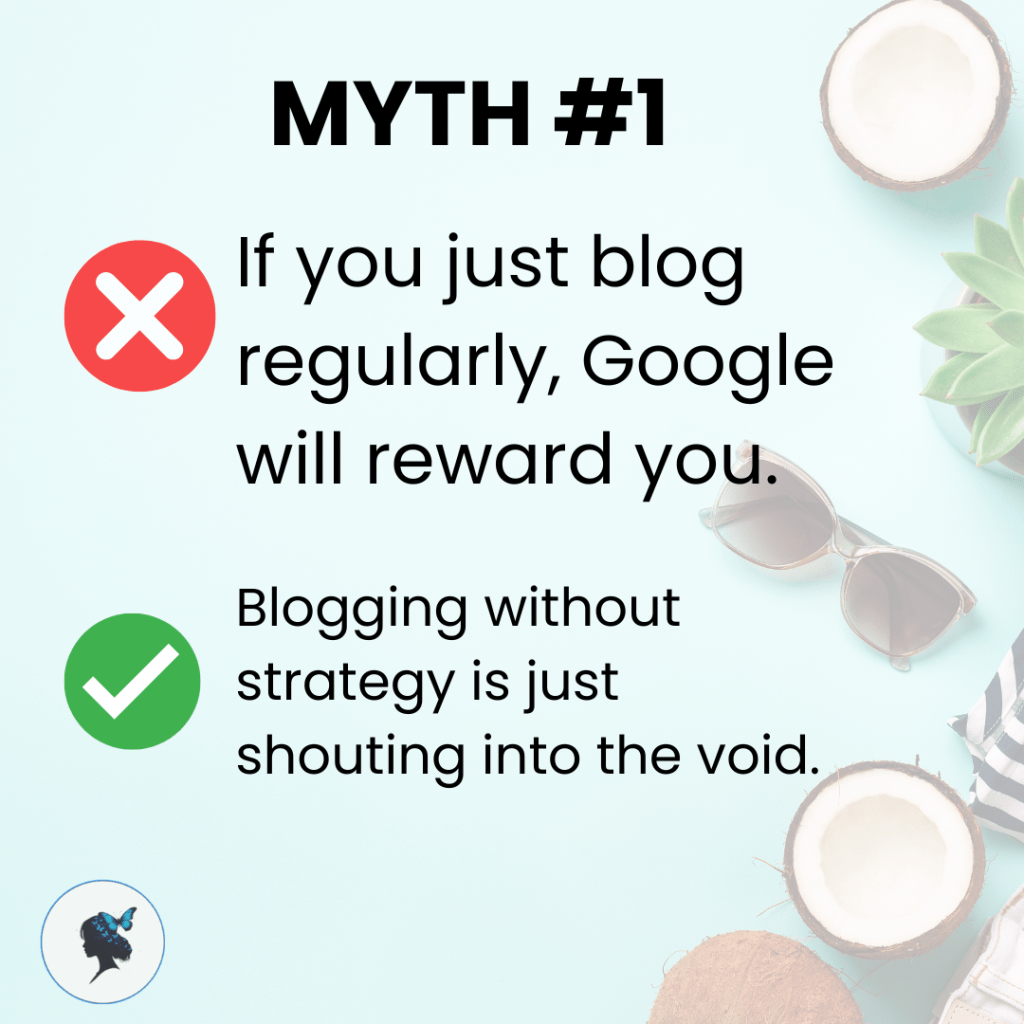
Infograph: Myth #1: If you just blog regularly, Google will reward you.

Why it’s wrong:

Publishing weekly won’t matter if you’re not targeting the right search intent, keywords, or value.

Google ranks pages that serve users’ needs, not just those that update often.

Wander Women Hot Take: Blogging without a strategy is like shouting into the void. Create purposeful, search-optimized content aligned with your audience’s journey and questions. A boutique hotel in Tulum blogging every week about “travel inspiration” might not see results. But writing a strategic guide like “Where to Stay in Tulum for Couples: A 3-Day Itinerary” could rank and convert. Need ideas? Check out our post on 5 content types for travel websites.

Myth #2: Ranking #1 is the only SEO goal that matters.

Why it’s wrong:

You can rank #1 for keywords no one is searching for.

Visibility only matters if it’s in front of the right people.
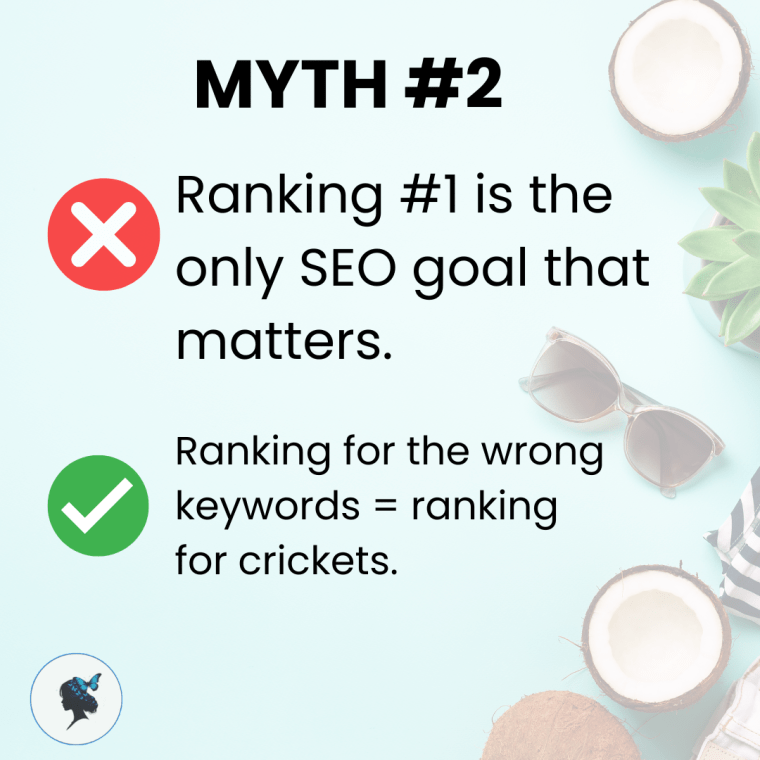
Infograph: Myth #2: Ranking #1 is the only SEO goal that matters.

Wander Women Hot Take: Ranking for the wrong keywords = ranking for crickets. Focus on traffic that converts, not just vanity metrics. A safari company ranking #1 for “African wildlife facts” may get clicks, but not bookings. Ranking on page one for “best Kenya safari tours” is what actually drives leads.

Myth #3: Meta descriptions affect rankings.

Infograph: Myth #3: Meta descriptions affect rankings.

Why it’s wrong:

Google has confirmed they don’t use meta descriptions as a ranking factor.

Wander Women Hot Take: They don’t affect rankings, but they do influence clicks. A compelling meta description can boost your CTR dramatically. A dull meta like “Blog about Peru travel” won’t drive clicks. A stronger one: “Discover the 7 hidden spots in Peru most tourists miss (with photos!).” For more about metas, check out our post: Meta description optimization.

Myth #4: SEO is a one-time project.

Why it’s wrong:

SEO requires consistent updates to remain effective—Google’s algorithm evolves, and your competitors do too.

Infograph: Myth #4: SEO is a one-time project.

Wander Women Hot Take: SEO is a garden. Leave it alone and the weeds take over. Tend it consistently for lasting results. A travel agent who hasn’t updated destination pages post-COVID may lose rankings to fresher, more relevant content.

Myth #5: Stuff your destination names everywhere to rank better.

Infograph: Myth #5: Stuff your destination names everywhere to rank better.

Why it’s wrong:

Keyword stuffing is a dated practice. According to Google’s Spam Policies for Google Web Search, keyword stuffing refers to the practice of filling a web page with keywords or numbers in an attempt to manipulate rankings in Google Search results. Google now values natural language and user experience.

Wander Women Hot Take: Google’s smarter than that now—and so are travelers. Focus on storytelling and relevance. Saying “Iceland tour” 12 times in one blog won’t help. Describing the unique experience of an Icelandic glacier hike will.


Content Strategy Myths Holding You Back

Myth #6: Just write what your audience wants to read.

Why it’s wrong:

Writing without research means you’re guessing. Guessing isn’t strategy.
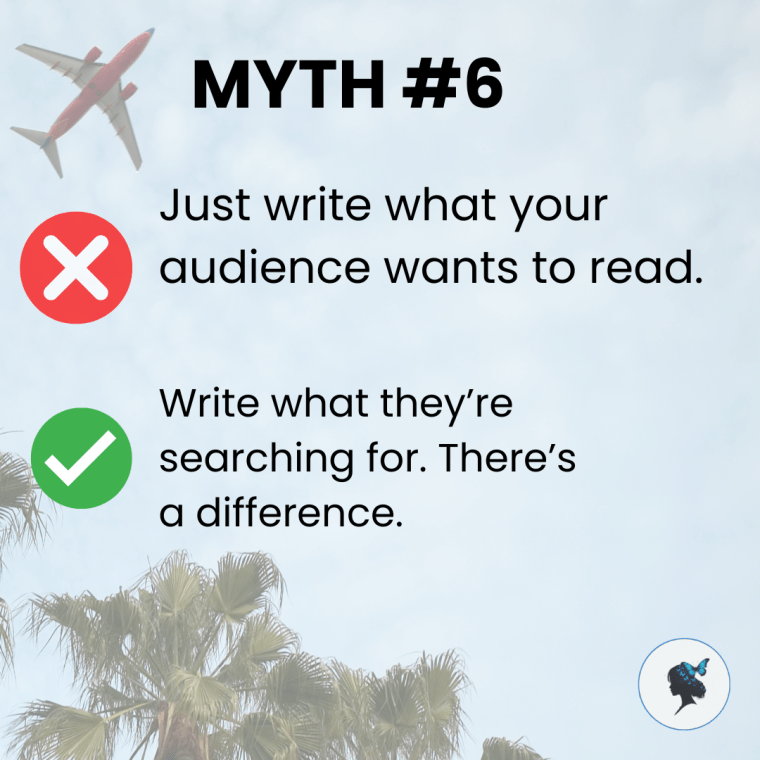
Infograph: Myth #6: Just write what your audience wants to read.

Wander Women Hot Take: Write what your audience is searching for. There’s a difference. Instead of writing “My trip to Greece,” write “Best Greek Islands to Visit in September” with keyword insights. Read our comprehensive guide: mastering search intent.

Myth #7: Longer blogs = better SEO.

Infograph: Myth #7: Longer blogs = better SEO.

Why it’s wrong:

Google’s algorithm favors helpful content, not just long content.

Wander Women Hot Take: Quality > word count. A 600-word article that solves a problem is better than 2,000 words of fluff. A concise, clear blog about “How to Pack for a Safari in 7 Steps” may outperform a long-winded one titled “Everything About Africa.”

Myth #8: One piece of content = one use.

Why it’s wrong:

Content that isn’t repurposed is wasted effort.

Infograph: Myth #8: One piece of content = one use.

Wander Women Hot Take: Turn a blog post into 5 social posts, a newsletter, a video script, and more. Squeeze the juice out of it. A “Top 10 Places to Eat in Lisbon” post can become a Reel series, Pinterest board, and interactive map. More about repurposing content here.

Myth #9: You need to write content every week to grow.

Infograph: Myth #9: You need to write content every week to grow.

Why it’s wrong:

Frequency alone doesn’t build traffic. Relevance, quality, and promotion do.

Wander Women Hot Take: Consistency beats frequency. Stick to a sustainable schedule. A solo travel coach posting bi-weekly, well-optimized travel safety tips can outpace daily fluff posts.

Myth #10: Good content sells itself.

Why it’s wrong:

Even the best blog needs promotion and optimization.
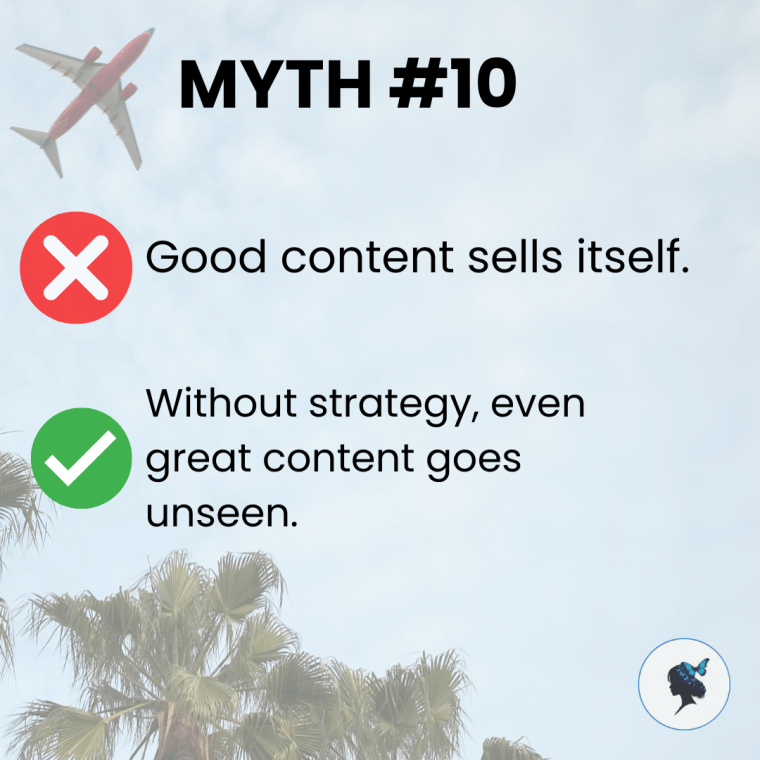
Infograph: Myth #10: Good content sells itself.

Wander Women Hot Take: Strategy is what takes content from invisible to impactful. An in-depth Bali guide won’t rank if it isn’t shared across Pinterest, email, and SEO. Read our guide: how to build a content strategy that converts.


Social Media Myths We Need to Stop Believing

Myth #11: Posting every day is the key to growth.

Infograph: Myth #11: Posting every day is the key to growth.

Why it’s wrong:

Engagement matters more than volume. Posting without connection is just noise.

Wander Women Hot Take: Engagement > frequency. Start conversations, not just broadcasts. A travel planner who posts once a week but asks questions, responds to comments, and uses stories & polls may get more leads than one posting daily photo dumps. More lead magnet ideas here.

Myth #12: Travel brands should be on every platform.

Why it’s wrong:

Spreading thin waters down your message and drains your team.

Infograph: Myth #12: Travel brands should be on every platform.

Wander Women Hot Take: Be exceptional where your people are—not everywhere. A hiking tour company killing it on Instagram and YouTube doesn’t need TikTok until they’re ready. Which one to choose? Here we break down 5 of the most common social media platforms for travel companies.

Myth #13: Instagram is only for visuals.
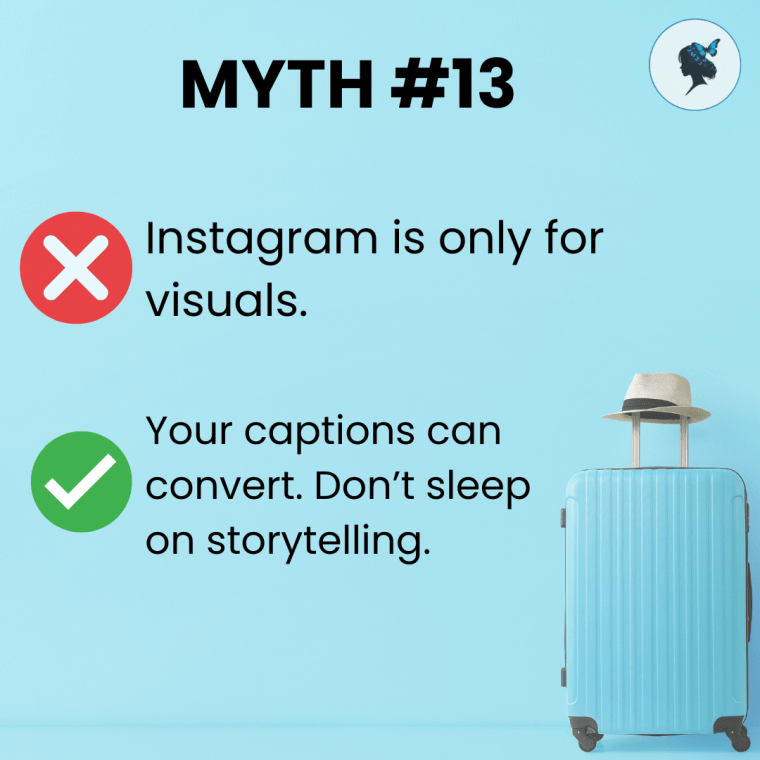
Infograph: Myth #13: Instagram is only for visuals.

Why it’s wrong:

Captions can convert browsers into buyers.

Wander Women Hot Take: Storytelling in captions = emotional connection. Don’t waste that real estate. A heartfelt story of a honeymoon couple on a Santorini tour will sell more than a scenic drone shot with no context. More instagram tips here.

Myth #14: Reels need to be highly produced.

Why it’s wrong:

Overproduction can feel inauthentic or distant.
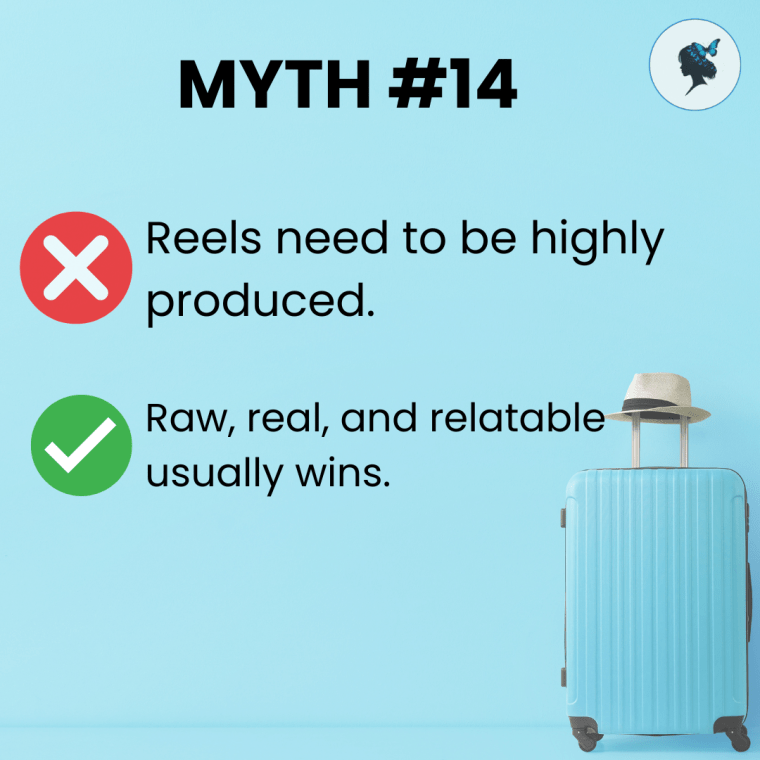
Infograph: Myth #14: Reels need to be highly produced.

Wander Women Hot Take: Raw, real, and relatable usually wins. Especially in travel. A simple video of a guide introducing themselves on-site in Morocco might outperform a polished montage. Read about the power of visual content.

Myth #15: Hashtags are dead.
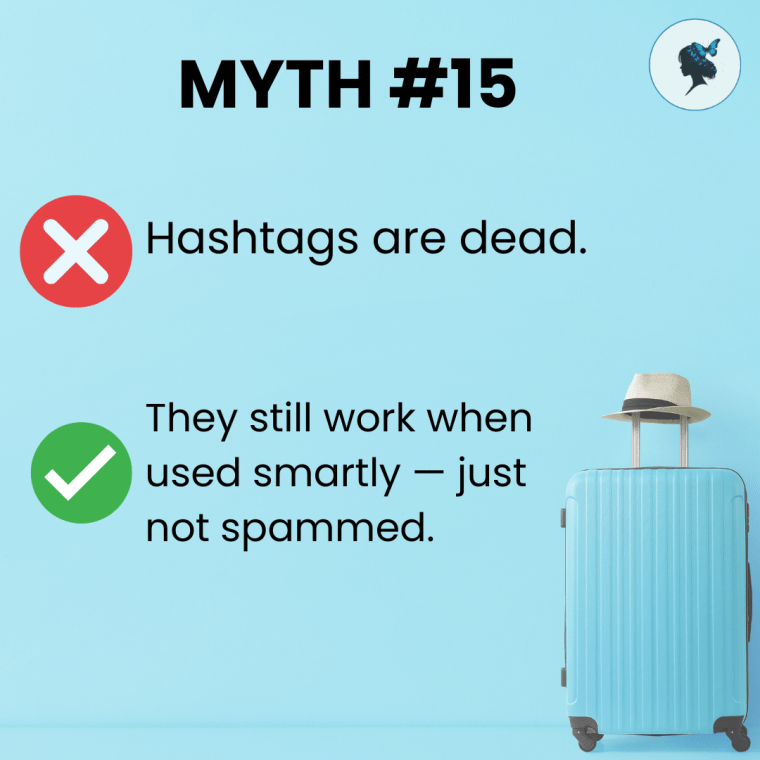
Infograph: Myth #15: Hashtags are dead.

Why it’s wrong:

Hashtags still drive discovery when used strategically.

Wander Women Hot Take: Hashtags aren’t dead—spammy ones are. Use focused, relevant tags. Instead of #travel #vacation, try #SoloTravelGreece or #BudgetTravelTips.


Travel Biz & Marketing Myths That Slow Growth

Myth #16: Beautiful websites are enough to book clients.

Why it’s wrong:

A pretty site that doesn’t guide action won’t convert.
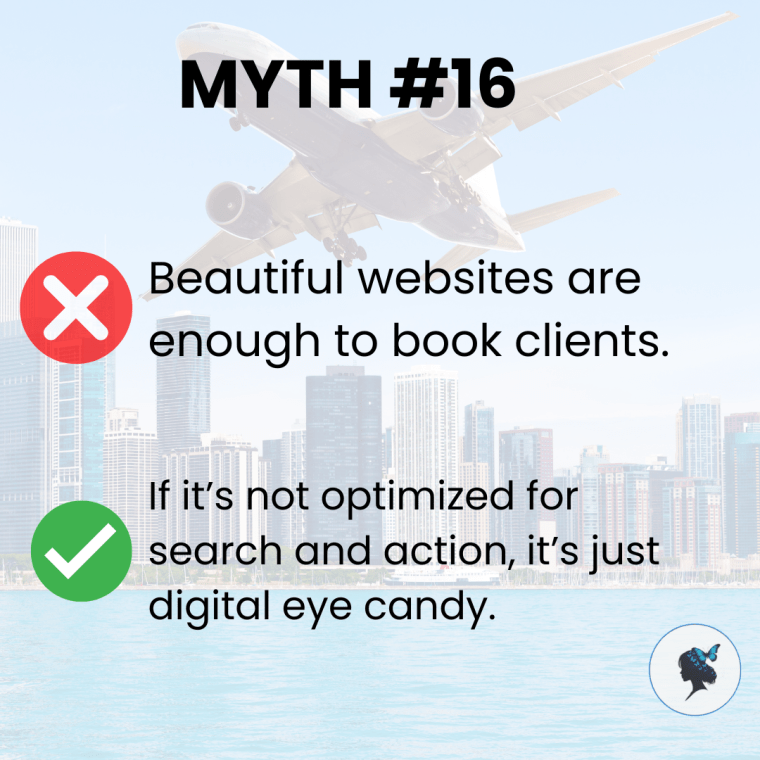
Infograph: Myth #16: Beautiful websites are enough to book clients.

Wander Women Hot Take: It’s digital eye candy unless it’s optimized for conversion. A luxury villa site with no clear booking button or reviews will lose visitors fast. Read our guide: create high-quality landing pages.

Myth #17: The travel industry is too saturated to stand out.

Infograph: Myth #17: The travel industry is too saturated to stand out.

Why it’s wrong:

Most brands look and sound the same. That’s the real issue.

Wander Women Hot Take: Standing out is a strategy, not luck. A Sri Lanka tour company focused only on female travelers and wellness retreats carves a niche.

Myth #18: If I build it, they will come.

Why it’s wrong:

Visibility isn’t automatic. It must be earned.
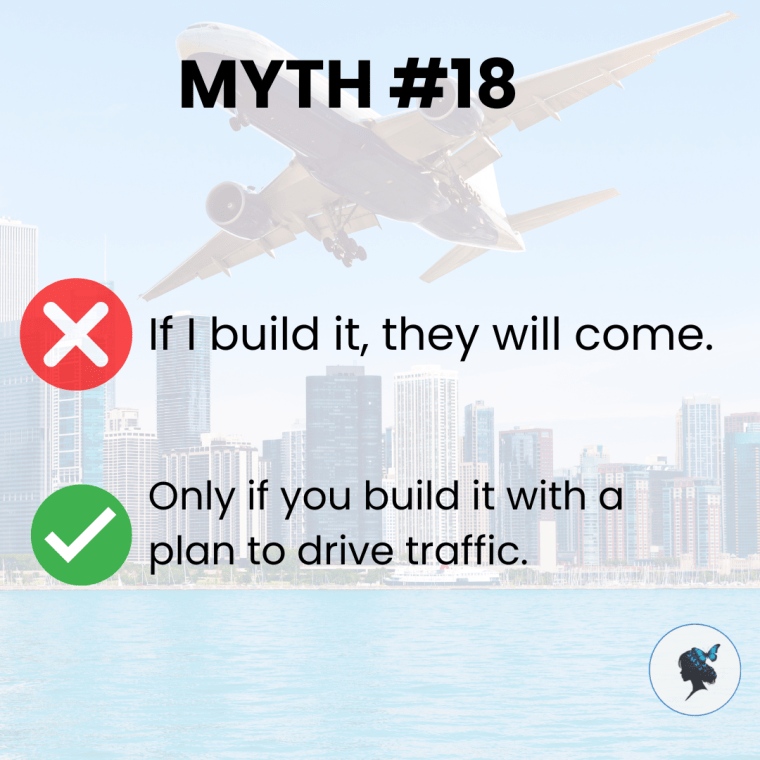
Infograph: Myth #18: If I build it, they will come.

Wander Women Hot Take: Build it, then promote the heck out of it. Creating a travel app or blog without a launch and promo strategy means crickets.

Myth #19: I need a huge budget to market my travel biz.
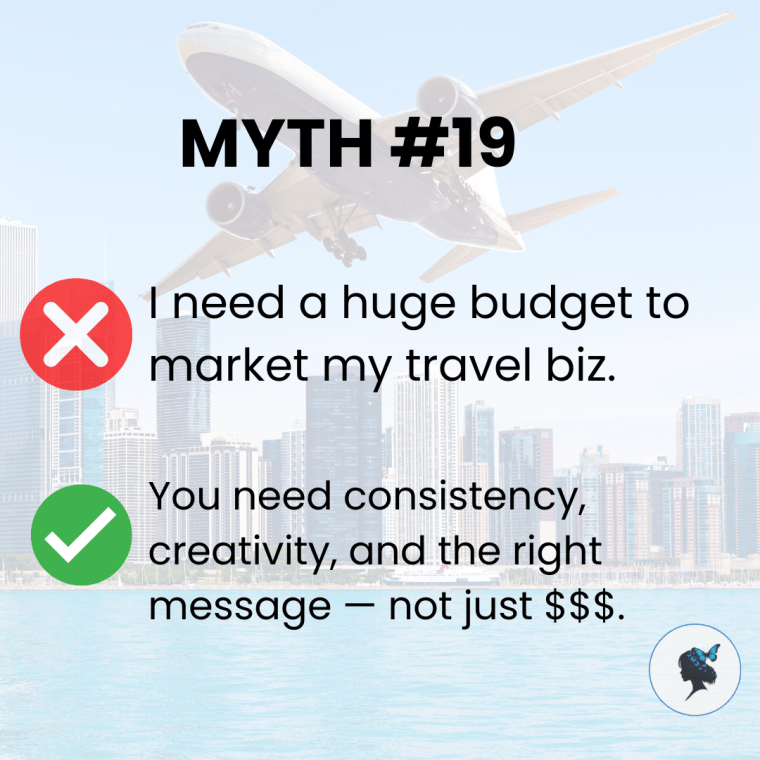
Infograph: Myth #19: I need a huge budget to market my travel biz.

Why it’s wrong:

Smart strategy often beats big spend.

Wander Women Hot Take: Creativity and clarity > cash. Spend smart, not big. A local walking tour business using Google My Business, SEO, and organic Instagram content can compete with major players.

Myth #20: Travel marketing is just about pretty pictures.

Why it’s wrong:

Visuals alone don’t convert without story or strategy.
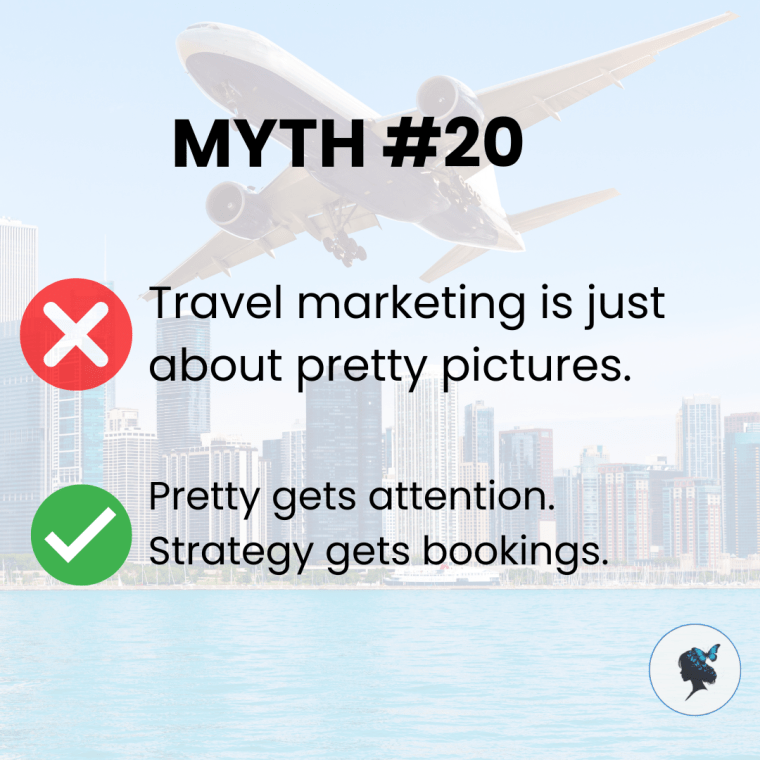
Infograph: Myth #20: Travel marketing is just about pretty pictures.

Wander Women Hot Take: Pretty gets attention. Strategy gets bookings. A travel advisor sharing carousel posts that break down “How to Plan a Japan Rail Adventure” will drive more leads than sunset pics.


Strategy Over Assumptions. Myths are powerful. They spread because they’re simple, catchy, and sometimes comforting. But they rarely help your business grow. At Wander Women Strategies, we believe in truth-telling, clarity, and evidence-backed strategy. If you’re tired of guessing and ready to make real marketing moves that get real results, we’re here to help.

Ready to ditch the myths and get strategic? Drop us a message to get started. Your bookings deserve more than buzzwords. Let’s get visible—the right way.
How to Create Local Guides That Rank + Convert


▶ Table of Contents

Page updated 26th April, 2026.

A Step-by-Step Framework for Small Businesses

If you run a small business, you don’t need more blog posts—you need pages that bring in customers.

That’s where local guides come in.

In 2026, nearly 46% of all Google searches have local intent, and 76% of people who search locally visit a business within 24 hours.

That means your content isn’t just marketing—it’s directly tied to real-world revenue.

This guide will show you how to create high-intent, local content that ranks in search, appears in AI results, and converts readers into customers.

What a “Guide” Actually Is Now

A guide is no longer just informational content.

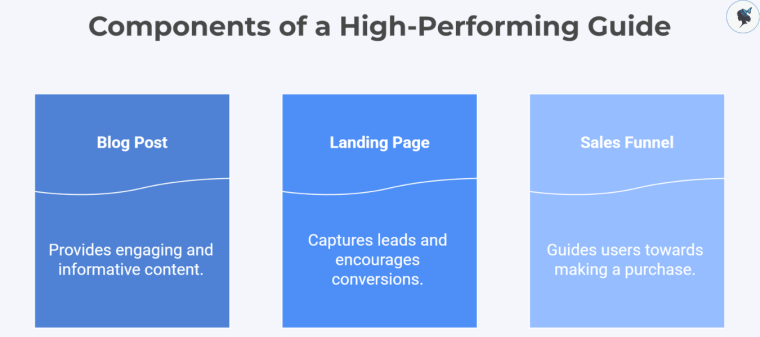
Today, a high-performing guide is:

  • Part blog post
  • Part landing page
  • Part sales funnel

It helps people choose, compare, and take action.

infograph: Components of a high-performing guide
Components of a high-performing guide

Examples of modern guides:

  • Best coworking spaces in Austin
  • Top hair salons for curly hair in Toronto
  • Cafés in Berlin where you can work remotely

Why this works: Most local searches are decision-stage queries, not browsing. Nearly 78% of local mobile searches lead to offline purchases, making them some of the highest-converting searches online.


Step 1: Start With Intent (Not Just Keywords)

Most businesses target broad keywords.

But high-performing guides focus on intent-driven, specific searches.

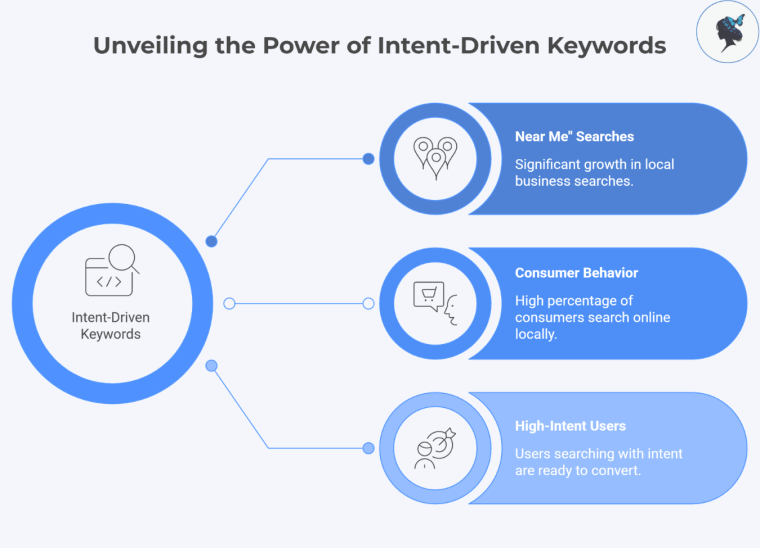
infograph: Unveiling the power of intent-driven keywords
Unveiling the power of intent-driven keywords

Use this formula:

Best / Top / Affordable / Near me + Service + Location + Detail

Examples:

  • best Pilates studio for beginners in Vancouver
  • affordable wedding photographer in Lisbon
  • quiet cafés to work from in Amsterdam

Why this matters:

These are high-intent, ready-to-act users.

More about search intent here.


Step 2: Structure Your Guide for Conversions

People don’t read—they scan.

And in 2026, search engines (and AI tools) scan too.

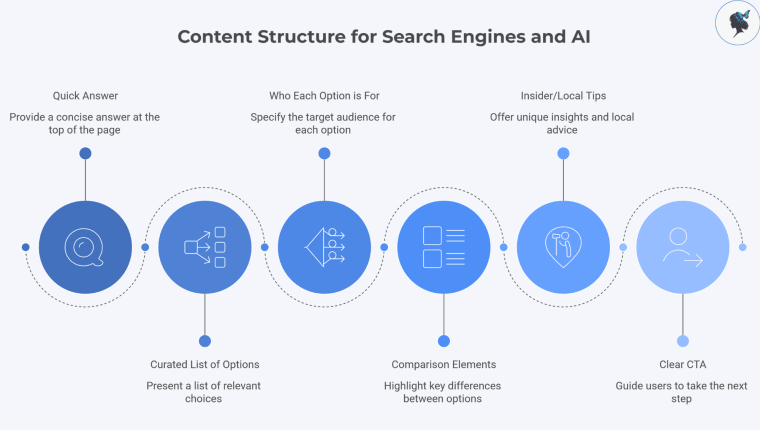
infograph: Content structure for search engines and AI
Content structure for search engines and AI

Use this structure:

1. Quick answer (above the fold)
2. Curated list of options
3. Who each option is for
4. Comparison elements
5. Insider/local tips
6. Clear CTA

Why this works: Google increasingly surfaces structured content in AI summaries, which now appear in a growing percentage of queries.

If your content is easy to extract, it’s more likely to be shown.


Step 3: Optimize for AI + Search Engines

Search behavior has changed fast.

AI tools now:

  • Summarize answers
  • Reduce clicks
  • Prioritize clarity

In fact, AI-generated answers now appear in a significant portion of search results and are expanding rapidly across countries.

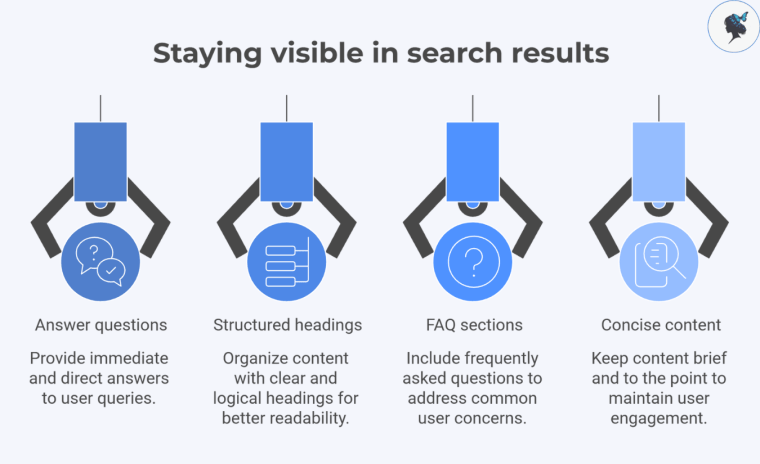
infograph: Staying visible in search results
Staying visible in search results

To stay visible:

  • Answer questions immediately
  • Use structured headings
  • Add FAQ sections
  • Keep content concise

Think: “Can this be pulled into an answer box or AI summary?”

More about on-page SEO for local service businesses here.


Step 4: Add a Local SEO Layer

This is where small businesses win.

Because local search isn’t just traffic—it’s action.

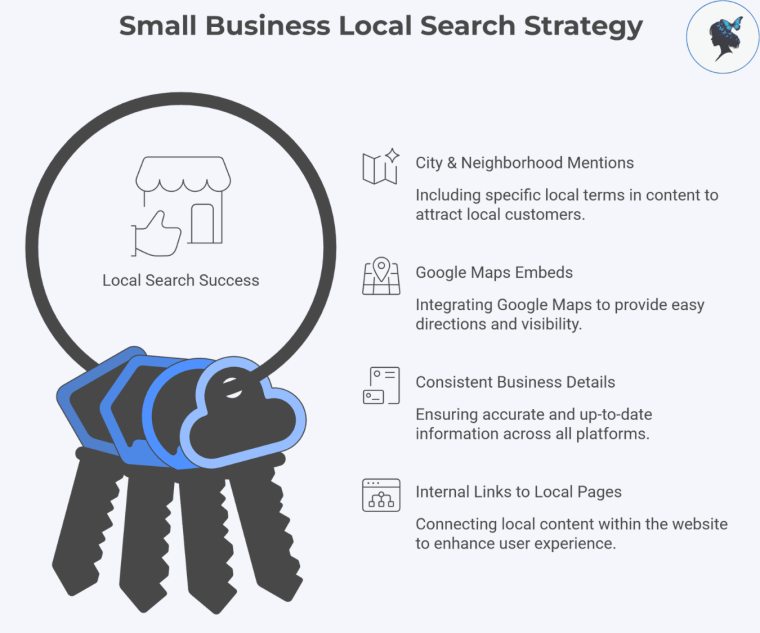
infograph: Small business local search strategy
Small business local search strategy

Include:

  • City + neighborhood mentions
  • Google Maps embeds
  • Consistent business details
  • Internal links to local pages

Why this matters:

And most importantly: Google Business Profile drives real conversions, with actions like calls, directions, and bookings increasing 41% year-over-year.


Step 5: Build Trust Into Every Section

Traffic doesn’t convert without trust.

And in 2026, trust is measurable.

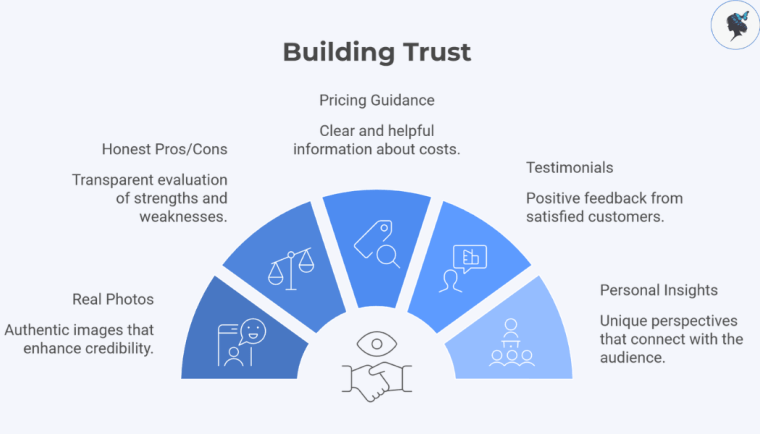
infograph: Building trust
Building trust

Add:

  • Real photos
  • Honest pros/cons
  • Pricing guidance
  • Testimonials
  • Personal/local insights

This is your advantage over AI: Real experience + credibility

More about the role of trust signals here.


Step 6: Turn One Guide Into a Content System

One guide is good. A network is better.

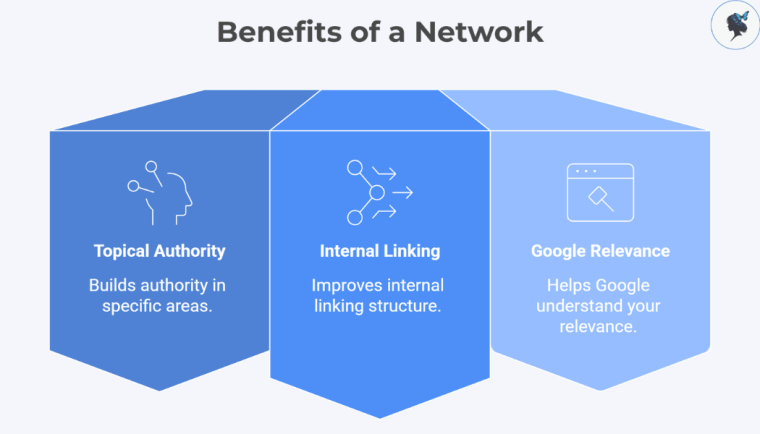
infograph: Benefits of a network
Benefits of a network

Example:

  • Chicago hub page
    • Best brunch spots in Chicago
    • Best gyms in Chicago
    • Best coworking spaces in Chicago

Why this works:

  • Builds topical authority
  • Improves internal linking
  • Helps Google understand your relevance

Local Pack results can capture a significant share of clicks—with studies showing top local listings often receiving a large portion of mobile and local search traffic, sometimes exceeding organic results depending on query intent.


Step 7: Add Strategic CTAs (Without Being Pushy)

Local search is high intent. People are ready to act.

That’s why:

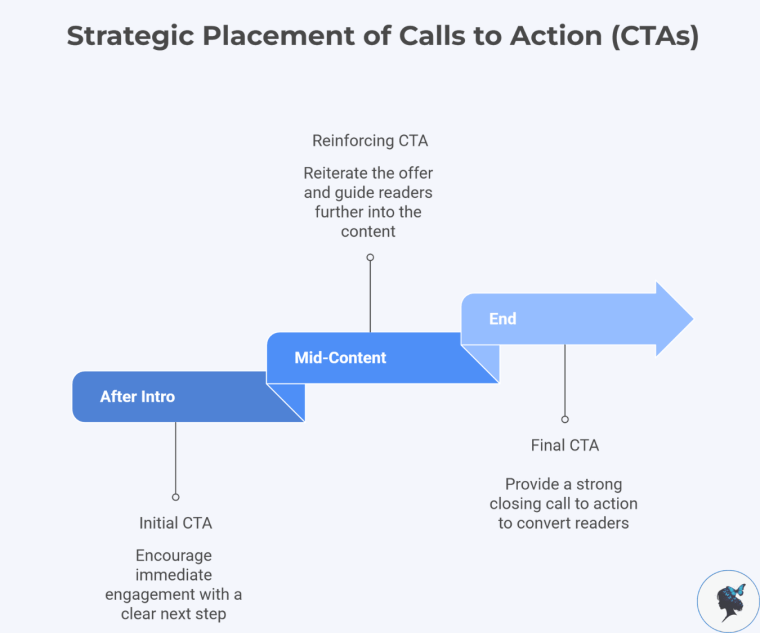
infograph: Strategic placement of CTAs
Strategic placement of CTAs

Place CTAs:

  • After intro
  • Mid-content
  • End

Examples:

  • Book a consultation
  • Reserve a spot
  • Call now
  • Get directions

Make the CTA feel like the natural next step.

More about the importance of clear CTAs here.


Step 8: Make It Feel Current (2026 Reality)

Search isn’t what it was 2 years ago.

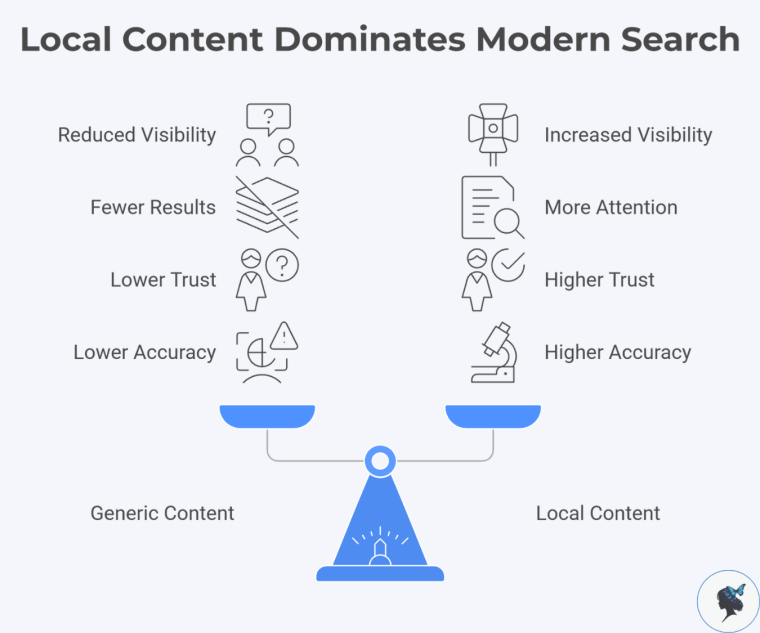
infograph: Local content dominates modern search
Local content dominates modern search

What’s changed:

  • AI answers reduce visibility for generic content
  • Fewer results get attention
  • Trust + accuracy matter more than ever

Local SEO today is driven by:

  • Proximity
  • Reviews
  • Business activity
  • Data consistency

Generic content loses.
Specific, local, experience-based content wins.


Step 9: Example Guide Template

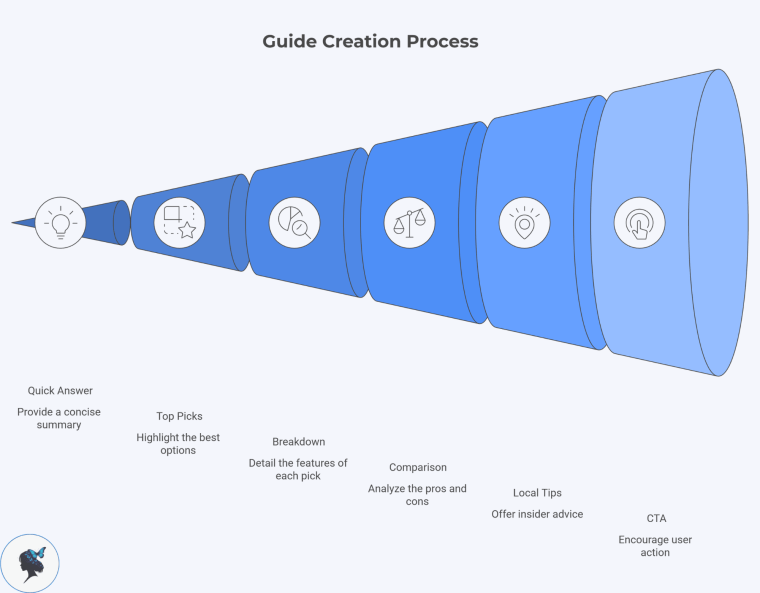
infograph: Guide creation process
Guide creation process

Title: Best [Service] in [City] (2026 Guide)

Example: Best Independent Bookstores in Edinburgh

Structure:

  • Quick answer
  • Top picks
  • Breakdown
  • Comparison
  • Local tips
  • CTA
  • FAQ

Step 10: Small Business Guide SEO Checklist (2026)

Before publishing:

  • One clear keyword focus
  • Local modifier included
  • Strong intro with quick answer
  • Structured headings
  • Internal links
  • Real photos
  • CTA included
  • FAQ section
  • Mobile optimized

Because today: Visibility = clarity + trust + local relevance


Final Thought

Local guides aren’t content.

They’re conversion assets.

With nearly half of all searches being local and the majority leading to real-world actions, the opportunity is massive.

The goal isn’t just to rank.

It’s to create something so useful that people think: “This is exactly what I needed—I’ll go with them.”

Need help? Contact us today!

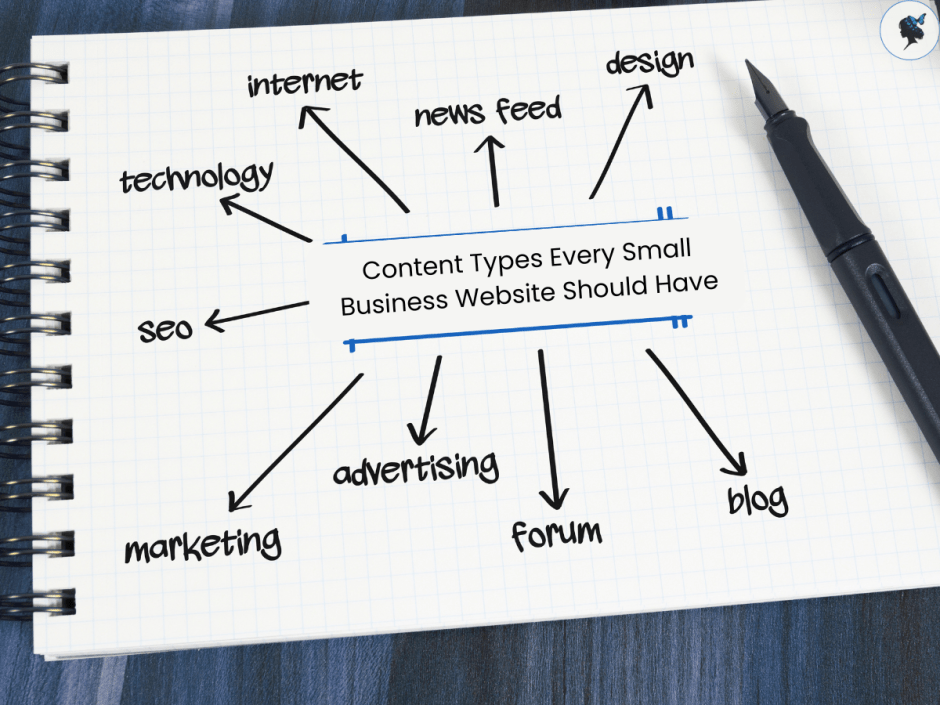
5 Types of Content Every Travel Website Should Have


▶ Table of Contents
  1. Destination Guides
  2. Travel Blogs and Stories
  3. Photo and Video Galleries
  4. User Reviews and Testimonials
  5. Booking and Planning Tools
  6. Conclusion

A well-designed travel website is more than just a booking platform; it’s a source of inspiration and information for travelers. To stand out in the competitive travel industry, your website must offer engaging and valuable content that keeps visitors coming back. Here are five essential types of content every travel website should have to attract and retain an audience.

Check out our services to start moving in the right direction!

1. Destination Guides

Travelers are always seeking detailed information about their next destination. Comprehensive destination guides can serve as a cornerstone for your website, providing:

  • Overview of the Location: Highlight key attractions, cultural experiences, and must-visit spots.
  • Practical Tips: Include advice on weather, local customs, currency, and transportation.
  • Hidden Gems: Share insider recommendations that aren’t typically covered in mainstream guides.

By offering rich, localized content, you establish your website as an authority in the travel space and attract both first-time and repeat visitors.

For more tips, check out our post: a step-by-step guide to creating destination guides.

2. Travel Blogs and Stories

Authentic travel stories and blogs resonate deeply with readers. Use this space to share:

  • Personal Travel Experiences: Narratives that inspire readers to follow in the footsteps of real travelers.
  • Itinerary Ideas: Provide detailed, day-by-day plans for popular destinations or themed trips.
  • Seasonal Travel Tips: Write about the best destinations for specific seasons or holidays.

Engaging travel blogs not only captivate your audience but also improve your SEO, drawing in organic traffic through long-tail keywords.

Read more tips on how storytelling can transform your travel brand’s blog.

3. Photo and Video Galleries

Visual content is a powerful tool for sparking wanderlust. A curated gallery of high-quality photos and videos can:

  • Showcase stunning landscapes, iconic landmarks, and cultural experiences.
  • Help potential customers visualize their trip, increasing the likelihood of bookings.
  • Be shared across social media platforms, driving additional traffic to your site.

Invest in professional photography and videography to create a visually compelling experience for your audience.

4. User Reviews and Testimonials

Social proof plays a critical role in the decision-making process for travelers. Featuring user reviews and testimonials can:

  • Build trust and credibility for your brand.
  • Provide real-life insights into the experiences you offer.
  • Encourage satisfied customers to share their feedback, creating a loop of positive reinforcement.

Make reviews easy to find and integrate with platforms like Google Reviews or TripAdvisor to enhance authenticity.

User-Generated Content (UGC) is also great for building trust. Read more about UGC here.

5. Booking and Planning Tools

Travelers value convenience, and having interactive tools on your website can make the planning process seamless. Consider including:

  • Itinerary Planners: Allow users to customize their travel schedules.
  • Cost Calculators: Help travelers estimate their expenses for accommodation, transport, and activities.
  • Maps and Navigation Tools: Offer interactive maps with pinned attractions, restaurants, and accommodations.

By providing these resources, you’ll position your website as a one-stop solution for all travel needs.

Conclusion

Creating diverse and engaging content is essential for building a successful travel website. From destination guides to interactive planning tools, these five content types can help you attract a wider audience, enhance user experience, and drive conversions. Remember, the key to success lies in understanding your audience and continuously updating your content to meet their evolving needs.

Start integrating these content types into your travel website today and watch your engagement and bookings soar!

Need help? Contact us for tailor-made content strategies.

How to Use Storytelling to Make Your Small Business Stand Out


▶ Table of Contents

Updated May 11th, 2026

How Storytelling Can Transform Your Small Business Blog

In today’s crowded digital landscape, small businesses face a major challenge: getting people to care. Customers are constantly exposed to ads, social posts, emails, and AI-generated content competing for their attention. Simply listing your products or services is no longer enough to stand out.

That’s where storytelling becomes one of the most powerful tools in your marketing strategy.

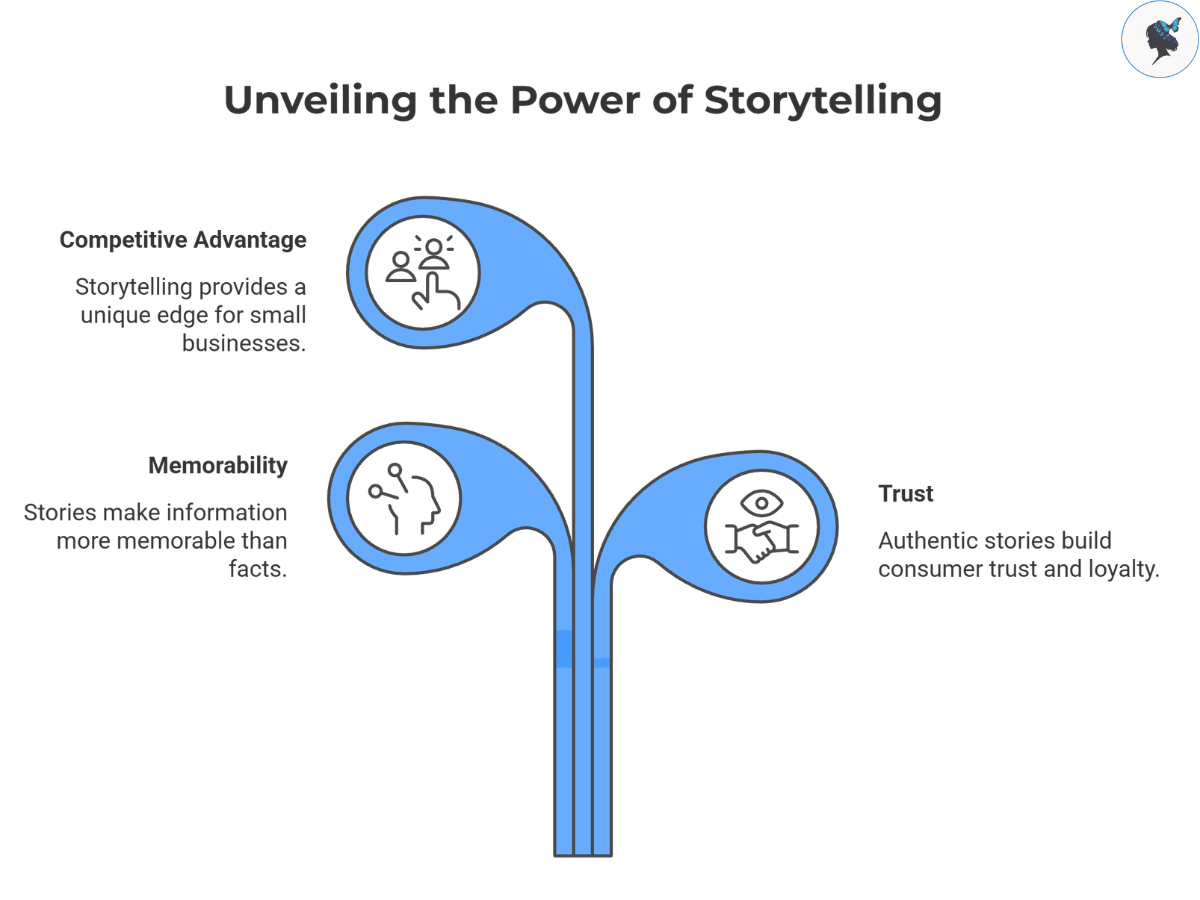
Stories create emotional connections. They make your business memorable. They help customers trust you before they ever make a purchase. And in 2026, that trust matters more than ever.

According to recent content marketing research, 61% of marketers say trust and credibility are the biggest returns they gain from content marketing, while consumers consistently respond more strongly to authentic, story-driven content than traditional advertising.

Whether you run a boutique shop, service-based business, wellness brand, agency, ecommerce store, or local business, storytelling can transform your blog from a collection of informational posts into a platform that builds relationships and long-term loyalty.

The Power of Storytelling in Small Business Marketing

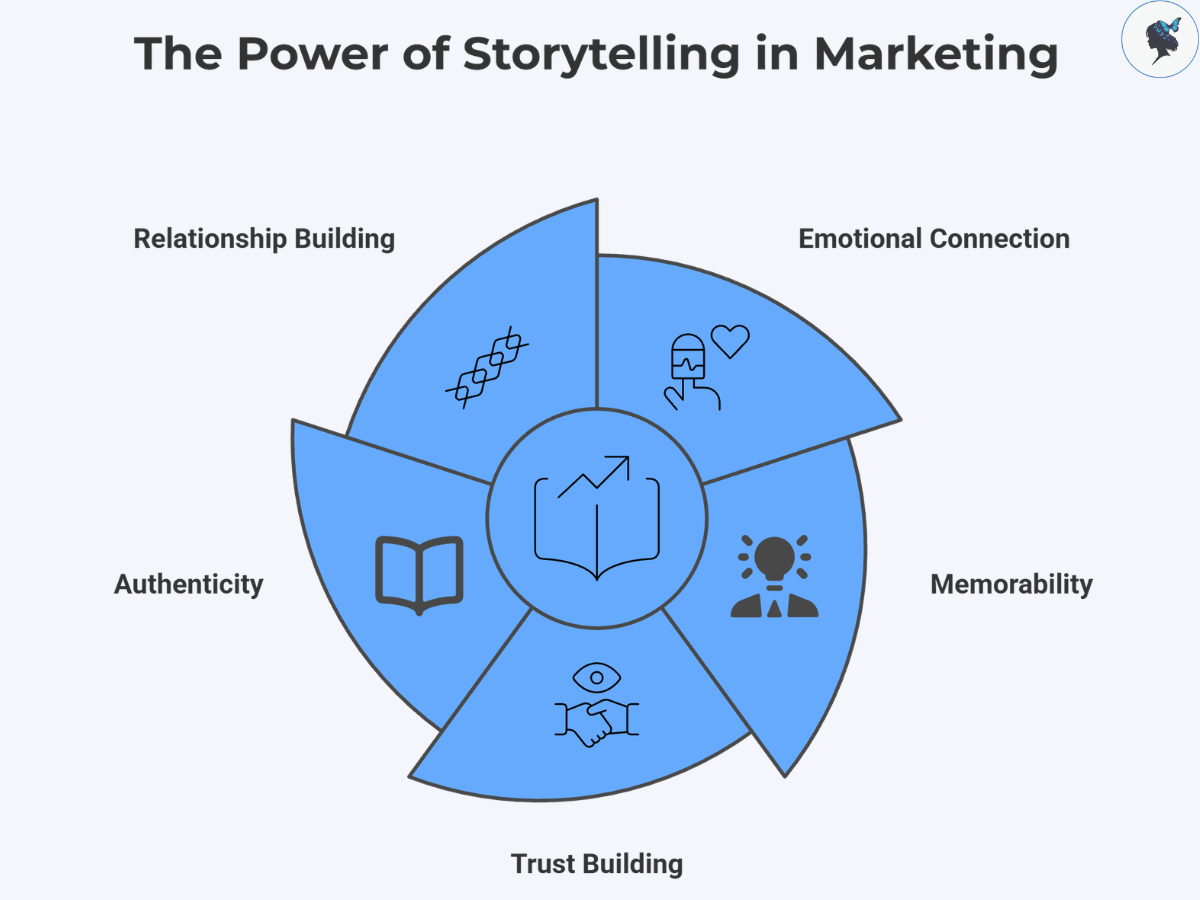
infograph: The power of storytelling in marketing
The power of storytelling in marketing

People rarely remember statistics, product specs, or sales copy alone. They remember experiences, emotions, and stories.

Research continues to show that stories are significantly more memorable than standalone facts and data. Consumers also report being more likely to trust and buy from brands whose messaging feels authentic and emotionally engaging.

For small businesses, storytelling levels the playing field. You may not have the advertising budget of a major corporation, but you do have something large companies often struggle to communicate authentically: real human experiences.

Your story can become your competitive advantage.

Why Storytelling Works for Small Businesses

Captures Attention in a Crowded Market

The internet is saturated with generic content. AI tools have made it easier than ever for businesses to publish blog posts quickly, which means audiences are becoming more selective about what they actually read.

Recent industry discussions show that audiences increasingly prioritize content that feels human, useful, and authentic over generic SEO-focused articles.

Storytelling helps your content break through the noise by creating curiosity and emotional engagement. Instead of simply explaining what you offer, stories invite readers into an experience.

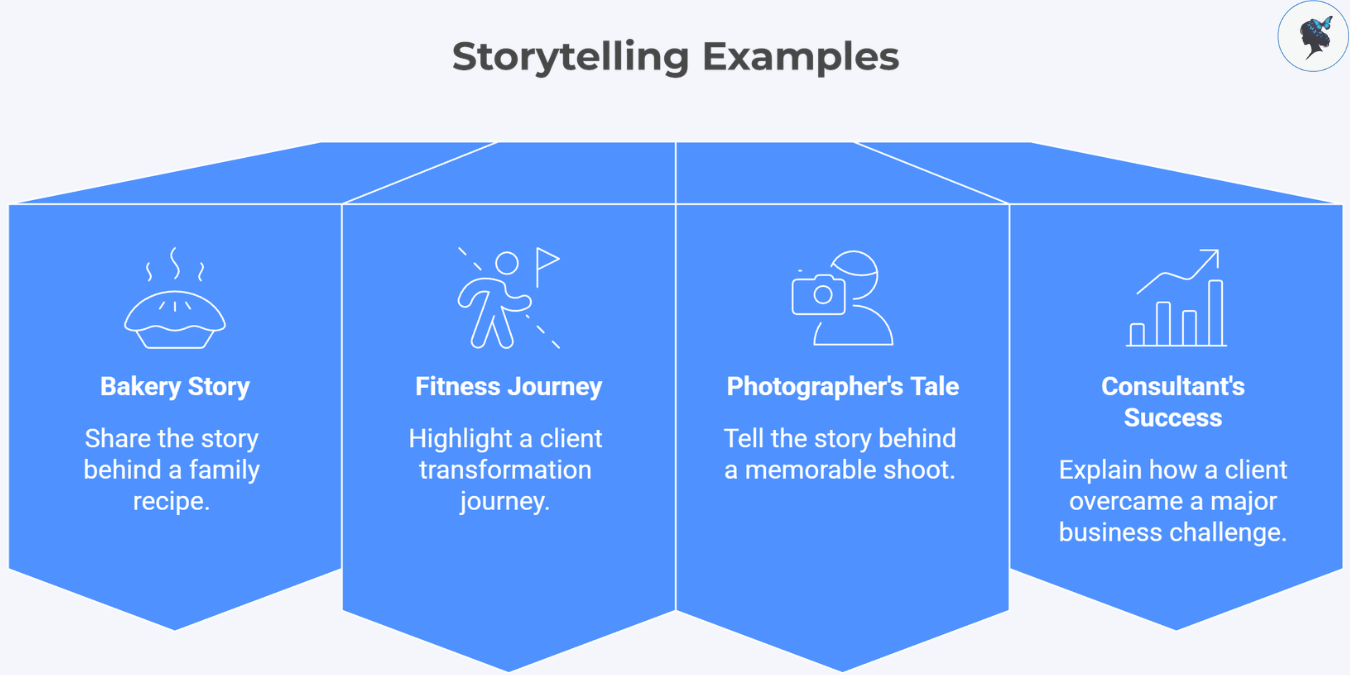
infograph: Storytelling examples
Storytelling examples

For example:

  • A bakery can share the story behind a family recipe.
  • A fitness coach can highlight a client transformation journey.
  • A photographer can tell the story behind a memorable shoot.
  • A consultant can explain how a client overcame a major business challenge.

Stories make readers want to continue reading — and more importantly, remember your business afterward.

Builds Emotional Connections

Most buying decisions are emotional before they become logical.

Customers want to feel connected to the brands they support. They want to understand your values, mission, personality, and purpose.

infograph: Unveiling the power of storytelling
Unveiling the power of storytelling

Studies in storytelling marketing consistently show that emotional storytelling increases trust, loyalty, and purchase intent. Consumers are especially drawn to brands that feel authentic and aligned with their personal values.

When readers connect emotionally with your content, they begin to see your business as more than just another option. They see it as a brand they relate to.

Makes Your Brand More Memorable

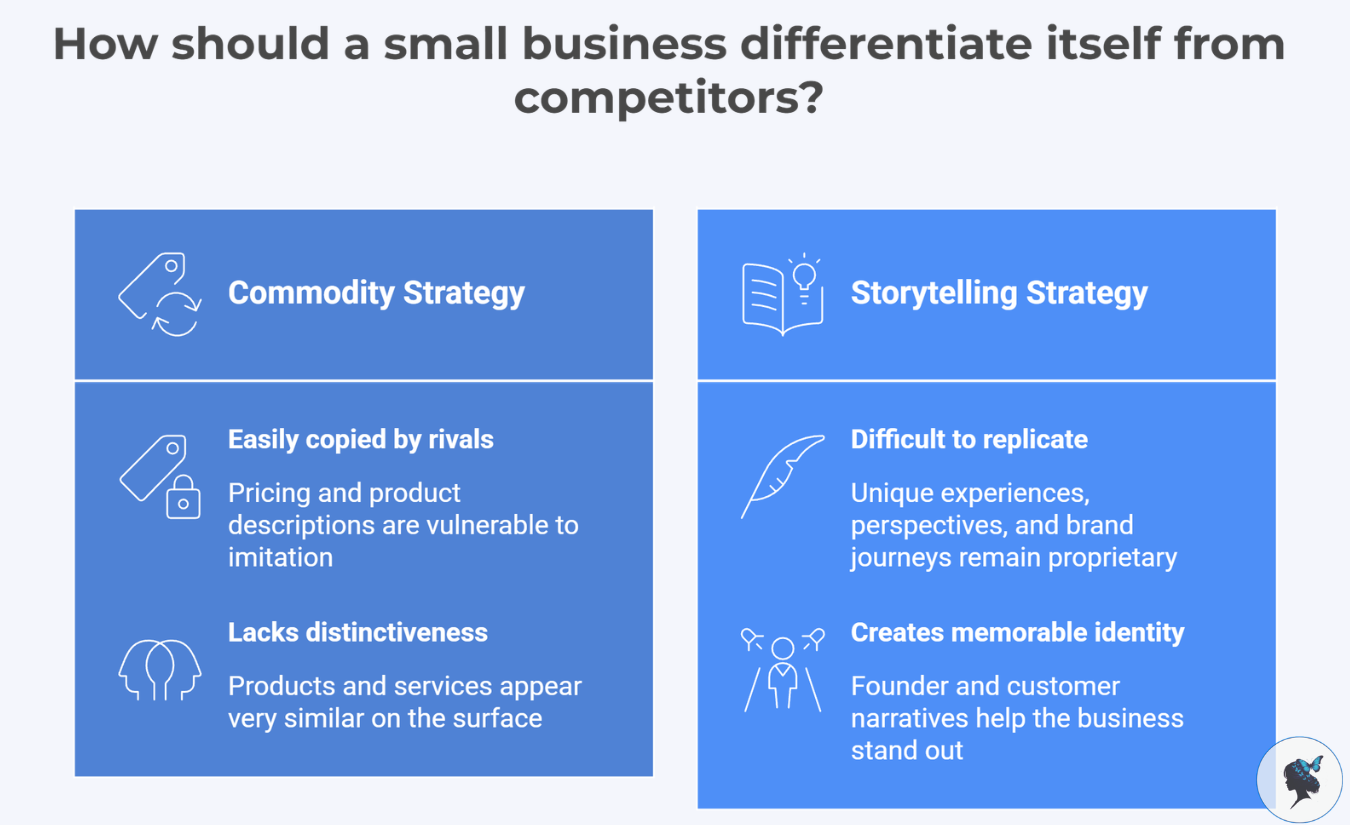
Small businesses often compete in industries where products and services appear very similar on the surface.

Storytelling helps distinguish your business in ways competitors cannot easily replicate.

infograph: How should a small business differentiate itself from competitors?
How should a small business differentiate itself from competitors?

Anyone can copy pricing or product descriptions. They cannot copy your experiences, perspective, customer relationships, or brand journey.

A compelling founder story, customer success story, or behind-the-scenes narrative creates a memorable identity that helps your business stand out long after readers leave your website.

Increases Engagement and Shares

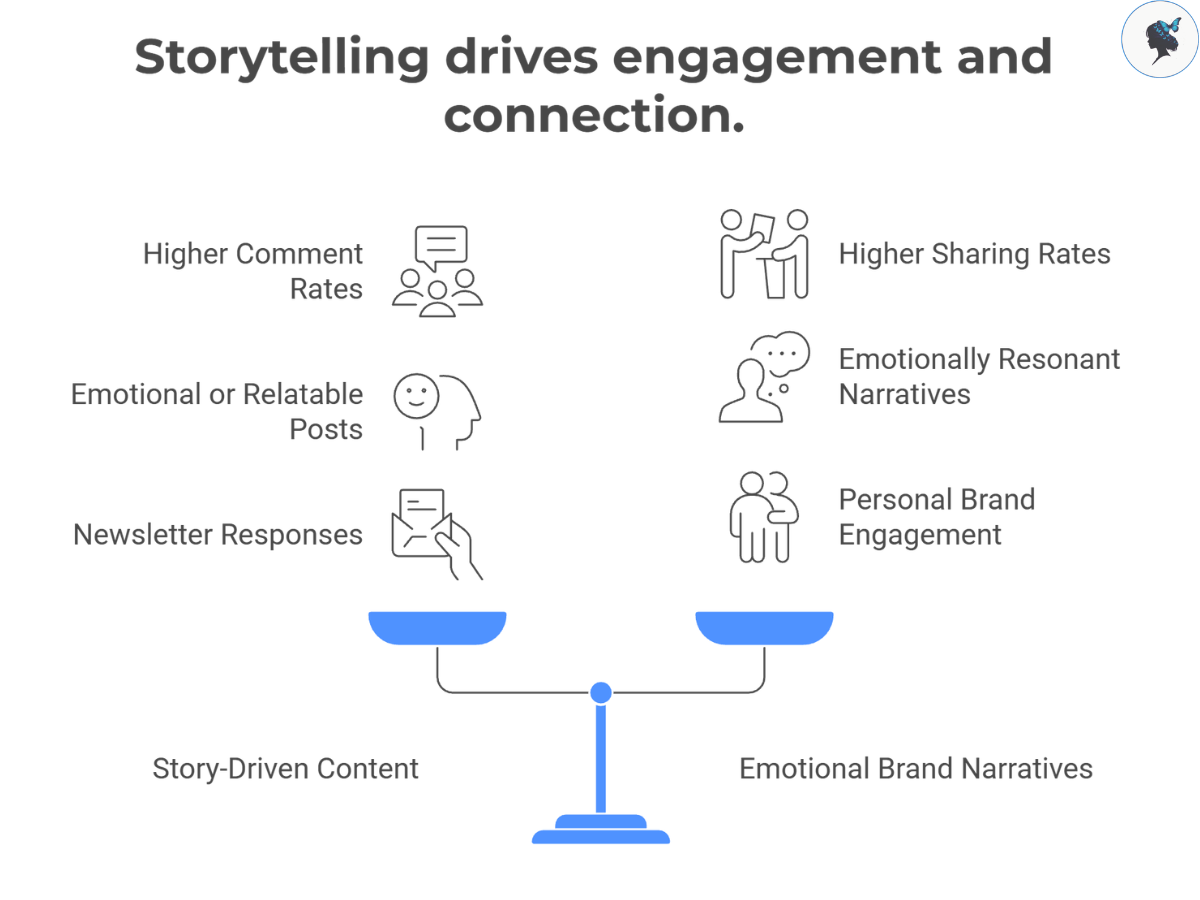
Stories naturally encourage interaction.

infograph: Storytelling drives engagement and connection
Storytelling drives engagement and connection

People are more likely to:

  • comment on story-driven content,
  • share emotional or relatable posts,
  • respond to newsletters,
  • save useful experiences,
  • and engage with brands that feel personal.

Recent storytelling marketing data also suggests that emotionally resonant brand narratives drive significantly higher sharing and engagement rates across digital platforms.

For small businesses, this type of engagement can significantly extend your reach without requiring a massive advertising budget.

How to Use Storytelling in Your Small Business Blog

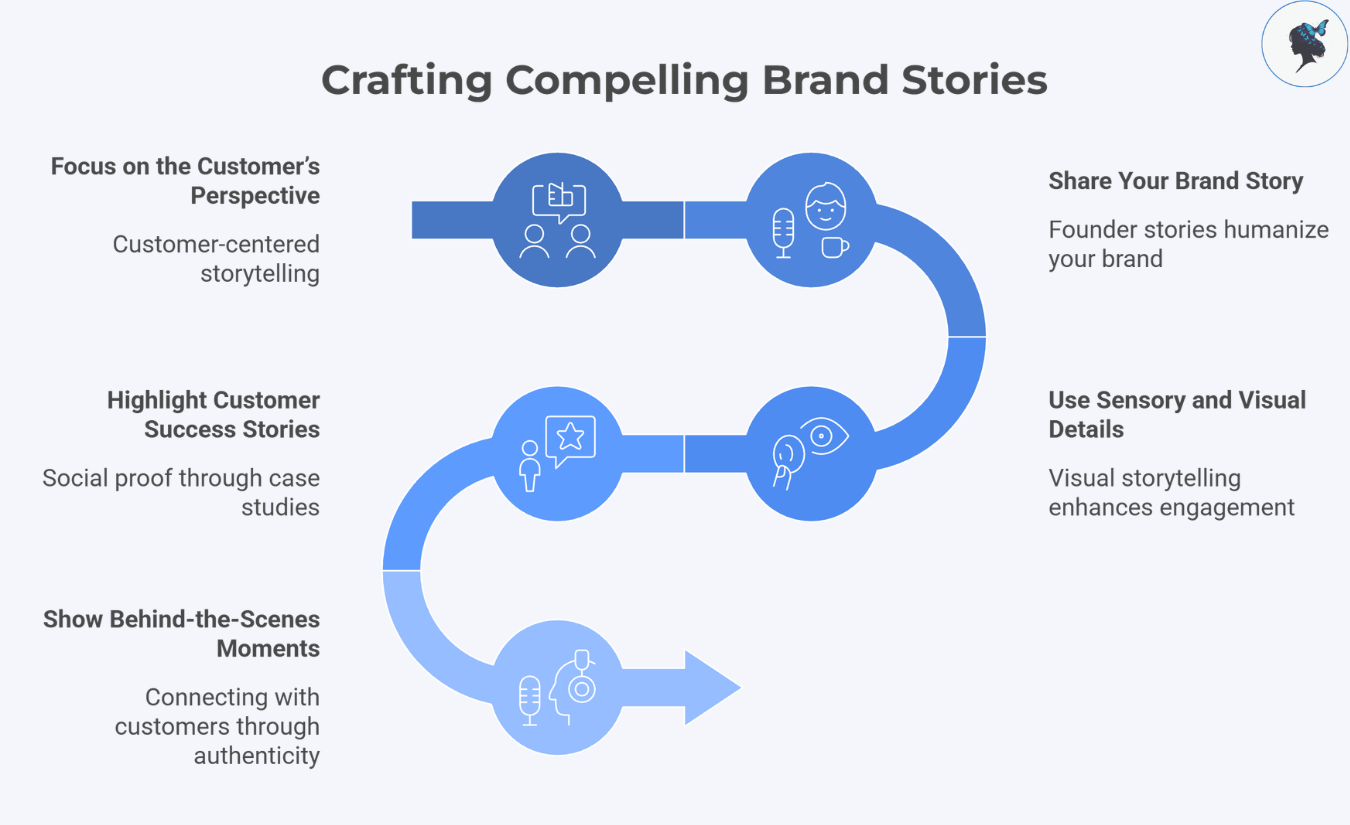
Focus on the Customer’s Perspective

One of the biggest mistakes businesses make is talking only about themselves.

Effective storytelling focuses on the customer.

infograph: Crafting compelling brand stories
Crafting compelling brand stories

What problem were they facing? What challenge did they overcome? What transformation did they experience?

Instead of simply describing your service, show readers how your business helped someone achieve a goal or solve a problem.

Customer-centered storytelling makes your content relatable and demonstrates real-world value without sounding overly promotional.

Share Your Brand Story

People connect with people.

Your audience wants to know:

  • why you started your business,
  • what motivates you,
  • what challenges you’ve faced,
  • and what your business stands for.

Founder stories humanize your brand and create trust. This is especially important in 2026, as consumers become increasingly skeptical of overly polished or impersonal marketing content.

Authenticity consistently ranks as one of the strongest factors influencing consumer trust and brand loyalty.

Use Sensory and Visual Details

Strong storytelling helps readers visualize an experience.

Describe:

  • the atmosphere of your café,
  • the excitement of a launch day,
  • the creative process behind your products,
  • or the moment a client achieved success.

Visual storytelling also plays a growing role in content engagement. Research shows consumers respond strongly to content that combines compelling narratives with visuals, video, and multimedia elements.

Adding original photos, videos, graphics, or behind-the-scenes content can make your blog significantly more engaging.

Highlight Customer Success Stories

Customer stories are one of the most powerful forms of content marketing.

Case studies, testimonials, and transformation stories provide social proof while making your content more relatable.

Rather than saying your business gets results, storytelling allows readers to see those results through real experiences.

This approach also helps build credibility and trust — two factors that increasingly influence purchasing decisions in modern digital marketing.

More about the role of trust signals here.

Show Behind-the-Scenes Moments

Not every story has to be dramatic.

Some of the most engaging small business content comes from simple behind-the-scenes moments:

  • packaging orders,
  • brainstorming sessions,
  • product development,
  • event preparation,
  • team culture,
  • or day-to-day business operations.

These moments help customers feel connected to the humans behind the business.

They also reinforce authenticity, which has become increasingly important as audiences grow tired of overly corporate or AI-generated messaging.

Why Storytelling Matters Even More in 2026

Content marketing is evolving rapidly.

AI tools have made content production faster and cheaper, but they’ve also flooded the internet with repetitive, low-quality information. As a result, audiences are placing greater value on originality, expertise, and authentic human experiences.

Industry research and community discussions consistently point to the same trend: businesses that succeed with content marketing today focus on trust, niche expertise, strong brand voice, and meaningful audience relationships rather than simply publishing high volumes of content.

Storytelling helps small businesses adapt to this shift because stories are inherently human.

They communicate personality, perspective, and lived experience in ways generic content cannot replicate.

How Storytelling Supports SEO

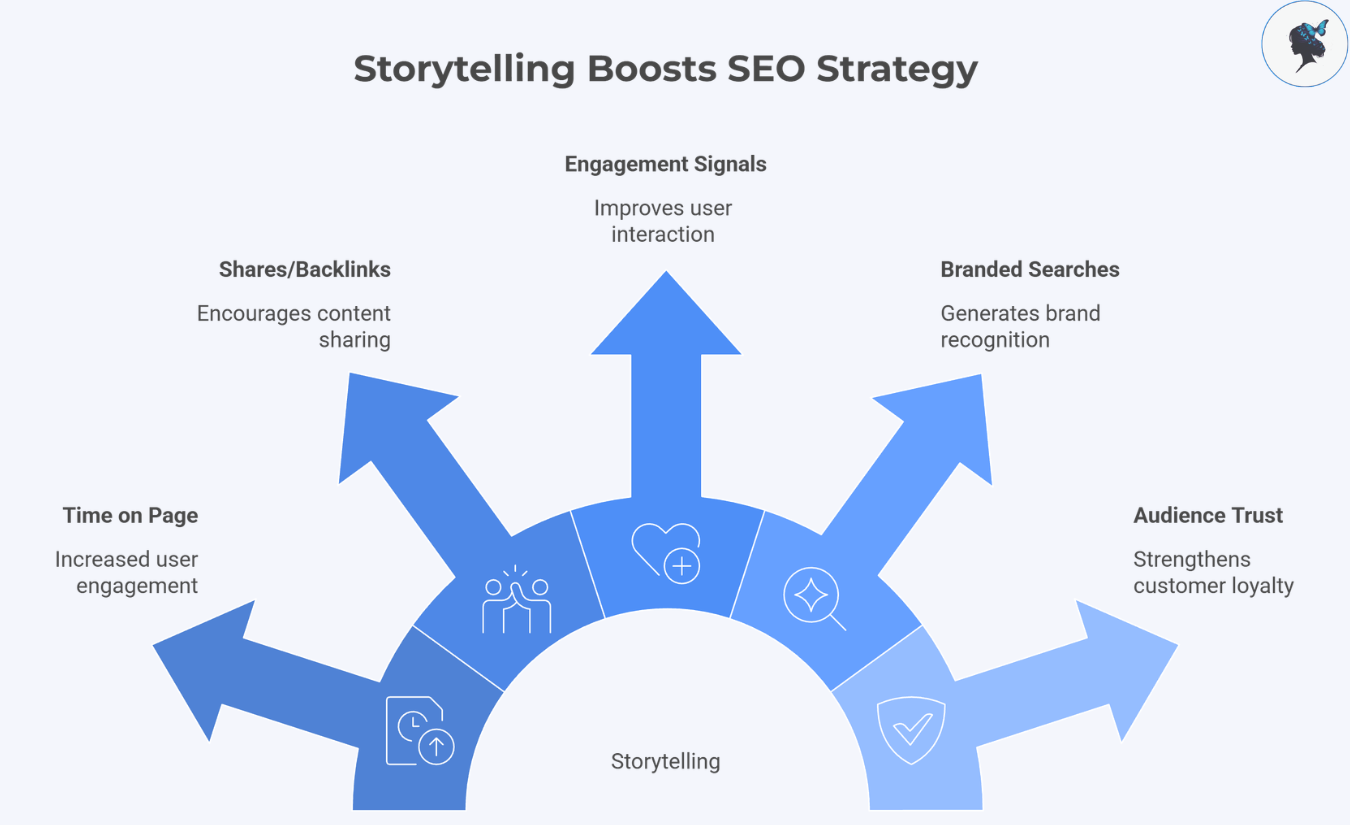
infograph: Storytelling boosts SEO strategies
Storytelling boosts SEO strategies

Storytelling doesn’t just improve engagement — it can also support your SEO strategy.

Strong story-driven content can:

  • increase time spent on page,
  • encourage shares and backlinks,
  • improve user engagement signals,
  • generate branded searches,
  • and strengthen audience trust.

Businesses with documented content strategies and high-quality content continue to outperform competitors in search visibility and lead generation.

As search engines and AI-powered discovery tools increasingly prioritize useful, people-first content, authentic storytelling becomes an even more valuable asset.

Final Thoughts

Storytelling helps small businesses create deeper relationships with their audience.

It transforms blog posts from generic marketing content into memorable experiences that build trust, loyalty, and connection.

In a digital world filled with noise, stories are what make people stop paying attention to algorithms and start paying attention to your business.

Whether you’re sharing customer experiences, founder insights, behind-the-scenes moments, or lessons learned along the way, storytelling allows your audience to connect with the real people behind your brand.

And that connection is often what turns casual readers into loyal customers.

Contact us to see how we can help you!