Why Seasonal Content Management Matters for Travel Agencies
▶ Table of Contents
In the travel industry, seasonal peaks and troughs are baked into everything you do: summer beach holidays, winter ski trips, shoulder-season city breaks. But for a travel agency, that creates a content and SEO challenge: if you only publish content when demand spikes, you risk letting your online visibility fall off in the off-season, losing organic traffic, bookings and authority.
A recent article from Bulldog Digital Media points out that “travel behaviour is cyclical … if you miss key seasonal moments, you miss out on significant revenue opportunities.” Meanwhile, a specialist SEO article for travel agencies emphasises seasonality as one of the key SEO-challenges in the travel market.
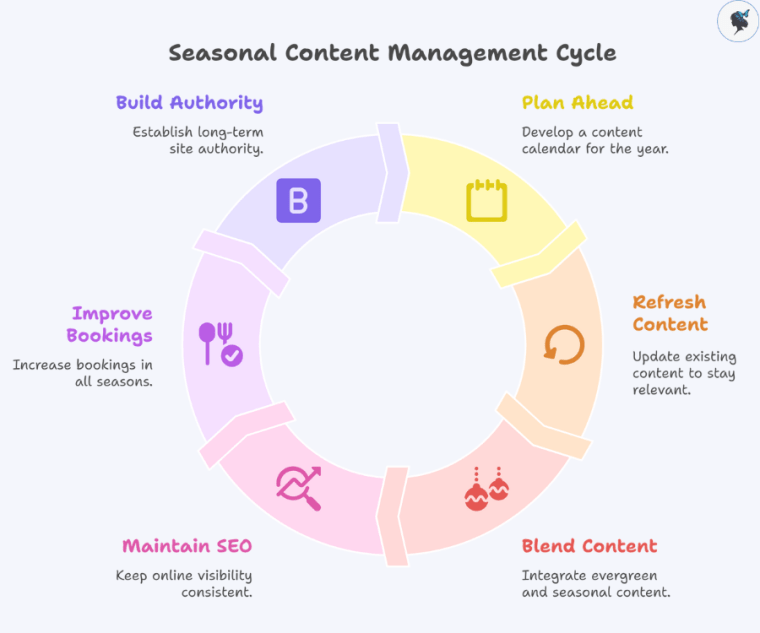
By managing your seasonal content thoughtfully — planning ahead, refreshing it strategically, and blending in evergreen support content — you can maintain your SEO momentum year-round, improve bookings in both high and low periods, and build long-term site authority. This post will show travel-agency-specific strategies for doing exactly that.
Understanding Seasonal Trends in the Travel Industry
Identifying Seasonal Patterns
To manage seasonal content effectively, you must first understand when and how your demand rises and falls.
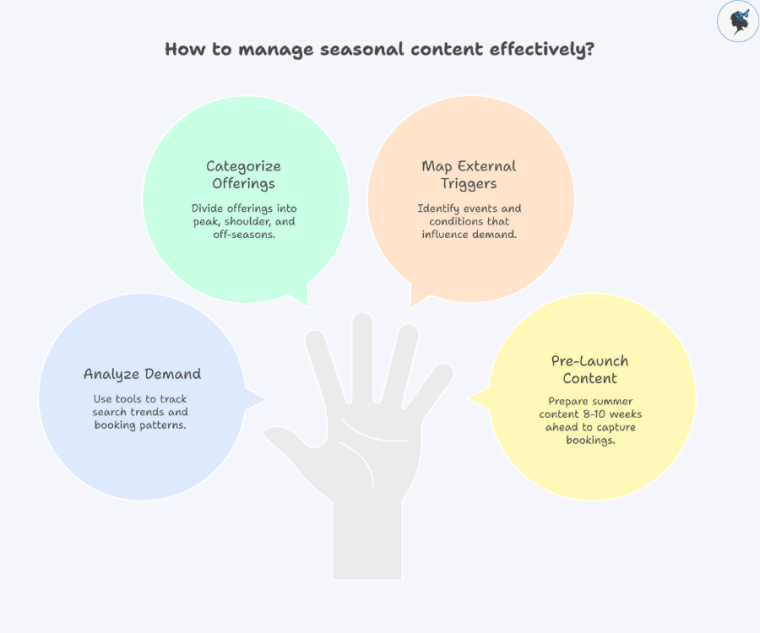
- Use tools like Google Trends, your internal booking/website analytics, and even Google Search Console to track when people search for your destinations (e.g., “summer beach holidays Spain”, “ski resorts Austria December”).
- Categorise your offerings into clear seasons:
- peak (high demand),
- shoulder (transitional),
- and off-season.
- Tourism marketing often divides travel demand into these three categories.
- Map external triggers: school holidays, public holidays, events (festivals, cruises, etc.), weather patterns, and also travel restrictions/shifts (e.g., recent pandemic-related changes).
Wander Women Hot Tip: have your summer-holiday content live 8-10 weeks ahead of launch so you catch booking momentum.
Analysing Content Performance by Season
Once you have awareness of your seasonal windows, look at how your existing content performs:
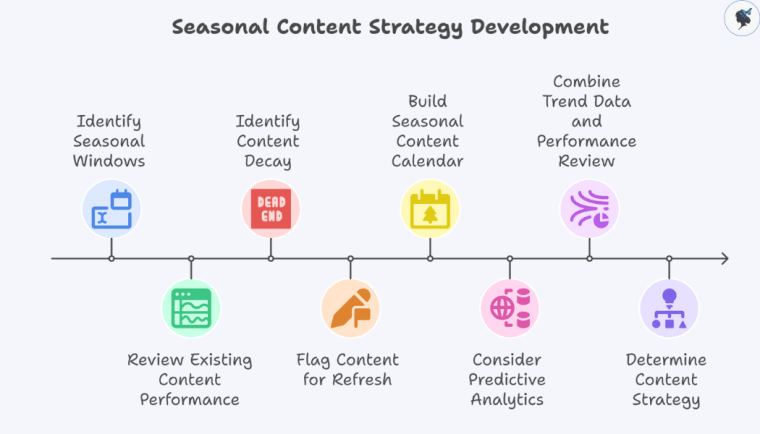
- Review your analytics to see which pages/posts drop off in the off-season or which ones still hold steady.
- Identify content decay — e.g., a blog post published for “summer 2024 beach deals” might see traffic crash in November. Flag those posts for refresh or repurposing.
- Build a seasonal content calendar tied to these peaks/shoulders/off-season periods, so you’re not scrambling when seasonality changes.
- Consider using predictive analytics.
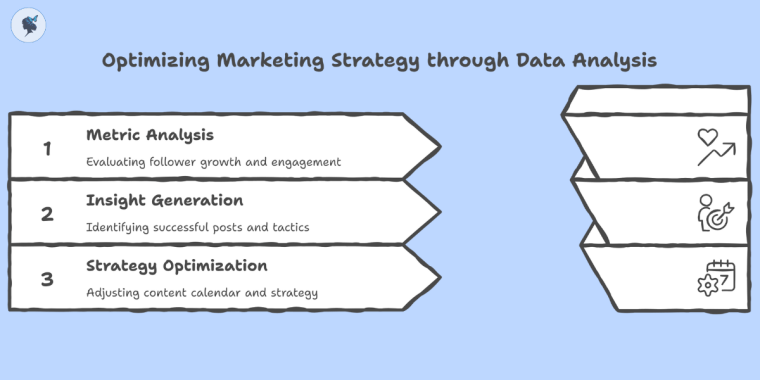
By combining trend-data plus internal performance review, you can see when content matters most and which content needs a year-round strategy rather than “launch-and-forget”.
More about data analytics here.
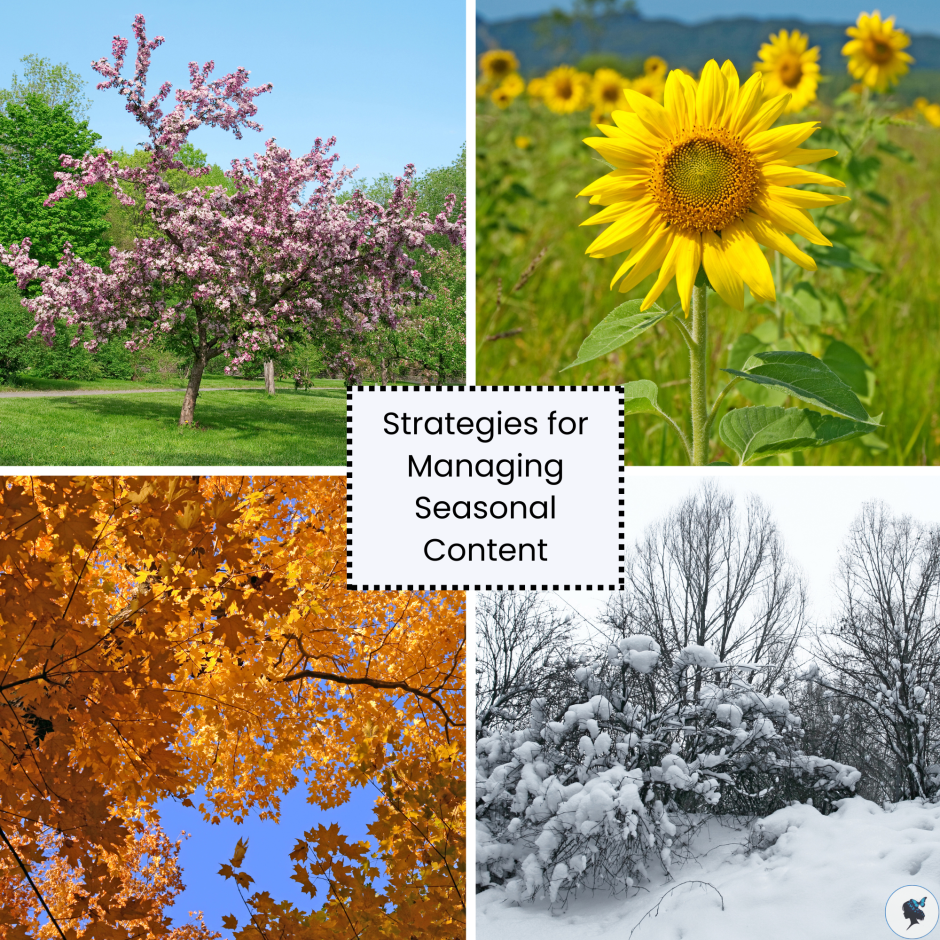
Strategies for Managing Seasonal Content Effectively
Here are five actionable strategies travel agencies can implement to keep seasonal content working for them all year round.
Plan Seasonal Content Well in Advance
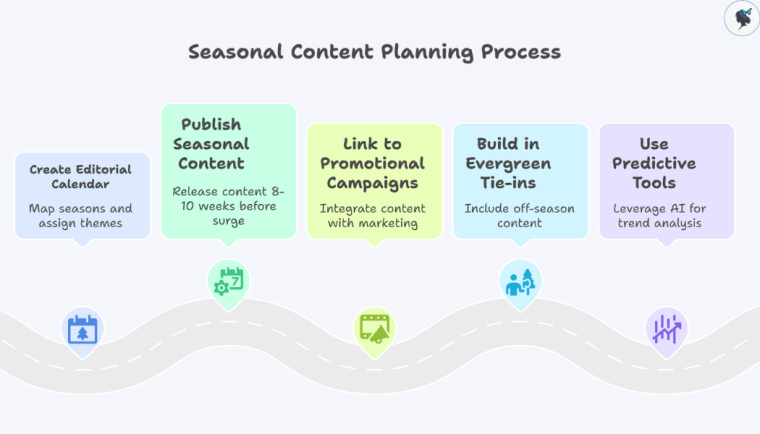
- Create a 12-month editorial calendar: map each major season (winter holidays, summer travel, shoulder periods) and assign content themes and publication dates.
- Publish your key seasonal content 8–10 weeks before the booking surge begins. For example, if summer bookings pick up in April, your “Top 2026 Summer Beach Packages” post should go live in February or March.
- Link content to promotional campaigns: have blog posts, landing pages and social media tie into your email campaigns, early-bird offers, and remarketing efforts.
- Build in evergreen tie-ins within seasonal content. For example: “Best Beaches in Spain for Summer 2026 – And How to Visit Off-Season Too.” This allows you to update rather than re-create each year.
- Use predictive tools: the Smartvel article outlines how agencies can use AI and trends data to get ahead of upcoming travel interest surges.
More about using AI in travel here.
Repurpose and Refresh Existing Content
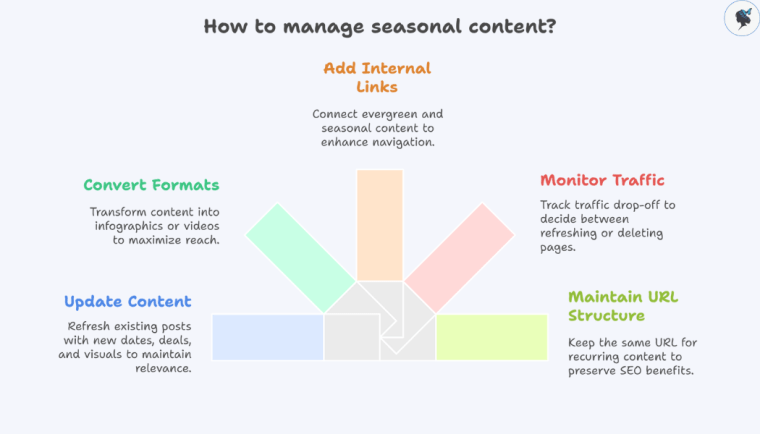
- Rather than deleting or archiving last year’s seasonal posts, update them: change dates, insert new deals, refresh visuals, update SEO-metadata.
- Convert content formats: blog posts – infographics – short videos or Instagram Reels. This helps maximize reach from one core idea.
- Add internal links between your evergreen and seasonal content: e.g., a “Year-Round Spain Travel Guide” (evergreen) linking to “Summer 2026 Ibiza Beach Packages” (seasonal).
- Monitor traffic drop-off on seasonal pages; when it falls below a threshold, mark the page for refresh rather than deletion, so you preserve domain authority and link equity.
- Maintain the URL structure for recurring content (e.g.,
/christmas-markets-europe/) and update the content rather than creating a new page each year — this gives you the benefit of existing backlinks, internal links and domain trust.
Read more about internal linking here.
Utilize Social Media & Promotion to Extend Seasonal Reach
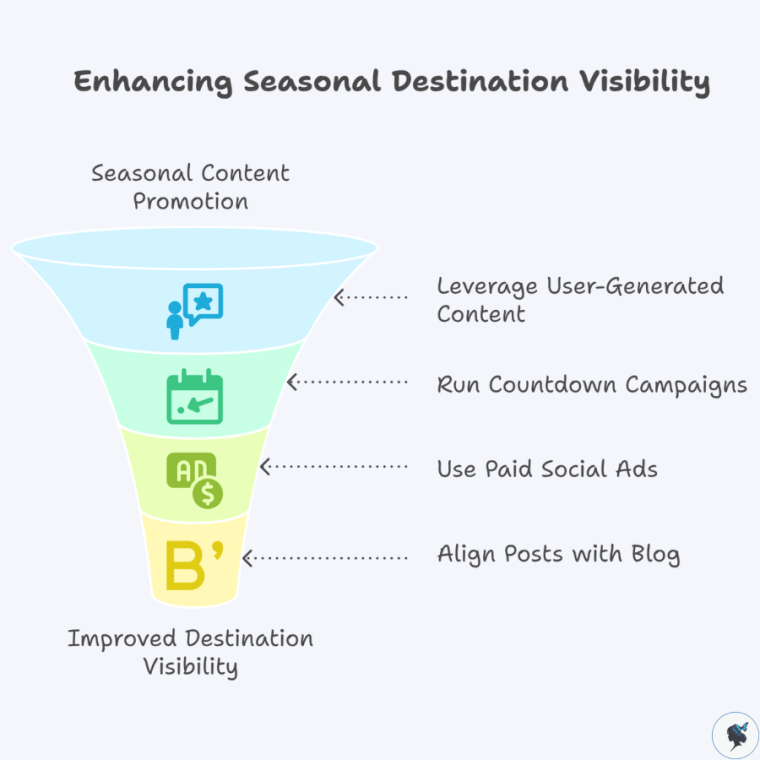
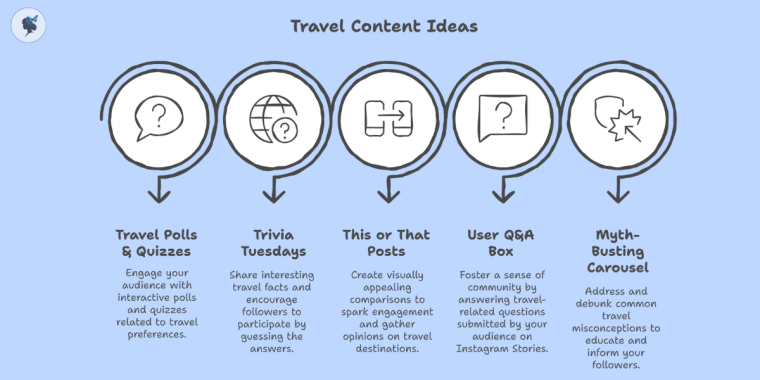
- Use social media not only at peak season, but during shoulder and off-seasons: promote older seasonal content with “Throwback” or “Plan Ahead” messaging.
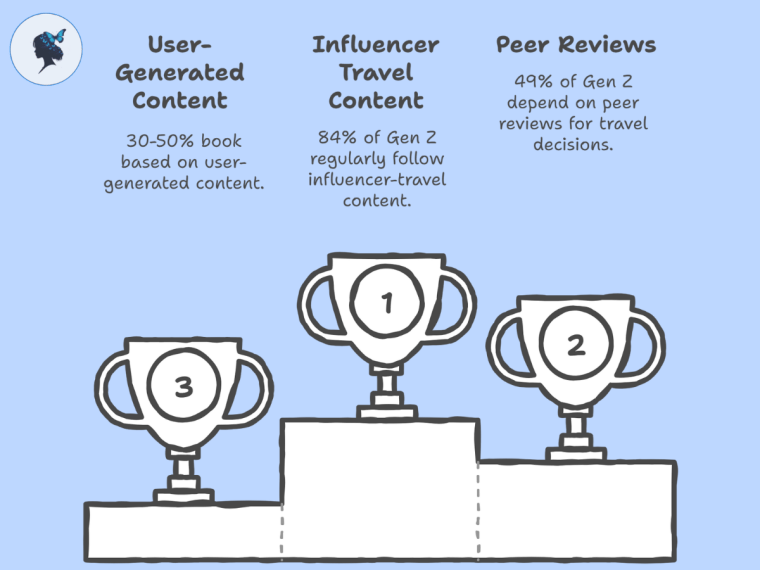
- Leverage user-generated content (UGC): encourage travellers who visited in past seasons to share photos or stories, re-promote them to maintain destination visibility even when it’s off-season.
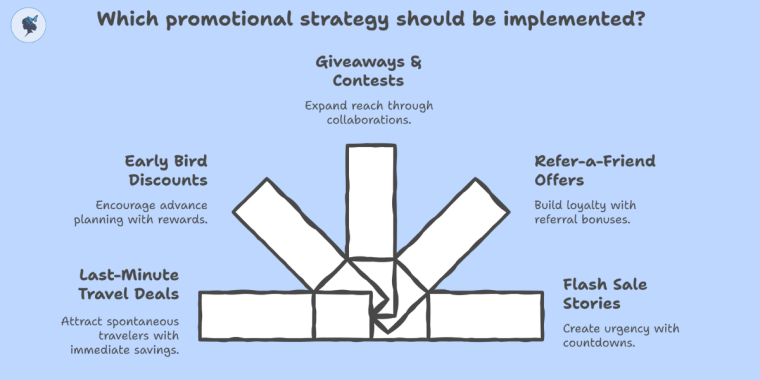
- Run countdown or teaser campaigns ahead of high-booking seasons: e.g., “12 Weeks to Summer: Why You Should Book Now.”
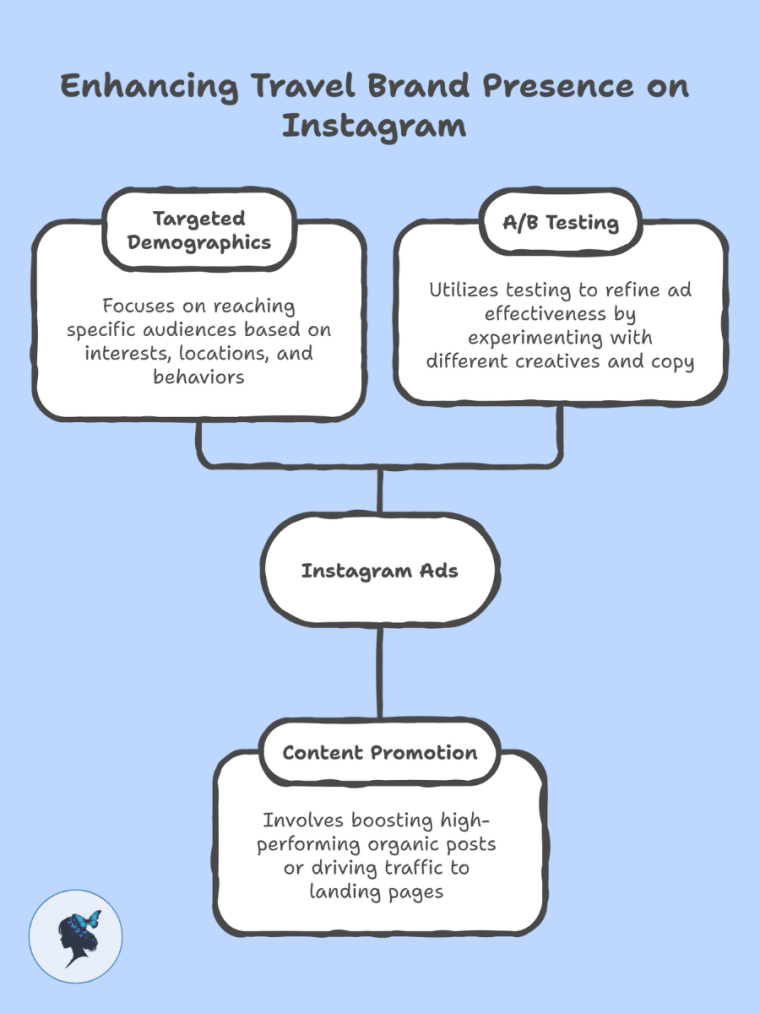
- Use paid social ads timed before the booking surge, supporting organic content.
- Align posts with your blog/landing page strategy so social and content marketing reinforce each other — improving dwell
- time, share metrics and signals to search engines.
Read our post: User-Generated Content.
Implement SEO Best Practices for Seasonal Keywords
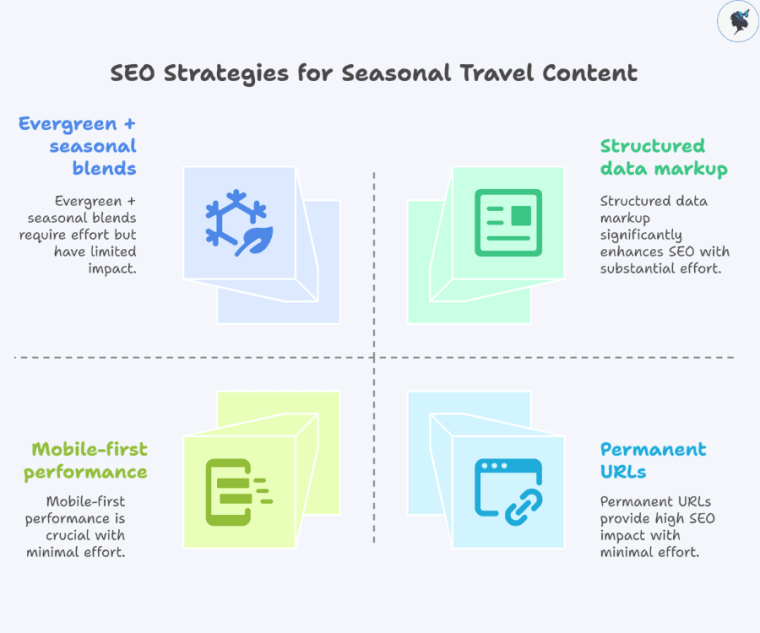
- Do keyword research not just for current season terms (e.g., “summer beach holidays 2026 Spain”) but also evergreen + seasonal blends (e.g., “best beaches Spain” + “summer 2026 deals”).
- Maintain permanent URLs for recurring content; update metadata (title tag/description) each year rather than creating a new URL to preserve ranking and link history.
- Use structured data/schema markup where appropriate — for example event schema if you are covering a festival or seasonal attraction.
- Internal linking: create a hub-and-spoke architecture — a pillar evergreen page (‘Country travel guide’) linking to seasonal subpages (‘Winter in …’, ‘Summer in …’).
- Monitor ranking fluctuations: the travel-industry SEO guide emphasises that seasonality is a major cause of ranking and traffic swings in this niche.
- Ensure mobile-first and fast page-speed performance — especially as many travellers research and book on mobile devices.
More about mobile optimization here.
Create Evergreen Supporting Content
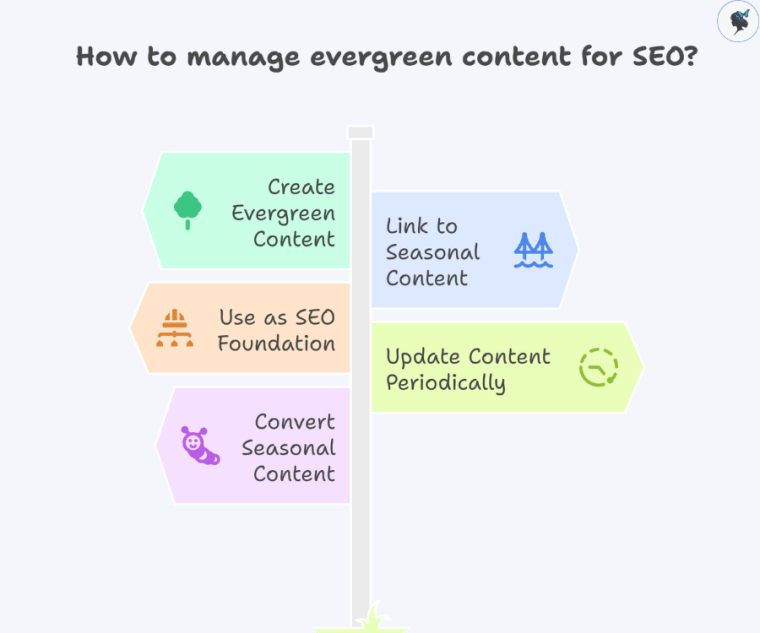
- Build content that is not tied to a season, such as:
- “How to pack for a multi-destination Europe trip”,
- “Travel insurance: what you need to know”, or
- “How to choose a family-friendly tour operator”. These posts hold value year-round and help maintain site authority.
- Link evergreen content to your seasonal posts: this strengthens overall site structure and keeps traffic flowing between pages even when seasonal interest is low.
- Use evergreen content as your “foundation” for your site’s SEO health — so that even when the seasonal pages dip, you still have reliable traffic and domain authority.
- Update evergreen content periodically (e.g., once per quarter) to keep it fresh and relevant to search engines — don’t leave it static.
- Review old seasonal content and convert some into evergreen format where practical — e.g., “Why Visit Iceland in Any Season” instead of just “Summer in Iceland”.
Read: how to create evergreen content.
Case Studies: Seasonal Content Success Stories
Here are some hypothetical (but grounded) examples of how travel agencies can use these strategies. While proprietary data may not be publicly available, these reflect sector best practices.
Ski Travel Agency Turning Off-Season into Shoulder-Season Growth
A ski-focused agency publishes a “Top Ski Resorts for Season 2025/26” blog in September and also adds a section on “Summer Hiking & Mountain Biking at the Same Resorts.” The refreshed article gets updated each March and gets internal links from their evergreen “Outdoor Adventures Europe” pillar page. As a result, instead of traffic dropping 70% in summer, they see only a 30% drop and maintain a good volume of bookings for summer and early autumn.
Beach Destination Tour Operator Maintaining Visibility Year-Round
A beach tour operator creates a pillar page for “Best Beach Destinations in Spain” (evergreen) and has subpages for “Summer 2026 Beach Packages”, “Late-Season Autumn Breaks”, “Winter Sun Getaways”. They update the seasonal subpages each year, preserving URLs and backlinks. During off-peak months they run UGC and social posts (“Remember your summer holiday in 2025? Book early for 2026”). This helps retain about 60-70% of their usual organic traffic even in the low season.
City-Break Specialist Leveraging Annual Events
A travel agency focuses on city-breaks and has a page for “Christmas Markets in Europe” — the page URL remains the same year-to-year, but they update content every October with new dates, deals and local events. They build an internal link from their evergreen city-travel guide. Because they preserve the URL and link equity, their page ranks consistently each year and traffic grows through backlinks from travel-bloggers linking to the same page annually.
Read: managing seasonal content: fall.
Building a Sustainable Seasonal Content Strategy
Seasonal content is not something to publish once, then archive and forget. For travel agencies, it’s a dynamic asset that — if managed correctly — can support bookings and SEO year-round.
- Plan ahead with a 12-month editorial calendar that anticipates peaks, shoulders and troughs.
- Refresh and repurpose existing content instead of deleting or re-creating each year.
- Use social promotion and UGC to keep destinations alive in off-season months.
- Apply sound SEO practices to seasonal content: maintain URLs, update metadata, use internal linking, and monitor ranking shifts.
- Build evergreen supporting content to stabilise your domain’s authority and traffic across seasons.

If you’re responsible for content in your travel agency, now is the time to audit your seasonal content:
- Which pages are still live from last year?
- Which ones have decayed in traffic?
- What evergreen “foundation” content do you have?
- Are you linking evergreen – seasonal – evergreen?
- Can you publish next season’s content earlier so you establish search visibility ahead of the rush?
By treating seasonal content as a cyclical, renewable asset rather than a one-off campaign, you’ll position your agency for stronger organic visibility, more bookings and more sustainable performance in both high and low travel periods.
Need help with your seasonal content strategy? Contact us today!