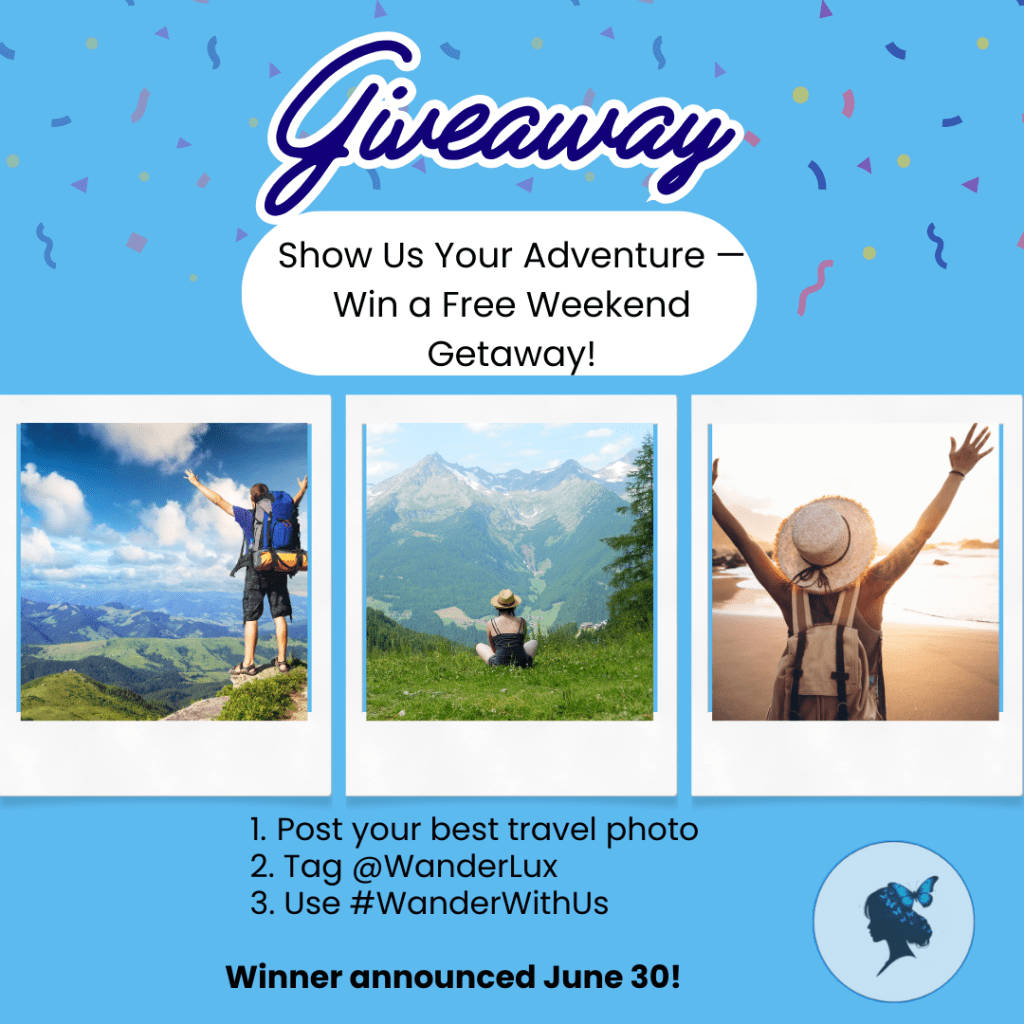
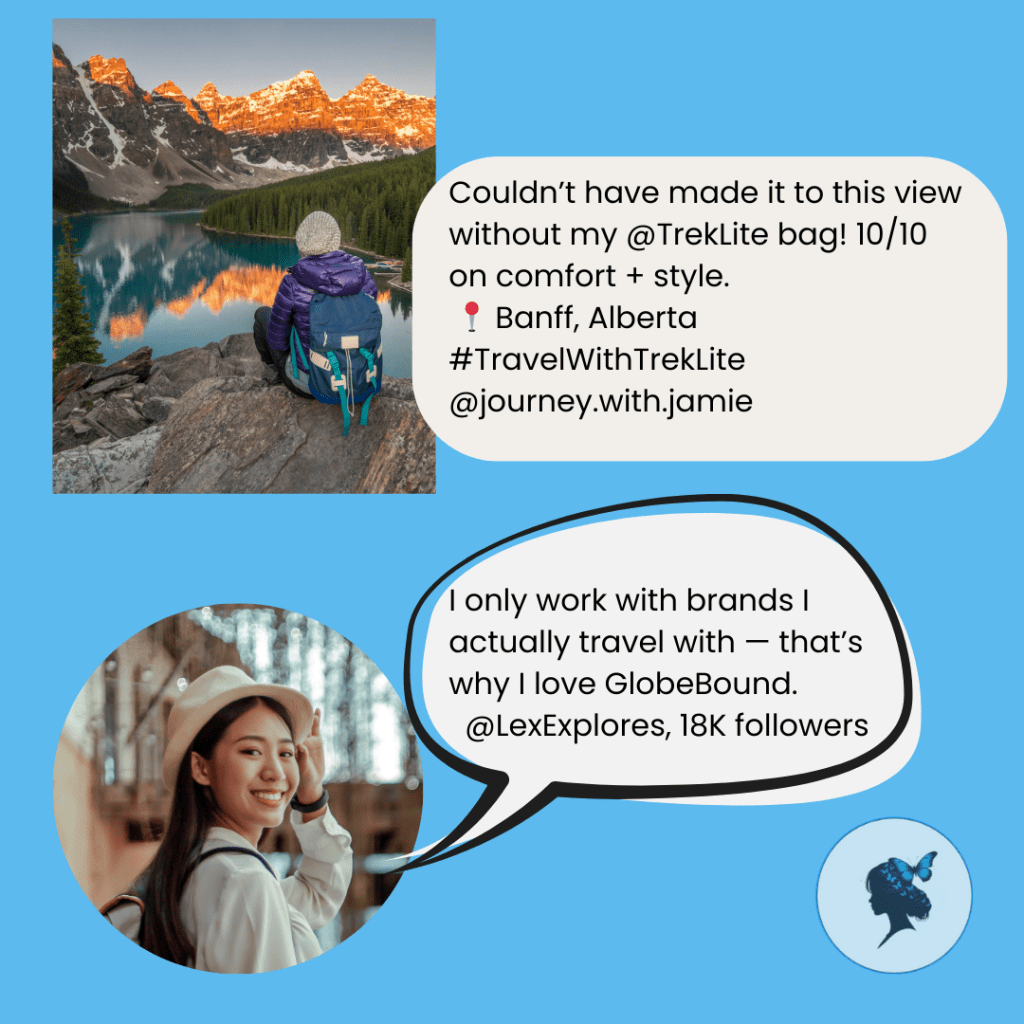
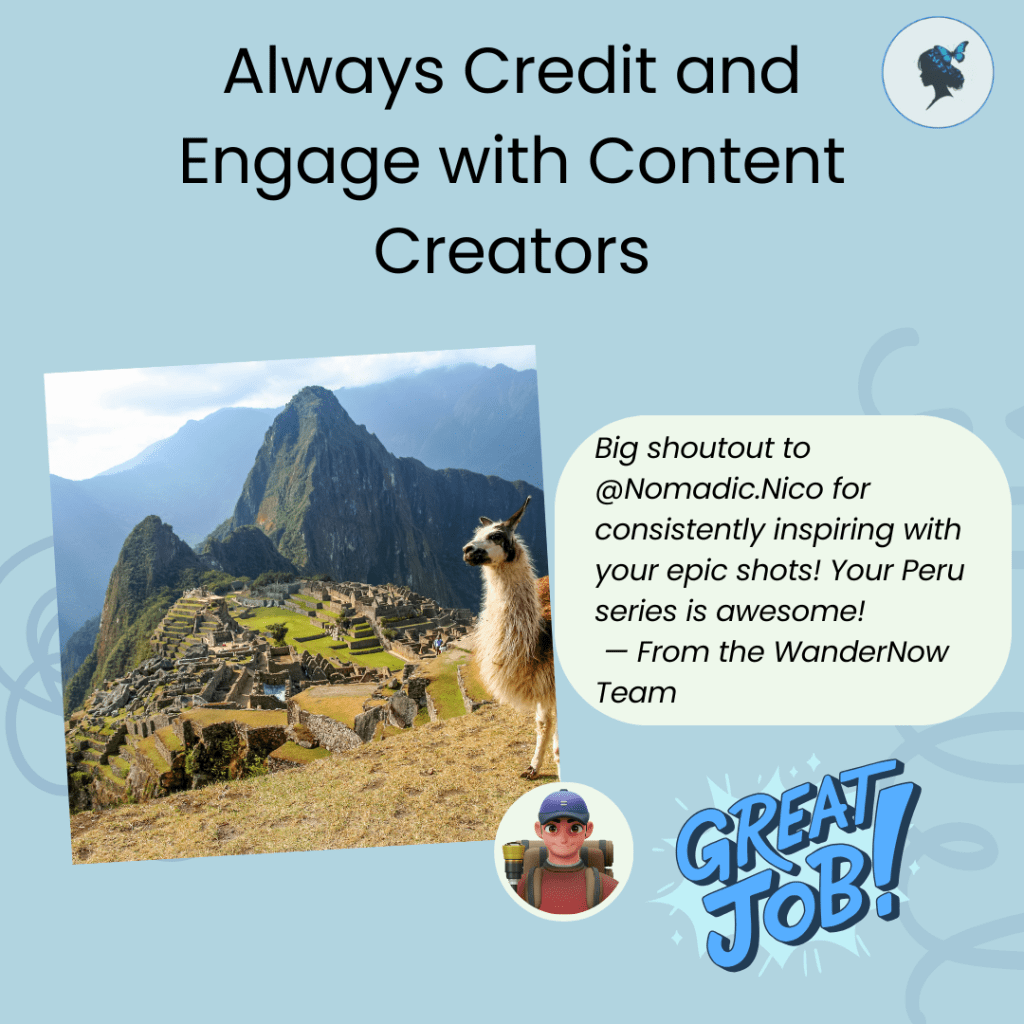
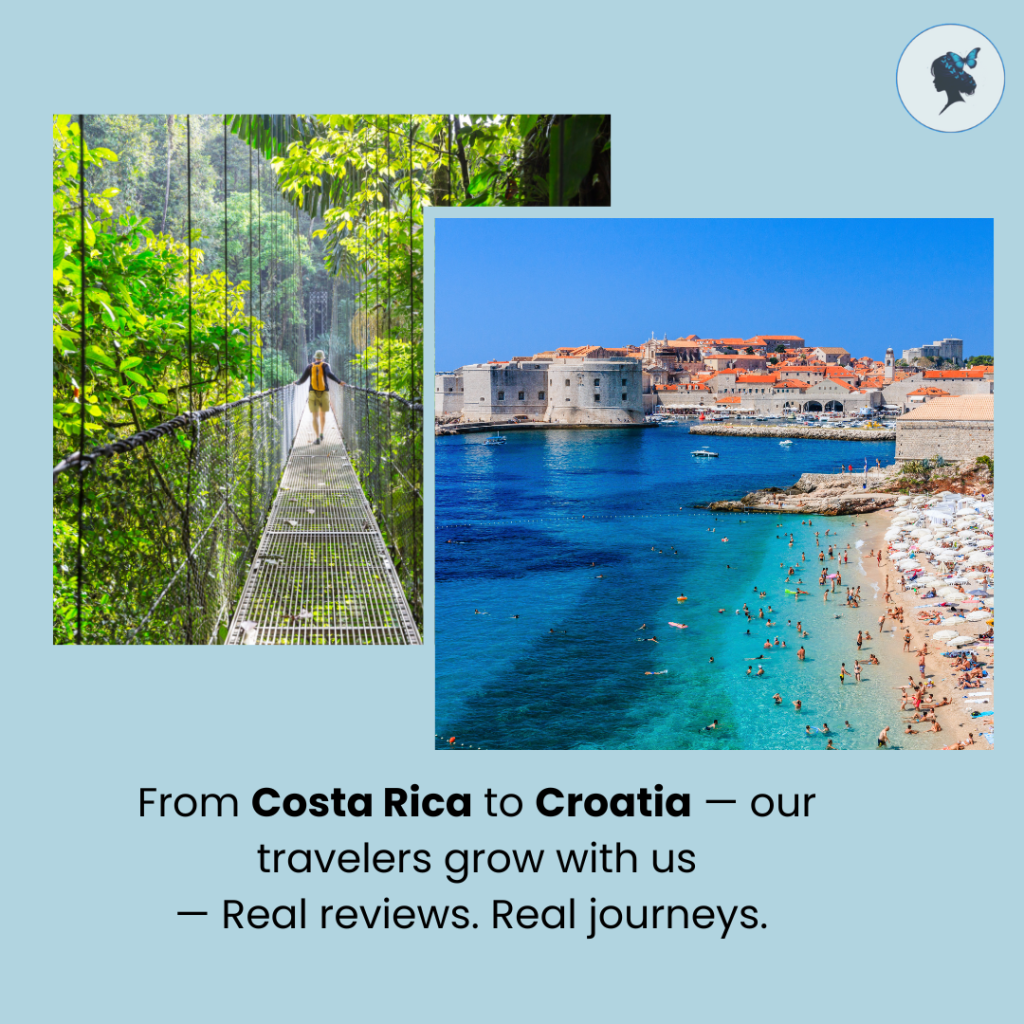
In the competitive world of travel content, standing out means more than just writing well — it means showing the world what you see. This post explores why visual storytelling is essential, how to create stunning travel photos and videos, and where to share them for maximum impact.
Why Visual Content Matters in Travel Marketing
Visual content isn’t just eye-catching — it’s effective.
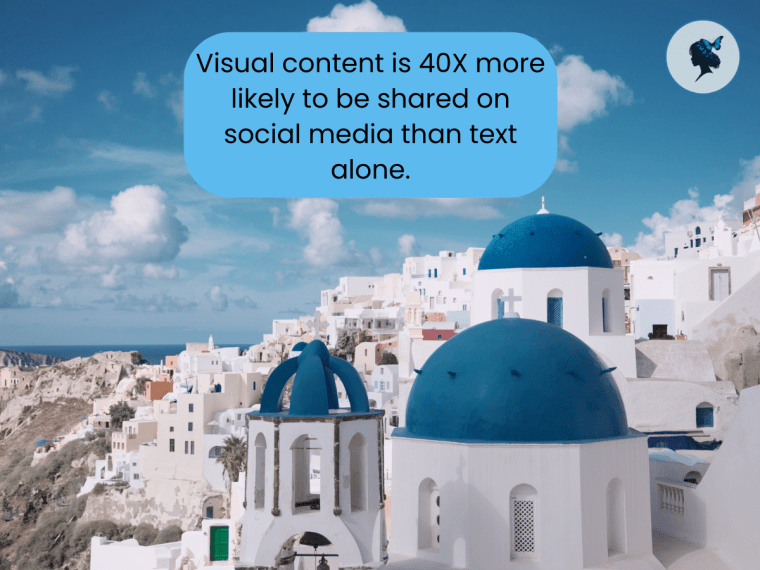
Visual content is 40X more likely to be shared on social media than text alone.
In travel, visuals inspire emotions, spark curiosity, and help potential travelers imagine themselves in a destination.
Real-Life Example:
National Geographic (@natgeo) has over 277M Instagram followers, largely thanks to their powerful use of storytelling through images. Their consistent mix of high-resolution photography and informative captions drives massive engagement.
Capturing Stunning Travel Photography
You don’t need a pro camera to get started. Some of the most viral travel shots were taken on smartphones. What matters most is light, composition, and emotion.
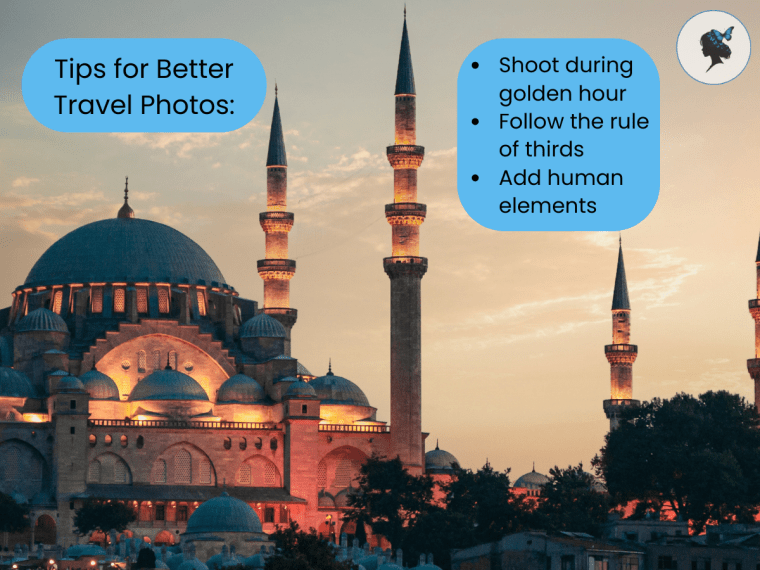
Tips for Better Travel Photos:
Shoot during golden hour (early morning or late afternoon).
Follow the rule of thirds for more balanced compositions.
Add human elements to give scale and storytelling depth.
@gypsea_lust (Lauren Bullen) built a following of over 2 million using dreamy pastel visuals and consistent filters. Her photos are often set in exotic locations and edited with a soft, signature tone.
Creating Engaging Travel Videos
Video is the fastest-growing form of content across platforms.
Platforms like Reels, TikTok, and YouTube Shorts thrive on short, immersive clips — and travel creators are using these to show everything from flight hacks to hidden waterfalls.
How to Shoot Compelling Videos:
Start with a hook (e.g., “I found a secret beach in Thailand…”)
Use natural movement and ambient sound for realism
Kara and Nate grew their YouTube to over 4.25M subscribers by sharing cinematic, personable travel vlogs. Their storytelling-first approach sets them apart from typical highlight reels.
Where and How to Share Your Visual Content
Choosing the right platform — and optimizing for it — is key.
Consistency builds trust. Your audience should instantly recognize your content, whether it’s a blog post, Instagram Story, or YouTube video.
Elements to Define:
Color palette: Pick 3–5 colors that reflect your travel style (earthy, bright, pastel, etc.)
Typography: Use the same fonts for overlays or thumbnails
Preset/Filter: Apply the same editing preset to all your photos for a cohesive feed
Example:
The Bucket List Family maintains a bright, clean aesthetic with family-centered content. Their visuals are uplifting, playful, and immediately recognizable.
Monetizing Your Travel Visuals
Once you’ve built a portfolio of high-quality images and videos, it’s time to turn your work into revenue.
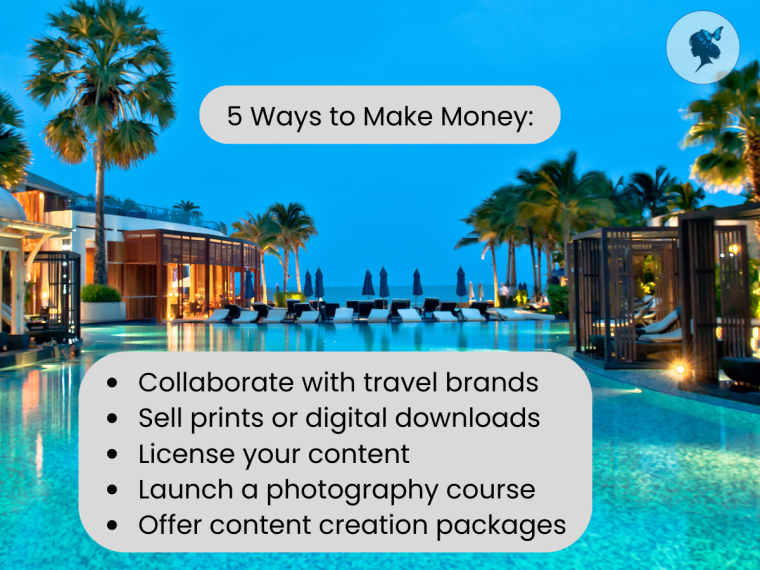
5 Ways to Make Money:
Collaborate with travel brands on sponsored posts
Sell prints or digital downloads via SmugMug or Etsy
Launch a photography course or video editing workshop
Offer content creation packages to hotels or tour companies
Final Thoughts
Visual content is not just decoration — it’s the core of how we experience travel online. A stunning photo can ignite wanderlust. A well-edited video can sell a destination.
Whether you’re a beginner or a seasoned travel blogger, sharpening your visual skills will help you build a more engaging, memorable, and profitable presence online.
Ready to Level Up?
Have a favorite app, editing tip, or travel shot you’re proud of? Drop it in the comments — let’s build a creative community that inspires each other!
Creating a Social Media Calendar for Your Travel Business
In the fast-paced world of digital marketing, consistency is key—especially for travel brands looking to inspire, engage, and convert. One of the most effective tools to stay organized and strategic is a well-structured social media calendar. This guide will walk you through everything you need to know to create and maintain a high-performing calendar for your travel business, including templates, content ideas, and platform-specific best practices.
Why Your Travel Business Needs a Social Media Calendar
The 2024 B2B Content Marketing Trends report highlights that 53% of top-performing marketers attribute their success to having a documented strategy.
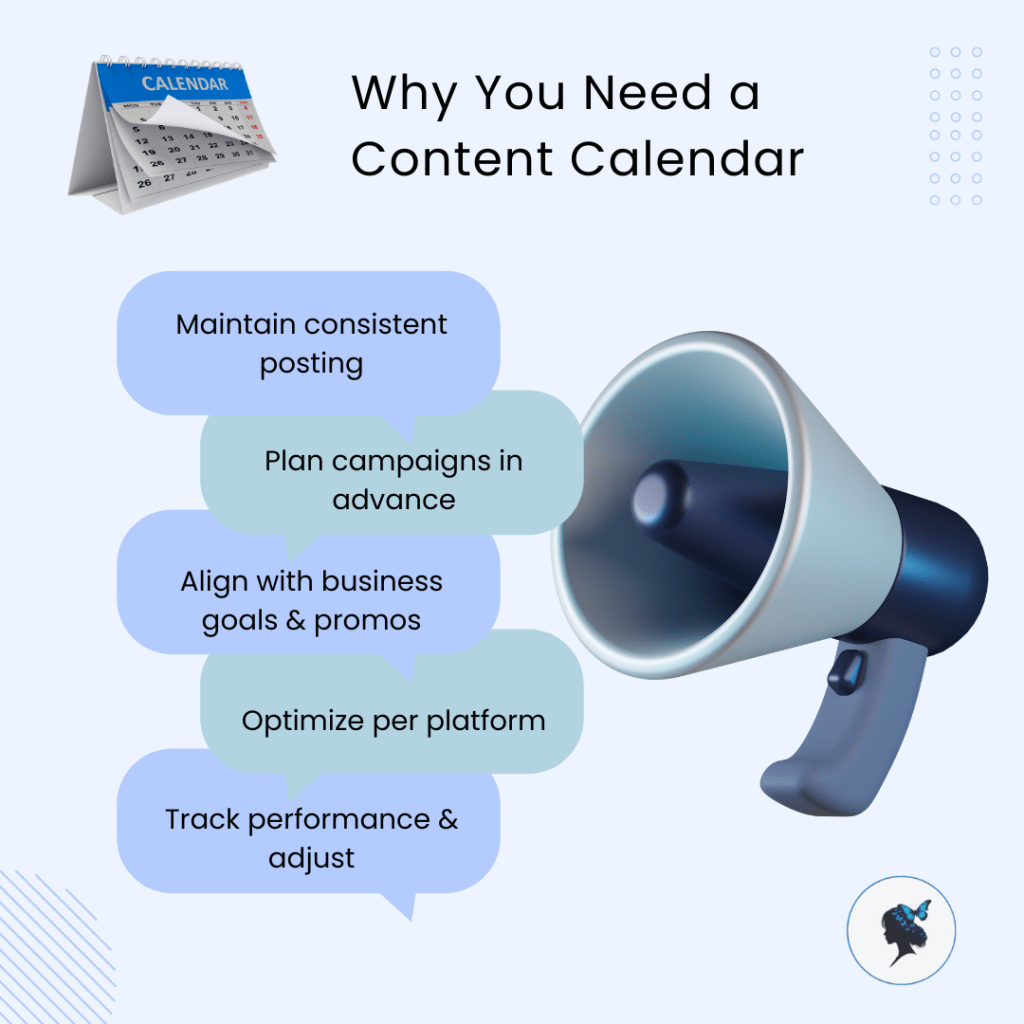
A content calendar helps you:
Maintain consistent posting
Plan campaigns in advance
Align posts with business goals and promotions
Ensure platform-specific optimization
Track performance and make data-driven adjustments
Consistency breeds familiarity, which is essential for building trust in the travel industry. Planning ahead means fewer missed opportunities around seasonal trends and booking patterns. For example, a travel brand could plan a winter promotion campaign for ski resorts well in advance to maximize visibility.
Imagine you’re promoting a boutique eco-lodge in Costa Rica. By using a calendar to map out posts in sync with the dry season (December to April), you ensure timely visibility for travelers researching their next trip.
Step 1: Set Clear Social Media Goals
Start with defining what success looks like for your business. Common travel-related goals include:
Driving traffic to your website or booking platform
Building brand awareness
Growing your email list
Increasing engagement (likes, shares, saves)
Generating leads or direct bookings
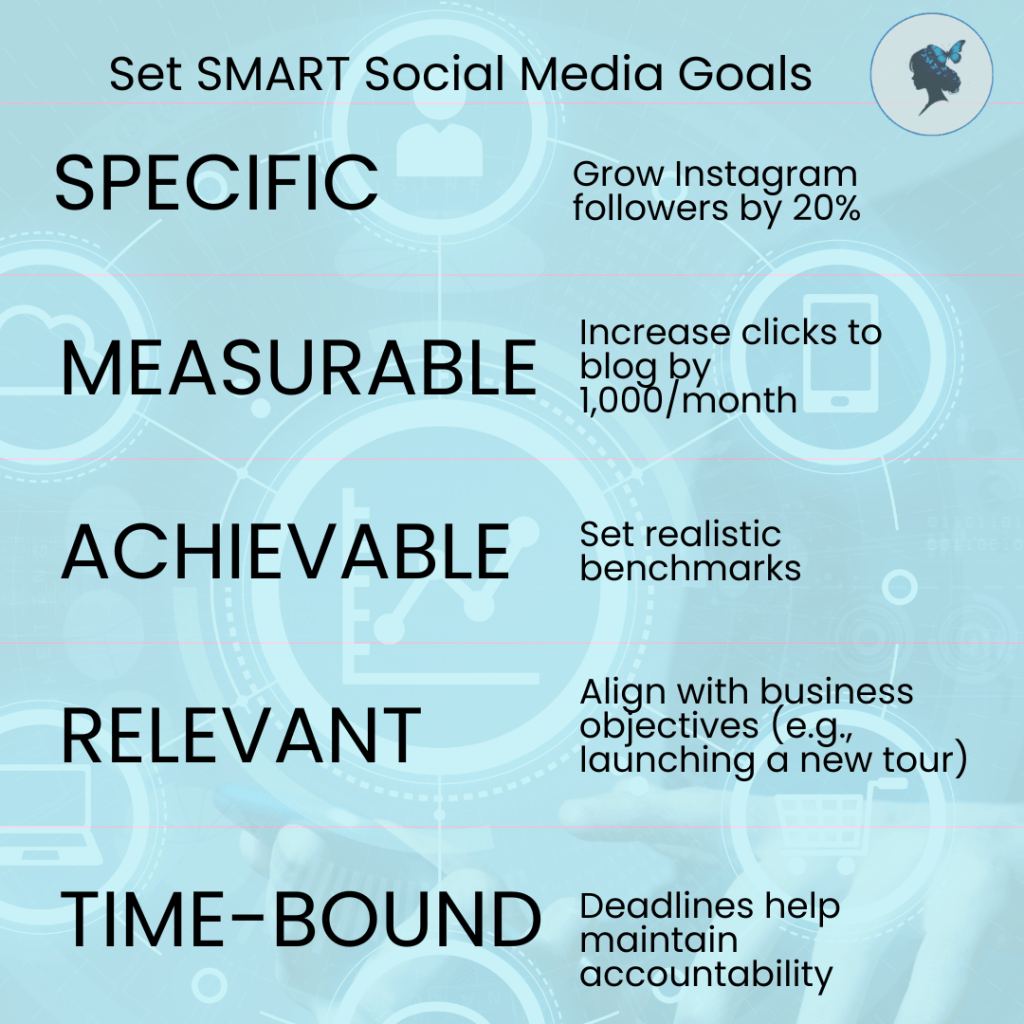
Use the SMART goal framework:
Specific – “Grow Instagram followers by 20%”
Measurable – “Increase clicks to blog by 1,000/month”
Achievable – Set realistic benchmarks
Relevant – Align with business objectives (e.g., launching a new tour)
Time-bound – Deadlines help maintain accountability
Clarity on your social media goals creates a sense of direction and enables consistent performance tracking. When everyone on your marketing team knows the desired outcomes, effort and creativity can be better aligned.
A boutique safari company might aim to generate 200 qualified leads through Facebook Ads over three months, using a lead magnet like a free wildlife travel guide.
Not every platform will suit your brand equally. Here’s a quick breakdown for travel businesses:
Platform
Strengths
Audience
Instagram
Visual storytelling, reels, UGC
18–34
Facebook
Groups, events, ads, long-form posts
25–54
TikTok
Short videos, trends, virality
16–34
Pinterest
Trip planning, aspirational content
25–45 (women)
YouTube
Long-form video, vlogs, tutorials
18–44
Twitter/X
News, trends, industry updates
25–49
Choose 2–3 platforms to focus on based on your ideal customer profile. If you’re targeting Gen Z backpackers, TikTok and Instagram are essential; for luxury cruises, Facebook and Pinterest may offer better returns. Always assess the engagement levels and ROI of each platform quarterly.
Focusing your resources on platforms that match your audience leads to higher ROI and more relevant engagement. Avoid the trap of trying to be everywhere at once. Quality trumps quantity, especially when you’re managing a lean marketing team.
A travel agency offering yoga retreats in Bali may see better traction on Pinterest and Instagram due to their visual nature and planning-oriented audiences.
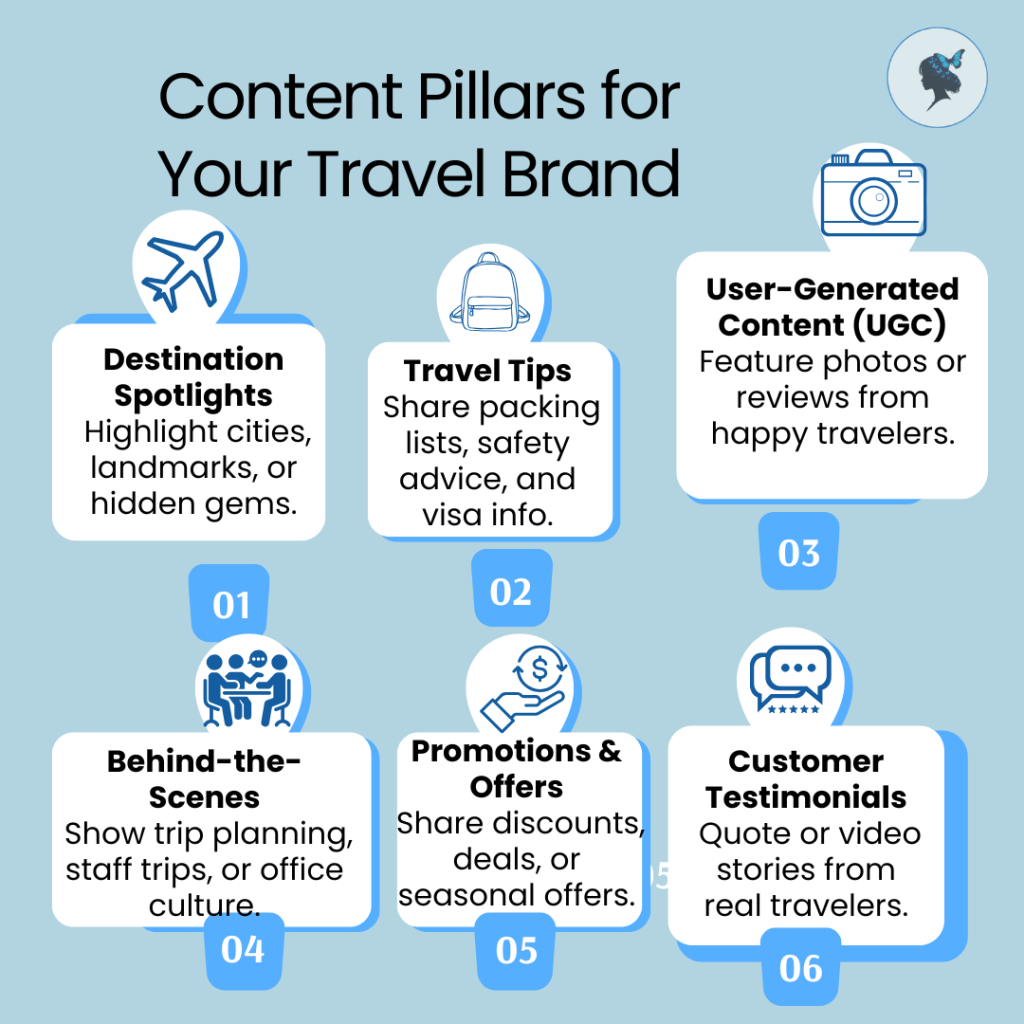
Destination Spotlights – Highlight specific locations or attractions
Travel Tips – Packing guides, visa info, travel hacks
User-Generated Content (UGC) – Reposts from happy customers
Behind-the-Scenes – Office life, team travels, planning process
Promotions & Offers – Limited-time deals, early bird specials
Customer Testimonials – Stories, quotes, or video clips
Each pillar serves a unique purpose: driving inspiration, delivering value, and fostering trust. Variety ensures you appeal to different segments of your audience and keep your feed dynamic. Mapping these categories across the month ensures balanced, evergreen and timely content.
According to Demand Metric, content marketing generates over three times as many leads as outbound marketing and costs 62% less.
A South American adventure brand might rotate between Machu Picchu spotlights, backpacker visa tips, and traveler testimonials to appeal to both first-timers and return explorers.
Use a spreadsheet, Google Calendar, Trello, or a tool like Later or Planoly.
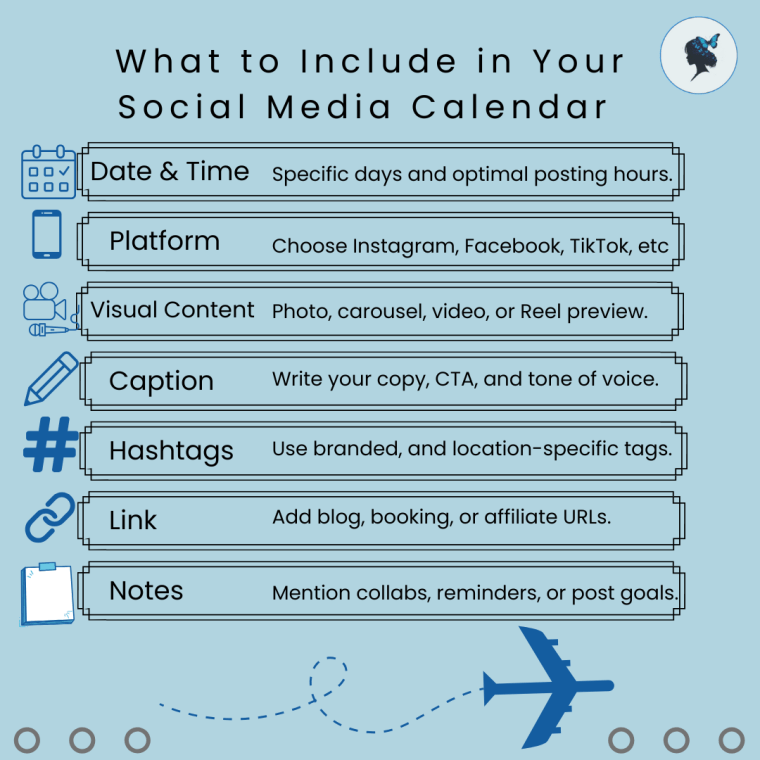
Each post should include:
Date & time
Platform
Visual content (photo, video, carousel, reel)
Caption
Hashtags
Link (if applicable)
Notes (e.g., collaborator tags, campaign theme)
Building a strong structure allows for easy collaboration and reduces last-minute scrambling. Color-coding by content pillar helps you spot gaps and ensure a healthy content mix. Regular check-ins on your calendar’s structure can also help you reallocate resources during peak travel seasons.
For a Mediterranean cruise line, the calendar may rotate destinations weekly—Italy on Mondays, Greece on Wednesdays, and Turkey on Fridays—with corresponding photo assets and themes.
Step 5: Determine Optimal Posting Frequency
Posting frequency depends on your capacity and audience expectations:
Platform
Recommended Frequency
Instagram
3–5 times/week + Stories daily
Facebook
3–5 times/week
TikTok
5–7 times/week
Pinterest
5–10 pins/day
YouTube
1–2 videos/week
Twitter/X
1–3 tweets/day
Overposting can lead to burnout, while underposting can make you forgettable. Test and adjust your schedule based on engagement data. Use platform analytics to identify when your audience is most active and focus on maintaining those rhythms.
According to Hootsuite’s 2025 data, brands that post consistently—about 3 to 5 times per week—tend to see better engagement compared to those posting less frequently.
A Caribbean resort might notice their audience engages most with sunrise beach reels posted early in the week, leading them to prioritize Monday morning uploads.
Step 6: Incorporate Seasonal and Cultural Moments
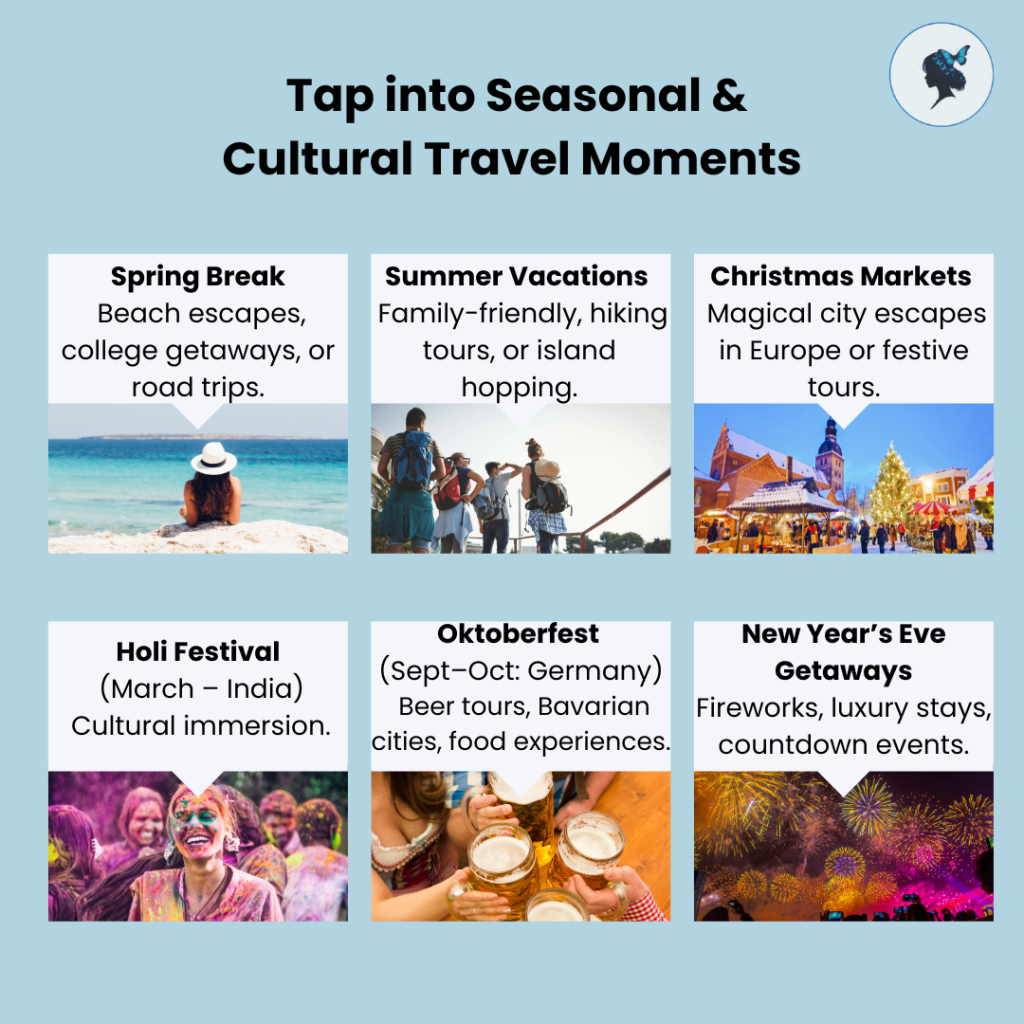
Travel content thrives when it’s timely. Incorporate seasonal trends, holidays, and regional events into your content plan. Think spring break, summer vacation, Christmas markets, or regional festivals like Holi in India or Oktoberfest in Germany.
These timely posts resonate because they align with what travelers are already thinking about. It also shows cultural awareness, which helps build authenticity and relevance.
Google has reported significant increases in travel-related searches during peak holiday seasons.
A travel company that offers tours in Japan could feature cherry blossom content in March and April, including a countdown, traveler photos, and booking tips.
Step 7: Plan for Engagement, Not Just Broadcasting
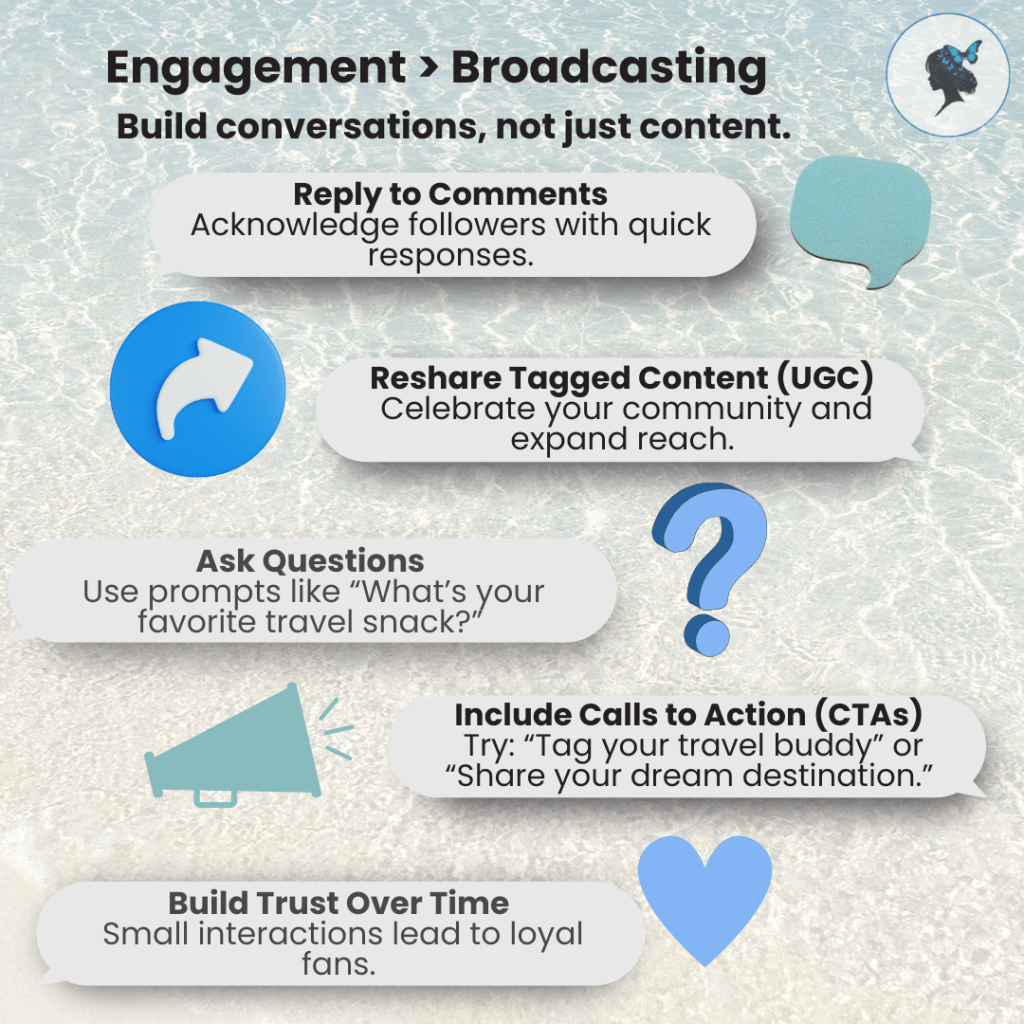
Social media is a two-way conversation, not just a place to push content. Schedule time to reply to comments, reshare tagged content, and ask questions that spark discussion. Engagement builds community, improves reach through algorithms, and fosters trust.
Don’t underestimate the value of small interactions—they create brand advocates over time. Prompt engagement with CTAs (calls to action) such as “Tag a travel buddy” or “Tell us your favorite beach!”
Around 73% of social users agree if a brand doesn’t respond on social, they’ll buy from a competitor, according to Sprout Social.
A hiking tour brand could post a breathtaking photo of Patagonia and ask, “What’s your dream trekking destination?”—then reply personally to every comment.
Step 8: Repurpose High-Performing Content
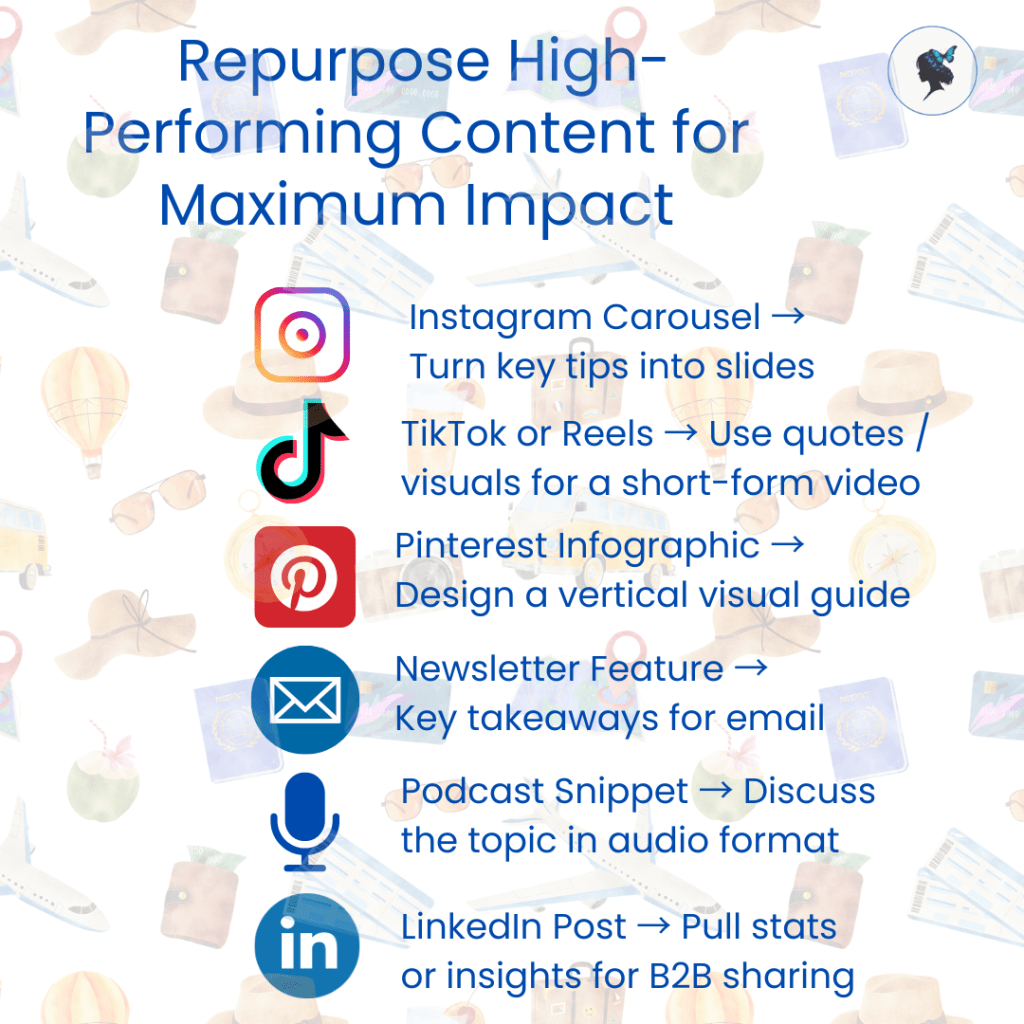
Repurposing allows you to maximize value from successful posts by adapting them to different formats or platforms. A well-performing blog post can be turned into an Instagram carousel, a short TikTok, or an infographic for Pinterest. This strategy saves time, maintains brand consistency, and ensures your best ideas reach a broader audience.
According to Semrush, 51% of marketers say updating and repurposing existing content is one of the most efficient content marketing tactics.
If a travel agency’s blog post on “10 Hidden Gems in Thailand” performs well, it can be transformed into a Pinterest pin for each location, a short video compilation on Instagram Reels, and a discussion prompt on Facebook.
Step 9: Track Performance and Adjust Accordingly
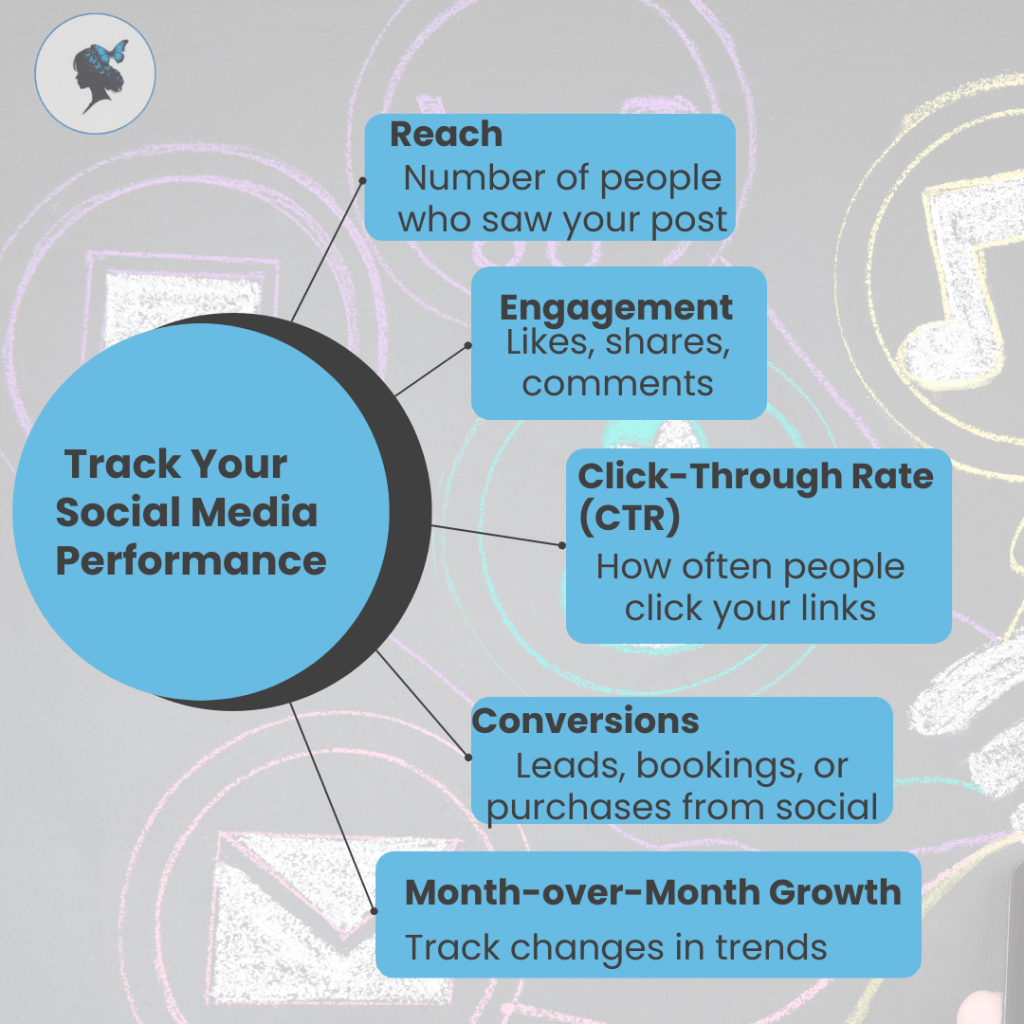
Tracking your social media performance is critical to continuous improvement. Use native analytics tools (Meta Business Suite, Instagram Insights, TikTok Analytics, etc.) or third-party platforms like Hootsuite or Sprout Social to evaluate metrics like reach, engagement, click-through rates, and conversions. Compare performance month-over-month to understand what content and timing resonate most with your audience.
Sprout Social’s data indicates that 77% of marketers use social media analytics to measure campaign performance.
A travel influencer agency might discover that Instagram Reels showcasing traveler testimonials generate 40% more saves and shares than static posts, prompting a shift in format priorities.
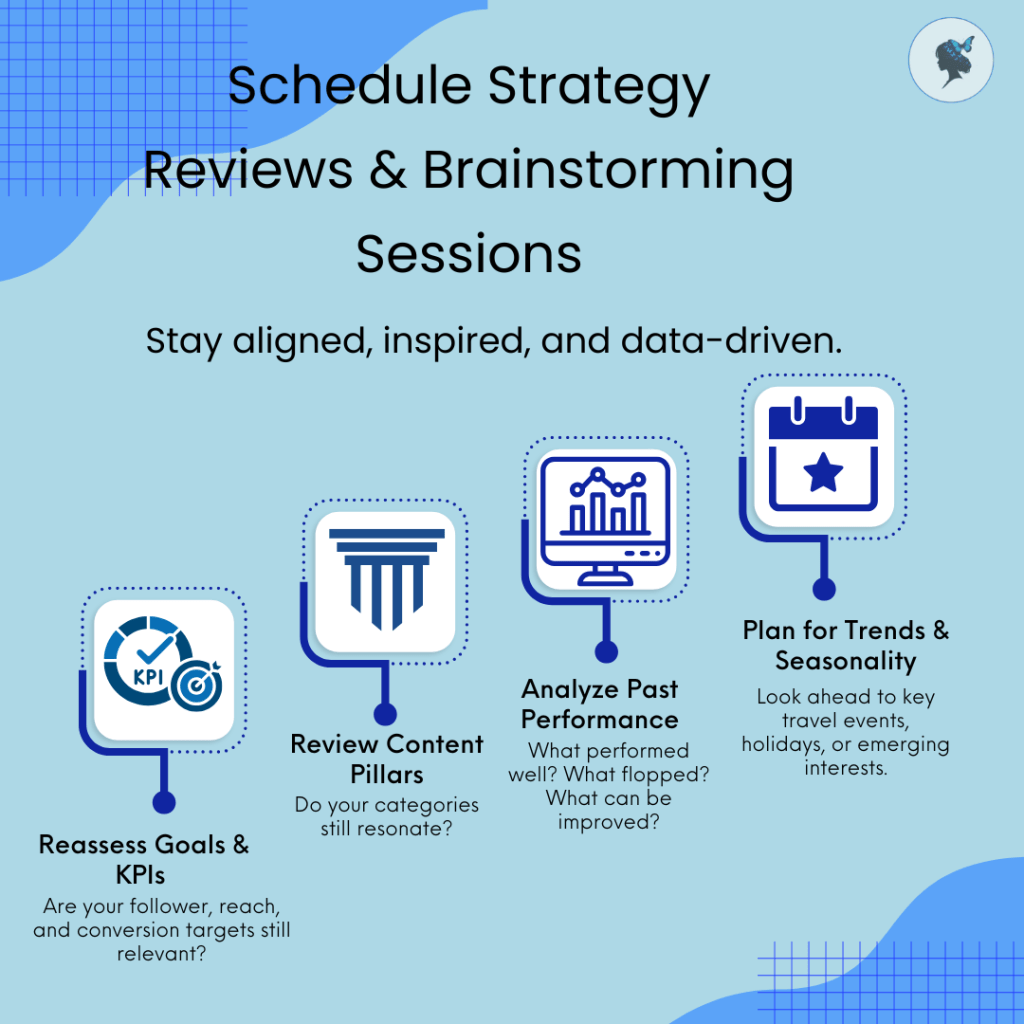
Step 10: Schedule Regular Review and Brainstorming Sessions
Monthly or quarterly strategy reviews help you reassess your goals, content pillars, and platform focus.
Include your team (or stakeholders) in brainstorming new campaign ideas, analyzing past performance, and planning seasonal adjustments. It’s also a great opportunity to review upcoming travel trends, competitor content, and user feedback.
According to CoSchedule, marketers who proactively plan their marketing are 3X more likely to report success.
A luxury travel brand might host a quarterly creative meeting to incorporate trends like “slow travel” or “eco-conscious getaways” into the next season’s content schedule.
Conclusion
Creating a robust social media calendar isn’t just about organization—it’s about aligning your brand story with the rhythms of your audience and the travel industry. When implemented thoughtfully, a calendar becomes a compass that guides content creation, community building, and business growth.
From setting SMART goals to leveraging analytics, a travel business that strategically manages its content will stand out in a saturated digital space. Start with simple structures and scale over time, and soon, you’ll be building a loyal following of inspired travelers eager to engage with your brand.
Final Tip: Revisit your calendar regularly and always leave space for spontaneity—travel is all about adventure, after all.
Need help with your Social Media Calendar? Contact us today!
In today’s competitive travel industry, building authentic trust with your audience isn’t just nice to have — it’s essential. One of the most powerful (and cost-effective) ways to boost credibility and humanize your brand is through user-generated content (UGC). At Wander Women Strategies, we specialize in helping travel brands tap into the authentic voice of their customers to inspire future travelers. Today, we’re diving deep into exactly how you can leverage UGC to enhance trust and grow your travel business.
What is User-Generated Content (UGC)?
User-generated content refers to any content — images, videos, reviews, blog posts, social media stories — created by real users instead of the brand itself. In the travel world, that can include:
Why User-Generated Content Matters for Travel Brands
Travel is emotional. People want to see real experiences from real people — not just polished brochures. Here’s why UGC is vital for your brand’s credibility:
Social Proof: Seeing others enjoy your destination reassures potential customers they’re making the right choice.
Authenticity: UGC feels genuine — it’s not scripted marketing copy.
Community Building: Sharing guest content fosters a community feel around your brand.
Cost-Effective Marketing: It’s free (or low-cost) compared to influencer partnerships or advertising.
SEO Boost: User reviews and blog mentions strengthen your online visibility.
How to Effectively Use UGC to Build Trust
Let’s break it down into actionable steps:
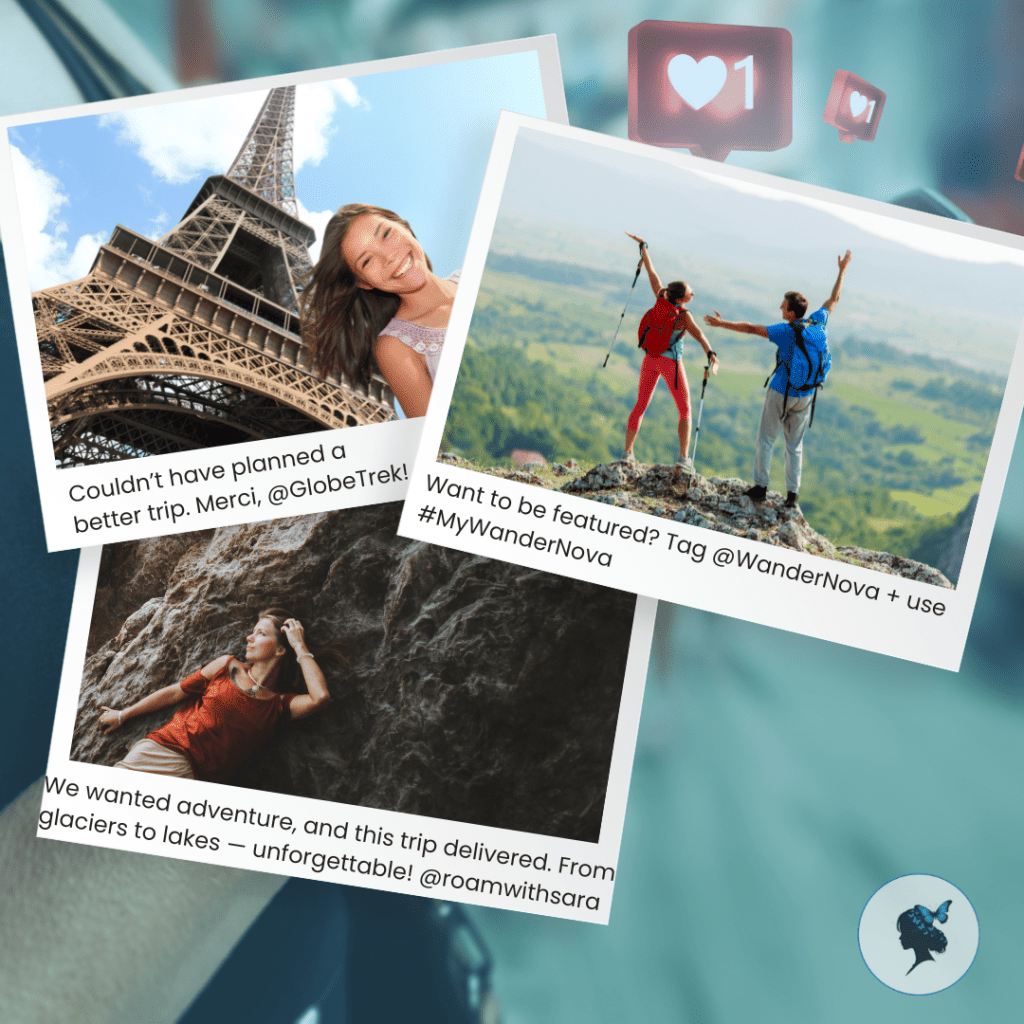
1. Create a Branded Hashtag Campaign
Encourage your travelers to use a unique hashtag when posting about their trips.
Actionable Tip:
Choose a memorable, short hashtag, like #WanderWomenAdventures or #TravelWithWander.
Promote it everywhere: booking confirmations, itineraries, social media bios, and during trips.
Ask guests to share their “favorite sunset moments” with your hashtag for a chance to be featured on your Instagram page.
2. Feature Real Travelers on Your Website and Social Media
UGC isn’t just for social media.
Display traveler photos and quotes directly on:
Your homepage
Landing pages
Blog posts
Email newsletters
Actionable Tip:
Create a “Traveler Spotlight” feature weekly.
Add a “Featured On Instagram” gallery to your website.
A Wander Women Strategies client increased time on site by 38% after embedding a UGC Instagram feed.
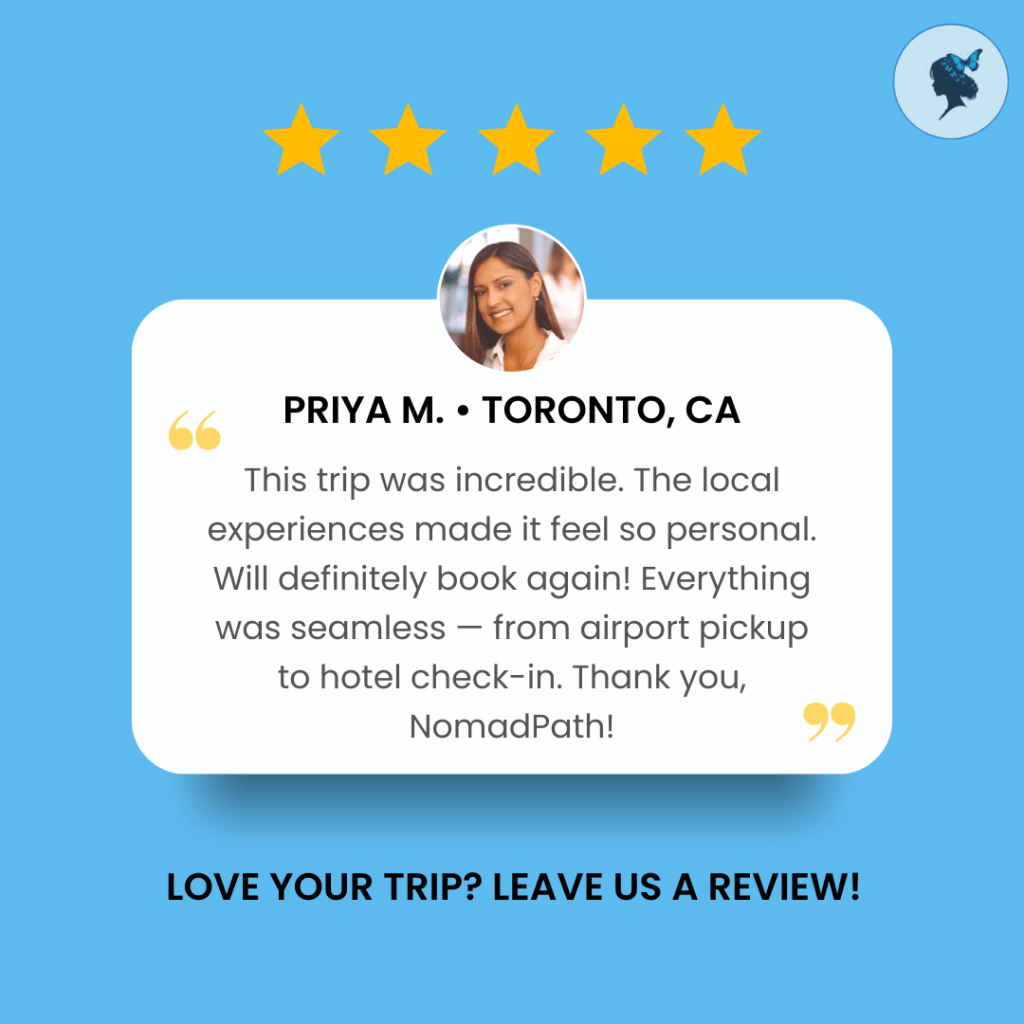
3. Request and Curate Authentic Reviews
Online reviews are critical when booking travel.
Actionable Tip:
Send an automated email 3 days after trip completion asking for a review.
Offer a gentle incentive (e.g., a discount on future travel or a feature).
Pro Tip: Highlight specific reviews on your sales pages under “What Our Travelers Are Saying”.
4. Host UGC Contests and Giveaways
Everyone loves a contest!
Actionable Tip:
Run a monthly photo contest (e.g., “Best Hiking Photo”).
Offer a prize like branded merchandise or a $50 travel credit.
Wander Women Strategies helped a client launch a “Travel Moment of the Month” contest, generating 800+ new photo submissions in just 6 months.
5. Collaborate with Micro-Influencers and Brand Advocates
UGC doesn’t have to only come from customers — micro-influencers and brand fans can amplify your message.
Actionable Tip:
Partner with travelers who have authentic engagement, even if their follower count is small (~2k-10k followers).
Encourage them to share their experiences naturally, not scripted.
6. Always Credit and Engage with Content Creators
Respect is key. Always credit users when reposting their photos, stories, or videos.
Actionable Tip:
DM users for permission to share their content (if it’s not already tagged for brand use).
Tag their profiles visibly.
Pro Tip: When you comment on UGC posts (even just emojis or “love this!”), it encourages more people to share about your brand.
7. Integrate UGC into Paid Advertising
UGC doesn’t just build organic trust — it can also supercharge your ad campaigns.
Actionable Tip:
Use high-performing traveler images / videos in Facebook and Instagram ads.
Run A/B tests: ads with polished branding vs. ads with real traveler photos.
Ignoring negative UGC (respond professionally, don’t delete unless abusive).
Not having a clear legal policy (outline usage rights in your terms).
Final Thoughts: Building Trust Through Real Stories
User-generated content is no longer optional — it’s a travel brand’s secret weapon for building trust, community, and authenticity. By giving your travelers a platform to share their experiences, you’re not only showcasing your offerings — you’re inspiring a movement.
At Wander Women Strategies, we believe the best travel marketing comes from the voices of those who have lived the journey. Ready to start amplifying your travelers’ stories?
Let’s Elevate Your Brand Together!
Need help launching a UGC strategy that actually converts? Contact Wander Women Strategies today and discover how we can transform your brand through authentic storytelling.
Why These Myths Matter: In the ever-evolving world of travel marketing, outdated advice is everywhere. SEO “best practices” that once worked, content hacks from 2015, and social media tips from influencers who don’t actually sell travel services. It’s easy for travel brands to fall into traps that cost time, money, and visibility. At Wander Women Strategies, we’re here to clear the fog. Below, we’re breaking down the most common myths in travel marketing—across SEO, content strategy, social media, and business fundamentals. For each myth, we offer a no-fluff reality check: our own Wander Women Hot Take. Let’s dive in.
SEO Myths Travel Brands Still Believe
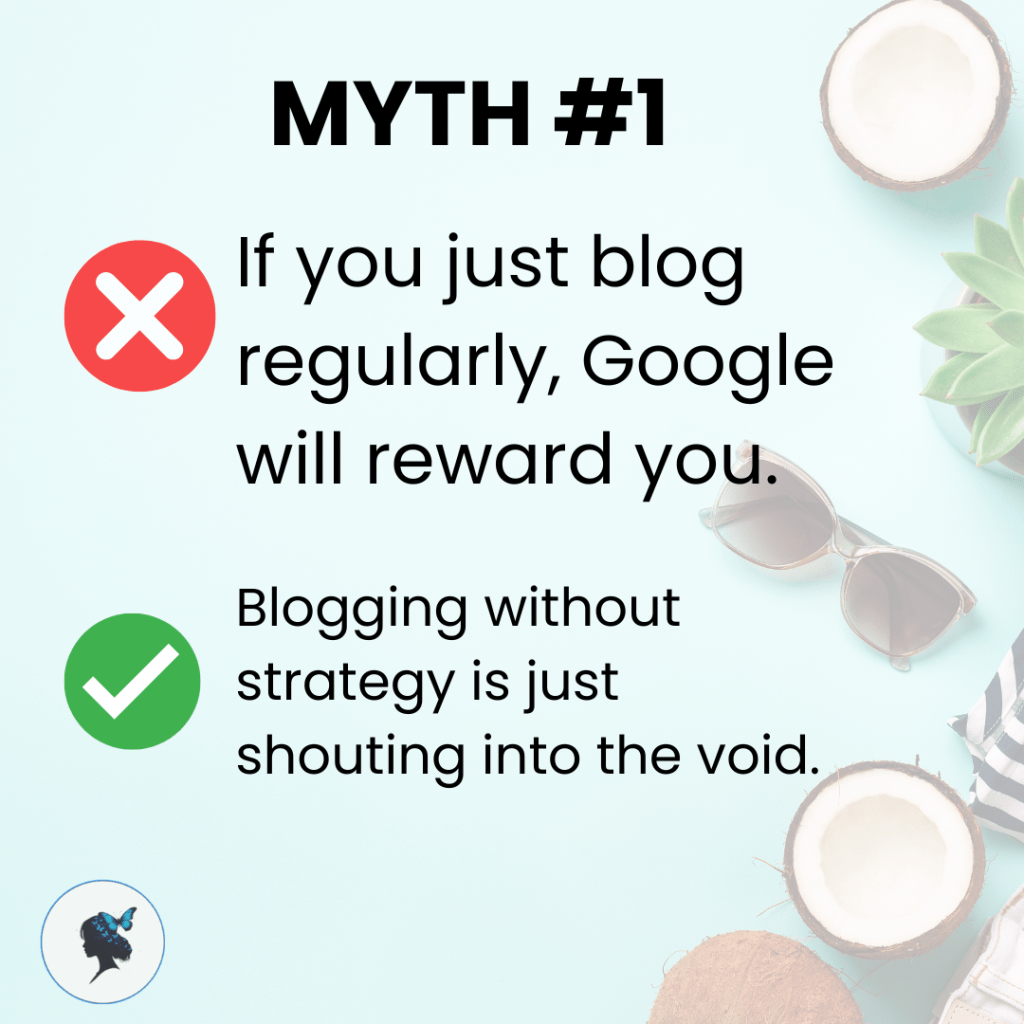
Myth #1: If you just blog regularly, Google will reward you.
Why it’s wrong:
Publishing weekly won’t matter if you’re not targeting the right search intent, keywords, or value.
Google ranks pages that serve users’ needs, not just those that update often.
Wander Women Hot Take: Blogging without a strategy is like shouting into the void. Create purposeful, search-optimized content aligned with your audience’s journey and questions. A boutique hotel in Tulum blogging every week about “travel inspiration” might not see results. But writing a strategic guide like “Where to Stay in Tulum for Couples: A 3-Day Itinerary” could rank and convert. Need ideas? Check out our post on 5 content types for travel websites.
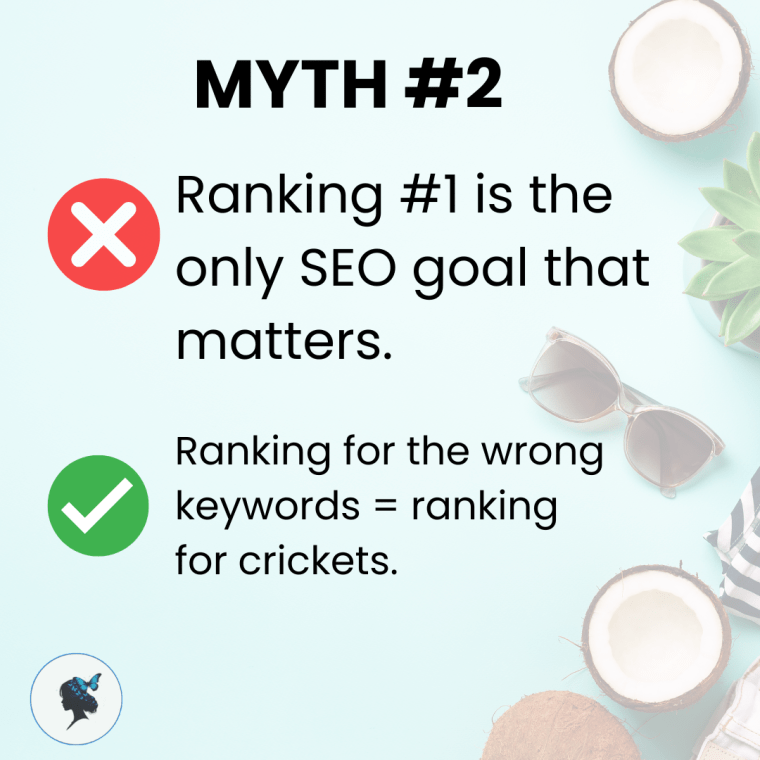
Myth #2: Ranking #1 is the only SEO goal that matters.
Why it’s wrong:
You can rank #1 for keywords no one is searching for.
Visibility only matters if it’s in front of the right people.
Wander Women Hot Take: Ranking for the wrong keywords = ranking for crickets. Focus on traffic that converts, not just vanity metrics. A safari company ranking #1 for “African wildlife facts” may get clicks, but not bookings. Ranking on page one for “best Kenya safari tours” is what actually drives leads.
Wander Women Hot Take: They don’t affect rankings, but they do influence clicks. A compelling meta description can boost your CTR dramatically. A dull meta like “Blog about Peru travel” won’t drive clicks. A stronger one: “Discover the 7 hidden spots in Peru most tourists miss (with photos!).” For more about metas, check out our post: Meta description optimization.
Myth #4: SEO is a one-time project.
Why it’s wrong:
SEO requires consistent updates to remain effective—Google’s algorithm evolves, and your competitors do too.
Wander Women Hot Take: SEO is a garden. Leave it alone and the weeds take over. Tend it consistently for lasting results. A travel agent who hasn’t updated destination pages post-COVID may lose rankings to fresher, more relevant content.
Myth #5: Stuff your destination names everywhere to rank better.
Why it’s wrong:
Keyword stuffing is a dated practice. According to Google’s Spam Policies for Google Web Search, keyword stuffing refers to the practice of filling a web page with keywords or numbers in an attempt to manipulate rankings in Google Search results. Google now values natural language and user experience.
Wander Women Hot Take: Google’s smarter than that now—and so are travelers. Focus on storytelling and relevance. Saying “Iceland tour” 12 times in one blog won’t help. Describing the unique experience of an Icelandic glacier hike will.
Content Strategy Myths Holding You Back
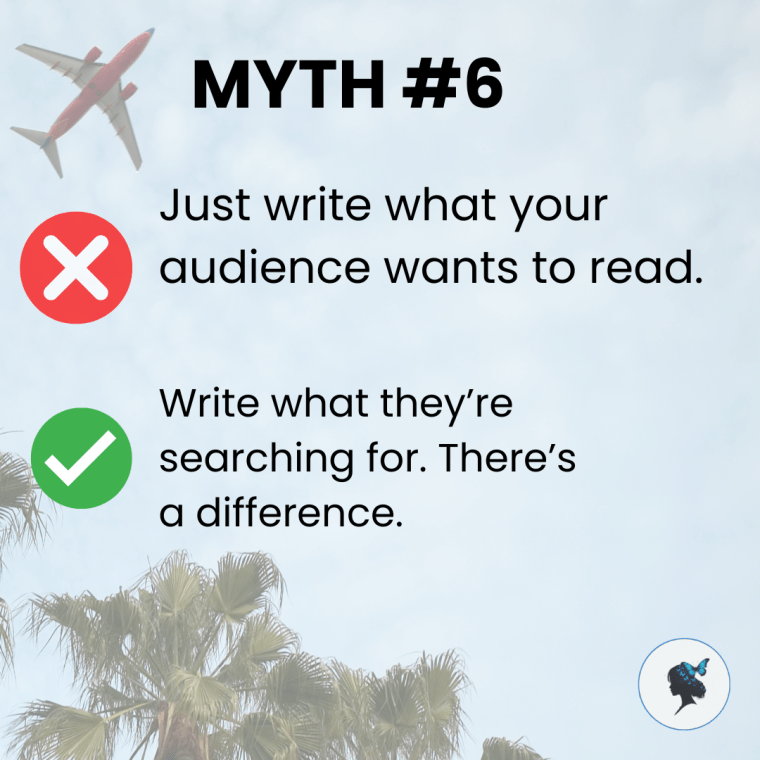
Myth #6: Just write what your audience wants to read.
Why it’s wrong:
Writing without research means you’re guessing. Guessing isn’t strategy.
Wander Women Hot Take: Write what your audience is searching for. There’s a difference. Instead of writing “My trip to Greece,” write “Best Greek Islands to Visit in September” with keyword insights. Read our comprehensive guide: mastering search intent.
Myth #7: Longer blogs = better SEO.
Why it’s wrong:
Google’s algorithm favors helpful content, not just long content.
Wander Women Hot Take: Quality > word count. A 600-word article that solves a problem is better than 2,000 words of fluff. A concise, clear blog about “How to Pack for a Safari in 7 Steps” may outperform a long-winded one titled “Everything About Africa.”
Myth #8: One piece of content = one use.
Why it’s wrong:
Content that isn’t repurposed is wasted effort.
Wander Women Hot Take: Turn a blog post into 5 social posts, a newsletter, a video script, and more. Squeeze the juice out of it. A “Top 10 Places to Eat in Lisbon” post can become a Reel series, Pinterest board, and interactive map. More about repurposing content here.
Myth #9: You need to write content every week to grow.
Why it’s wrong:
Frequency alone doesn’t build traffic. Relevance, quality, and promotion do.
Wander Women Hot Take: Consistency beats frequency. Stick to a sustainable schedule. A solo travel coach posting bi-weekly, well-optimized travel safety tips can outpace daily fluff posts.
Myth #10: Good content sells itself.
Why it’s wrong:
Even the best blog needs promotion and optimization.
Wander Women Hot Take: Strategy is what takes content from invisible to impactful. An in-depth Bali guide won’t rank if it isn’t shared across Pinterest, email, and SEO. Read our guide: how to build a content strategy that converts.
Social Media Myths We Need to Stop Believing
Myth #11: Posting every day is the key to growth.
Why it’s wrong:
Engagement matters more than volume. Posting without connection is just noise.
Wander Women Hot Take: Engagement > frequency. Start conversations, not just broadcasts. A travel planner who posts once a week but asks questions, responds to comments, and uses stories & polls may get more leads than one posting daily photo dumps. More lead magnet ideas here.
Myth #12: Travel brands should be on every platform.
Why it’s wrong:
Spreading thin waters down your message and drains your team.
Wander Women Hot Take: Be exceptional where your people are—not everywhere. A hiking tour company killing it on Instagram and YouTube doesn’t need TikTok until they’re ready. Which one to choose? Here we break down 5 of the most common social media platforms for travel companies.
Myth #13: Instagram is only for visuals.
Why it’s wrong:
Captions can convert browsers into buyers.
Wander Women Hot Take: Storytelling in captions = emotional connection. Don’t waste that real estate. A heartfelt story of a honeymoon couple on a Santorini tour will sell more than a scenic drone shot with no context. More instagram tips here.
Myth #14: Reels need to be highly produced.
Why it’s wrong:
Overproduction can feel inauthentic or distant.
Wander Women Hot Take: Raw, real, and relatable usually wins. Especially in travel. A simple video of a guide introducing themselves on-site in Morocco might outperform a polished montage. Read about the power of visual content.
Myth #15: Hashtags are dead.
Why it’s wrong:
Hashtags still drive discovery when used strategically.
Wander Women Hot Take: Hashtags aren’t dead—spammy ones are. Use focused, relevant tags. Instead of #travel #vacation, try #SoloTravelGreece or #BudgetTravelTips.
Travel Biz & Marketing Myths That Slow Growth
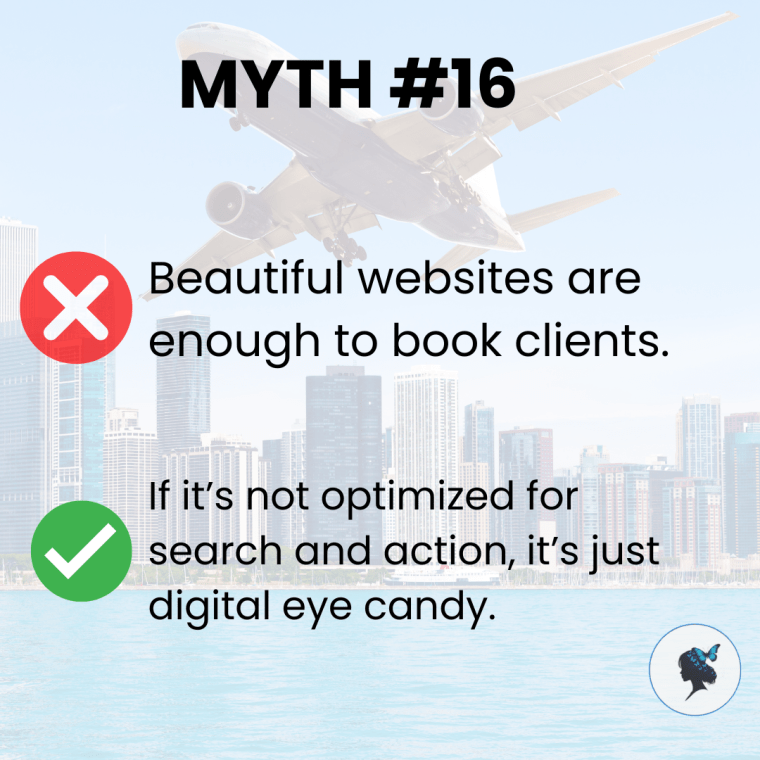
Myth #16: Beautiful websites are enough to book clients.
Why it’s wrong:
A pretty site that doesn’t guide action won’t convert.
Wander Women Hot Take: It’s digital eye candy unless it’s optimized for conversion. A luxury villa site with no clear booking button or reviews will lose visitors fast. Read our guide: create high-quality landing pages.
Myth #17: The travel industry is too saturated to stand out.
Why it’s wrong:
Most brands look and sound the same. That’s the real issue.
Wander Women Hot Take: Standing out is a strategy, not luck. A Sri Lanka tour company focused only on female travelers and wellness retreats carves a niche.
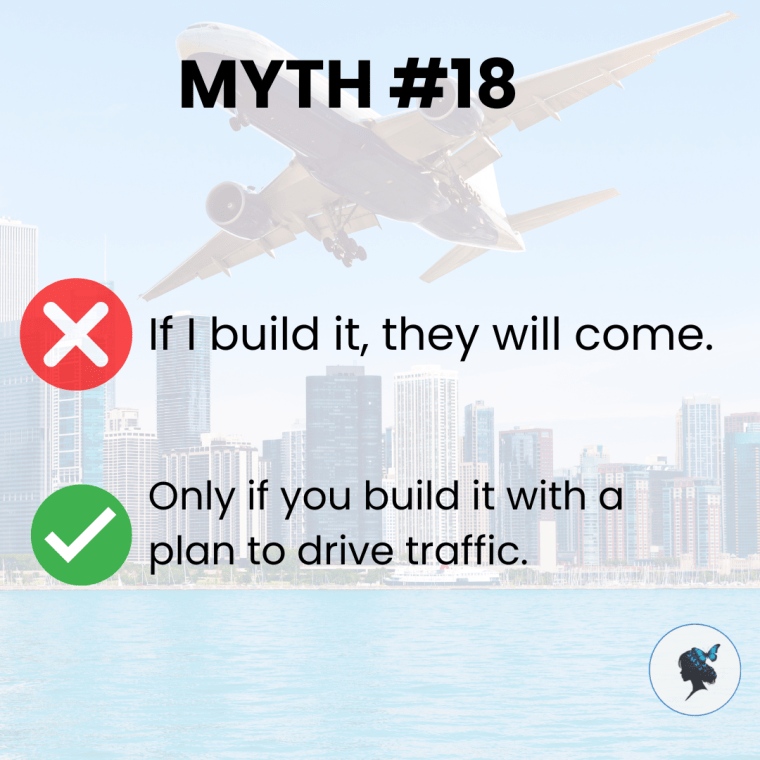
Myth #18: If I build it, they will come.
Why it’s wrong:
Visibility isn’t automatic. It must be earned.
Wander Women Hot Take: Build it, then promote the heck out of it. Creating a travel app or blog without a launch and promo strategy means crickets.
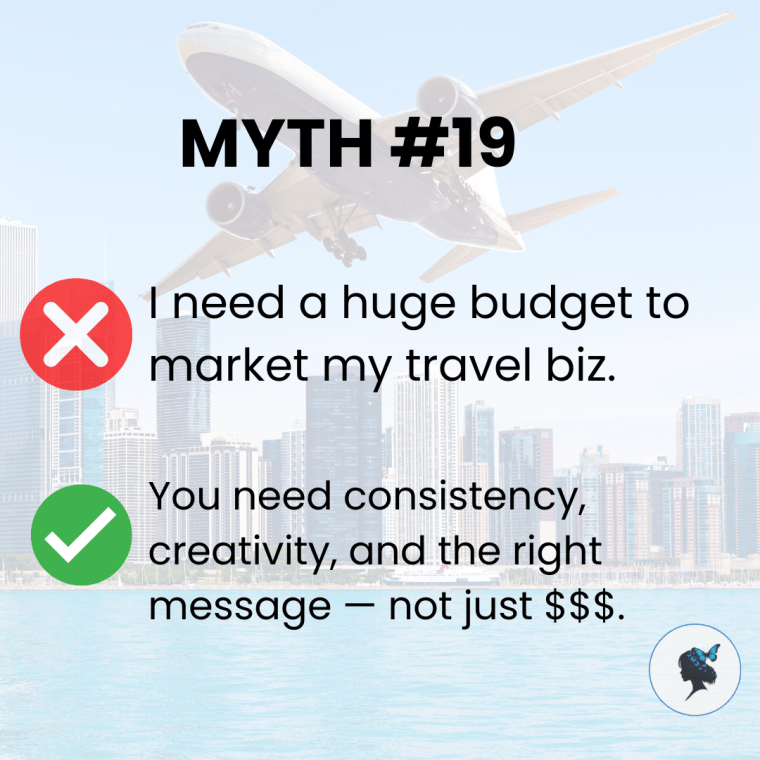
Myth #19: I need a huge budget to market my travel biz.
Why it’s wrong:
Smart strategy often beats big spend.
Wander Women Hot Take: Creativity and clarity > cash. Spend smart, not big. A local walking tour business using Google My Business, SEO, and organic Instagram content can compete with major players.
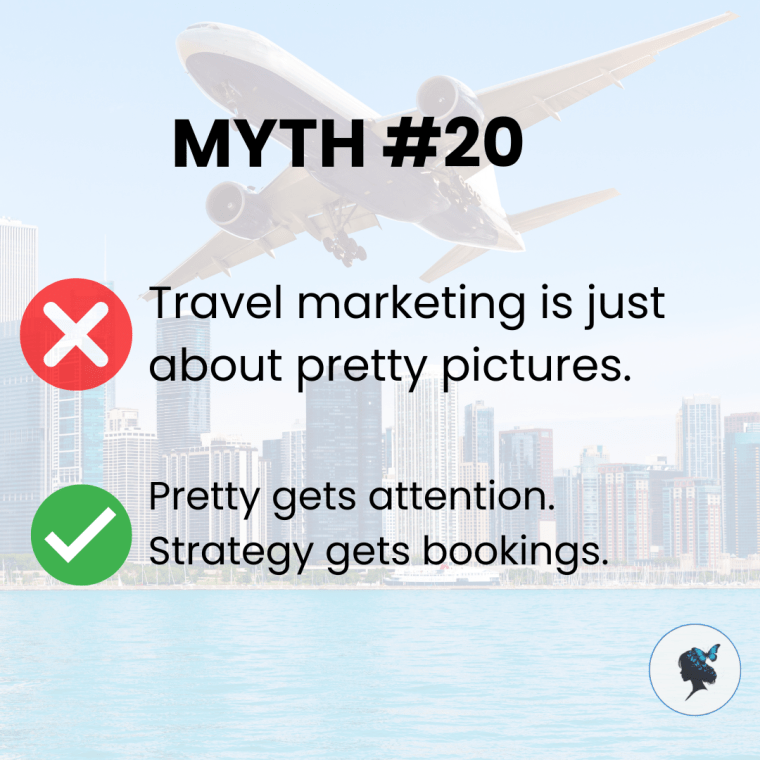
Myth #20: Travel marketing is just about pretty pictures.
Why it’s wrong:
Visuals alone don’t convert without story or strategy.
Wander Women Hot Take: Pretty gets attention. Strategy gets bookings. A travel advisor sharing carousel posts that break down “How to Plan a Japan Rail Adventure” will drive more leads than sunset pics.
Strategy Over Assumptions. Myths are powerful. They spread because they’re simple, catchy, and sometimes comforting. But they rarely help your business grow. At Wander Women Strategies, we believe in truth-telling, clarity, and evidence-backed strategy. If you’re tired of guessing and ready to make real marketing moves that get real results, we’re here to help.
Ready to ditch the myths and get strategic? Drop us a message to get started. Your bookings deserve more than buzzwords. Let’s get visible—the right way.
In the fast-evolving world of travel marketing, social media has become one of the most powerful tools for travel companies to reach, engage, and convert potential customers. As the travel industry continues to thrive in 2025, knowing which social media platforms to focus on is crucial for staying competitive. In this blog post, we will explore the best social media platforms for travel companies in 2025 and provide tips on how to leverage each platform to grow your travel business.
Check out our services to see how we can help your SEO and Content move in the right direction!
1. Instagram: The Visual Platform for Travel Inspiration
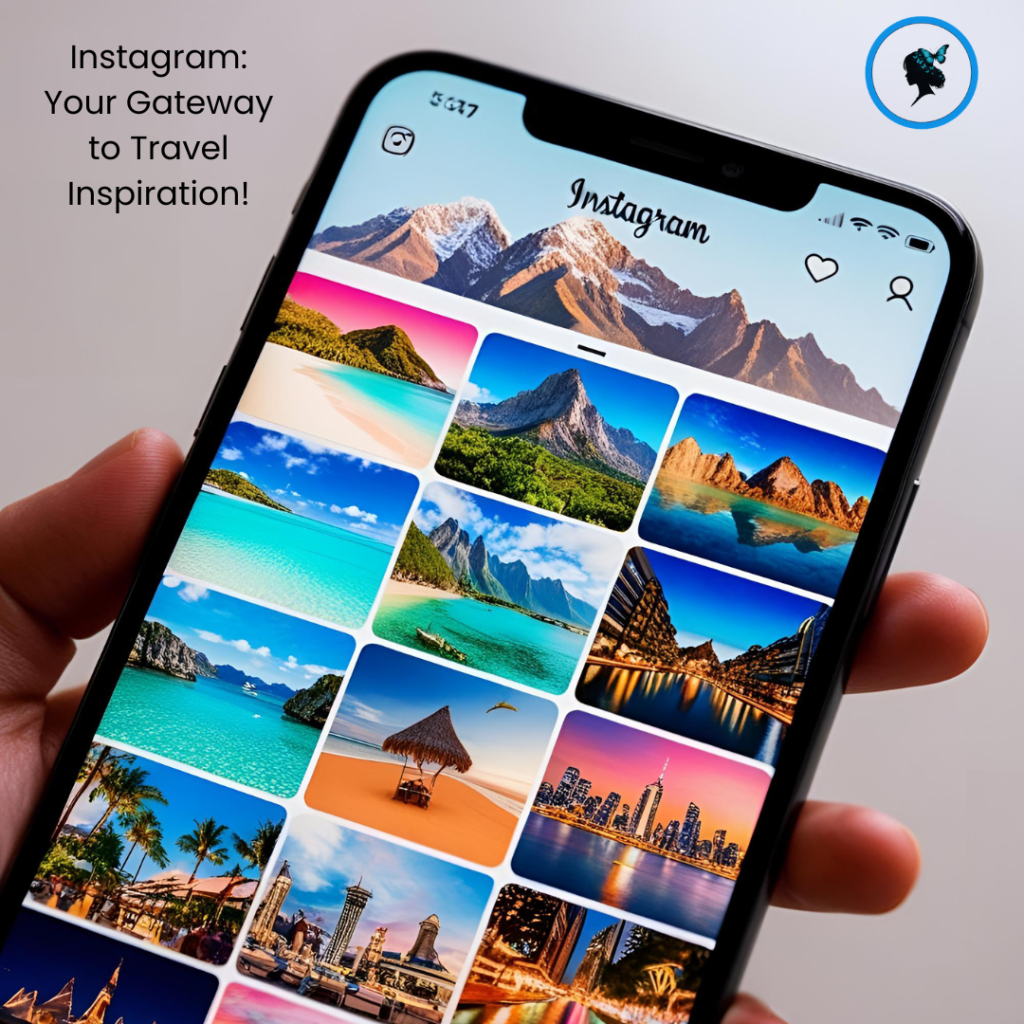
Instagram has long been a top choice for travel brands, and it continues to be an essential platform for businesses in the travel industry in 2025. With its emphasis on visual storytelling, Instagram allows travel companies to showcase beautiful destinations, experiences, and accommodations to a highly engaged audience.
Instagram: your gateway to travel inspiration
Why Instagram is Essential for Travel Companies:
Highly Visual Nature: Instagram is a photo- and video-based platform, making it ideal for showcasing stunning landscapes, exotic destinations, and travel experiences.
Strong Engagement Rates: Instagram boasts high engagement rates compared to other social platforms, with users actively liking, commenting, and sharing content.
Stories and Reels: Instagram’s Stories and Reels features are perfect for sharing behind-the-scenes content, travel tips, and short-form videos that engage users in a more personal way.
Shopping Features: Instagram’s e-commerce capabilities, including the “Book Now” and “Shop” buttons, allow users to directly book tours or purchase travel-related products through the platform.
How to Use Instagram Effectively for Your Travel Business:
Share Stunning Visuals: Post high-quality photos and videos of your travel destinations, hotels, tours, and experiences. Ensure your content is captivating and inspiring.
Leverage User-Generated Content: Encourage your customers to share their travel experiences and tag your business. Reposting their content not only builds trust but also increases brand visibility.
Utilize Instagram Ads: Instagram’s ad targeting capabilities are highly effective for travel companies, allowing you to reach specific demographics, such as adventure seekers, honeymooners, or family vacation planners.
2. Facebook: The All-Encompassing Platform for Community Engagement
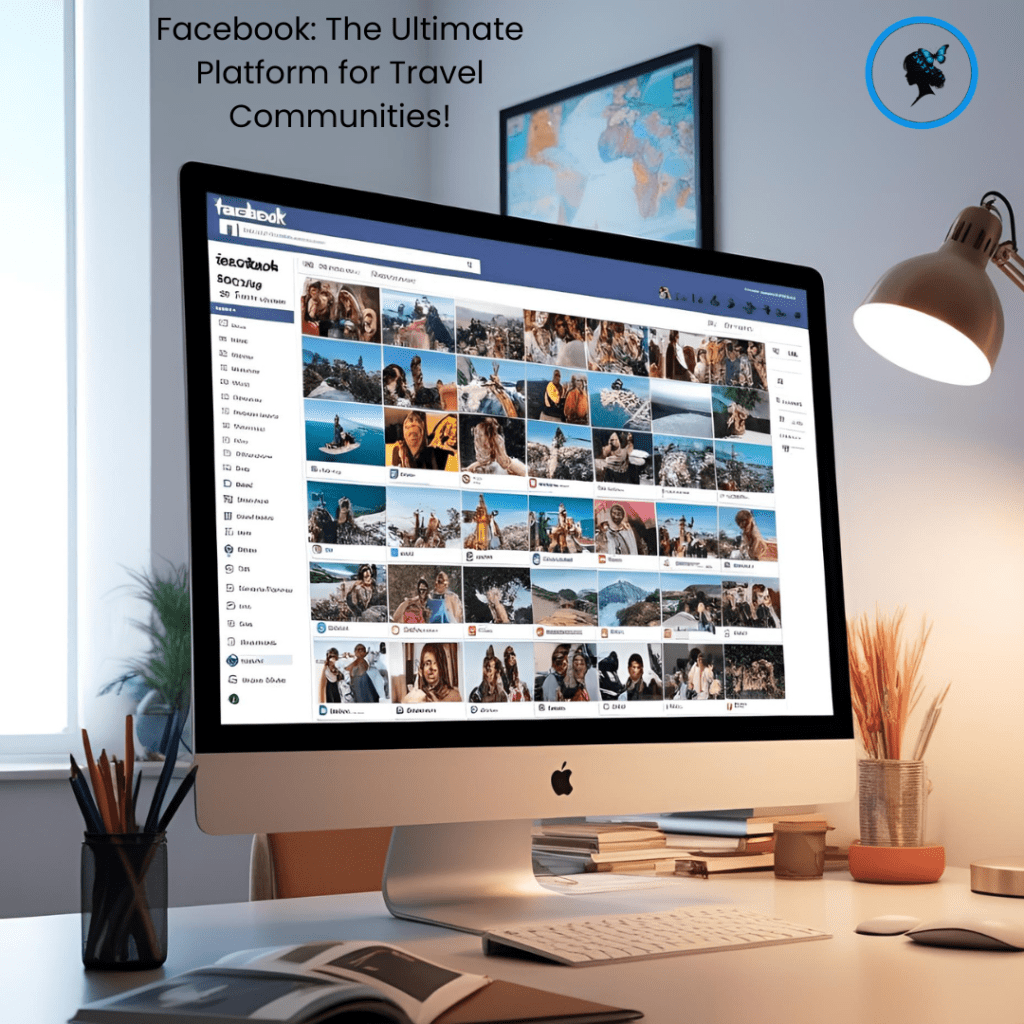
While some may argue that Facebook is past its prime for younger audiences, it remains a vital platform for travel businesses in 2025, particularly for community building and generating bookings.
Facebook: the ultimate platform for travel communities
Why Facebook is Still Relevant for Travel Companies:
Wide User Base: Facebook continues to have one of the largest user bases, encompassing a diverse demographic, making it ideal for reaching potential customers of all ages.
Groups and Communities: Facebook Groups offer a great opportunity for travel companies to build niche communities, share travel tips, and engage with potential customers in meaningful ways.
Event Promotion: Travel companies can promote events, webinars, or special promotions directly on Facebook, increasing engagement and conversions.
Targeted Advertising: Facebook Ads are incredibly powerful for targeting potential travelers based on location, interests, behaviors, and even past interactions with your website.
How to Use Facebook Effectively for Your Travel Business:
Create a Travel Community: Start a Facebook Group around specific destinations, types of travel (e.g., solo travel, family vacations), or experiences. Share valuable content, respond to queries, and engage with members regularly.
Run Facebook Ads: Use Facebook’s extensive targeting options to run ads that promote travel packages, tours, or seasonal offers to a relevant audience.
Host Facebook Live Sessions: Go live to showcase live travel experiences, host Q&A sessions, or give virtual tours of destinations to keep your audience engaged and interested in your services.
3. TikTok: Short-Form Videos for Travel Storytelling
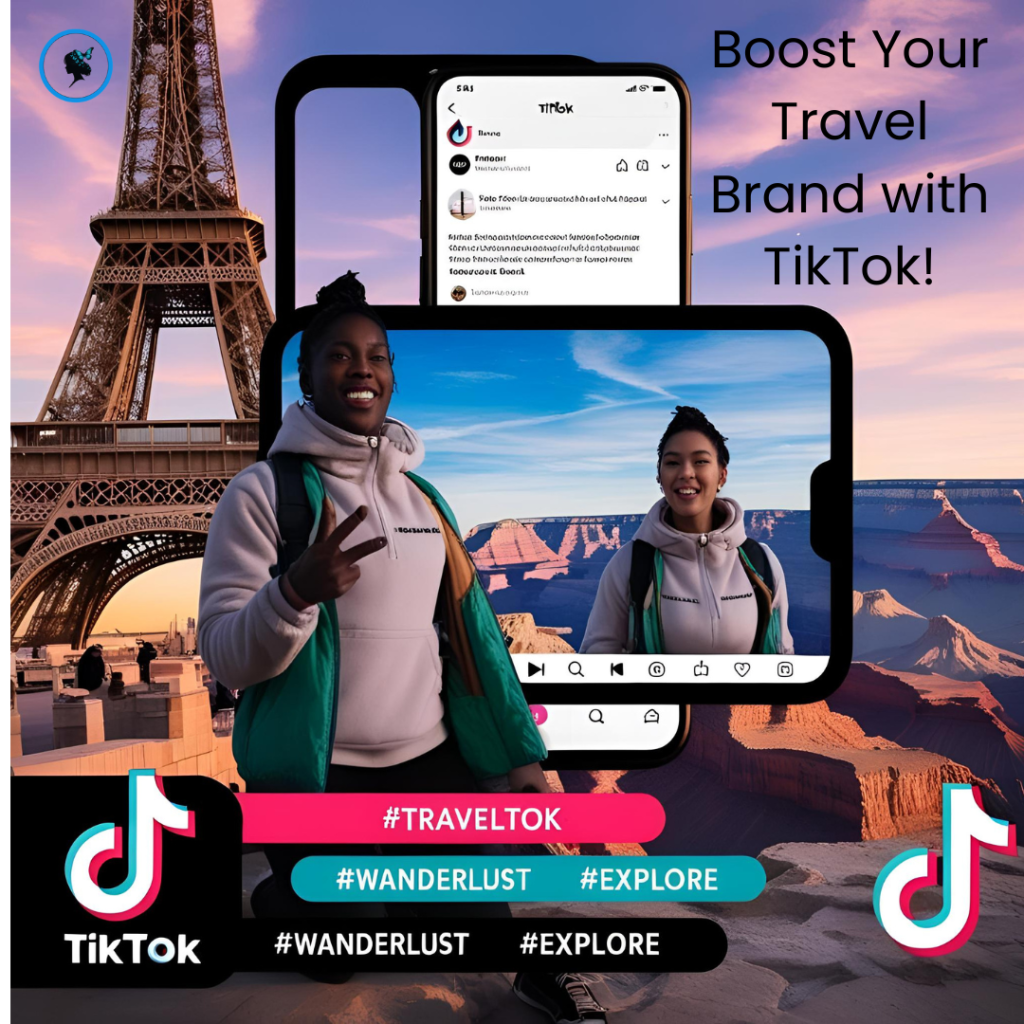
TikTok has quickly emerged as a powerful tool for brands to create viral content, and the travel industry is no exception. In 2025, TikTok remains one of the best platforms for travel companies looking to reach a younger, trend-conscious audience and create engaging, shareable content.
Boost your travel brand with TikTok
Why TikTok is Key for Travel Companies:
Viral Potential: TikTok’s algorithm favors engaging content, meaning even small travel businesses can go viral with the right video. This offers huge exposure potential for your brand.
Creative Storytelling: TikTok’s short-form video format is perfect for showcasing fast-paced, exciting travel experiences, from exploring hidden gems in a destination to giving tips for affordable travel.
Influencer Marketing: TikTok influencers have massive reach, and partnering with them can help amplify your message and boost your brand’s visibility.
Trendy Content: TikTok thrives on trends and challenges, so participating in travel-related trends can give your business a fun and engaging way to connect with a wider audience.
How to Use TikTok Effectively for Your Travel Business:
Create Engaging, Short Videos: Showcase highlights of your destinations, fun travel hacks, or travel-related challenges in quick, creative video formats.
Participate in Trends: Keep an eye on popular TikTok trends and incorporate them into your travel content to increase visibility and relevance.
Collaborate with Influencers: Partner with TikTok influencers who align with your brand to showcase your travel services in an authentic and engaging way.
Use Hashtags and Captions: Optimize your content by using trending hashtags and writing compelling captions that encourage interaction.
4. Pinterest: The Visual Search Engine for Travel Inspiration
Pinterest is often referred to as a visual search engine, and its ability to help users discover and save ideas makes it a powerful platform for travel businesses. In 2025, Pinterest remains one of the best social media platforms for generating organic traffic to your website.
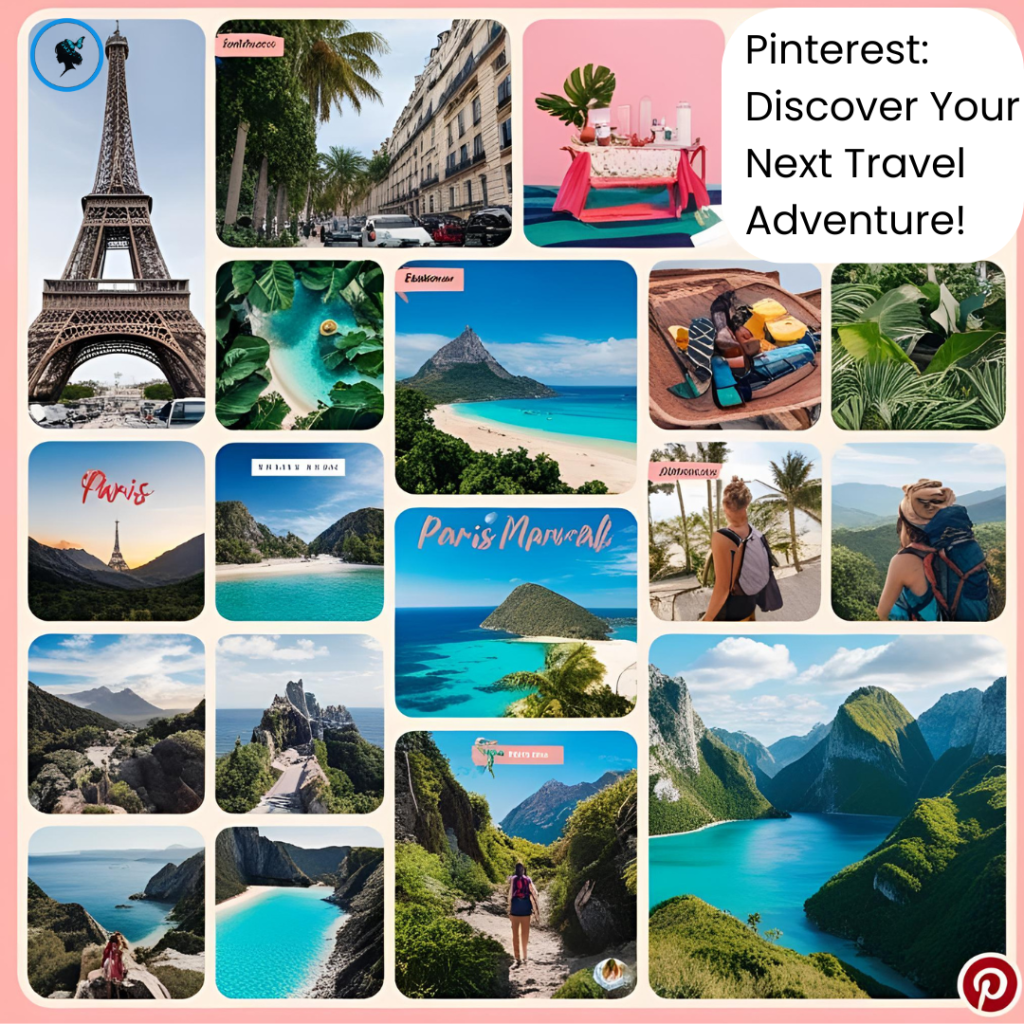
Pinterest: discover your next travel adventure
Why Pinterest is Valuable for Travel Companies:
Travel Planning: Pinterest is a go-to platform for users seeking travel inspiration and planning their vacations. Many users use Pinterest to find ideas for destinations, itineraries, and accommodations.
Long-Lasting Content: Unlike other social media platforms where posts have a short lifespan, Pins on Pinterest can continue to drive traffic for months or even years after being posted.
Targeted Traffic: Pinterest users actively search for specific travel-related content, meaning your Pins can attract a highly relevant audience looking for exactly what you offer.
Search Functionality: With Pinterest’s search function, your Pins can show up in relevant searches for keywords like “budget travel tips” or “best beaches in the Maldives.”
How to Use Pinterest Effectively for Your Travel Business:
Create Beautiful Pins: Design visually appealing Pins that showcase destinations, itineraries, or travel tips. Include a strong call-to-action and link directly to relevant landing pages.
Use Keyword-Rich Descriptions: Optimize your Pins with keywords related to travel, destinations, and experiences to increase discoverability.
Share Travel Guides and Itineraries: Post Pins linking to detailed travel guides, itineraries, or blog posts, driving traffic back to your website.
Create Boards Around Travel Themes: Organize your Pins into boards around specific topics like “Tropical Getaways,” “Family Travel,” or “Luxury Vacations” to help users find exactly what they’re looking for.
5. YouTube: Video Marketing for Travel Brands
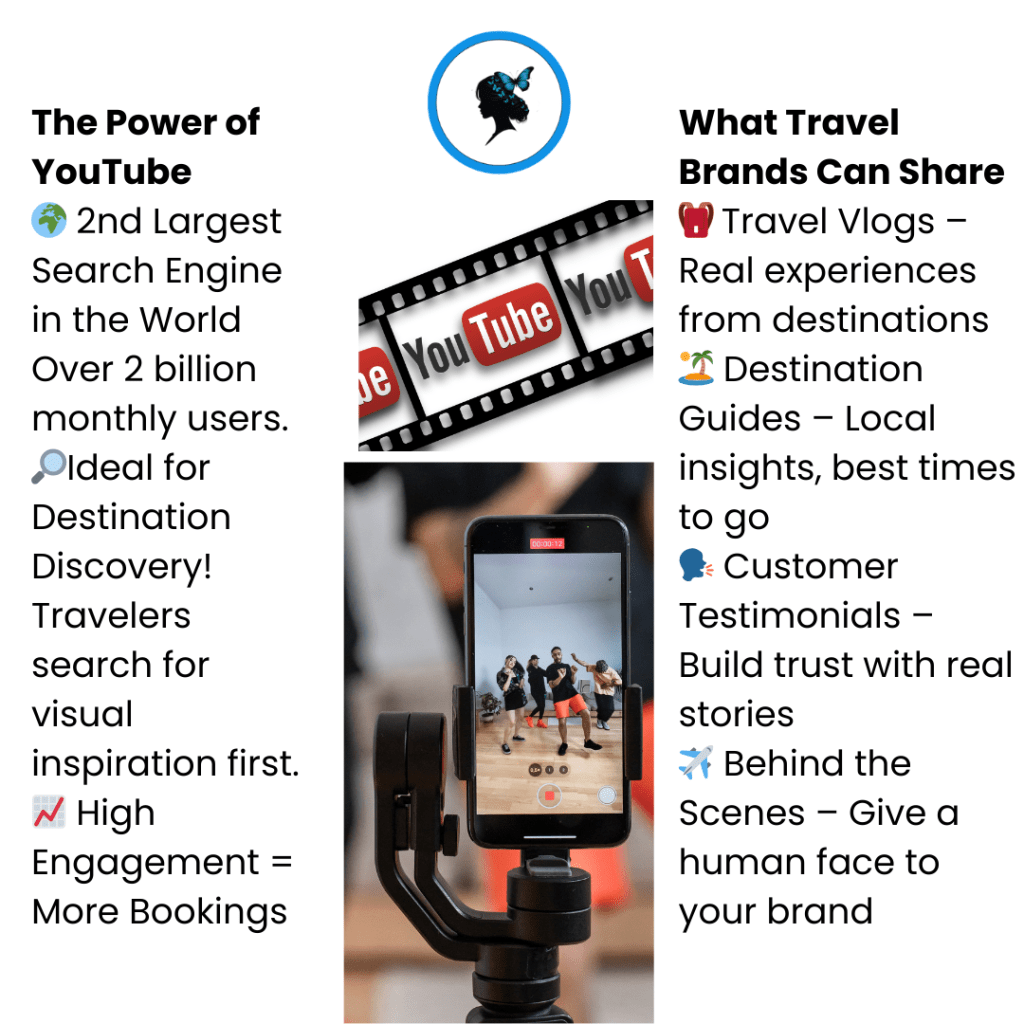
YouTube is the second-largest search engine globally, making it an invaluable platform for travel companies that want to provide in-depth video content, such as destination guides, travel vlogs, and customer testimonials. In 2025, YouTube remains one of the most effective platforms for video marketing in the travel industry.
The power of YouTube
Why YouTube is Crucial for Travel Companies:
Rich, Long-Form Content: YouTube is perfect for long-form content, such as detailed destination guides, how-to videos, or travel experiences.
Massive Audience Reach: With over 2 billion logged-in monthly users, YouTube allows you to reach a global audience interested in travel-related content.
SEO Benefits: YouTube videos can show up in Google search results, driving additional traffic to your website.
Content Longevity: Unlike other platforms where posts may quickly fade, YouTube videos can continue to drive traffic long after they’re published.
How to Use YouTube Effectively for Your Travel Business:
Create Travel Vlogs: Share immersive travel vlogs that give potential customers a taste of the destinations and experiences you offer.
Produce Educational Content: Post how-to videos, tips for planning a trip, or packing guides to offer value to your audience.
Optimize Video Titles and Descriptions: Use SEO best practices by incorporating relevant keywords in your video titles, descriptions, and tags.
Collaborate with Influencers: Partner with YouTube influencers to create co-branded content and reach a larger audience.
Conclusion: Leveraging Social Media for Travel Success in 2025
As we move further into 2025, the best social media platforms for travel companies continue to evolve, but certain platforms remain highly effective for driving engagement and bookings. Instagram, Facebook, TikTok, Pinterest, and YouTube all offer unique advantages that can help travel brands grow their online presence and connect with their target audience.
By strategically using each platform based on its strengths—whether that’s visual content on Instagram, community building on Facebook, or long-form video storytelling on YouTube—travel companies can create a comprehensive and successful social media marketing strategy that drives bookings and enhances brand awareness. Stay consistent, engage authentically, and keep up with trends to ensure your business stays ahead in the ever-evolving digital world of travel marketing.
Social media has transformed the travel industry, offering small and large businesses alike the ability to connect directly with travelers. Platforms like Instagram, TikTok, and Pinterest are ideal for showcasing breathtaking destinations and inspiring wanderlust. But creating a successful social media campaign requires more than just posting stunning photos—it involves strategy, creativity, and engagement.
Here’s how to craft campaigns that captivate audiences and turn dreams into bookings.
Travel is inherently visual and experiential, making it a perfect match for social media platforms. A well-executed social media campaign can:
Boost Brand Awareness: Get your name in front of a larger audience.
Drive Website Traffic: Guide users from posts to your website or booking platform.
Engage Your Community: Build relationships with followers through comments, shares, and likes.
Inspire Bookings: Convert followers into customers by showcasing your unique offerings.
Need some help with your SEO, Content and Social Media strategies?
Check out our packages to start moving in the right direction!
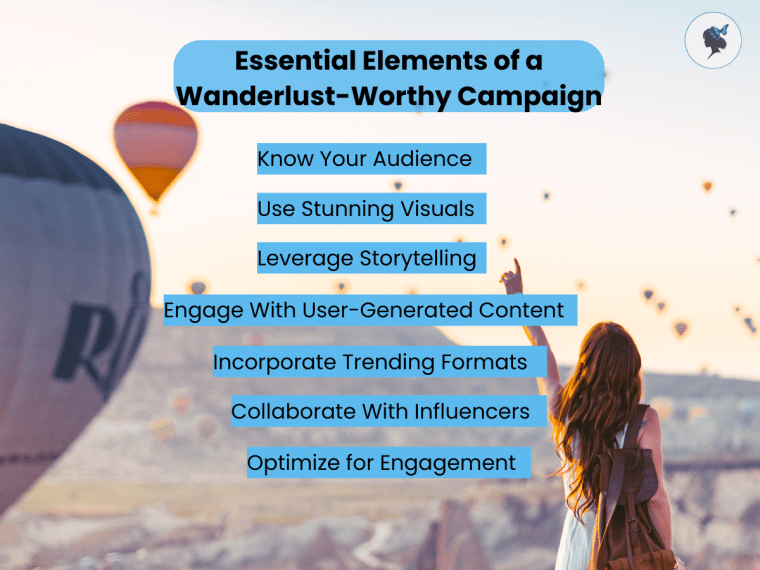
Essential Elements of a Wanderlust-Worthy Campaign
1. Know Your Audience
Understanding your target audience is crucial. Are they budget backpackers, luxury travelers, or adventure seekers? Tailor your content to their interests and preferences. Use platform insights and analytics to determine what resonates most with your followers.
Travelers are drawn to captivating imagery and videos. Invest in high-quality photography or videography that highlights the best aspects of your offerings. Focus on:
Scenic landscapes
Unique experiences (e.g., dining under the stars or diving with dolphins)
Authentic cultural moments
3. Leverage Storytelling
Great travel campaigns tell a story. Share personal experiences, testimonials, or behind-the-scenes looks at destinations. Use captions to evoke emotions and paint a vivid picture of the traveler’s journey.
Encourage your followers to share their own travel experiences using your hashtags or tagging your business. Reposting UGC not only builds a sense of community but also provides authentic content that resonates with potential customers.
Partnering with travel influencers can expand your reach and add credibility to your brand. Choose influencers whose audience aligns with your target market and who can authentically represent your offerings.
7. Optimize for Engagement
Craft posts that encourage interaction. Ask questions, run polls, or host contests to keep your audience engaged. Examples include:
“Which destination is on your bucket list?”
Photo contests with travel-related prizes
Polls about travel preferences
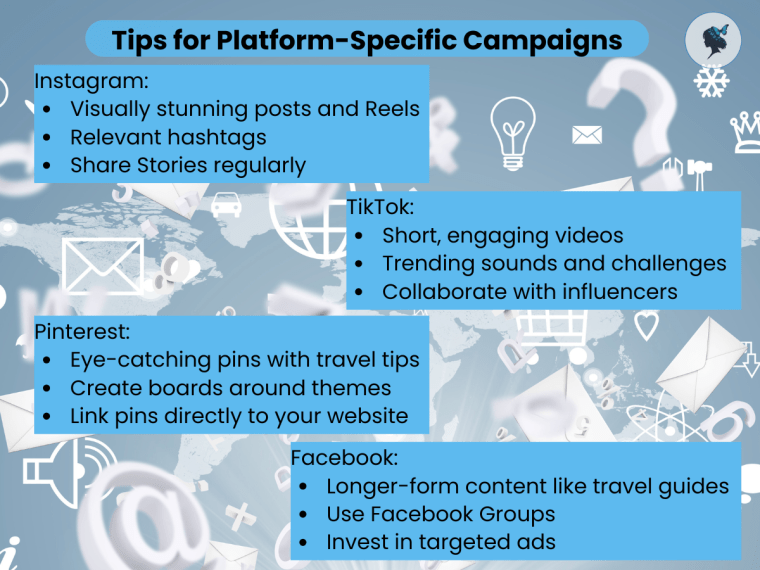
Tips for Platform-Specific Campaigns
Instagram
Focus on visually stunning posts and Reels.
Use relevant hashtags to increase discoverability.
Use trending sounds and challenges to boost reach.
Collaborate with TikTok travel influencers for authentic content.
Pinterest
Design eye-catching pins with travel tips, itineraries, or bucket lists.
Create boards around themes (e.g., “Top Beaches of 2025”).
Link pins directly to your website or booking platform.
Facebook
Share longer-form content like travel guides or event updates.
Use Facebook Groups to connect with niche communities.
Invest in targeted ads for specific demographics.
Measuring Success
Analyze the performance of your campaign to understand what works and what doesn’t. Key metrics to track include:
Engagement Rates: Likes, comments, shares, and saves.
Click-Through Rates: Traffic driven to your website or landing pages.
Follower Growth: New followers gained during the campaign.
Conversion Rates: Bookings or inquiries generated from social media.
Conclusion
Social media is a powerful tool for travel businesses to inspire wanderlust and turn dreams into action. By creating visually stunning, engaging, and authentic campaigns, you can connect with your audience on a deeper level and drive meaningful results. Start crafting your next campaign today, and watch as your followers become your biggest fans and loyal customers.
Need help with your Social Media strategy? Contact us to see how we can help!
In the ever-evolving world of social media, visuals often take center stage. A stunning photo, an eye-catching video, or an engaging infographic grabs the viewer’s attention immediately. However, behind every great visual is a tool that anchors the content, adds context, and sparks connection: the social media caption.
At its core, a social media caption is the text accompanying your image, video, or post on platforms like Instagram, Facebook, Twitter, LinkedIn, or TikTok. Captions can be as short as a few words or as long as several paragraphs, depending on the platform’s limitations and the message you want to convey. They’re not just add-ons; they’re an integral part of the post’s narrative.
A caption can include:
Text: Your primary message or storytelling component.
Hashtags: Keywords prefixed by the # symbol to increase discoverability.
Mentions: Tags that reference other accounts using @.
Emojis: Visual elements that add personality or emotion.
Call-to-Action (CTA): Encouragement for your audience to engage (e.g., “Click the link in bio,” “Tag a friend,” or “Comment below”).
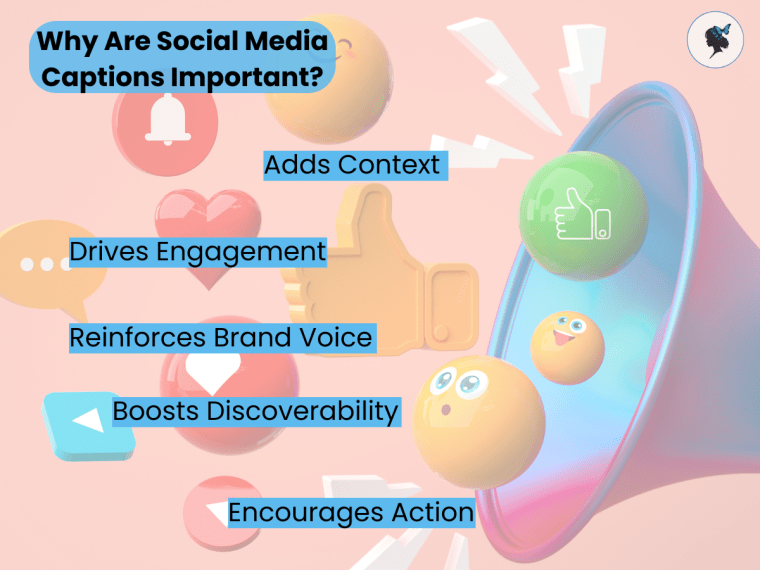
Why Are Social Media Captions Important?
Why are social media captions important?
A well-crafted caption is much more than filler text. It serves several crucial purposes:
1. Adds Context
A picture might be worth a thousand words, but captions provide clarity. They give your audience the backstory, explain your intent, or highlight details that may not be immediately obvious in the visual.
2. Drives Engagement
Captions can spark conversations, inspire likes, and encourage shares. By asking questions, including CTAs, or sharing relatable anecdotes, you create opportunities for your audience to interact with your post.
3. Reinforces Brand Voice
Your caption is an extension of your brand’s personality. Whether your tone is witty, professional, inspirational, or playful, captions help maintain consistency and deepen your connection with your audience.
4. Boosts Discoverability
Strategic use of hashtags and mentions can amplify your post’s reach. Hashtags make your content searchable, while mentions allow you to engage with other users or brands directly.
5. Encourages Action
From clicking a link to visiting your website, signing up for a newsletter, or attending an event, captions can guide your audience toward specific actions that align with your goals.
Elements of a Great Social Media Caption
What makes a caption stand out?
While there’s no one-size-fits-all formula, great captions often share the following traits:
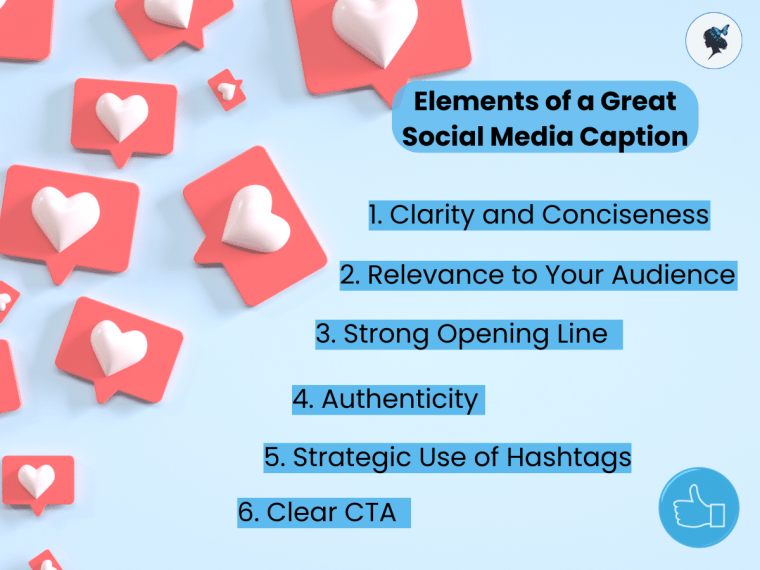
Elements of a great social media caption
1. Clarity and Conciseness
Keep your message straightforward and easy to understand. People scroll quickly, so make your point early and effectively.
2. Relevance to Your Audience
Understand your audience’s interests, challenges, and preferences. A relatable caption resonates better and encourages interaction.
3. Strong Opening Line
The first few words are crucial for grabbing attention. Use hooks like intriguing questions, bold statements, or compelling facts to draw readers in.
4. Authenticity
Be genuine. Audiences value transparency and are quick to spot insincerity.
5. Strategic Use of Hashtags
Research trending or niche hashtags relevant to your content. Avoid overloading your caption with hashtags; 3-5 well-chosen ones often work best.
6. Clear CTA
What do you want your audience to do after reading your caption? Whether it’s to comment, share, or visit a link, make your CTA direct and compelling.
While visuals draw attention, captions hold the power to engage and convert. They’re your opportunity to share your story, showcase your personality, and build a relationship with your audience. Whether you’re a brand, an influencer, or an everyday user, investing time and thought into your captions can transform your social media presence from good to unforgettable.
Need help with your Social Media Strategy? Contact us to see how we can help!