▶ Table of Contents
In today’s digital-first world, travelers are no longer flipping through glossy brochures—they’re scrolling Instagram, watching YouTube vlogs, and following TikTok creators on dreamy adventures. Influencer marketing has become a powerful tool for travel brands to build trust, inspire wanderlust, and convert followers into guests.
Why? Because travelers believe travelers. Authentic experiences shared by real people resonate more than traditional ads. Whether you’re a boutique hotel, a tour operator, or a national tourism board, working with the right influencers can amplify your brand, tell your story beautifully, and drive real business results. Influencers provide a human face to your brand, which helps foster emotional connections with potential guests. This strategy not only builds visibility but also creates memorable storytelling opportunities that differentiate your offering in a crowded market.
Why Influencer Marketing Works in Travel
Travel is all about experience, emotion, and storytelling—and that’s where influencers shine.
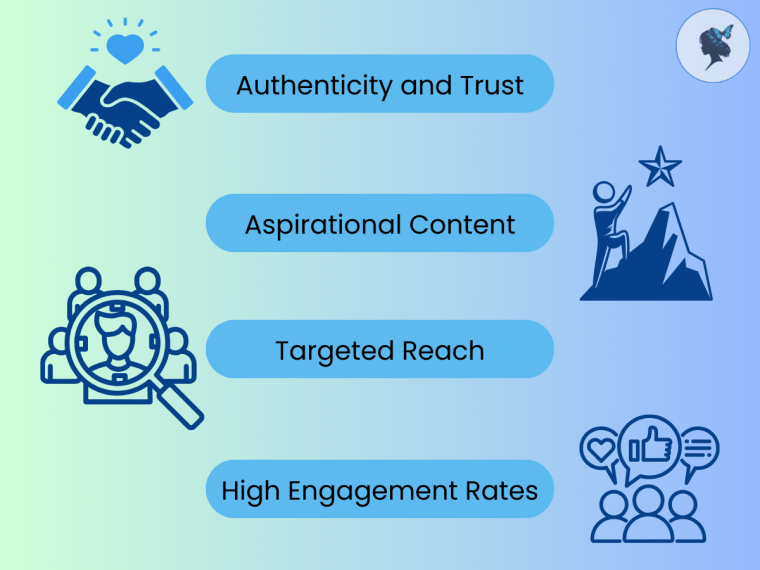
Authenticity and Trust
Influencers create content that feels personal and honest. Their audiences see them as peers, not advertisers, making their recommendations highly trusted.
People follow influencers because they value their lifestyle and perspective. Unlike paid celebrity endorsements, influencer content often includes genuine reviews and unscripted moments that build credibility. Travel decisions are often emotional, and seeing someone enjoy a destination firsthand makes it easier for followers to imagine themselves there.
Aspirational Content
Through curated photos and immersive video, influencers paint vivid, emotional portraits of destinations and experiences that followers aspire to recreate.
These experiences become travel goals for many people, especially when paired with compelling visuals and storytelling. The more an influencer brings a location to life, the more likely it is to stick in the minds of potential travelers. A well-shot sunset, unique cultural moment, or adventurous activity can turn into a saved post or a booked trip.
Read our post on The Power of Visual Content.
Targeted Reach
Influencers have niche audiences: solo female travelers, adventure seekers, luxury jet-setters, eco-tourists, digital nomads. Working with the right one helps you reach exactly who you’re trying to attract.
Instead of casting a wide net, you can tailor your message to a very specific type of traveler. This increases the likelihood of engagement and conversion, as the audience feels your brand aligns with their identity and travel goals. Influencer partnerships also give insight into new market segments you may not have previously considered.
High Engagement Rates
Compared to branded content, influencer posts often achieve higher engagement. Followers are more likely to like, comment, save, and share.
This interaction not only boosts reach but also provides direct feedback on what travelers find compelling. Comments often include travel planning questions, which is a strong signal of intent. Engagement creates social proof, further validating your brand’s appeal to prospective guests.
Choosing the Right Influencers
Not all influencers are created equal. Picking the right partner starts with clear goals.
Define Your Campaign Goals
Are you trying to boost bookings? Increase brand awareness? Drive traffic? Your goal determines the type of influencer and campaign structure.
Clearly defining your goals upfront will help you measure success more accurately. It also ensures alignment between your expectations and the influencer’s creative execution. SMART goals (Specific, Measurable, Achievable, Relevant, Time-bound) are especially effective in guiding strategy.
Types of Influencers
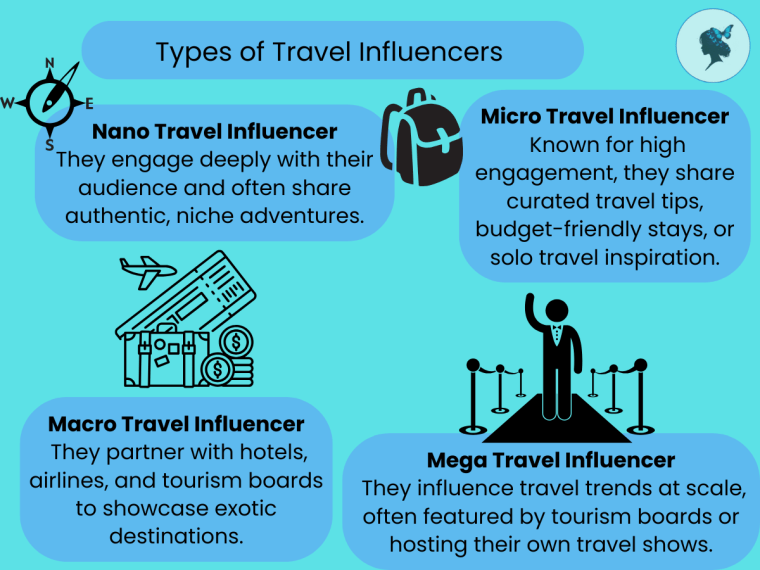
- Nano (1K–10K): Super niche, highly engaged audiences. Great for targeting local markets.
They’re usually more affordable and have deeper relationships with their followers. Nano influencers often generate high comment rates and more personal interactions. Perfect for grassroots or community-based campaigns. - Micro (10K–100K): Strong influence within a niche (e.g., budget travel, luxury escapes).
Their audiences are often very aligned with their content themes, leading to better targeting. They strike a balance between reach and engagement. Micro-influencers tend to offer strong ROI for travel brands. - Macro (100K–1M): Broader reach, polished content, good for regional / national campaigns.
Their content is usually high quality and curated. While engagement may be lower, the audience size creates valuable exposure. Great for elevating brand credibility and professionalism. - Mega (1M+): Celebrities. Mass exposure, but often less engagement.
These influencers work best for large-scale brand awareness campaigns. They tend to attract broad, mainstream audiences. Be cautious, though—costs are high and relevance may be lower.
Evaluate Fit
Look beyond the follower count:
- Audience Relevance: Do their followers match your ideal traveler?
- Engagement Rate: Do people like, comment, and share?
- Aesthetic & Style: Does their tone match your brand?
- Past Partnerships: Do they promote competitors? Are they professional?
Also assess how they engage with followers—do they answer questions and provide value? Review their posting frequency and content consistency. A trial campaign or gifting collaboration is a good way to evaluate fit before investing more.
Crafting a Winning Campaign
You’ve picked your influencer. Now, build a campaign that sets them (and you) up for success.
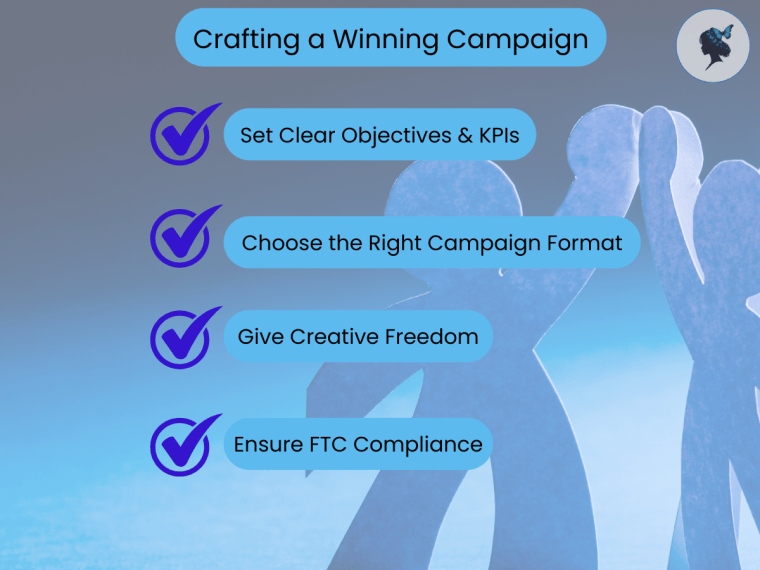
Set Clear Objectives & KPIs
Be specific: “Increase direct bookings by 15% from Gen Z travelers over 30 days” or “Drive 5,000 clicks to our summer promo page.”
KPIs keep campaigns focused and help both parties stay accountable. They also enable you to benchmark performance and optimize future collaborations. Make sure influencers understand what success looks like before launch.
More about marketing to Gen Z here.
Choose the Right Campaign Format
- Hosted Stays or Press Trips: Let influencers experience your property or destination firsthand. This provides them with a genuine story to share, leading to better content and more trust. Make the itinerary photogenic and unique to encourage creative output. Offer perks like spa treatments or exclusive access for added wow-factor.
- Social Media Takeovers: They post directly from your accounts for a day.
It gives your audience fresh, behind-the-scenes content while showcasing your brand through a new lens. This also grows trust and visibility. Be sure to promote the takeover in advance. - Sponsored Posts: Influencers create content on their channels.
These posts can be photos, videos, or reels that highlight your property or experience. Sponsored content is great for expanding reach and storytelling. Ensure you review drafts to maintain brand alignment. - Affiliate Links or Promo Codes: Track direct conversions from influencer efforts.
These allow precise ROI measurement. Influencers get a commission or incentive, motivating them to drive actual sales. Use tools like Refersion or Rewardful for affiliate setup.
Give Creative Freedom
Influencers know their audience. Provide brand guidelines but allow flexibility—forced scripts hurt authenticity.
Trust them to craft stories that resonate. Include must-have messages, but let them decide the delivery. Collaboration, not control, yields the best content.
Ensure FTC Compliance
Influencers must disclose paid partnerships clearly with hashtags like #ad or #sponsored. This builds trust and avoids legal issues.
Non-disclosure can result in penalties and erode audience trust. Educate influencers on your expectations regarding transparency. Include compliance in your contracts.
Platforms and Content Types That Work
Choose platforms based on your target audience and content style.
- Ideal for aspirational travel imagery: sunsets, resorts, food, and poolside luxury.
- Use Stories, Reels, and carousels.
- Why visuals matter: Instagram is where travelers discover and save future trip ideas. It appeals to millennials and Gen Z dreamers.
Its visual-first nature makes it perfect for inspiring destination envy. Strong photo editing and creative captions drive engagement. Use hashtags and location tags to increase reach.
YouTube
- Long-form video content: reviews, vlogs, city guides.
- SEO-rich and evergreen.
- Why visuals matter: Viewers watch to plan real trips. Great for detail-driven planners and adventure seekers.
Videos stay relevant for months or years. YouTube search is a key discovery channel for travel planning. Collaborate on packing lists, tour reviews, or day-in-the-life content.
TikTok
- Fast-paced, fun, behind-the-scenes content.
- Trending audio and storytelling.
- Why visuals matter: Authenticity and entertainment win. It attracts Gen Z travelers who want off-the-beaten-path ideas and real experiences.
TikTok rewards creativity over polish. Even short clips can go viral, generating massive exposure. It’s ideal for promoting quirky experiences or behind-the-scenes access.
Blogs
- Ideal for evergreen content like destination guides, hotel reviews, and itineraries.
- Great for SEO and link-building.
- Why visuals matter: Strong images support content and improve search performance. Readers are often in the planning phase and ready to book.
Blog readers typically have high intent. Photos and maps increase dwell time and conversion. Encourage influencers to link to your booking or info page.
- Vertical pins (2:3 ratio) for dream-trip inspiration.
- Popular for weddings, honeymoons, and bucket-list trips.
- Why visuals matter: Pinterest attracts planners—mostly women—looking for aesthetic, save-worthy travel ideas.
Pins have a long shelf life and can drive traffic for months. Rich pins improve engagement and conversion. Ideal for itinerary boards, seasonal promotions, and bucket lists.
More about the best social media platforms here.
Measuring ROI and Campaign Performance
Numbers matter. Track key metrics to understand impact and optimize future efforts.
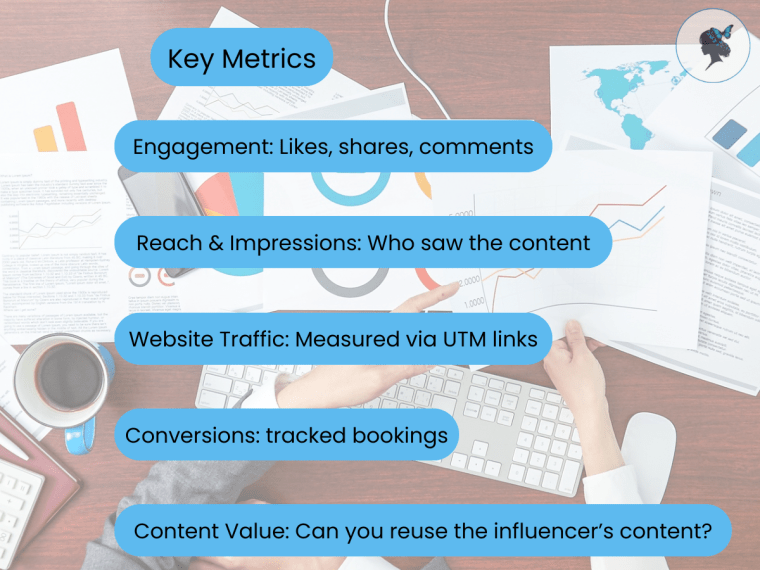
Key Metrics
- Engagement: Likes, shares, comments
High engagement indicates content is resonating with the audience. Look at the ratio of engagement to followers to assess true impact. Compare engagement across multiple posts to spot trends. - Reach & Impressions: Who saw the content
Reach tells you how many unique users saw the post, while impressions count all views. These metrics help evaluate brand awareness. Use these numbers to assess the value of exposure. - Website Traffic: Measured via UTM links
UTM codes allow you to track traffic from specific influencer posts. Add campaign parameters using Google’s Campaign URL Builder. Analyze traffic in Google Analytics under “Acquisition > Campaigns.” - Conversions: Promo code redemptions or tracked bookings
Assign unique discount codes or booking links to each influencer. This shows direct impact and allows for fair compensation models. Combine this with post-purchase surveys to capture attribution. - Content Value: Can you reuse the influencer’s content?
High-quality images and videos can be repurposed for ads, newsletters, and your website. Request usage rights in advance. Content reuse increases ROI without additional production costs.
Tools for Tracking
- Bitly or Rebrandly: Track link clicks
Shorten custom URLs for easy sharing and clickable stats. This also helps with branding and aesthetics. Use unique links for each influencer. - Influencer Dashboards: Some offer post-campaign reports
Many influencer platforms offer analytics dashboards with audience insights and campaign summaries. Use these to compare results across multiple influencers. Data transparency helps in post-campaign evaluations. - Affiliate Platforms: Track conversions from specific creators
Tools like Refersion, Impact, and Rewardful help manage and pay influencer commissions. These platforms allow you to track clicks, conversions, and payouts in one place. It’s a great option for long-term or performance-based campaigns.
Building Long-Term Relationships
One-off posts are fine—but long-term partnerships bring deeper results.
Ambassador Programs
Instead of single posts, invite influencers to represent your brand over months. This increases trust and visibility.
Audiences get more consistent exposure to your brand, which helps build recognition. Ambassadors can participate in seasonal campaigns or be featured across multiple platforms. This also deepens their familiarity with your offerings.
Content Licensing
Negotiate content rights so you can reuse influencer visuals in your ads, email campaigns, or website.
Reusing content saves you money on professional photography and video. It also reinforces authenticity by showing real guests and experiences. Make sure terms are clear—include duration, usage rights, and placement options.
Mutual Growth
Support the influencer’s goals too—feature them in your newsletter, cross-promote, and engage with their community.
When you elevate their work, you foster goodwill and deeper collaboration. Offer perks like early access to new packages or exclusive event invites. Building trust creates more genuine advocacy.
Real-Life Influencer Examples
- @TheBlondeAbroad (Kiersten Rich): A travel influencer focused on solo female travel, with beautifully curated content, blog guides, and Instagram posts. She appeals to millennial and Gen Z women who prioritize safety, aesthetics, and independence. Her blog and email list drive significant booking power for tour companies and boutique hotels.
- ExpertVagabond (Matt Karsten): Adventure and photography-focused influencer with an engaged YouTube and Instagram audience. Known for hiking, diving, and off-the-beaten-path destinations. Brands working with him typically target thrill-seeking, eco-conscious travelers.
- @Gypsea_Lust (Lauren Bullen): A luxury travel and lifestyle influencer with a dreamy, aspirational Instagram feed. Her audience skews toward high-income couples and honeymooners. Resorts and tourism boards use her visual storytelling to spark romantic travel dreams.
Common Pitfalls to Avoid
Save yourself time, money, and headaches by avoiding these mistakes.
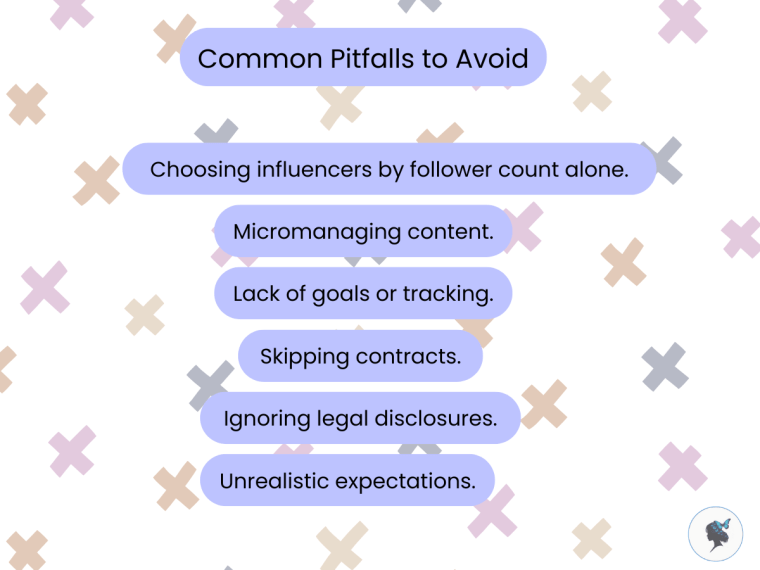
- Choosing influencers by follower count alone.
A large following doesn’t guarantee relevance or engagement. Instead, evaluate metrics like comment quality and content alignment. Small audiences often drive more loyal actions. - Micromanaging content.
Over-controlling limits creativity and authenticity, which can damage both your and the influencer’s brand. Set guidelines but encourage organic storytelling. Trust their knowledge of what works with their audience. - Lack of goals or tracking.
Without clear KPIs, you won’t know if your campaign succeeded or failed. Always outline your objectives in the brief and track performance from day one. Even awareness-focused campaigns should include metrics like reach and engagement. - Skipping contracts.
Always have a written agreement that includes deadlines, deliverables, compensation, and content rights. Contracts protect both sides and clarify expectations. Include clauses about cancellation, revisions, and disclosures. - Ignoring legal disclosures.
Influencers must use #ad, #sponsored, or platform-specific disclosure tools. Not doing so can lead to fines and reduced trust. Be proactive about compliance—it’s part of professional collaboration. - Unrealistic expectations.
Influencers can’t guarantee viral posts or immediate bookings. Success is often cumulative and may take multiple campaigns. Be patient and track both short- and long-term outcomes.
Real-Life Examples of Influencer Marketing Success
Visit Iceland – “Inspired by Iceland” Campaign
They partnered with YouTubers and Instagrammers to showcase Iceland’s culture, nature, and sustainable travel experiences. The influencers documented hiking, geothermal spas, and food tours. The campaign reached over 6 million people and contributed to a measurable rise in off-season visits.
Contiki Tours – Micro Influencer Strategy
Contiki targeted 18–35-year-old adventure travelers by using micro-influencers to create vlogs, Instagram stories, and reels about group travel experiences. These influencers participated in guided tours and shared authentic reactions. The result: a 21% spike in Gen Z bookings during a three-month period.
Conclusion
Influencer marketing offers travel brands a high-impact way to reach new audiences, tell powerful stories, and drive bookings. The key is choosing the right partners, aligning them with your goals, and giving them space to create real, resonant content.
As travelers look for authenticity, peer-to-peer inspiration, and relatable experiences, influencers will continue to play a critical role in travel discovery and decision-making. When done right, this strategy is not only cost-effective but also scalable. Influencers become brand storytellers who shape how your destination or service is perceived.
Need help? Contact us today to see how we can help you.