▶ Table of Contents
Introduction: The Significance of Spring Content
Spring is often a transitional season, but for travel agencies, it offers unique opportunities to attract and engage travelers. From cherry blossoms in Japan and the U.S. to birdwatching in wetland sanctuaries and spring festivals across Europe, the season is packed with experiences that travelers actively seek.
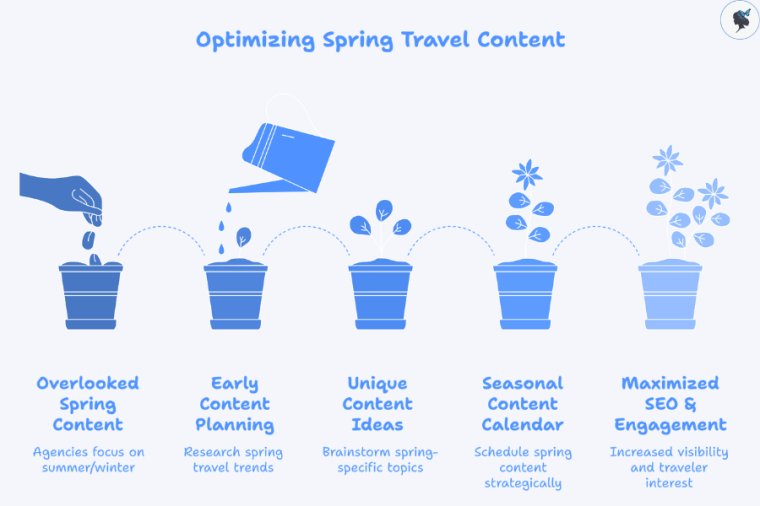
Yet, spring content is frequently overlooked. Many agencies focus their efforts on summer vacations or winter holidays, leaving spring-specific topics under-optimized. According to Google Trends, searches for “spring break destinations” or “cherry blossom tours” spike in late winter to early spring, highlighting the importance of early content planning.
This blog provides actionable strategies for managing spring content, including common challenges, short-term fixes, long-term strategies, unique content ideas, and a seasonal content calendar to help travel agencies maximize SEO visibility and traveler engagement.
Spring Content Challenges
Understanding the challenges unique to spring content helps travel agencies develop effective strategies.

1. Lack of Early Ramp-Up
- Many travelers begin planning spring trips late, resulting in missed opportunities for early bookings.
- Agencies that fail to publish spring content early often see low traffic compared to summer or winter campaigns.
More about managing summer content here.
2. Limited SEO Targeting
- Seasonal SEO often favors summer or winter terms, leaving spring-specific queries under-optimized.
- High-value search phrases include:
- “spring bloom tours”
- “birdwatching trips in spring”
- “spring family getaways”
3. Short Lifespan of Seasonal Events
- Cherry blossom peaks, wildlife migrations, and festivals are highly time-sensitive.
- Late content publishing results in lost engagement opportunities and diminished booking potential.
4. Regional Relevance
- Generic spring guides fail to attract travelers seeking local or regional experiences.
- Examples: flower festivals in the U.S. Midwest, tulip displays in the Netherlands, or cherry blossoms in Japan.
Short-Term Fixes for Spring Content
Even with minimal lead time, travel agencies can implement quick wins to improve spring content performance.
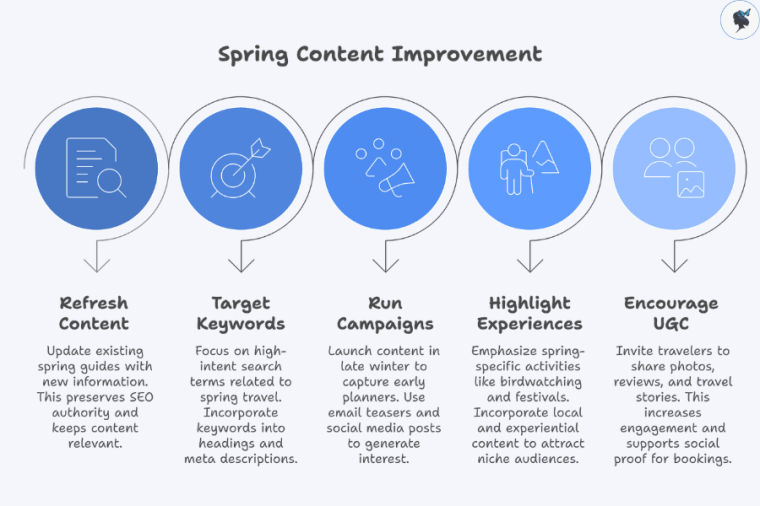
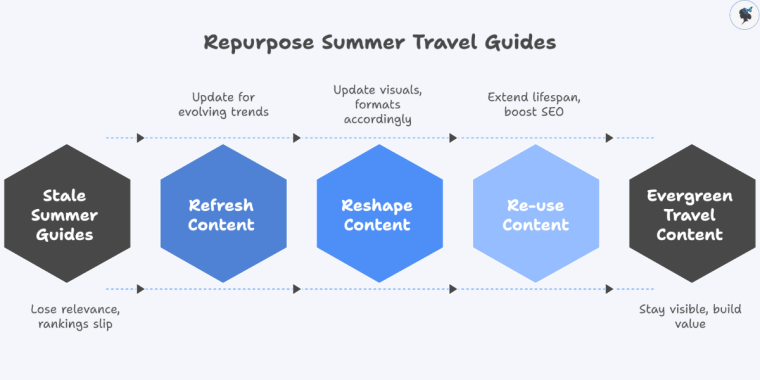
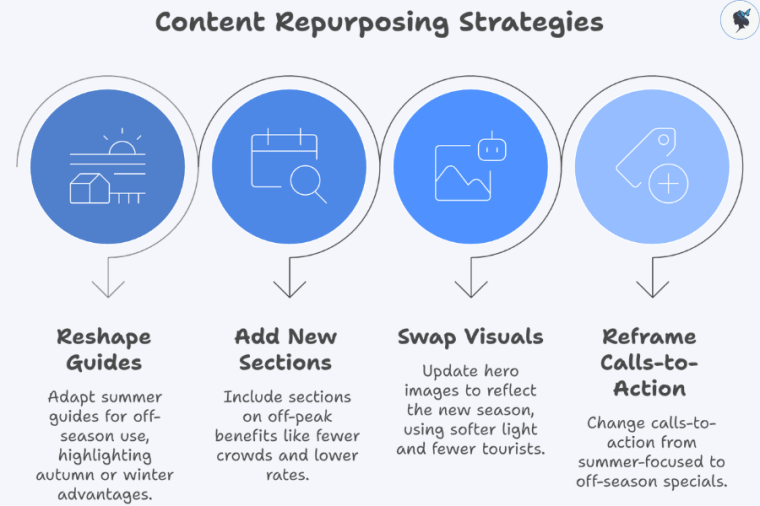
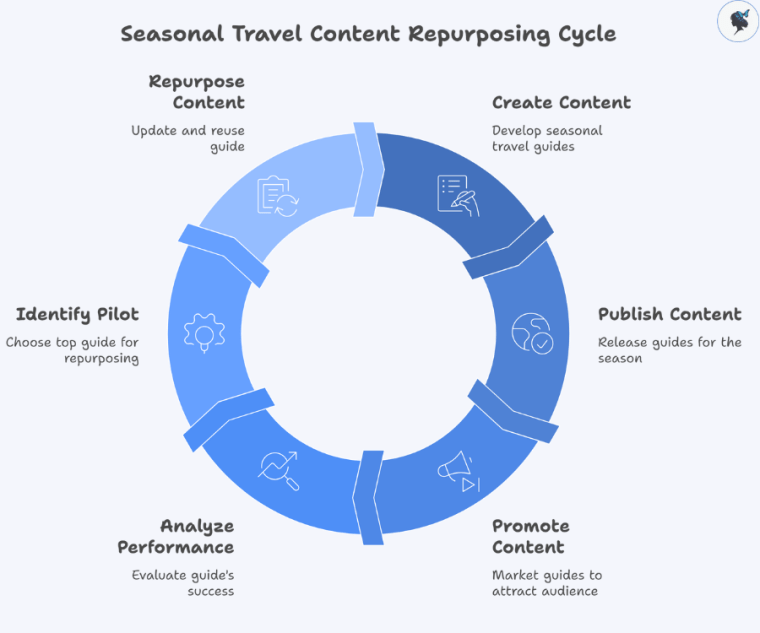
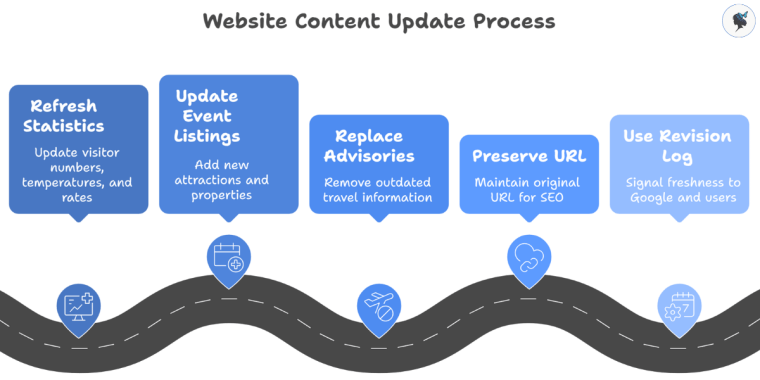
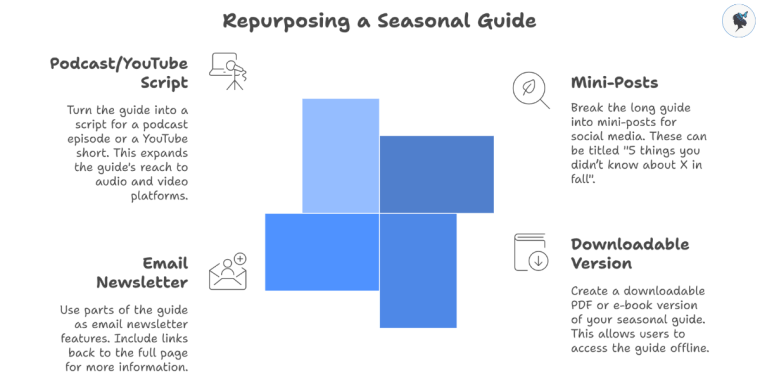
1. Refresh or Repurpose Existing Content
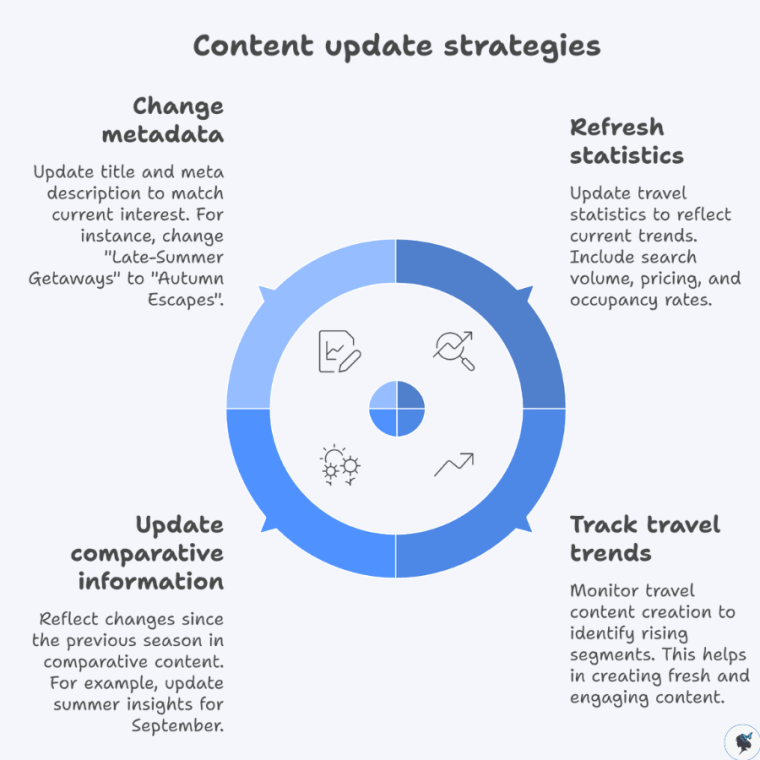
- Update previous spring guides with new event dates, imagery, or travel tips.
- Example: “Top Cherry Blossom Spots – Updated 2026”
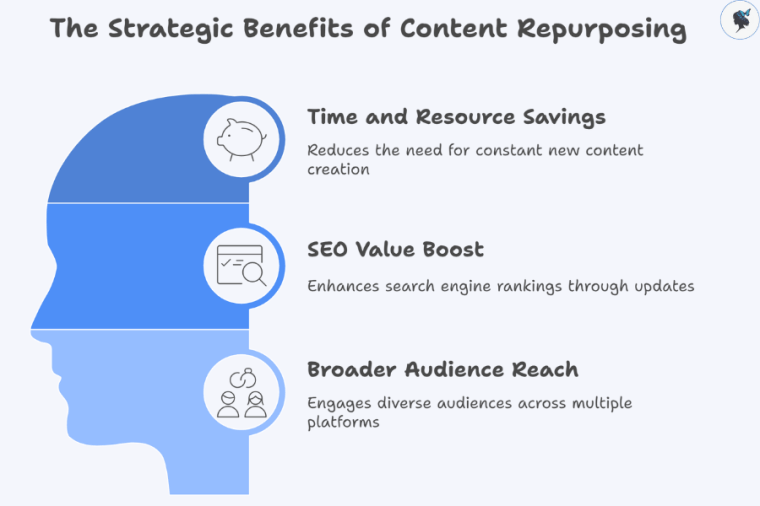
- Benefits: preserves SEO authority and keeps content relevant for current travelers.
More about repurposing content here.
2. Target Spring-Specific Keywords
- Focus on high-intent search terms like:
- “spring bloom photo spots”
- “nature trips in spring”
- “spring festivals near me”
- Incorporate keywords into headings, meta descriptions, and internal links for better SEO performance.
3. Run Early Spring Campaigns
- Launch content in late winter to capture early planners.
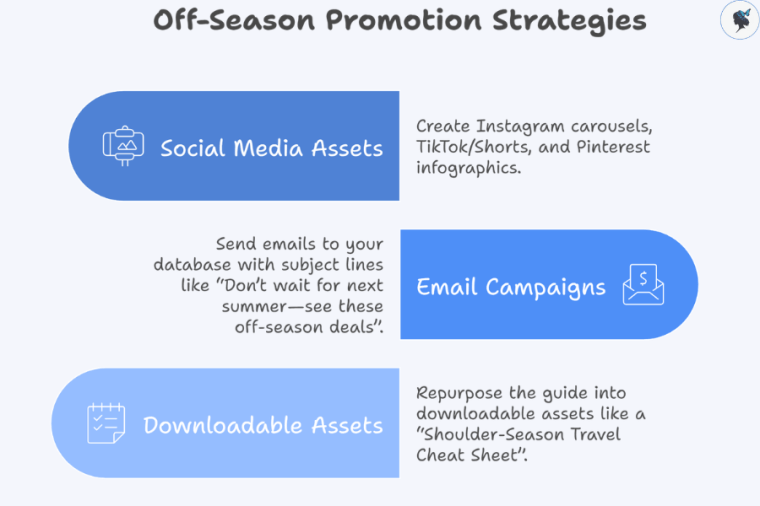
- Use email teasers, social media posts, and blog highlights to generate interest.
More social media ideas here.
4. Highlight Seasonal Experiences
- Emphasize spring-specific activities:
- Birdwatching excursions
- Flower or tulip festivals
- Wildlife migration tours
- Incorporate local and experiential content to attract niche audiences.
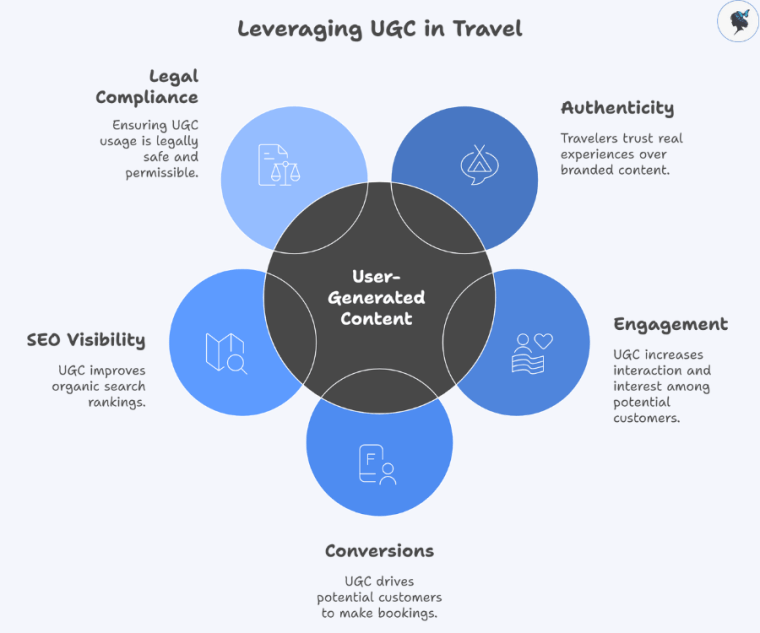
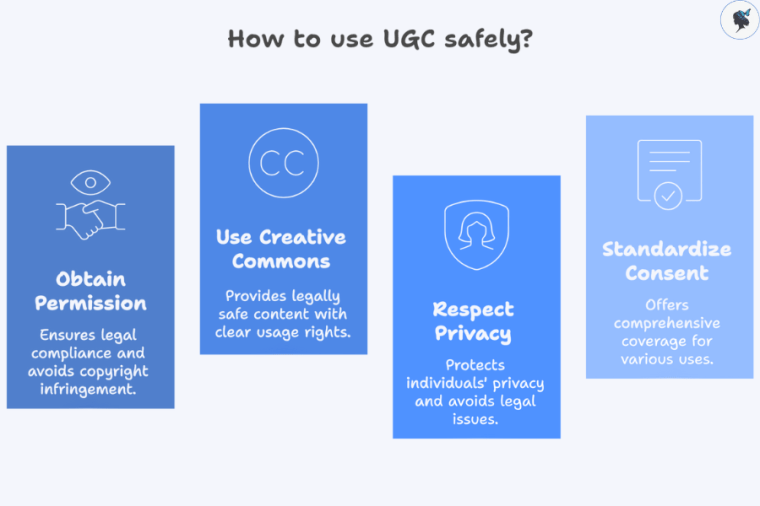
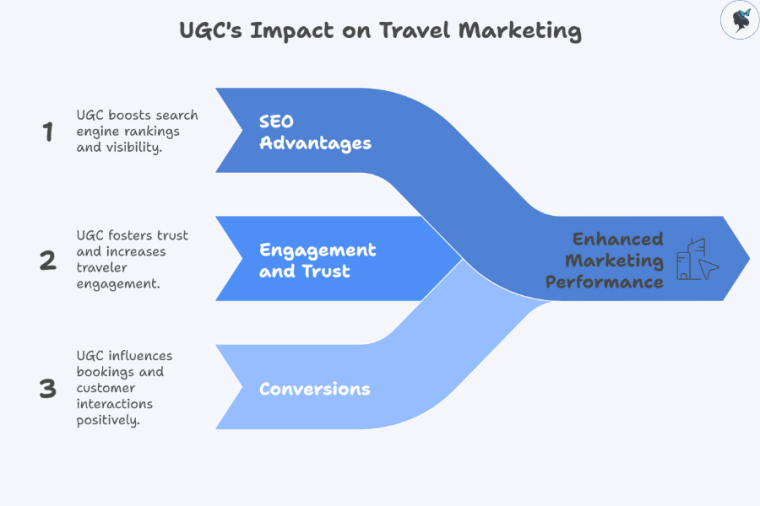
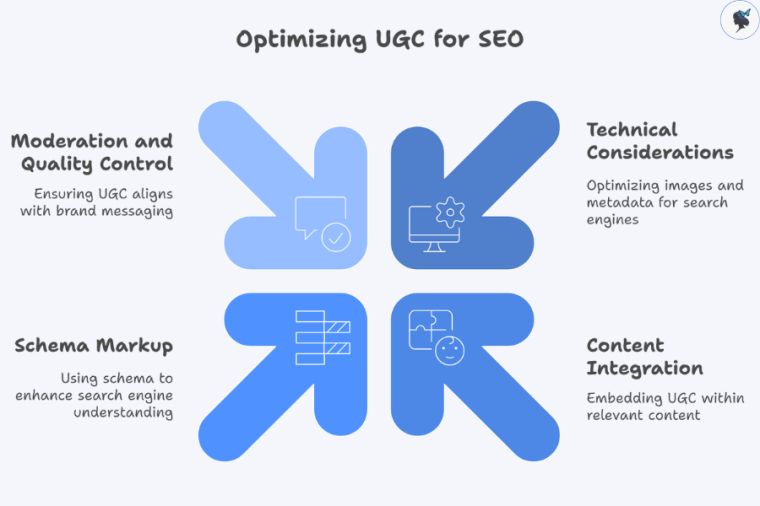
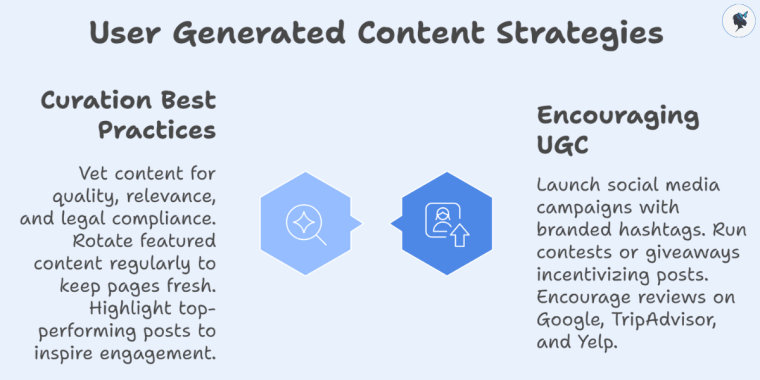
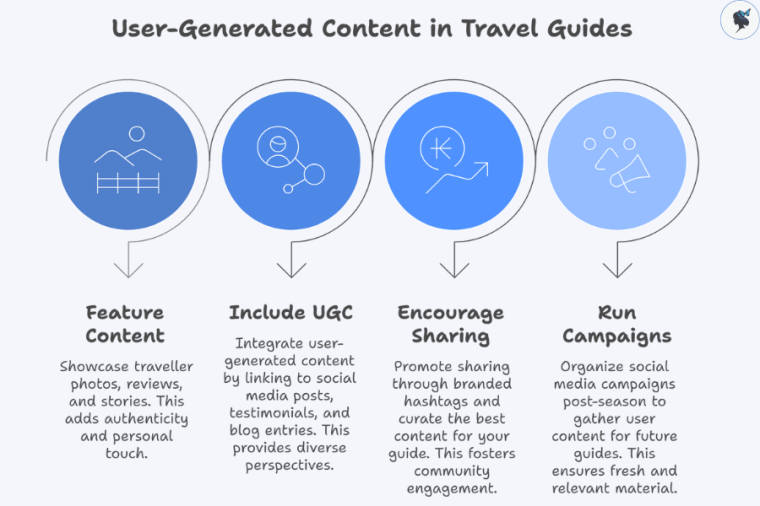
5. Encourage User-Generated Content (UGC)
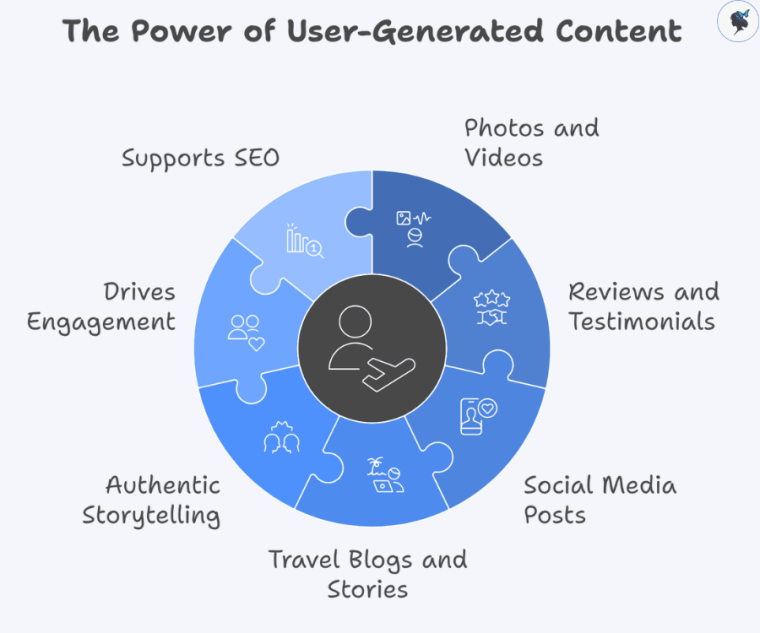
- Invite travelers to share photos, reviews, and travel stories.
- Example campaign: “Share Your Favorite Spring Travel Moment.”
- Benefits: increases engagement, enriches content, and supports social proof for bookings.
More about UGC and SEO benefits here.
Long-Term Strategies for Spring Content
For sustained growth, travel agencies should implement long-term strategies that preserve relevance and improve SEO authority year after year.
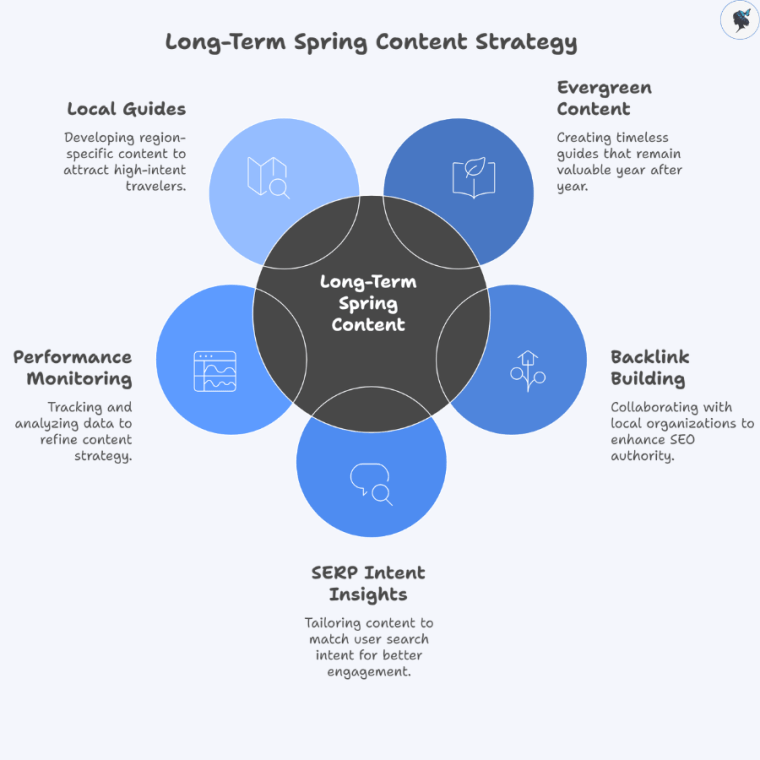
1. Create Evergreen Spring Content
- Develop guides that remain valuable across multiple years, such as:
- “Best Spring Break Destinations”
- “Top Nature Trails in Spring”
- “Ultimate Spring Festival Guide”
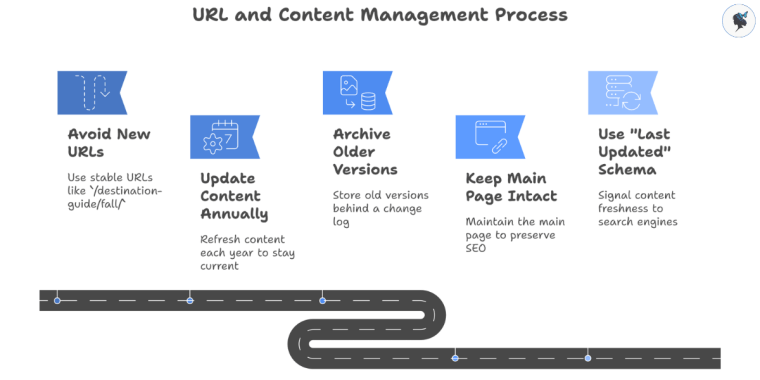
Read our guide: Structuring and Maintaining Evergreen Seasonal Content
2. Build Backlinks
- Collaborate with local festival organizers, DMOs, and tourism boards to secure inbound links.
- Benefits: strengthens SEO authority and drives high-quality referral traffic.
3. Use SERP Intent Insights
- Analyze search engine results pages (SERPs) to distinguish between informational and transactional queries.
- Examples:
- Informational: “Best cherry blossom locations in Japan”
- Transactional: “Book a spring blossom tour in Kyoto”
- Tailor content to match user intent for better engagement and conversions.
4. Monitor Performance
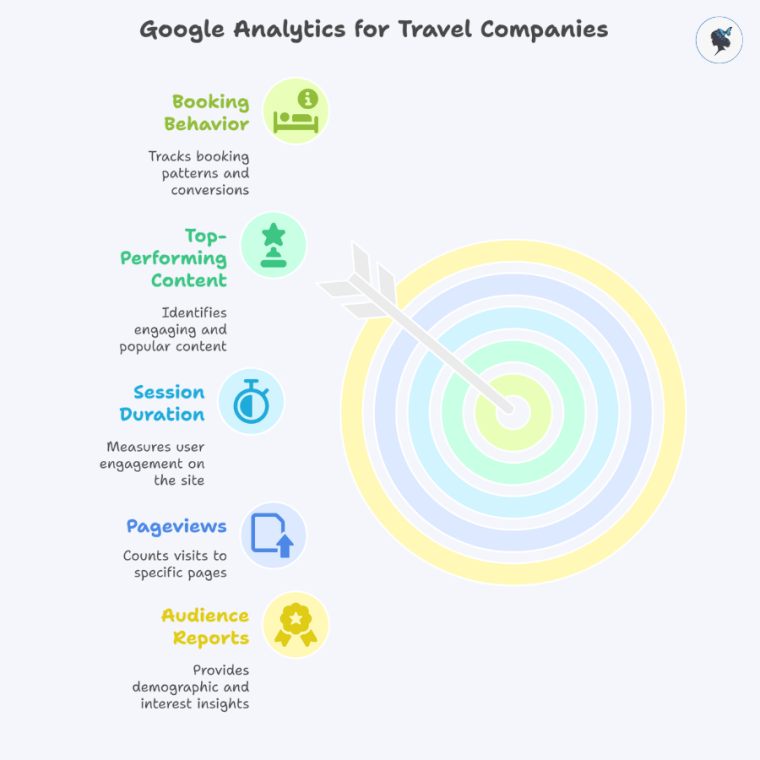
- Track traffic, rankings, and engagement using Google Analytics, Google Search Console, and SEO tools like Semrush or Ahrefs.
- Use insights to refine content strategy for subsequent spring seasons.
5. Develop Local Spring Guides
- Create region-specific content highlighting unique spring attractions:
- City flower festivals
- Birdwatching hotspots
- Seasonal culinary experiences
- Local guides improve geo-targeted SEO and attract high-intent travelers.
Unique Content Ideas for Spring Engagement
Creative content can increase engagement and differentiate your agency.
- “Best Spring Bloom Photo Spots” – Guide to picturesque locations for photography enthusiasts.
- “Packing for Spring Rain” – Practical tips for unpredictable spring weather.
- “Spring Birdwatching Destinations” – Highlight top locations and species for wildlife enthusiasts.
- “Interviews With Locals About Spring Traditions” – Offer cultural insights to inspire travel.
- “Spring Family-Friendly Itineraries” – Themed trips for parents and children.
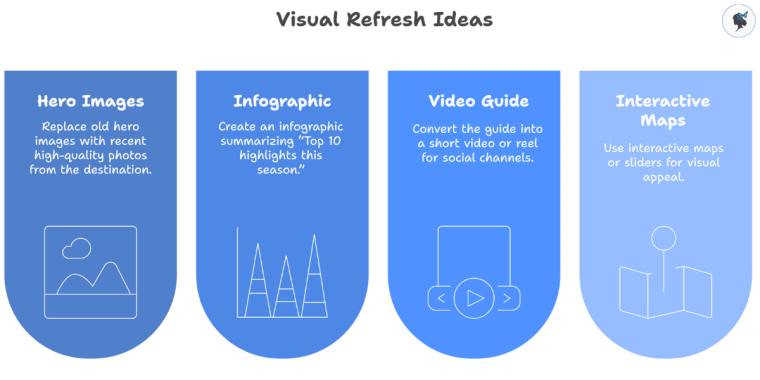
Wander Women Hot Tip: Incorporate interactive elements like maps, photo galleries, or short videos to improve time-on-page and engagement.
Sample Spring Content Calendar
A structured calendar ensures that content is timely, optimized, and promoted effectively.
| Month | Activities |
|---|---|
| January–February | Conduct keyword research; review prior spring content; identify key festivals and events |
| March | Refresh existing guides; create new blog posts; optimize for seasonal SEO |
| April | Launch early spring campaigns via email, social media, and blog highlights; feature UGC |
| May | Publish main spring content; promote seasonal events; optimize for last-minute queries |
| June | Analyze engagement, traffic, and bookings; gather insights for next year’s spring campaigns |
Wander Women Hot Tip: Align content production with early search interest to capture early planners and maximize seasonal bookings.
Actionable Tips for Travel Agencies
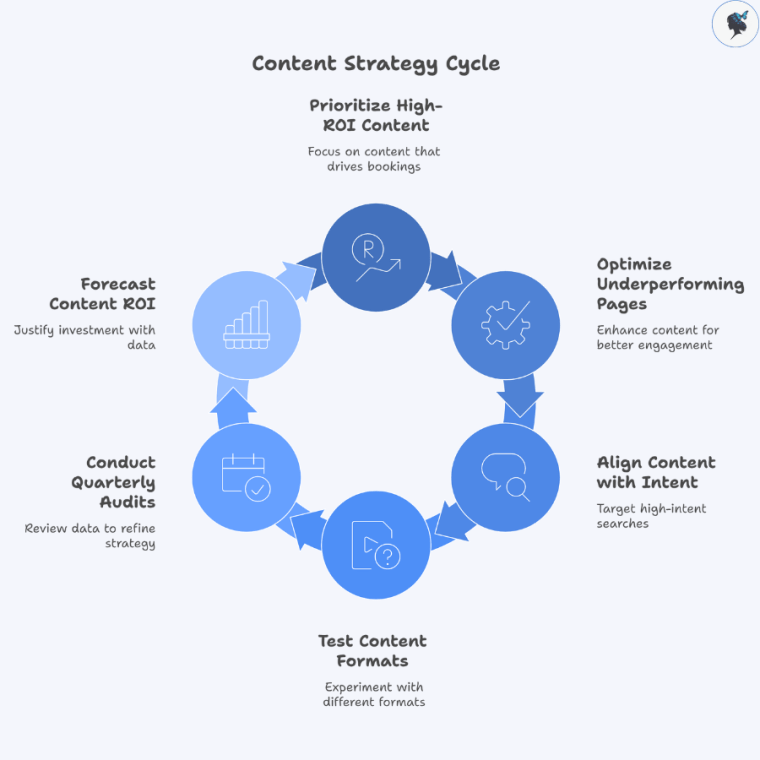
- Audit Seasonal Content Regularly: Update guides, remove outdated information, and fix broken links.
- Focus on Long-Tail Keywords: Target queries like “best cherry blossom viewing in Tokyo spring 2026” to attract high-intent travelers.
- Promote Across Channels: Use newsletters, social media, and paid search to drive traffic to spring content.
- Incorporate Multimedia: Use high-quality images, videos, and interactive maps to enhance engagement.
- Measure and Optimize: Track performance metrics using analytics tools and adjust strategy for improved results next season.
Conclusion
Spring content represents a prime opportunity for travel agencies to engage travelers during a transitional season. While challenges like limited early planning, time-sensitive events, and under-optimized SEO exist, implementing short-term fixes such as refreshing content, targeting spring-specific keywords, and leveraging UGC can quickly improve visibility and engagement.
Long-term strategies, including evergreen guides, backlink building, SERP intent insights, and local content creation, ensure that spring content remains relevant and effective year after year.
By implementing these strategies and following a structured content calendar, travel agencies can maximize engagement, improve SEO performance, and convert seasonal interest into bookings.
Start auditing your spring content today. Update guides, incorporate regional experiences, and plan early campaigns to make your spring travel offerings stand out in a competitive market.
Need help with your spring content? Contact us today!