Mastering Search Intent in the Travel Industry: A Comprehensive Guide


▶ Table of Contents
  1. Introduction
  2. Informational Search Intent
  3. Navigational Search Intent
  4. Transactional Search Intent
  5. Commercial Investigation Search Intent
  6. How to Repurpose Search Intent Content in Travel Marketing
  7. Conclusion

Introduction

Understanding search intent is essential for creating content that meets users’ needs and drives conversions, especially in the travel industry. Search intent reflects what a user wants to achieve with their query — whether it’s learning something new, finding a specific site, making a purchase, or comparing options before deciding.

This article explores the four main types of search intent: informational, navigational, transactional, and commercial investigation. For each, we’ll define what it is, explain what buyers are searching for, discuss the best types of content to match intent, provide specific travel industry examples, and suggest appropriate phrasing to optimize content.

We’ll also show how one content subject can be repurposed to target all four types of search intent effectively. Whether you run a travel blog, agency, or booking platform, mastering search intent can elevate your SEO and user engagement to new heights.


Informational Search Intent

What is Informational Search Intent?

Informational search intent is when users seek knowledge, answers, or insights without necessarily wanting to make a purchase or visit a specific site immediately. These queries are driven by curiosity or a need to solve a problem, making them an essential first step in the travel research process. Typical informational queries often include question words like “how,” “what,” “why,” or “tips,” and they aim to educate or inform.

This type of intent is crucial for travel brands aiming to build authority and trust, as users often rely on the information found to make future travel decisions. Informational queries also help brands identify emerging travel trends and traveler concerns, allowing them to tailor their content accordingly. Optimizing content for informational intent can also capture a larger share of organic traffic early in the travel planning funnel.

What the Buyer is Searching For in Travel

Travelers with informational intent might be exploring potential destinations, seeking advice on packing, or learning about cultural norms. For example, a traveler may search for “best time to visit Bali,” “how to get a visa for Japan,” or “what to do in Paris for first-timers.” They are gathering facts and planning, but are not yet ready to book.

Other popular informational queries include understanding local customs, safety tips, or discovering unique experiences such as “traditional festivals in Thailand” or “family-friendly attractions in Orlando.” This stage is often longer in the travel industry due to the complex decision-making involved with logistics, budgets, and preferences. Travel brands that provide comprehensive and engaging informational content can nurture potential customers and keep them returning to their site.

Types of Content for Informational Intent

Content that performs well here includes detailed blog posts, how-to guides, FAQs, travel tip lists, infographics, and videos that answer common traveler questions. For example, an airline might publish a blog titled “How to Navigate Airport Security Quickly” or a travel agency could create an infographic on “Top 10 Beaches in the Caribbean.”

Podcasts interviewing travel experts or virtual tours showcasing destinations also engage users with informational intent. Content that addresses frequently asked questions related to travel documentation, health precautions, or currency exchange rates can be particularly useful. Ensuring content is easy to read and visually engaging will help retain visitor attention and reduce bounce rates.

Specific Travel Industry Examples

  • Best time to visit Bali
  • How to pack for a European summer trip
  • Visa requirements for US citizens traveling to Japan
  • What to expect during a safari in Kenya
  • Travel health tips for South America
  • How to find vegetarian restaurants in Barcelona

Appropriate Phrasing to Use

Use phrases like “how to,” “tips for,” “what is,” “guide to,” and “best way to” in your titles and metadata. Examples tailored to travel include “How to choose the best travel insurance,” “Tips for solo travel in Europe,” or “Guide to budget-friendly flights to Asia.”

Incorporate long-tail keywords and question-based queries that match conversational search patterns. Using geographic modifiers (e.g., “in Bali,” “for families”) helps capture localized search intent. Titles that promise clear benefits or solutions tend to perform better with informational intent users.


What is Navigational Search Intent?

Navigational intent is focused on locating a specific website, brand, or online destination. Users already have a brand or service in mind and are looking to find its official webpage or app. This is common when travelers want to book through a known platform or check their booking status.

Often, these queries include brand names combined with specific services or actions, such as “booking” or “customer support.” A strong brand presence in navigational searches reflects customer loyalty and recognition in the travel market. Failing to optimize for navigational intent can result in missed opportunities from highly motivated users.

What the Buyer is Searching For

Travelers might search for “Expedia flight booking,” “Airbnb login,” or “TripAdvisor hotel reviews” because they want to reach these platforms directly. This intent reflects brand recognition and a desire for easy access to specific services.

Sometimes navigational searches include queries for local offices, mobile apps, or loyalty program pages to manage bookings or rewards. Users expect fast-loading pages and mobile-friendly interfaces when navigating to these sites. Search engines prioritize authoritative branded pages for these queries, making SEO for branded terms critical.

Types of Content for Navigational Intent

The content that satisfies navigational intent includes homepages, branded landing pages, login portals, and mobile app download pages. A travel agency’s homepage optimized for branded searches or a cruise line’s member login portal are prime examples.

Additionally, FAQs, customer support pages, and account management portals support navigational intent by providing user-focused pathways. Ensuring metadata and page titles include brand keywords helps reinforce navigational relevance. Clear calls to action like “Sign In” or “Book Now” enhance user experience on these pages.

Specific Travel Industry Examples

  • Expedia flight booking
  • Airbnb login
  • TripAdvisor hotel reviews
  • Hilton Honors login
  • Delta Airlines check-in
  • Booking.com customer service

Appropriate Phrasing to Use

Include exact brand names, product names, and terms like “official site,” “login,” “customer support,” or “app download.” Examples: “Official Hilton Hotels website,” “Delta Airlines check-in,” or “Marriott Rewards login.”

Branded keywords combined with specific service words improve click-through rates and user satisfaction. Ensure consistency in brand naming conventions and terminology across all digital assets. Localizing branded pages (e.g., “Expedia Canada login”) can also capture region-specific navigational searches.


Transactional Search Intent

What is Transactional Search Intent?

Transactional intent signals that the user is ready to take action—usually a purchase or booking. In travel, this often means buying tickets, reserving hotel rooms, or purchasing travel packages. These queries indicate a strong buying intent.

This intent is characterized by urgency or intent to complete the transaction quickly, often including price sensitivity or desire for deals. Travel brands must provide clear, frictionless pathways to conversion to capitalize on transactional queries. Mobile optimization and trust signals like secure checkout icons increase conversion rates for transactional searches.

What the Buyer is Searching For

Examples include “book flights to Paris,” “cheap hotel deals in New York,” or “car rental discounts at LAX.” Travelers at this stage are focused on completing transactions and expect clear, easy booking paths.

Searches may also include filters like dates, class preferences, or package inclusions to find the best options available. Limited-time offers and promotional codes often appear in these queries as travelers hunt for savings. Brand names combined with booking terms (e.g., “Expedia Paris flight deals”) are common transactional searches.

Types of Content for Transactional Intent

This intent is served by booking pages, product or service pages, checkout flows, and pages promoting limited-time offers or discounts. For example, an airline’s flight booking interface or a travel agency’s deals page.

Dynamic pricing tools and customer reviews on booking pages also help users feel confident in their purchase decisions. Offering flexible cancellation policies and highlighting trust badges can alleviate buyer hesitation. Prominent call-to-action buttons like “Reserve Now” or “Buy Tickets” are crucial.

Specific Travel Industry Examples

  • Book flights to Paris
  • Cheap hotel deals in New York
  • Car rental discounts at LAX
  • All-inclusive Caribbean resort packages
  • Last-minute cruise deals

Appropriate Phrasing to Use

Use verbs like “buy,” “book,” “reserve,” “discount,” “deals,” “tickets,” and “offers” in the travel context. Examples: “Book cheap flights to Rome,” “Reserve beachfront hotels in Cancun,” or “Discounted ski resort packages.”

Including urgency phrases such as “today,” “now,” or “limited time” can increase click-through and conversions. Using price qualifiers (e.g., “under $500”) also attracts budget-conscious travelers. Clear and concise calls to action paired with promotional language resonate well with transactional intent users.


Commercial Investigation Search Intent

What is Commercial Investigation Search Intent?

Commercial investigation indicates users are evaluating options before making a purchase decision. This is a mid-funnel intent where travelers compare brands, services, prices, or reviews to inform their choice. These queries show intent to buy but require more information first.

Travelers in this phase may be narrowing down destinations, comparing airline classes, or reviewing hotel amenities. Brands that provide detailed comparisons, customer testimonials, and transparent pricing gain an advantage. Investing in interactive content like calculators or quizzes can engage users performing commercial investigations.

What the Buyer is Searching For

Examples include “best airlines for international travel,” “compare all-inclusive resorts in Mexico,” or “top-rated family-friendly hotels in Orlando.” Buyers want detailed insights to weigh their options carefully.

Other searches include “reviews of budget airlines,” “car rental insurance options,” and “travel credit card comparisons.” Searchers expect impartial, data-driven content that aids their decision-making. Including user-generated content such as ratings and real traveler photos helps build trust.

Types of Content for Commercial Investigation Intent

Helpful content includes detailed comparison charts, buyer guides, reviews, testimonials, FAQs, and pricing breakdowns. For example, a travel blog comparing flights on major airlines or a site featuring resort reviews.

Video testimonials or influencer travel vlogs can personalize recommendations and increase trust. Creating downloadable checklists or guides aids users in evaluating options offline. Providing clear links to booking pages once users decide simplifies their journey.

Specific Travel Industry Examples

  • Best airlines for international travel
  • Compare all-inclusive resorts in Mexico
  • Top-rated family-friendly hotels in Orlando
  • Best travel insurance for seniors
  • Compare budget vs luxury cruises
  • Top-rated travel backpacks for hiking

Appropriate Phrasing to Use

Use words like “best,” “compare,” “review,” “top,” “vs,” and “recommendations.” Examples: “Best travel credit cards for rewards,” “Compare airlines for comfort,” or “Top-reviewed beachfront hotels.”

Incorporate both branded and generic terms to capture broad and specific comparisons. Utilize long-tail keywords with geographic or demographic qualifiers for targeted traffic. Phrases that suggest thorough evaluation and user trust are effective here.


How to Repurpose Search Intent Content in Travel Marketing

Repurposing Informational Content

Travel companies can transform informational blog posts into engaging video tutorials, infographics, or podcasts. For instance, a blog post titled “How to Pack Efficiently for a Two-Week Trip” can be converted into a step-by-step video guide showing packing hacks. This format appeals to visual learners and is highly shareable on social media platforms like Instagram or TikTok.

Another approach is creating downloadable checklists or e-books from popular informational articles, offering added value and lead generation opportunities. Additionally, webinars or live Q&A sessions based on informational topics can foster community engagement and position the brand as an expert resource. This diversified content format ensures that the travel brand reaches audiences across multiple platforms, increasing overall engagement.

Repurposing Navigational Content

Branded navigational content such as login portals or booking pages can be enhanced with user-friendly tutorials and walkthrough videos demonstrating how to use the platform. For example, a video titled “How to Use the Hilton Honors App for Faster Booking” can reduce user friction and increase loyalty. FAQs and chatbots built around navigational queries help users find answers quickly without leaving the website.

Furthermore, branded mobile apps can incorporate push notifications that remind users about upcoming trips or exclusive deals, encouraging repeat visits. Repurposing this content into newsletters or user guides can keep customers informed about new features or policies, improving overall user satisfaction.

Repurposing Transactional Content

Transactional content like booking pages or deal promotions can be repurposed into flash sale announcements, email campaigns, and social media countdown posts to create urgency. For example, a “48-hour flight deal to Rome” can be promoted via Instagram Stories with swipe-up booking links, driving immediate conversions. Incorporating customer testimonials and real-time reviews into transactional pages can also boost confidence and reduce hesitation.

Interactive pricing calculators or comparison widgets help travelers find the best options directly on transactional pages. Offering downloadable vouchers or promo codes through transactional content increases perceived value and encourages users to finalize purchases promptly.

Repurposing Commercial Investigation Content

Comparison articles and buyer guides can be turned into interactive quizzes or decision trees that help travelers choose the best airline or hotel based on their preferences. For example, a quiz like “Which Caribbean Resort Fits Your Vacation Style?” makes the evaluation process engaging and personalized.

Video comparisons featuring side-by-side pros and cons of different travel packages appeal to visual decision-makers. Creating podcast episodes where experts discuss various travel options or interview satisfied customers adds credibility and depth. Detailed email drip campaigns based on commercial investigation content can nurture leads by providing timely tips and exclusive offers tailored to the user’s interests.

Creating content that addresses each search intent is crucial to capturing travelers at every stage of their journey. One highly effective strategy is repurposing a single content subject to serve informational, navigational, transactional, and commercial investigation intents. This approach maximizes content value, boosts SEO, and creates a seamless user experience. Here are four travel-related examples showcasing this technique in action.


Visiting Paris

  • Informational: “Top 10 Things to Know Before Visiting Paris” – An engaging guide packed with cultural tips, travel hacks, and essential sights.
  • Navigational: “Official Paris Tourism Website” – Directs users to the city’s official portal for trusted travel resources and events.
  • Transactional: “Book Your Paris City Tour Tickets Now” – Clear call to action to purchase tours and experiences.
  • Commercial Investigation: “Best Paris City Tours Compared: Prices, Reviews, and Highlights” – A detailed comparison helping travelers pick the right tour.

Exploring Bali

  • Informational: “Ultimate Guide to Exploring Bali: Attractions, Culture, and Tips” – Comprehensive information on must-see spots and travel advice. (23)
  • Navigational: “Official Bali Tourism Board Website” – The authoritative source for Bali travel details and updates.
  • Transactional: “Book Bali Adventure Tours and Activities Online” – Enables easy booking of popular excursions.
  • Commercial Investigation: “Best Bali Adventure Tours Compared: Prices, Reviews & Highlights” – A thorough comparison to help travelers decide.

Travel Insurance for Europe

  • Informational: “What You Need to Know About Travel Insurance for Europe” – Explains coverage options and why insurance matters.
  • Navigational: “Official Travel Insurance Provider Portal” – Direct access to the provider’s website.
  • Transactional: “Buy Travel Insurance for Europe Trips Today” – Encourages purchase with straightforward messaging.
  • Commercial Investigation: “Top Travel Insurance Plans for Europe: Reviews and Comparison” – Offers an unbiased overview of options.

Packing Tips for a Caribbean Cruise

  • Informational: “Essential Packing Tips for Your Caribbean Cruise” – Helps travelers prepare for weather, excursions, and onboard needs.
  • Navigational: “Official Cruise Line Packing Checklist Page” – Provides a trusted packing list on the cruise line’s site.
  • Transactional: “Shop Cruise Travel Essentials and Packing Gear” – Links to products suited for cruise travel.
  • Commercial Investigation: “Best Travel Bags and Gear for Caribbean Cruises: Buyer’s Guide” – Reviews and recommends gear options.

Conclusion

Mastering search intent is a game-changer for travel marketers aiming to connect with their audience at every stage of the buyer’s journey. By understanding the unique needs behind informational, navigational, transactional, and commercial investigation queries, you can craft tailored content that resonates deeply and drives meaningful engagement.

Whether you’re educating travelers with rich guides, guiding them to your branded platforms, facilitating seamless bookings, or helping them compare options before deciding, aligning your content strategy with search intent maximizes both traffic and conversions. Additionally, repurposing content across these intent types not only broadens your reach but also ensures you meet travelers wherever they are in their planning process. In a competitive travel market, a nuanced approach to search intent isn’t just smart—it’s essential for sustained growth and loyal customer relationships.

Contact us today if you’re ready to sail to SEO success!


Meta Title & Description Optimization: On-Page SEO for Travel Companies


▶Table of Contents

Introduction

In today’s competitive digital landscape, optimizing your meta title and meta description is a critical part of on-page SEO for your travel business. These two elements not only help search engines understand your content but also influence whether users will click on your site when it appears in search results.

As part of our Wander-Ready Web package, we focus on improving your website’s on-page optimization through strategic meta title and meta description optimization. These small yet powerful elements can significantly impact your SEO performance, leading to better rankings, higher click-through rates (CTR), and ultimately more bookings for your travel company.


1. What is Meta Title & Description Optimization?

Meta Title and Meta Description are HTML elements embedded in the head section of your website. They provide search engines and users with a brief understanding of the content of a page. While they are not visible on the page itself, they are crucial for SEO.

Meta Title

The meta title is the clickable headline that appears in search results. It serves as the first impression a user has of your page, and it plays a vital role in SEO. It must accurately reflect the content of the page while also incorporating your target keywords. The meta title is one of the first factors search engines consider when ranking a page.

For example, for a page on luxury tours to Europe, your meta title might be:
“Luxury Europe Tours – Best Vacation Packages with Wander.”

Meta Description

The meta description is a short, concise snippet that summarizes the content of the page. While it doesn’t directly impact search rankings, it influences the CTR, which indirectly affects rankings. A well-written meta description can convince users that your page has what they’re looking for.

For example, the meta description for the same page might read:
“Explore Europe in style with Wander’s luxury tours. Book now for an unforgettable European vacation featuring personalized experiences and expert guides.”


2. How to Optimize Meta Titles & Descriptions for Travel Websites

Meta title and meta description optimization is an integral part of on-page SEO.

Follow these actionable steps to optimize these elements for better performance on search engines:

Step 1: Research the Right Keywords

Before you can optimize your meta title and description, you need to identify the right keywords. Use tools like Google Keyword Planner, Semrush, or Ahrefs to find relevant keywords that align with what your target audience is searching for.

  • Focus on long-tail keywords for better targeting. For example, “best luxury tours in Italy” is more specific and likely to attract high-intent visitors than a generic keyword like “luxury tours.”
  • Ensure the keyword is highly relevant to the content of the page and aligns with searcher intent.

For more about long-tail keywords, check out our post: Identifying long-tail keywords.

Step 2: Craft an Optimized Meta Title

Your meta title should be clear, concise, and compelling. Here’s how you can optimize it for better results:

  • Keep it under 60 characters: Search engines typically display only the first 50-60 characters of the meta title, so make sure your important keywords appear within this limit.
  • Incorporate primary keywords early: Place your main keyword near the beginning of the title for better visibility and relevance.
  • Branding: If there’s room, include your brand name. This helps with brand recognition, especially for travel companies.
  • Create a sense of urgency or value: Phrases like “Book Now”, “Discover Today”, or “Exclusive Deals” can prompt users to click your link.

Step 3: Craft an Optimized Meta Description

The meta description is your opportunity to summarize the value of the page. Here’s how to optimize it:

  • Keep it under 160 characters: Google typically displays only the first 150-160 characters, so it’s essential to keep it concise while still conveying the value.
  • Use relevant keywords: Incorporate your target keywords but avoid keyword stuffing. The meta description should read naturally.
  • Make it compelling: Highlight the unique value your travel business offers, such as “exclusive deals”, “personalized tours”, or “expert guides”. Include a strong call to action like “Book Today” or “Get Started.”
  • Accurate summary: Ensure the meta description accurately reflects the content of the page to avoid bounce rates.

Step 4: Test & Refine

Once your meta titles and descriptions are optimized, it’s essential to track how they perform. Monitor key metrics like CTR (click-through rate) and make adjustments as needed. If one meta title or description is underperforming, A/B test variations to see which resonates best with your audience.


3. Why Meta Title & Description Optimization is Important for Travel Companies

Effective meta title and meta description optimization isn’t just about improving rankings; it’s about getting the right travelers to click through to your website.

Here’s why it’s crucial for travel companies:

1. Improved Click-Through Rate (CTR)

The meta title and description are the first things a potential customer sees in the search engine results. If they’re engaging, users are more likely to click on your link. An optimized meta title and description can make your travel website stand out among your competitors, increasing your CTR.

2. Increased Organic Traffic

A higher CTR signals to Google that your page is relevant to users, which can result in improved rankings over time. By optimizing your meta tags, you’re more likely to attract organic traffic, leading to increased bookings, inquiries, and leads.

3. Better User Experience

Well-crafted meta titles and descriptions help set clear expectations for the user. They ensure the content is relevant to what the searcher is looking for, reducing bounce rates and improving overall user satisfaction.

4. More Relevant Traffic

By targeting the right keywords and addressing the specific needs of travelers in your meta title and description, you’ll attract a more relevant audience. This can lead to higher conversion rates since you’re reaching people who are genuinely interested in your services.


4. Maximize Your Travel Business’ Visibility with Wander-Ready Web

Meta title and description optimization is just one part of on-page SEO, but it’s an essential one. By optimizing these elements, you can increase visibility, improve CTR, and attract high-quality traffic to your travel website. With Wander-Ready Web, we ensure that every aspect of your on-page optimization is in place for maximum impact.

Here’s how Wander-Ready Web can help:

  • Keyword Optimization: We conduct keyword research to identify high-traffic, relevant keywords related to your travel services.
  • Meta Title & Description Optimization: We provide optimization suggestions for your top 5 pages focusing on best practices.
  • Header Tag Optimization: We provide suggestions for optimizing your header tags for the same 5 pages, with expert insights for future strategy to enhance readability and help search engines better understand your travel offerings.
  • Image Optimization & Alt Text: We provide tips for image optimization and alt text for 5 images from the same 5 pages, with expert advice for future image strategy.

Ready to optimize your meta title and description for higher rankings and more bookings? Wander-Ready Web is your go-to solution for expert on-page SEO tailored specifically to the travel industry.

Contact us today to get started and let us help you create compelling meta tags that drive results!


How to Choose the Right Keywords for Your Travel Blog’s SEO Strategy


▶ Table of Contents
  1. Introduction
  2. Solo Female Travel
  3. Budget Travel
  4. Luxury Travel
  5. Family Travel
  6. Eco Travel
  7. Wanderlust Keywords: Your Keyword Solution

Introduction

In today’s digital landscape, the success of your travel blog can hinge on how effectively you harness the power of search engine optimization (SEO). A key element of any robust SEO strategy is selecting the right keywords that capture the essence of your niche while resonating with your target audience. Whether you are targeting digital nomads, globe-trotters with luxurious tastes, budget adventurers, families in search of memorable vacations, or eco-conscious wanderers, the right keywords can mean the difference between your blog being discovered or lost in the vast online travel space.

Understanding your audience’s search behavior is essential, and this begins with deep market research. You’ll need to examine the language your potential readers use, the questions they ask, and the destinations they dream about. In the travel industry, where trends ebb and flow, an effective keyword strategy not only draws traffic but also builds credibility. This article will guide you through developing a keyword approach that aligns with your travel niche, supports organic growth, and ultimately increases the visibility of your blog.

The journey begins by exploring specific travel segments. In the following sections, we dive into five sub-niches of travel: solo female travel, budget travel, luxury travel, family travel, and eco travel. By the end of this guide, you’ll have the insights you need to choose the right keywords and develop an SEO strategy that attracts and engages travelers from every corner of the globe.

Solo Female Travel

For travel bloggers focusing on solo female journeys, understanding your audience’s unique needs is essential. Solo travelers often prioritize safety, flexibility, and authentic local experiences; thus, your keyword research must reflect these values. Start by considering long-tail keywords that combine location names with “safe for solo female travel” or “women travel alone” to capture specific search queries. This means using tools such as Google Keyword Planner and Semrush to identify phrases with less competition but high relevance to your niche. Craft your content to emphasize empowerment, responsible travel practices, and tips for navigating unfamiliar destinations solo.

In refining your keyword strategy, consider integrating data that underscores the market’s potential. For instance, according to Booking.com’s 2024 Travel Trends survey, 35% of U.S. female travelers cite safety concerns as their top worry. This statistic not only validates the importance of safety-related keywords but also provides a direction for content that offers tangible advice on safe travel practices. By tailoring your articles to include sections on safety tips, emergency contact information, and destination-specific security advice, you can naturally embed these high-intent keywords.

A prominent and successful example of a solo female travel blog is Adventurous Kate, founded by Kate McCulley. Since embarking on her solo travels in 2010, Kate has visited over 89 countries, sharing her experiences to empower women to travel independently and safely. Her blog offers comprehensive destination guides, safety tips, and personal narratives that resonate with solo female travelers worldwide. Through consistent, SEO-optimized content, Adventurous Kate has built a strong online presence, attracting a dedicated readership seeking authentic and practical travel advice.

Another noteworthy example is The Blonde Abroad, created by Kiersten Rich. Launched in 2011, this blog focuses on solo female travel, providing resources ranging from destination guides to travel photography tips. Kiersten’s engaging writing style and visually appealing content have garnered a substantial following, establishing The Blonde Abroad as a go-to resource for women seeking inspiration and guidance for solo adventures.

Both of these blogs exemplify how targeted, well-crafted content can effectively engage and grow an audience within the solo female travel niche.


Budget Travel

Travelers on a budget are always on the lookout for ways to maximize experiences without overspending. For travel blogs aimed at this segment, keyword research should be geared toward cost-saving tips, inexpensive destination guides, and insider advice on scoring deals. Begin by brainstorming keywords that incorporate terms like “budget,” “cheap,” “affordable,” and “discount” alongside destination-specific words. Utilizing free keyword research tools, you can generate a list of high-volume search phrases that include modifiers and local terms, such as “budget travel Europe” or “cheap adventure vacations.” It’s vital to identify not only broad keywords but also niche-specific long-tail variations that capture the intent of frugal travelers.

In this market, data can empower your content strategy. A recent study commissioned by eDreams ODIGEO, conducted by OnePoll, reveals that 84% of consumers are prioritizing travel within their personal budgets in 2024, despite the prevailing macroeconomic challenges. This statistic underscores the significance of budget considerations in travel planning, highlighting a trend where travelers are keen on maximizing value for their money. With this information in hand, you can focus on integrating price-comparison tips, budget itineraries, and seasonal travel deals into your blog. By doing so, you’ll be tapping into a segment that is actively searching for advice on getting the most value out of their trips.

A notable and successful example of a budget travel blog is Nomadic Matt, founded by Matthew Kepnes. Since its inception in 2008, Nomadic Matt has become one of the most recognized resources for budget travelers, offering comprehensive guides, tips, and strategies to travel the world affordably.

Matthew Kepnes, also known as Nomadic Matt, is an American travel blogger who began his journey after a transformative trip to Thailand in 2005. This experience inspired him to quit his job, complete his MBA, and embark on global travels, documenting his experiences and insights on his blog. Over the years, he has visited more than 100 countries, sharing practical advice on how to travel on a budget, including tips on finding affordable accommodations, saving on flights, and making the most of travel rewards programs.

Nomadic Matt’s blog has garnered a substantial following, attracting over 1.4 million visits per month. His book, How to Travel the World on $50 a Day, became a New York Times bestseller, further establishing his authority in budget travel. Through his platform, Matthew continues to inspire and educate travelers on how to explore the world without breaking the bank.


Luxury Travel

Luxury travel is defined by exclusivity, personalized service, and exceptional experiences. In this niche, the keywords you choose must evoke a sense of sophistication and refinement. Begin by researching terms that resonate with affluent travelers, such as “luxury escapes,” “bespoke travel experiences,” “five-star vacations,” and “exclusive resorts.” Using premium tools like Ahrefs and Moz can help you gauge both search volume and competition for high-end travel phrases. Remember, many luxury travelers seek unique experiences that go beyond generic travel advice; therefore, your content should reflect an elevated level of detail, including recommendations for private tours, gourmet dining, and upscale accommodations.

Data plays a crucial role in validating your strategy within the luxury sector. According to Virtuoso’s 2024 Trend Report, requests for exceptionally high-end experiences have increased for 89% of Virtuoso advisors. This surge encompasses exclusive-use experiences such as VIP transportation, luxury yachts, private residences, and itineraries that offer next-level stimulation and engagement. These findings highlight the growing demand for bespoke and personalized travel experiences among luxury travelers. This statistic highlights that high-net-worth individuals use refined search terms when planning their trips. It provides a powerful cue to incorporate keywords that emphasize personalization and exclusivity into your blog posts. Focusing on these key phrases—combined with content that highlights unique luxury services—can help set your blog apart from competitors and attract discerning audiences.

Virtuoso is a leading global network specializing in luxury and experiential travel, widely recognized for its high-end offerings and elite travel advisor network. From an SEO standpoint, Virtuoso excels due to its strong domain authority and highly optimized content structure. Its website features rich destination pages, luxury hotel listings, and curated experiences tailored to affluent travelers, all crafted with relevant, high-intent keywords. This content strategy helps Virtuoso rank for competitive search terms like “luxury travel advisor,” “exclusive travel experiences,” and “best luxury resorts,” attracting organic traffic from users actively seeking premium travel planning services.

In addition to its destination and service pages, Virtuoso maintains a robust content marketing strategy through its blog and digital magazine, which publish editorial-quality articles covering travel trends, seasonal destinations, and insider tips. These content pieces are not only engaging but also SEO-optimized, increasing visibility for long-tail keywords and featured snippets. Combined with a strong backlink profile from high-authority travel publications and news outlets, Virtuoso maintains a dominant presence in luxury travel search results, effectively driving high-value leads to its network of advisors.


Family Travel

When it comes to family travel, the journey is as important as the destination. Parents, often planning trips on tight schedules and budgets, look for destinations that cater to both adults and children. The keyword strategy for this segment should capture search terms like “family vacation ideas,” “kid-friendly resorts,” and “multi-generational travel.” Begin with a comprehensive list of terms generated through a combination of keyword research tools (e.g., Ubersuggest, Google Trends) and by analyzing competitor blogs in the family travel space. Enrich your content with practical advice, itineraries that address the needs of both parents and children, and engaging travel narratives that provide value for the entire family.

Statistics help reinforce the market’s dynamics in this niche. A survey conducted by Hilton, involving over 13,000 travelers, found that approximately 70% of respondents with children choose vacation destinations based on their children’s preferences. This figure not only points to the importance of including family-oriented keywords in your SEO strategy but also validates the integration of practical travel guides into your content. Incorporating these specific search terms and backing them up with supportive data can help attract the attention of families who are actively searching for travel solutions that balance fun and convenience.

A real-life example of effective family travel SEO comes from the blog “Adventures with the Littles.” This blog has successfully tapped into the family travel market by weaving practical advice with engaging storytelling. By targeting keywords such as “best family vacation spots” and “affordable kid-friendly hotels,” the blog managed to build a community of parents who rely on its in-depth reviews, travel tips, and destination guides. The blog’s consistent emphasis on safety, affordability, and engaging activities for children has translated into increased organic traffic and a robust social media following. This example illustrates that a keen understanding of family travel needs combined with precise keyword optimization can markedly enhance your SEO performance and reader engagement.


Eco Travel

Sustainable travel is no longer a niche trend—it has grown into a full-fledged movement that emphasizes environmental responsibility, conservation, and authentic local engagement. When developing an SEO strategy for eco travel, it is important to select keywords that reflect not just travel but also sustainability. Focus on phrases like “eco-friendly travel,” “sustainable tourism,” “green vacations,” and “responsible travel tips.” Using keyword tools combined with insights from environmental research organizations can help you uncover search terms that resonate with an audience committed to reducing their ecological footprint while exploring the world. Your content should ideally blend travel inspiration with actionable tips on how travelers can contribute to sustainable practices.

Statistics within the eco travel space underscore a significant market trend. Booking.com’s 2023 Sustainable Travel Report indicates that 81% of global travelers consider sustainable travel important, with 53% stating that recent news about climate change has influenced their travel decisions. This remarkable growth highlights that more travelers are actively seeking sustainable options and reinforces the importance of embedding eco-friendly keywords into your strategy. By creating content that focuses on low-impact travel tips, environmentally responsible accommodations, and conservation-focused activities, you can capture a substantial portion of the market that is both growing and highly motivated to make a positive impact.

Responsible Travel is a pioneering UK-based travel company that has championed ethical tourism since 2001. The company offers thousands of small-group and tailor-made holidays that are carefully vetted to ensure they align with environmental and social sustainability principles. From wildlife conservation trips to community-based cultural tours, Responsible Travel puts impact at the core of its business model. The company also advocates for transparency and activism in the tourism industry, publishing thought leadership pieces and campaigns on issues like overtourism, animal welfare, and climate change. Their commitment extends beyond operations—they actively influence policy and consumer behavior through education and campaigning.

From an SEO perspective, Responsible Travel has built a strong digital presence through a highly strategic content and keyword approach. Their site architecture includes thousands of optimized landing pages for destinations, trip types, and eco-themes—each crafted with descriptive, long-tail keywords like “responsible whale watching holidays” or “eco-friendly safaris in Africa.” The website also features detailed guides, sustainability FAQs, and blog posts that answer common user questions, improving its authority and visibility in Google’s organic search results. This content-rich strategy helps Responsible Travel attract eco-conscious travelers early in the booking journey, generating qualified traffic and reinforcing their position as a thought leader in sustainable tourism.

Wanderlust Keywords: Your Keyword Solution

We created our mini keyword package with travel companies in mind. With Wanderlust Keywords, you’ll receive:

  • Initial Keyword Discovery: Top 5 Current Keywords & position in SERPs, Monthly Search Volume, Organic Traffic and Competition of these Keywords & Top 5 Rising Keywords & position in SERPs, Monthly Search Volume, Organic Traffic and Competition of these Keywords
  • Long-Tail Keyword Identification: 20+ Long-Tail Keywords, divided into Search Intent
  • Local Keyword Focus: 20+ Local Keywords, including Search Volume and Keyword Difficulty
  • Keyword Prioritization and Strategy: Local Keywords prioritized, 15 + Suggestions for new content based on Keyword Research

Need help? Contact us today to see how we can help you in your SEO journey.

Competitor Backlink Analysis for Travel Companies: Enhance Your SEO Strategy


▶Table of Contents
  1. Introduction
  2. What is Competitor Backlink Analysis?
  3. How to Do Competitor Backlink Analysis for Your Travel Company
  4. Why Competitor Backlink Analysis is Important for Travel Companies
  5. Get Started with Wanderer’s Watchlist: Your Competitive Edge in SEO

Introduction

In the competitive world of online marketing, SEO is the backbone of digital visibility. For travel companies, ranking higher in search engine results can directly translate into increased bookings, brand awareness, and customer loyalty. But how do you gain an edge over your competitors, especially in a saturated market? The answer lies in competitor backlink analysis.

Backlinks are one of the most important ranking factors for search engines like Google, and understanding how your competitors are building their link profiles can give you a significant advantage. In this article, we’ll explore what competitor backlink analysis is, how to do it effectively, why it’s crucial for travel businesses, and how our Wanderer’s Watchlist package can help you track and outsmart your competition.


Competitor backlink analysis is the process of examining the backlinks that point to your competitors’ websites. Backlinks are external links from other websites that direct traffic to your site, and they play a vital role in determining your site’s authority, relevance, and ranking in search engines.

When you conduct a backlink analysis, you are essentially looking at the websites linking to your competitors and identifying:

  • The Quality of Backlinks: Are these links from authoritative or spammy websites? Quality backlinks have a much higher impact on SEO.
  • The Quantity of Backlinks: How many backlinks does a competitor have, and how does it compare to your backlink profile?
  • Link Sources: Where are these backlinks coming from? Are they from high-traffic travel blogs, niche industry websites, or social media platforms?
  • Anchor Text: What keywords are used in the anchor text of the backlinks? This can give you insights into the terms competitors are ranking for.
  • Link Types: Are these links from guest posts, articles, directories, or other sources? Understanding the types of backlinks your competitors are building can help you identify the most effective link-building strategies for your own website.

By analyzing your competitors’ backlinks, you can identify opportunities for link-building and discover potential weaknesses in their SEO strategy that you can take advantage of.


Effective competitor backlink analysis requires a structured and comprehensive approach. Let’s break down the steps to analyze your competitors’ backlinks and use that data to improve your travel business’s SEO strategy.

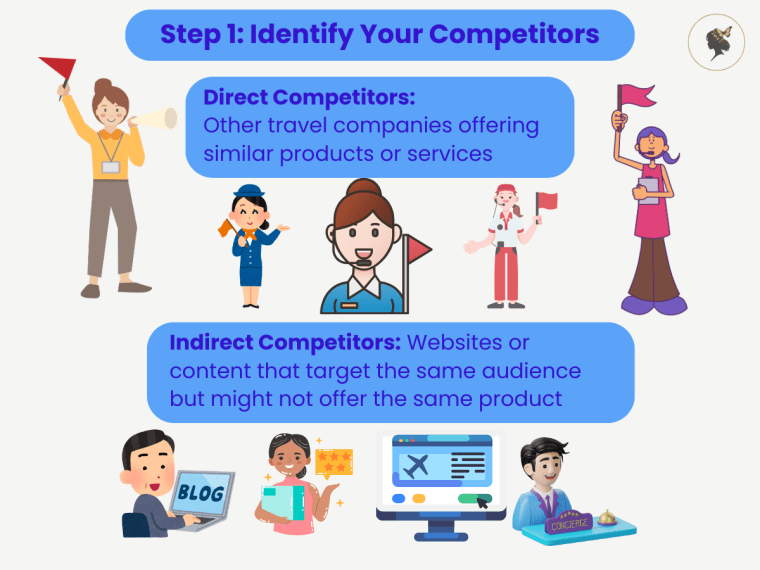
Step 1: Identify Your Competitors

Before diving into backlink analysis, you need to determine who your competitors are. These could include:

  • Direct Competitors: Other travel companies offering the same products or services (e.g., tour operators, booking agencies, and destinations).
  • Indirect Competitors: Websites like travel blogs, review platforms, or even niche content creators targeting the same audience but not offering the same service.

Use search engines or SEO tools like Semrush, Ahrefs, or Moz to identify these competitors by looking at the keywords you want to rank for and noting which websites consistently rank for those terms.

Once you’ve identified your competitors, it’s time to dive into backlink data. There are a variety of SEO tools available to conduct backlink analysis:

  • Ahrefs: Ahrefs has one of the most comprehensive backlink analysis tools, allowing you to analyze the link profile of any website. You can track the total number of backlinks, view the linking domains, and see the anchor text used.
  • Semrush: Semrush offers detailed insights into backlinks, showing you the exact pages where competitors are receiving links, the link types, and their link authority.
  • Moz Link Explorer: Moz provides a simple interface for analyzing backlinks and offers metrics such as Domain Authority (DA) and Page Authority (PA) to assess the quality of backlinks.
  • Majestic: This tool specializes in backlinks and gives you metrics like Trust Flow and Citation Flow, which can help you determine the quality of links.

These tools will provide you with valuable insights into your competitors’ backlinks, helping you see where their strength lies and where they might be lacking.

Not all backlinks are created equal. For your competitor backlink analysis to be truly valuable, you need to assess the quality and relevance of the backlinks your competitors are receiving.

  • Domain Authority: Check the authority of the domains that are linking to your competitors. High-authority domains (like popular travel publications or tourism boards) will have a bigger impact on search rankings than low-authority domains (such as spammy websites).
  • Relevance to Your Niche: For travel businesses, backlinks from travel-related websites, blogs, tourism boards, and related industry sources are more valuable than generic backlinks from unrelated sites.
  • Follow vs. NoFollow Links: Follow links pass link equity and contribute to SEO, while NoFollow links do not. A good backlink profile contains a healthy mix of both, but focus on acquiring Follow links from high-quality sources.

One of the most valuable aspects of competitor backlink analysis is identifying potential link-building opportunities.

As you analyze your competitors’ backlinks, make note of any:

  • Guest Post Opportunities: Are there industry blogs or websites that are linking to your competitors but not to you? These might be potential guest post opportunities.
  • Broken Links: Find broken or dead links on authoritative websites that could be replaced with a link to your content.
  • Content Partnerships: Look for content collaborations, co-marketing opportunities, or influencer partnerships that your competitors have leveraged successfully.
  • Directories and Listings: Explore the directories and listings where your competitors have their business listed. You might want to ensure you are included in those same directories.

By identifying where your competitors are getting their links, you can replicate their strategies and even discover better opportunities to enhance your own backlink profile.

Competitor backlink analysis is an ongoing process. Your competitors will continue to build backlinks, and you should track their progress regularly to ensure you remain competitive. Use SEO tools to set up alerts for new backlinks that point to your competitors’ websites, and adjust your own link-building strategy accordingly.


Competitor backlink analysis is a powerful tool that offers several benefits for travel businesses looking to improve their SEO strategy.

By analyzing the backlinks of top-performing travel competitors, you can uncover high-value link-building opportunities. These could include websites and blogs that are already proven to link to other travel businesses.

Backlink strategies change over time, and competitors’ link-building tactics can offer valuable insights into emerging trends in the travel industry. By keeping an eye on your competitors’ backlinks, you can adapt your strategy and avoid missing out on new opportunities.

Improve Website Authority and Ranking

Backlinks are one of Google’s most important ranking factors. By building high-quality backlinks to your travel website, you can increase its authority, improve your rankings, and drive more traffic to your site. Competitor backlink analysis helps you understand what types of backlinks work best in your niche, enabling you to build a more effective link profile.

Refine Your Content Strategy

Backlinks aren’t just about quantity—they’re also about the quality of the content they’re linked to. By studying which pages or types of content your competitors are getting backlinks for, you can refine your own content strategy to create more link-worthy content. For instance, you might discover that long-form destination guides or travel resource hubs are frequently linked to, encouraging you to produce similar high-quality content.

Optimize for Local SEO

For travel companies targeting specific destinations, local backlinks can be incredibly valuable. Through competitor backlink analysis, you can discover local websites, directories, and industry-specific portals where your competitors are getting links. This insight can help you build a local backlink strategy to improve your visibility in local search results.

For more, check out our ultimate guide to Local SEO.


Get Started with Wanderer’s Watchlist: Your Competitive Edge in SEO

Now that you understand the importance of competitor backlink analysis and how to leverage it for your travel business, it’s time to take action with Wanderer’s Watchlist. Our backlink analysis package offers:

  • Competitor Identification: A list of top 5 competitors in your niche, including domain names and a brief description of each.
  • Keyword Analysis: A breakdown of high-performing keywords used by competitors, including search volume & position in SERPs. Keyword gap analyisis, including: monthly volume, competition, and position in SERPs.
  • Backlink Analysis: A report on competitor backlink profiles, highlighting linking domains and opportunities for link building.
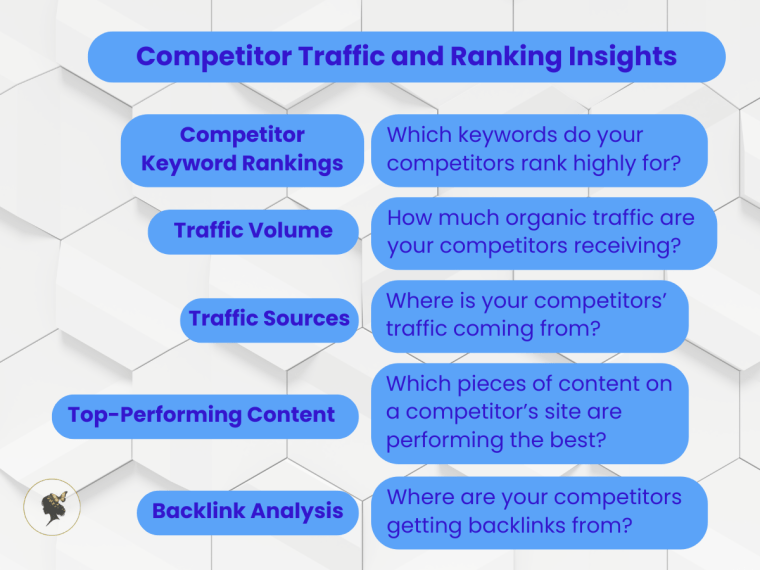
  • Traffic and Ranking Insights: An overview of estimated traffic sources and top-ranking pages for competitors, providing benchmarks for your own SEO strategy.

Ready to Unlock Your Backlink Potential?

If you’re ready to take your travel SEO to the next level and start acquiring high-quality backlinks, contact us today to learn more about how Wanderer’s Watchlist can help your travel business build a stronger, more competitive online presence.


How to Increase Organic Traffic to Your Travel Blog with Internal Linking


▶ Table of Contents
  1. Introduction

Introduction

When it comes to growing your travel blog, most people think of writing more content, targeting trending keywords, or sharing posts on social media. But there’s a powerful SEO tactic that many travel bloggers overlook: internal linking. Not only is it free, but it’s also one of the most effective ways to improve your blog’s visibility on Google, keep readers engaged longer, and guide them through your content like a well-planned itinerary.

Internal linking is the practice of linking one page of your website to another. For a travel blogger, this means connecting your Bali packing list to your Bali itinerary post or linking your digital nomad visa guide to your article about working remotely in Portugal. Done strategically, internal linking boosts your site’s structure, helps search engines understand your content hierarchy, and improves keyword rankings.

In this post, we’ll break down how to increase organic traffic to your travel blog using internal linking. We’ll walk you through five key strategies, provide real travel blog examples, and share stats to show just how impactful this technique can be.

So grab your metaphorical backpack—we’re going on an SEO journey!
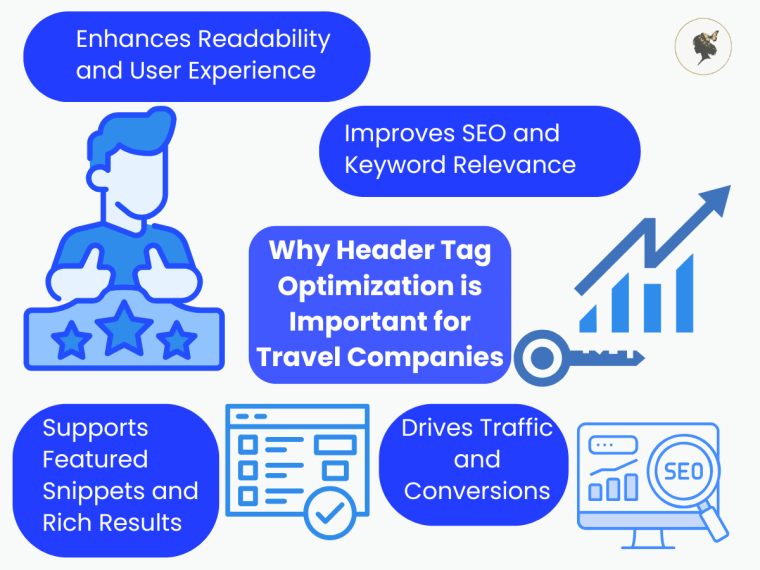

Section 1: Understand the Power of Internal Linking for SEO

The SEO Backbone of Your Travel Blog Internal linking plays a vital role in helping search engines crawl your site and understand the relationship between your content. When Google finds consistent links pointing to a specific post—say, “10 Things to Do in Tulum”—it begins to view that post as authoritative. Think of internal links as the roads that connect your blog posts into a navigable map. Without them, your blog becomes a maze of isolated pages, harder for both readers and bots to explore.

From One Destination to Another
Imagine you’ve written a post on “Backpacking Through Southeast Asia.” If you mention Thailand in that post, it’s a golden opportunity to link to your guide on “Island Hopping in Thailand.” Not only does this improve SEO by linking relevant content, but it also increases the time readers spend on your site—a signal Google loves.

In fact, Backlinko’s comprehensive guide on internal linking highlights its importance in helping Google discover, index, and understand all the pages on your site. Strategic internal linking can also distribute page authority to important pages, enhancing their visibility in search results.

Why Travel Blogs Benefit More Than Most
Travel content is naturally interconnected. A post about Rome can link to packing tips, gelato recommendations, or rail passes in Italy. This kind of structure mimics the planning process of real travelers. By creating clusters of related posts and linking between them, you’re not just pleasing search engines—you’re enhancing the user experience by making your blog feel like a personal travel assistant.


What Are Topic Clusters?
A topic cluster is a group of related articles built around a core “pillar” post. For example, a “Complete Guide to Japan Travel” could be your pillar page, supported by linked posts on Tokyo food tours, Kyoto temples, and navigating the Shinkansen. This approach creates a strong semantic relationship between your articles, which helps search engines understand your niche expertise.

Japan Cluster
Let’s say your pillar post is “Ultimate Japan Travel Itinerary.” Under that, you’ve written supporting posts like “What to Eat in Osaka,” “Cherry Blossom Season in Japan,” and “How to Use a Japan Rail Pass.” By linking each supporting post back to the main itinerary—and vice versa—you’re signaling to search engines that this is a comprehensive, well-structured topic.

HubSpot reports that topic cluster strategies can improve organic traffic by up to 51% over three months.

Keep It Natural, Not Forced
While it’s tempting to link every time you mention a related destination, overdoing it can feel spammy. Instead, think about how readers actually plan trips. If someone’s reading about budget hostels in Paris, would they also benefit from a link to your post on how to use public transit in France? If the answer is yes, link it! Keep the connections logical and helpful.

You also might be interested in our post: content every travel website should have.


Section 3: Use Anchor Text Strategically (Without Being Spammy)

What Is Anchor Text and Why It Matters
Anchor text is the clickable word or phrase that links to another page—like when you write, check out this Italy itinerary. It tells both users and search engines what kind of content they can expect. Using keyword-rich anchor text can boost SEO rankings for the target page, but only when done naturally.

Smart Anchor Text for Travel Content
Instead of linking phrases like “click here” or “this post,” use descriptive text. For example, rather than writing “read more about it here,” link with “guide to the Amalfi Coast.” This tells Google exactly what the page is about. In the travel niche, strong anchor text might look like: best time to visit Iceland, things to do in Marrakech, or digital nomad visa for Portugal.

According to Google, good anchor text is descriptive, reasonably concise, and relevant to the page that it’s on and to the page it links to.

Avoid Over-Optimization
While using keywords in anchor text is great, don’t use the exact same phrase repeatedly across your blog. Google could view this as manipulative. Mix it up: use variations like “where to stay in Bali,” “top Bali hotels,” or “Bali accommodations.” This keeps your content fresh and user-friendly while avoiding potential penalties.


Why Some Posts Deserve More Links
Not all blog posts are created equal. Some consistently bring in traffic, generate email sign-ups, or lead to affiliate conversions. These are your “high-value” pages, and internal linking can help amplify their performance. For example, if your “Ultimate Carry-On Packing List” gets consistent Pinterest traffic, link to it often from other related content.

Monetizing with Affiliate Travel Guides
Let’s say you wrote a post on “Best Travel Backpacks for Europe.” If that post includes affiliate links and converts well, you should link to it from other relevant posts like “2-Week Interrail Itinerary” or “Packing Tips for Hostels.” Every internal link increases the chances of clicks and conversions.

According to a 2021 study by Orbit Media, internal links can increase affiliate page revenue by up to 20%.

Create an Internal Linking Habit
Each time you publish a new travel post, review older posts and look for logical places to insert links. For instance, if you just published “Weekend Getaway in Prague,” go back to your “Best European Cities for Foodies” post and add a link. This ongoing linking habit builds authority across your blog and keeps old content fresh.


Use Google Search Console for Insight
You don’t have to guess whether your internal links are working. Google Search Console shows which pages are getting the most clicks and which internal links lead to traffic increases. Look at which posts rank well and check their “linked pages” to see where you might be missing opportunities.

Adjusting Based on Data
Let’s say your post on “Hiking Cinque Terre” starts ranking higher after you added five internal links pointing to it. That’s no accident—it’s proof that linking strategy works. Over time, you’ll spot patterns. Maybe posts linked in the first paragraph perform better than links buried at the bottom. Keep tweaking!

Use Plugins to Automate and Audit
If you’re on WordPress, plugins like Link Whisper can help automate internal linking suggestions and even show you orphaned posts (pages with no links pointing to them). This is especially useful for larger travel blogs.

According to Search Engine Journal, cleaning up and optimizing internal links can boost traffic by up to 40%. Set a reminder to review and optimize links quarterly—it’s an easy SEO win.


Conclusion

Internal linking might not be as flashy as writing about the latest trending destinations or snapping perfect Instagram photos, but it’s one of the most reliable and scalable ways to grow your organic traffic. By guiding your readers from one helpful post to another, you’re not just boosting your SEO—you’re creating a thoughtful, intuitive travel experience.

Think of it this way: every internal link is like a footpath between two points on a map. The more paths you create, the easier it is for your readers (and Google!) to explore everything your travel blog has to offer. Whether you’re sharing packing tips, destination guides, or digital nomad resources, linking your content together creates a cohesive ecosystem that builds trust and authority.

So next time you hit “publish,” don’t stop there. Revisit old posts. Add meaningful links. Build topic clusters. Track what’s working. These small efforts, done consistently, can lead to big results—like higher Google rankings, more email sign-ups, better affiliate revenue, and a loyal community of readers who stay for the journey.

Need more help with internal linking? Contact us today!

Competitor Keyword Analysis for Travel Companies: Discover Your Competitive Advantage

In today’s highly competitive digital landscape, travel businesses face the constant challenge of standing out online. Whether you’re a luxury tour operator, a travel agency, or an eco-tourism provider, understanding your competitors’ keyword strategies can be the key to gaining an edge in the market. Competitor keyword analysis allows you to identify the terms and phrases that your competitors are targeting, revealing opportunities to enhance your SEO and content strategies.

In this article, we’ll dive deep into competitor keyword analysis, show you how to perform it effectively, explain its significance for travel companies, and introduce you to our Wanderer’s Watchlist package—your solution for staying ahead in the competitive travel industry.


▶ Table of Contents
  1. What is Competitor Keyword Analysis?
  2. How to Do Competitor Keyword Analysis for Your Travel Company
  3. Why Competitor Keyword Analysis is Important for Travel Companies
  4. Take Action with Wanderer’s Watchlist: Start Outranking Your Competitors Today

What is Competitor Keyword Analysis?

Competitor keyword analysis involves researching and examining the keywords that your competitors are ranking for in search engines. By identifying the terms that are driving traffic to their websites, you can gain valuable insights into their SEO strategies and uncover potential opportunities for your own business.

For travel companies, competitor keyword analysis isn’t just about seeing what keywords your rivals are using. It’s about understanding the types of content and services they are offering and how they are positioning themselves within the search results. This process can also highlight keyword gaps—terms or topics your competitors might be missing, which you can leverage to get ahead in search rankings.

The Components of Competitor Keyword Analysis

Competitor keyword analysis typically includes the following components:

  • Identifying Target Keywords: The first step is discovering which keywords your competitors are ranking for, whether through organic search or paid campaigns.
  • Comparing Keyword Difficulty: Understanding how difficult it is to rank for certain keywords and whether they align with your business goals.
  • Tracking Search Volume: Knowing the search volume for keywords to determine their potential to drive traffic to your website.
  • Assessing SERP Features: Analyzing how keywords are appearing on the search engine results pages (SERPs)—for instance, whether they trigger featured snippets, local packs, or video carousels.

By gathering this information, you can better understand where to focus your efforts and which keywords offer the most promise for your travel business.


How to Do Competitor Keyword Analysis for Your Travel Company

Effective competitor keyword analysis requires a systematic approach. Below, we’ll walk you through the steps of conducting a thorough keyword analysis that can boost your travel SEO strategy.

Step 1: Identify Your Competitors

Before you can begin analyzing your competitors’ keywords, you need to identify who they are. As a travel company, your competitors might not only include other businesses in the travel sector but also any site that targets your ideal customer. This could include:

  • Direct Competitors: Other travel companies that offer similar services, such as local tour operators, online travel agencies, or niche travel businesses.
  • Indirect Competitors: Websites, blogs, or review platforms that may not offer direct services but are still competing for your target audience’s attention, such as travel bloggers or influencers in the travel space.

Use tools like Google Search, Semrush, Ahrefs, and Moz to identify who ranks for the keywords you’re interested in. Take note of businesses that show up on the first page, as these are your main competitors for that particular keyword.

For more information, check out our post: competitor identification for travel companies.

Step 2: Use SEO Tools to Gather Competitor Data

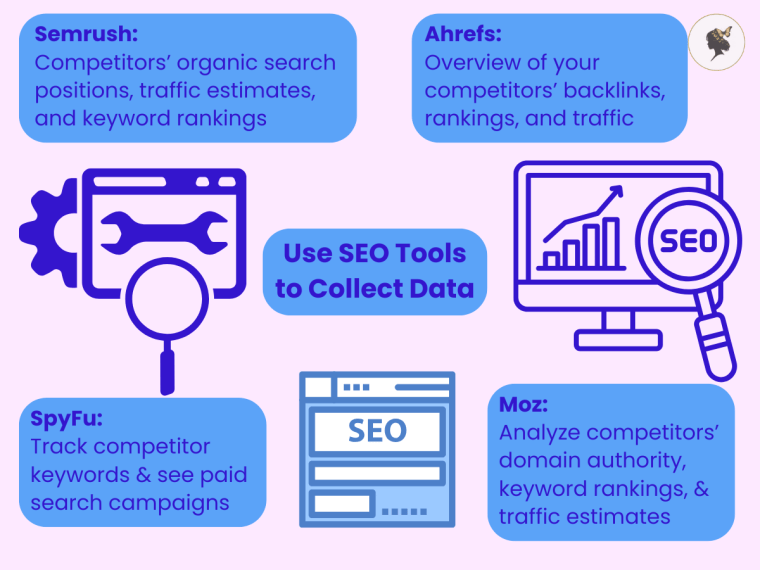
Once you’ve identified your competitors, it’s time to gather keyword data. Use SEO tools like Semrush, Ahrefs, SpyFu, and Moz to collect the following information:

  • Organic Keywords: Identify the keywords your competitors are ranking for organically.
  • Paid Keywords: Determine which keywords your competitors are targeting with paid ads (if applicable).
  • Keyword Gaps: Look for opportunities where your competitors are missing out on key keywords that are relevant to your business.

By using tools that provide a detailed overview of your competitors’ keyword strategies, you’ll be able to build a more robust and targeted SEO plan for your own travel business.

Step 3: Analyze Search Intent and Content Strategy

Competitor keyword analysis is not just about the keywords themselves but understanding the search intent behind them. Search intent refers to the goal or purpose behind a user’s search. There are four main types of search intent:

  • Informational: The user is looking for information, e.g., “best places to visit in Paris.”
  • Navigational: The user is looking for a specific website or brand.
  • Transactional: The user is looking to book, buy, or make a purchase, e.g., “book a Bali tour online.”
  • Commercial Investigation: The user is researching options before making a purchase, e.g., “luxury tours in Italy reviews.”

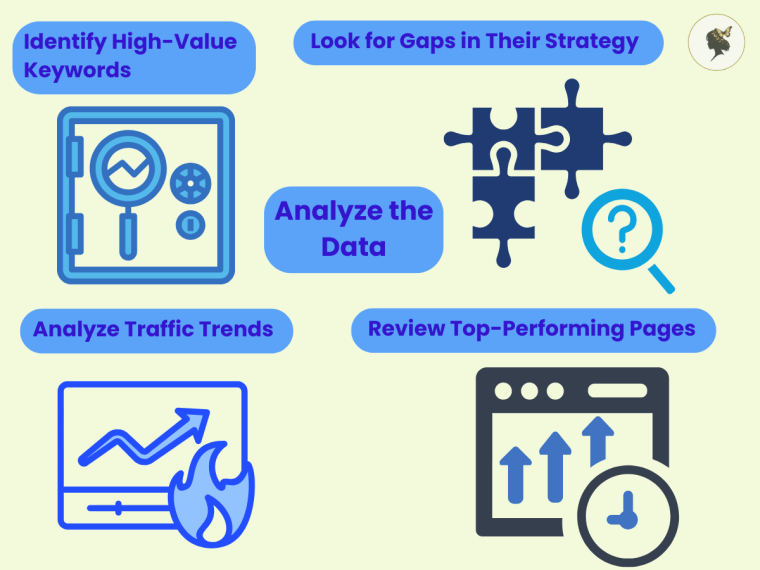
By analyzing the keywords your competitors are targeting and the content they are producing, you can determine if they are focusing on the right search intent for their audience. For example, if your competitors are ranking well for transactional keywords but failing to target informational keywords, this may present an opportunity for your business to capitalize on.

Read our guide: Mastering Search Intent in the Travel Industry.

Step 4: Assess Keyword Difficulty and Search Volume

Not all keywords are created equal. It’s important to evaluate the difficulty of ranking for each keyword as well as its search volume:

  • Keyword Difficulty: This metric tells you how competitive a keyword is. You want to target keywords that have a relatively low difficulty but still drive significant traffic.
  • Search Volume: This refers to the number of searches a keyword gets each month. High search volume is appealing, but highly competitive keywords might be harder to rank for.

Use keyword research tools like Semrush, Ahrefs, or Google Keyword Planner to analyze both metrics. Prioritize keywords that balance lower competition with high search volume, as these are likely to provide the best ROI for your travel business.

Don’t forget about Long-Tail keywords!
Step 5: Track and Monitor Your Progress

Competitor keyword analysis is an ongoing process. SEO trends change, and your competitors’ strategies evolve. It’s essential to continuously track your own rankings and compare them against your competitors. Set up regular checks on keyword rankings, monitor changes in competitor strategies, and adjust your approach accordingly.


Why Competitor Keyword Analysis is Important for Travel Companies

For travel businesses, competitor keyword analysis is a game-changer.

Uncover High-Value Keywords

By analyzing your competitors’ keyword strategies, you can identify profitable keywords that may have been overlooked in your own strategy. These gaps—whether it’s a specific destination, service, or type of travel experience—could drive valuable traffic to your website and increase bookings.

Improve SEO and Content Strategy

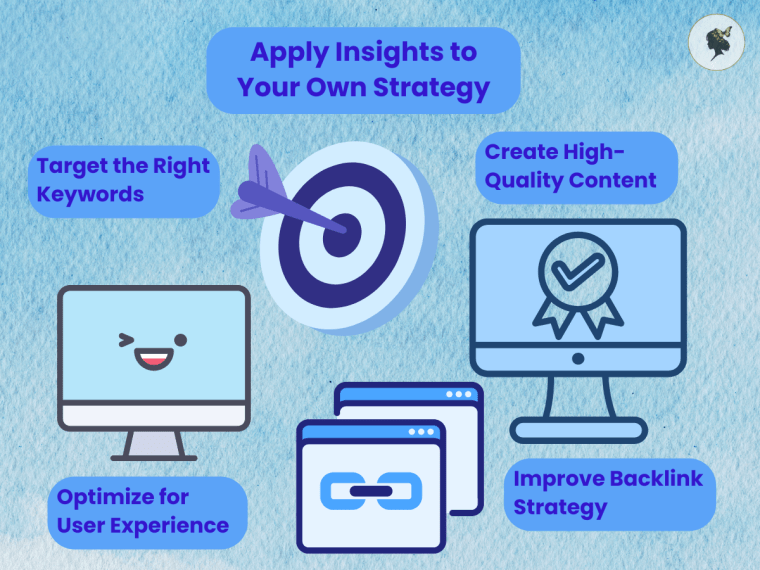
Competitor keyword analysis allows you to refine your SEO and content strategy. If you discover that your competitors are ranking well for certain long-tail keywords, you can create high-quality content around these terms to increase your visibility. This approach can help you rank for keywords you may not have targeted initially and attract customers who are looking for exactly what you offer.

By keeping an eye on the keywords your competitors are targeting, you can stay updated on the latest trends in the travel industry. For instance, if multiple competitors are focusing on a specific type of travel, such as solo travel or luxury cruises, it may signal a growing trend that you should capitalize on.

Optimize Paid Advertising Campaigns

If your competitors are using paid search ads, competitor keyword analysis allows you to assess their ad copy, target keywords, and bidding strategies. By understanding their paid strategies, you can better position your own ads to target high-converting keywords and avoid bidding wars on highly competitive terms.

Enhance Your Competitive Edge

By knowing what keywords your competitors are ranking for, you can refine your own SEO strategy to outperform them. Competitor keyword analysis helps you optimize your content for the keywords that matter most, ensuring your travel business stands out in search results.


Take Action with Wanderer’s Watchlist: Start Outranking Your Competitors Today

Now that you understand the value of competitor keyword analysis and how it can impact your travel business, it’s time to put that knowledge into action with Wanderer’s Watchlist. Our comprehensive competitor keyword analysis package provides you with:

  • Competitor Identification: A list of top 5 competitors in your niche, including domain names and a brief description of each.
  • Keyword Analysis: A breakdown of high-performing keywords used by competitors, including search volume & position in SERPs. Keyword gap analyisis, including: monthly volume, competition, and position in SERPs.
  • Backlink Analysis: A report on competitor backlink profiles, highlighting linking domains and opportunities for link building.
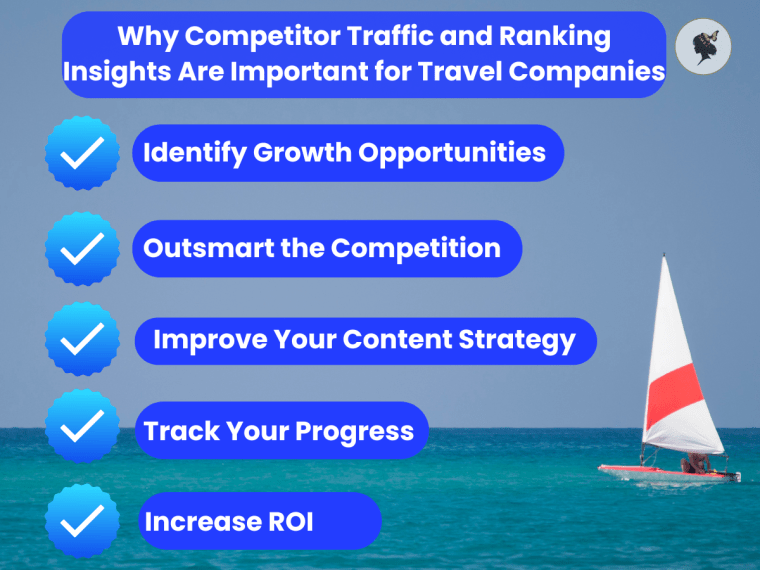
  • Traffic and Ranking Insights: An overview of estimated traffic sources and top-ranking pages for competitors, providing benchmarks for your own SEO strategy.

With Wanderer’s Watchlist, you’ll gain valuable insights into your competitors’ keyword strategies and be empowered to make smarter decisions for your travel business.

Ready to Unlock Your Competitive Edge?

If you’re ready to take your travel business to the next level and dominate the search rankings, contact us today to learn more about how we can help you identify the right keywords, optimize your content, and outsmart your competitors.


Mastering Long-Tail Keyword Identification for Travel Companies


▶ Table of Contents
  1. What are Long-Tail Keywords?
  2. How to Identify Long-Tail Keywords for Your Travel Business?
  3. Why is Long-Tail Keyword Identification Important for Travel Companies?
  4. Get Started with Wanderlust Keywords

As a travel company, ensuring that your website and content are visible to the right audience is key to driving high-quality traffic and increasing conversions. With the travel industry being incredibly competitive, it’s crucial to adopt a strategic SEO approach that helps you stand out in the digital marketplace. One of the most effective ways to achieve this is by utilizing long-tail keywords—a powerful tool for attracting the right customers and improving your rankings.

In this article, we’ll explore the concept of long-tail keyword identification, why it’s vital for your travel business, and how the Wanderlust Keywords package can help you effectively target these high-value, low-competition keywords. Whether you’re just getting started with SEO or refining your current strategy, understanding and using long-tail keywords can make all the difference in your online visibility.

What are Long-Tail Keywords?

In the world of SEO, long-tail keywords refer to search queries that are longer (usually containing three or more words) and more specific than short-tail keywords. While short-tail keywords (also known as head or seed keywords) tend to be very broad and highly competitive (think: “vacations” or “travel”), long-tail keywords are more niche and target specific search intent.

Example of Long-Tail Keywords:

  • Best family vacation packages in Europe
  • Budget-friendly honeymoon destinations in Bali
  • Affordable beach resorts in Mexico for families
  • Luxury travel experiences for solo travelers in Asia

Long-tail keywords are incredibly valuable because they allow you to target a highly specific audience with a higher likelihood of conversion. People who use long-tail keywords often know exactly what they want, meaning they’re closer to booking a trip or purchasing a service.

Why are Long-Tail Keywords Important?

Long-tail keywords have several advantages that can significantly enhance your travel company’s SEO strategy:

  • Lower competition: Since they are more specific, long-tail keywords are usually less competitive than broad search terms, allowing you to rank more easily.
  • Higher intent: Long-tail keywords reflect deeper user intent. For example, someone searching for “luxury resorts for couples in the Maldives” is more likely to book a trip than someone searching for “vacation spots.”
  • Better conversion rates: Because long-tail keywords focus on very specific needs, users who search for them are often further down the sales funnel, meaning they are more likely to convert.
  • Improved visibility in niche markets: Travel companies with a niche (luxury, eco-tourism, family-friendly, etc.) can leverage long-tail keywords to ensure they’re seen by the right audience.

As you can see, long-tail keywords are not just a trendy SEO technique—they are a strategic asset that can help travel businesses build stronger connections with their target customers.


How to Identify Long-Tail Keywords for Your Travel Business?

Now that we understand what long-tail keywords are and why they’re valuable, the next step is learning how to identify the best long-tail keywords for your travel business. With the right tools and approach, long-tail keyword identification can be straightforward. Here’s a detailed guide on how to get started:

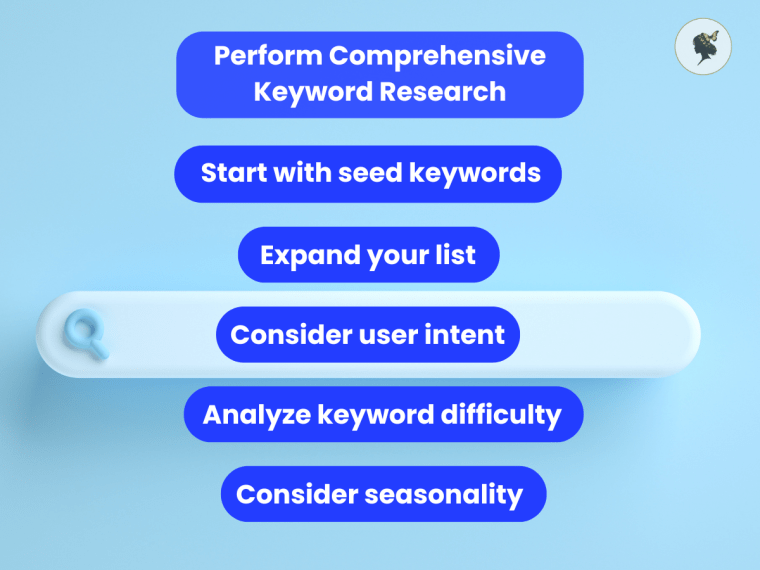
Step 1: Start with Seed Keywords

To kick off the long-tail keyword identification process, begin with seed keywords—the broad terms that are central to your travel business. These might include:

  • Travel packages
  • Luxury hotels
  • Adventure tours
  • Beach vacations
  • Honeymoon destinations

These seed keywords are the foundation of your keyword research. Once you have your seed list, you’ll start expanding it into long-tail variations that match your target audience’s search queries.

Step 2: Use Keyword Research Tools

Next, you’ll want to leverage keyword research tools to help identify long-tail variations of your seed keywords.

These tools can show you search volume, competition level, and related terms. Here are a few great tools to get started:

  • Google Keyword Planner: This free tool allows you to enter your seed keywords and see a variety of related long-tail keywords with data on their search volume and competition.
  • Ahrefs: Ahrefs is one of the most robust tools for keyword research. It shows you the exact phrases people are searching for, along with their ranking difficulty and potential traffic.
  • Semrush: Semrush provides a detailed breakdown of keyword opportunities, including long-tail keyword ideas, competition analysis, and trending keywords.
  • Ubersuggest: This tool is a great beginner-friendly option for discovering long-tail keywords, related keywords, and keyword ideas based on search volume and difficulty.
  • Answer the Public: This tool is great for finding questions and phrases that people are searching for, helping you identify long-tail queries based on user intent.

Using these tools, you can discover long-tail keywords with higher search volume and low competition, ensuring you’re optimizing for keywords that will attract qualified leads.

Step 3: Analyze Search Intent

Understanding the intent behind each keyword is crucial. Long-tail keywords are powerful because they reflect specific search intent.

There are typically four types of search intent to consider:

  • Informational: The user is seeking information (e.g., “best time to visit Paris” or “what to pack for a trip to the Alps”).
  • Navigational: The user is searching for a specific site or brand (e.g., “Hawaiian Airlines booking”).
  • Transactional: The user is ready to make a purchase or booking (e.g., “luxury beach resorts in the Maldives for honeymoon”).
  • Commercial Investigation: The user is researching or comparing options before buying. (e.g., “best all-inclusive honeymoon packages” or “top-rated safari tours in Kenya”)

For travel companies, focusing on transactional long-tail keywords (those with a high purchase intent) is especially important, as these keywords are more likely to convert into bookings.

Read more about search intent in our guide.

Step 4: Explore Competitor Websites and Content

Another great way to identify valuable long-tail keywords is by analyzing the websites and content of your competitors.

Look at:

  • Their blog posts: What topics are they covering? What keywords are they ranking for?
  • Meta titles and descriptions: Check their metadata to see what keywords they’re targeting.
  • Content gaps: Are there any long-tail keyword opportunities they’re missing that you can capitalize on?

By studying your competitors, you’ll not only identify keyword opportunities but also see how you can differentiate your content strategy to outperform them.

Not sure who your competitors are? Check out our post on competitor identification for travel companies.

Step 5: Refine and Prioritize Keywords

Once you’ve gathered a list of long-tail keywords, it’s time to refine and prioritize them.

Focus on keywords that:

  • Have a high search intent and align with your business offerings.
  • Offer low competition but significant traffic potential.
  • Match your audience’s journey, whether they are in the research phase or ready to book.

Also, be sure to balance volume with competition. Some long-tail keywords may have high search volume but also be highly competitive, while others may have lower volume but be much easier to rank for.


Why is Long-Tail Keyword Identification Important for Travel Companies?

Long-tail keyword identification is especially crucial for travel companies for several reasons:

1. Capture High-Intent Traffic

Travelers searching for specific, long-tail keywords often know exactly what they want. This means they are typically further down the sales funnel and more likely to convert. By targeting these high-intent keywords, your travel business can attract qualified leads who are actively searching for the experiences and services you offer.

2. Target Niche Markets

The travel industry is vast, and different travelers have unique needs. Whether you specialize in luxury vacations, budget travel, family-friendly trips, or adventure tours, long-tail keywords allow you to speak directly to your niche audience and address their specific concerns and desires.

3. Improve Your SEO Rankings

Long-tail keywords are typically less competitive, making it easier for you to rank for them. Since fewer businesses are targeting long-tail keywords, you’ll have a better chance of reaching the top of search engine results, improving your organic visibility.

4. Provide Content that Resonates with Users

Long-tail keywords often reflect the specific questions and concerns of travelers. By targeting these keywords, you can create content that directly answers those questions and provides real value. This builds trust with your audience, increases engagement, and encourages social sharing.

5. Increase Conversion Rates

Because long-tail keywords are more specific, they help you attract visitors who are more likely to book a service. A traveler searching for “luxury family vacation packages to Italy” is probably further down the decision-making process than someone searching for “vacation spots”.


Get Started with Wanderlust Keywords

If you’re ready to harness the power of long-tail keyword identification for your travel business, the Wanderlust Keywords package is designed to guide you every step of the way. We specialize in helping travel companies uncover high-converting, niche long-tail keywords that will help you:

  • Initial Keyword Discovery: Top 5 Current Keywords: + position in SERPs, Monthly Search Volume, Organic Traffic and Competition of these Keywords & Top 5 Rising Keywords:+ position in SERPs, Monthly Search Volume, Organic Traffic and Competition of these Keywords
  • Long-Tail Keyword Identification: 20+ Long-Tail Keywords, divided into Search Intent: Informational, Navigational, Transactional, and Commercial
  • Local Keyword Focus: 20-30 Local Keywords, including Search Volume and Keyword Difficulty
  • Keyword Prioritization and Strategy: Local Keywords will be prioritized into Search Intent, 15 + Suggestions for new content (blogs, articles…) based on Keyword Research

Our team of SEO experts will conduct in-depth keyword research, and identify opportunities that will set your travel business apart from the competition. Get in touch today to learn how Wanderlust Keywords can help you attract the right customers and achieve SEO success!

Travel Marketing Myths

(and Wander Women Hot Takes That Set the Record Straight)


▶ Table of Contents
  1. and Wander Women Hot Takes That Set the Record Straight
  2. SEO Myths Travel Brands Still Believe
  3. Content Strategy Myths Holding You Back
  4. Social Media Myths We Need to Stop Believing
  5. Travel Biz & Marketing Myths That Slow Growth
  6. Conclusion

Why These Myths Matter: In the ever-evolving world of travel marketing, outdated advice is everywhere. SEO “best practices” that once worked, content hacks from 2015, and social media tips from influencers who don’t actually sell travel services. It’s easy for travel brands to fall into traps that cost time, money, and visibility. At Wander Women Strategies, we’re here to clear the fog. Below, we’re breaking down the most common myths in travel marketing—across SEO, content strategy, social media, and business fundamentals. For each myth, we offer a no-fluff reality check: our own Wander Women Hot Take. Let’s dive in.


SEO Myths Travel Brands Still Believe

Myth #1: If you just blog regularly, Google will reward you.

Infograph: Myth #1: If you just blog regularly, Google will reward you.

Why it’s wrong:

Publishing weekly won’t matter if you’re not targeting the right search intent, keywords, or value.

Google ranks pages that serve users’ needs, not just those that update often.

Wander Women Hot Take: Blogging without a strategy is like shouting into the void. Create purposeful, search-optimized content aligned with your audience’s journey and questions. A boutique hotel in Tulum blogging every week about “travel inspiration” might not see results. But writing a strategic guide like “Where to Stay in Tulum for Couples: A 3-Day Itinerary” could rank and convert. Need ideas? Check out our post on 5 content types for travel websites.

Myth #2: Ranking #1 is the only SEO goal that matters.

Why it’s wrong:

You can rank #1 for keywords no one is searching for.

Visibility only matters if it’s in front of the right people.

Infograph: Myth #2: Ranking #1 is the only SEO goal that matters.

Wander Women Hot Take: Ranking for the wrong keywords = ranking for crickets. Focus on traffic that converts, not just vanity metrics. A safari company ranking #1 for “African wildlife facts” may get clicks, but not bookings. Ranking on page one for “best Kenya safari tours” is what actually drives leads.

Myth #3: Meta descriptions affect rankings.

Infograph: Myth #3: Meta descriptions affect rankings.

Why it’s wrong:

Google has confirmed they don’t use meta descriptions as a ranking factor.

Wander Women Hot Take: They don’t affect rankings, but they do influence clicks. A compelling meta description can boost your CTR dramatically. A dull meta like “Blog about Peru travel” won’t drive clicks. A stronger one: “Discover the 7 hidden spots in Peru most tourists miss (with photos!).” For more about metas, check out our post: Meta description optimization.

Myth #4: SEO is a one-time project.

Why it’s wrong:

SEO requires consistent updates to remain effective—Google’s algorithm evolves, and your competitors do too.

Infograph: Myth #4: SEO is a one-time project.

Wander Women Hot Take: SEO is a garden. Leave it alone and the weeds take over. Tend it consistently for lasting results. A travel agent who hasn’t updated destination pages post-COVID may lose rankings to fresher, more relevant content.

Myth #5: Stuff your destination names everywhere to rank better.

Infograph: Myth #5: Stuff your destination names everywhere to rank better.

Why it’s wrong:

Keyword stuffing is a dated practice. According to Google’s Spam Policies for Google Web Search, keyword stuffing refers to the practice of filling a web page with keywords or numbers in an attempt to manipulate rankings in Google Search results. Google now values natural language and user experience.

Wander Women Hot Take: Google’s smarter than that now—and so are travelers. Focus on storytelling and relevance. Saying “Iceland tour” 12 times in one blog won’t help. Describing the unique experience of an Icelandic glacier hike will. Not sure where to start? Check out Wanderlust Keywords, our SEO Keyword Research package.


Content Strategy Myths Holding You Back

Myth #6: Just write what your audience wants to read.

Why it’s wrong:

Writing without research means you’re guessing. Guessing isn’t strategy.

Infograph: Myth #6: Just write what your audience wants to read.

Wander Women Hot Take: Write what your audience is searching for. There’s a difference. Instead of writing “My trip to Greece,” write “Best Greek Islands to Visit in September” with keyword insights. Read our comprehensive guide: mastering search intent.

Myth #7: Longer blogs = better SEO.

Infograph: Myth #7: Longer blogs = better SEO.

Why it’s wrong:

Google’s algorithm favors helpful content, not just long content.

Wander Women Hot Take: Quality > word count. A 600-word article that solves a problem is better than 2,000 words of fluff. A concise, clear blog about “How to Pack for a Safari in 7 Steps” may outperform a long-winded one titled “Everything About Africa.”

Myth #8: One piece of content = one use.

Why it’s wrong:

Content that isn’t repurposed is wasted effort.

Infograph: Myth #8: One piece of content = one use.

Wander Women Hot Take: Turn a blog post into 5 social posts, a newsletter, a video script, and more. Squeeze the juice out of it. A “Top 10 Places to Eat in Lisbon” post can become a Reel series, Pinterest board, and interactive map. More about repurposing content here.

Myth #9: You need to write content every week to grow.

Infograph: Myth #9: You need to write content every week to grow.

Why it’s wrong:

Frequency alone doesn’t build traffic. Relevance, quality, and promotion do.

Wander Women Hot Take: Consistency beats frequency. Stick to a sustainable schedule. A solo travel coach posting bi-weekly, well-optimized travel safety tips can outpace daily fluff posts.

Myth #10: Good content sells itself.

Why it’s wrong:

Even the best blog needs promotion and optimization.

Infograph: Myth #10: Good content sells itself.

Wander Women Hot Take: Strategy is what takes content from invisible to impactful. An in-depth Bali guide won’t rank if it isn’t shared across Pinterest, email, and SEO. Read our guide: how to build a content strategy that converts.


Social Media Myths We Need to Stop Believing

Myth #11: Posting every day is the key to growth.

Infograph: Myth #11: Posting every day is the key to growth.

Why it’s wrong:

Engagement matters more than volume. Posting without connection is just noise.

Wander Women Hot Take: Engagement > frequency. Start conversations, not just broadcasts. A travel planner who posts once a week but asks questions, responds to comments, and uses stories & polls may get more leads than one posting daily photo dumps. More lead magnet ideas here.

Myth #12: Travel brands should be on every platform.

Why it’s wrong:

Spreading thin waters down your message and drains your team.

Infograph: Myth #12: Travel brands should be on every platform.

Wander Women Hot Take: Be exceptional where your people are—not everywhere. A hiking tour company killing it on Instagram and YouTube doesn’t need TikTok until they’re ready. Which one to choose? Here we break down 5 of the most common social media platforms for travel companies.

Myth #13: Instagram is only for visuals.

Infograph: Myth #13: Instagram is only for visuals.

Why it’s wrong:

Captions can convert browsers into buyers.

Wander Women Hot Take: Storytelling in captions = emotional connection. Don’t waste that real estate. A heartfelt story of a honeymoon couple on a Santorini tour will sell more than a scenic drone shot with no context. More instagram tips here.

Myth #14: Reels need to be highly produced.

Why it’s wrong:

Overproduction can feel inauthentic or distant.

Infograph: Myth #14: Reels need to be highly produced.

Wander Women Hot Take: Raw, real, and relatable usually wins. Especially in travel. A simple video of a guide introducing themselves on-site in Morocco might outperform a polished montage. Read about the power of visual content.

Myth #15: Hashtags are dead.

Infograph: Myth #15: Hashtags are dead.

Why it’s wrong:

Hashtags still drive discovery when used strategically.

Wander Women Hot Take: Hashtags aren’t dead—spammy ones are. Use focused, relevant tags. Instead of #travel #vacation, try #SoloTravelGreece or #BudgetTravelTips.


Travel Biz & Marketing Myths That Slow Growth

Myth #16: Beautiful websites are enough to book clients.

Why it’s wrong:

A pretty site that doesn’t guide action won’t convert.

Infograph: Myth #16: Beautiful websites are enough to book clients.

Wander Women Hot Take: It’s digital eye candy unless it’s optimized for conversion. A luxury villa site with no clear booking button or reviews will lose visitors fast. Read our guide: create high-quality landing pages.

Myth #17: The travel industry is too saturated to stand out.

Infograph: Myth #17: The travel industry is too saturated to stand out.

Why it’s wrong:

Most brands look and sound the same. That’s the real issue.

Wander Women Hot Take: Standing out is a strategy, not luck. A Sri Lanka tour company focused only on female travelers and wellness retreats carves a niche.

Myth #18: If I build it, they will come.

Why it’s wrong:

Visibility isn’t automatic. It must be earned.

Infograph: Myth #18: If I build it, they will come.

Wander Women Hot Take: Build it, then promote the heck out of it. Creating a travel app or blog without a launch and promo strategy means crickets.

Myth #19: I need a huge budget to market my travel biz.

Infograph: Myth #19: I need a huge budget to market my travel biz.

Why it’s wrong:

Smart strategy often beats big spend.

Wander Women Hot Take: Creativity and clarity > cash. Spend smart, not big. A local walking tour business using Google My Business, SEO, and organic Instagram content can compete with major players.

Myth #20: Travel marketing is just about pretty pictures.

Why it’s wrong:

Visuals alone don’t convert without story or strategy.

Infograph: Myth #20: Travel marketing is just about pretty pictures.

Wander Women Hot Take: Pretty gets attention. Strategy gets bookings. A travel advisor sharing carousel posts that break down “How to Plan a Japan Rail Adventure” will drive more leads than sunset pics.


Conclusion:

Strategy Over Assumptions. Myths are powerful. They spread because they’re simple, catchy, and sometimes comforting. But they rarely help your business grow. At Wander Women Strategies, we believe in truth-telling, clarity, and evidence-backed strategy. If you’re tired of guessing and ready to make real marketing moves that get real results, we’re here to help.

Ready to ditch the myths and get strategic? Drop us a message to get started. Your bookings deserve more than buzzwords. Let’s get visible—the right way.

Website Speed Optimization for Travel Companies

In the highly competitive world of travel and tourism, the speed of your website can make or break your online presence. With travelers increasingly using mobile devices to research their next vacation, a slow website can lead to high bounce rates, poor user experience, and ultimately lost business. At Wander Women Strategies, we understand the importance of website speed optimization for travel companies and how it can impact everything from SEO rankings to conversion rates.

In this article, we’ll walk you through everything you need to know about website speed optimization, including what it is, how to optimize your site, and why it’s crucial for travel businesses.


▶ Table of Contents
  1. What is Website Speed Optimization?
  2. How to Optimize Website Speed for Travel Websites
  3. Why Website Speed Optimization is Crucial for Travel Companies

What is Website Speed Optimization?

Website speed optimization refers to the process of improving the loading times of your website’s pages. It involves reducing the time it takes for your website to load fully and become interactive for users. Website speed is a critical ranking factor for search engines, as well as a key element in providing a seamless user experience.

A website that loads quickly ensures users stay engaged, can access the information they need, and are more likely to convert—whether that’s making a booking, signing up for a newsletter, or sharing content.

Visual representation of website speed optimization, highlighting methods to enhance loading times and user experience.

Why Website Speed Matters

  • User Experience: A slow-loading website leads to frustration. Users expect fast-loading pages, especially on mobile devices, and they may leave if your website takes too long to load. According to Google, 53% of mobile users will abandon a site if it takes more than 3 seconds to load.
  • SEO Rankings: Google and other search engines prioritize websites with fast load times. Search engines use page speed as one of the ranking factors, and websites that load slower may suffer from lower rankings, making it harder for potential customers to find you.
  • Conversion Rates: The faster your website loads, the more likely users are to take action—whether that’s making a booking or interacting with your content. Studies show that even a 1-second delay in page load time can reduce conversion rates by 7%.

Website speed is not just about having a faster website—it’s about creating an experience that keeps users engaged and satisfied.


How to Optimize Website Speed for Travel Websites

Optimizing website speed involves several techniques and tools.

Infographic on optimizing website speed specifically for travel websites, featuring tips and best practices

Let’s look at some key areas where you can improve performance:

Compress and Optimize Images

Travel websites are often image-heavy, featuring breathtaking landscapes, hotels, and destinations that require high-quality visuals. However, high-resolution images can slow down your website if they aren’t properly optimized.

How to Optimize Images:

  • Resize Images: Make sure images are only as large as they need to be. Don’t upload high-resolution images that exceed the required dimensions for your site.
  • Image Compression: Use compression tools to reduce the file size without sacrificing image quality. Tools like TinyPNG, ImageOptim, and JPEG-Optimizer can help compress images without noticeable quality loss.
  • Use Next-Gen Formats: Consider using modern image formats like WebP, which offer superior compression and quality compared to traditional formats like JPEG or PNG.

Optimizing images is one of the most effective ways to speed up your website, as images often account for the largest portion of a page’s total size.

Minimize HTTP Requests

Every element on a page (images, CSS, JavaScript, etc.) requires an HTTP request to the server. The more elements your page has, the more HTTP requests it will need to load, which increases the loading time.

How to Minimize HTTP Requests:

  • Combine CSS and JavaScript Files: Instead of loading multiple CSS and JavaScript files, combine them into one or two files to reduce the number of requests.
  • Use Sprites for Images: If your site uses many small images (like icons), consider using CSS sprites. A sprite combines multiple images into one file, reducing the number of requests.

Enable Browser Caching

Caching is a method of storing static resources like images, CSS, and JavaScript in the user’s browser. When a user visits your site again, the browser doesn’t need to reload these resources, leading to faster load times.

How to Enable Browser Caching:

  • Leverage Cache-Control Headers: Set cache expiration dates for resources that don’t change often, like images and stylesheets.
  • Use a CDN: A Content Delivery Network (CDN) can store copies of your website’s content in multiple locations worldwide. This helps reduce latency by delivering content from the nearest server.

Minify CSS, JavaScript, and HTML Files

Minification is the process of removing unnecessary characters (like spaces, line breaks, and comments) from your code without affecting functionality. Minified code is smaller, which reduces loading time.

How to Minify Code:

  • CSS and JavaScript Minifiers: Tools like UglifyJS (for JavaScript) and CSSMinifier can help you minify these files.
  • HTML Minification: Use HTMLMinifier to compress your HTML files and remove unnecessary whitespace and comments.

Use Lazy Loading

Lazy loading is a technique that delays the loading of images and other media until they are needed, i.e., when they appear in the user’s viewport (visible part of the page). This helps reduce initial load time and saves bandwidth for users.

How to Implement Lazy Loading:

  • Lazy Load Images: Implement lazy loading for images using JavaScript libraries like lazysizes or IntersectionObserver.
  • Lazy Load Embeds and Videos: Apply lazy loading to embedded content, like YouTube videos or maps, to speed up your site.

Optimize Web Hosting

Your website’s hosting environment plays a crucial role in website speed. Poor hosting can cause slow page load times regardless of how optimized your site is.

How to Optimize Hosting:

  • Choose a High-Quality Web Host: Ensure that your web hosting provider offers fast and reliable servers. Managed WordPress hosts like Kinsta or WP Engine are optimized for speed and performance.
  • Use a Dedicated Server or VPS: If your website experiences high traffic volumes, a shared hosting plan may not be sufficient. A VPS (Virtual Private Server) or dedicated server provides better resources and faster performance.

Implement AMP (Accelerated Mobile Pages)

For travel companies, mobile optimization is essential. AMP is an open-source framework that helps create mobile-friendly pages that load extremely fast.

How to Implement AMP:

  • Install AMP Plugin: If you use WordPress, there are AMP plugins available to help set up AMP pages.
  • Follow AMP Guidelines: AMP pages have strict guidelines, so ensure that your content and design comply with AMP standards.

Why Website Speed Optimization is Crucial for Travel Companies

Graphic illustrating the importance of website speed optimization for better user experience and search engine ranking.

Higher Search Engine Rankings

Google has explicitly stated that website speed is a ranking factor. A faster website not only improves the user experience but also helps with SEO. With more travel websites entering the digital space, a faster site has a competitive edge.

Better User Experience

For travel companies, providing a positive user experience is essential. Slow websites frustrate potential customers, and they may abandon your site in favor of faster competitors. Optimizing your site for speed ensures that users can access information quickly, which is especially important for travel-related searches.

Increased Conversion Rates

As mentioned earlier, a faster website means higher conversion rates. Whether it’s booking a flight, reserving a hotel, or simply reading about a travel destination, faster loading speeds mean users are more likely to complete their desired actions. For travel companies, this can directly translate into more bookings and higher revenue.

Mobile Optimization for On-the-Go Travelers

Travelers are often on the go, and mobile optimization is crucial. A slow-loading mobile site can be detrimental to your business, especially considering that mobile traffic accounts for a large portion of web visits. With Google’s mobile-first indexing, ensuring fast mobile load times is more important than ever.


Is your website ready to load faster and rank higher?

Contact us today to learn how we can help you optimize your website for better SEO, enhanced user experience, and increased conversions.