Top 5 SEO Mistakes Small Travel Companies Make (And How to Fix Them)


▶ Table of Contents
  1. Neglecting Local SEO
  2. Ignoring Mobile Optimization
  3. Failing to Optimize for Search Intent
  4. Overlooking the Importance of Quality Content
  5. Not Measuring or Tracking SEO Performance
  6. Conclusion

Search Engine Optimization (SEO) is one of the most effective ways for small travel companies to grow their online presence and attract more customers. But SEO can be tricky, especially when you’re balancing the needs of your clients and maintaining the day-to-day operations of your business. While many small travel businesses understand the importance of SEO, there are common mistakes that often prevent them from reaching their full potential.
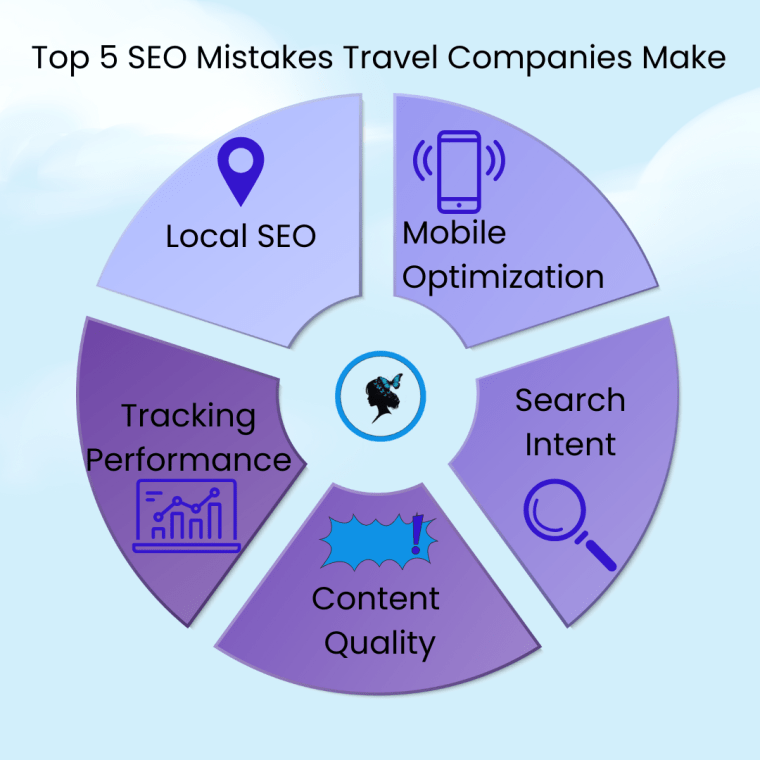
In this blog, we’ll walk through the top 5 SEO mistakes small travel companies make and provide actionable tips on how to fix them.

Need some help with SEO strategies? Check out our services to start moving in the right direction!

1. Neglecting Local SEO

One of the biggest mistakes small travel companies make is ignoring the importance of local SEO. Travel businesses often focus on broader, generic keywords like “vacation packages” or “holiday tours,” but these terms are extremely competitive and may not help you reach the customers who are most likely to book your services.
Why This Is a Problem:

By not optimizing for local SEO, you’re missing out on a large pool of potential customers who are actively searching for travel services in your specific location. Local SEO is essential for travel agencies, tour operators, and hotels because travelers often search for services close to their destination.

Read our Ultimate Guide to Local SEO for Travel Agencies for more tips.

How to Fix It:

  • Claim and Optimize Your Google My Business Listing: Google My Business (GMB) is a powerful tool for local businesses. Make sure your listing is complete with accurate business details, operating hours, contact information, and high-quality images of your services. Encourage customers to leave reviews, as these can improve your local search rankings.
  • Use Location-Specific Keywords: If you operate in a specific region or cater to a particular destination, use keywords like “best tours in Rome,” “affordable hotels in Madrid,” or “family-friendly activities in London.” Localizing your content will increase your chances of ranking higher for relevant searches in your target area.
  • Create Localized Content: Write blog posts or guides about the local area, such as “Top 10 Things to Do in Sydney” or “Hidden Gems in Portland.” This type of content not only provides value to your customers but also helps boost your local SEO rankings.

Read our ultimate guide to Local SEO.

2. Ignoring Mobile Optimization

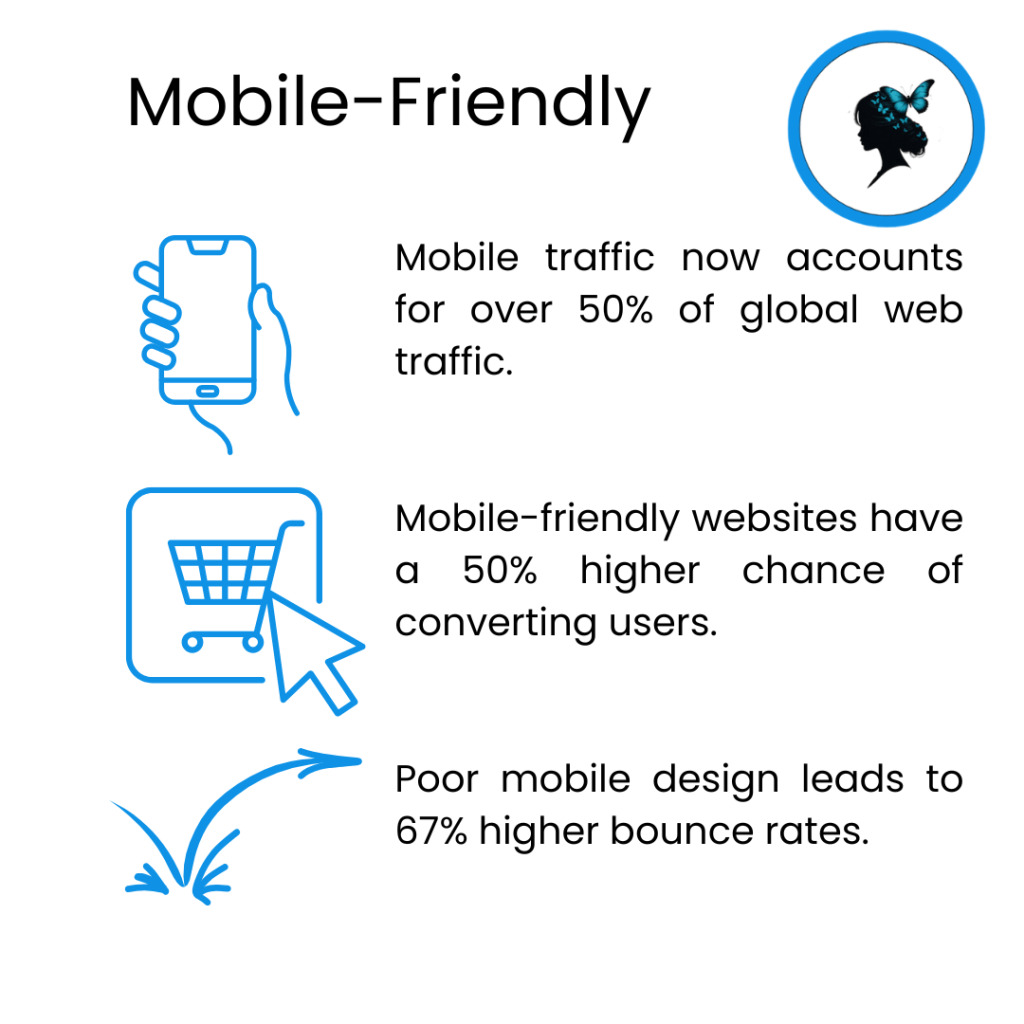
With over 50% of website traffic coming from mobile devices, having a mobile-optimized website is no longer optional. If your site isn’t mobile-friendly, you could be losing valuable customers, especially since many travelers search for information while on the go.
Why This Is a Problem:

Google’s mobile-first indexing means that Google predominantly uses the mobile version of your website for ranking and indexing. If your site isn’t optimized for mobile users, it can negatively impact your SEO rankings, making it harder for potential customers to find you.

How to Fix It:

  • Use a Responsive Web Design: A responsive design automatically adjusts the layout and content of your website depending on the screen size. This ensures that your site is easily navigable, whether it’s viewed on a smartphone, tablet, or desktop.
  • Speed Up Your Site: Mobile users are often on the go and impatient for slow-loading pages. Use tools like Google PageSpeed Insights to identify and fix issues that may be slowing down your website. Compress images, eliminate unnecessary scripts, and optimize your website’s structure to ensure fast loading times.
  • Simplify Navigation: On mobile devices, space is limited. Make sure that your site’s navigation is easy to use and that important information (like contact details, booking forms, and service descriptions) is easily accessible.

3. Failing to Optimize for Search Intent

Search intent is the reason behind a user’s search query. If you’re targeting keywords without considering the intent behind them, you may not attract the right audience. There are four main types of search intent: informational, navigational, transactional, and commercial investigation. Small travel companies often make the mistake of targeting keywords that are too broad or irrelevant to their business goals.

Why This Is a Problem:

When you fail to understand the intent behind your customers’ search queries, you may create content that doesn’t meet their needs. This leads to higher bounce rates and lower engagement, which can negatively impact your SEO performance.

How to Fix It:

  • Conduct Keyword Research with Search Intent in Mind: Instead of just targeting keywords with high search volume, focus on keywords that align with the intent of your target audience.
  • Create Content for Each Stage of the Customer Journey: Map your content to the buyer’s journey. Informational content (like blog posts or destination guides) can attract potential travelers in the research phase, while transactional content (like service pages or booking options) can convert them into customers.
  • Optimize Landing Pages for Conversions: If your goal is to drive bookings, make sure that your landing pages are optimized to convert visitors into customers. Include clear calls to action, customer testimonials, and easy navigation for booking or contact information.

More about search intent in our comprehensive guide.

4. Overlooking the Importance of Quality Content

Content is king in SEO. However, many small travel businesses make the mistake of publishing low-quality content that doesn’t add value to their audience. Content that isn’t informative, engaging, or well-optimized for search engines will fail to rank and fail to connect with potential customers.

Why This Is a Problem:

Without high-quality content, your website will struggle to attract visitors and build trust with your audience. Google values content that is informative, relevant, and engaging to users, so low-quality content can severely hurt your SEO efforts.

Read here for more tips on how Storytelling can Transform your Travel Brand’s Blog.

How to Fix It:

  • Focus on Creating Valuable, Engaging Content: Think about your customers’ pain points and needs. Create blog posts, guides, videos, and infographics that provide useful information. For example, a blog post titled “Top 5 Family-Friendly Activities in Rome” would attract people planning family trips and help position your business as an authority in that niche.
  • Use the Right Keywords Naturally: While keyword optimization is essential, avoid keyword stuffing. Focus on creating content that answers the questions your potential customers are asking. Use natural, conversational language and include variations of your target keywords to make your content more engaging and accessible.
  • Update Old Content: Don’t let outdated content linger on your site. Refresh old blog posts and landing pages with new information, updated statistics, and fresh keywords to ensure they continue to provide value to your audience and perform well in search results.

5. Not Measuring or Tracking SEO Performance

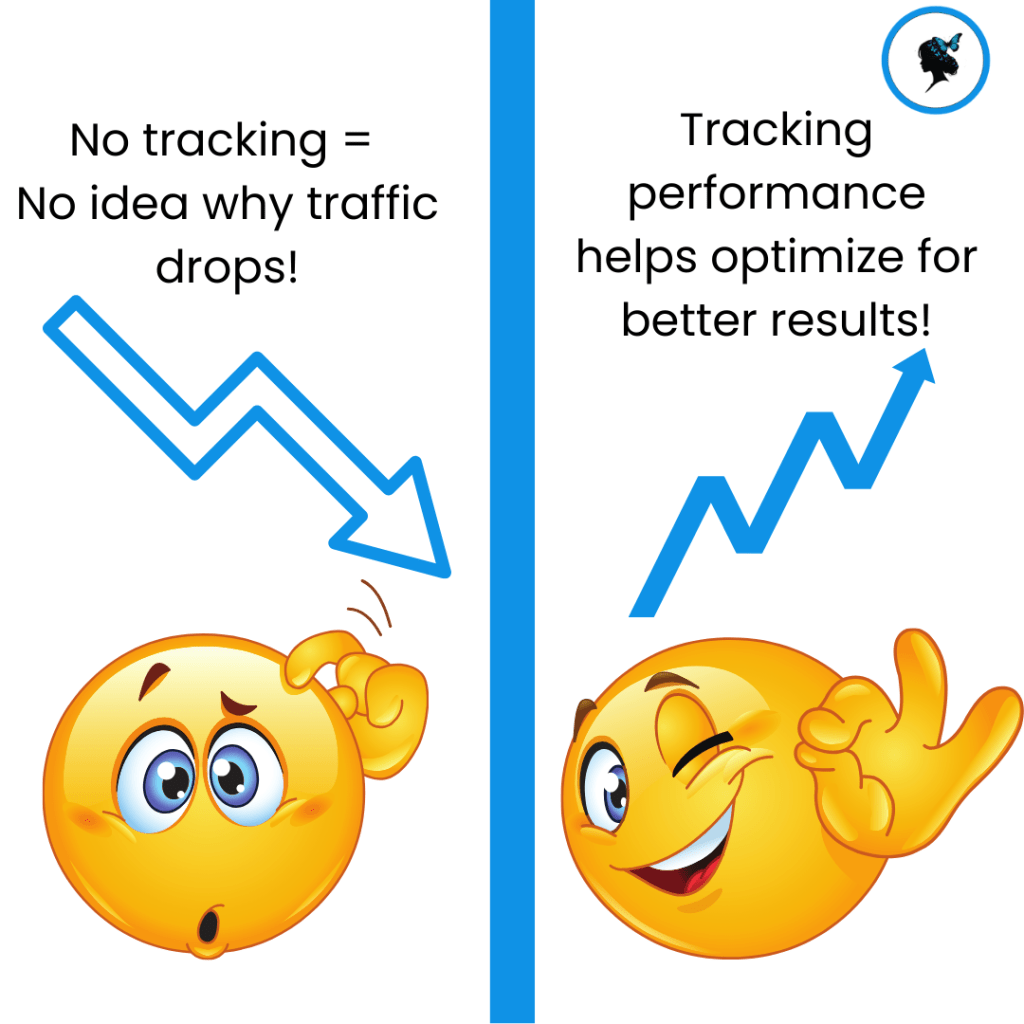
Many small travel businesses dive into SEO without taking the time to measure and track their performance. Not having a clear understanding of how your SEO efforts are performing means you’re operating blindly, which can lead to wasted resources and missed opportunities.
Why This Is a Problem:

Without tracking SEO performance, you won’t know what’s working and what’s not. This can prevent you from making data-driven decisions and adjustments to improve your rankings and traffic over time.

How to Fix It:

  • Use Analytics Tools: Google Analytics and Google Search Console are essential tools for tracking SEO performance. These platforms can show you which keywords are driving traffic, where your visitors are coming from, and how they interact with your site.
  • Track Key Metrics: Focus on tracking metrics that matter, such as organic traffic, keyword rankings, bounce rates, time on page, and conversion rates. Monitoring these metrics will help you make informed decisions about where to focus your SEO efforts.
  • Regularly Review Your SEO Strategy: SEO is a long-term game, and it’s important to review your strategy periodically. Make adjustments based on your performance data, industry changes, and shifts in customer behavior.

Conclusion

SEO is a powerful tool for small travel companies, but it requires ongoing effort, strategy, and attention to detail. By avoiding these common SEO mistakes—neglecting local SEO, ignoring mobile optimization, failing to understand search intent, publishing low-quality content, and not tracking performance—you can significantly improve your online visibility, drive more traffic to your site, and convert more visitors into loyal customers.

Start by addressing these issues in your SEO strategy, and you’ll be well on your way to achieving better rankings, more leads, and ultimately, business growth. If you need help optimizing your SEO strategy for your travel business, contact us to help you get results faster.
5 Types of Content Every Travel Website Should Have


▶ Table of Contents
  1. Destination Guides
  2. Travel Blogs and Stories
  3. Photo and Video Galleries
  4. User Reviews and Testimonials
  5. Booking and Planning Tools
  6. Conclusion

A well-designed travel website is more than just a booking platform; it’s a source of inspiration and information for travelers. To stand out in the competitive travel industry, your website must offer engaging and valuable content that keeps visitors coming back. Here are five essential types of content every travel website should have to attract and retain an audience.

Check out our services to start moving in the right direction!

1. Destination Guides

Travelers are always seeking detailed information about their next destination. Comprehensive destination guides can serve as a cornerstone for your website, providing:

  • Overview of the Location: Highlight key attractions, cultural experiences, and must-visit spots.
  • Practical Tips: Include advice on weather, local customs, currency, and transportation.
  • Hidden Gems: Share insider recommendations that aren’t typically covered in mainstream guides.

By offering rich, localized content, you establish your website as an authority in the travel space and attract both first-time and repeat visitors.

For more tips, check out our post: a step-by-step guide to creating destination guides.

2. Travel Blogs and Stories

Authentic travel stories and blogs resonate deeply with readers. Use this space to share:

  • Personal Travel Experiences: Narratives that inspire readers to follow in the footsteps of real travelers.
  • Itinerary Ideas: Provide detailed, day-by-day plans for popular destinations or themed trips.
  • Seasonal Travel Tips: Write about the best destinations for specific seasons or holidays.

Engaging travel blogs not only captivate your audience but also improve your SEO, drawing in organic traffic through long-tail keywords.

Read more tips on how storytelling can transform your travel brand’s blog.

3. Photo and Video Galleries

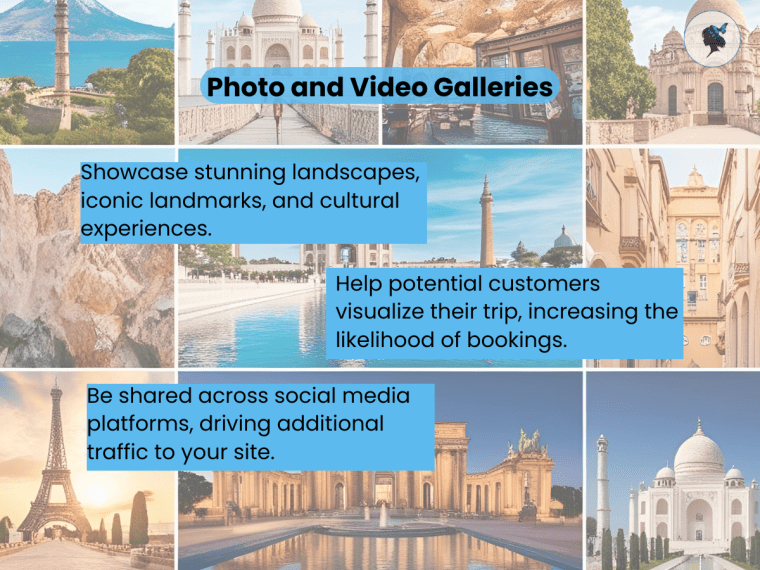
Visual content is a powerful tool for sparking wanderlust. A curated gallery of high-quality photos and videos can:

  • Showcase stunning landscapes, iconic landmarks, and cultural experiences.
  • Help potential customers visualize their trip, increasing the likelihood of bookings.
  • Be shared across social media platforms, driving additional traffic to your site.

Invest in professional photography and videography to create a visually compelling experience for your audience.

4. User Reviews and Testimonials

Social proof plays a critical role in the decision-making process for travelers. Featuring user reviews and testimonials can:

  • Build trust and credibility for your brand.
  • Provide real-life insights into the experiences you offer.
  • Encourage satisfied customers to share their feedback, creating a loop of positive reinforcement.

Make reviews easy to find and integrate with platforms like Google Reviews or TripAdvisor to enhance authenticity.

User-Generated Content (UGC) is also great for building trust. Read more about UGC here.

5. Booking and Planning Tools

Travelers value convenience, and having interactive tools on your website can make the planning process seamless. Consider including:

  • Itinerary Planners: Allow users to customize their travel schedules.
  • Cost Calculators: Help travelers estimate their expenses for accommodation, transport, and activities.
  • Maps and Navigation Tools: Offer interactive maps with pinned attractions, restaurants, and accommodations.

By providing these resources, you’ll position your website as a one-stop solution for all travel needs.

Conclusion

Creating diverse and engaging content is essential for building a successful travel website. From destination guides to interactive planning tools, these five content types can help you attract a wider audience, enhance user experience, and drive conversions. Remember, the key to success lies in understanding your audience and continuously updating your content to meet their evolving needs.

Start integrating these content types into your travel website today and watch your engagement and bookings soar!

Need help? Contact us for tailor-made content strategies.

The Ultimate Guide to Local SEO for Travel Agencies


▶ Table of Contents
  1. What is Local SEO?
  2. Why Local SEO Matters for Travel Agencies
  3. Measuring Local SEO Success

In an era where travelers rely on search engines to plan their journeys, mastering Local SEO is crucial for travel agencies looking to connect with potential clients. Local SEO ensures that your agency appears in search results when people are looking for travel services in your area. Whether you’re a boutique agency or part of a larger network, optimizing for local search can significantly boost your visibility and bookings.

Check out our services to start moving in the right direction!

What is Local SEO?

Local SEO focuses on improving your business’s visibility in geographically specific search results. For instance, if someone searches for “travel agencies near me” or “Caribbean tour planners in Miami,” Local SEO ensures your business appears prominently in the results. This involves optimizing your website, Google My Business (GMB) profile, and other online assets to rank higher for location-based searches.

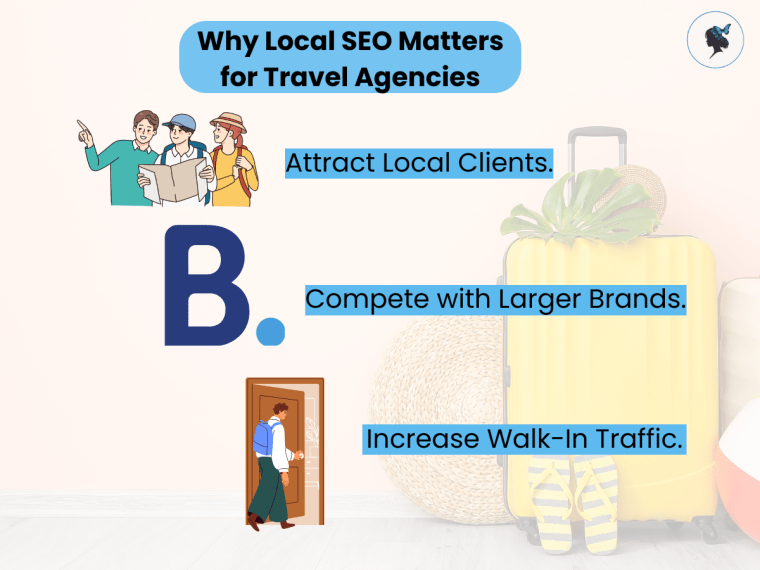
Why Local SEO Matters for Travel Agencies

  1. Attract Local Clients: Many travelers prefer to work with local agencies that understand their region-specific needs.
  2. Compete with Larger Brands: Local SEO levels the playing field, allowing smaller agencies to compete with national or global players.
  3. Increase Walk-In Traffic: If you have a physical office, Local SEO can drive foot traffic by making your business easier to find online.

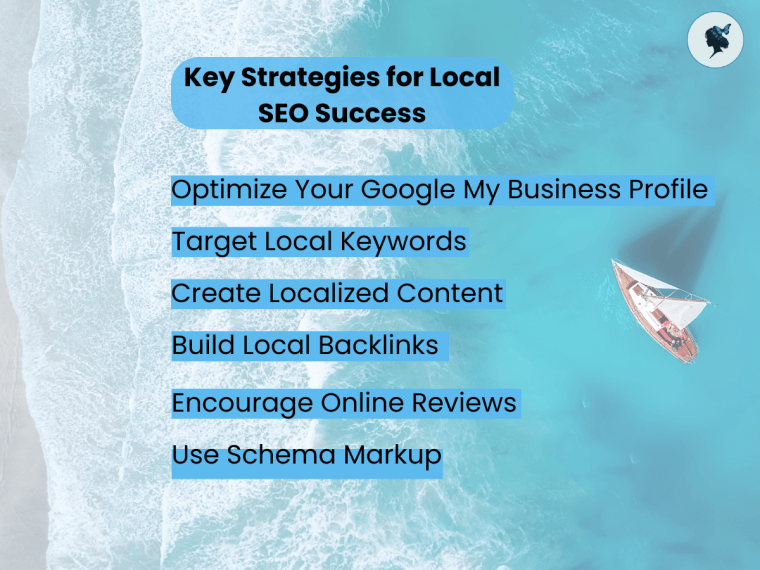
Key Strategies for Local SEO Success

1. Optimize Your Google My Business Profile

Google My Business is the cornerstone of Local SEO. Here’s how to make the most of it:

  • Ensure your profile is complete, accurate, and up-to-date.
  • Add your business name, address, phone number, website, and operating hours.
  • Use high-quality images of your office, staff, or tours.
  • Collect and respond to customer reviews to build trust and credibility.

2. Target Local Keywords

Incorporate location-specific keywords into your website’s content, such as “adventure tours in Denver” or “wedding travel planners in Austin.” Use tools like Google Keyword Planner to find relevant local search terms.

You might be interested in our post: Mastering Local Keyword Focus.

3. Create Localized Content

Publish blogs, guides, and articles tailored to your target audience’s location. Examples include:

  • “Top 10 Destinations for New Yorkers”
  • “How to Plan a Weekend Getaway from Seattle”
  • “Hidden Gems in San Francisco for Adventure Lovers”

Localized content not only attracts visitors but also helps establish your agency as a local expert.

Read here for 5 types of content every travel website should have.

Partner with local businesses, tourism boards, or bloggers to earn backlinks from their websites. For example, you could collaborate with a local hotel or restaurant to offer joint promotions and link to each other’s sites.

5. Ensure Mobile-Friendliness

Over half of all local searches are conducted on mobile devices. Ensure your website is responsive, loads quickly, and provides a seamless user experience on mobile.

6. Encourage Online Reviews

Positive reviews not only enhance your reputation but also improve your local search rankings. Politely request reviews from satisfied clients and address any negative feedback professionally.

7. Use Schema Markup

Schema markup is a form of microdata that helps search engines understand your content. Implementing local business schema can improve your chances of appearing in rich search results, such as business cards or map snippets.

Want to know how to optimize your blog for location-based keywords? Look no further!

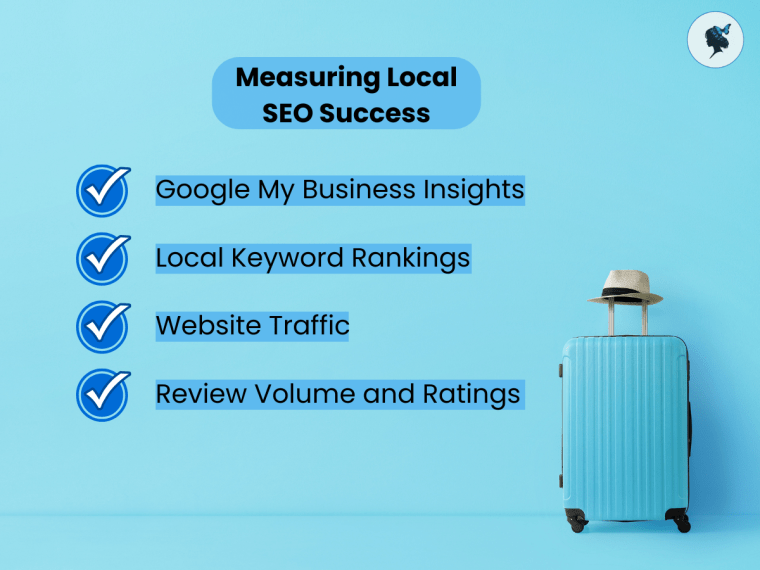
Measuring Local SEO Success

To ensure your Local SEO efforts are paying off, monitor these key metrics:

  • Google My Business Insights: Track views, clicks, and customer actions on your GMB profile.
  • Local Keyword Rankings: Use tools like SEMrush or Moz to see how well your site ranks for local keywords.
  • Website Traffic: Check analytics tools to measure traffic from local searches.
  • Review Volume and Ratings: Monitor your online reviews and strive for consistent, positive feedback.

Common Pitfalls to Avoid

  1. Ignoring Negative Reviews: Addressing bad reviews professionally shows potential clients you value feedback.
  2. Inconsistent NAP Information: Ensure your Name, Address, and Phone number are consistent across all platforms.
  3. Overlooking Mobile Optimization: A slow or clunky mobile site can drive potential clients away.

Are you ready to sail to SEO success?

Contact us today to see how we can help you.

Why SEO is Crucial for Small Travel Businesses to Stay Competitive


▶ Table of Contents
  1. The Growing Importance of Online Visibility
  2. Key Benefits of SEO for Small Travel Businesses
  3. Essential SEO Strategies for Travel Businesses
  4. Staying Ahead of the Competition
  5. Conclusion

In today’s digital-first world, travelers turn to search engines as their go-to resource for planning trips. Whether it’s finding flight deals, researching destinations, or booking accommodations, the journey begins with a simple Google search. For small travel businesses, this presents both an opportunity and a challenge: to stand out in a crowded market, you need a strong online presence—and that’s where Search Engine Optimization (SEO) comes in.

Check out our services to start moving in the right direction!

The Growing Importance of Online Visibility

According to recent studies, over 80% of travel planning starts online, with search engines being the primary tool for research. If your website doesn’t appear on the first page of search results, potential customers are likely booking with your competitors. SEO helps ensure your business is visible when travelers are searching for services you offer, giving you a competitive edge.

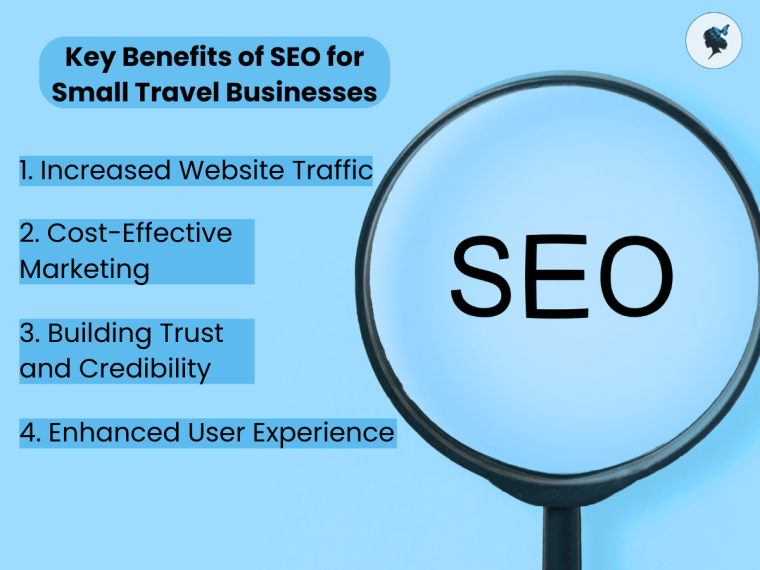
Key Benefits of SEO for Small Travel Businesses

1. Increased Website Traffic

SEO helps improve your website’s ranking on search engines, driving organic traffic. By targeting keywords related to your niche—like “family-friendly safaris” or “budget beach resorts in Bali”—you attract travelers actively looking for your offerings.

2. Cost-Effective Marketing

Compared to paid advertising, SEO offers long-term benefits at a lower cost. Once your website ranks well, you’ll continue receiving traffic without needing to pay for every click or view. For small businesses with limited marketing budgets, this is invaluable.

3. Building Trust and Credibility

Websites that rank higher on search engines are perceived as more trustworthy by users. An optimized website not only attracts more visitors but also helps establish your brand as an authority in the travel industry.

4. Enhanced User Experience

SEO isn’t just about keywords; it also involves optimizing your website’s structure, speed, and mobile-friendliness. A fast, user-friendly website improves your visitors’ experience, increasing the likelihood of conversions.

Essential SEO Strategies for Travel Businesses

1. Target Local SEO

Many travelers search for location-specific services, like “tour guides in Paris” or “private lodges in Kenya.” Optimizing for local SEO by claiming your Google My Business profile and including location-specific keywords can help you attract these customers.

Read our Ultimate Guide to Local SEO for Travel Agencies here.

2. Create High-Quality Content

Travelers are constantly seeking inspiration and information. By publishing blog posts, destination guides, and travel tips, you can attract visitors and establish yourself as an expert. Use engaging visuals and shareable content to amplify your reach.

Read our post on the top 5 types of content every travel website should have.

3. Optimize for Mobile

Over 60% of travel searches are conducted on mobile devices. Ensure your website is mobile-friendly to provide a seamless experience for users on the go.

4. Leverage Reviews and Testimonials

Positive reviews boost your credibility and improve your local SEO rankings. Encourage satisfied customers to leave reviews on platforms like Google and TripAdvisor.

Staying Ahead of the Competition

SEO isn’t a one-time effort but an ongoing process. Regularly updating your content, analyzing performance metrics, and adapting to algorithm changes are crucial for maintaining your rankings. While larger competitors may have bigger budgets, a well-executed SEO strategy can level the playing field, allowing your small travel business to thrive.

Conclusion

In the competitive travel industry, having a robust SEO strategy is no longer optional—it’s essential. By investing in SEO, small travel businesses can boost visibility, attract more customers, and build a loyal following. As more travelers turn to search engines for their travel needs, ensuring your business appears prominently in search results is key to long-term success. Start optimizing today, and watch your small travel business soar to new heights!

Need help with SEO? Contact us to see how we can help!