BLOG

Competitor Identification for Travel Companies: Unlocking Your Competitive Edge


▶ Table of Contents

In the highly competitive world of travel, every company, whether it’s a boutique hotel, a travel agency, or a tour operator, is vying for the attention of travelers. With so many options available online, staying ahead of the competition is crucial to your success. One of the most effective ways to achieve this is through competitor identification.

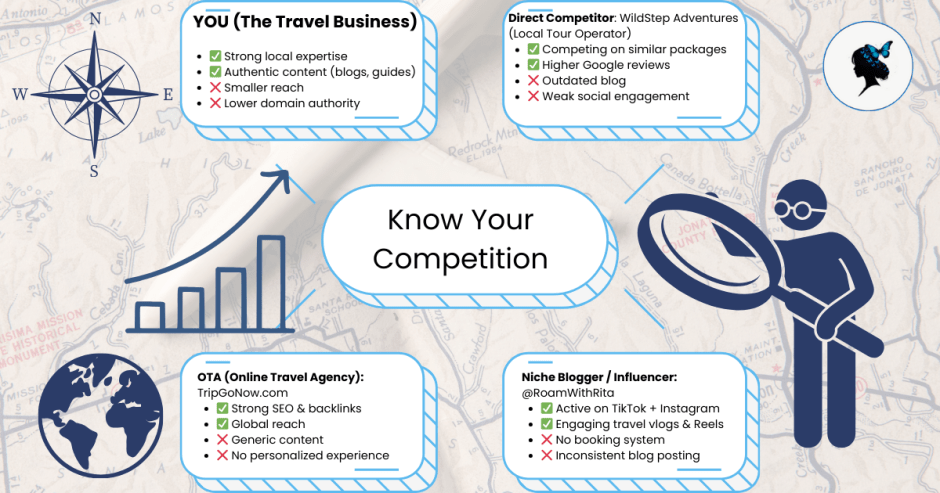
Knowing who your competitors are, understanding their strengths and weaknesses, and strategically positioning yourself against them can give your travel business a competitive edge.

1. What is Competitor Identification?

Competitor identification is the process of determining which companies within your industry are competing for the same customers, traffic, and market share. For travel businesses, this goes beyond just identifying who is in your direct geographic location. It includes those who are targeting similar audiences, offering related services, and positioning themselves in ways that may influence your potential customers.

Competitor identification isn’t just about finding who is already established. It also involves recognizing emerging players, understanding the market shifts, and identifying trends that might disrupt your business.

Types of Competitors for Travel Companies

Travel companies face several types of competitors in the digital space:

  • Direct Competitors: These are businesses offering the same or similar services as you. For example, a luxury tour operator in Paris would be competing directly with other luxury tour operators in the same location.
  • Indirect Competitors: These companies provide alternative solutions that satisfy the same customer need. For instance, a local restaurant in Paris may not be offering tours, but it may compete with your tour company for customer attention in a broader travel context.
  • Emerging Competitors: New businesses or startups that are entering the travel industry. These may not be major players yet, but identifying them early can provide you with a significant advantage.

Competitor identification allows you to understand who you’re competing with, their positioning in the market, and the strategies they are using to attract your target audience.


2. How to Identify Competitors in the Travel Industry?

Identifying your competitors may seem straightforward, but a strategic approach can help you dive deeper and gather meaningful insights to gain a competitive advantage. Here’s how you can identify your competitors:
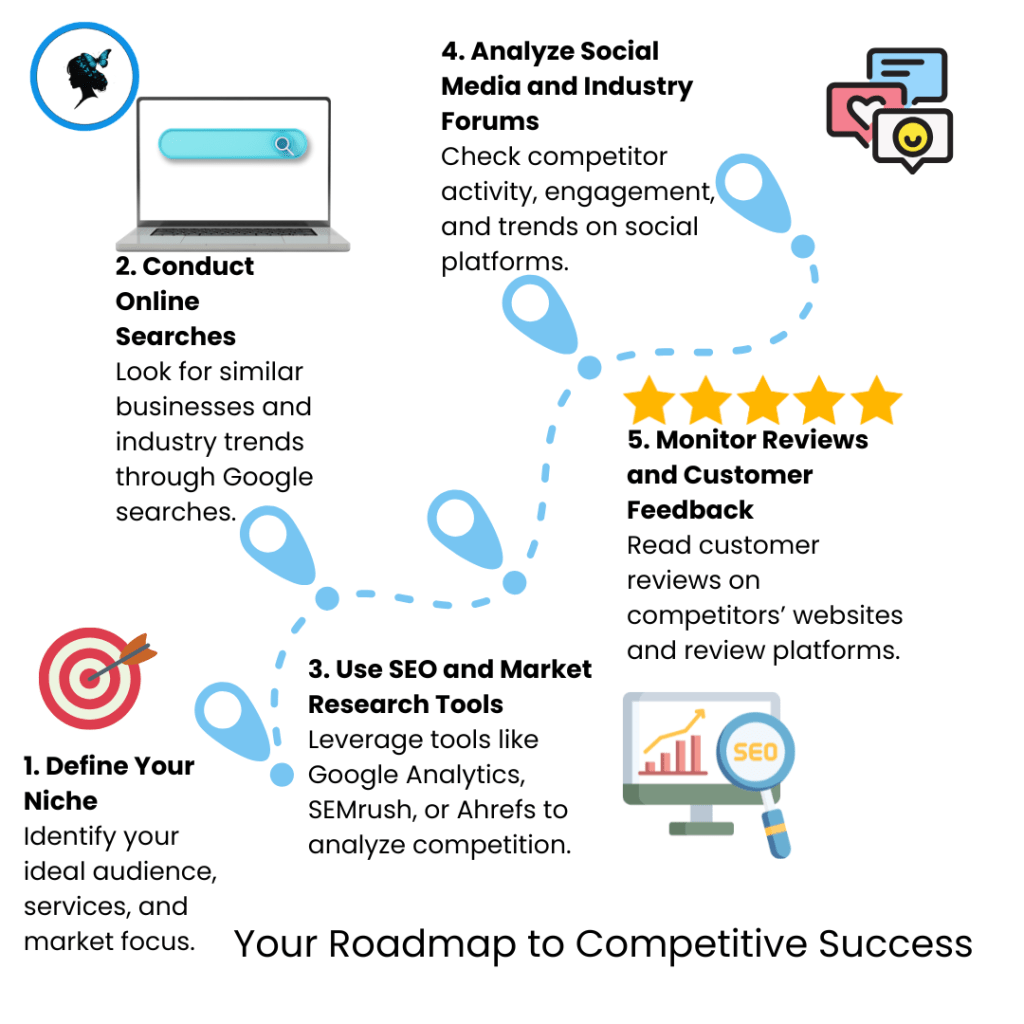
Step 1: Define Your Niche

Before you start identifying competitors, it’s crucial to understand your specific market niche. In the travel industry, there are many different segments, such as:

  • Luxury travel
  • Adventure tourism
  • Cultural or historical tours
  • Family-friendly vacations
  • Eco-tourism

Defining your niche allows you to refine your search for competitors who are directly targeting the same audience. A family-owned bed and breakfast in the mountains might be competing with other bed and breakfasts in the area, while a high-end travel agency focused on bespoke itineraries may find competitors among luxury travel providers.

Step 2: Conduct Online Searches

Use search engines to conduct queries around keywords that are relevant to your business. For example, if you specialize in tours in Paris, search for terms like “private tours in Paris,” “best Paris tour operators,” or “Paris sightseeing tours.” Check out the first page of the search results to identify companies that appear repeatedly.

Step 3: Use SEO and Market Research Tools

In the travel industry, many SEO and market research tools can help you dig deeper into competitor analysis. Tools like Semrush, Ahrefs, and Moz allow you to:

  • Identify competing websites: Search for keywords related to your services and see who is ranking for those terms.
  • Analyze keyword gaps: Find out which keywords your competitors are ranking for that you are not.
  • Evaluate backlinks: Discover where your competitors are getting their backlinks from, and use this information to improve your own link-building efforts.

Additionally, Google Trends and Google Alerts can be valuable in tracking shifts in search volume for key travel-related terms and identifying emerging competitors.

Step 4: Analyze Social Media and Industry Forums

Social media platforms, especially Instagram, Facebook, Twitter, and LinkedIn, can provide valuable insights into your competitors’ activities. Pay attention to the type of content they’re posting, the hashtags they’re using, their engagement rates, and how they’re positioning their brand in front of potential travelers.

Industry forums and online communities like TripAdvisor, Yelp, and even Reddit can provide insights into who your customers are talking about and which travel brands they trust.

Read our tips: creating social media campaigns that inspire wanderlust.

Step 5: Monitor Reviews and Customer Feedback

Customer feedback on review sites, social media, and travel blogs is a goldmine for competitor insights. See what customers are saying about your competitors and identify areas where they are excelling and areas where they are falling short. This will help you find gaps in the market and areas where you can differentiate your services.


3. Why is Competitor Identification Important for Travel Companies?

Understanding who your competitors are and what they are doing well—or poorly—can be the difference between success and failure.
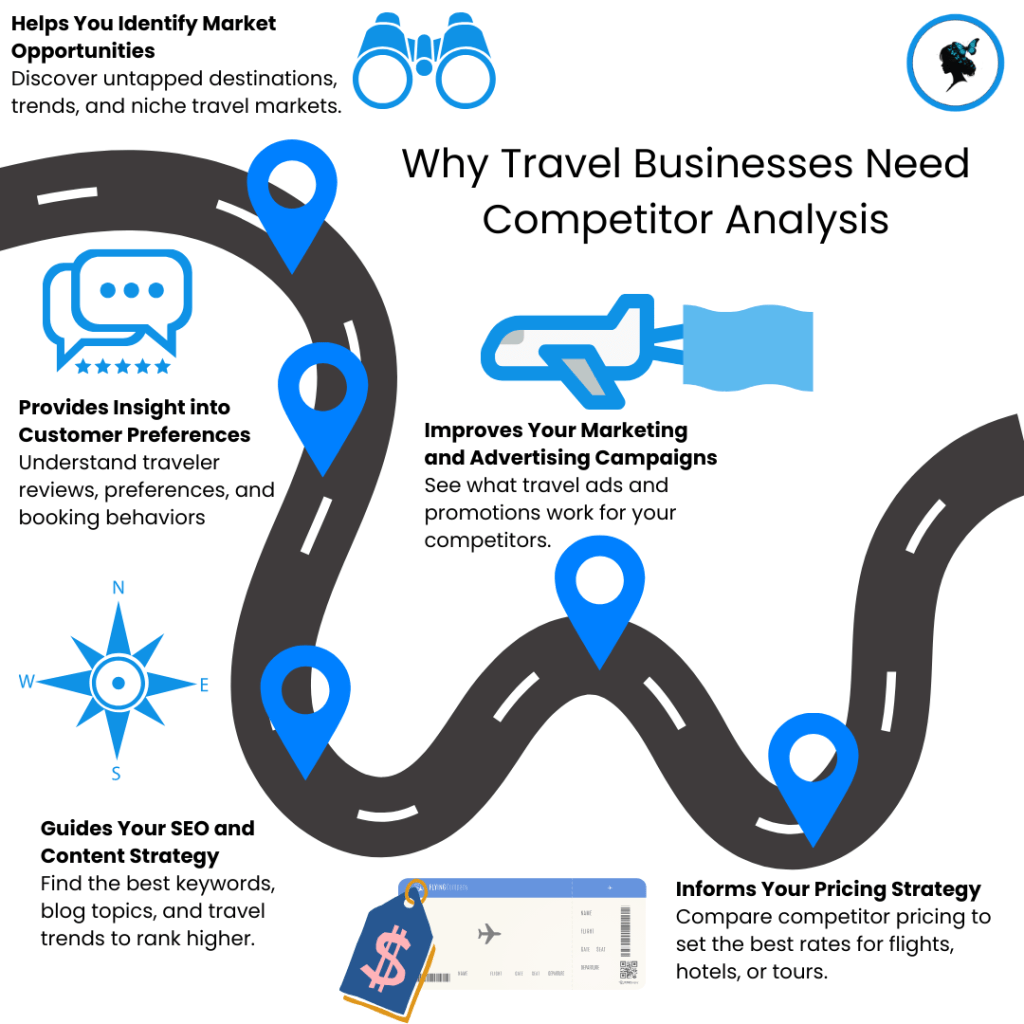
Here’s why competitor identification is so crucial for travel companies:

1. Helps You Identify Market Opportunities

By identifying your competitors’ weaknesses, you can spot opportunities in the market that they might be overlooking. Perhaps they’re not offering the level of customer service you believe travelers expect, or maybe they’re not capitalizing on the growing trend of eco-tourism. By filling these gaps, you can carve out a niche that attracts travelers seeking better alternatives.

2. Guides Your SEO and Content Strategy

Competitor analysis is a key part of your SEO and content strategy. Understanding the keywords your competitors are ranking for, the types of content they are producing, and the platforms they are active on allows you to build a more effective SEO plan. For example, if a competitor’s blog is gaining traction with content about “hidden gems in Bali,” you may want to create content targeting other similar off-the-beaten-path destinations.

Read our guide: Why SEO is crucial for travel businesses to stay competitive.

3. Provides Insight into Customer Preferences

Competitor research allows you to better understand your customers’ preferences by evaluating what competitors are doing to attract them. If you notice that a competitor is receiving a lot of positive feedback for a specific tour package, you can leverage that insight to create similar offerings that cater to your target audience.

4. Improves Your Marketing and Advertising Campaigns

Tracking your competitors’ marketing strategies—such as paid ads, promotions, and social media campaigns—gives you insight into what’s working in the travel industry. You can adapt or refine your own campaigns based on what you learn. This will save you time and resources, helping you implement strategies that are more likely to succeed.

5. Informs Your Pricing Strategy

By analyzing your competitors’ pricing models, you can ensure your offerings are competitive. If competitors are underpricing or overpricing their services, you can adjust your pricing strategy accordingly. A well-informed pricing structure can give you an edge in attracting more customers without sacrificing profitability.


Ready to Outsmart Your Competitors?

Don’t wait for your competitors to outpace you. Contact us today to learn more about how we can help you stay ahead of the competition and position yourself for success in the travel industry.
The Best Social Media Platforms

▶ Table of Contents

Page updated on April 20th, 2026

Introduction

Social media is no longer “marketing” — it’s a customer acquisition system

In 2026, social media is no longer just about posting content, building awareness, or “staying active online.” For small businesses, it has become a full discovery, trust, and conversion ecosystem.

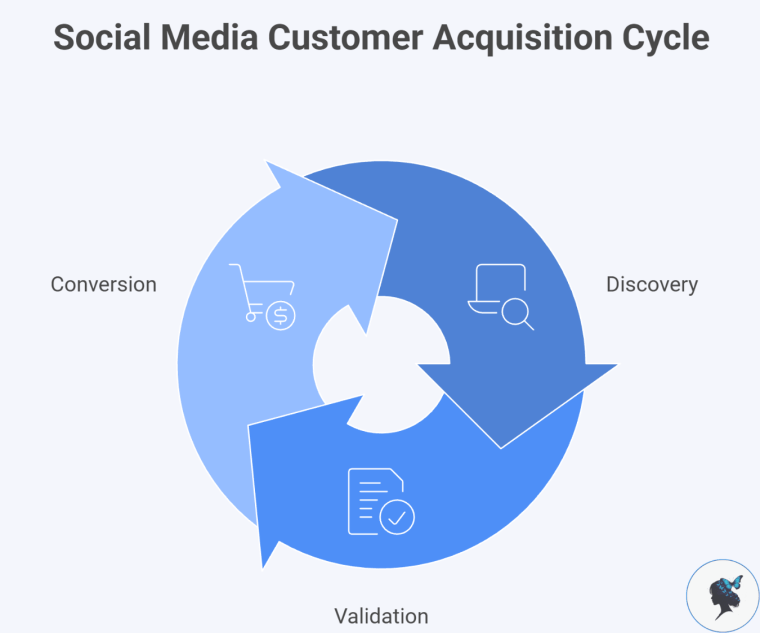
infograph: Social media acquisition cycle
Social media acquisition cycle

Customers don’t just “find you” anymore. They:

  • discover you through short-form video,
  • validate you through search and long-form content,
  • and convert through messaging, ads, or direct links.

This shift means the question is no longer “Which platform should I use?”
It’s “Where do my customers discover, trust, and buy?”

Below is a practical breakdown of the most important platforms for small businesses in 2026 and how each one actually contributes to revenue.


1. Instagram: The modern visual storefront

Instagram is no longer just a branding tool. In 2026, it functions as a visual search engine and storefront for local and service-based businesses.

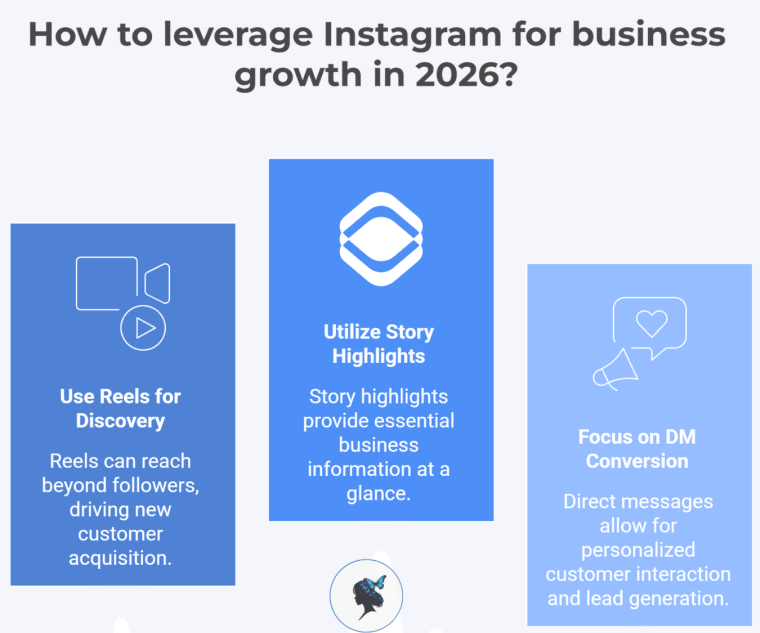
infograph: How to leverage Instagram for business growth in 2026?
How to leverage Instagram for business growth in 2026?

Why it matters now:

  • Customers search Instagram like Google for recommendations
  • Reels drive discovery beyond your followers
  • Profiles act like mini websites

What works best:

  • Reels showing transformations, results, or behind-the-scenes
  • Story highlights (services, pricing, reviews)
  • DM-based lead conversion

Key takeaway:

Instagram is now where customers verify whether your business feels real, active, and trustworthy.

Instagram growth tips here.


2. TikTok: The discovery engine that replaces search for younger audiences

TikTok has evolved into one of the most powerful customer acquisition platforms for small businesses.

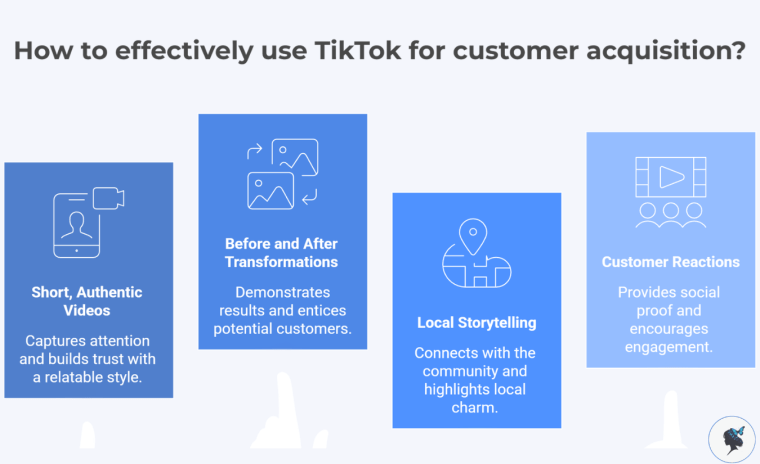
infograph: How to effectively use TikTok for customer acquisition?
How to effectively use TikTok for customer acquisition?

Why it matters now:

  • People use TikTok as a search engine (“best café near me”, “hair transformation”)
  • Content is distributed based on interest, not followers
  • Local discovery is stronger than ever

What works best:

  • Short, authentic videos (not polished ads)
  • “Before and after” transformations
  • Local storytelling (“day in the life of a bakery owner”)
  • Customer reactions and reviews

Key takeaway:

TikTok is now the top-of-funnel engine where customers discover businesses they didn’t know they needed.

TikTok travel trends this year.


3. Facebook: The trust + conversion + community layer

Facebook is often underestimated, but in 2026 it remains one of the strongest platforms for conversion and retention, especially for local businesses.

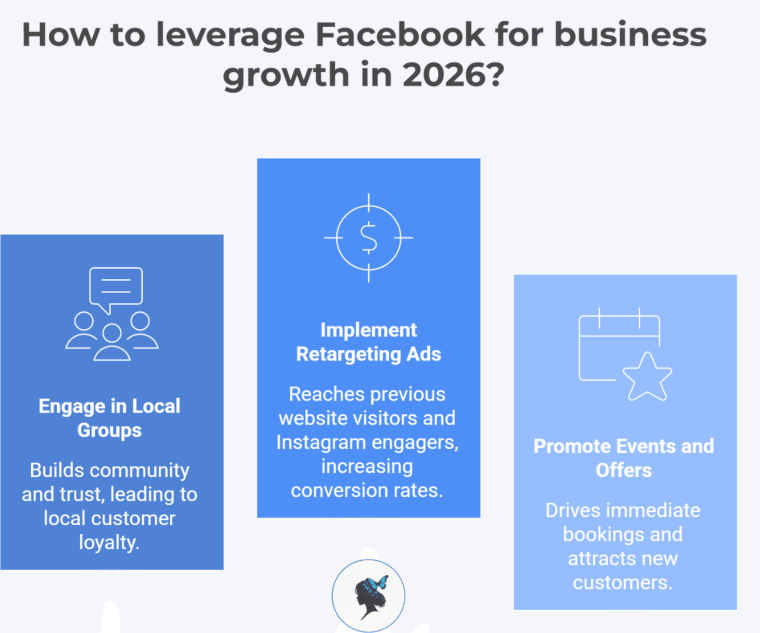
Infograph: How to leverage Facebook for business growth in 2026?
How to leverage Facebook for business growth in 2026?

Why it still matters:

  • Strong performance in local communities and groups
  • Highly effective retargeting ads system
  • Older, higher-spending demographics remain active

What works best:

  • Local Facebook Groups (community engagement)
  • Retargeting ads (website visitors, Instagram engagers)
  • Event promotion and service-based offers

Key takeaway:

Facebook is less about discovery and more about turning interest into bookings and repeat customers.


4. YouTube: The trust-building engine for serious buyers

YouTube plays a critical role in the decision stage of the customer journey.

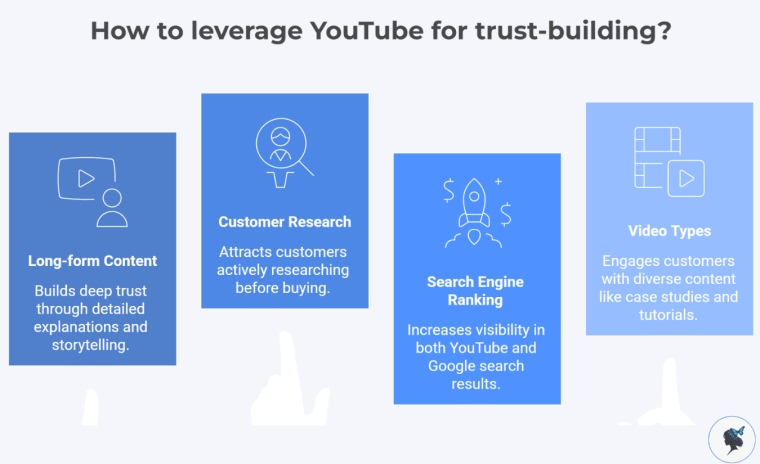
infograph: How to leverage YouTube for trust building?
How to leverage YouTube for trust building?

Why it matters now:

  • Long-form content builds deep trust
  • Customers use YouTube to research before buying
  • Videos rank in both YouTube and Google search results

What works best:

  • “How we do it” videos
  • Customer case studies and testimonials
  • Educational content (tips, tutorials, explanations)
  • Behind-the-scenes business storytelling

Key takeaway:

YouTube is where customers go when they are close to making a decision and want proof.


5. Pinterest: Evergreen discovery and planning engine

Pinterest continues to be a strong but often overlooked platform for small businesses with visual products or services.

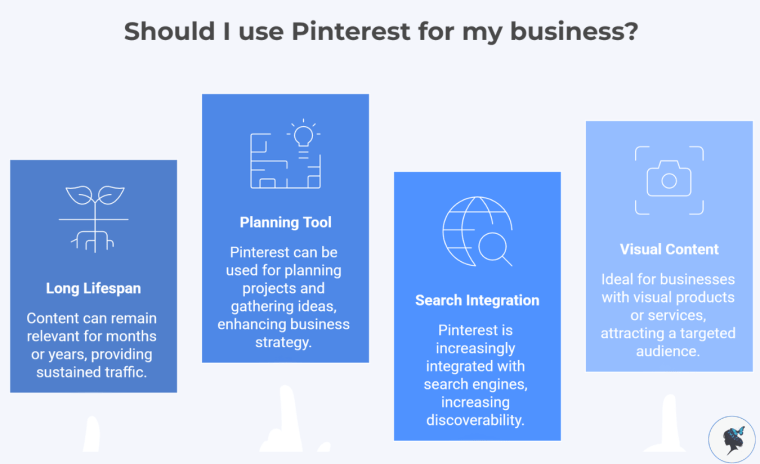
infograph: Should I use Pinterest for my business?
Should I use Pinterest for my business?

Why it matters now:

  • Content has long lifespan (months to years)
  • Functions as a planning tool, not just social media
  • Increasingly integrated with search behavior

What works best:

  • Visual guides (“ideas for home renovation”, “wedding inspiration”)
  • Before/after visuals
  • Product and service inspiration boards

Key takeaway:

Pinterest is a slow-burn traffic engine that supports long-term discovery and intent building.


6. LinkedIn: The B2B growth channel for service businesses

LinkedIn has become a major growth platform for small businesses targeting professionals or other businesses.

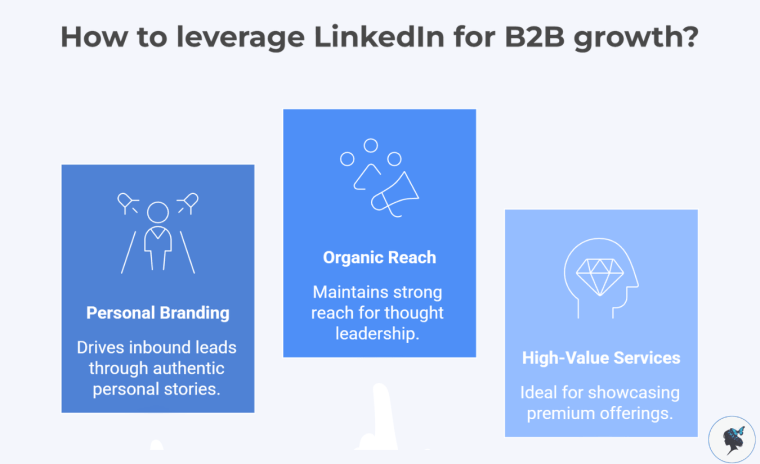
Infograph: How to leverage LinkedIn for b2b growth in 2026?
How to leverage LinkedIn for b2b growth in 2026?

Why it matters now:

  • Personal branding drives inbound leads
  • Organic reach still strong for thought leadership
  • Ideal for high-value services

What works best:

  • Founder-led storytelling
  • Industry insights and lessons
  • Case studies and client results
  • Consistent authority-building posts

Key takeaway:

LinkedIn is now a lead generation platform disguised as a professional network.


The 2026 Reality:

It’s not about platforms — it’s about the funnel

Successful small businesses in 2026 don’t “pick platforms.” They build systems.

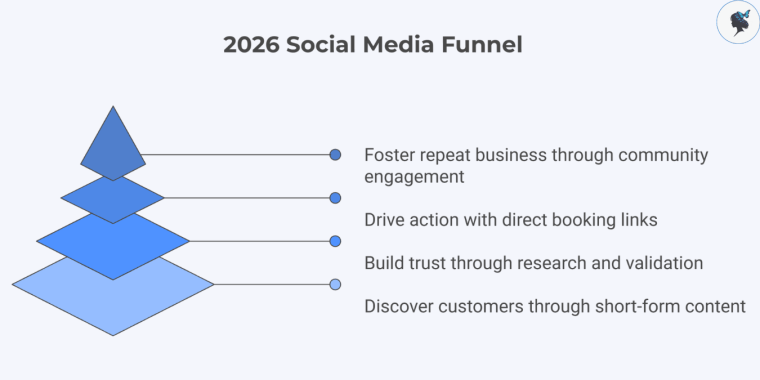
infograph: 2026 Social Media Funnel
2026 Social Media Funnel

A modern social media funnel looks like this:

1. Awareness (Discovery)

  • TikTok
  • Instagram

Customers discover you through short-form content and algorithmic reach.

2. Consideration (Trust building)

  • YouTube
  • Pinterest

Customers research, compare, and validate your business.

3. Conversion (Action)

  • Instagram DMs
  • Facebook ads and retargeting
  • Direct booking links / websites

Customers decide and take action.

4. Retention (Repeat business)

  • Community engagement
  • Email + social updates
  • Private groups and remarketing

Key strategic shift for 2026

The biggest change for small businesses is this:

Social media is no longer about posting content. It’s about designing customer journeys.

Winning businesses in 2026:

  • show up consistently where discovery happens,
  • build trust where decisions are made,
  • and convert customers where intent is highest.

Final takeaway

In 2026, the most effective small businesses are not the ones using the most platforms—they are the ones using each platform with a clear role in the customer journey.

If you treat social media as a funnel instead of a feed, you stop chasing engagement and start generating customers consistently.

Repurposing content tips here.

Seem a bit overwhelming? Contact us, we can get you on the right track!

How to Create Local Guides That Rank + Convert


▶ Table of Contents

Page updated 26th April, 2026.

A Step-by-Step Framework for Small Businesses

If you run a small business, you don’t need more blog posts—you need pages that bring in customers.

That’s where local guides come in.

In 2026, nearly 46% of all Google searches have local intent, and 76% of people who search locally visit a business within 24 hours.

That means your content isn’t just marketing—it’s directly tied to real-world revenue.

This guide will show you how to create high-intent, local content that ranks in search, appears in AI results, and converts readers into customers.

What a “Guide” Actually Is Now

A guide is no longer just informational content.

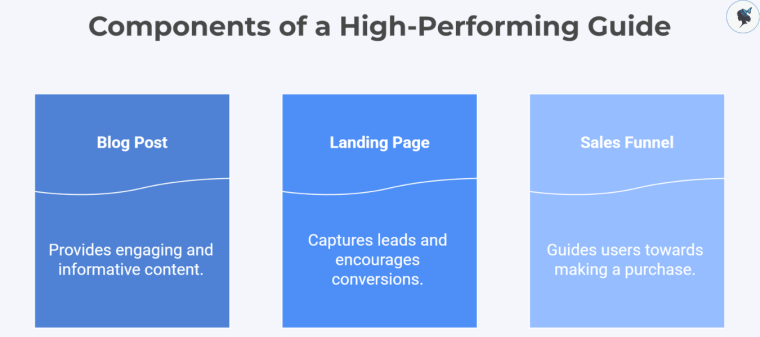
Today, a high-performing guide is:

  • Part blog post
  • Part landing page
  • Part sales funnel

It helps people choose, compare, and take action.

infograph: Components of a high-performing guide
Components of a high-performing guide

Examples of modern guides:

  • Best coworking spaces in Austin
  • Top hair salons for curly hair in Toronto
  • Cafés in Berlin where you can work remotely

Why this works: Most local searches are decision-stage queries, not browsing. Nearly 78% of local mobile searches lead to offline purchases, making them some of the highest-converting searches online.


Step 1: Start With Intent (Not Just Keywords)

Most businesses target broad keywords.

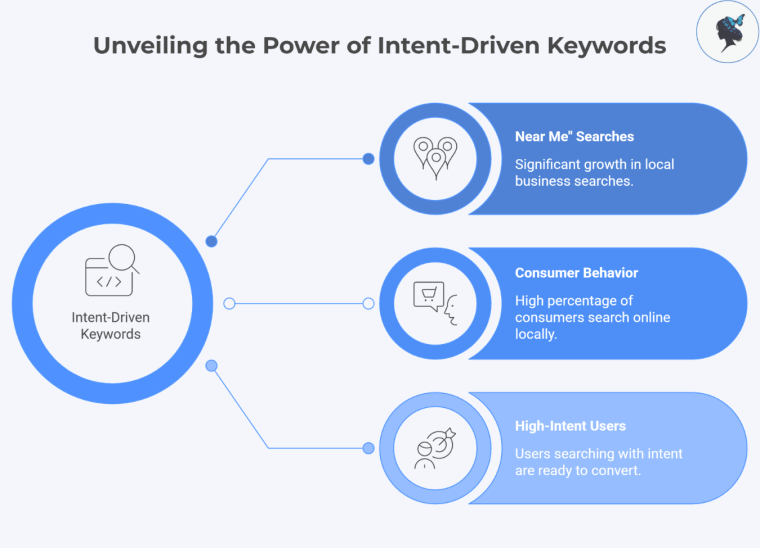
But high-performing guides focus on intent-driven, specific searches.

infograph: Unveiling the power of intent-driven keywords
Unveiling the power of intent-driven keywords

Use this formula:

Best / Top / Affordable / Near me + Service + Location + Detail

Examples:

  • best Pilates studio for beginners in Vancouver
  • affordable wedding photographer in Lisbon
  • quiet cafés to work from in Amsterdam

Why this matters:

These are high-intent, ready-to-act users.

More about search intent here.


Step 2: Structure Your Guide for Conversions

People don’t read—they scan.

And in 2026, search engines (and AI tools) scan too.

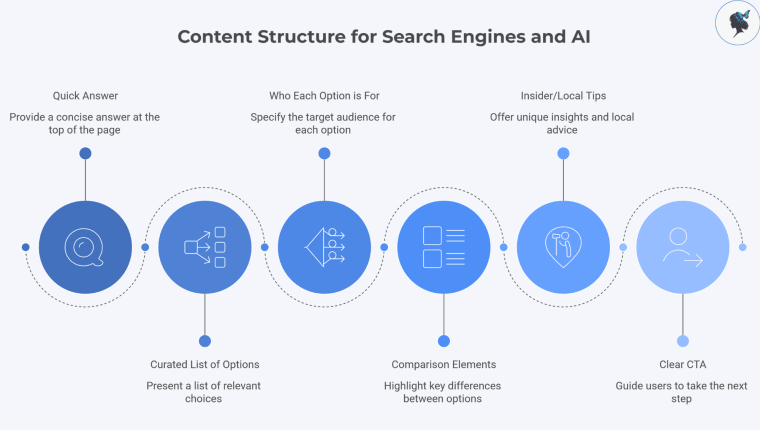
infograph: Content structure for search engines and AI
Content structure for search engines and AI

Use this structure:

1. Quick answer (above the fold)
2. Curated list of options
3. Who each option is for
4. Comparison elements
5. Insider/local tips
6. Clear CTA

Why this works: Google increasingly surfaces structured content in AI summaries, which now appear in a growing percentage of queries.

If your content is easy to extract, it’s more likely to be shown.


Step 3: Optimize for AI + Search Engines

Search behavior has changed fast.

AI tools now:

  • Summarize answers
  • Reduce clicks
  • Prioritize clarity

In fact, AI-generated answers now appear in a significant portion of search results and are expanding rapidly across countries.

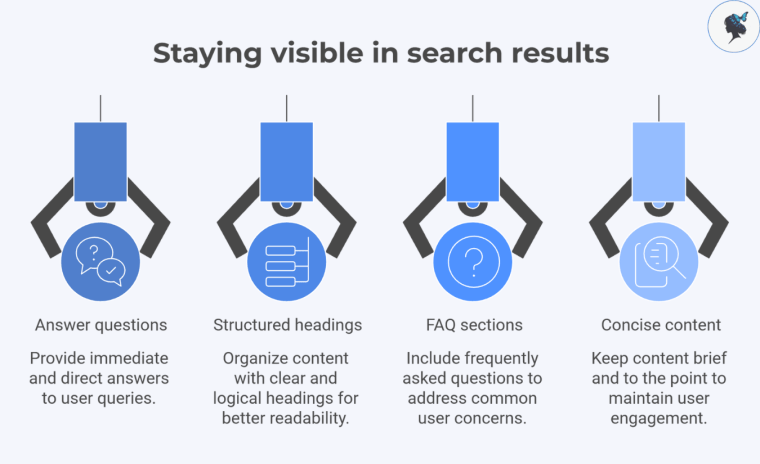
infograph: Staying visible in search results
Staying visible in search results

To stay visible:

  • Answer questions immediately
  • Use structured headings
  • Add FAQ sections
  • Keep content concise

Think: “Can this be pulled into an answer box or AI summary?”

More about on-page SEO for local service businesses here.


Step 4: Add a Local SEO Layer

This is where small businesses win.

Because local search isn’t just traffic—it’s action.

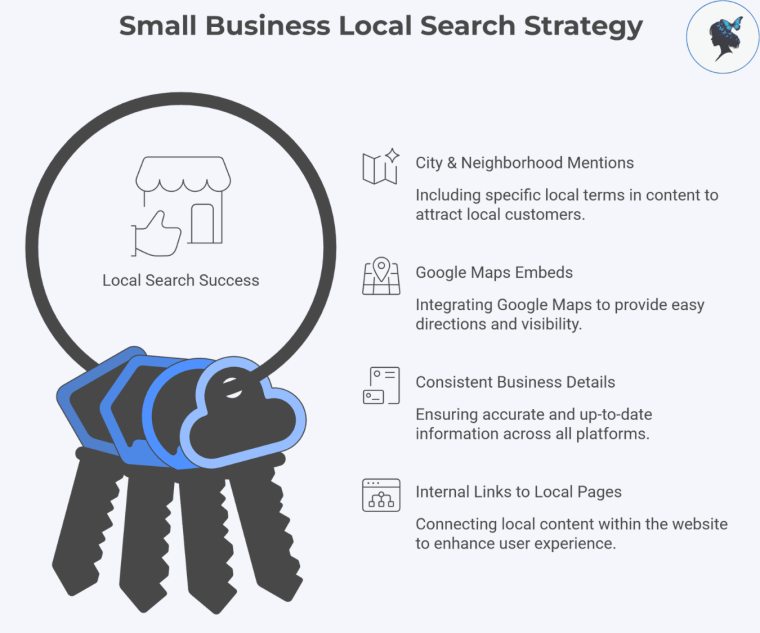
infograph: Small business local search strategy
Small business local search strategy

Include:

  • City + neighborhood mentions
  • Google Maps embeds
  • Consistent business details
  • Internal links to local pages

Why this matters:

And most importantly: Google Business Profile drives real conversions, with actions like calls, directions, and bookings increasing 41% year-over-year.


Step 5: Build Trust Into Every Section

Traffic doesn’t convert without trust.

And in 2026, trust is measurable.

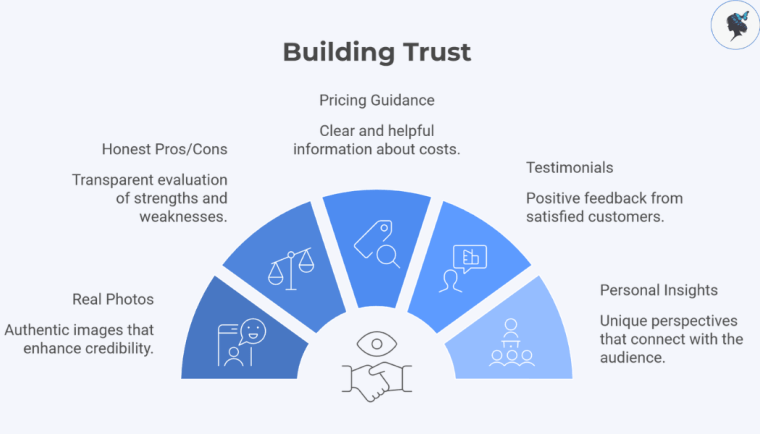
infograph: Building trust
Building trust

Add:

  • Real photos
  • Honest pros/cons
  • Pricing guidance
  • Testimonials
  • Personal/local insights

This is your advantage over AI: Real experience + credibility

More about the role of trust signals here.


Step 6: Turn One Guide Into a Content System

One guide is good. A network is better.

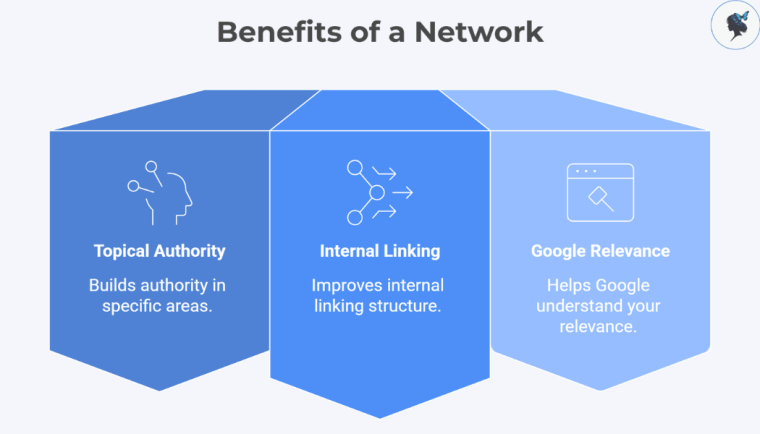
infograph: Benefits of a network
Benefits of a network

Example:

  • Chicago hub page
    • Best brunch spots in Chicago
    • Best gyms in Chicago
    • Best coworking spaces in Chicago

Why this works:

  • Builds topical authority
  • Improves internal linking
  • Helps Google understand your relevance

Local Pack results can capture a significant share of clicks—with studies showing top local listings often receiving a large portion of mobile and local search traffic, sometimes exceeding organic results depending on query intent.


Step 7: Add Strategic CTAs (Without Being Pushy)

Local search is high intent. People are ready to act.

That’s why:

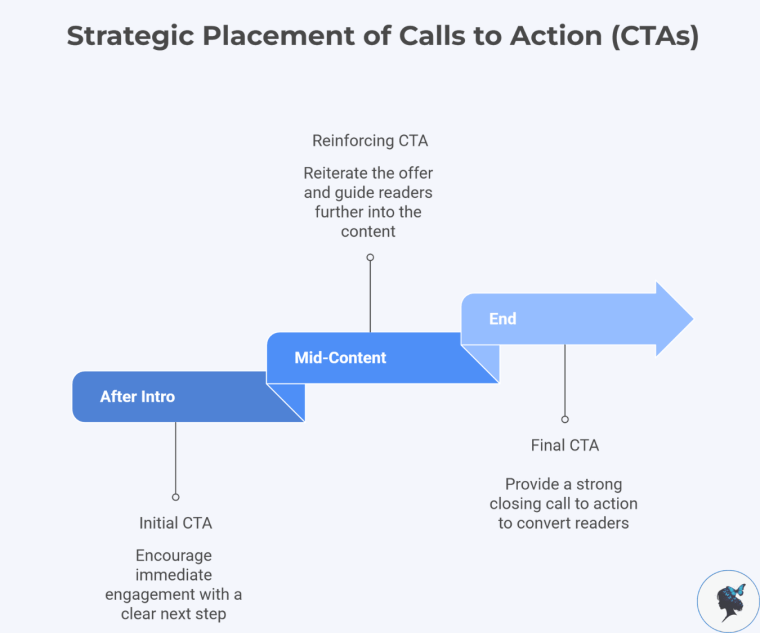
infograph: Strategic placement of CTAs
Strategic placement of CTAs

Place CTAs:

  • After intro
  • Mid-content
  • End

Examples:

  • Book a consultation
  • Reserve a spot
  • Call now
  • Get directions

Make the CTA feel like the natural next step.

More about the importance of clear CTAs here.


Step 8: Make It Feel Current (2026 Reality)

Search isn’t what it was 2 years ago.

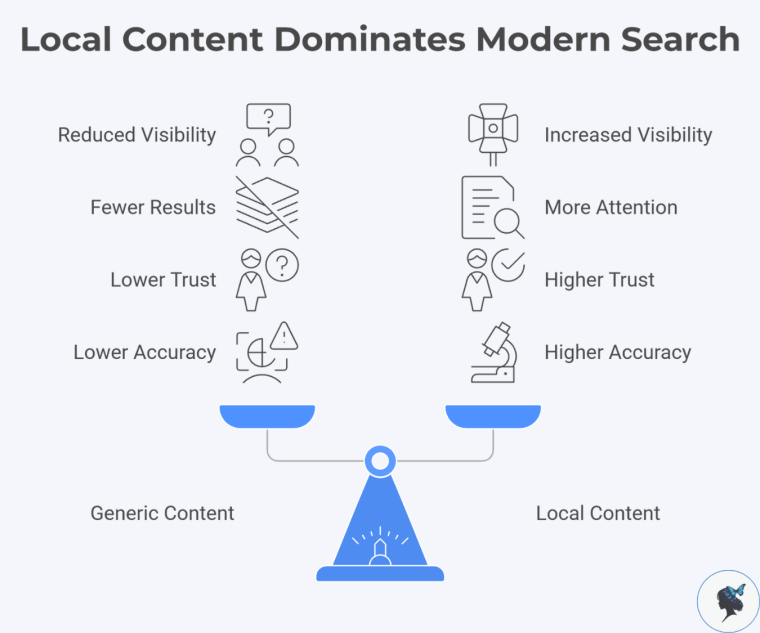
infograph: Local content dominates modern search
Local content dominates modern search

What’s changed:

  • AI answers reduce visibility for generic content
  • Fewer results get attention
  • Trust + accuracy matter more than ever

Local SEO today is driven by:

  • Proximity
  • Reviews
  • Business activity
  • Data consistency

Generic content loses.
Specific, local, experience-based content wins.


Step 9: Example Guide Template

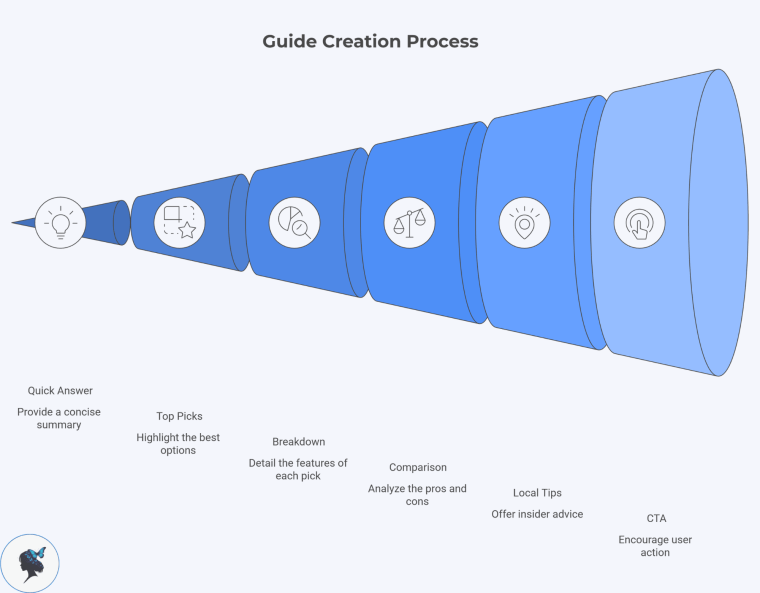
infograph: Guide creation process
Guide creation process

Title: Best [Service] in [City] (2026 Guide)

Example: Best Independent Bookstores in Edinburgh

Structure:

  • Quick answer
  • Top picks
  • Breakdown
  • Comparison
  • Local tips
  • CTA
  • FAQ

Step 10: Small Business Guide SEO Checklist (2026)

Before publishing:

  • One clear keyword focus
  • Local modifier included
  • Strong intro with quick answer
  • Structured headings
  • Internal links
  • Real photos
  • CTA included
  • FAQ section
  • Mobile optimized

Because today: Visibility = clarity + trust + local relevance


Final Thought

Local guides aren’t content.

They’re conversion assets.

With nearly half of all searches being local and the majority leading to real-world actions, the opportunity is massive.

The goal isn’t just to rank.

It’s to create something so useful that people think: “This is exactly what I needed—I’ll go with them.”

Need help? Contact us today!

Common SEO Mistakes Small Businesses Make (and How to Fix Them)


▶ Table of Contents

Updated May 25, 2026.

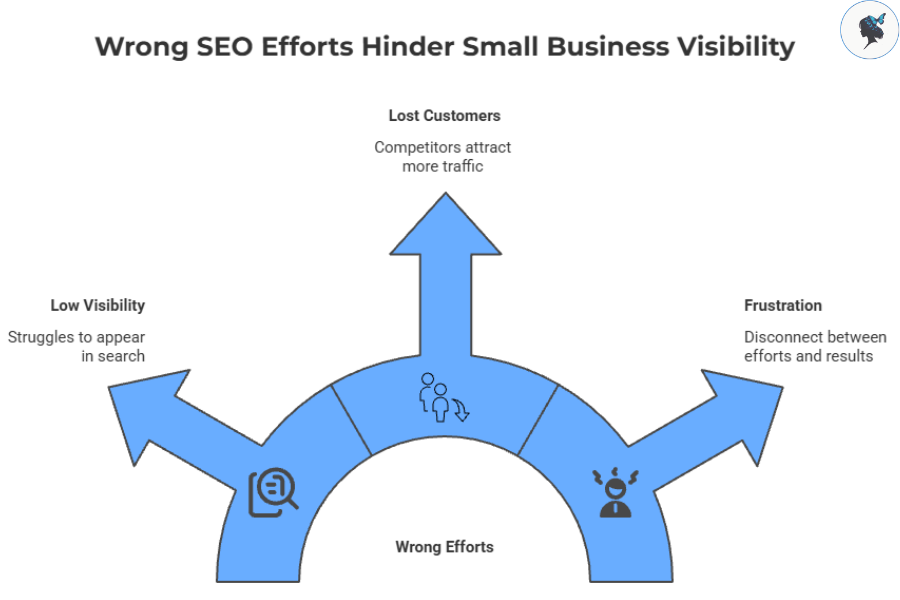
Small businesses rarely fail at SEO because they do nothing. More often, they fail because they spend time on the wrong things.

A business owner updates blog posts, posts regularly on social media, tweaks keywords, maybe even pays for an SEO plugin—and still struggles to appear in search results. Meanwhile, competitors with simpler websites somehow attract more traffic and more customers.

That disconnect has become even more frustrating in 2026.

infograph: Wrong SEO efforts hinder small business visibility
Wrong SEO efforts hinder small business visibility

Search engines no longer reward websites simply for inserting keywords into pages. They increasingly prioritize useful content, trustworthy information, fast user experiences, and businesses that genuinely answer customer questions well. AI-generated search summaries are also changing how people discover companies online, making visibility more competitive than ever.

The good news is that most SEO problems small businesses face are fixable.

You do not need a massive budget or a full-time marketing team to improve your visibility. You need clarity, consistency, and a better understanding of how customers actually search online.

Here are the most common SEO mistakes small businesses make today—and practical ways to fix them.


Trying to Rank for Everything

One of the biggest mistakes small businesses make is attempting to compete for broad, highly competitive search terms.

A local accounting firm wants to rank for “finance.”
A bakery wants to rank for “desserts.”
A fitness coach targets “workout plans.”

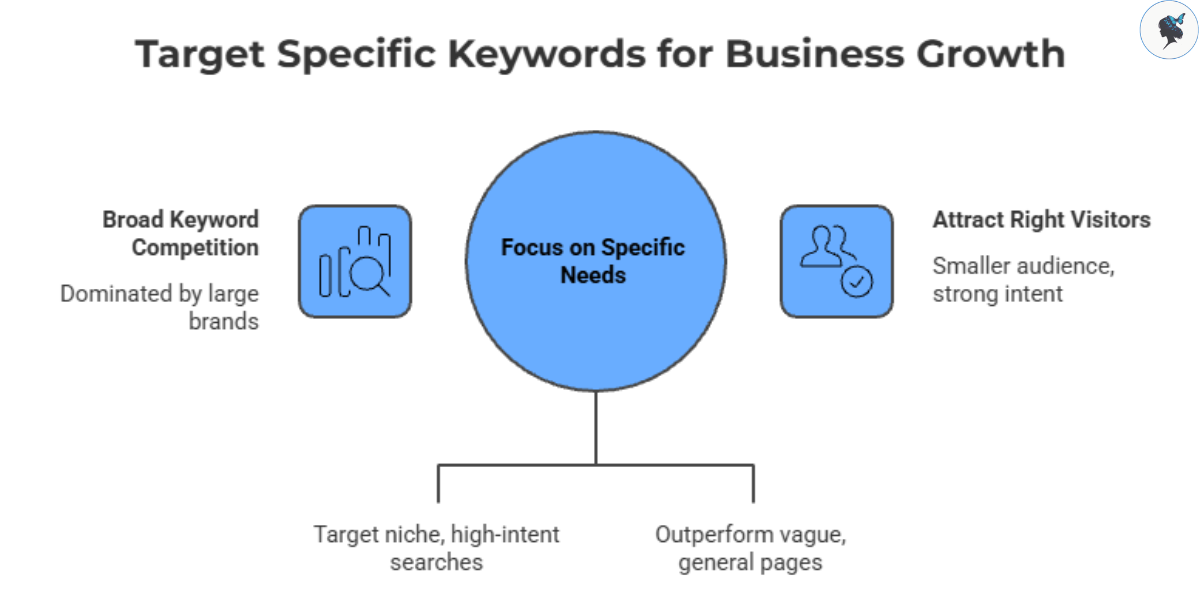
These terms are too broad and often dominated by large brands with huge marketing budgets. More importantly, broad searches usually attract people who are browsing, not buying.

Search engines increasingly prioritize intent and topical relevance over sheer keyword volume. Focused, useful content consistently outperforms vague, general pages.

infograph: Target specific keywords for business growth
Target specific keywords for business growth

How to fix it

Instead of targeting broad terms, focus on highly specific customer needs.

For example:

  • “custom vegan birthday cakes”
  • “bookkeeping for freelance designers”
  • “strength training for beginners over 40”

Specific searches may attract fewer visitors, but they often attract the right visitors.

A smaller audience with strong intent is usually more valuable than large amounts of unfocused traffic.

Read our guide: mastering long-tail keywords.


Writing Content for Algorithms Instead of Humans

Some small business websites still sound like they were written for search engines instead of actual people. You see pages repeating the same phrase over and over:

This kind of writing creates a poor experience for readers — and increasingly, for rankings too.

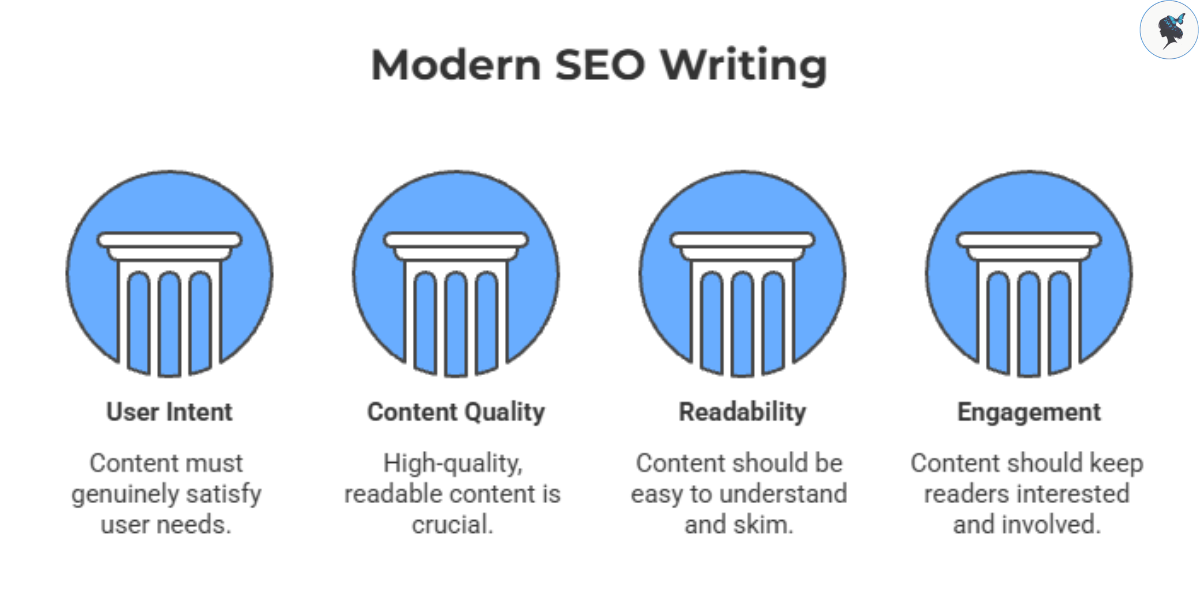
Modern search systems evaluate whether content genuinely satisfies user intent. Content quality, readability, and engagement matter far more than repetitive keyword placement.

infograph: Modern SEO writing
Modern SEO writing

How to fix it

Write the way you naturally explain your business to customers.

A simple test helps: If the wording would sound strange in a face-to-face conversation, rewrite it.

Good SEO writing is usually:

  • clear
  • specific
  • helpful
  • easy to skim
  • free from unnecessary jargon

The goal is not to “sound optimized.” The goal is to answer questions clearly.


Ignoring What Customers Actually Search For

Many businesses create content based on what they think matters instead of what customers are actively searching for. That creates a mismatch between the website and real-world demand.

For example, a landscaping company might publish pages about “premium outdoor environmental enhancements” while customers are simply searching for:

  • “backyard drainage help”
  • “small patio ideas”
  • “easy garden maintenance”

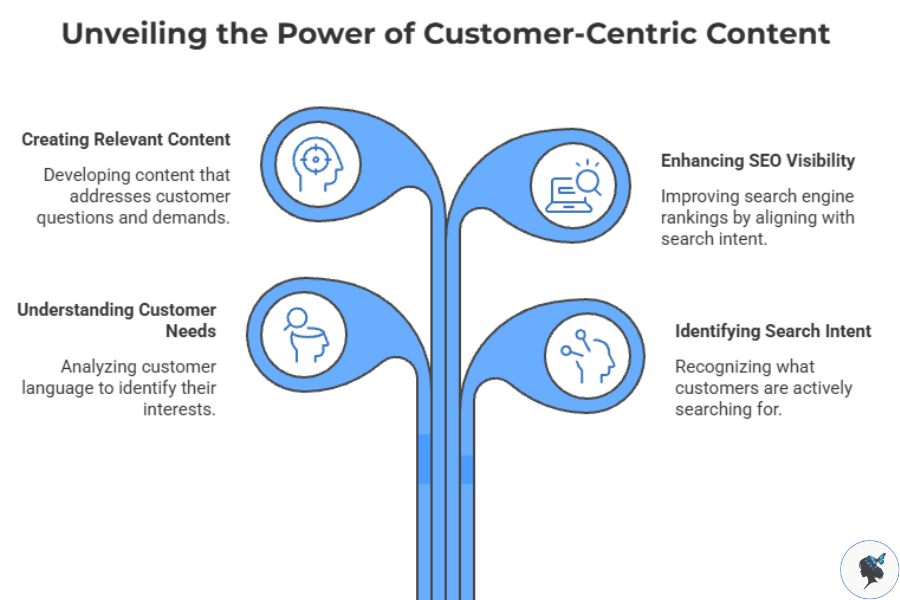
Intent alignment has become one of the strongest visibility signals in modern SEO.

infograph: Unveiling the power of customer-centric content
Unveiling the power of customer-centric content

How to fix it

Start listening to customer language more carefully.

Useful sources include:

  • customer emails
  • live chat questions
  • sales calls
  • online reviews
  • autocomplete suggestions in search engines

If five customers ask the same question, that question probably deserves its own page or article.

The simplest SEO strategy is often the most effective: answer real questions better than competitors do.

More about search intent here.


Having a Slow Website

Many small business websites lose customers before visitors even see the content.

Slow loading times frustrate users, especially on mobile devices. Search engines also continue to use page experience and performance signals as ranking factors.

Even a visually attractive website can underperform if it feels sluggish.

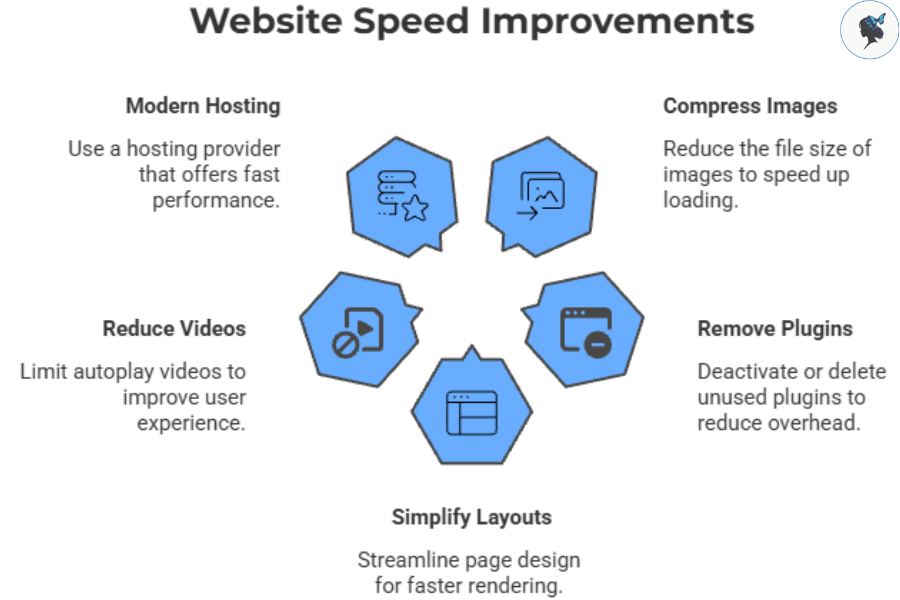
infograph: Website speed improvements
Website speed improvements

How to fix it

You do not need a complicated rebuild to improve speed.

Start with practical improvements:

  • compress large images
  • remove unnecessary plugins
  • simplify page layouts
  • reduce autoplay videos
  • use modern website hosting

A fast, simple website often performs better than an elaborate one packed with effects.

More about website speed optimization here.


Treating Mobile Users as an Afterthought

Most people now discover businesses through phones first, not desktop computers.

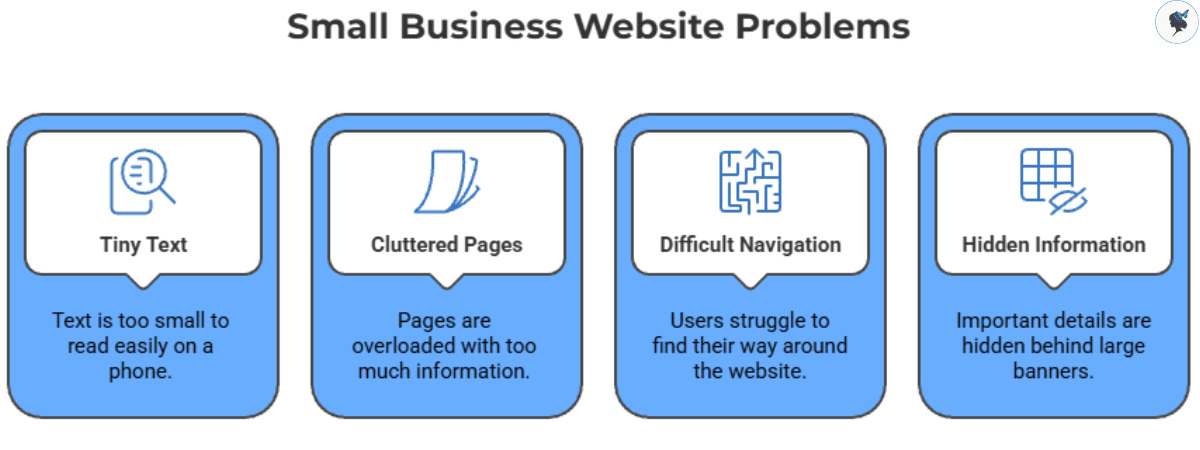
Yet many small business websites still:

  • use tiny text
  • overload pages with clutter
  • create difficult navigation
  • hide important information below large banners

Search systems increasingly evaluate mobile usability as part of overall user experience.

infograph: Small business website problems
Small business website problems

How to fix it

Open your website on your own phone and ask:

  • Can I navigate this quickly?
  • Can I contact the business easily?
  • Is the text readable?
  • Does the page feel frustrating?

Small changes matter:

  • larger buttons
  • shorter paragraphs
  • clearer menus
  • faster loading images

Good mobile experiences are rarely flashy. They are simply friction-free.

More about mobile optimisation here.


Publishing Blog Posts Without a Purpose

Many businesses start blogging because they heard “content helps SEO.”

That part is true.

But random blog posts without strategy rarely produce meaningful results.

A restaurant posting “Top Summer Trends” or a consultant publishing generic motivational articles often creates content disconnected from customer needs.

Search engines increasingly reward topical depth and usefulness over random publishing frequency.

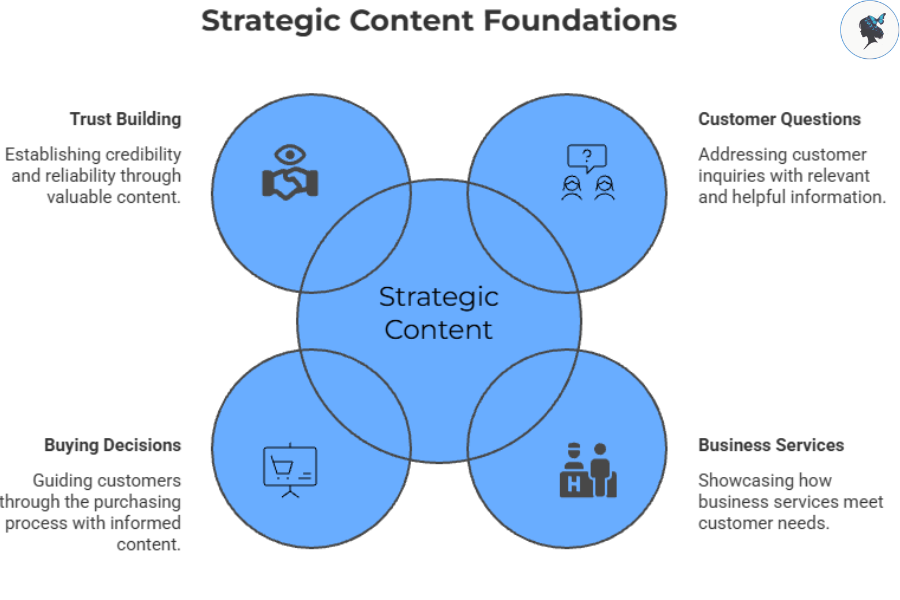
infograph: Strategic content foundation
Strategic content foundation

How to fix it

Every piece of content should connect to:

  • a customer question
  • a business service
  • a buying decision
  • a trust-building opportunity

Before publishing an article, ask: “What practical problem does this solve?”

Good content usually helps customers:

  • understand
  • compare
  • decide
  • avoid mistakes
  • feel confident

Ignoring Reviews and Reputation Signals

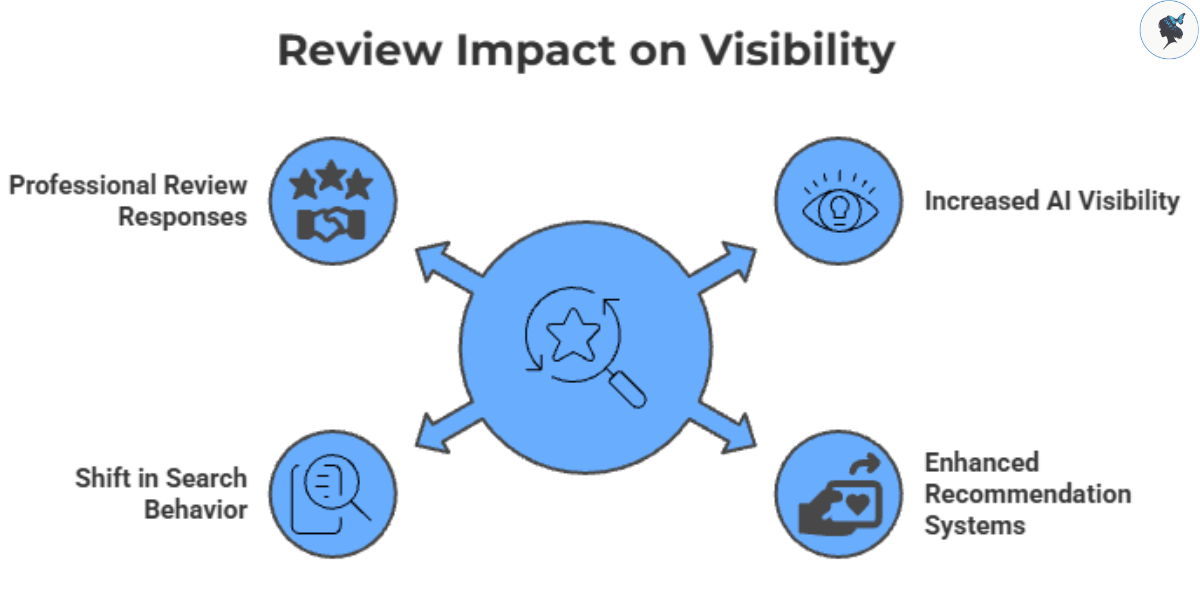
Reviews are no longer just customer feedback. They are visibility signals.

Recent reporting in 2026 suggests businesses with stronger review profiles appear more frequently in AI-generated search responses and recommendation systems. That shift matters because search behavior itself is changing.

People increasingly rely on AI summaries, maps, reviews, and aggregated recommendations before ever visiting a website.

infograph: Review impact on visibility
Review impact on visibility

How to fix it

Make review collection part of normal operations. Simple methods work best:

  • ask after successful purchases
  • send short follow-up emails
  • make review links easy to access

Equally important: respond professionally to reviews, including negative ones. Potential customers often judge businesses more by how they handle criticism than by perfect ratings.


Neglecting Local Search Visibility

Many small businesses underestimate how much search behavior is locally driven.

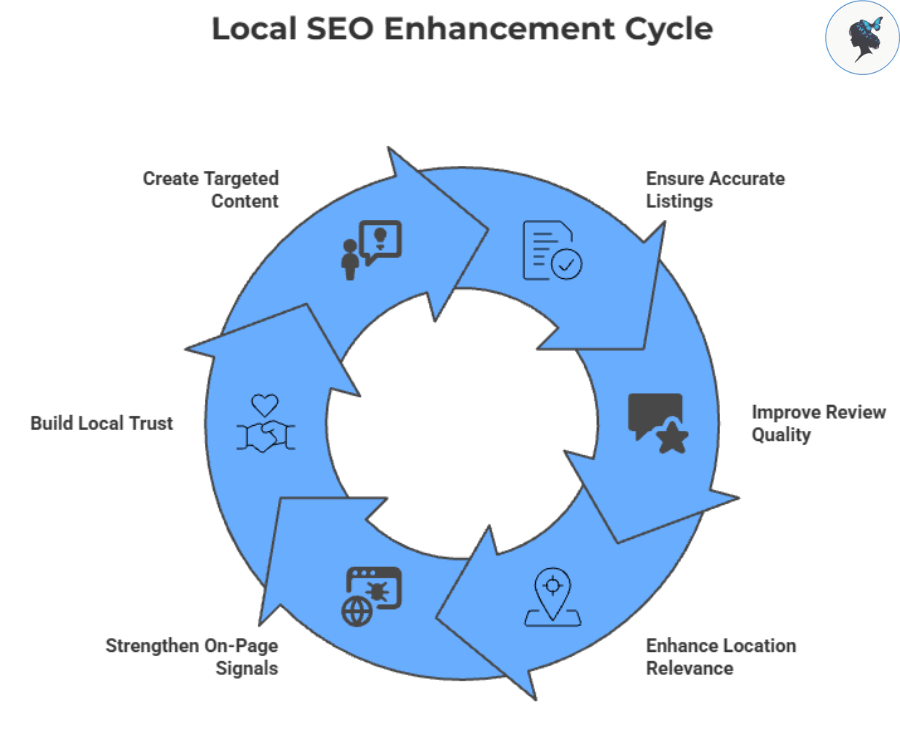
Research on local SEO ranking factors in 2026 continues to show the importance of:

  • accurate business listings
  • review quality
  • location relevance
  • on-page local signals

Even businesses serving broader markets benefit from local trust signals.

infograph: Local SEO enhancement cycle
Local SEO enhancement cycle

How to fix it

Make sure your:

  • contact information is consistent everywhere
  • business hours are updated
  • service areas are clearly explained
  • business profiles are fully completed

Also create pages around real customer needs tied to local intent. For example:

  • “same-day emergency electrician”
  • “family-friendly brunch spot”
  • “wedding florist consultation”

Specificity usually beats generic marketing language.


Expecting SEO to Work Instantly

This may be the most emotionally exhausting mistake. Small businesses often invest in SEO for a few months, see limited results, then abandon the effort completely.

But SEO compounds slowly.

A useful article published today may continue generating leads for years. Meanwhile, inconsistent stop-and-start efforts rarely build momentum.

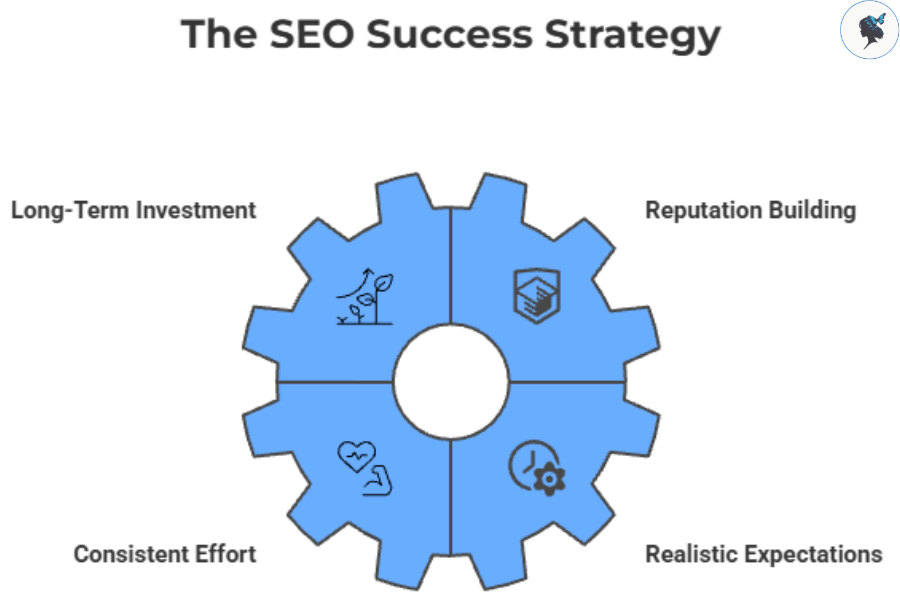
infograph: The SEO success strategy
The SEO success strategy

How to fix it

Treat SEO like reputation building, not advertising.

Paid ads can create immediate traffic.
SEO creates accumulated visibility over time.

Set realistic expectations:

  • 3 months for early movement
  • 6–12 months for stronger authority
  • ongoing improvements for long-term growth

Consistency matters far more than intensity.


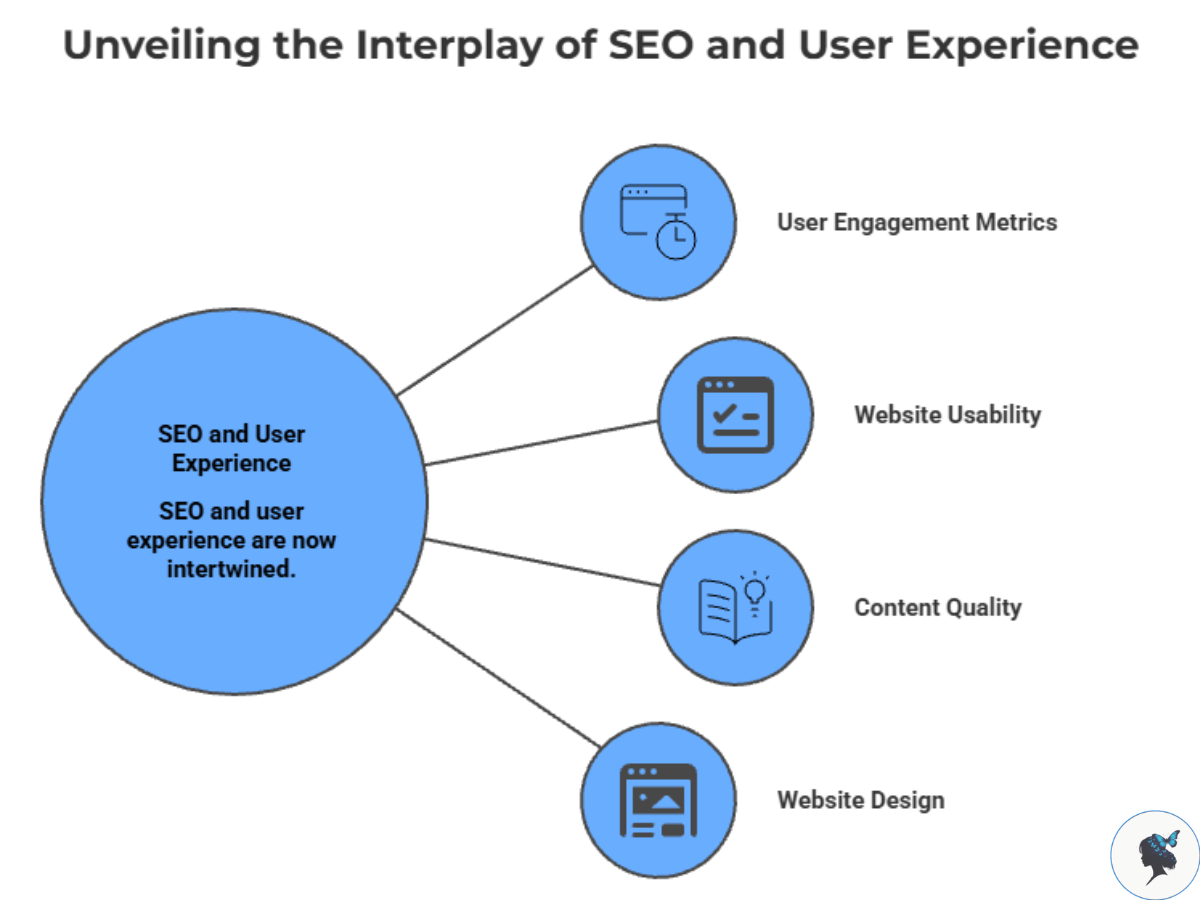
Forgetting That User Experience Is Part of SEO

SEO and user experience are no longer separate conversations. Search systems increasingly evaluate how people interact with websites:

  • how long they stay
  • whether pages are easy to navigate
  • whether content feels satisfying
  • whether users quickly leave and return to search results

This is one reason outdated “SEO tricks” are becoming less effective.

infograph: Unveiling the interplay of SEO and user experience
Unveiling the interplay of SEO and user experience

How to fix it

Focus on making your website genuinely easier to use.

That means:

  • clear navigation
  • readable formatting
  • useful headings
  • concise explanations
  • practical examples
  • fewer distractions

Helpful websites tend to outperform clever ones.

You might like our post: Using Color & Layout to Improve Navigation


Relying Too Heavily on AI-Generated Content

AI tools can absolutely help small businesses create content faster.

But publishing large amounts of generic AI-written material without editing often creates shallow, repetitive pages that add little value.

Search systems increasingly reward originality, experience, and trustworthiness over mass-produced content.

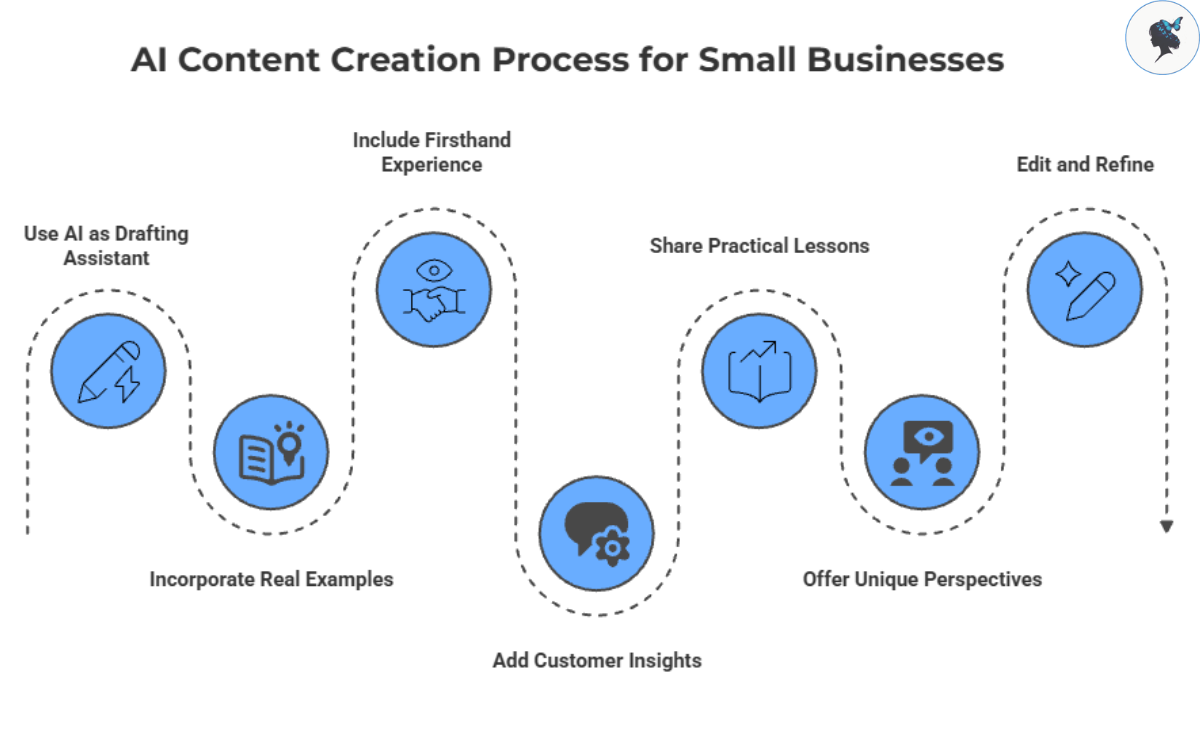
infograph: AI content creation process for small businesses
AI content creation process for small businesses

How to fix it

Use AI as a drafting assistant, not a replacement for expertise. The strongest content usually includes:

  • real examples
  • firsthand experience
  • customer insights
  • practical lessons
  • unique perspectives

A short, genuinely useful article will often outperform a longer generic one.


Practical SEO Improvements Small Businesses Can Make This Month

SEO becomes less overwhelming when broken into small operational improvements. Here are examples of practical adjustments businesses could realistically implement.

Coffee shop in New York

Instead of optimizing for “best coffee,” the business creates pages answering:

  • “quiet cafés for remote work”
  • “best coffee shop for study sessions”
  • “late-night espresso bar”

Result: more relevant traffic and longer visit times.


Boutique hotel in Tokyo

The hotel adds detailed FAQs covering:

  • check-in process
  • transportation tips
  • nearby attractions
  • luggage storage policies

Result: fewer customer uncertainties and stronger search relevance for traveler questions.


Fitness studio in London

The studio publishes beginner-focused content:

  • “what to expect in your first class”
  • “best workouts for office workers”
  • “how to start strength training safely”

Result: improved engagement from hesitant first-time visitors.


Retail store in Sydney

The business rewrites product pages using simpler language and clearer descriptions instead of manufacturer copy.

Result: better readability, improved trust, and stronger conversion rates.


The Bigger Shift Happening in SEO

SEO in 2026 is increasingly about credibility, usefulness, and clarity.

Search engines — and AI search systems — are moving away from rewarding pages that merely look optimized.

They are increasingly prioritizing:

  • trustworthy information
  • strong user experiences
  • real expertise
  • customer satisfaction
  • structured, easy-to-understand answers

That shift actually benefits small businesses in many ways.

Large companies often struggle to sound human. Smaller businesses can move faster, communicate more personally, and answer customer concerns more directly.

That is a competitive advantage.


Conclusion

Most small businesses do not need “advanced SEO hacks.”

They need:

  • clearer messaging
  • faster websites
  • more useful content
  • stronger customer trust
  • better alignment with real search behavior

The businesses that improve online visibility today are rarely the ones chasing algorithms most aggressively.

They are usually the ones making life easier for customers.

If you want better SEO results, start there.

Pick two or three problems from this article and improve them over the next month. Then measure what changes:

  • website traffic
  • calls
  • inquiries
  • bookings
  • customer engagement

SEO is not magic. It is accumulated clarity and trust over time.

Need help? Contact us today!

Creating Social Media Campaigns That Drive Growth for Small Businesses

Post updated June 15th, 2026.


▶ Table of Contents

Why Most Small Business Social Campaigns Struggle

For many small business owners, social media feels like a constant race. New platforms emerge, algorithms change, and competitors seem to publish content around the clock.

The challenge isn’t usually a lack of effort. It’s a lack of strategy.

According to 2026 research, 91% of small businesses use social media for marketing, and 71% use it specifically to attract new customers. Yet many owners still cite limited time and resources as their biggest obstacles.

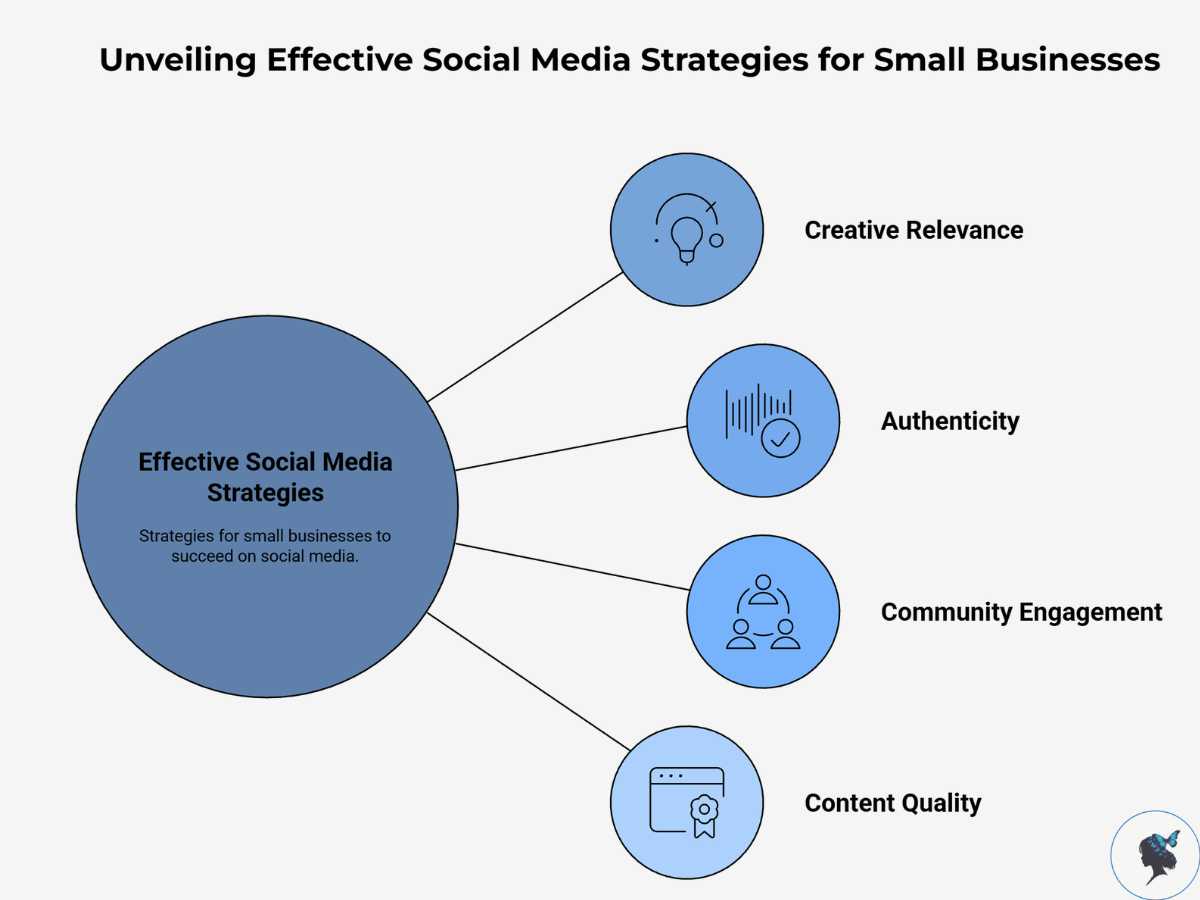
infograph: Unveiling effective social media strategies for small businesses
Unveiling effective social media strategies for small businesses

The good news is that successful social media campaigns no longer require massive budgets or celebrity endorsements. In 2026, creative relevance, authenticity, and community engagement matter more than follower counts or publishing volume. Recent industry research shows that social discovery increasingly depends on content quality rather than audience size alone.

If you’re a small business owner, the goal isn’t to go viral. It’s to create campaigns that build trust, generate conversations, and convert attention into revenue.

Here are the strategies that work.

1. Build Campaigns Around Customer Participation

The most effective social campaigns invite customers to become part of the story rather than simply consume it.

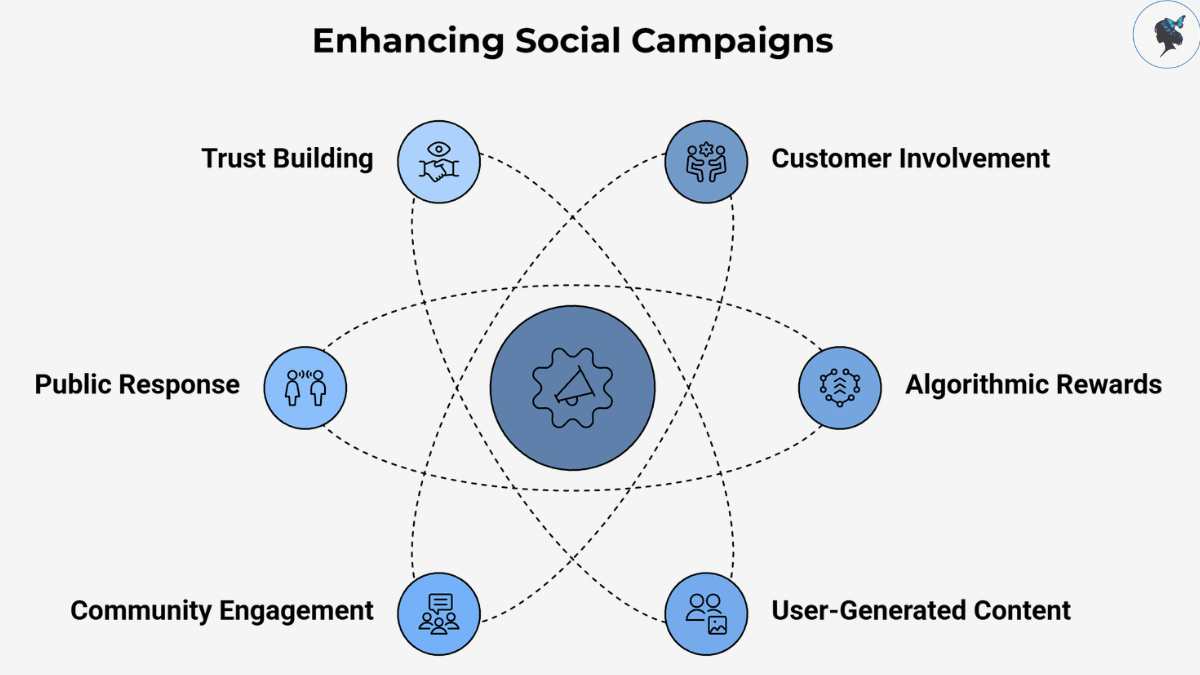
Today’s algorithms reward interaction. Comments, shares, user-generated content, and community engagement signal relevance to platforms and help extend reach organically.

infograph: Enhancing social campaigns
Enhancing social campaigns

A strong example comes from outdoor apparel company Patagonia’s #PatagoniaFanMail campaign. Instead of avoiding criticism, the company publicly responded to customer questions and concerns through short-form video content. By turning audience feedback into content, Patagonia strengthened trust and encouraged ongoing participation.

How Small Businesses Can Apply This

A local accounting firm might feature common client questions in weekly videos.

A home services company could showcase before-and-after projects submitted by customers.

A specialty manufacturer could ask clients to share creative uses of its products.

The key is simple: create opportunities for customers to contribute rather than merely observe.

2. Focus on Community, Not Just Promotion

Many businesses still treat social media as a digital billboard. The result is predictable: low engagement and declining reach.

Modern consumers expect interaction, education, and value.

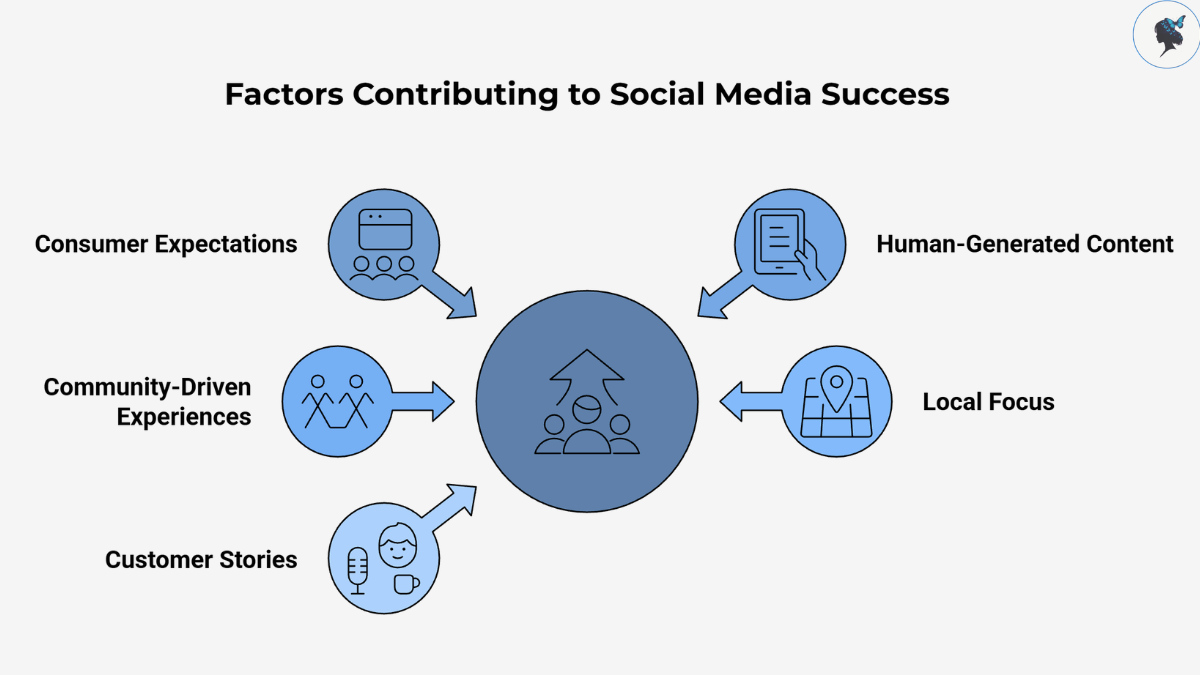
infograph: Factors contributing to social media success
Factors contributing to social media success

Research published in 2026 found that consumers increasingly prefer human-generated, useful content over purely promotional posts. Brands that create community-driven experiences outperform those focused solely on selling.

A standout example comes from Wakefern Food Corp.’s “We Are Here” campaign. Rather than focusing exclusively on products, the campaign highlighted local communities, employees, and customer stories. The effort generated millions of organic impressions and significant engagement by emphasizing connection over promotion.

Practical Ideas

  • Feature employee stories.
  • Celebrate customer milestones.
  • Spotlight local partnerships.
  • Share lessons learned behind the scenes.
  • Create recurring community-focused content series.

People connect with people before they connect with brands.

3. Turn Everyday Customers Into Brand Ambassadors

One of the biggest shifts in social media marketing is the growing influence of authentic customer advocacy.

Consumers trust peers more than polished advertising.

A strong example comes from restaurant brand CAVA, which launched merchandise inspired by customer favorites and inside jokes from its community. The campaign transformed loyal customers into visible brand advocates while strengthening brand identity.

More about the role of trust signals here.

What Small Businesses Can Do

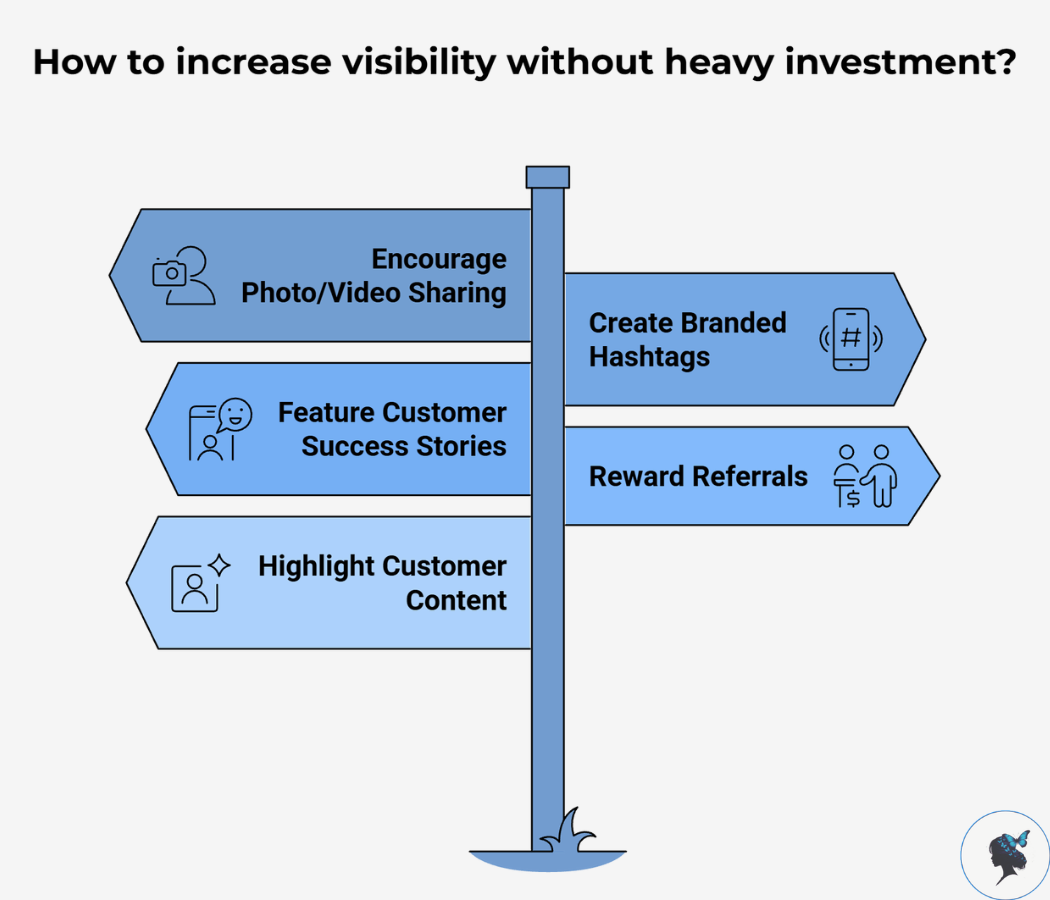
Infograph: How to increase visibility without heavy investment?
How to increase visibility without heavy investment?

Instead of investing heavily in traditional advertising:

  • Encourage customers to share photos or videos.
  • Create branded hashtags.
  • Feature customer success stories.
  • Reward referrals publicly.
  • Highlight customer-generated content regularly.

Even a modest audience can create meaningful visibility when customers actively participate in spreading your message.

4. Use Short-Form Video With a Clear Business Goal

Short-form video remains one of the most effective formats for discovery in 2026.

Research shows significant growth in video-driven discovery across major platforms, particularly Instagram Reels, YouTube Shorts, and TikTok. Consumers increasingly discover businesses through algorithmic recommendations rather than by following brand accounts directly.

However, many businesses make the mistake of creating videos without a clear objective.

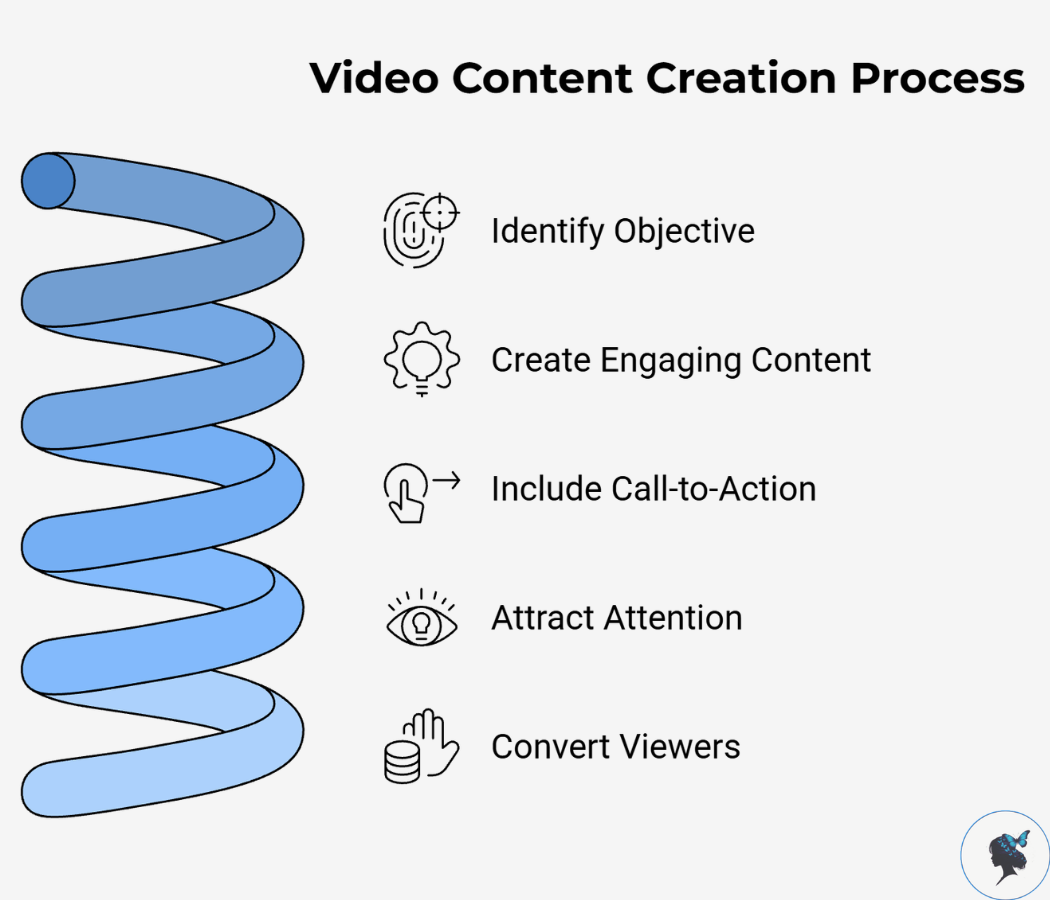
infograph: Video content creation process
Video content creation process

Every campaign should answer one question:

What action do you want viewers to take next?

Possible goals include:

  • Booking a consultation
  • Requesting a quote
  • Visiting a store
  • Joining an email list
  • Downloading a guide
  • Scheduling a demo

Successful video content educates, entertains, or solves a problem before asking for the next step.

For example, a commercial cleaning company could publish 30-second workplace cleanliness tips. A software provider might share quick workflow improvements. A fitness studio could demonstrate common exercise mistakes and solutions.

The content attracts attention; the call-to-action converts it.

5. Personalize Campaigns Without Losing Authenticity

Consumers increasingly expect relevant experiences.

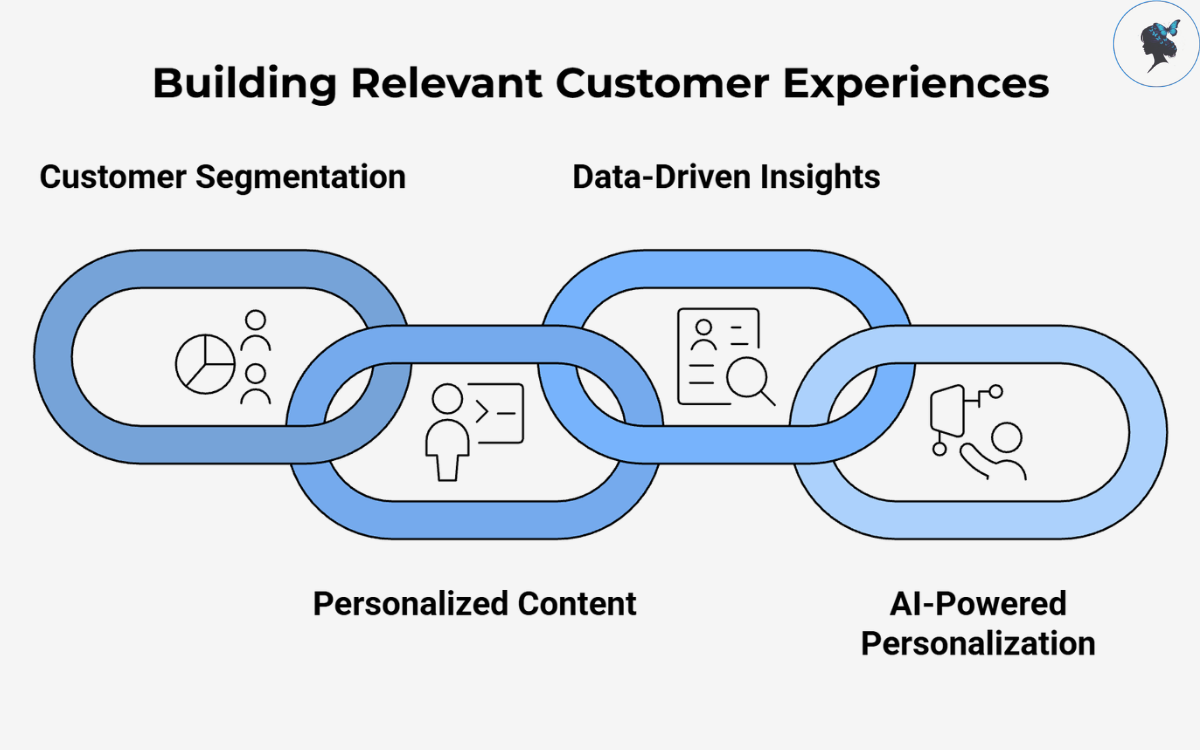
Infograph: Building relevant customer experiences
Building relevant customer experiences

Large brands are investing heavily in personalized social experiences powered by data and AI. Mars, for example, has used interactive AI-powered campaigns that allow customers to engage directly with branded experiences tailored to their interests.

Small businesses don’t need enterprise-level technology to achieve similar results.

Start With Simple Segmentation

Create content for:

  • New customers
  • Existing customers
  • High-value clients
  • Different industries
  • Different product categories

A B2B software company may publish separate content streams for operations managers and executives.

A healthcare provider might create distinct campaigns for new patients versus returning patients.

Personalization becomes effective when it reflects genuine audience needs rather than automated messaging.

6. Measure Engagement Quality, Not Vanity Metrics

Many business owners still judge campaign success by likes and follower counts.

These numbers can be misleading.

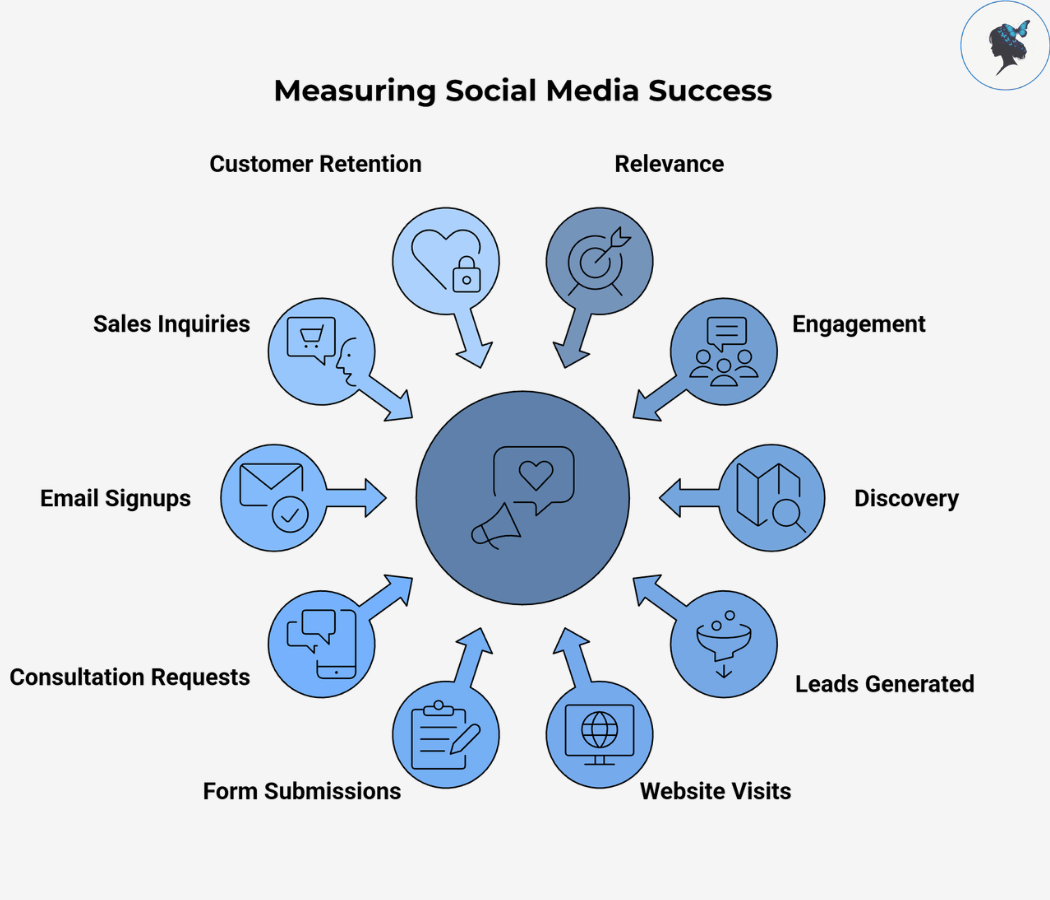
infograph: Measuring social media success
Measuring social media success

Industry research shows that social success increasingly comes from relevance, engagement, and discovery rather than sheer audience size.

Instead, track metrics tied to business outcomes:

  • Leads generated
  • Website visits
  • Form submissions
  • Consultation requests
  • Email signups
  • Sales inquiries
  • Customer retention

A post that generates ten qualified leads is far more valuable than one that receives thousands of views with no business impact.

When reviewing campaigns, ask:

  • Did engagement increase?
  • Did conversations increase?
  • Did inquiries increase?
  • Did revenue increase?

Those answers matter more than follower growth alone.

The Future Belongs to Businesses That Create Conversations

The most successful social media campaigns in 2026 share a common characteristic: they create meaningful interactions rather than simply broadcast messages.

Research across multiple studies points to the same conclusion. Consumers are discovering brands through social platforms more than ever, but they increasingly reward authenticity, usefulness, and community engagement over polished promotional content.

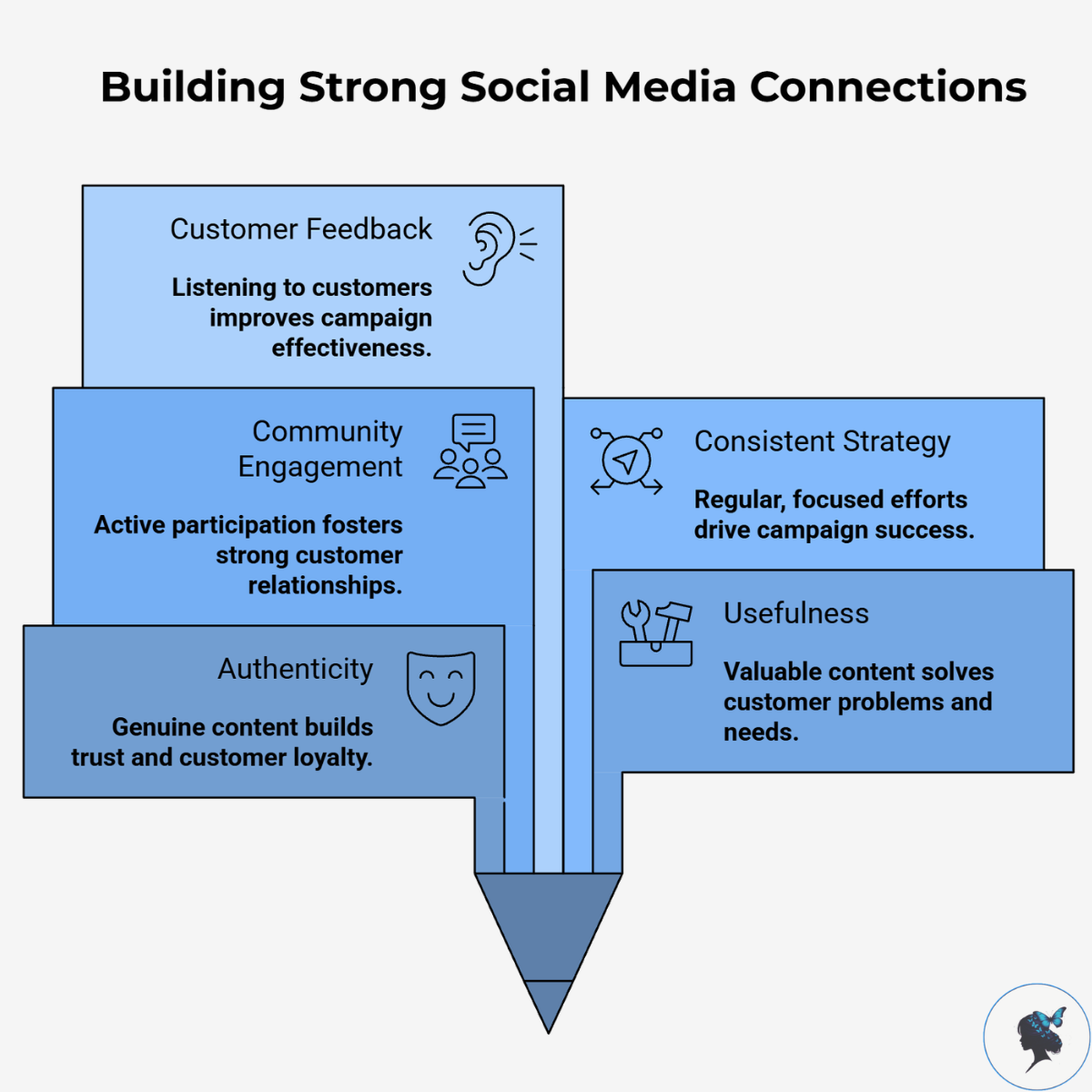
infograph: Building strong social media connections
Building strong social media connections

For small businesses, this presents a significant opportunity.

You don’t need the largest budget.

You don’t need the biggest audience.

You don’t need a full-time content team.

What you need is a consistent strategy that encourages participation, delivers value, and builds genuine relationships with customers.

Start with one campaign. Focus on one audience. Solve one problem.

Then listen closely to how your community responds.

The businesses that grow fastest on social media today are not the ones talking the most—they’re the ones creating the strongest conversations.

Need help with your Social Media strategy? Contact us to see how we can help!

Content Types Every Small Business Website Should Have


▶ Table of Contents

Updated May 25, 2026

In 2026, small business websites are no longer passive brochures. They function as decision-making environments, helping users quickly evaluate trust, relevance, and credibility before taking action.

Research across thousands of small business websites shows that most still lack structured trust signals, clear content systems, and decision-support materials, even though these are directly linked to conversions and user confidence .

At the same time, modern UX trends consistently highlight a shift away from decorative or vague content toward clarity, transparency, and proof-driven design .

The content types below reflect how high-performing small business websites are evolving in 2026.


Core Service Clarity Content (Homepage + Service Pages)

This is the foundation of every small business website. If users cannot understand what you do within seconds, they leave.

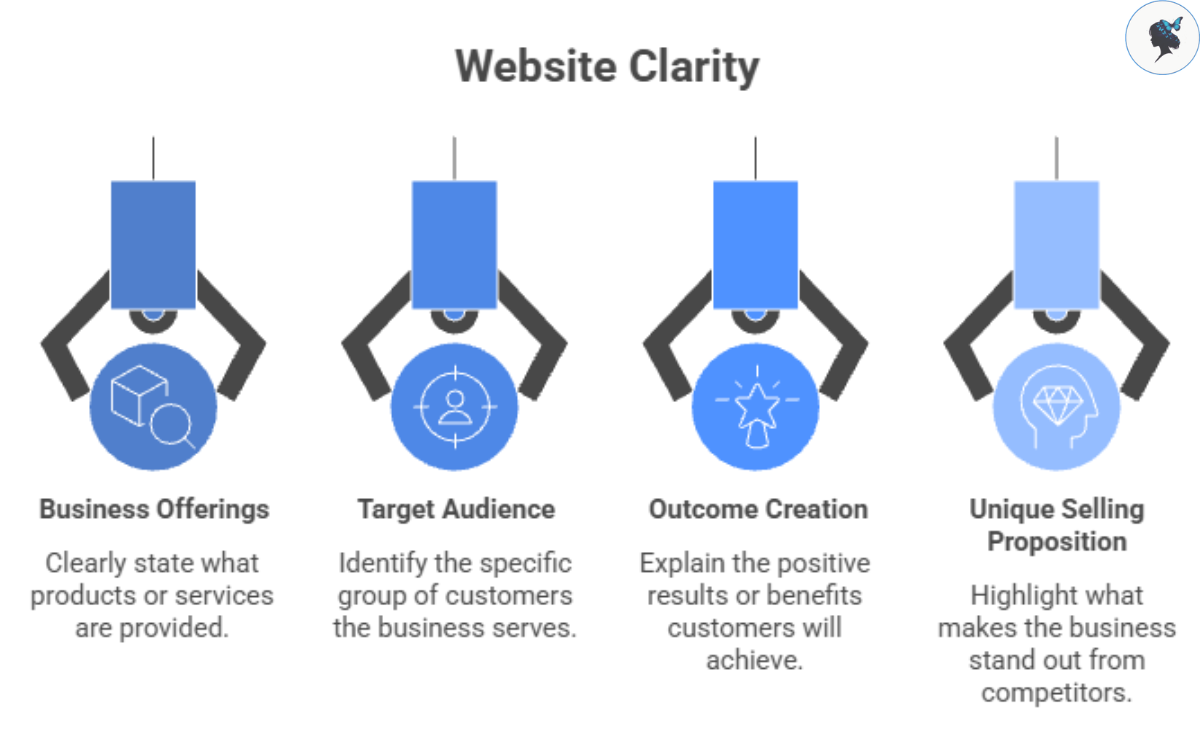
Infograph: Website clarity
Website clarity

In 2026, clarity is more important than persuasion. Websites are expected to communicate:

  • what the business offers
  • who it is for
  • what outcome it creates
  • why it is different

Modern UX research shows that visitors now expect immediate clarity and structured information before they engage further, as websites increasingly replace early sales conversations .

Key improvement:

Shift from describing services internally to communicating clear outcomes and real-world value.


Problem-Solution Content (Decision Support Content)

This content helps users compare options, understand their situation, and make decisions before contacting a business.

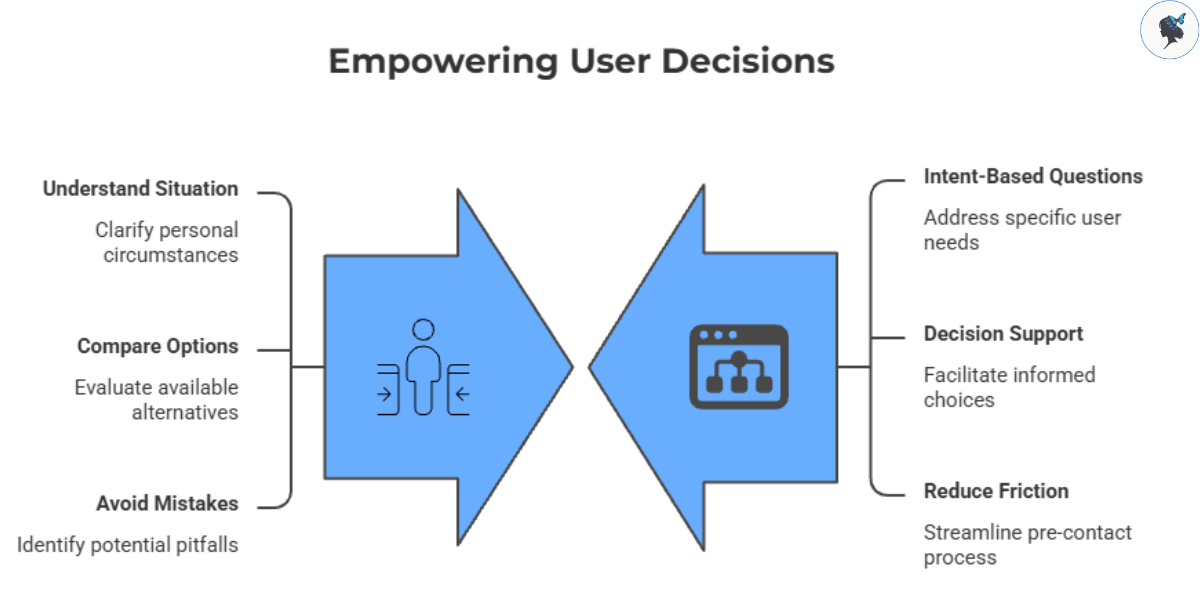
infograph: Empowering user decisions
Empowering user decisions

Instead of generic blog posts, 2026 websites prioritise content that answers real intent-based questions such as:

  • What do I need in my situation?
  • What is the difference between options?
  • What mistakes should I avoid?

This reflects a broader shift toward websites acting as self-service decision tools, reducing friction before human interaction .

Key improvement:

Move from general education to decision support and comparison-based guidance.


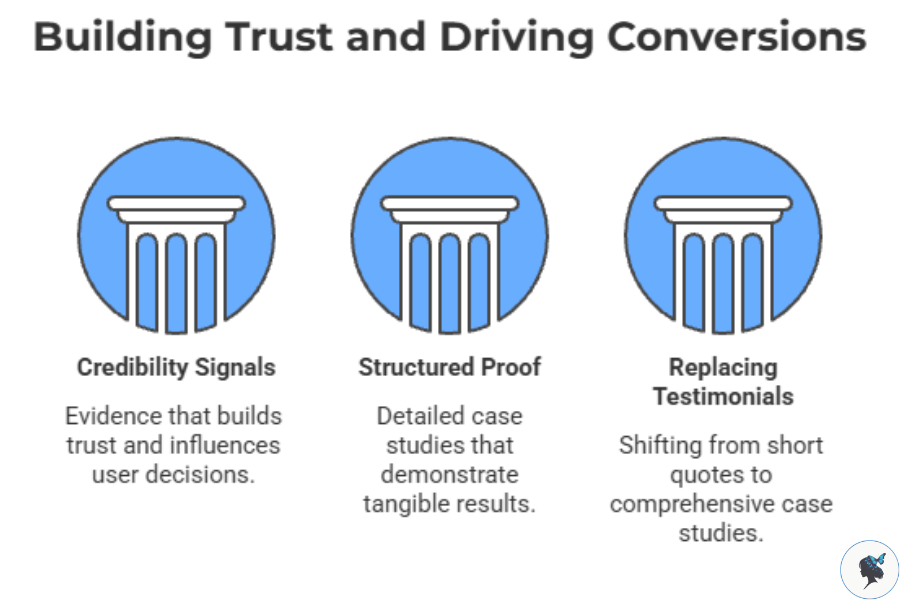
Trust and Proof Content (Case Studies and Results)

Trust is one of the strongest conversion factors in modern web behaviour. Users now compare multiple providers and rely heavily on evidence before making decisions.

Research shows that credibility signals—such as real examples, specific outcomes, and transparent claims—are more influential than polished design alone .

infograph: Building trust and driving conversions
Building trust and driving conversions

At the same time, audits of over 4,000 small business websites reveal that structured proof content (case studies, named outcomes, and detailed results) remains significantly underused despite its strong impact on conversions .

What strong proof content looks like:

  • the problem or context
  • the action taken
  • the measurable or visible result

Key improvement:

Replace short testimonials with structured case studies that show full context and outcomes.


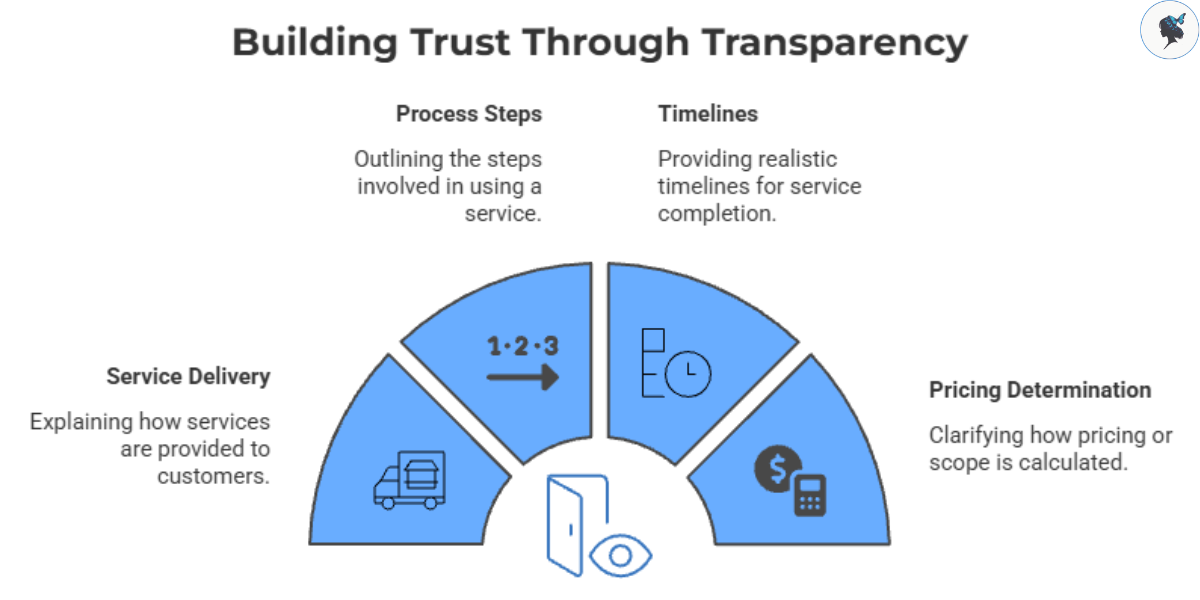
Transparency and Process Content (How It Works)

Modern users expect to understand how a business operates before they commit. This includes process, expectations, and structure.

Infograph: Building trust through transparency
Building trust through transparency

High-performing websites in 2026 openly explain:

  • how the service is delivered
  • what steps are involved
  • what timelines look like
  • how pricing or scope is determined

UX trends show that users are more likely to trust businesses that are transparent and specific, rather than vague or overly polished .

Key improvement:

Make processes visible instead of hidden behind contact forms or sales calls.


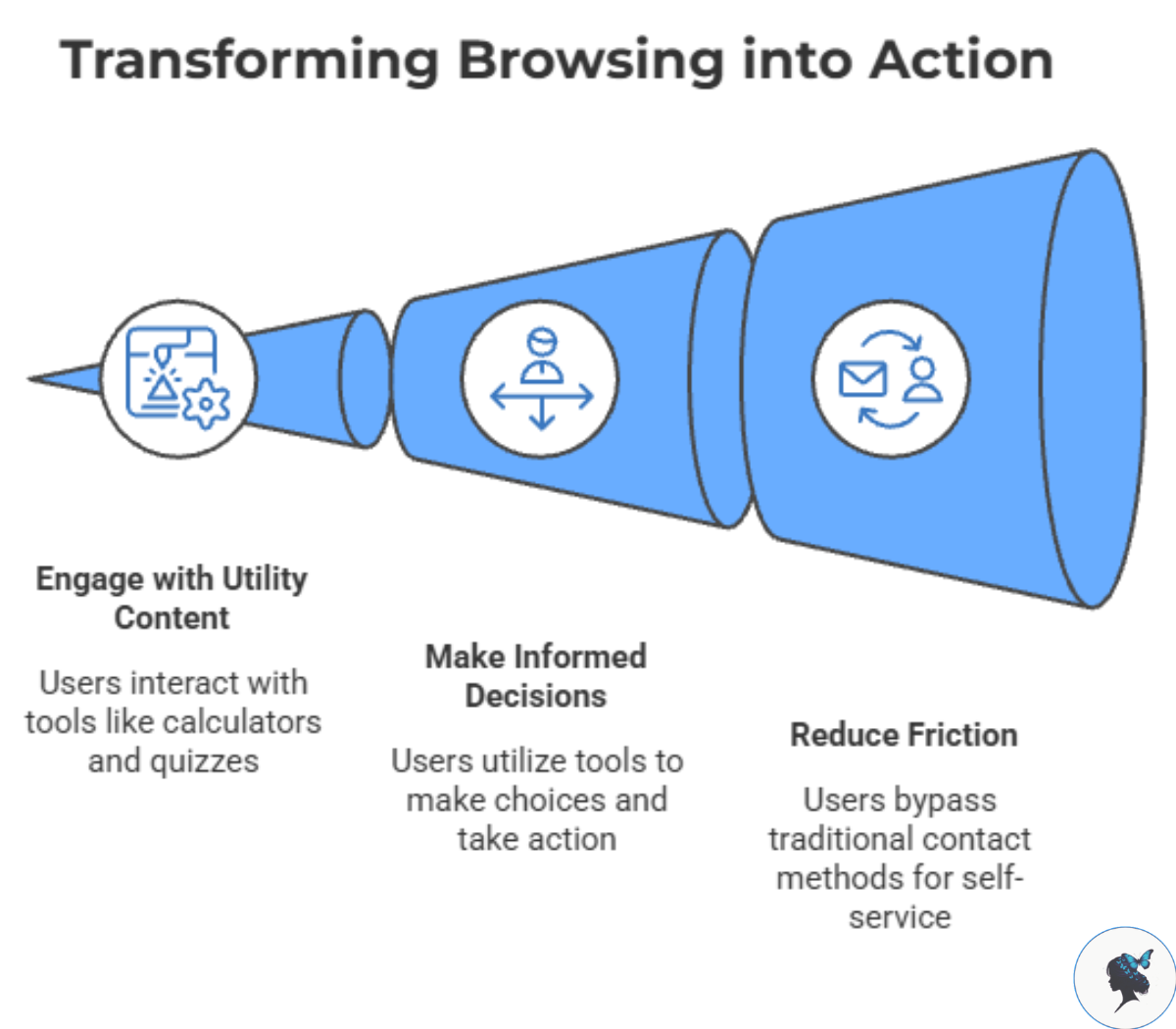
Utility Content (Tools and Interactive Decision Support)

Websites are increasingly expected to help users take action immediately, not just read information.

Infograph: Transforming browsing into action
Transforming browsing into action

Utility content turns passive browsing into active decision-making through:

  • calculators
  • estimators
  • quizzes
  • guided selection tools
  • “find the right service” flows

This reflects a broader shift toward websites functioning as interactive systems rather than static pages .

Key improvement:

Replace uncertainty (“contact us for pricing”) with self-service tools that reduce friction.


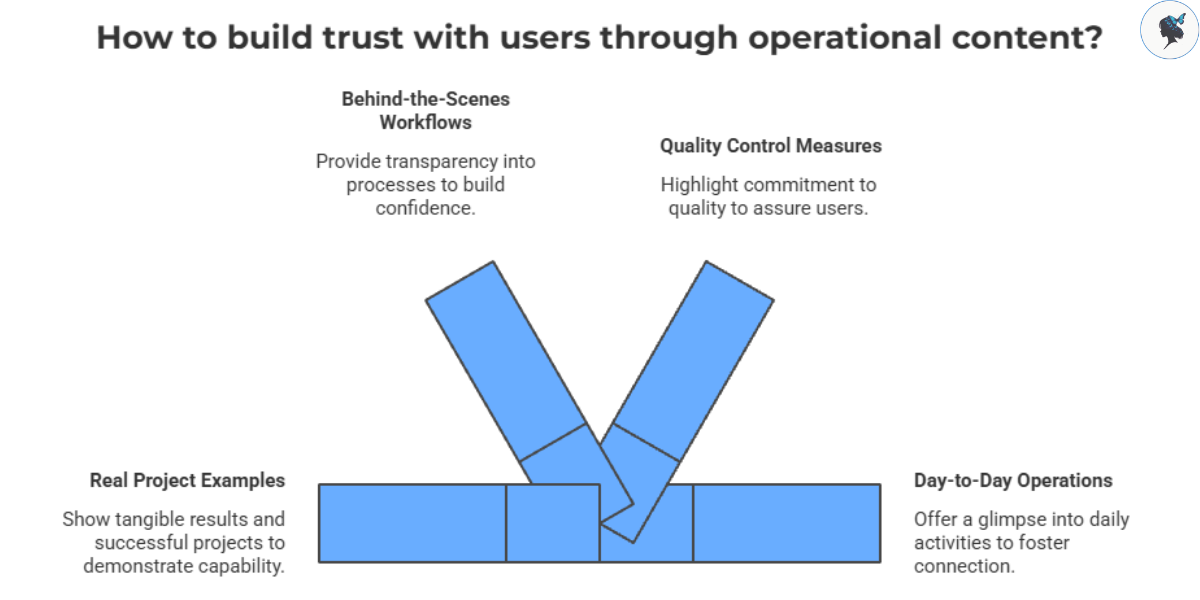
Operational Content (Behind-the-Scenes and Real Work)

Users trust what they can see. Operational content shows how the business actually works in practice, bridging the gap between claims and reality.

Infograph: How to build trust with users through operational content?
How to build trust with users through operational content?

This includes:

  • real project examples
  • behind-the-scenes workflows
  • how quality is controlled
  • day-to-day operations

Modern website design trends emphasise authenticity and human-centred content as key trust signals in 2026 .

Key improvement:

Show real work instead of relying on stock imagery or abstract messaging.


Support and FAQ Content (Structured Help System)

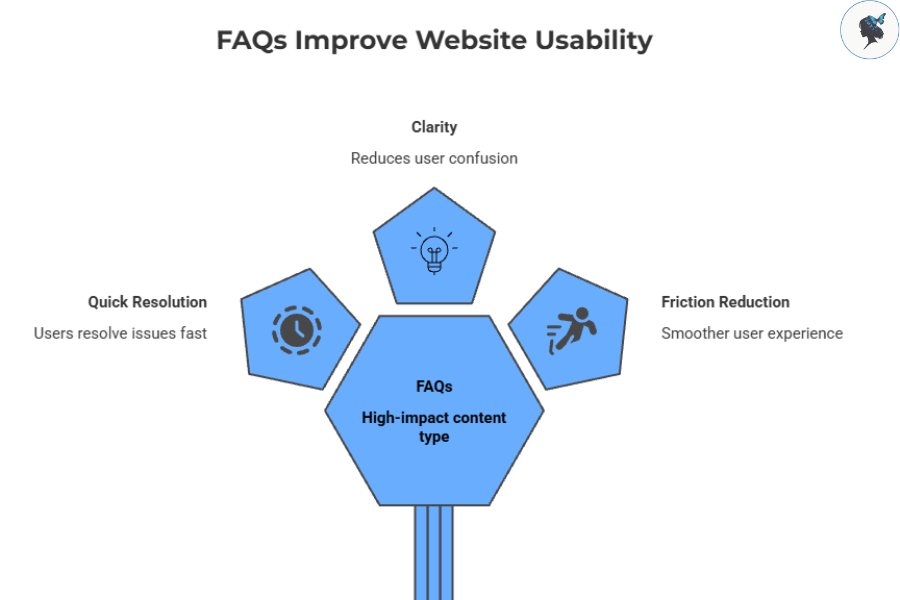
FAQ content is no longer optional. It is one of the highest-impact content types for usability and decision-making.

Infograph: FAQs improve website usability
FAQs improve website usability

Well-structured FAQs help users quickly resolve:

  • pricing questions
  • service limitations
  • timelines and expectations
  • common objections

Large-scale website audits show that FAQ sections remain underutilised, despite their strong performance in improving clarity and reducing friction .

Key improvement:

Organise FAQs by customer concern, not by internal business categories, and structure them for fast scanning.


Summary Insight

Across recent 2026 research, one pattern is consistent:

  • websites are becoming decision systems, not brochures
  • trust is built through structure and proof, not claims
  • clarity and transparency outperform complexity and design-heavy approaches
  • interactive and explanatory content reduces friction before contact

In short:

A successful small business website in 2026 doesn’t just describe a business — it helps users decide.

Need help? Contact us today!

The Ultimate Guide to Local SEO for Small Businesses

Post updated May 18, 2026


▶ Table of Contents

When people need a service nearby, they usually do not browse through ten pages of Google results. They search things like “best accountant near me,” “emergency plumber in Chicago,” or “coffee shop open now in Toronto” — then choose from the businesses Google puts directly in front of them.

That is why local SEO matters.

For small businesses, local search visibility often determines who gets the call, the booking, the foot traffic, or the sale. Whether you run a law firm in New York, a dental clinic in Sydney, a bakery in Paris, or a landscaping company in Austin, showing up in local search is no longer optional.

And the numbers back it up. In 2026, roughly 46% of all Google searches have local intent, while 76% of people who search for something nearby visit a business within 24 hours.

The good news? Most small businesses still do local SEO poorly. That creates a huge opportunity for businesses willing to get the fundamentals right.

This guide covers exactly how local SEO works in 2026 — and how your business can use it to attract more customers organically.


What Is Local SEO?

Local SEO is the process of improving your online presence so your business appears in local search results.

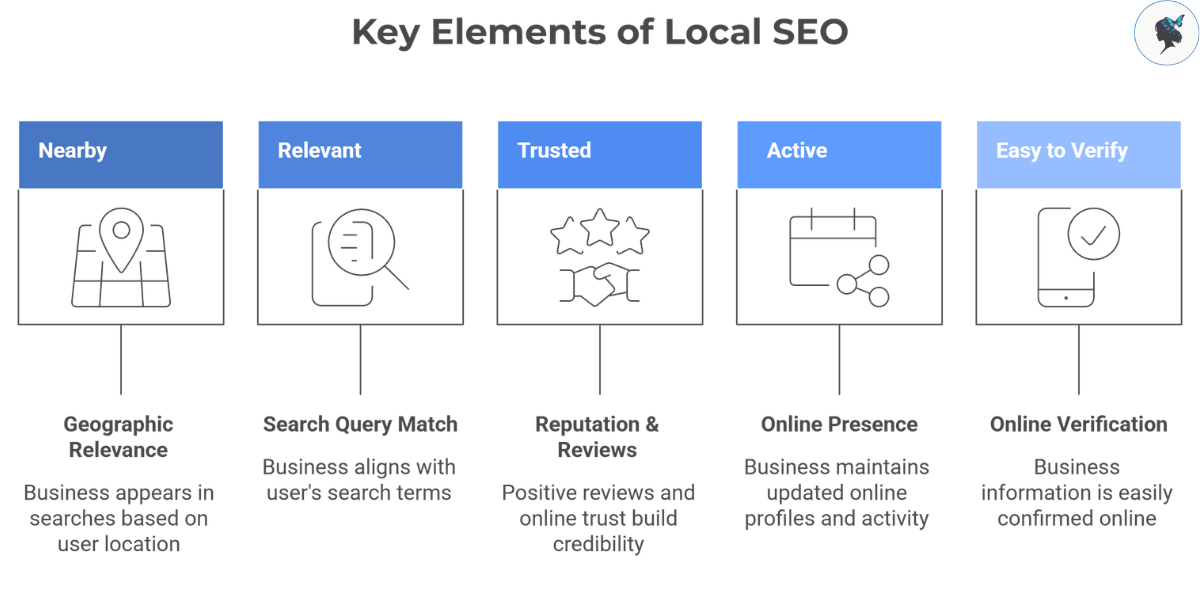
infograph: Key elements of Local SEO
Key elements of Local SEO

These results typically appear in:

  • Google Maps
  • Google’s Local Pack (the top 3 map listings)
  • “Near me” searches
  • Mobile searches
  • Voice searches
  • AI-generated search summaries

For example:

  • “best pizza in New York”
  • “family lawyer in London”
  • “pet groomer near me”
  • “roof repair in Dallas”

Unlike traditional SEO, local SEO focuses heavily on geography, trust, reputation, and real-world business signals.

Google wants to recommend businesses that are:

  • nearby,
  • relevant,
  • trusted,
  • active,
  • and easy to verify online.

More about trust signals here.


Why Local SEO Matters More Than Ever in 2026

Local search has changed dramatically over the last few years.

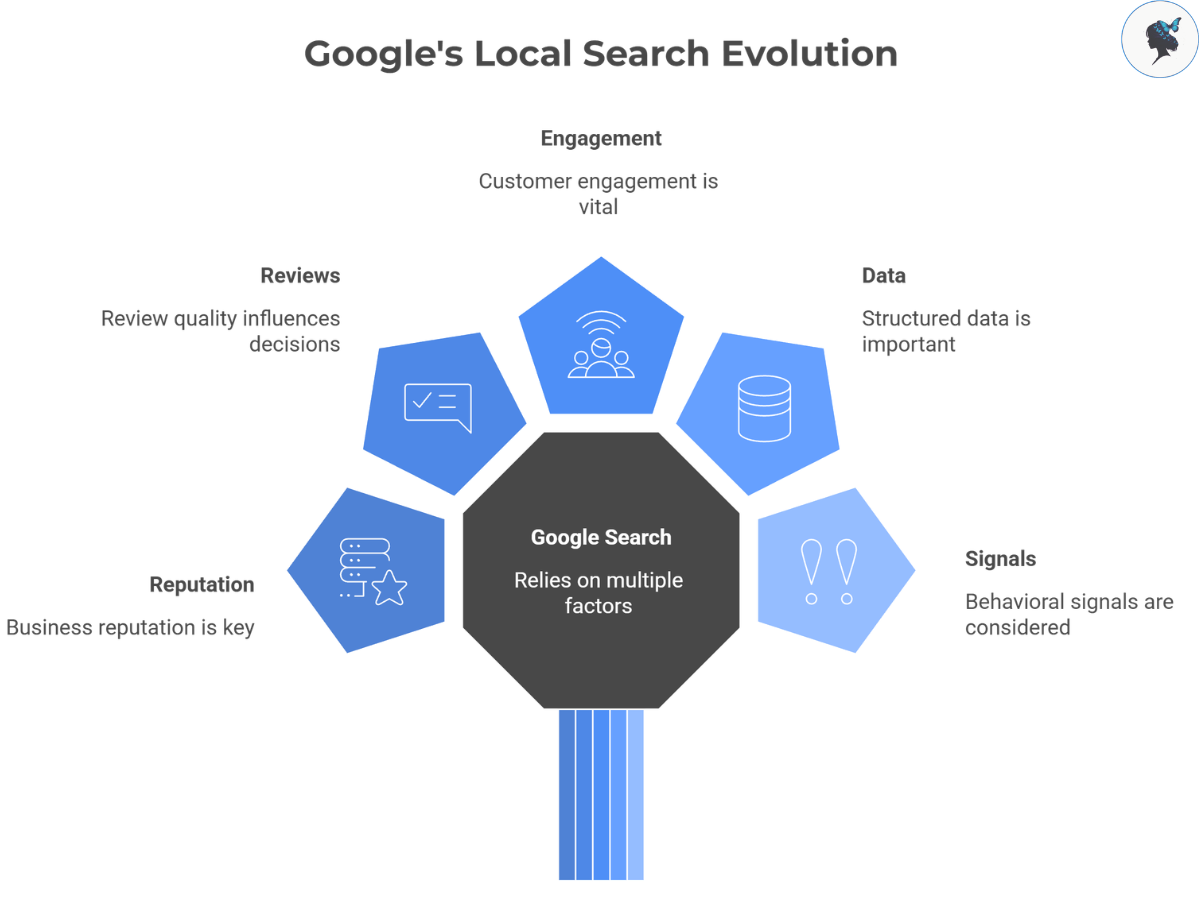
Google now relies more heavily on:

  • business reputation,
  • review quality,
  • entity consistency,
  • customer engagement,
  • structured data,
  • and behavioral signals.

In other words, Google no longer ranks businesses based only on keywords.

infograph: Google's Local search evolution
Google’s Local search evolution

It tries to understand whether your business is legitimate, trusted, and locally relevant.

Recent research shows that online reviews heavily influence local purchasing decisions, with 85% of consumers saying positive reviews make them more likely to use a business. Studies also show that local mobile searches frequently lead to in-store visits, calls, and purchases — especially when businesses maintain complete and active Google Business Profiles.

A restaurant in Boston with hundreds of recent reviews, updated photos, accurate hours, and consistent information across the web will almost always outperform a neglected competitor — even if the competitor has a larger website.

That shift is one of the biggest local SEO trends of 2026.


How Google Ranks Local Businesses

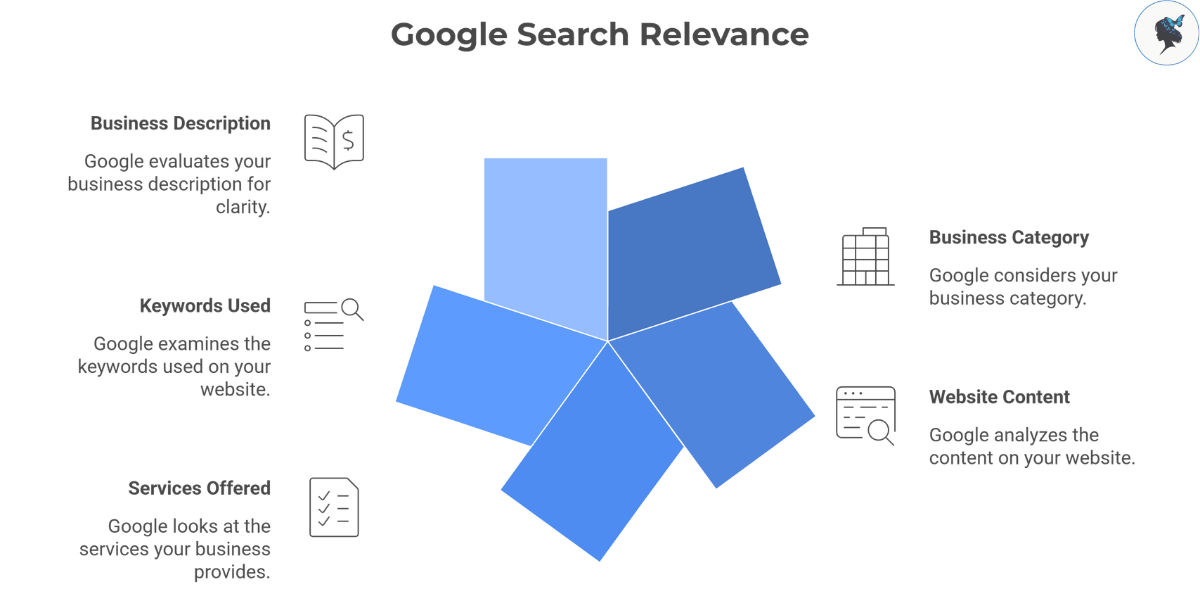
Google primarily evaluates local rankings using three factors:

1. Relevance

Does your business match what the user is searching for?

If someone searches “emergency electrician,” Google looks at:

  • your business category,
  • website content,
  • services,
  • keywords,
  • and business description.

A business that clearly explains its services usually performs better than one with vague messaging.

infograph: Google search relevance
Google search relevance

For example, an HVAC company in Atlanta that has dedicated service pages for:

  • AC repair,
  • furnace installation,
  • duct cleaning,
  • and emergency service

is more likely to rank than a one-page generic website.


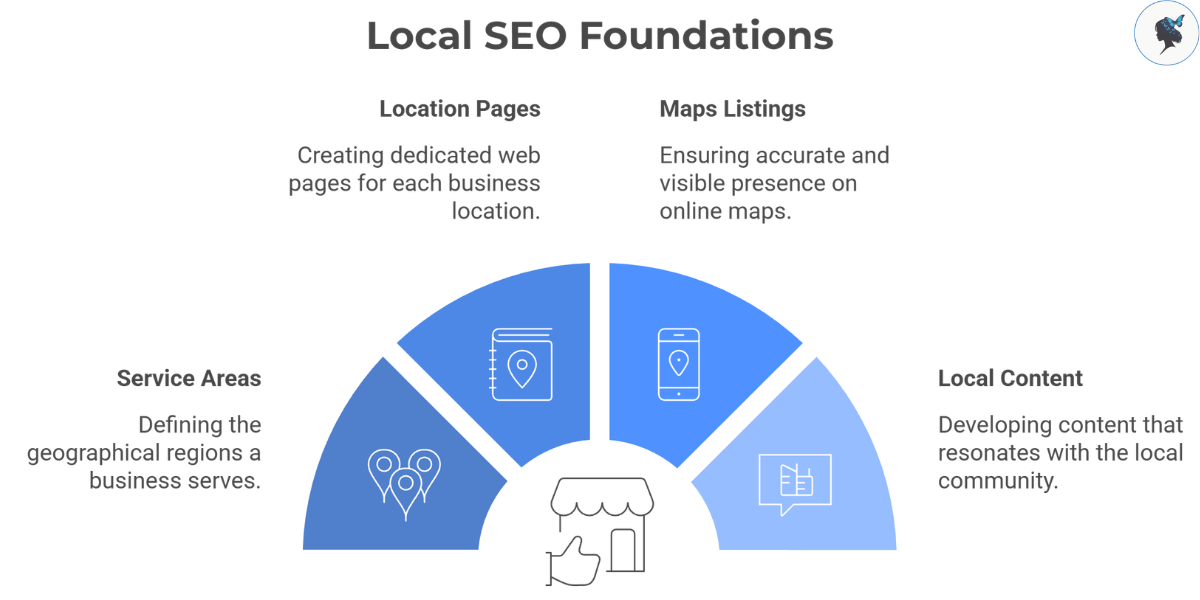
2. Distance

How close is the business to the searcher?

Local SEO still depends heavily on proximity. A dentist in downtown Seattle may rank differently depending on where the searcher is physically located.

infograph: Local SEO foundations
Local SEO foundations

That is why businesses should optimize:

  • service areas,
  • location pages,
  • maps listings,
  • and local content.

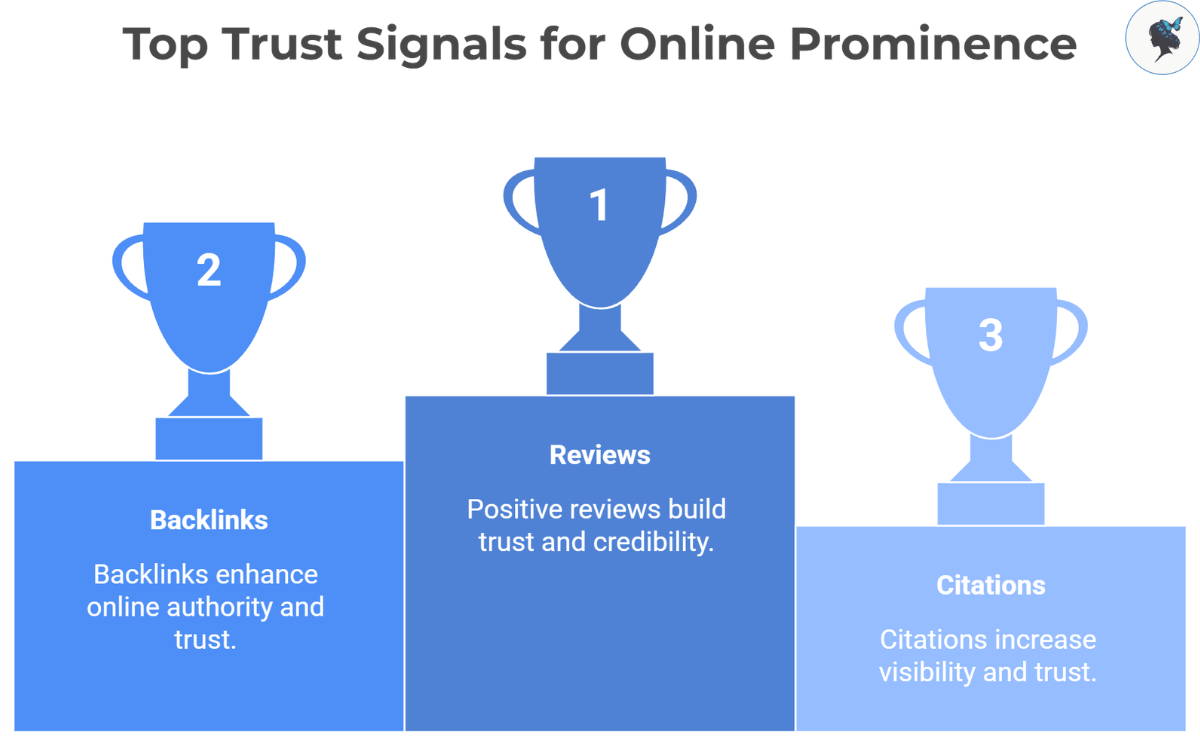
3. Prominence

How trusted and established is the business online?

infograph: Top trust signals for online prominance
Top trust signals for online prominance

Google evaluates signals like:

  • reviews,
  • backlinks,
  • citations,
  • brand mentions,
  • engagement,
  • and overall online authority.

A well-reviewed bakery in Melbourne with strong local press coverage and active customer engagement sends stronger trust signals than a competitor with almost no digital presence.


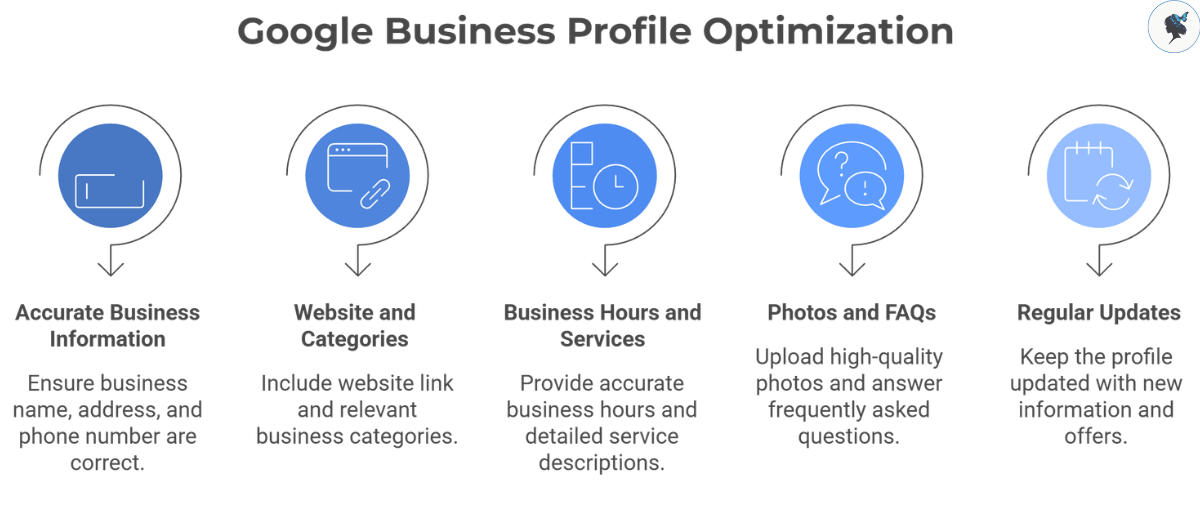
Optimize Your Google Business Profile

Your Google Business Profile (GBP) is the single most important local SEO asset you own.

Many businesses spend thousands on websites and ads while leaving their GBP incomplete or outdated.

That is a mistake.

Recent local SEO research suggests Google Business Profile optimization remains one of the strongest local ranking factors in 2026.

infograph: Google business profile optimization
Google business profile optimization

An optimized profile should include:

  • accurate business name,
  • address,
  • phone number,
  • website,
  • categories,
  • business hours,
  • services,
  • photos,
  • FAQs,
  • and regular updates.

For example, a yoga studio in Vancouver should not simply list “fitness” as a category. It should include:
  • yoga studio,
  • meditation classes,
  • prenatal yoga,
  • wellness workshops,
  • and detailed service descriptions.

The more clearly Google understands your business, the better your chances of ranking.


Reviews Are Now a Major Ranking Signal

Reviews influence both rankings and conversions.

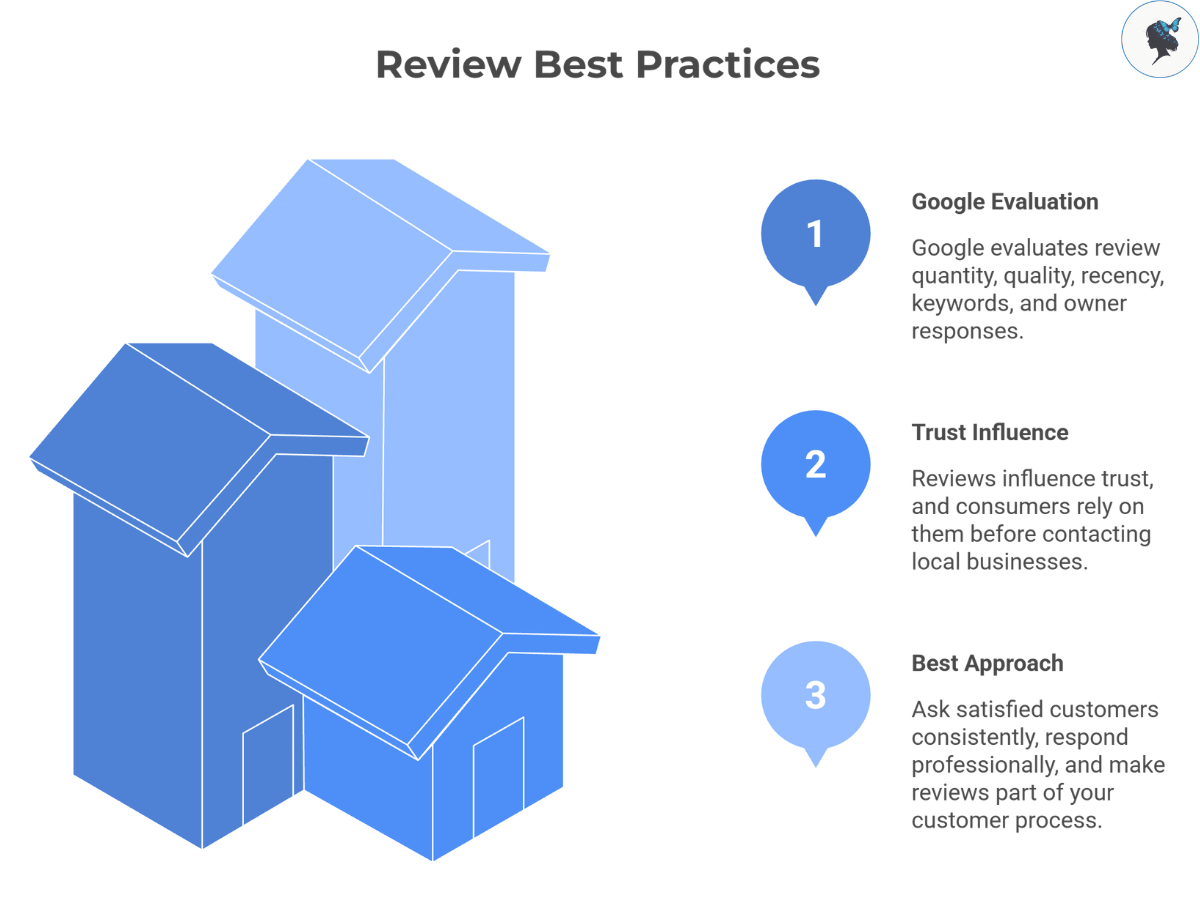
Google evaluates:

  • review quantity,
  • review quality,
  • recency,
  • keywords inside reviews,
  • and owner responses.

A hotel in Singapore with 300 recent, detailed reviews will usually outperform a competitor with outdated or inconsistent feedback.

infograph: Review best practices
Review best practices

But reviews are not only about rankings. They influence trust.

In 2026, consumers rely heavily on reviews before contacting local businesses.

The best approach is simple:

  • ask satisfied customers consistently,
  • respond professionally,
  • and make reviews part of your customer process.

Businesses that treat reviews as an afterthought usually lose visibility over time.


Build Location-Specific Website Pages

Your website still matters.

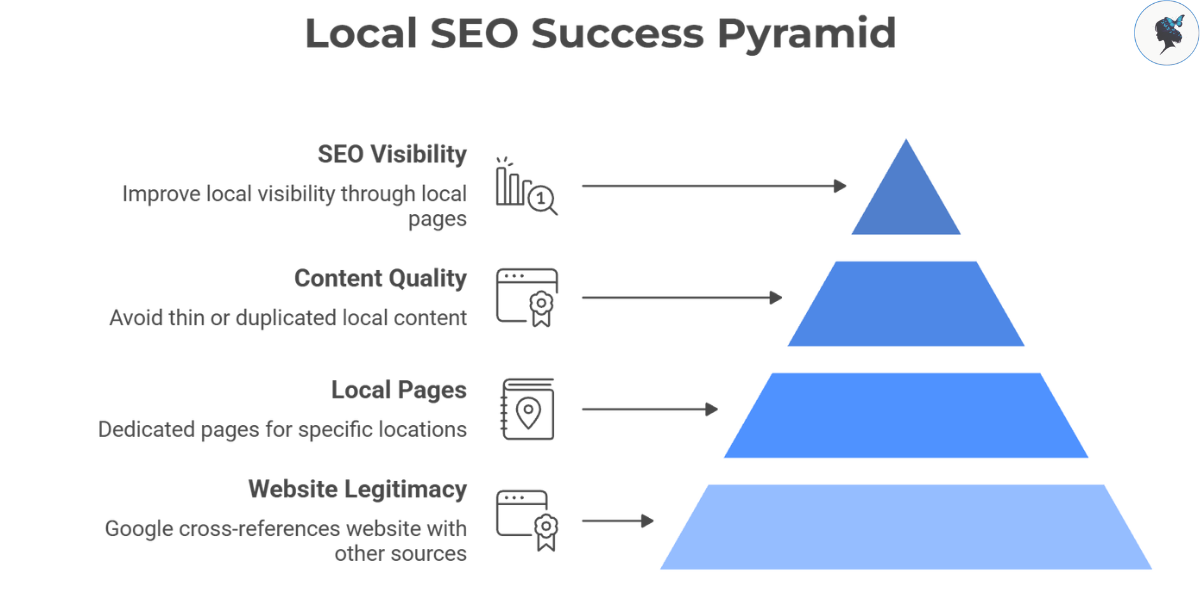
Google cross-references your website with your Google Business Profile, citations, reviews, and directory listings to confirm legitimacy and consistency.
One of the best ways to improve local visibility is through dedicated local pages.
infograph: Local SEO success pyramid
Local SEO success pyramid

Examples:

  • “Personal Injury Lawyer in Miami”
  • “Wedding Photographer in Nashville”
  • “Commercial Cleaning Services in Toronto”

These pages should include:

  • location-specific information,
  • local customer examples,
  • service details,
  • FAQs,
  • testimonials,
  • and clear calls-to-action.

Avoid copying the same text across dozens of city pages. Google is much better at detecting thin or duplicated local content now.


Keep Your Business Information Consistent Everywhere

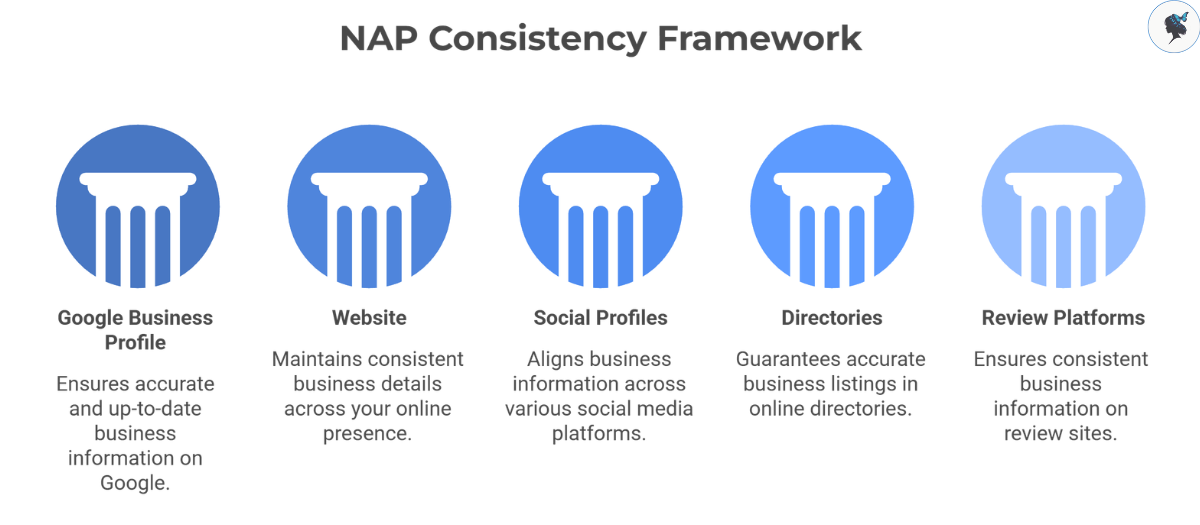
Your business details must match across the internet.

This includes:

  • Google Business Profile,
  • your website,
  • social profiles,
  • directories,
  • and review platforms.
infograph: NAP consistency framework
NAP consistency framework

This consistency is often called NAP consistency:

  • Name
  • Address
  • Phone Number

If your information differs across platforms, Google may lose confidence in your business data.

For example:

  • “Smith & Sons Plumbing”
  • “Smith and Sons Plumbing LLC”
  • “Smith Plumbing”

may accidentally appear like different businesses if handled inconsistently.

Consistent business information across platforms has become increasingly important, as search engines rely on structured data and entity signals to understand and verify businesses — particularly in AI-driven search results.


Create Local Content That Actually Helps People

Many businesses misunderstand content marketing.

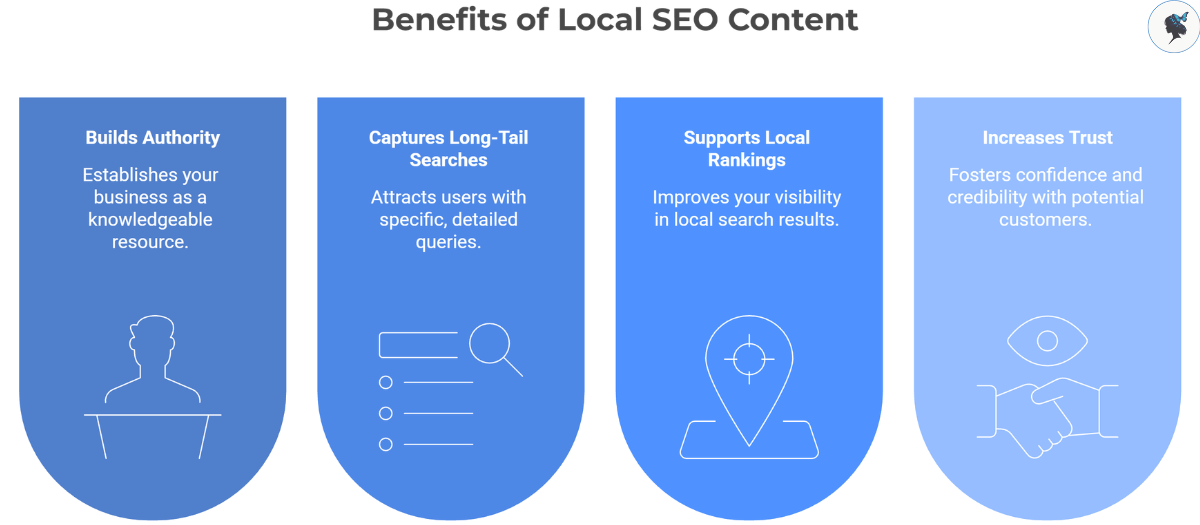
Local SEO content should not exist only to rank. It should answer real customer questions.

infograph: Benefits of Local SEO content
Benefits of Local SEO content

Good examples:

  • “How Much Does Roof Repair Cost in Denver?”
  • “Best Neighborhoods for First-Time Homebuyers in Chicago”
  • “What to Do After a Car Accident in Houston”
  • “How Often Should You Service an HVAC System in Phoenix?”

This type of content:

  • builds authority,
  • captures long-tail searches,
  • supports local rankings,
  • and increases trust.

A veterinary clinic in Dublin that publishes useful pet-care guides will usually outperform a competitor with a thin five-page website.


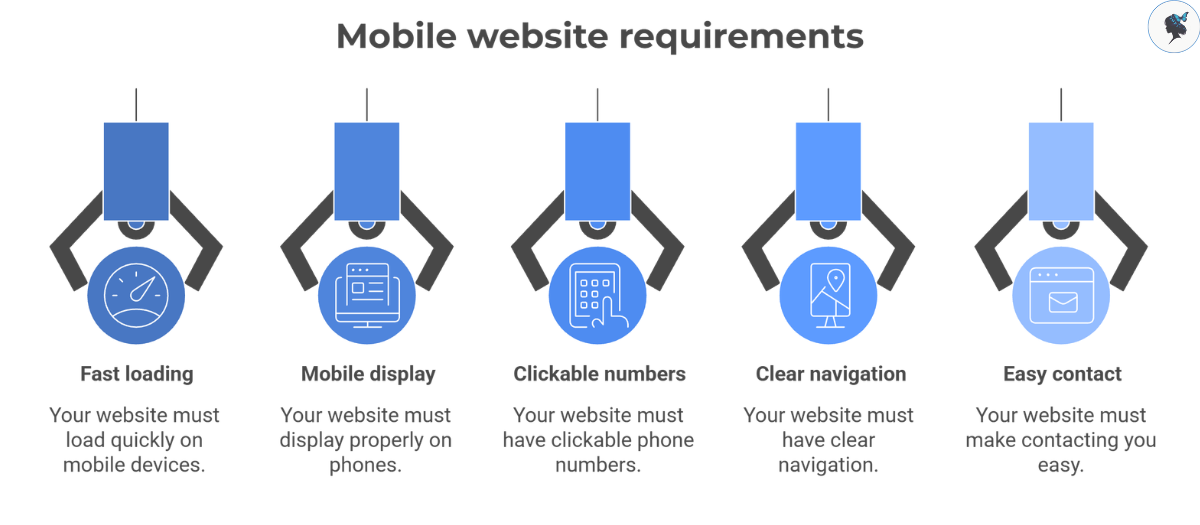
Mobile Optimization Is Essential

Most local searches happen on mobile devices.

That means your website must:

  • load quickly,
  • display properly on phones,
  • have clickable phone numbers,
  • include clear navigation,
  • and make contacting you easy.
infograph: Mobile website requirements
Mobile website requirements

Google also tracks user behavior.

If visitors quickly leave your website because it is slow or confusing, rankings may suffer.

A restaurant in Los Angeles with:

  • slow menus,
  • broken mobile formatting,
  • and hard-to-find reservation buttons

creates friction that hurts both conversions and search visibility.

More about mobile optimization here.


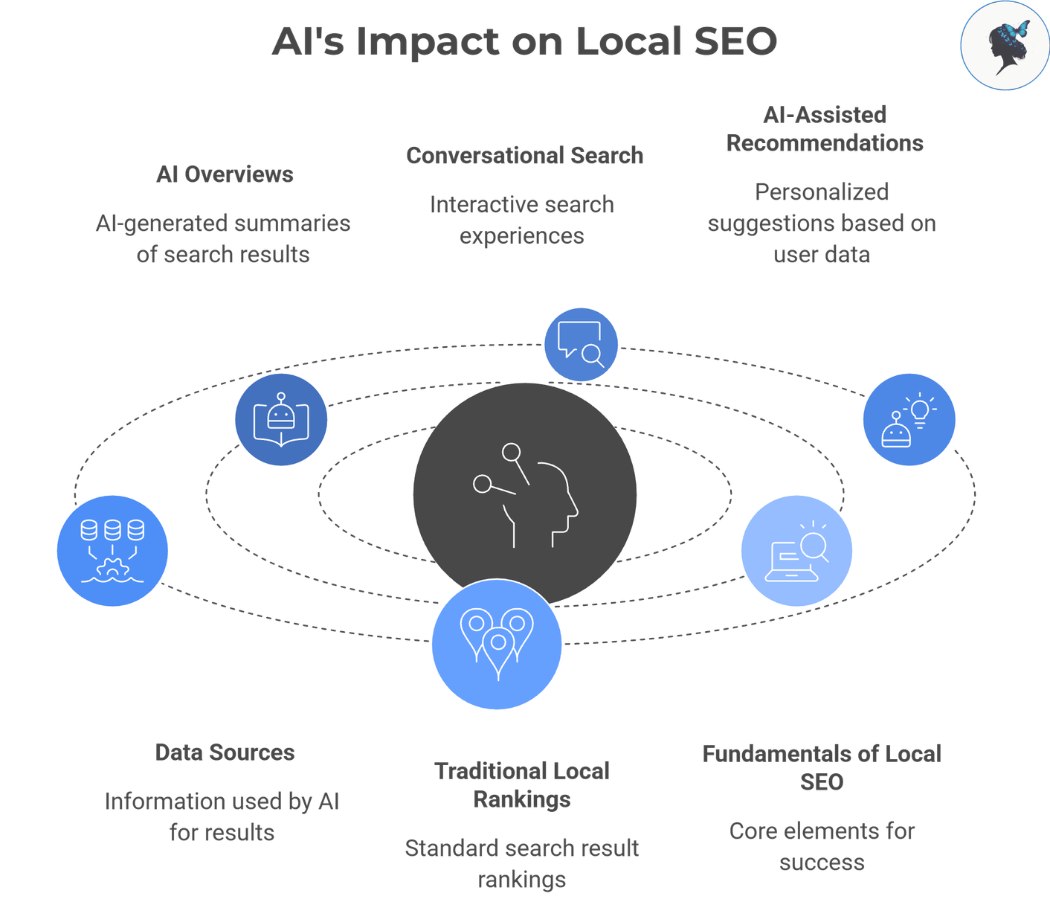
Local SEO and AI Search in 2026

AI-generated search experiences are changing local SEO, but not in the way many marketers expected.

Google’s AI Overviews, conversational search tools, and AI-assisted recommendations increasingly pull information from:

  • reviews,
  • business profiles,
  • structured data,
  • and trusted local sources.
infograph: AI's impact on Local SEO
AI’s impact on Local SEO

That means businesses with complete and consistent online information are more likely to appear in AI-driven results.

At the same time, traditional local rankings still matter enormously.

Studies consistently show that Google’s Local Pack and Maps results capture the majority of user attention and clicks in local search, making them a primary driver of leads, calls, and in-store visits for small businesses.

The fundamentals still win:

  • relevance,
  • reviews,
  • trust,
  • consistency,
  • and strong local signals.

AI has not replaced local SEO. It has reinforced it.

More about AI overviews here.


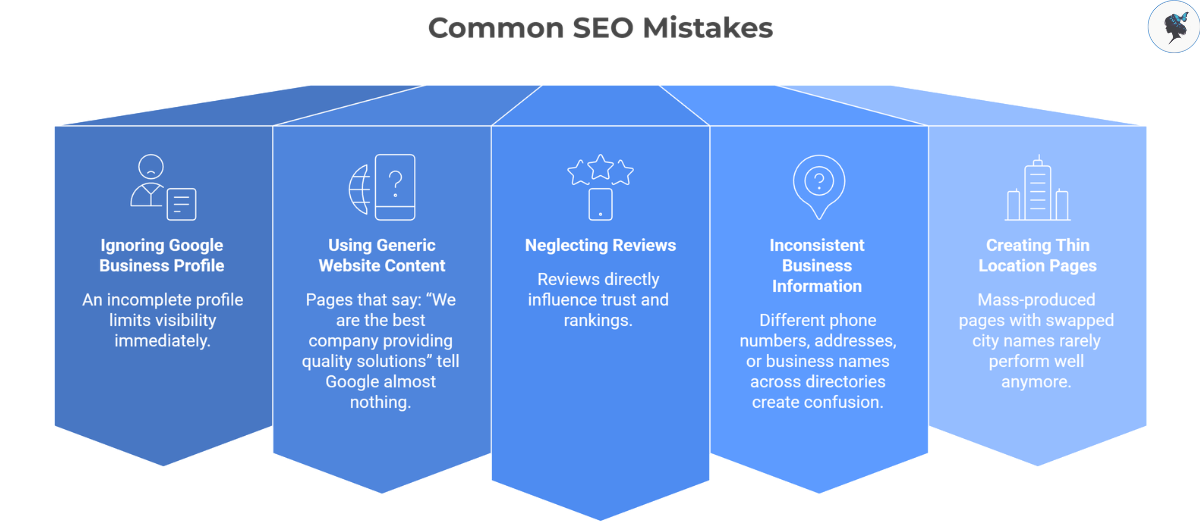
Common Local SEO Mistakes Small Businesses Make

infograph: Common SEO mistakes
Common SEO mistakes

Ignoring Google Business Profile

An incomplete profile limits visibility immediately.

Many businesses still fail to:

  • upload photos,
  • update hours,
  • add services,
  • or respond to reviews.

Using Generic Website Content

Pages that say:

“We are the best company providing quality solutions”

tell Google almost nothing.

Specificity performs better.


Neglecting Reviews

Reviews directly influence trust and rankings.

Businesses that never ask for reviews often lose ground to competitors with active review strategies.


Inconsistent Business Information

Different phone numbers, addresses, or business names across directories create confusion for both users and search engines.


Creating Thin Location Pages

Mass-produced pages with swapped city names rarely perform well anymore.

Local pages should provide real value.


A Simple Local SEO Checklist

If you want a practical starting point, focus on these essentials:

  • Claim and optimize your Google Business Profile
  • Use consistent business information everywhere online
  • Collect and respond to customer reviews
  • Create strong local service pages
  • Improve mobile website performance
  • Add local keywords naturally
  • Publish useful local content
  • Build local backlinks and community mentions
  • Add structured data/schema markup
  • Keep your business information updated regularly

Most businesses do not need advanced SEO tactics first. They need consistent execution of the basics.


Final Thoughts

Local SEO is no longer just about rankings.

It is about trust, visibility, and being the obvious choice when customers search for services nearby.

The businesses winning local search in 2026 are usually not the biggest brands. They are the businesses that:

  • maintain accurate information,
  • build strong reputations,
  • create genuinely useful content,
  • and stay consistently active online.

For small businesses, that creates a real opportunity.

Because while many competitors still neglect local SEO entirely, even modest improvements can dramatically increase calls, bookings, leads, and walk-in traffic.

And unlike paid ads, strong local visibility continues working long after the initial optimization is complete.

Need help? Contact us today!

How to Use Storytelling to Make Your Small Business Stand Out


▶ Table of Contents

Updated May 11th, 2026

How Storytelling Can Transform Your Small Business Blog

In today’s crowded digital landscape, small businesses face a major challenge: getting people to care. Customers are constantly exposed to ads, social posts, emails, and AI-generated content competing for their attention. Simply listing your products or services is no longer enough to stand out.

That’s where storytelling becomes one of the most powerful tools in your marketing strategy.

Stories create emotional connections. They make your business memorable. They help customers trust you before they ever make a purchase. And in 2026, that trust matters more than ever.

According to recent content marketing research, 61% of marketers say trust and credibility are the biggest returns they gain from content marketing, while consumers consistently respond more strongly to authentic, story-driven content than traditional advertising.

Whether you run a boutique shop, service-based business, wellness brand, agency, ecommerce store, or local business, storytelling can transform your blog from a collection of informational posts into a platform that builds relationships and long-term loyalty.

The Power of Storytelling in Small Business Marketing

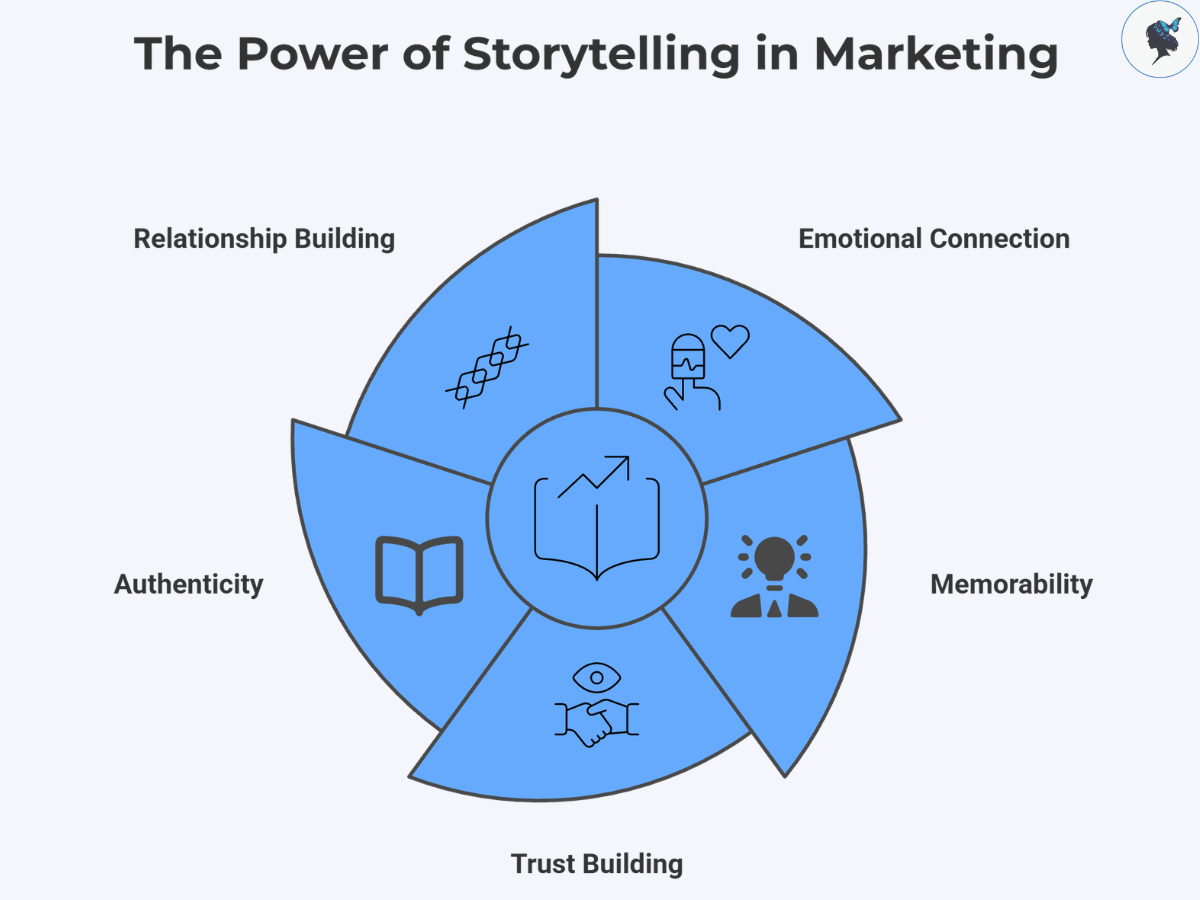
infograph: The power of storytelling in marketing
The power of storytelling in marketing

People rarely remember statistics, product specs, or sales copy alone. They remember experiences, emotions, and stories.

Research continues to show that stories are significantly more memorable than standalone facts and data. Consumers also report being more likely to trust and buy from brands whose messaging feels authentic and emotionally engaging.

For small businesses, storytelling levels the playing field. You may not have the advertising budget of a major corporation, but you do have something large companies often struggle to communicate authentically: real human experiences.

Your story can become your competitive advantage.

Why Storytelling Works for Small Businesses

Captures Attention in a Crowded Market

The internet is saturated with generic content. AI tools have made it easier than ever for businesses to publish blog posts quickly, which means audiences are becoming more selective about what they actually read.

Recent industry discussions show that audiences increasingly prioritize content that feels human, useful, and authentic over generic SEO-focused articles.

Storytelling helps your content break through the noise by creating curiosity and emotional engagement. Instead of simply explaining what you offer, stories invite readers into an experience.

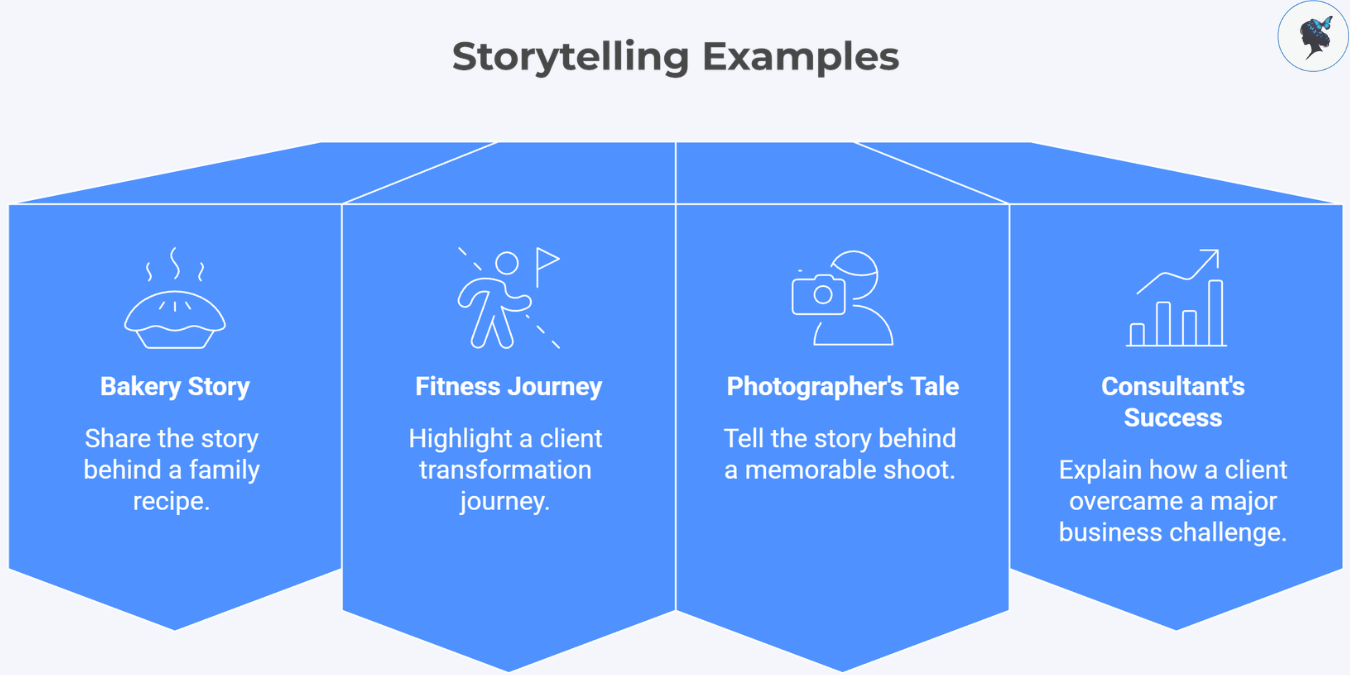
infograph: Storytelling examples
Storytelling examples

For example:

  • A bakery can share the story behind a family recipe.
  • A fitness coach can highlight a client transformation journey.
  • A photographer can tell the story behind a memorable shoot.
  • A consultant can explain how a client overcame a major business challenge.

Stories make readers want to continue reading — and more importantly, remember your business afterward.

Builds Emotional Connections

Most buying decisions are emotional before they become logical.

Customers want to feel connected to the brands they support. They want to understand your values, mission, personality, and purpose.

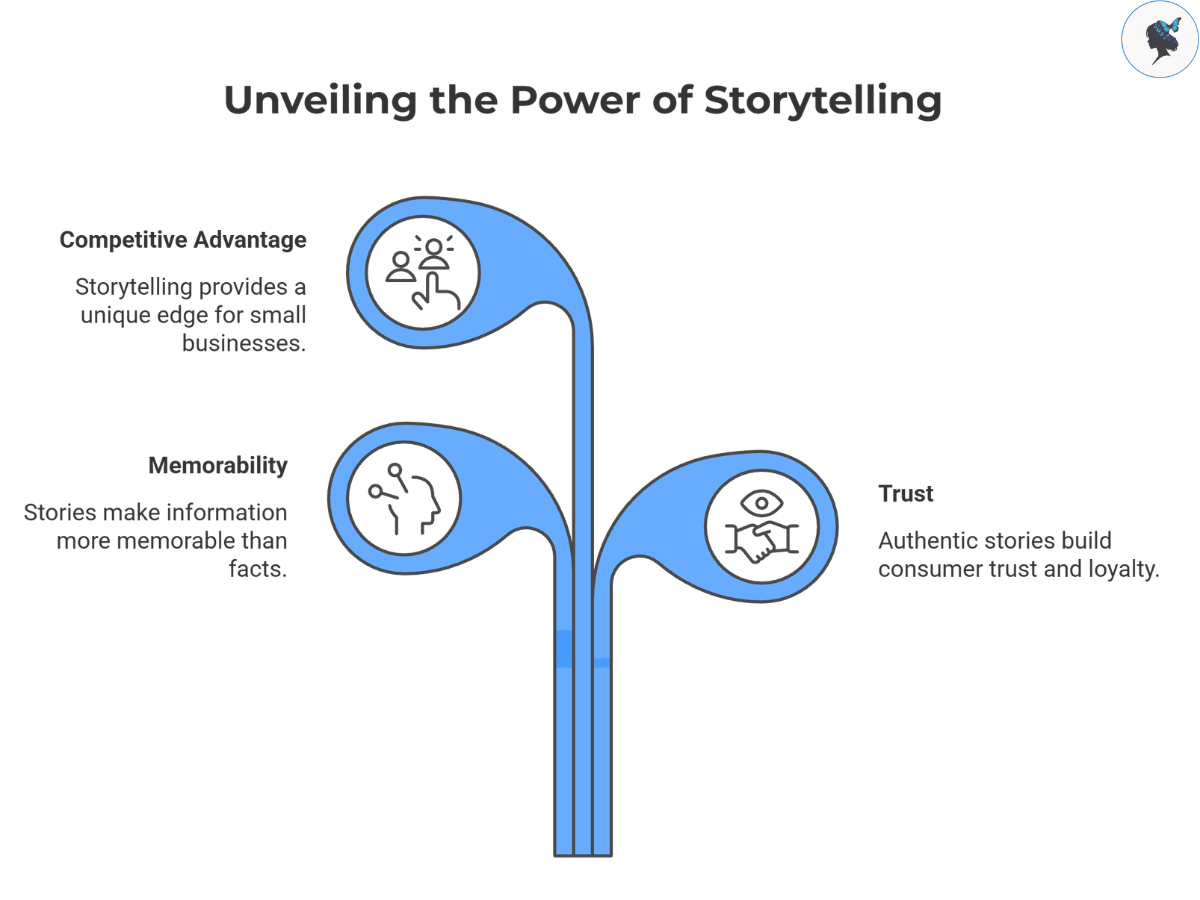
infograph: Unveiling the power of storytelling
Unveiling the power of storytelling

Studies in storytelling marketing consistently show that emotional storytelling increases trust, loyalty, and purchase intent. Consumers are especially drawn to brands that feel authentic and aligned with their personal values.

When readers connect emotionally with your content, they begin to see your business as more than just another option. They see it as a brand they relate to.

Makes Your Brand More Memorable

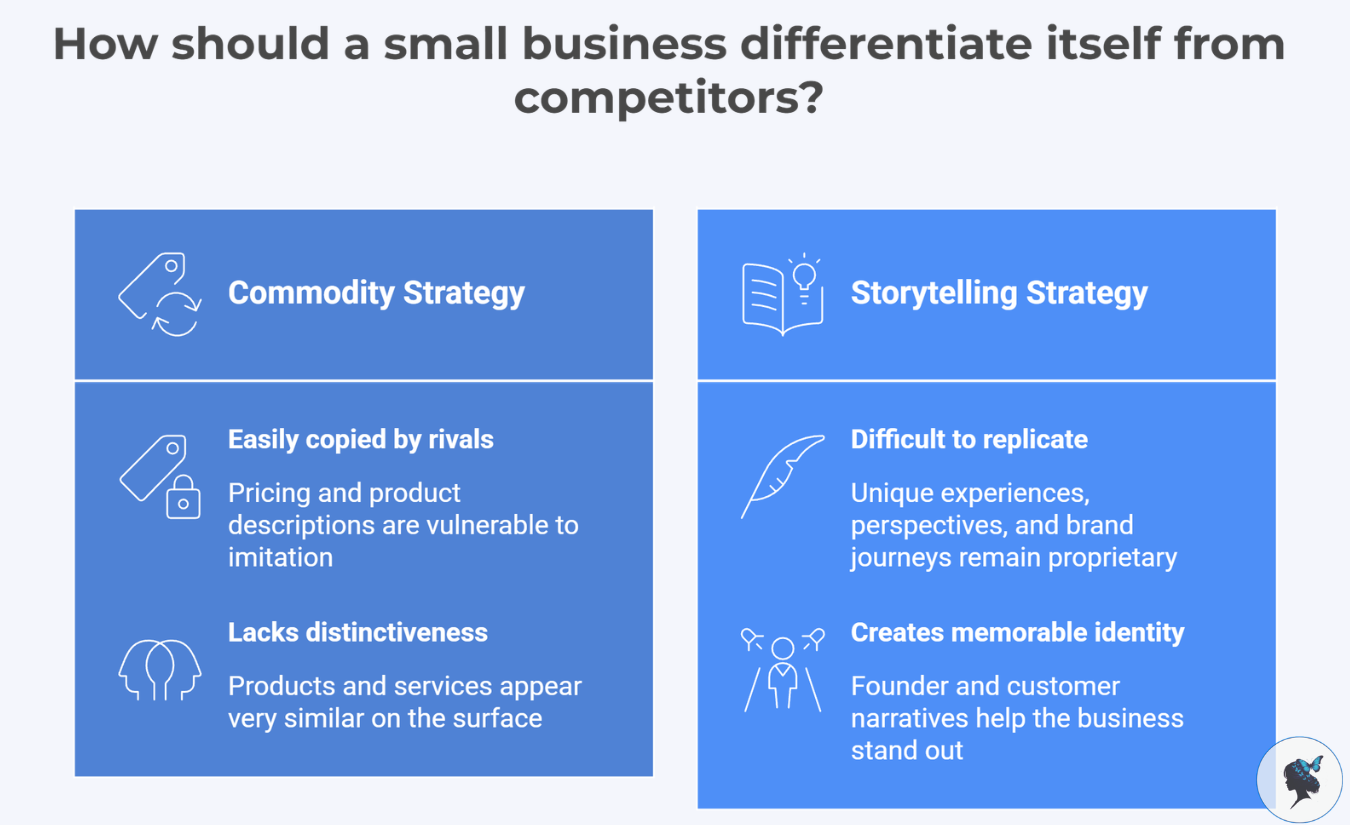
Small businesses often compete in industries where products and services appear very similar on the surface.

Storytelling helps distinguish your business in ways competitors cannot easily replicate.

infograph: How should a small business differentiate itself from competitors?
How should a small business differentiate itself from competitors?

Anyone can copy pricing or product descriptions. They cannot copy your experiences, perspective, customer relationships, or brand journey.

A compelling founder story, customer success story, or behind-the-scenes narrative creates a memorable identity that helps your business stand out long after readers leave your website.

Increases Engagement and Shares

Stories naturally encourage interaction.

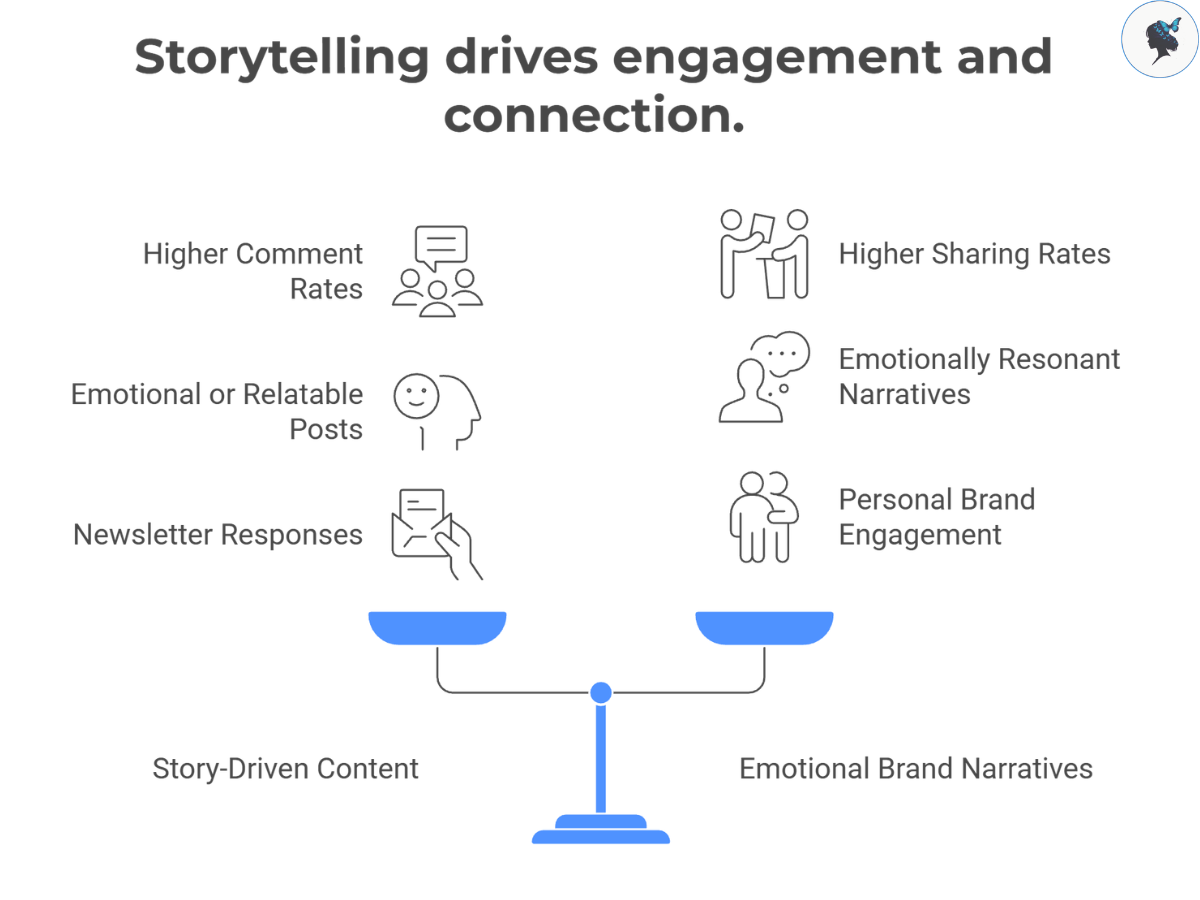
infograph: Storytelling drives engagement and connection
Storytelling drives engagement and connection

People are more likely to:

  • comment on story-driven content,
  • share emotional or relatable posts,
  • respond to newsletters,
  • save useful experiences,
  • and engage with brands that feel personal.

Recent storytelling marketing data also suggests that emotionally resonant brand narratives drive significantly higher sharing and engagement rates across digital platforms.

For small businesses, this type of engagement can significantly extend your reach without requiring a massive advertising budget.

How to Use Storytelling in Your Small Business Blog

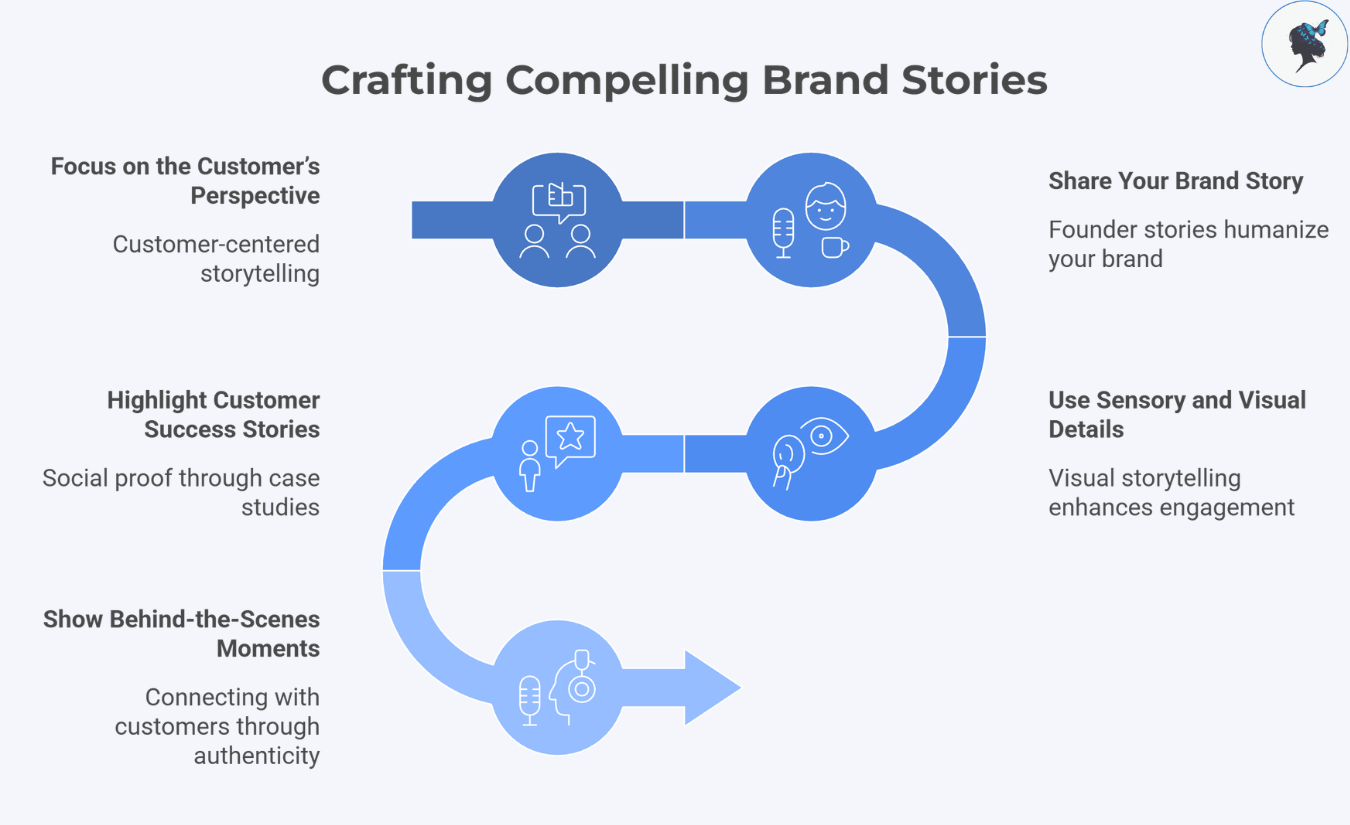
Focus on the Customer’s Perspective

One of the biggest mistakes businesses make is talking only about themselves.

Effective storytelling focuses on the customer.

infograph: Crafting compelling brand stories
Crafting compelling brand stories

What problem were they facing? What challenge did they overcome? What transformation did they experience?

Instead of simply describing your service, show readers how your business helped someone achieve a goal or solve a problem.

Customer-centered storytelling makes your content relatable and demonstrates real-world value without sounding overly promotional.

Share Your Brand Story

People connect with people.

Your audience wants to know:

  • why you started your business,
  • what motivates you,
  • what challenges you’ve faced,
  • and what your business stands for.

Founder stories humanize your brand and create trust. This is especially important in 2026, as consumers become increasingly skeptical of overly polished or impersonal marketing content.

Authenticity consistently ranks as one of the strongest factors influencing consumer trust and brand loyalty.

Use Sensory and Visual Details

Strong storytelling helps readers visualize an experience.

Describe:

  • the atmosphere of your café,
  • the excitement of a launch day,
  • the creative process behind your products,
  • or the moment a client achieved success.

Visual storytelling also plays a growing role in content engagement. Research shows consumers respond strongly to content that combines compelling narratives with visuals, video, and multimedia elements.

Adding original photos, videos, graphics, or behind-the-scenes content can make your blog significantly more engaging.

Highlight Customer Success Stories

Customer stories are one of the most powerful forms of content marketing.

Case studies, testimonials, and transformation stories provide social proof while making your content more relatable.

Rather than saying your business gets results, storytelling allows readers to see those results through real experiences.

This approach also helps build credibility and trust — two factors that increasingly influence purchasing decisions in modern digital marketing.

More about the role of trust signals here.

Show Behind-the-Scenes Moments

Not every story has to be dramatic.

Some of the most engaging small business content comes from simple behind-the-scenes moments:

  • packaging orders,
  • brainstorming sessions,
  • product development,
  • event preparation,
  • team culture,
  • or day-to-day business operations.

These moments help customers feel connected to the humans behind the business.

They also reinforce authenticity, which has become increasingly important as audiences grow tired of overly corporate or AI-generated messaging.

Why Storytelling Matters Even More in 2026

Content marketing is evolving rapidly.

AI tools have made content production faster and cheaper, but they’ve also flooded the internet with repetitive, low-quality information. As a result, audiences are placing greater value on originality, expertise, and authentic human experiences.

Industry research and community discussions consistently point to the same trend: businesses that succeed with content marketing today focus on trust, niche expertise, strong brand voice, and meaningful audience relationships rather than simply publishing high volumes of content.

Storytelling helps small businesses adapt to this shift because stories are inherently human.

They communicate personality, perspective, and lived experience in ways generic content cannot replicate.

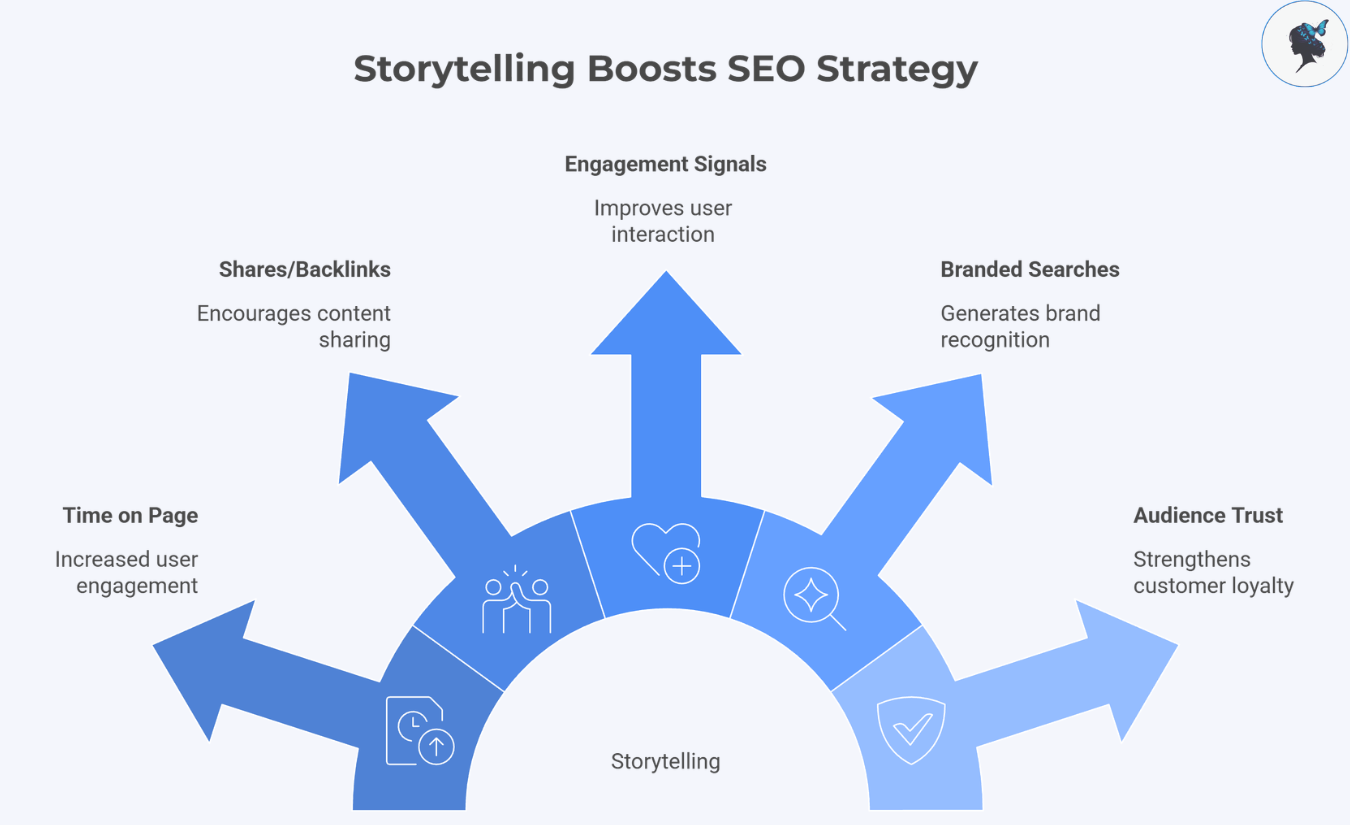
How Storytelling Supports SEO

infograph: Storytelling boosts SEO strategies
Storytelling boosts SEO strategies

Storytelling doesn’t just improve engagement — it can also support your SEO strategy.

Strong story-driven content can:

  • increase time spent on page,
  • encourage shares and backlinks,
  • improve user engagement signals,
  • generate branded searches,
  • and strengthen audience trust.

Businesses with documented content strategies and high-quality content continue to outperform competitors in search visibility and lead generation.

As search engines and AI-powered discovery tools increasingly prioritize useful, people-first content, authentic storytelling becomes an even more valuable asset.

Final Thoughts

Storytelling helps small businesses create deeper relationships with their audience.

It transforms blog posts from generic marketing content into memorable experiences that build trust, loyalty, and connection.

In a digital world filled with noise, stories are what make people stop paying attention to algorithms and start paying attention to your business.

Whether you’re sharing customer experiences, founder insights, behind-the-scenes moments, or lessons learned along the way, storytelling allows your audience to connect with the real people behind your brand.

And that connection is often what turns casual readers into loyal customers.

Contact us to see how we can help you!

Why SEO is Crucial for Small Businesses


▶ Table of Contents

Updated May 4th, 2026.


Why SEO Is Crucial for Small Businesses (Even If You’re Starting from Zero)

If you’re a small business owner, chances are you’ve relied on word-of-mouth, social media, or maybe even paid ads to get customers.

But here’s the problem: Those channels are unpredictable, expensive to scale, or completely out of your control.

Meanwhile, your potential customers are actively searching on Google every single day — for solutions you already offer.

If your business isn’t showing up, you’re invisible.

That’s where SEO comes in.


What SEO Actually Means

SEO (Search Engine Optimization) is simply the process of helping your business show up when people search online.

Infograph: SEO factors
SEO factors

It’s how Google decides:

  • Which websites to show
  • In what order
  • And for which searches

At its core, SEO is about one thing:

Becoming the best answer to what your customers are already looking for.


Why SEO Matters for Small Businesses

1. You show up when people are already looking

Unlike social media (where you interrupt people), search traffic is intentional.

infograph: SEO benefits
SEO benefits

Someone typing:

  • “best accountant near me”
  • “how to fix a leaking tap”
  • “affordable marketing consultant”

…is already looking for a solution. SEO puts you directly in front of that demand.


2. It brings high-quality, ready-to-buy traffic

infograph: Search traffic benefits
Search traffic benefits

Search traffic converts better because:

  • People have a problem
  • They’re actively seeking a solution
  • They’re closer to making a decision

This isn’t passive scrolling — it’s action-driven behavior.


3. It’s one of the most cost-effective marketing strategies

Paid ads stop the moment you stop paying.

infograph: SEO Benefits
SEO Benefits

SEO works differently:

  • Content keeps ranking
  • Traffic compounds over time
  • Costs decrease as results grow

It’s not instant — but it’s sustainable.


4. It builds credibility and trust

People trust Google.

Benefits of appearing in search results

So when your business appears:

  • On page one
  • In multiple search results
  • With helpful content

…it signals authority. Even if they don’t click immediately, you’re building recognition.


Why Small Businesses Struggle Without SEO

infograph: SEO struggles
SEO struggles

Without SEO, most small businesses end up:

  • Invisible on search engines
  • Over-reliant on social media algorithms
  • Spending constantly on ads
  • Competing with bigger brands without a strategy

And the worst part? Your competitors who are investing in SEO are slowly taking that traffic — and those customers.


The Core SEO Foundations Every Small Business Needs

You don’t need to do everything — but you do need the basics.

1. Keyword Research

This is about understanding: What your customers are actually searching for.

infograph: Keyword research examples
Keyword research examples

Not what you think they search — what they type into Google.

Examples:

  • “small business accountant”
  • “budget wedding photographer”
  • “online fitness coach for beginners”

Not sure where to begin? Check out our keyword research guide.


2. On-Page SEO

This is how your website communicates with search engines.

infograph: On-page SEO elements
On-page SEO elements

It includes:

  • Clear page titles
  • Structured headings
  • Relevant keywords
  • Easy-to-read content

Think: making your site understandable for both humans and Google.


3. Content Marketing

Content is what drives SEO.

infograph: Content marketing elements
Content marketing elements

This includes:

  • Blog posts
  • Guides
  • FAQs
  • Service pages

Good content answers questions, builds trust, and attracts traffic.


4. Local SEO (Critical for small businesses)

If you serve a local area, this is essential.

infograph: Local SEO focus areas
Local SEO focus areas

Focus on:

  • Your Google Business Profile
  • Location-based keywords
  • Reviews and ratings

This is what helps you show up in “near me” searches.

You might like our On-Page SEO Checklist for Local Service Businesses


Backlinks are links from other websites to yours.

infograph: Backlink benefits
Backlink benefits

They act like “votes of confidence” in Google’s eyes.

Strong backlinks can:

  • Boost rankings
  • Increase credibility
  • Drive referral traffic

Practical SEO Strategies You Can Start Today

Here’s how to take action — even on a small budget.

infograph: SEO strategies
SEO strategies

Partner with other businesses

Collaborate with:

  • Local businesses
  • Industry peers
  • Communities

You can:

  • Cross-promote
  • Write guest content
  • Share resources

Look for:

  • Industry blogs
  • Niche publications
  • Local directories

These help you build authority and backlinks.


Create “linkable” content

This is content people naturally want to share, like:

  • Guides
  • Checklists
  • Data insights
  • “How-to” resources

The more useful it is, the more likely it gets linked.


Encourage user-generated content

Ask for:

  • Reviews
  • Testimonials
  • Case studies

This builds both trust and SEO value. More about User-Generated Content here.


Build resource pages

Create helpful hubs like:

  • “Best tools for [your audience]”
  • “Complete guide to [your service]”

These perform well in search and attract links.

Common SEO Mistakes Small Businesses Make

infograph: SEO mistakes
SEO mistakes

Avoid these:

  • Skipping keyword research
  • Publishing random, unfocused content
  • Ignoring local SEO
  • Buying low-quality backlinks
  • Expecting instant results

SEO is not a quick win — it’s a long-term growth channel.


SEO vs Social Media vs Ads (Quick Reality Check)

infograph: Marketing strategies
Marketing strategies
  • SEO: Slow start, long-term growth, compounding returns
  • Social media: Fast visibility, inconsistent reach
  • Ads: Immediate traffic, but expensive and stops instantly

The strongest strategy? Use them together — but build SEO as your foundation.


Final Takeaway

SEO isn’t about hacks or algorithms.

It’s about this:

Understanding what your customers are searching for — and becoming the best answer online.

For small businesses, that’s a powerful advantage.

Because you don’t need a massive budget to win.

You just need:

  • The right strategy
  • Consistency
  • And a focus on helping your audience

If you’re not investing in SEO yet, now is the time to start.

Because the longer you wait, the more opportunities you’re leaving on the table.

Need help? Contact us today!