▶ Table of Contents
- Introduction
- 1. Prioritize Authentic, Immersive Experiences
- 2. Sustainability Is a Brand Imperative
- 3. Meet Them Where They Are: Social-First Travel Discovery
- 4. Mobile-First Is Non-Negotiable
- 5. Affordable, Value-Driven, and Emotionally Intelligent
- 6. Trust Peer Reviews & User-Generated Content
- 7. Gen Z Is Influencing Group & Family Travel
- 8. Wellness, Self-Growth & Digital Detox Trips Appeal Strongly
- Final Overview & Strategic Snapshot
- Conclusion
Introduction
Gen Z (born 1997–2012) is reshaping global tourism. Unlike previous generations, they prioritize immersive experiences, digital discovery, and purpose-driven travel. McKinsey finds that 52% of Gen Zers are willing to spend more on experiential travel vs. just 29% of Boomers. Travel today is less about bucket lists and more about emotional connection, cultural authenticity, and digital sharing.
1. Prioritize Authentic, Immersive Experiences
Gen Z travelers favor experiences over luxury: 73% say they prefer experiences to material goods. They embrace offbeat adventures—from immersive festivals to community-based stays in small towns (a trend dubbed “townsizing,” with 67% expressing interest).
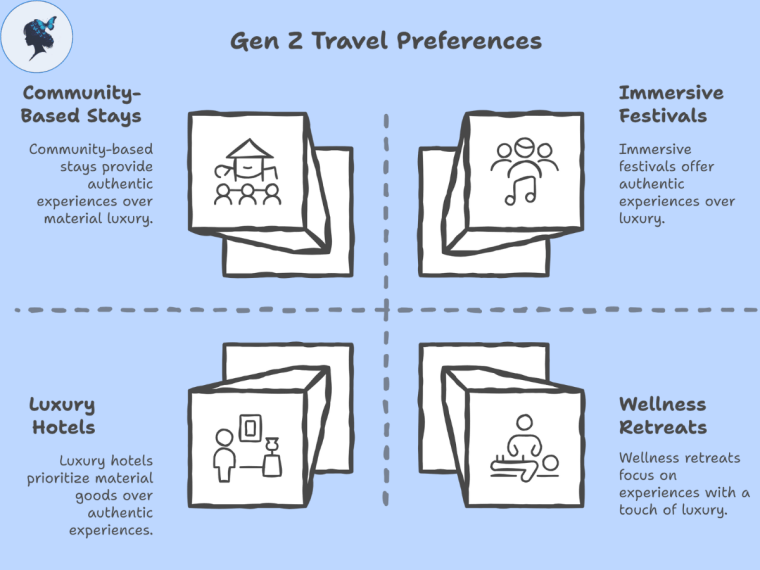
Wander Women Strategy: Develop itineraries around local traditions, boutique stays, wellness experiences, and niche festivals that create lasting memories—not just photo ops.
2. Sustainability Is a Brand Imperative
Gen Z is deeply eco-conscious. YouGov reports that many are even opting for no-fly itineraries or paying extra for carbon offsets.
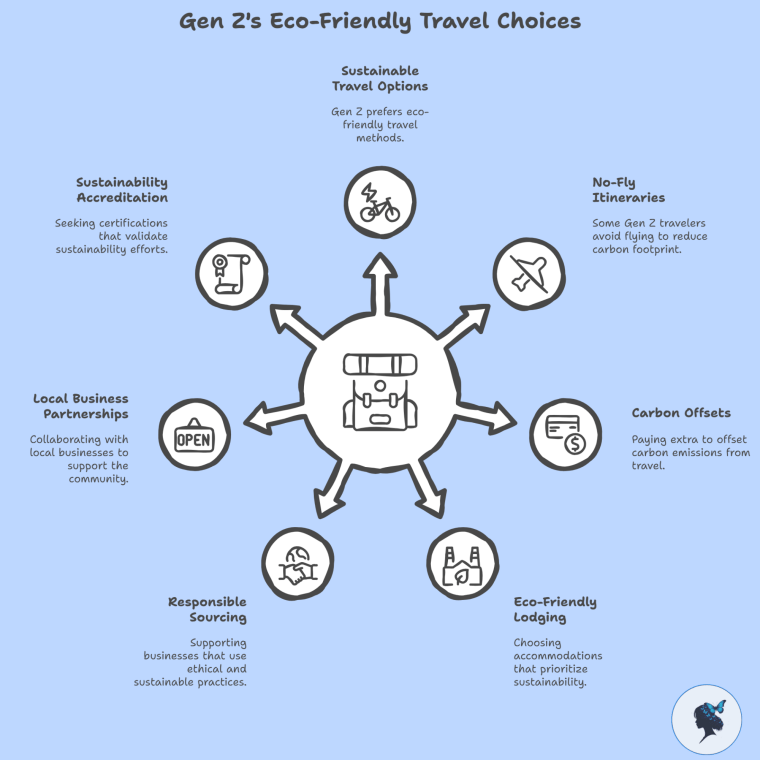
Wander Women Strategy: Emphasize eco-friendly lodging, responsible sourcing, local-business partnerships, and sustainability accreditation. Communicate it transparently on websites and socials.
3. Meet Them Where They Are: Social-First Travel Discovery
Gen Z uses TikTok, Instagram, and YouTube as their primary travel search engines: 80–90% use social media for inspiration, with ~40% preferring TikTok over Google for travel research. TikTok is especially powerful: 77% of European users were motivated to visit destinations after seeing them there.

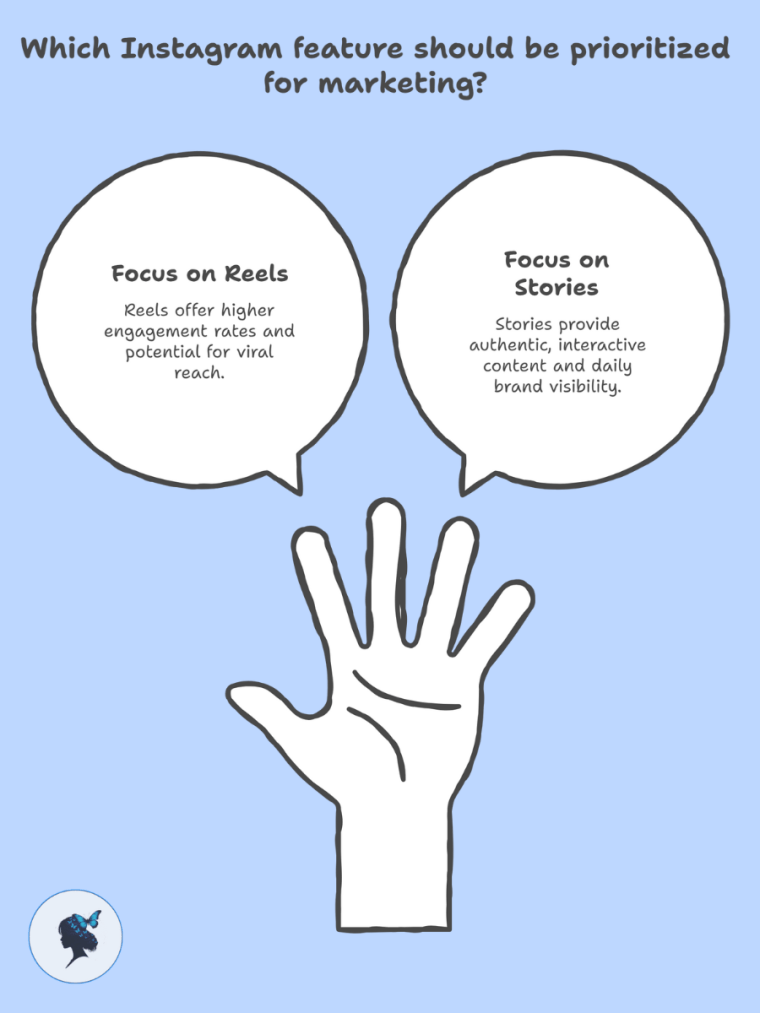
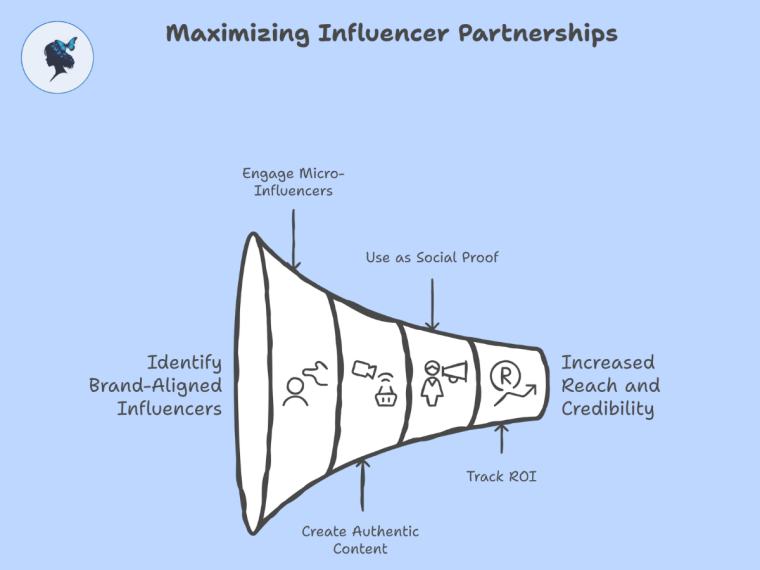
Wander Women Strategy: Build short-form video content featuring raw, unfiltered travel moments—Reels, TikToks, UGC reels—and partner with micro/nano creators who mirror Gen Z values.
4. Mobile-First Is Non-Negotiable
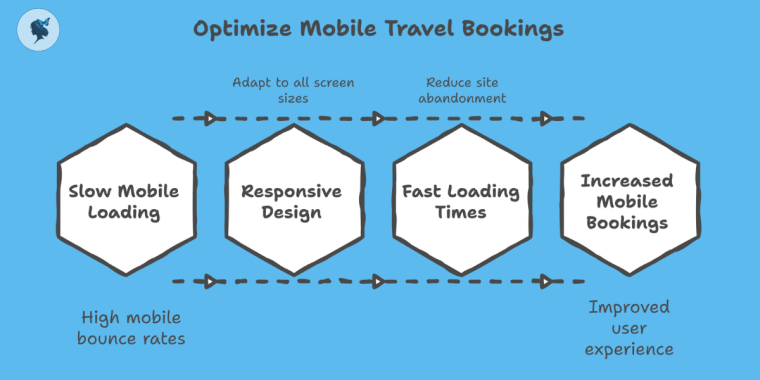
Gen Z expects seamless, on-the-go experiences, and many rely on apps for planning and last-minute deals. Around 40% use AR/VR tools to preview destinations beforehand.
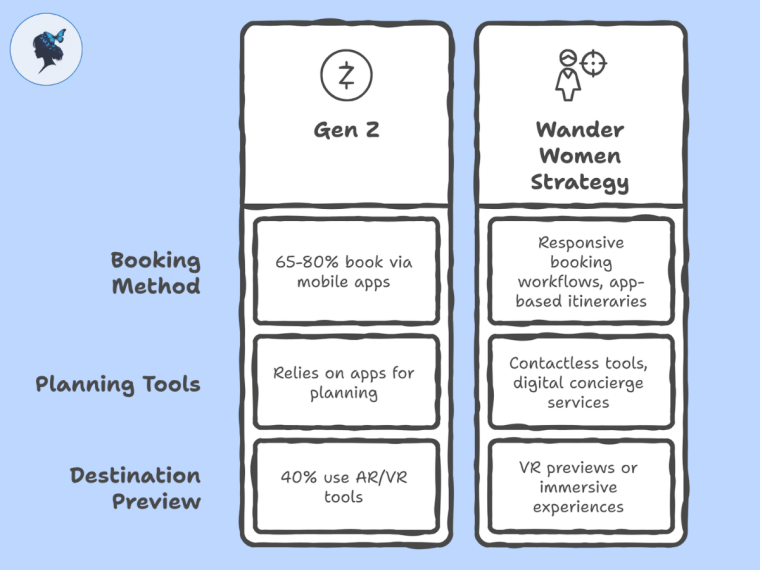
Wander Women Strategy: Ensure responsive booking workflows, app-based itineraries, contactless tools, and digital concierge services. Explore VR previews or immersive experiences for high-engagement travel products.
5. Affordable, Value-Driven, and Emotionally Intelligent
Gen Z travels frequently (often 2–3 trips/year), despite modest incomes (60% earn under $50K). They use “soft-saving” tactics—strategic budgeting, loyalty points, and flexible trip formats—to make it possible.
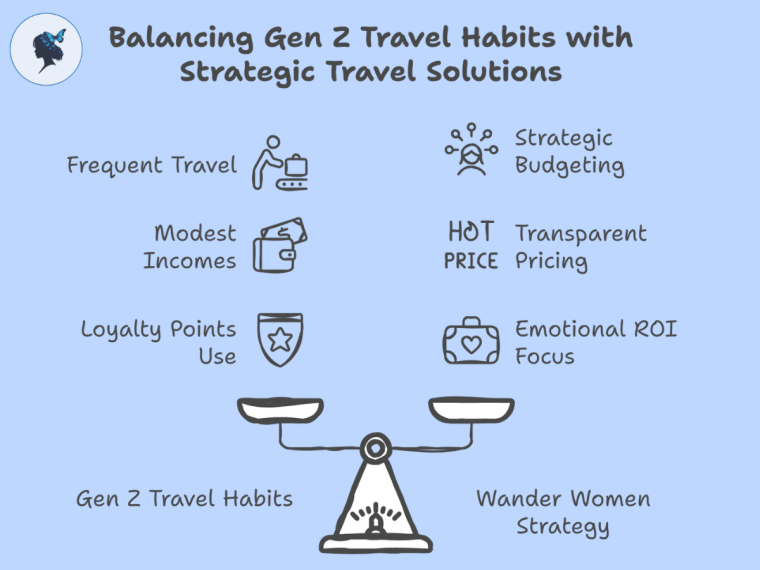
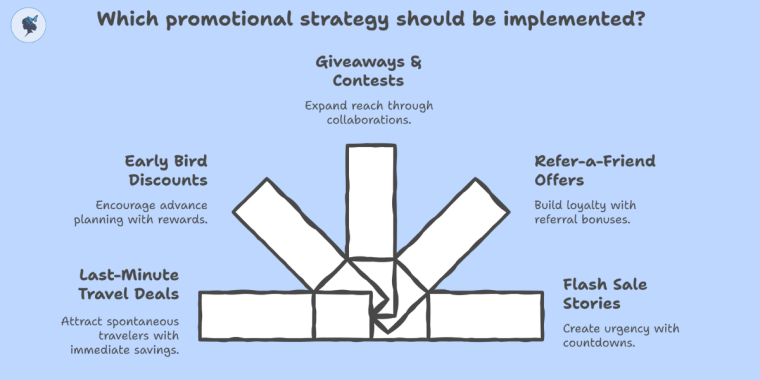
Wander Women Strategy: Design travel budgets and modular packages with transparent pricing. Promote deals, indie or hostel stays, domestic adventures, and multi-faceted itineraries that offer high emotional ROI.
6. Trust Peer Reviews & User-Generated Content
Reviews and UGC are gold for Gen Z: ~30–50% book based on influencer or user content. 84% follow influencer-travel content regularly.
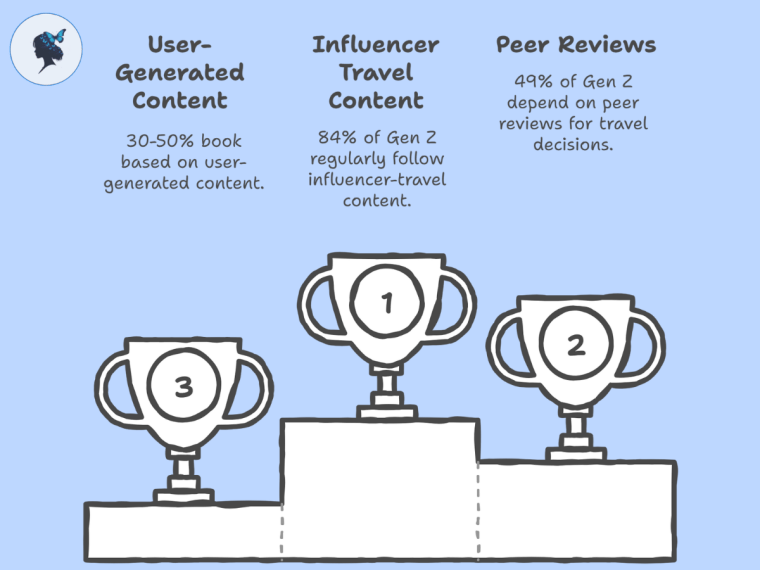
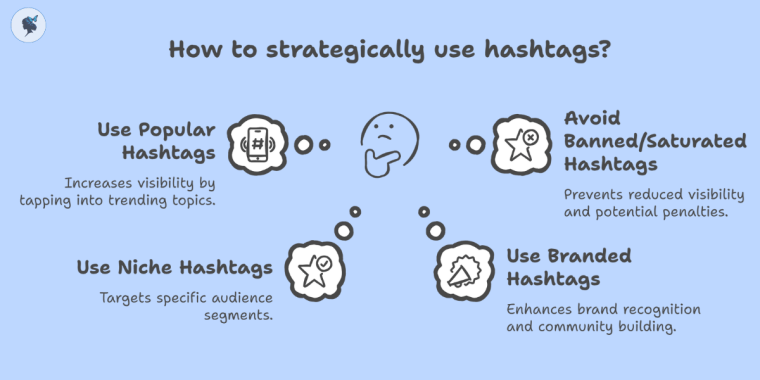
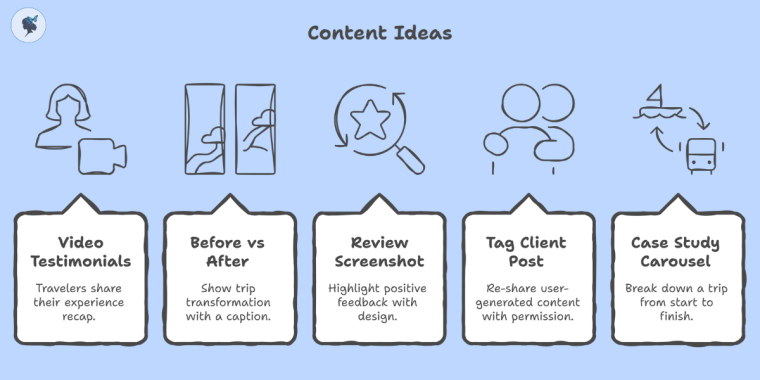
Wander Women Strategy: Amplify guest content: Instagram takeovers, Reels from travelers, review spotlights. Offer branded templates or hashtags for client-generated content, reposting highlights that feel authentic and fun.
7. Gen Z Is Influencing Group & Family Travel
While Gen Z often travels solo or with friends, they heavily influence family trip choices—80% of the time, they shape group itineraries. They want flexibility, modular activities, and multi-generational inclusivity.
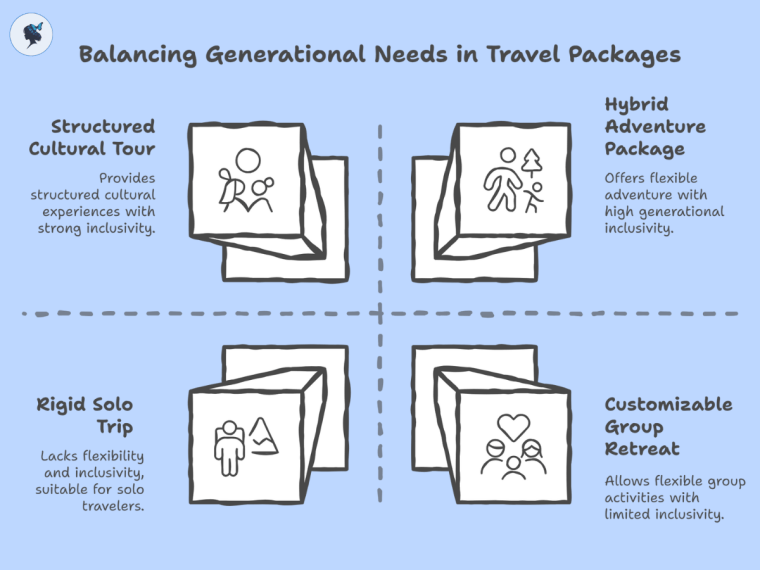
Wander Women Strategy: Build hybrid packages that balance generational needs—adventure segments, relaxed cultural exploration, photo-worthy stops, wellness breaks, and optional adrenaline activities.
8. Wellness, Self-Growth & Digital Detox Trips Appeal Strongly
Wellness travel is trending: studies show high percentages (50-70%) of Gen Z saying travel helps their mental health, or that they seek wellness/relaxation in travel. Many prefer low-alcohol or sobriety-focused experiences and nature-rich lodging.
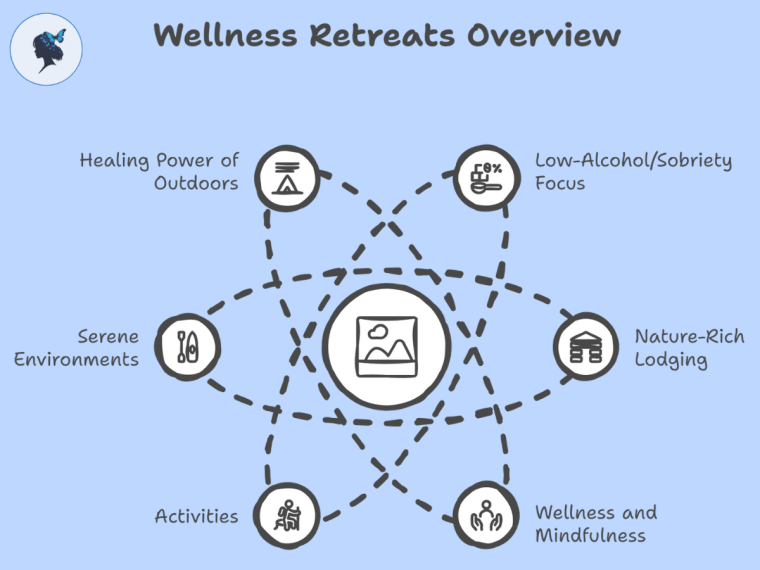
Wander Women Strategy: Offer curated wellness escapes—mindfulness retreats, yoga by the sea, nature hikes, or silent digital detox days. Emphasize mental clarity, purpose, and restorative experiences.
Final Overview & Strategic Snapshot
| Gen Z Trait | Marketing Insight |
|---|---|
| Prefers experience over luxury | Offer immersive, culturally rich, and adventurous packages |
| Concerned about sustainability | Feature green credentials, carbon offsets, ethical lodging |
| Discovers via social media | Invest in TikTok, Instagram Reels, UGC and influencer collaborations |
| Mobile-first behavior | Optimize app-based booking, AR/VR previews, contactless systems |
| Budget-savvy yet experiential | Provide flexible budgets, domestic options, modular itineraries |
| Trusts peers and UGC | Showcase real traveler stories and content for credibility |
| Drives family travel choices | Design multi-gen and flexible packages with varied experience layers |
| Wants wellness & growth trips | Offer digital detox, wellness retreats, sober, nature-focused, and retreat tours |
Conclusion
Marketing to Gen Z travelers in 2025 means blending digital dynamism, values-based storytelling, and affordable adventure. They seek autonomy, authenticity, and deeper meaning in how they travel—and they expect brands to share those values.
Want to create content and campaigns that resonate with Gen Z? Contact us today!