The Complete Digital Marketing Funnel for Travel


The Complete Digital Marketing Funnel for Travel

▶ Table of Contents

Introduction

In today’s highly competitive travel industry, simply having a website or social media presence isn’t enough. Travel brands need a structured, strategic approach to guide potential travelers from discovering your offerings to becoming loyal customers. This is where a digital marketing funnel becomes essential. It helps you attract, engage, convert, and retain customers by delivering the right message at the right time.

infograph: Journey to traveler loyalty.
Journey to traveler loyalty.

According to HubSpot, companies that adopt a structured inbound funnel see a 55% increase in leads and higher conversion rates. For travel businesses, where purchase decisions can be complex and expensive, funnel marketing ensures no prospect gets left behind.


1. Awareness Stage: Attracting Potential Travelers

The first stage is all about visibility—making sure your travel brand is discovered by people dreaming about their next getaway. Key channels include SEO, social media ads, content marketing, and influencer partnerships.

Infograph: Travel brand visibility stategies
Travel brand visibility stategies
  • SEO: Travel-related search volume continues to grow; Google Trends shows that keywords like “best beach vacations” and “affordable trips 2025” spike seasonally, offering great opportunities.
  • Social Media: Platforms like Instagram and TikTok are where 80-90% of Gen Z and Millennials discover travel inspiration.
  • Influencers: Partnering with travel influencers can increase brand reach.

Metrics to track: reach, impressions, and website visits.

Read our post: Marketing to Gen Z travelers.


2. Interest Stage: Engaging & Educating Prospects

Once you have their attention, it’s important to deepen interest by providing valuable, informative content that helps prospects envision their trip and builds trust.

infograph: Engaging and educating prospects
Engaging and educating prospects
  • Use engaging blog posts on destinations, travel tips, and insider guides. 60% of travelers read blogs before booking trips.
  • Email newsletters with personalized tips see an average open rate of 25-30% in the travel industry.
  • Interactive content like quizzes (“What’s your travel style?”) increases engagement by over 40%.

Metrics to track: time on site, bounce rate, email open and click-through rates.


3. Consideration Stage: Nurturing Leads with Personalized Offers

At this point, your prospects are weighing options. Personalized nurturing is key to tipping the scale in your favor.

infograph: Converting travel prospects
Converting travel prospects

Metrics: click-through rates (CTR), engagement with personalized offers, webinar attendance.

Read our post: the importance of personalization.


4. Conversion Stage: Turning Prospects into Bookings

This is the critical phase where interest turns into action—your prospect becomes a customer.

infograph: Converting prospects to customers
Converting prospects to customers

Metrics: booking conversion rate, cart abandonment rate, average booking value.

More about trust signals here.


5. Loyalty & Advocacy Stage: Creating Repeat Travelers & Brand Ambassadors

Repeat customers are the backbone of sustainable travel businesses. Turning travelers into loyal advocates drives ongoing revenue and new customer referrals.

infograph: Cycle of customer loyalty in travel
Cycle of customer loyalty in travel
  • Sending post-trip follow-ups with thank-you notes and surveys increases repeat bookings by 20-25%.
  • Implementing loyalty programs with points, discounts, and perks leads to 30% higher customer retention.
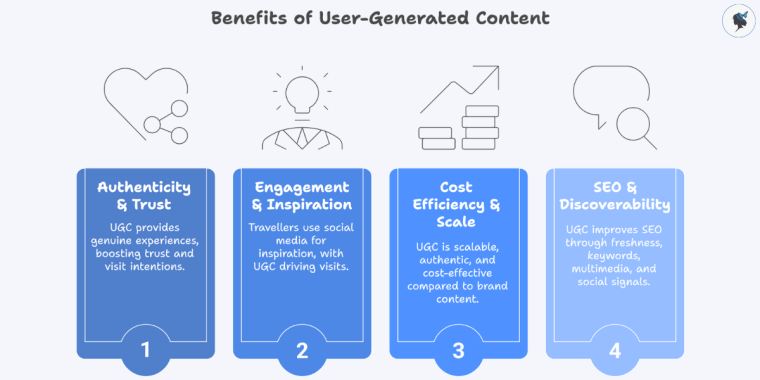
  • Encouraging user-generated content and reviews boosts brand credibility; UGC campaigns see 4x higher engagement on social media.
  • Personalized offers based on travel history increase upsell success by 10%.

Metrics: repeat booking rate, referral rates, Net Promoter Score (NPS).


6. Tools & Technology to Support the Funnel

  • CRM software (e.g., Salesforce, HubSpot) for managing leads and customer data.
  • Marketing automation platforms for email and retargeting campaigns.
  • Analytics tools (Google Analytics, Facebook Insights) to measure funnel performance.
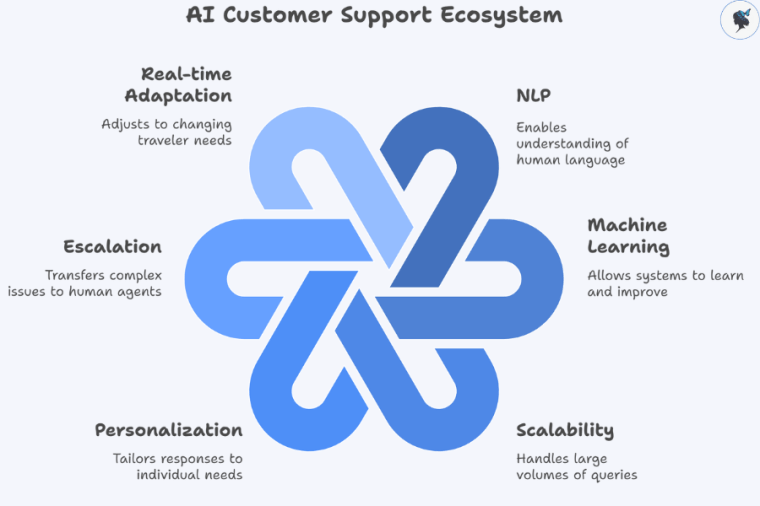
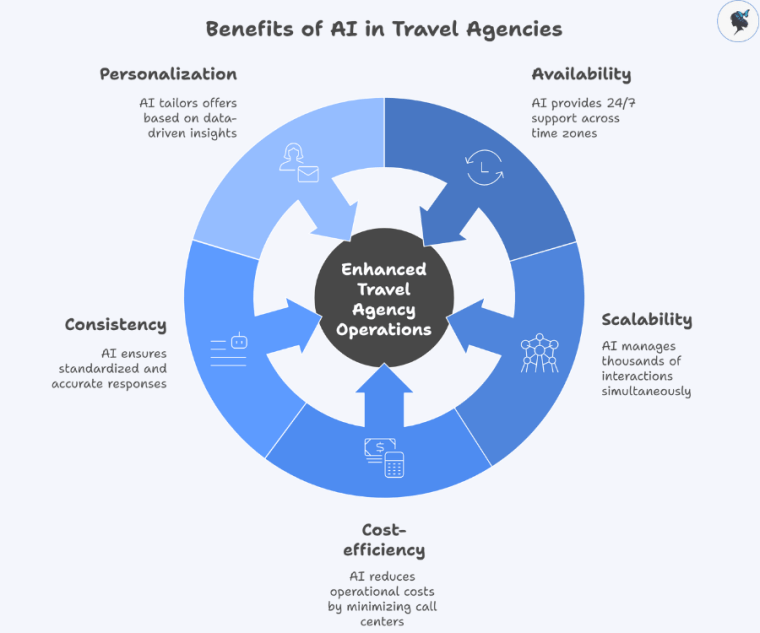
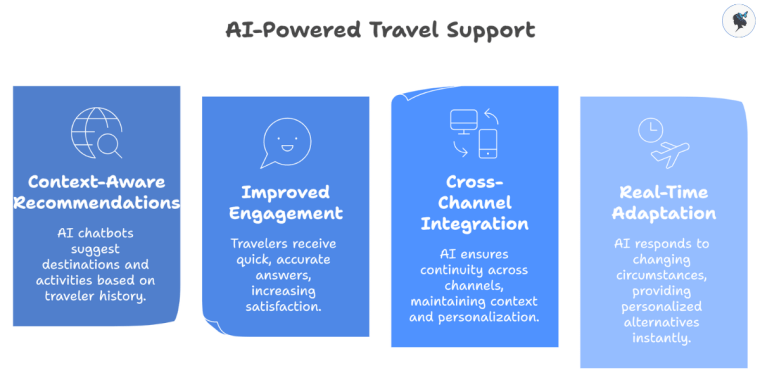
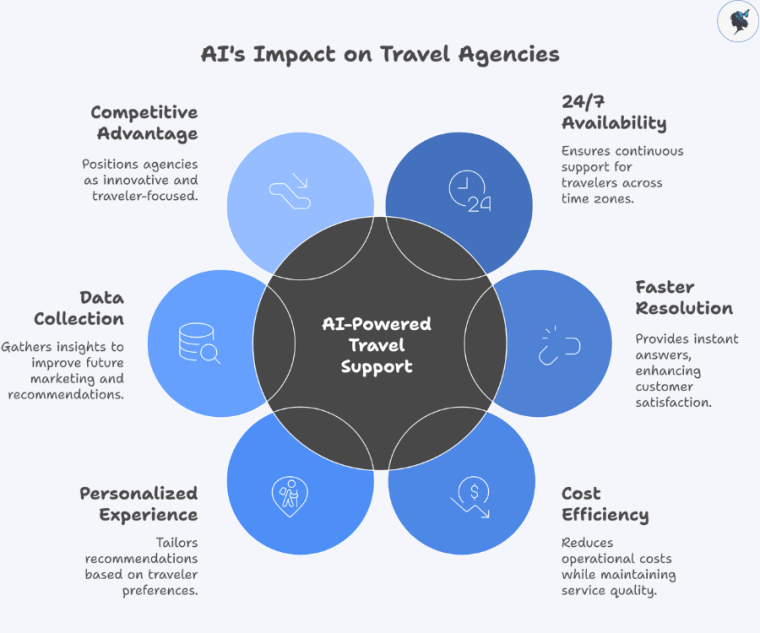
  • AI chatbots to provide 24/7 customer support and personalized recommendations.

Investing in the right tools can improve efficiency and ROI by up to 30%.


7. Case Studies / Examples


Conclusion

A well-structured digital marketing funnel is critical for travel brands aiming to grow in a competitive market. From awareness through loyalty, each stage requires tailored strategies, relevant content, and smart technology. By measuring key metrics and optimizing at every step, you can turn casual browsers into passionate travelers who come back year after year.

Ready to implement a winning digital marketing funnel? Contact us for a tailored audit, strategy plan, or content calendar designed specifically for your travel brand.

Marketing to Gen Z Travelers: What You Need to Know

▶ Table of Contents

Introduction

Gen Z (born 1997–2012) is reshaping global tourism. Unlike previous generations, they prioritize immersive experiences, digital discovery, and purpose-driven travel. McKinsey finds that 52% of Gen Zers are willing to spend more on experiential travel vs. just 29% of Boomers. Travel today is less about bucket lists and more about emotional connection, cultural authenticity, and digital sharing.


1. Prioritize Authentic, Immersive Experiences

Gen Z travelers favor experiences over luxury: 73% say they prefer experiences to material goods. They embrace offbeat adventures—from immersive festivals to community-based stays in small towns (a trend dubbed “townsizing,” with 67% expressing interest).

Infograph: Gen Z travel preferences
Gen Z travel preferences

Wander Women Strategy: Develop itineraries around local traditions, boutique stays, wellness experiences, and niche festivals that create lasting memories—not just photo ops.


2. Sustainability Is a Brand Imperative

Gen Z is deeply eco-conscious: up to 70% prefer sustainable travel options, and nearly half worry about environmental impact when they travel. YouGov reports that many are even opting for no-fly itineraries or paying extra for carbon offsets.

Infograph: Gen Z's eco-friendly travel choices
Gen Z’s eco-friendly travel choices

Wander Women Strategy: Emphasize eco-friendly lodging, responsible sourcing, local-business partnerships, and sustainability accreditation. Communicate it transparently on websites and socials.


3. Meet Them Where They Are: Social-First Travel Discovery

Gen Z uses TikTok, Instagram, and YouTube as their primary travel search engines: 80–90% use social media for inspiration, with ~40% preferring TikTok over Google for travel research. TikTok is especially powerful: 77% of European users were motivated to visit destinations after seeing them there.

Infograph: Gen Z travel inspiration: from passive to active engagement
Gen Z travel inspiration: from passive to active engagement

Wander Women Strategy: Build short-form video content featuring raw, unfiltered travel moments—Reels, TikToks, UGC reels—and partner with micro/nano creators who mirror Gen Z values.


4. Mobile-First Is Non-Negotiable

Gen Z expects seamless, on-the-go experiences: 65–80% book via mobile apps, and many rely on apps for planning and last-minute deals. Around 40% use AR/VR tools to preview destinations beforehand.

Infograph: Mobile-first is non-negotiable for Gen Z
Mobile-first is non-negotiable for Gen Z

Wander Women Strategy: Ensure responsive booking workflows, app-based itineraries, contactless tools, and digital concierge services. Explore VR previews or immersive experiences for high-engagement travel products.


5. Affordable, Value-Driven, and Emotionally Intelligent

Gen Z travels frequently (often 2–3 trips/year), despite modest incomes (60% earn under $50K). They use “soft-saving” tactics—strategic budgeting, loyalty points, and flexible trip formats—to make it possible.

Infograph: Balancing Gen Z habits with strategic travel solutions
Balancing Gen Z habits with strategic travel solutions

Wander Women Strategy: Design travel budgets and modular packages with transparent pricing. Promote deals, indie or hostel stays, domestic adventures, and multi-faceted itineraries that offer high emotional ROI.


6. Trust Peer Reviews & User-Generated Content

Reviews and UGC are gold for Gen Z—49% depend on peer reviews, and ~30–50% book based on influencer or user content. 84% follow influencer-travel content regularly.

Infograph: Gen Z Trust Peer Reviews & User-Generated Content
Gen Z Trust Peer Reviews & User-Generated Content

Wander Women Strategy: Amplify guest content: Instagram takeovers, Reels from travelers, review spotlights. Offer branded templates or hashtags for client-generated content, reposting highlights that feel authentic and fun.


7. Gen Z Is Influencing Group & Family Travel

While Gen Z often travels solo or with friends, they heavily influence family trip choices—80% of the time, they shape group itineraries. They want flexibility, modular activities, and multi-generational inclusivity.

Infograph: Balancing generational needs in travel packages
Balancing generational needs in travel packages

Wander Women Strategy: Build hybrid packages that balance generational needs—adventure segments, relaxed cultural exploration, photo-worthy stops, wellness breaks, and optional adrenaline activities.


8. Wellness, Self-Growth & Digital Detox Trips Appeal Strongly

Wellness travel is trending: studies show high percentages (50-70%) of Gen Z saying travel helps their mental health, or that they seek wellness/relaxation in travel. Many prefer low-alcohol or sobriety-focused experiences and nature-rich lodging.

Infograph: Wellness retreats overview
Wellness retreats overview

Wander Women Strategy: Offer curated wellness escapes—mindfulness retreats, yoga by the sea, nature hikes, or silent digital detox days. Emphasize mental clarity, purpose, and restorative experiences.


Final Overview & Strategic Snapshot

Gen Z TraitMarketing Insight
Prefers experience over luxuryOffer immersive, culturally rich, and adventurous packages
Concerned about sustainabilityFeature green credentials, carbon offsets, ethical lodging
Discovers via social mediaInvest in TikTok, Instagram Reels, UGC and influencer collaborations
Mobile-first behaviorOptimize app-based booking, AR/VR previews, contactless systems
Budget-savvy yet experientialProvide flexible budgets, domestic options, modular itineraries
Trusts peers and UGCShowcase real traveler stories and content for credibility
Drives family travel choicesDesign multi-gen and flexible packages with varied experience layers
Wants wellness & growth tripsOffer digital detox, wellness retreats, sober, nature-focused, and retreat tours

Conclusion

Marketing to Gen Z travelers in 2025 means blending digital dynamism, values-based storytelling, and affordable adventure. They seek autonomy, authenticity, and deeper meaning in how they travel—and they expect brands to share those values.

Want to create content and campaigns that resonate with Gen Z? Contact us today!

Instagram Growth Tips for Travel Brands

▶ Table of Contents
  1. Introduction
  2. Optimize Your Profile
  3. Post High-Quality, Engaging Visuals
  4. Leverage Instagram Reels and Stories
  5. Use Hashtags Strategically
  6. Engage Actively with Your Audience
  7. Collaborate with Travel Influencers
  8. Run Targeted Instagram Ads
  9. Analyze Your Metrics and Adapt
  10. Conclusion & Next Steps

Introduction

Instagram is a powerful platform for travel brands aiming to inspire and connect with wanderlust-driven audiences. With over 2 billion monthly active users, Instagram offers unparalleled opportunities to showcase stunning destinations, share authentic experiences, and build a loyal community. Whether you’re a boutique tour operator or a global travel agency, leveraging Instagram effectively can drive brand awareness, engagement, and bookings.


Optimize Your Profile

Your Instagram profile is your brand’s first impression. Use a clear, travel-related profile photo such as your logo or a signature destination image. Craft a bio that highlights your unique value and includes keywords travelers might search for, such as “adventure tours” or “family vacations.” Don’t forget to add a clickable link to your website, booking page, or a link-in-bio tool like Linktree to direct traffic effectively. According to Instagram, profiles with complete information get 30% more profile visits.

Infograph: Instagram profile optimization pyramid
Instagram profile optimization pyramid

Wander Women Hot Tips:

  • Choose a clean, recognizable profile image.
  • Write a concise bio with keywords and a call to action.
  • Add a link that drives traffic to your highest priority page.

Post High-Quality, Engaging Visuals

Instagram is a visual-first platform, so the quality of your photos and videos is critical. Share breathtaking travel photos, immersive videos, and engaging carousel posts to tell a story. Maintain a consistent editing style and color palette to create a cohesive brand aesthetic. Brands that use consistent visuals see a 23% higher engagement rate. Don’t hesitate to mix formats—carousel posts, Reels, and Stories all serve different purposes and reach audiences in varied ways.

Infograph: How to enhance instagram engagement through visual content?
How to enhance Instagram engagement through visual content?

Wander Women Hot Tips:

  • Invest in professional or well-edited travel photos.
  • Maintain visual consistency for brand recognition.
  • Experiment with content formats to maximize reach.

Read our guide: the power of visual content.


Leverage Instagram Reels and Stories

Instagram Reels and Stories have become vital tools for travel brands to increase visibility and engagement. Reels, with their short, engaging videos, can go viral and reach audiences beyond your followers. Stories offer a more casual, authentic glimpse behind the scenes and allow you to use interactive features like polls, quizzes, and question stickers. Data shows that Reels receive 22% more engagement than regular video posts. Posting Stories daily keeps your brand top of mind and encourages audience interaction.

Infograph: Which instagram feature should be prioritized for marketing?
Which Instagram feature should be prioritized for marketing?

Wander Women Hot Tips:

  • Create fun, inspiring Reels showcasing destinations or travel tips.
  • Use Stories to share daily updates and interactive content.
  • Incorporate stickers to boost viewer engagement.

Use Hashtags Strategically

Hashtags help categorize your content and extend its reach. Use a mix of popular, niche, and branded hashtags to target the right audience. For example, combine #TravelTuesday (popular) with #EcoTravelTips (niche) and your branded hashtag like #YourBrandTravels. Avoid banned or overly saturated hashtags, which can reduce your post visibility.

Infograph: How to strategically use hashtags?
How to strategically use hashtags?

Wander Women Hot Tips:

  • Research and compile a hashtag set that fits your brand and audience.
  • Create and promote a unique branded hashtag.
  • Rotate hashtags to avoid spam signals from Instagram.

Engage Actively with Your Audience

Engagement is a two-way street. Respond to comments and DMs quickly to build trust and loyalty. Like and comment on your followers’ posts to foster community. Hosting giveaways or contests encourages interaction and grows your following organically. Instagram reports that accounts with high engagement see faster follower growth and increased visibility.

Infograph: Instagram engagement cycle
Instagram engagement cycle

Wander Women Hot Tips:

  • Prioritize responding to all comments and messages.
  • Actively engage with followers and similar accounts.
  • Run contests or giveaways to encourage participation.

Collaborate with Travel Influencers

Partnering with influencers who align with your brand can dramatically increase your reach and credibility. Micro-influencers (10k–100k followers) often have highly engaged niche audiences and can provide authentic promotion at a lower cost. Use influencer content as social proof on your channels and track ROI carefully to ensure value. Influencer marketing yields an average of $5.78 ROI for every dollar spent.

Infograph: Maximizing influencer partnerships
Maximizing influencer partnerships

Wander Women Hot Tips:

  • Identify influencers relevant to your travel niche and audience.
  • Build genuine, long-term partnerships rather than one-off posts.
  • Measure campaign results to optimize future collaborations.

Check out our post: Leveraging Influencer Marketing.


Run Targeted Instagram Ads

Instagram Ads allow travel brands to promote their best content to highly targeted demographics, based on interests, locations, and behaviors. Use ads to boost posts that perform well organically or to drive traffic to landing pages. Testing different creatives and copy through A/B testing helps refine ad effectiveness.

Infograph: Enhancing travel brand presence on Instagram
Enhancing travel brand presence on Instagram

Wander Women Hot Tips:

  • Promote your top-performing organic content with ads.
  • Target ads by traveler interests, demographics, and locations.
  • Continuously A/B test ad creatives and messaging for improvement.

More about A/B testing here.


Analyze Your Metrics and Adapt

Use Instagram Insights or third-party analytics tools to track follower growth, engagement rates, reach, and conversion metrics. Understanding which posts and tactics drive results allows you to optimize your content calendar and strategy. Data-driven marketers are 6 times more likely to report success. Regular analysis keeps your efforts aligned with your goals and audience preferences.

Infograph: Optimizing marketing strategy through data analysis
Optimizing marketing strategy through data analysis

Wander Women Hot Tips:

  • Monitor key metrics like engagement rate, reach, and follower growth.
  • Identify top-performing content and replicate its success.
  • Adjust posting times and content types based on analytics.

Conclusion & Next Steps

Growing your Instagram presence as a travel brand requires consistent effort, creativity, and strategic planning. By optimizing your profile, posting engaging visuals, leveraging Reels and Stories, using hashtags wisely, engaging your audience, collaborating with influencers, running targeted ads, and analyzing your data, you can build a vibrant community of travel enthusiasts eager to explore with you. Start by auditing your current profile and creating a content calendar to implement these tips systematically.

Need help with Instagram? Contact us today!


30 Social Media Post Ideas for Travel Agencies

How to Attract, Engage & Convert Travelers Online

▶ Table of Contents

  1. How to Attract, Engage & Convert Travelers Online
  2. INTRODUCTION
  3. Destination-Focused Content
  4. Behind-the-Scenes & Company Culture
  5. Expert Advice & Travel Tips
  6. Social Proof & Testimonials
  7. Promotions, Offers & Deals
  8. Interactive, Fun & Educational Content
  9. Final Social Media Insights for Travel Agencies
  10. CONCLUSION

INTRODUCTION

Social media has transformed how travelers research, plan, and book trips. For travel agencies, it’s no longer just about pretty pictures—it’s about consistent, strategic storytelling. According to Statista, 75% of travelers turn to social media during the trip planning phase. That’s a huge opportunity to show up, inspire, and win clients.


Destination-Focused Content

Inspire wanderlust and position your brand as the ultimate travel curator. These posts are designed to help potential clients imagine themselves exploring the world—with you as their guide.

This guide gives you 30 specific post ideas, grouped into themes, each with an intro and actionable tip. Let’s dive in.

Infograph: Which content strategy should be used to engage audience with travel destinations?
Which content strategy should be used to engage audience with travel destinations?
  1. Feature a Destination of the Week – Highlight a city or region with gorgeous visuals and a short itinerary.
  2. “Did You Know?” Destination Facts – Share surprising or quirky facts about a destination to spark curiosity.
  3. Hidden Gems Posts – Spotlight underrated locations like secluded beaches or quiet mountain villages.
  4. Before and After Travel Shots – Show visual transformations of destinations (or clients’ moods!) pre- and post-trip.
  5. Photo Diaries – Share a day-by-day photo carousel of an unforgettable trip.

Wander Women Hot Tip: Use consistent hashtags (e.g., #WanderlustWednesday or #HiddenGemFridays) to boost discoverability.

Check out this post for more content marketing ideas.


Behind-the-Scenes & Company Culture

Build trust by showing the humans behind the brand. People buy from people. This content creates emotional connections and reinforces your credibility.

Infograph: Travel agency social media content
Travel agency social media content
  1. Meet the Team – Introduce your agents with fun bios or a “two truths and a lie” game.
  2. A Day in the Life – Share snippets of what goes into creating an unforgettable trip.
  3. Planning in Progress – Tease a behind-the-scenes look at upcoming tours or custom packages.
  4. Office Vibes – Showcase your workspace or remote work lifestyle.
  5. Throwback to First Booking – Share a nostalgic story about your first client or trip planned.

Wander Women Hot tip: Use casual video or candid shots—polished isn’t always better. Authenticity sells.


Expert Advice & Travel Tips

Offer value with helpful, bite-sized knowledge. These posts educate your audience and position you as a trusted expert—not just a salesperson.

Infograph: Which travel content should I create?
Which travel content should I create?
  1. Packing Hacks – A checklist or reel: “5 things you always forget to pack.”
  2. Money-Saving Travel Tips – Budgeting tips, off-season ideas, or travel apps to use.
  3. Visa or Entry Tips – Demystify travel restrictions or visa applications for popular destinations.
  4. Travel Safety Tips – Share health, safety, or cultural etiquette advice.
  5. Best Time to Visit Posts – Highlight seasonal pros and cons for specific destinations.

Wander Women Hot Tip: Turn longer blog posts into carousels or story highlights to stretch your content value.

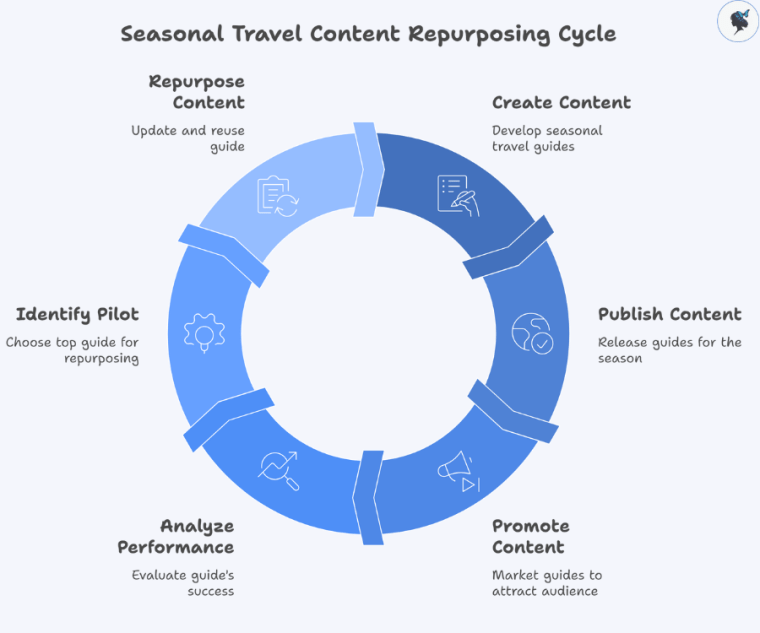
Read our guide: repurposing content.


Social Proof & Testimonials

Let your happy clients sell for you. Testimonials, reviews, and real client stories build trust faster than any promo ever could.

Infograph: Content ideas
Content ideas
  1. Client Video Testimonials – Ask travelers to share a quick recap of their experience.
  2. Before vs After (with caption) – Show how your services transformed their trip.
  3. Screenshot a Review – Highlight positive feedback with on-brand design.
  4. Tag a Client Post – Re-share UGC (user-generated content) with permission.
  5. Case Study Carousel – Break down a trip from inquiry to itinerary to results.

Wander Women Hot Tip: Always include a call to action like “DM us to plan yours!”


Promotions, Offers & Deals

Drive urgency and conversion with timely offers. These posts motivate action—especially when framed around exclusivity or savings.

Infograph: Which promotional strategy should be implemented?
Which promotional strategy should be implemented?
  1. Last-Minute Travel Deals – “Fly to Greece next week? Yes, please.”
  2. Early Bird Discounts – Promote planning ahead with savings or upgrades.
  3. Giveaways & Contests – Collaborate with hotels, airlines, or influencers to expand reach.
  4. Refer-a-Friend Offers – Build loyalty with referral bonuses.
  5. Flash Sale Stories – Use 24-hour countdowns to highlight urgency.

Wander Women Hot Tip: Use bright colors, bold CTAs, and countdown stickers in Stories to grab attention.


Interactive, Fun & Educational Content

Boost engagement while keeping it light. These formats encourage responses, comments, and shares—key for algorithm reach.

Infograph: Travel content ideas
Travel content ideas
  1. Travel Polls & Quizzes – “What kind of traveler are you?” or “Beach vs. Mountains?”
  2. Trivia Tuesdays – Share a fun fact and ask followers to guess the answer.
  3. This or That Posts – Pose quick visual comparisons: Paris or Rome? Cruise or Safari?
  4. User Q&A Box – Invite travel questions via Instagram Stories.
  5. Myth-Busting Carousel – Clarify common misconceptions (e.g., “Do I need travel insurance?”).

Wander Women Hot Tip: Save these to highlights so new followers can engage anytime.


Final Social Media Insights for Travel Agencies


CONCLUSION

These 30 post ideas aren’t just fluff—they’re strategic tools to help you attract leads, build trust, and drive bookings on social media. Mix them weekly, test formats (Reels, Stories, Pins, Carousels), and repeat what works.

Need help with your Social Media strategy? Contact us today!


How to Build a Travel Content Strategy That Converts

▶ Table of Contents
  1. Introduction
  2. Define Your Audience & Goals
  3. Conduct a Content Audit & Competitive Analysis
  4. Keyword Research & SEO Planning
  5. Content Types & Formats
  6. Create a Content Calendar
  7. Content Creation Best Practices
  8. Distribution & Promotion
  9. Measure & Optimize
  10. Conclusion & Next Steps

Introduction

In the fast-paced and competitive travel industry, having a solid content strategy is essential to stand out and attract the right travelers. A well-planned content approach not only draws visitors but also nurtures them through the buyer journey, ultimately converting browsers into booked customers. According to the Content Marketing Institute, content marketing rakes in conversion rates six times higher than other methods, making it an indispensable tool for travel brands.

Wander Women takeaways:

  • Content marketing boosts engagement and conversions significantly.
  • A clear content strategy guides travelers through the buying journey.
  • Travel brands without a strategy risk losing customers to competitors.

Define Your Audience & Goals

Understanding who your target travelers are is the foundation of any successful content strategy. Creating detailed personas—whether solo adventurers, families, or luxury seekers—helps tailor your messaging to their unique preferences and pain points. Additionally, setting SMART goals (Specific, Measurable, Achievable, Relevant, Time-bound) aligned with your business objectives, such as increasing bookings by 20% or growing email subscribers, ensures your content efforts are purposeful and measurable.

Infograph: Content strategy for travel industry
Content strategy for travel industry

Wander Women Hot Tips:

  • Develop detailed traveler personas for targeted messaging.
  • Align content goals with broader business objectives using SMART criteria.
  • Continuously revisit and refine personas and goals as your audience evolves.

Conduct a Content Audit & Competitive Analysis

Before creating new content, evaluate what you already have by conducting a thorough content audit. This helps identify gaps, outdated information, or content that performs well. Simultaneously, analyze competitors’ content to uncover opportunities and differentiate your brand. Among the most successful companies in content marketing, 61% conduct content audits at least twice a year.

Infograph: How to enhance content marketing effectiveness?
How to enhance content marketing effectiveness?

Wander Women Hot Tips:

  • Identify what content resonates and what needs updating.
  • Benchmark against competitors to find gaps and opportunities.
  • Use audit findings to prioritize new content creation efforts.

Not sure how to identify your competitors? Read our post: Unlocking your competitive edge.


Keyword Research & SEO Planning

SEO remains a cornerstone for travel content success. By researching high-intent keywords your audience uses, such as “best family resorts in Florida” or “budget Europe travel tips,” you can create content that meets searcher intent—informational, transactional, or navigational. Tools like Google Keyword Planner, Ahrefs, and SEMrush provide valuable insights to guide your content creation. Travel marketers who prioritize SEO report 14.6% conversion rates compared to 1.7% for outbound leads.

Infograph: Enhancing travel content with SEO
Enhancing travel content with SEO

Wander Women Hot Tips:

  • Target high-intent keywords relevant to your travel niches.
  • Match content to the searcher’s intent for better engagement.
  • Leverage SEO tools to discover keyword opportunities and monitor rankings.

Check out Wanderlust Keywords, our keyword research package.


Content Types & Formats

A diverse content mix keeps your audience engaged and caters to different preferences. Blog posts remain a travel staple for detailed guides and lists, while video content—like destination tours and traveler testimonials—is booming; according to the 2024 Global Internet Phenomena Report by Sandvine, streaming video accounts for more than 80% of global internet traffic, underscoring the dominance of video content in online data consumption. Social media posts and Stories allow quick inspiration, while email newsletters nurture deeper relationships. Interactive content such as quizzes or polls can boost engagement by over 40%.

Infograph: Engaging content strategies
Engaging content strategies

Wander Women Hot Tips:

  • Use a mix of blogs, videos, social posts, and interactive content.
  • Prioritize video as a growing format for travel inspiration.
  • Leverage email newsletters to maintain ongoing connections with prospects.

Check out our post about personalized content.


Create a Content Calendar

Consistency and planning are vital. Developing a content calendar helps schedule publishing frequency and distribution channels, balancing evergreen content that remains relevant year-round with trending or seasonal topics like holiday travel or summer vacations. According to CoSchedule, marketers who use content calendars are 3 times more likely to report success than those who don’t.

Infograph: Content calendar cycle
Content calendar cycle

Wander Women Hot Tips:

  • Plan publishing frequency and channel distribution ahead of time.
  • Balance evergreen content with seasonal and trending topics.
  • Use a calendar to maintain consistency and measure campaign success.

Read more about social media calendars here.


Content Creation Best Practices

Effective travel content tells a story and appeals to readers’ emotions, helping them imagine their next adventure. Use high-quality images and videos to enhance storytelling and break up text for readability. Incorporate SEO best practices like keyword placement, meta descriptions, and internal linking to boost search rankings. Including clear calls to action—whether to download a guide, subscribe, or book a trip—drives conversions. HubSpot reports that content with strong CTAs increases conversion rates by 202%.

Infograph: Cycle of effective travel content
Cycle of effective travel content

Wander Women Hot Tips:

  • Craft storytelling content that resonates emotionally.
  • Use visuals to support and break up text content.
  • Optimize for SEO and include compelling calls to action.

Read our tips on storytelling here.


Distribution & Promotion

Creating great content is only half the battle—promoting it ensures it reaches your target audience. Share your content on relevant social media platforms such as Instagram, TikTok, and Pinterest, which are popular for travel inspiration. Collaborate with travel influencers or guest bloggers to expand reach and credibility. Paid ads can amplify high-value content, while email marketing nurtures leads with personalized recommendations. Research from Sprout Social shows that 64% of consumers want brands to connect with them on social media.

Infograph: Comprehensive content promotion strategy
Comprehensive content promotion strategy

Wander Women Hot Tips:

  • Share content on platforms your audience frequents.
  • Partner with influencers and guest bloggers for broader reach.
  • Use paid promotion and email marketing to nurture leads and conversions.

Read our post: how to leverage influencer marketing.


Measure & Optimize

Tracking performance is critical to refine your strategy. Key metrics include website traffic, engagement rates, and conversion rates. Use analytics tools like Google Analytics and platform insights to monitor what’s working and where to improve. According to Deloitte, data-driven organizations are 23 times more likely to acquire customers and 19 times more likely to be profitable. Regularly revisiting and optimizing your content strategy ensures it stays aligned with your goals and audience preferences.

Infograph: Optimizing content strategy for success
Optimizing content strategy for success

Wander Women Hot Tips:

  • Monitor traffic, engagement, and conversion metrics regularly.
  • Use analytics tools to identify content strengths and weaknesses.
  • Continuously adapt strategy based on data insights.

Read our article: using data here.


Conclusion & Next Steps

Building a travel content strategy that converts requires a clear understanding of your audience, a solid SEO foundation, diverse and engaging content, and consistent promotion and measurement. By following these steps, travel brands can create meaningful connections with travelers, build trust, and ultimately drive more bookings. Start today by conducting a content audit or defining your traveler personas to set your strategy on the path to success.

Wander Women Hot Tips:

  • A strategic approach leads to better engagement and conversions.
  • Consistent measurement and optimization improve long-term results.
  • Begin now with a content audit or audience definition to jumpstart your efforts.

Need help with your travel content strategy? Contact us today!

How to Repurpose Travel Blog Posts into Reels, Pins, and Social Media Posts

▶ Table of Contents
  1. Introduction
  2. Why Repurposing Travel Content Works
  3. Select the Right Blog Post to Repurpose
  4. Repurposing Into Reels (Instagram, TikTok)
  5. Repurposing into Pinterest Pins
  6. Repurposing into Instagram & Facebook Posts
  7. Bonus: Create a Full Content Series from One Blog
  8. Tracking & Optimizing Your Repurposed Content
  9. Conclusion

Introduction

Repurposing your travel blog posts into short-form visual content like Reels, Pins, and social media posts can double your reach, save time, and reinforce your key messages across channels. According to HubSpot, 60% of marketers report that repurposed content generates more leads than original content. And when done effectively, visual content gets more views than text-only content.

Wander Women Hot Tip: Repurposing is giving your best content a passport.

Check out our post: Social media post ideas.


Why Repurposing Travel Content Works

Infograph: Benefits of repurposing travel content
Benefits of repurposing travel content
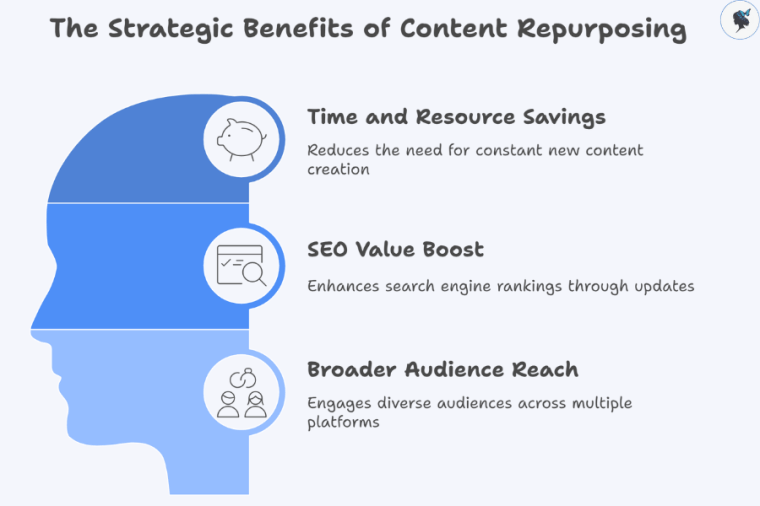
  • Maximizes ROI: You’ve already invested time in research and writing—a single blog post can become a Reel, Pin, carousel post, and newsletter piece, giving more value for your original work.
  • Helps message retention: The Rule of 7 says prospects need to hear/see your message multiple times before they convert. Repurposing reinforces your message across platforms.
  • Engages visual learners: Visuals are processed 60,000× faster than text, and visual content is shared up to 40× more often on social media.

Wander Women Hot Tip: For travel marketers, this multiplies your exposure on visual-first platforms like Instagram, Pinterest, and TikTok—where your future customers are dreaming up their next getaway. It also strengthens SEO by building backlinks and engagement loops.

More about the power of visual content here.


Select the Right Blog Post to Repurpose

Infograph: Which blog post should be repurposed?
Which blog post should be repurposed?
  • Choose high-performing posts, like popular destination guides or top-10 itineraries.
  • Prioritize evergreen content—tips, packing lists, top attractions—that stays relevant over time.
  • Check your analytics to focus on posts with good engagement, traffic, or inquiries.

Wander Women Hot Tip: If you’re unsure where to start, head to Google Analytics or Search Console and look for posts that already rank in the top 10 for their keywords or drive the most organic traffic. Those posts are prime repurposing material—and already have proven value to your audience.

More about leveraging data analytics here.


Repurposing Into Reels (Instagram, TikTok)

Wander Women Hot Tip: Don't overthink visuals.
Wander Women Hot Tip: Don’t overthink visuals.
  • Travel Reels like “5 Must-Dos in Kyoto” or “A Day in Lisbon in 30 sec” work especially well. TikTok influences over 70% of European holiday bookings.
  • Extract 3–5 main points from the blog: turn them into concise visual clips or stills.
  • Add text overlays that summarize each tip; use your branded style.
  • Include a call to action such as, “Read the full itinerary on our site!”
  • Use tools like Canva, InShot, or TikTok’s built-in editor.

More instagram growth tips here.


Repurposing into Pinterest Pins

Wander Women Hot Tip: Pins that link to blog posts have a longer lifespan.
  • Formats to use:
    • Infographics (e.g. “Check-In Checklist for Bali”)
    • Tip list pins (e.g. “Top 5 Hidden Beaches in Bali”)
    • Photo + headline overlay (e.g. “How to Spend 48 Hours in Lisbon”)
  • Convert your blog headings into catchy pin titles.
  • Design in Canva—choose a vertical layout (1000×1500 px).
  • Include your URL, branded colors, and keywords.
  • Pin to relevant boards with optimized descriptions to enhance SEO.

Repurposing into Instagram & Facebook Posts

Infograph: How to repurpose blog content for social media?
How to repurpose blog content for social media?
  • Use carousel posts:
    • Slide 1 = headline or hook (e.g. “3 Underrated Villages in Tuscany”)
    • Slides 2–4 = key points from the blog
    • Final slide = CTA with blog link (“Link in bio”)
  • For single-image posts, overlay a compelling quote or stat.
  • Craft captions that echo your blog intro, plus CTA (e.g. “Save this for your next trip!”).

Wander Women Hot Tip: Repurpose blog sections into individual slides, add emojis or icons for readability, and prompt users to “Swipe for tips” to boost time-on-post.


Bonus: Create a Full Content Series from One Blog

Wander Women Hot Tip: Create themed content.
  • Example schedule:
    • Monday: Reel or TikTok
    • Tuesday: Pinterest infographic
    • Wednesday: Instagram carousel
    • Thursday: Quote image in Stories with Q&A
  • Add the content sequence to your email newsletter with direct links.
  • You can reuse blog sections as tweets, Facebook updates, or LinkedIn posts, all pointing back to the full guide.

Tracking & Optimizing Your Repurposed Content

Infograph: Optimizing repurposed content performance
Optimizing repurposed content performance
  • Monitor performance per channel:
    • Reel views, saves, and follows
    • Pin impressions, clicks, and repins
    • Carousel engagement and link clicks
  • Use tools like Google Analytics, Pinterest Analytics, and IG Insights. A survey by Semrush found that 92% of marketers see analytics as essential for refining repurposed content.
  • Whenever a format underperforms, revisit the messaging or visual style and iterate.

Wander Women Hot Tip: Look at what formats drive not just reach, but clicks back to your blog. Content that performs well visually may still need optimization (e.g. clearer CTAs, better linking) to convert viewers into site visitors—and ultimately, clients or bookings.

Check out: building a travel content strategy.


Conclusion

Repurposing travel blog content into Reels, Pins, and social media posts allows you to work smarter—not harder. You’re multiplying your content’s reach, reinforcing brand visibility, and addressing multiple audience preferences with minimal extra effort.

Wander Women Hot Tip: Make repurposing part of your workflow. When you publish a blog post, immediately create a Reels version, a Pin-ready visual, and a carousel outline. That way, each blog becomes a mini content ecosystem.

Want help repurposing your travel content? Contact us today!

How to Use A/B Testing to Improve Your Travel Website’s Conversions

▶ Table of Contents


Introduction: What is A/B Testing and Why It Matters for Travel Websites

A/B testing, also known as split testing, is a method where you compare two versions of a webpage or app to see which one performs better in achieving a specific goal. For travel websites, this can mean testing different headlines, images, or calls to action to see which variation leads to more bookings, inquiries, or sign-ups. In an industry as competitive as travel, data-driven decisions through A/B testing can dramatically boost conversions and revenue. According to VWO, companies that run A/B tests regularly report a 30% improvement in conversion rates on average.

Infograph: Compare versions to optimize travel website performance
Compare versions to optimize travel website performance

Identify Key Conversion Goals for Your Travel Website

Before you start any A/B test, it’s essential to pinpoint the exact action you want your visitors to take. Conversion goals are the measurable actions that align with your business objectives. For travel websites, these often relate directly to booking, engagement, or lead generation. Clearly defining your goals will help you focus your tests and accurately evaluate their success.

Common Key Conversion Goals for Travel Websites:

Infograph: Key conversion goals for travel websites
Key conversion goals for travel websites
  • Hotel or Accommodation Bookings: This is the primary revenue driver for many travel sites. Increasing the percentage of visitors who complete a booking directly impacts your bottom line.
  • Tour or Experience Reservations: Travel agencies or tour operators may want visitors to book specific tours or activities.
  • Newsletter or Email Sign-ups: Building an email list allows you to nurture potential travelers with future offers and content, increasing repeat visits and bookings.
  • Brochure or Itinerary Downloads: Encouraging visitors to download detailed travel guides or itineraries can be a strong lead generation tactic.
  • Contact Form Submissions: For personalized services like luxury travel planning or custom trips, getting visitors to submit an inquiry form is crucial.
  • Click-throughs to Partner Sites: Some travel sites earn commissions by sending visitors to airline or hotel partners; increasing these clicks improves revenue.
  • Social Media Engagement: Getting visitors to follow or share your travel brand’s social media can increase brand awareness and future conversions.

By selecting one or two primary goals per test, you avoid diluting your data and can make confident decisions based on clear metrics. For example, a small bed-and-breakfast might focus solely on increasing direct booking requests, while a large travel blog may run separate tests for newsletter sign-ups and social shares.


Determine Which Elements to Test

You can A/B test almost any element on your travel site, but some have more influence on traveler decisions than others. Headlines grab attention and set expectations. Images create emotional connections, especially destination photos or accommodation interiors. Calls to action (CTAs) guide visitors on the next step. Even the layout of pricing information or inclusion of testimonials can sway potential customers.

Key Elements to Test:

Infograph: Website optimization strategies
Website optimization strategies
  • Headlines: The first thing visitors read; a compelling headline can increase engagement instantly. Test “Experience the Magic of Bali” versus “Affordable Bali Vacations” to see which drives more bookings.
  • Hero Images: The main image sets the tone and mood. Different images can appeal to different traveler personas. A serene beach vs. an adventurous jungle trek for a tour operator’s homepage.
  • Call-to-Action (CTA) Buttons: The text, color, size, and placement of buttons influence clicks and conversions. “Book Now” versus “Check Availability” or changing button color from blue to orange. Check out our post: the importance of clear CTAs.
  • Booking Forms: Length and complexity affect completion rates. Simplifying forms often increases bookings. Testing a one-step form versus a multi-step form for a hotel reservation.
  • Pricing Display: Showing prices upfront versus after a search or highlighting discounts. Displaying “Starting at $199 per night” vs. “Check our special offers.”
  • Testimonials and Reviews: The presence, placement, and style of traveler reviews can build trust. Including star ratings vs. detailed written reviews. Read our guide: the role of trust signals.
  • Navigation Menus: The clarity and structure can impact how easily users find important info. Testing a simplified menu with fewer options versus a detailed menu with all services listed.
  • Trust Badges and Security Seals: Displaying secure payment logos or awards can reassure visitors. Showing “Secure Booking” badges near the payment section.
  • Special Offers or Promotions: Highlighting discounts or seasonal deals in banners or pop-ups. Testing a “Summer Sale – 20% Off” banner vs. no banner.
  • Video Content: Including or removing background videos or travel destination clips. A video showcasing a resort’s amenities versus a static image. Read our guide: the power of visual content.

By systematically testing these elements, you can discover what resonates best with your audience and steadily improve your travel website’s conversion rates.


There are many tools available to help you set up A/B tests without needing to code. Google Optimize is a free and user-friendly option ideal for beginners, while Optimizely and VWO offer more advanced features for complex experiments.


Analyze Test Results and Understand Metrics

Once your test runs for enough time, you’ll need to evaluate which version performed better. Key metrics include:

Infograph: Website engagement metrics
Website engagement metrics
  • Conversion Rate: The percentage of visitors completing your goal (booking, sign-up, etc.)
  • Bounce Rate: Visitors who leave without interacting
  • Click-Through Rate (CTR): How many clicked specific links or buttons

Statistical significance tells you if the result difference is likely real or due to chance — a confidence level of 95% is standard. For example, if your booking CTA’s click rate improves from 8% to 12% with a new button color and the test is statistically significant, you’ve found a winner.

Example Scenarios:

  • A travel blog increases email sign-ups by 25% by testing two headline variations.
  • A cruise company boosts cabin bookings by 15% after swapping images on their homepage.
  • A hotel reduces bounce rate by 10% after simplifying their booking form in the variant.

Implement Winning Variants and Iterate

After identifying the better-performing version, implement the changes site-wide to benefit all visitors. But don’t stop there — conversion optimization is an ongoing process. Continuous A/B testing lets you refine your travel website progressively and adapt to seasonal trends or changing traveler preferences.

Travel Company Examples:

  • A luxury resort implements a tested booking CTA and later tests new payment options for convenience.
  • An adventure tour operator cycles through images of various destinations seasonally, running tests to see which draws more inquiries.
  • A travel agency alternates between testimonials and user-generated content on landing pages to optimize trust signals.

More about user-generated content here.


Best Practices and Common Pitfalls to Avoid

Running A/B tests on your travel website can be highly effective, but only if done correctly. Here are some best practices to ensure your tests provide reliable insights and avoid costly errors:

Best Practices:

Ingograph: How to optimize travel site testing?
How to optimize travel site testing?
  • Ensure Sufficient Traffic and Test Duration: Small or niche travel sites may have limited visitors, so tests need to run longer to reach statistical significance. A good rule of thumb is to run tests for at least 2-4 weeks, covering weekdays and weekends, as travel booking patterns can vary. This timeframe helps you capture enough data to avoid seasonal biases.
  • Test One Variable at a Time: Isolate elements such as headlines, images, or CTA buttons. Changing multiple variables simultaneously can make it impossible to determine which change caused the result. For instance, testing both the headline and image together can confuse the outcome.
  • Segment Your Audience: Use tools to segment visitors by device type, location, or referral source. For example, mobile users might respond better to shorter booking forms, while desktop users might prefer more detailed info. Geographic segmentation helps when offering region-specific deals or content.
  • Use Clear Hypotheses: Before running a test, state what you expect to happen and why. This approach brings focus and helps you learn even from failed tests. For example, hypothesizing that a more vivid hero image will increase bookings can guide your testing strategy.
  • Maintain Brand Consistency: While experimenting, ensure that new variants still align with your travel brand’s identity and messaging to avoid confusing your audience. Brand inconsistency can damage trust, especially in high-consideration purchases like travel.
  • Prioritize Tests Based on Impact: Start with changes that have the potential for the biggest uplift, like the booking CTA or pricing display, rather than minor cosmetic tweaks. This ensures you invest resources where they matter most.

Common Pitfalls:

Infograph: Impediments to effective travel A/B testing
Impediments to effective travel A/B testing
  • Running Tests Too Short or Without Enough Visitors: This can lead to inconclusive or misleading results. For example, testing a booking button color for just a couple of days during a low-traffic period may show random fluctuations rather than real trends.
  • Ignoring Seasonal and External Factors: The travel industry is highly seasonal. Running tests during a major holiday or travel event without considering its impact can skew results. Always factor in seasonality or special promotions to avoid biased conclusions.
  • Not Tracking Key Metrics Properly: Focusing only on vanity metrics like clicks without tracking actual conversions or revenue can waste effort. Use analytics tools to measure the entire funnel, from landing page visit to completed booking.
  • Failing to Implement Winning Variants: Some travel marketers stop testing after identifying a better variant but don’t apply changes site-wide, missing out on full benefits.
  • Over-testing: Bombarding visitors with constant changes can harm user experience and reduce trust. Space out your tests thoughtfully to maintain a smooth, coherent journey.

By following these best practices and avoiding common pitfalls, your travel website’s A/B testing program will provide valuable, actionable insights that help you grow bookings and build loyal traveler relationships.


Conclusion: Driving Continuous Growth with A/B Testing

A/B testing empowers travel businesses to optimize their websites based on real traveler behavior rather than guesswork. By setting clear goals, testing impactful elements, analyzing data rigorously, and iterating consistently, you can increase bookings, engagement, and customer satisfaction. Start small, stay patient, and watch your travel website evolve into a conversion powerhouse.

Need help with A/B testing? Contact us today!


How to Optimize Your Travel Blog for Voice Search

▶ Table of Contents
  1. Introduction: Why Voice Search Matters for Travel Bloggers
  2. Understand How People Use Voice Search in Travel
  3. Optimize for Conversational Keywords and Natural Language
  4. Create a Voice Search FAQ Section
  5. Optimize for Featured Snippets
  6. Focus on Local SEO
  7. Improve Website Speed and Mobile Friendliness
  8. Use Structured Data Markup
  9. Target “Near Me” and Contextual Searches
  10. Conclusion: Stay Ahead by Embracing Voice Search

Introduction: Why Voice Search Matters for Travel Bloggers

Voice search is rapidly transforming the way travelers find information online. With the rise of digital assistants like Siri, Alexa, and Google Assistant, more users are speaking their queries rather than typing them. This shift means travel bloggers need to rethink their SEO strategies to capture voice-driven traffic effectively. Increasingly, travelers rely on voice search for quick, on-the-go answers — from finding nearby restaurants to checking flight statuses. Voice search queries are generally longer and more conversational, which requires a different approach than traditional text-based SEO. According to Search Engine Journal, over 58% of consumers have used voice search to find local business information.

Infograph: How should travel bloggers adapt their SEO strategies for voice search?
How should travel bloggers adapt their SEO strategies for voice search?

Understand How People Use Voice Search in Travel

Voice search differs significantly from traditional typing because it often involves conversational, natural language. Travelers use voice search for a variety of purposes, such as asking for directions, booking hotels, or discovering things to do nearby. For example, instead of typing “Santorini travel guide,” a user might say, “What’s the best time to visit Santorini?” Voice searches also frequently involve immediate needs, like checking the weather or flight status. Furthermore, users often ask personalized questions tailored to their preferences or itinerary, such as “Where can I find gluten-free restaurants in Paris?” Understanding these nuances is essential to optimizing your travel blog for voice search.

Infograph: How to optimize a travel blog for voice search?
How to optimize a travel blog for voice search?

Optimize for Conversational Keywords and Natural Language

Optimizing for voice search means focusing on long-tail keywords and question-based phrases that mimic how people naturally speak. Tools like AnswerThePublic, AlsoAsked, and Google’s People Also Ask feature are invaluable for discovering the exact queries travelers use. Incorporate these conversational keywords into your blog content with full, clear answers. Use everyday language instead of formal or technical jargon to better match voice queries. Anticipate follow-up questions users might ask and answer those within your content as well. For example, instead of merely writing “Eiffel Tower tips,” create a post titled “What are the best tips for visiting the Eiffel Tower?” which directly answers common spoken questions.

Infograph: How to optimize content for voice search?
How to optimize content for voice search?

Create a Voice Search FAQ Section

Adding a dedicated FAQ section on your travel blog is a simple yet powerful way to target voice search queries. Provide concise, direct answers to common traveler questions and use schema markup to help search engines recognize your FAQ content. Include location-specific questions such as “What is the best time to visit the Grand Canyon?” or “Are there family-friendly hotels in Tokyo?” Regularly update your FAQ based on evolving traveler interests and feedback. Make sure your questions are phrased exactly as people speak, such as “Where can I find affordable beach resorts in Bali?” This natural phrasing increases the chance that voice assistants will pick up your content.

infograph: Optimize travel blog for voice search
Optimize travel blog for voice search

Featured snippets play a major role in voice search results, as voice assistants often pull answers directly from them. To increase your chances of being featured, provide clear, concise answers at the very start of your blog posts. Use bullet points, numbered lists, or short paragraphs that are easy for voice assistants to read aloud. Incorporate summaries or “quick facts” sections so that your content is easy to extract. Keep an eye on competitors’ snippets to identify gaps and create better, more complete answers.

infograph: How to optimize content for featured snippets?
How to optimize content for featured snippets?

Focus on Local SEO

Local SEO is crucial for travel bloggers targeting specific destinations or offering local services like tours and guides. Claim and optimize your Google Business Profile to increase visibility for local searches. Use localized keywords such as “best budget hotels in Lisbon” or “things to do in Kyoto today” throughout your content. Ensure your name, address, and phone number (NAP) are consistent across your website and all external listings. Encourage customers and readers to leave positive reviews, as these boost trust and local rankings. Additionally, incorporating local landmarks and neighborhoods in your posts enhances relevancy and helps capture nearby travelers’ voice queries.

infograph: Local SEO optimization cycle
Local SEO optimization cycle

Improve Website Speed and Mobile Friendliness

Since voice search is predominantly used on mobile devices, your travel blog must be mobile-friendly and load quickly. Use tools like Google PageSpeed Insights and Mobile-Friendly Test to analyze your site’s performance and identify issues. Compress images, minimize unnecessary JavaScript, and use responsive design to enhance load times and usability. Test your site’s usability on multiple devices and browsers to ensure smooth navigation for all visitors. Google reports that 53% of mobile users abandon sites that take longer than 3 seconds to load, highlighting the critical importance of speed.

infograph: Optimizing travel blog for mobile voice search
Optimizing travel blog for mobile voice search

Use Structured Data Markup

Structured data markup, such as schema.org, helps search engines better understand your content, improving your chances of appearing in voice search results. For travel blogs, markup types like FAQPage, HowTo, and LocalBusiness are especially useful. Use Google’s Rich Results Test tool to validate your markup and ensure it’s error-free. Regularly auditing and updating your structured data keeps it current and effective. Combine schema markup with well-crafted meta descriptions designed to be read aloud by voice assistants for maximum impact.

infograph: Structured data optimization pyramid
Structured data optimization pyramid

Target “Near Me” and Contextual Searches

Many voice searches are location-based, with users asking for businesses, services, or activities near their current location. Adding local context to your blog posts — including neighborhoods, landmarks, and transit options — can capture these “near me” queries. Include phrases like “near the Eiffel Tower” or “close to Times Square” to make your content relevant to these searches. Update your content seasonally or for special local events that travelers might inquire about. Additionally, create geo-targeted landing pages for different travel destinations you cover, which can boost your blog’s local relevance and voice search performance.

infograph: Optimize content for local voice searches
Optimize content for local voice searches

Voice search is rapidly becoming a dominant method for travelers to find information online. By understanding how users phrase their voice queries and optimizing your content accordingly, your travel blog can capture this growing traffic source. Regularly update your content, create voice-friendly FAQs, and improve site speed and local SEO to stay competitive. As voice technology continues to evolve, ongoing learning and adaptation will keep your blog relevant. Encourage your readers to share their voice search experiences so you can continually refine your approach and maintain a leading edge in travel SEO.

Need help? Contact us today!


How to Create High-Quality Landing Pages for Your Travel Services

▶ Table of Contents
  1. Introduction: The Importance of Landing Pages in Travel Marketing
  2. Understand Your Target Audience and Their Needs
  3. Crafting a Clear, Compelling Headline
  4. Use Engaging and Relevant Visual Content
  5. Write Persuasive, Customer-Centric Copy
  6. Implement Strong Calls to Action (CTAs)
  7. Optimize for Mobile and Fast Loading Times
  8. Use SEO Best Practices to Attract Organic Traffic
  9. Incorporate Trust Signals and Security Features
  10. Test, Analyze, and Optimize Continuously
  11. Conclusion: Creating Landing Pages That Drive Results

Introduction: The Importance of Landing Pages in Travel Marketing

Landing pages are standalone web pages designed specifically to convert visitors into customers or leads by focusing on a single offer or service. For travel businesses, these pages are crucial because they guide visitors to take immediate actions like booking a hotel room, signing up for a tour, or requesting a travel consultation. In today’s highly competitive travel industry, well-crafted landing pages can make the difference between losing a visitor and securing a booking. According to HubSpot, companies with 40 or more landing pages get 12 times more leads than those with only 1-5 pages.


Understand Your Target Audience and Their Needs

To create a landing page that truly resonates, you first need to understand your ideal traveler. This involves researching demographics, travel preferences, budget, pain points, and booking behavior. For example, solo travelers might look for safety and social experiences, while families prioritize kid-friendly activities and accommodations. Tailoring content to meet these specific needs increases the likelihood of conversion.

infograph: Tailoring content for traveler conversion
Tailoring content for traveler conversion

Examples:

  • A travel agency creates a landing page targeting adventure seekers with thrilling imagery and copy about guided mountain treks.
  • A boutique hotel builds a family-focused landing page emphasizing amenities like play areas and babysitting services.
  • A luxury cruise company designs a page for honeymooners highlighting romantic packages and private suites.

Tools: Use Google Analytics to analyze visitor demographics and interests, SurveyMonkey to gather traveler feedback, and Semrush Audience Insights to understand traveler intent.


Crafting a Clear, Compelling Headline

Your headline is the first thing visitors see—it must capture attention instantly and communicate the value of your travel service. Effective headlines are concise, benefit-driven, and tailored to the traveler’s intent. For example, instead of “Book a Tour,” try “Explore Bali’s Hidden Waterfalls with Expert Guides.” According to Copyblogger, 8 out of 10 people will read your headline, but only 2 out of 10 will read the rest.

infograph: Crafting the perfect travel headline
Crafting the perfect travel headline

Examples:

  • “Discover Affordable Luxury Stays in Paris” for a boutique hotel.
  • “Family-Friendly Safari Adventures in Kenya Await” for a tour operator.
  • “Book Your Dream Caribbean Cruise Today” for a cruise line.

Tools: Use CoSchedule Headline Analyzer to score and improve headline effectiveness, and AnswerThePublic to find common traveler questions that can inspire headlines.


Use Engaging and Relevant Visual Content

Visuals create an emotional connection and showcase what travelers can expect. High-quality photos and videos build trust and inspire action. Use authentic images—preferably from actual customers or professional shoots—to avoid stock photo clichés. Include 360° tours or short clips to immerse visitors in the experience. Research shows that when page load times balloon from 2 to 5 seconds, bounce rates can surge from around 6% up to 38%—a strong reminder that optimizing image loading is vital since visuals often make or break perceived performance.

infograph: How to optimize visuals for travel websites?
How to optimize visuals for travel websites?

Examples:

  • A mountain lodge includes a drone video showcasing panoramic views.
  • A beach resort uses a 360° virtual tour of its pool and beachfront.
  • A city walking tour embeds customer-shot photos highlighting key landmarks.

Tools: Use Canva or Adobe Lightroom for image editing, Cloudinary for image optimization, and YouTube or Vimeo to host videos.

Read the power of visual content here.


Write Persuasive, Customer-Centric Copy

The copy should focus on traveler benefits rather than just features. Use storytelling to paint a vivid picture of the experience and address pain points such as booking hassles or travel safety. Incorporate testimonials and reviews to build social proof, which 92% of travelers read before booking.

infograph: How to write persuasive travel copy?
How to write persuasive travel copy?

Examples:

  • A travel agency tells a story of a couple who rediscovered romance on a Mediterranean cruise.
  • A boutique hotel highlights customer reviews praising personalized service.
  • A tour operator explains how their guides ensure hassle-free adventure in remote locations.

Tools: Use Grammarly for polished copy, Trustpilot or Yelp for integrating reviews, and Hemingway Editor to improve readability.

Read our storytelling tips here.


Implement Strong Calls to Action (CTAs)

A clear, compelling CTA guides travelers on what to do next. Use action-oriented language that creates urgency and relevance, like “Book Your Safari Adventure Now” or “Check Availability for Summer Dates.” Placement matters—CTAs should be visible above the fold and repeated at logical points throughout the page. Use contrasting colors and buttons that stand out. According to WordStream, personalized CTAs convert 202% better than generic ones.

Infograph: How to implement effective CTAs?
How to implement effective CTAs?

Examples:

  • “Reserve Your Family Suite Today” on a hotel landing page.
  • “Get Your Free Travel Guide Now” for a tour company lead capture.
  • “Claim Your Early Bird Discount” on a seasonal package page.

Tools: Use Unbounce or Instapage to A/B test CTAs, Hotjar to analyze click heatmaps, and Canva for designing CTA buttons.

Read about the importance of clear CTAs.


Optimize for Mobile and Fast Loading Times

With over 60% of travel bookings made on mobile devices, mobile optimization is critical. Responsive design ensures your landing page looks great on all screen sizes, while fast loading times reduce bounce rates. Google reports that 53% of mobile users abandon sites that take longer than 3 seconds to load.

infograph: Optimize mobile travel bookings
Optimize mobile travel bookings

Examples:

  • A hotel site compresses images and minimizes code to speed up load times.
  • A tour operator redesigns navigation menus for easier tapping on smartphones.

Tools: Use Google PageSpeed Insights and GTmetrix to test and optimize speed, BrowserStack to preview mobile responsiveness.

Read: Mobile optimization for travel companies.


Use SEO Best Practices to Attract Organic Traffic

SEO ensures your landing pages are discoverable by travelers searching for relevant services. Conduct keyword research focused on travel intent, such as “family-friendly hotels in Orlando” or “best hiking tours in Peru.” Incorporate these keywords naturally in titles, meta descriptions, headers, and image alt text. Use structured data markup like LocalBusiness schema to enhance your search listings with rich snippets, increasing click-through rates by up to 30%.

infograph: SEO strategies for travel services
SEO strategies for travel services

Examples:

  • A tour company targets long-tail keywords for niche experiences like “volcano trekking tours in Costa Rica.”
  • A resort optimizes metadata for “all-inclusive beach resorts in Cancun.”
  • A travel agency adds FAQ schema answering common booking questions.

Tools: Use Ahrefs or Semrush for keyword research, Google Search Console to monitor rankings, and Schema.org generators to add structured data.


Incorporate Trust Signals and Security Features

Trust signals reassure travelers that your site and services are credible and secure. SSL certificates (HTTPS) are now mandatory to protect customer data and improve SEO rankings. Display badges for secure payment methods, industry certifications (e.g., AAA, TripAdvisor), and clear privacy policies. Positive reviews, awards, and partnership logos further build confidence. According to Salesforce, 90% of consumers say brands need to put more effort into providing trustworthy experiences.

infograph: Building traveler confidence
Building traveler confidence

Examples:

  • An online booking platform displays SSL and payment security badges prominently on checkout pages.
  • A luxury resort showcases TripAdvisor Traveler’s Choice awards and guest testimonials.
  • A travel insurance company lists partnerships with recognized organizations and clear policy terms.

Tools: Use Let’s Encrypt for free SSL certificates, Trustpilot for review collection, and TrustedSite for security badges.

More about the role of trust signals here.


Test, Analyze, and Optimize Continuously

No landing page is perfect from the start. Use A/B testing to compare headlines, images, CTAs, and copy to find the best-performing combinations. Tools like Google Analytics and Hotjar provide deep insights into visitor behavior, click patterns, and conversion funnels. Monitor bounce rates, session duration, and conversion rates to identify improvement areas. Regular optimization can increase conversion rates by up to 300%.

infograph: Achieving landing page optimization
Achieving landing page optimization

Examples:

  • A travel agency tests two versions of their booking CTA button color to increase clicks.
  • A hotel analyzes heatmaps to reposition key information higher on the page.
  • A tour operator experiments with different headline styles to boost engagement.

Tools: Use Hotjar for heatmaps and visitor recordings, and Google Analytics for performance metrics.


Conclusion: Creating Landing Pages That Drive Results

High-quality landing pages tailored for your travel services can significantly increase bookings, inquiries, and customer engagement. By understanding your audience, crafting compelling headlines, using stunning visuals, persuasive copy, and clear CTAs, you build trust and drive conversions. Combine mobile optimization, SEO best practices, trust signals, and ongoing testing to create landing pages that perform at their best. Prioritize these steps to ensure your travel brand captures and converts today’s savvy travelers.

Need help with your landing pages? Contact us today!