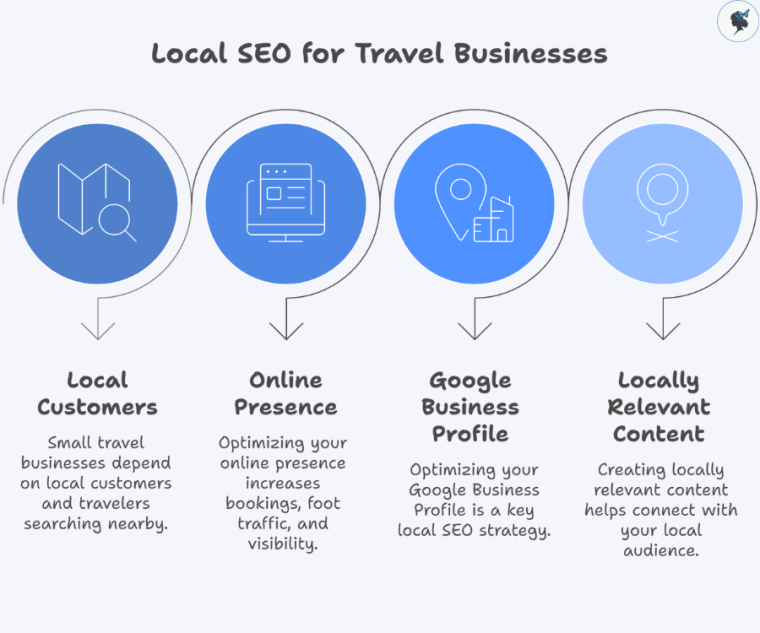
In today’s digital age, local SEO is a critical tool for small travel businesses like bed-and-breakfasts, hotels, and travel agencies. These businesses rely heavily on local customers and travelers searching nearby for accommodations or travel services. Optimizing your online presence to appear in local search results can significantly increase your bookings, foot traffic, and overall visibility.
Local SEO for travel businesses
This post will guide you through effective local SEO strategies specifically designed for small travel-related businesses. From optimizing your Google Business Profile to creating locally relevant content, these steps will help you connect with your local audience and stand out in a competitive market.
Optimize Your Google Business Profile (GBP)
Your Google Business Profile is the cornerstone of local SEO. It helps your business appear in Google Maps and the local “3-pack” search results, which are highly visible to potential customers.
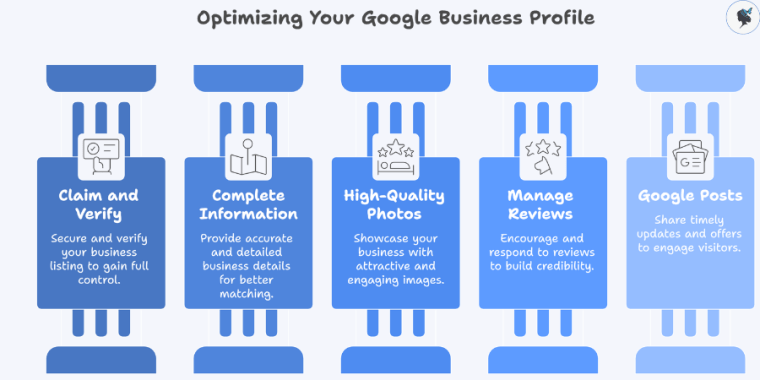
Optimizing your google business profile
Claim and verify your profile: Visit the Google Business Profile site, claim your listing, and verify your business to gain full control over your information. This verification builds trust with Google and users.
Add complete and accurate information: Include your exact address, phone number, business hours, website, and service descriptions. Accurate info helps Google match your listing with relevant local searches.
Upload high-quality photos: Showcase your property, rooms, amenities, or office space with attractive images. Photos increase user engagement and encourage bookings.
Encourage and manage reviews: Ask satisfied guests to leave positive reviews, which improve your local rankings. Respond professionally to all reviews to build credibility.
Use Google Posts: Share timely updates, offers, or events directly on your GBP profile to engage visitors.
Many SEO guides emphasize that adding high-quality photos and responding to reviews on your Google Business Profile can improve engagement and visibility, which in turn correlates with higher bookings and customer interactions.
Local Keyword Research and Optimization
Finding and using the right local keywords is essential to make your website visible to nearby searchers.
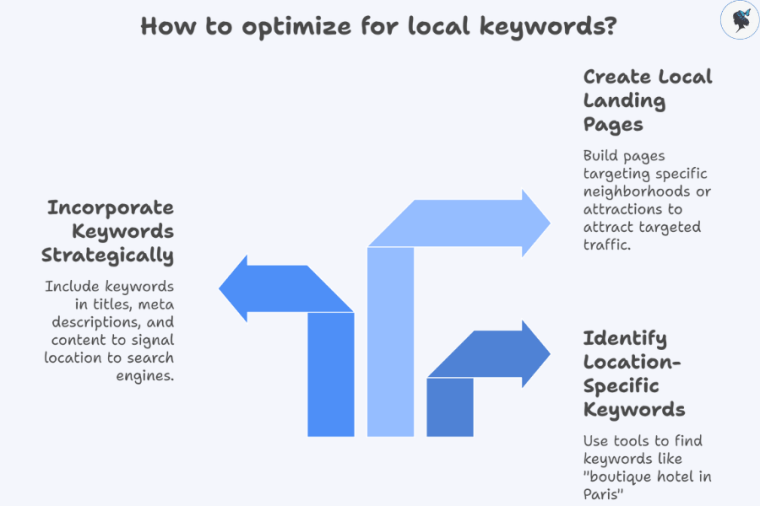
How to optimize for local keywords?
Identify location-specific keywords: Use tools like Google Keyword Planner, Ahrefs, or Semrush to find keywords such as “boutique hotel in Paris” or “family-friendly B&B near Notre-Dame.” These phrases help capture travelers searching specifically in your area.
Incorporate keywords strategically: Include local keywords in your website’s titles, meta descriptions, headers, and body content. This signals to search engines that your business serves a particular location.
Create local landing pages: Build dedicated pages targeting specific neighborhoods, nearby attractions, or popular travel routes. For example, “Hotels near Central Park, NYC” can attract targeted traffic.
A boutique hotel in Florida implemented a comprehensive SEO overhaul that included local landing pages and blog posts focused on nearby attractions and experiences. Results after eight months: Enhanced local SEO and landing pages helped attract relevant search traffic. 300% increase in organic leads. New blog content targeting experience and location-based keywords.
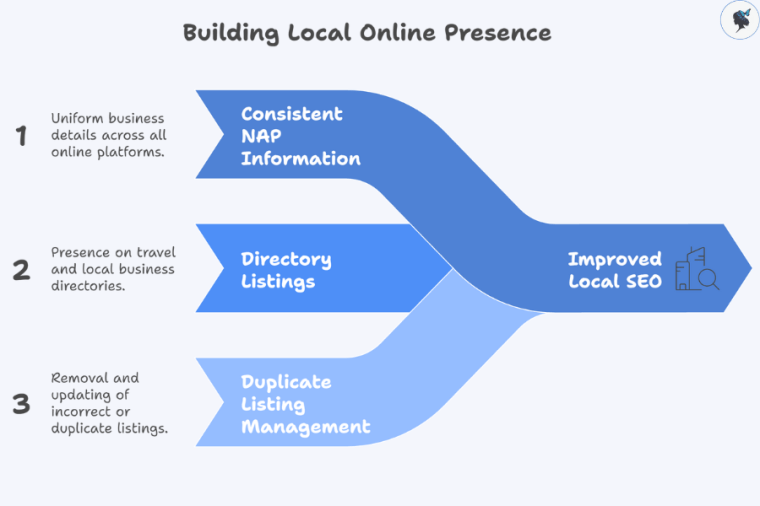
Local citations are online mentions of your business name, address, and phone number (NAP) on various websites and directories. They boost your local SEO by confirming your business’s legitimacy and location.
Building local online presence
Ensure consistent NAP information: Keep your business name, address, and phone number consistent across all platforms to avoid confusion and improve rankings.
List on travel and local directories: Submit your business to TripAdvisor, Yelp, Booking.com, local chambers of commerce, and tourism boards.
Monitor and clean duplicate listings: Use tools like Moz Local or BrightLocal to find and remove or update duplicate or incorrect listings.
A travel agency in the GCC implemented local SEO including consistent NAP across directories, Google Business Profile optimization, and geo-targeted landing pages. After 6 months, the agency saw a 40% increase in organic inquiries (forms & calls) along with significant traffic and local visibility improvements.
Creating Locally Relevant Content
Content that highlights local attractions, events, and experiences draws in travelers researching your area and builds your site’s authority.
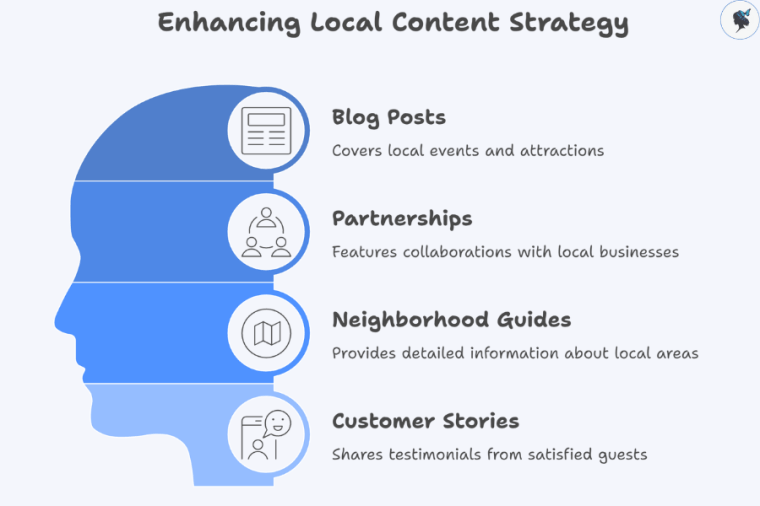
Enhancing local content strategy
Write blog posts about local events and attractions: Cover annual festivals, popular hiking trails, or hidden gems near your property.
Highlight partnerships: Feature collaborations with local tour operators, restaurants, or artists to showcase your embeddedness in the community.
Create neighborhood guides: Offer detailed information about neighborhoods, including dining, shopping, and sightseeing tips.
Showcase customer stories: Share testimonials or case studies from guests who enjoyed local experiences.
A boutique hotel in Zion National Park created in‑depth content about hiking trails and nearby attractions as part of its SEO strategy, which contributed to a 150 % increase in organic traffic over 6 months and a 78 % increase in direct bookings. This illustrates how experience‑focused content drives real search engagement for hotels.
Leveraging Online Reviews and Reputation Management
Online reviews greatly influence travelers’ booking decisions and impact your local SEO rankings.
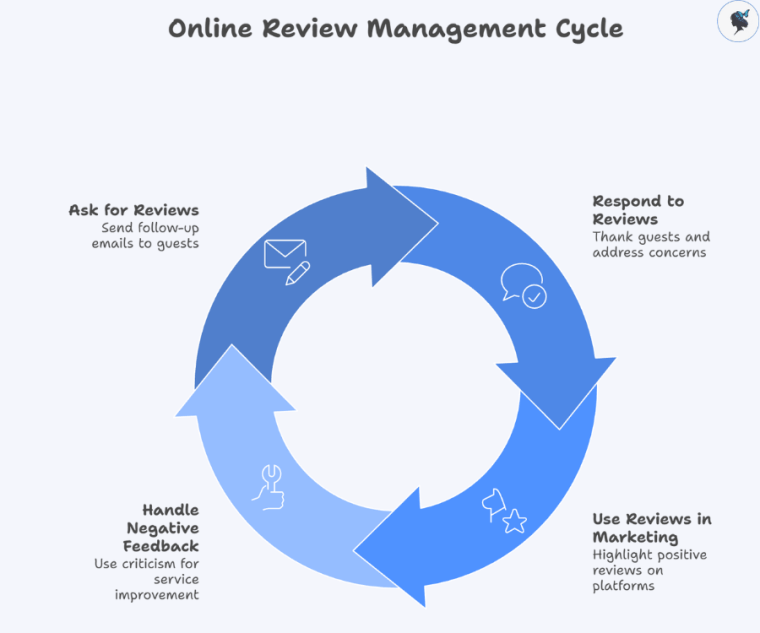
Online review management cycle
Ask guests for reviews: Send follow-up emails requesting reviews on Google, Yelp, and travel-specific platforms.
Respond promptly to reviews: Thank guests for positive feedback and address any concerns raised in negative reviews professionally and constructively.
Handle negative feedback gracefully: Use criticism as an opportunity to improve your service and show potential guests your commitment.
Tripadvisor suggests properties (hotels and B&Bs) that respond to a higher percentage of reviews are significantly more likely to receive booking inquiries. Specifically, properties that respond to more than 50% of their reviews have up to a 24 % greater likelihood of a booking inquiry compared to those that don’t respond at all.
Mobile Optimization and Local Search Experience
With the majority of local searches happening on mobile devices, your website must offer a seamless mobile experience.
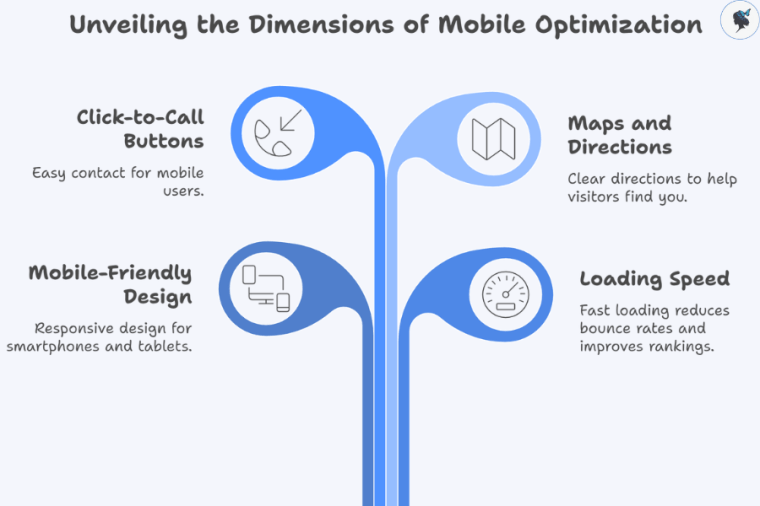
Unveiling the dimensions of mobile optimization
Ensure a mobile-friendly design: Use responsive web design so your site looks and works well on smartphones and tablets.
Improve loading speed: Fast websites reduce bounce rates and improve search rankings. Use tools like Google PageSpeed Insights to identify and fix slow elements.
Add click-to-call buttons: Make it easy for mobile users to contact you directly from your site.
Incorporate maps and directions: Embed Google Maps and clear directions to help visitors find you quickly.
A hotel case study of website performance optimization shows that reducing load time (e.g., from 6 seconds to under 2 seconds) often leads to double‑digit increases in mobile bookings and direct reservations as part of broader UX improvements, including mobile‑friendly design and streamlined booking processes.
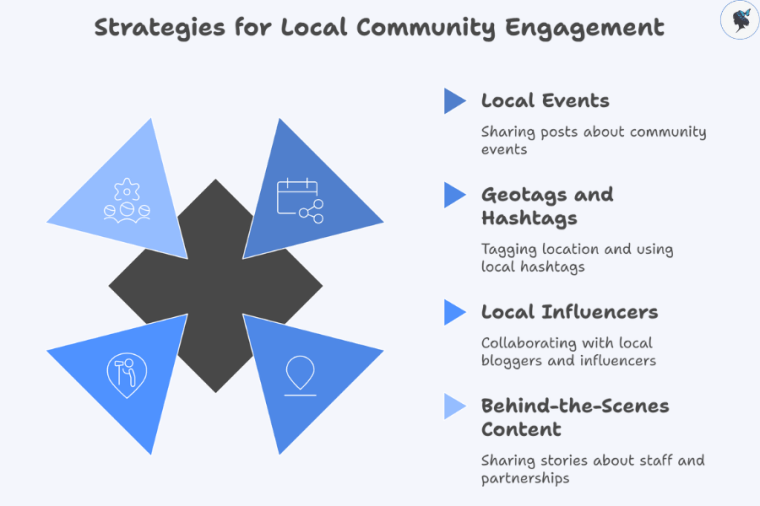
Show behind-the-scenes content: Share stories about your staff, renovations, or local partnerships to build personal connections.
Influencer marketing campaigns in the travel sector produce higher engagement rates and visibility by connecting audiences with authentic travel stories shared by creators, which can then translate into social engagement and interest in travel offerings.
Local SEO is an essential strategy for bed-and-breakfasts, hotels, and small travel agencies aiming to capture nearby customers and travelers. By optimizing your Google Business Profile, targeting location-specific keywords, building local citations, creating relevant content, managing reviews, enhancing mobile experience, and engaging on social media, you can significantly boost your visibility and bookings.
Start implementing these strategies step-by-step, and over time you’ll build a strong local presence that keeps your business thriving in a competitive travel market.
In today’s digital age, mobile optimization is no longer optional—it’s a necessity. For travel companies, especially those in the tourism and hospitality industries, having a mobile-optimized website is vital for delivering an exceptional user experience and maximizing conversions. Whether your customers are searching for flight options, browsing vacation packages, or booking accommodations, chances are they are using their mobile devices to do so.
In this article, we will dive deep into what mobile optimization is, why it is essential for travel businesses, and how to implement the best mobile practices for your site.
What is Mobile Optimization?
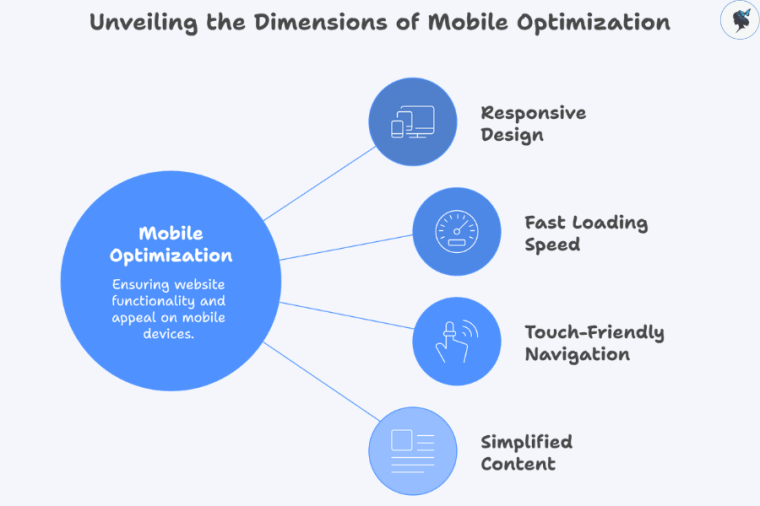
Mobile optimization refers to the process of ensuring that your website is fully functional, fast, and visually appealing on mobile devices such as smartphones and tablets. This includes designing a responsive layout, improving load times, and ensuring that the content and features of the site are tailored to the needs of mobile users.
Unveiling the dimensions of mobile optimization
Key Elements of Mobile Optimization:
Responsive Design: A mobile-optimized website automatically adjusts its layout to fit the screen size of the device it’s being viewed on. Whether a user accesses your website on a desktop, tablet, or phone, the content should resize and adjust to provide a seamless experience.
Fast Loading Speed: Mobile users often have limited bandwidth, so optimizing your site for fast loading times is crucial. Pages should load within a couple of seconds to prevent users from abandoning the site.
Touch-Friendly Navigation: Since mobile users interact with websites through touchscreens, your site should have large buttons, intuitive menus, and easy-to-click links to enhance usability.
Simplified Content: On smaller screens, content should be concise and easy to read. Long blocks of text should be broken up with visuals, and calls to action (CTAs) should be easy to find.
With the majority of travelers using mobile devices to book flights, hotel rooms, or experiences, mobile optimization ensures that you’re catering to this audience while maintaining a smooth and accessible experience.
How to Mobile Optimize Your Travel Website
Now that you understand what mobile optimization is, let’s explore the key steps you can take to ensure that your website performs well on mobile devices.
Implement Responsive Web Design
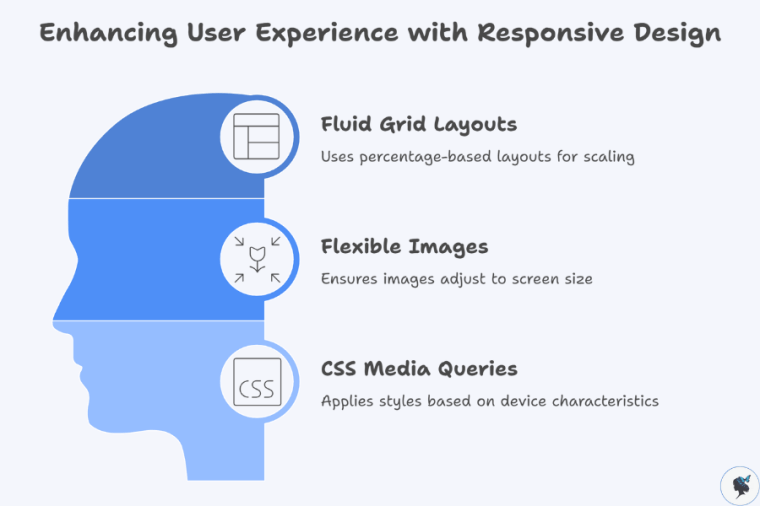
Responsive web design is the backbone of mobile optimization. It ensures that your website automatically adjusts its layout, images, and navigation based on the screen size and device type.
Enhancing user experience with responsive design
How to Implement:
Use Fluid Grid Layouts: Use percentage-based layouts instead of fixed-width ones. This allows your site elements to scale and adjust to the screen size.
Flexible Images: Make sure images are sized properly to scale down on smaller devices. Use responsive image techniques, such as the srcset attribute, to provide different image resolutions based on the user’s device.
CSS Media Queries: Implement media queries in your CSS to apply different styles based on the device’s screen size, orientation, and resolution.
This way, your website will always look great and function properly regardless of the device it’s being viewed on.
Optimize Website Speed for Mobile
Speed is one of the most important factors when it comes to mobile optimization. Mobile users expect websites to load quickly, and Google even uses page speed as a ranking factor. A slow website can lead to higher bounce rates and fewer conversions, which is especially harmful for travel companies where timely and engaging content is critical.
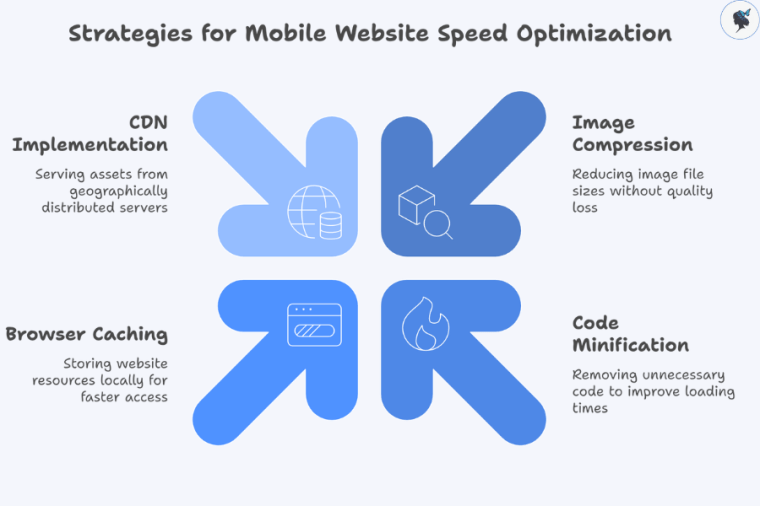
Strategies for mobile website speed optimization
How to Optimize Speed:
Compress Images: Use image compression tools (e.g., TinyPNG or ImageOptim) to reduce file size without compromising quality.
Minify JavaScript and CSS: Minify your site’s CSS, JavaScript, and HTML to reduce unnecessary code and improve page load times.
Enable Browser Caching: Configure your server to cache resources so that repeat visitors load pages faster.
Use a Content Delivery Network (CDN): Implement a CDN to serve static assets like images and scripts from servers closest to the user, reducing load times and latency.
Optimize Navigation for Touch
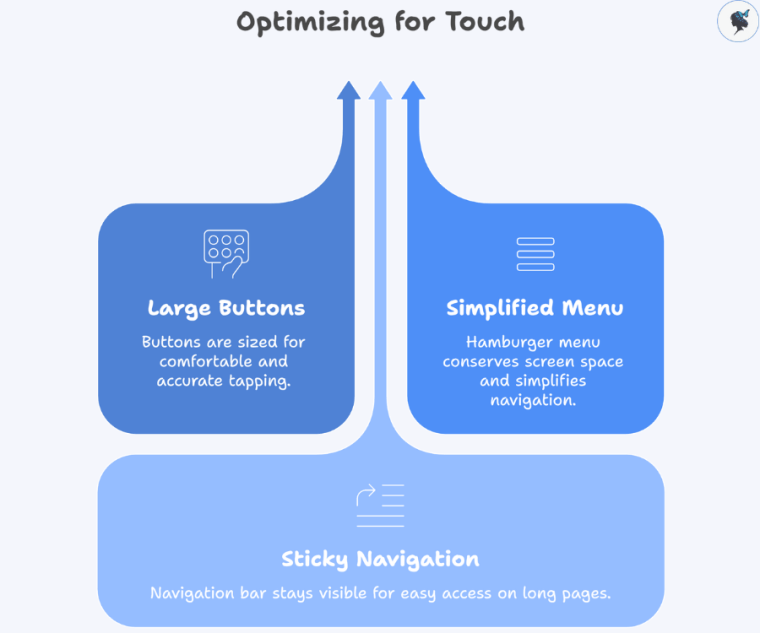
Mobile users interact with websites using touchscreens, so your navigation should be adapted for touch. Buttons, menus, and links should be large enough to tap comfortably, and the layout should be simple to help users navigate quickly.
Optimizing for touch
How to Optimize Navigation:
Large, Clickable Buttons: Buttons should be large enough for users to tap easily. Avoid small clickable elements, as they are difficult to interact with on mobile devices.
Simplify the Menu: Use a hamburger menu (three horizontal lines) to condense the navigation into a dropdown, saving valuable screen space.
Sticky Navigation: For longer pages, consider a sticky navigation bar that remains visible as users scroll down.
Make Content Mobile-Friendly
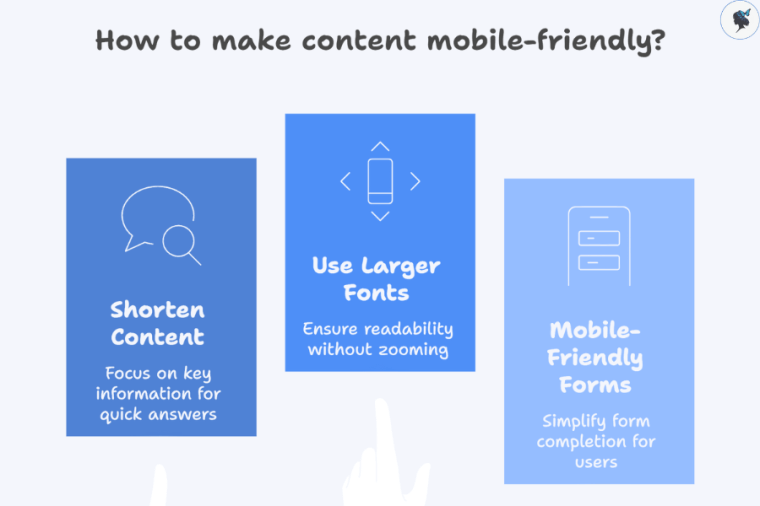
Mobile screens are much smaller than desktops, so you need to ensure that your content is easy to read and interact with. Long-form text should be broken up with images and bullet points, and calls-to-action (CTAs) should be easily tappable.
How to make content mobile-friendly?
How to Optimize Content:
Shorten and Prioritize Content: Mobile users want quick answers. Focus on making your content concise and to the point. Prioritize key information that travelers will want first (e.g., availability, prices, contact information).
Use Larger Fonts: Ensure that text is large enough to be easily read on mobile screens without zooming.
Mobile-Friendly Forms: Travel companies often rely on forms for bookings and inquiries. Make sure forms are simple to complete on mobile, with input fields that are easy to tap and autocomplete wherever possible.
Test Your Mobile Site Regularly
After implementing mobile optimization strategies, you should regularly test your website to ensure it works properly across different devices and screen sizes.
How to Test Mobile Optimization:
Browser Testing: Test your website across a range of browsers and devices to identify issues related to specific platforms (i.e., Safari vs. Chrome, iOS vs. Android).
Real-World User Testing: Ask real users to interact with your website on their mobile devices and provide feedback about usability and speed.
Why Mobile Optimization is Critical for Travel Companies
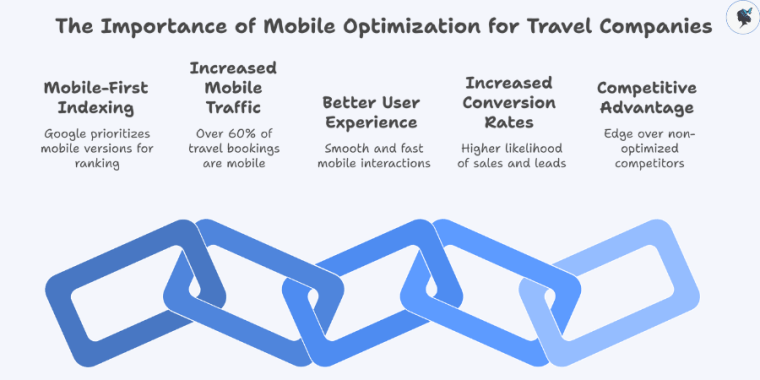
The importance of mobile optimization for travel companies
Mobile-First Indexing
Google has adopted mobile-first indexing, which means it primarily uses the mobile version of your website to rank and index content. If your website isn’t mobile-optimized, it will hurt your SEO rankings, making it harder for potential travelers to find your business online.
Increased Mobile Traffic
As of recent reports, over 60% of online travel bookings are made via mobile devices. Travelers are increasingly relying on their phones to research and book trips, compare prices, and read reviews. If your website is not mobile-friendly, you’re missing out on a significant portion of potential customers.
Better User Experience
When it comes to travel, users want to quickly find information and book their trips without any hassle. A smooth, fast mobile experience is essential to keep users engaged. Mobile optimization enhances the overall user experience and helps maintain customer loyalty.
Increased Conversion Rates
A mobile-optimized site is more likely to convert visitors into customers. From booking flights to reserving hotels or tours, a smooth, mobile-friendly process increases the likelihood of a sale or lead generation.
Competitive Advantage
Many travel companies are still not fully optimized for mobile. By ensuring your site is mobile-friendly, you can gain a competitive edge over businesses that have neglected mobile optimization.
For travel bloggers, staying relevant in a constantly changing digital landscape can be challenging. While timely posts about seasonal events or trending destinations can drive bursts of traffic, they often lose value once the event passes or the trend fades. That’s where evergreen content comes in — content that remains relevant and valuable regardless of when it’s accessed. Creating evergreen content is one of the smartest strategies to ensure your travel blog attracts steady, ongoing traffic all year long.
In this post, we’ll dive into what evergreen content is, why it matters for travel blogs, and how you can create your own timeless posts that continuously engage readers and improve your SEO. With practical tips and examples, you’ll be equipped to build a content library that keeps your audience coming back no matter the season or destination hype.
What is Evergreen Content and Why It Matters for Travel Blogs
Evergreen content refers to content that stays fresh and useful over time. Unlike news or trend-driven posts, evergreen articles focus on topics that travelers will search for and benefit from anytime — from packing tips to destination guides.
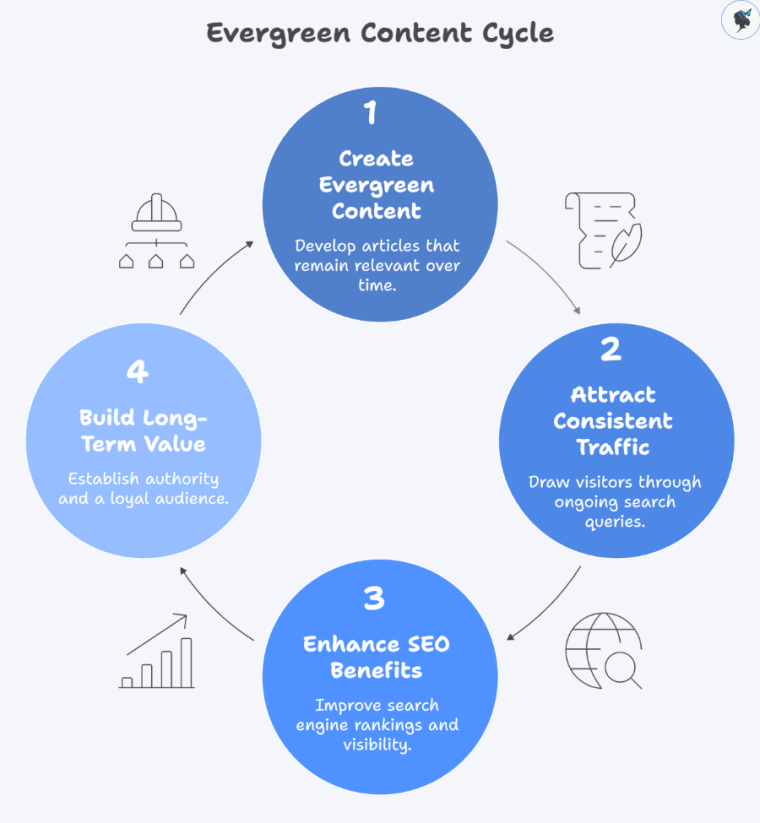
Evergreen content cycle
Why is this important?
Consistent traffic: Evergreen posts attract visitors long after publishing because they solve ongoing problems or answer common questions. This steady stream of visitors builds a loyal audience base.
SEO benefits: Search engines favor content that remains relevant, giving your blog better chances to rank for key travel terms continuously. This means more visibility and organic traffic without constant new content creation.
Long-term value: Once created, evergreen content requires minimal updates, making it a time-efficient way to build your blog’s authority. It provides a sustainable foundation for your blogging efforts.
Examples of Evergreen Travel Content:
“How to Pack for a Two-Week Trip”
“Top Safety Tips for Solo Travelers”
“Ultimate Guide to Traveling on a Budget”
Identifying Evergreen Topics for Your Travel Blog
Not all travel content qualifies as evergreen. The key is choosing topics with lasting interest and broad appeal.
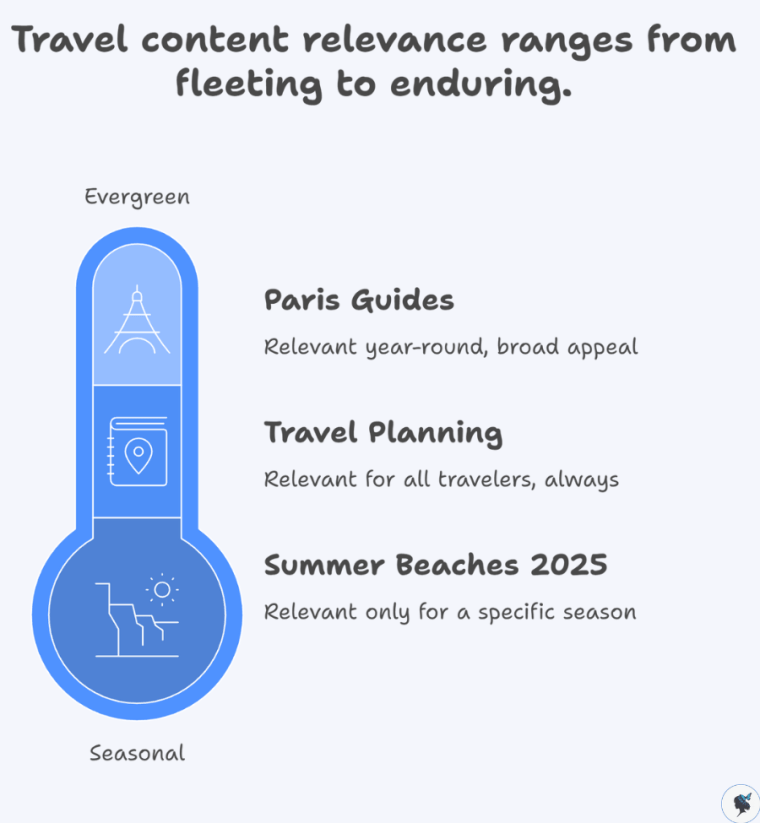
Travel content relevance ranges from fleeting to enduring
Here’s how to find those topics:
Answer common traveler questions: Use tools like AnswerThePublic or Google’s “People also ask” to discover what travelers frequently inquire about. For example, “What documents do I need to travel internationally?” This approach ensures your content meets real audience needs.
Focus on travel fundamentals: Content about travel planning, budgeting, packing, safety, and visa requirements tends to remain relevant, as these are foundational concerns for most travelers.
Choose destinations with perennial appeal: Some places have year-round interest, such as Paris, Bali, or New York City. Guides to these destinations often have staying power and attract continuous traffic.
Avoid overly specific or seasonal topics: For example, “Best Beaches to Visit in Summer 2025” is less evergreen than “Best Beaches to Visit Anytime.” The latter stays useful beyond a particular timeframe.
Travel Examples:
A guide to “Backpacking Essentials for Southeast Asia” will attract readers for years due to its broad applicability.
“How to Find Cheap Flights” is a question travelers ask constantly, making it evergreen and highly searched.
“Cultural Etiquette Tips for Japan” remains relevant despite changing travel trends, helping travelers navigate cultural norms effectively.
Creating Evergreen Content That Engages and Converts
Great evergreen content is not only informative but also engaging and actionable.
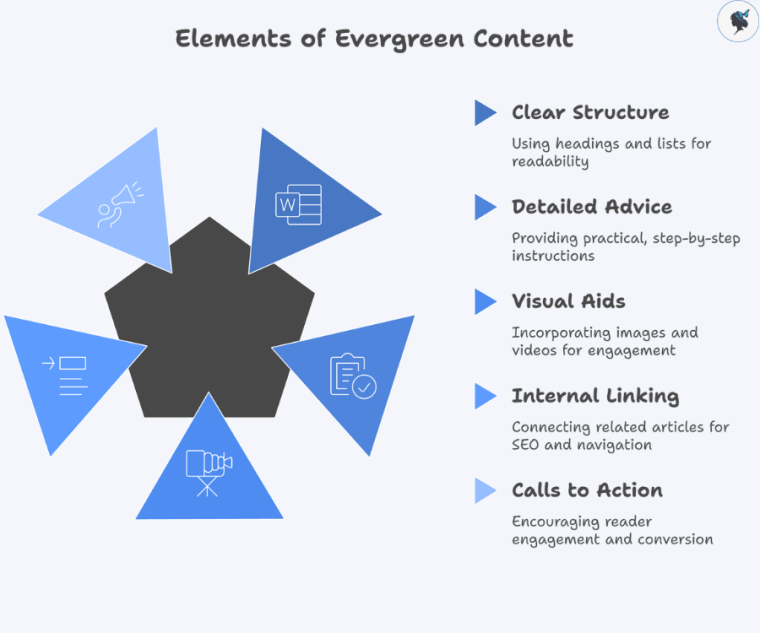
Elements of evergreen content
Here are key elements to include:
Clear structure: Use headings, bullet points, and numbered lists for easy reading. This helps readers scan your content quickly and find what they need.
Detailed and practical advice: Provide step-by-step instructions or checklists that readers can apply immediately. This increases the perceived value and usability of your posts.
Visual aids: Incorporate high-quality photos, infographics, or videos that enhance understanding and keep readers interested.
Internal linking: Connect evergreen posts with other related articles on your blog to improve SEO and user navigation. This keeps visitors on your site longer and boosts authority.
Calls to action: Encourage readers to subscribe, download resources, or book trips related to the content. This helps convert traffic into engaged followers or customers.
Wander Women Hot Tip: In a post about “Packing Tips,” include a downloadable packing checklist or a video demonstrating efficient packing techniques, making it easier for readers to take action.
Optimizing Evergreen Content for SEO
To maximize the traffic potential of your evergreen content, optimize it for search engines.
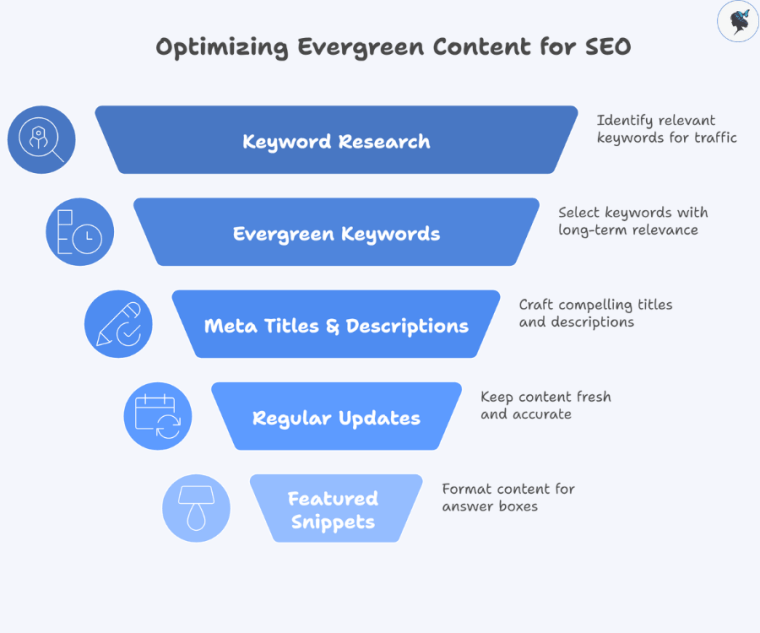
Optimizing evergreen content for SEO
Keyword research: Identify high-volume, low-competition keywords related to your topic using tools like Google Keyword Planner or Ubersuggest. Targeting the right keywords ensures your posts show up for relevant searches.
Use evergreen keywords: Choose keywords that are not tied to specific dates or events to maintain relevance over time.
Write compelling meta titles and descriptions: These encourage clicks from search engine results pages and improve your rankings by clearly conveying your post’s value.
Update regularly: Even evergreen content benefits from periodic updates to keep information accurate and fresh, which signals to search engines that your site is active.
Optimize for featured snippets: Format content to answer questions concisely, increasing chances of appearing in Google’s “answer boxes,” which boosts visibility and authority.
Promoting Your Evergreen Content for Long-Term Success
Creating evergreen content is just the first step.
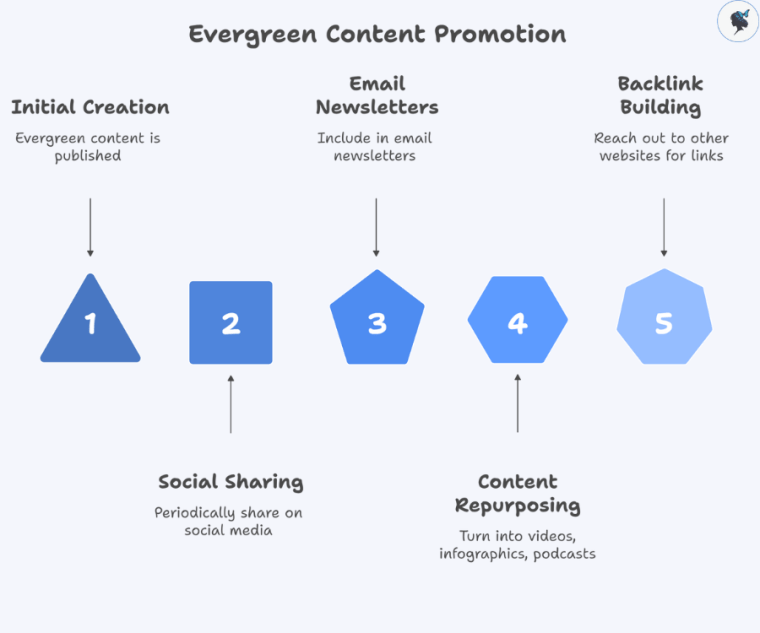
Evergreen content promotion
To drive consistent traffic, promote it strategically:
Share on social media periodically: Evergreen posts can be re-shared across seasons to attract new readers who may have missed them initially.
Include in email newsletters: Highlight evergreen posts in your newsletters as useful resources, providing ongoing value to your subscribers.
Repurpose content: Turn posts into videos, infographics, or podcasts to reach wider audiences and keep your content fresh across platforms.
Build backlinks: Reach out to other travel blogs or websites to link to your valuable evergreen guides, increasing your blog’s authority and referral traffic.
Monitoring Performance and Updating Evergreen Posts
Keep an eye on how your evergreen content performs over time using Google Analytics and Search Console. Track metrics like organic traffic, bounce rate, and user engagement to identify what works and what may need improvement.
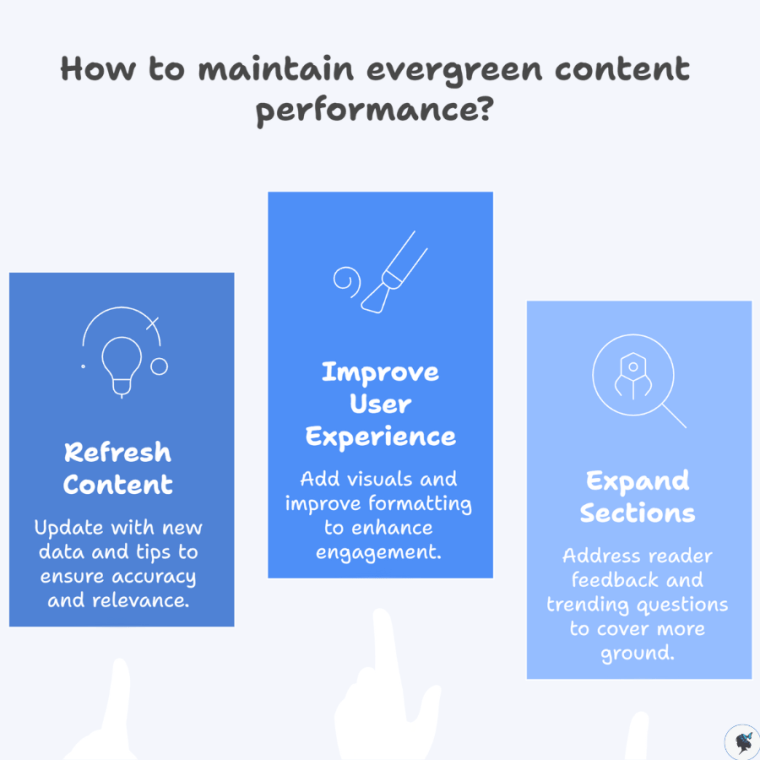
How to maintain evergreen content performance?
If you notice declining traffic or outdated info:
Refresh content with new tips or updated data to maintain accuracy and relevance.
Add new visuals or improve formatting to enhance user experience and engagement.
Expand sections based on reader feedback or trending questions to cover more ground.
Regular maintenance ensures your evergreen posts continue to provide value and maintain high rankings, supporting long-term blog growth.
Creating Evergreen Content for Different Traveler Types, Niches, and Services
Evergreen content becomes even more powerful when tailored to specific traveler personas, niches, or travel services. Understanding your audience’s unique needs allows you to create targeted posts that provide lasting value to distinct groups and build authority in specialized areas.
Types of Travelers and Niches to Consider:
Solo Travelers: Content focused on safety tips, solo-friendly destinations, and how to meet people while traveling solo. Example evergreen posts include “Safety Tips for Solo Female Travelers” or “How to Make Friends on Solo Trips.” These topics resonate because solo travelers often seek advice on navigating travel independently.
Family Travelers: Evergreen guides on traveling with kids, family-friendly destinations, and packing tips for families. Posts like “Top Family Resorts in the Caribbean” or “How to Travel with Toddlers Stress-Free” appeal year-round to families planning vacations with children.
Adventure Travelers: Guides on gear, preparation, and best adventure destinations. For instance, “Essential Gear for Hiking the Inca Trail” or “How to Prepare for Your First Scuba Dive.” Adventure travelers appreciate detailed advice that helps them safely enjoy their activities.
Luxury Travelers: Posts focusing on upscale experiences, luxury hotel reviews, and travel etiquette. Evergreen ideas include “How to Choose the Perfect Luxury Resort” or “Top Tips for Traveling First Class.” Luxury travelers seek curated content that aligns with their high-end lifestyle.
Budget Travelers: Tips on saving money, finding deals, and budget itineraries. Examples are “How to Travel Europe on $50 a Day” or “Best Free Attractions in New York City.” These posts attract travelers looking to maximize experiences while minimizing costs.
Niche Travel Services: For agencies or bloggers offering specific services, evergreen content can spotlight these offerings. For example, “How to Plan a Group Tour for Your Corporate Retreat” or “What to Expect on a Customized Culinary Tour.” This positions your blog as a resource for specialized travel planning.
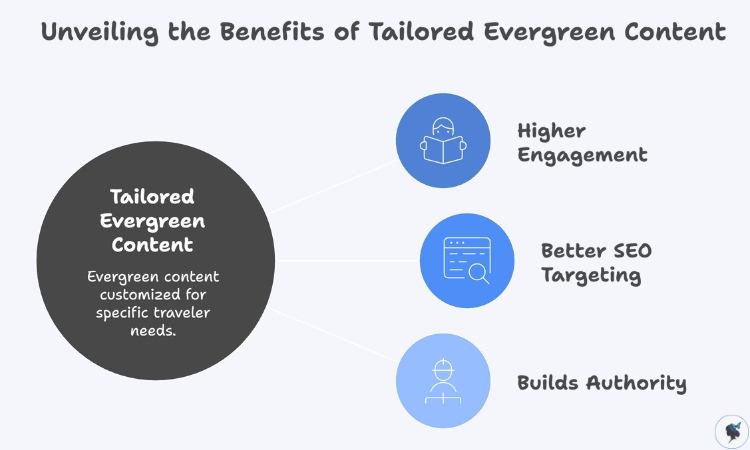
Unveiling the benefits of tailored evergreen content
Why Tailor Evergreen Content to Niches?
Higher engagement: Readers feel the content is directly relevant to their needs, increasing time spent on your site and interaction with your posts.
Better SEO targeting: You can rank for more specific, less competitive keywords that general travel blogs might miss.
Builds authority: Position yourself as an expert within a particular niche, attracting loyal followers who trust your insights.
Conclusion
Evergreen content is the backbone of a successful travel blog that attracts visitors year-round. By focusing on timeless topics, creating engaging and practical posts, and optimizing for SEO, you can build a valuable resource that keeps your audience engaged and grows your blog’s visibility. Tailoring your evergreen content to different traveler types, niches, and services further boosts its impact, helping you connect deeply with your target audience.
Remember to promote and update your evergreen content regularly to maximize its long-term potential. Start planning your evergreen content strategy today and watch your travel blog transform into a reliable source of traffic and bookings—no matter the season.
Need help with evergreen content? Contact us today to see how we can help.
In today’s visually-driven digital world, images are a key element of any travel website. They capture the attention of potential travelers, showcase beautiful destinations, and bring your brand to life. However, without proper image optimization and alt text, your website could be missing out on significant opportunities for improved SEO and user experience.
At Wander Women Strategies, we understand the importance of optimizing images to make your website faster, more accessible, and search engine-friendly. Let’s dive into how image optimization and alt text can give your travel company’s website an SEO boost.
What is Image Optimization and Alt Text?
Image Optimization
Image optimization refers to the process of reducing the file size of an image without compromising its quality. Optimizing images ensures that your website loads faster, provides a better user experience, and helps improve search engine rankings.
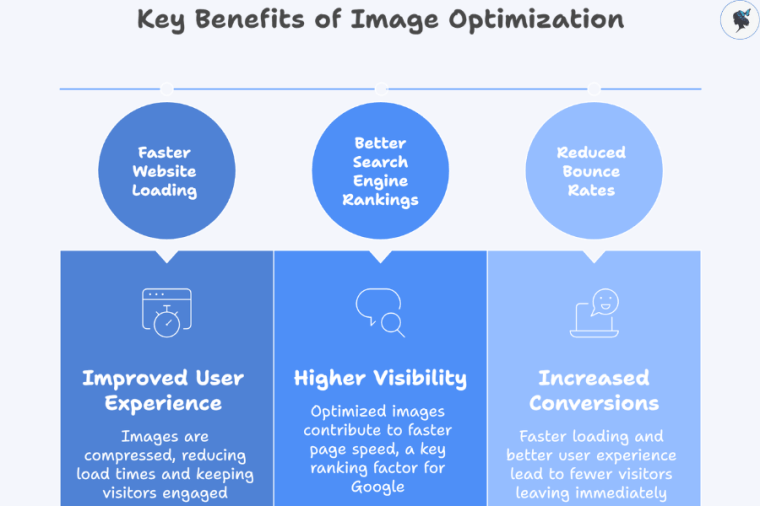
Key benefits of image optimization
When it comes to images, speed matters. Large, unoptimized images can slow down page load times, leading to frustrated visitors and potentially higher bounce rates. Since page speed is a crucial factor in Google’s ranking algorithm, image optimization plays an important role in ensuring that your travel website ranks well.
Common Image Formats for Optimization
JPEG: Best for photographs and images with gradients. It provides a good balance between quality and file size.
PNG: Ideal for images with transparency or high-quality graphics, but the file size can be larger.
WebP: A modern format that provides high-quality images with smaller file sizes, recommended for faster page loading.
Alt Text (Alternative Text)
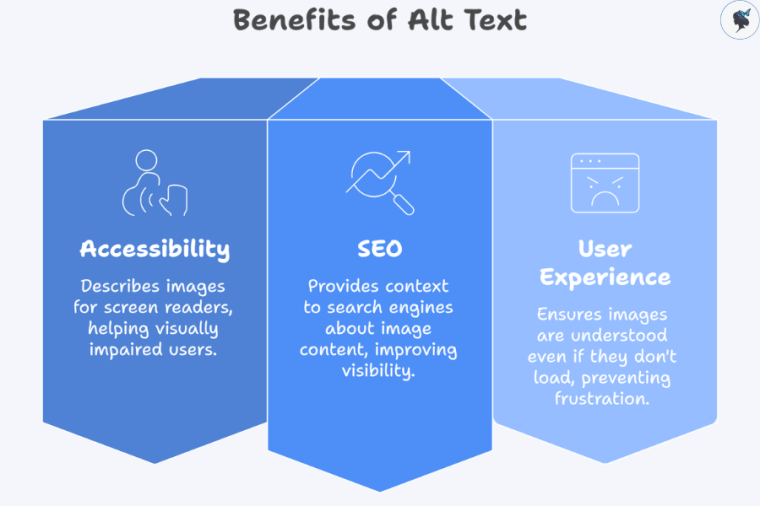
Alt text (or alternative text) is a short description of an image that appears in place of the image if it fails to load. Alt text also describes the image for screen readers, making your website more accessible to people with visual impairments.
Benefits of alt text
Alt text provides a written description of images that helps both accessibility tools and search engines understand visual content. Traditional search engines like Google and Bing, as well as AI-driven search tools, cannot “see” images the way humans do, so they rely on alt text to interpret them. Well-written alt text improves visibility in image search results, supports keyword relevance, and enhances overall SEO by giving search engines and AI systems clear context about the image’s content, while also ensuring a better experience for users relying on screen readers.
How to Optimize Images and Write Effective Alt Text
Optimizing images and writing alt text isn’t a one-step process—it requires careful planning and execution. Here’s how you can do it:
Image Optimization
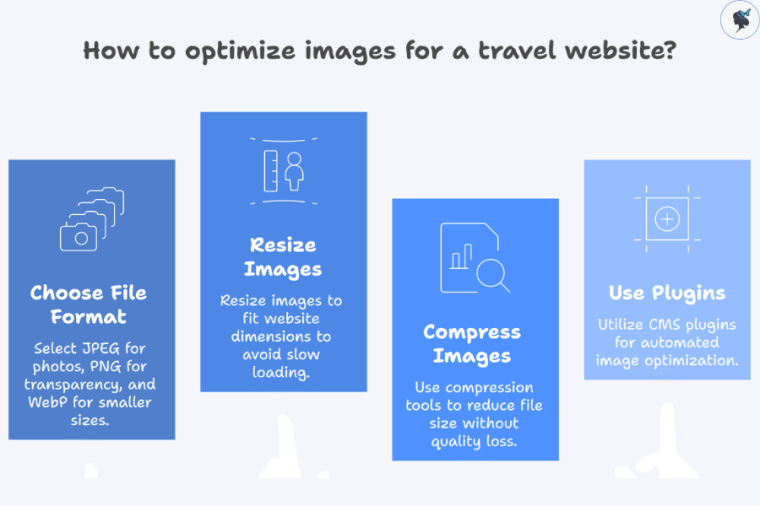
How to optimize images for a travel website?
1. Choose the Right File Format
As mentioned earlier, choosing the right file format is key. For travel companies, images often contain landscapes, cityscapes, and destination photos that can be large in file size. By selecting the appropriate file format, you can reduce the file size while maintaining the image quality.
JPEG works best for photos or images with subtle color changes.
PNG is better for logos, icons, or images requiring transparency.
WebP is a great option if you want smaller file sizes without sacrificing quality.
2. Resize Images Appropriately
Images should be resized to fit the space in which they appear. Uploading large images that exceed the dimensions needed for your website will slow down your page. For example, if an image appears as 600px wide on the webpage, there’s no need to upload an image that’s 3000px wide.
Use image editors like Photoshop, TinyPNG, or even WordPress image compression plugins to resize your images before uploading them to your site.
3. Compress Images to Reduce File Size
Once resized, the next step is compression. Image compression reduces file size without sacrificing visible quality. Use image compression tools to strike the right balance between file size and image quality.
JPEG-Optimizer and ImageOptim are excellent for compressing JPG and PNG files.
For WordPress users, plugins like WP Smush or ShortPixel can automate the compression process.
4. Use Image Compression Plugins for CMS
If you’re using a content management system (CMS) like WordPress, there are plenty of image optimization plugins that can compress and optimize your images in bulk. For example:
Smush
Imagify
ShortPixel Image Optimizer
These plugins can significantly reduce the load time of your website, improving both SEO and user experience.
Writing Alt Text for Images
Alt text plays a crucial role in helping search engines understand the context of your images. Well-optimized alt text can also improve accessibility for individuals with disabilities.
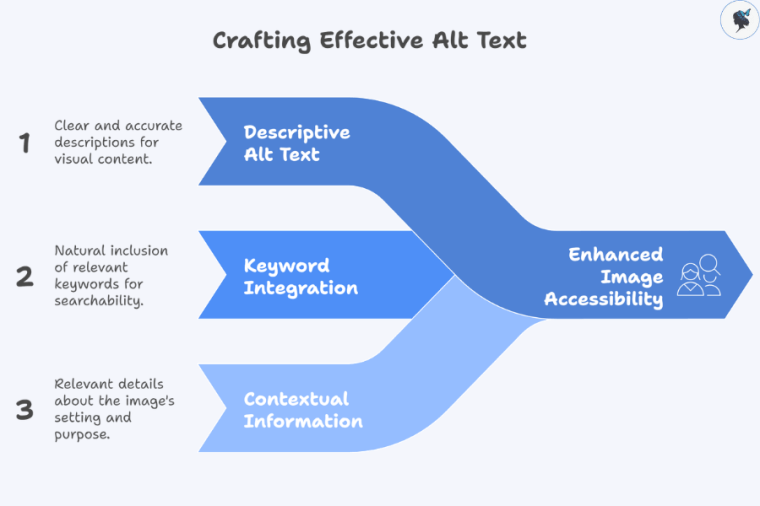
1. Be Descriptive and Accurate
The alt text should describe what is in the image as clearly and accurately as possible. Avoid keyword stuffing or using vague alt text like “image” or “photo.” Instead, focus on describing the content and context of the image, including any relevant keywords naturally.
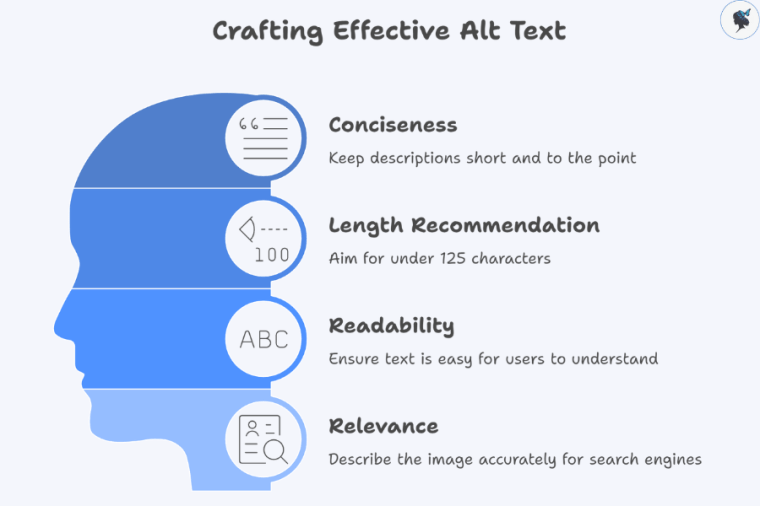
Crafting effective alt text
For example:
Not ideal: “Vacation photo”
Optimized: “A scenic view of the Amalfi Coast in Italy, showing a cliffside village by the ocean”
2. Include Relevant Keywords
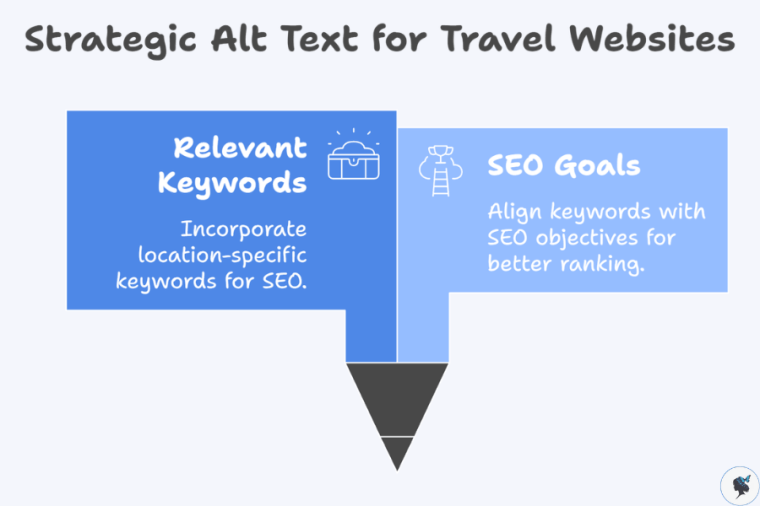
Incorporating relevant keywords in your alt text can help your images appear in image searches. For a travel website, use location-specific keywords that reflect the image content and align with your SEO goals.
Strategic alt text for travel websites
For example, for a beach photo of Maldives, alt text might read: “Pristine white sand beach in the Maldives with turquoise water and palm trees”
3. Keep it Concise
Alt text should be short and to the point, typically no more than 125 characters. Google recommends this length as it ensures that the description is readable and relevant to both search engines and users.
Crafting (concise) effective alt text
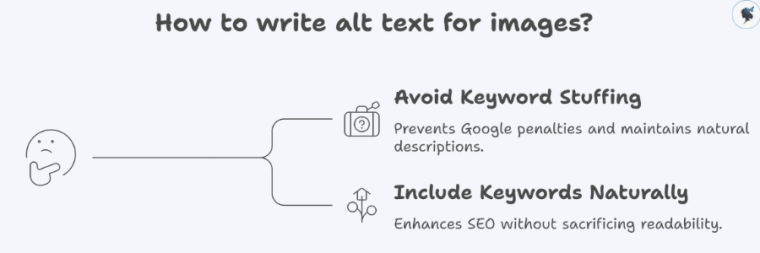
4. Avoid Keyword Stuffing
While it’s important to include keywords, avoid overloading the alt text with irrelevant or excessive keywords. Make sure it’s natural and descriptive. Stuffing keywords in the alt text can lead to a penalty from Google and harm your rankings.
How to write alt text for images?
Why Image Optimization and Alt Text Are Important for Travel Companies
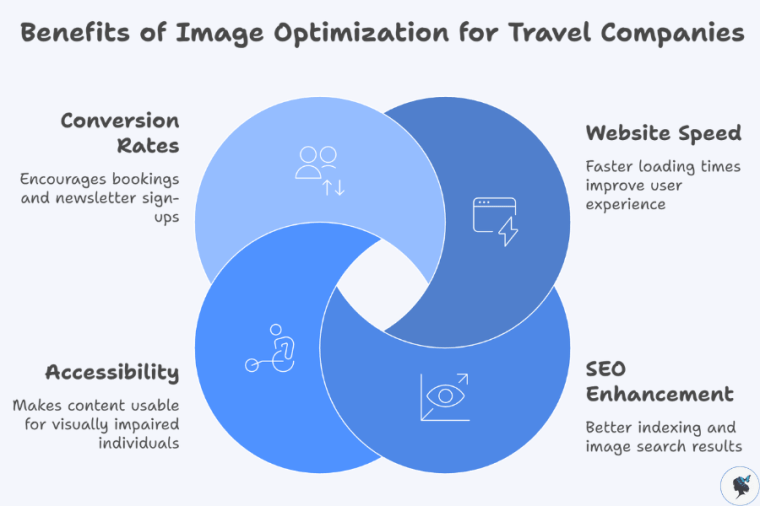
Benefits of image optimization for travel companies
1. Improve Website Speed and User Experience
One of the most important reasons to optimize images is to improve website speed. Slow websites can frustrate users, leading to higher bounce rates and lower conversions. Travelers want to browse your site quickly and efficiently, and images that take too long to load can cause them to leave. By reducing image file sizes without sacrificing quality, your travel website will load faster, providing a smoother experience for users.
2. Enhance SEO and Rankings
Search engines use the alt text to understand and index images, so it’s a powerful tool for improving your SEO. Travel companies that use well-optimized images and alt text have a better chance of ranking in both web and image search results.
Better Indexing: Search engines can’t “see” images, so they rely on alt text to understand their content. Optimized images with detailed, keyword-rich alt text help search engines index your content.
Improved Image Search Results: If your images are optimized properly, they have the potential to appear in Google’s image search, driving more traffic to your website.
3. Increased Accessibility
Alt text is not only beneficial for SEO but also for website accessibility. By providing alt text descriptions, you make your website more accessible to visually impaired individuals who rely on screen readers to navigate the web. For travel companies, accessibility is critical to ensuring that all travelers, regardless of their abilities, can engage with your content.
4. Better Conversion Rates
A fast, easy-to-navigate website with optimized images and alt text encourages visitors to stay longer, explore more pages, and ultimately convert. Whether it’s making a booking or signing up for your newsletter, image optimization plays an essential role in driving conversions.
Start Optimizing Your Travel Website Today
Is your travel website ready to be fully optimized for SEO and user experience? Wander Women Strategies is here to help!
Contact us today to learn how we can boost your travel business’s online presence and improve your rankings. Don’t miss out on the opportunity to attract more travelers and grow your brand!
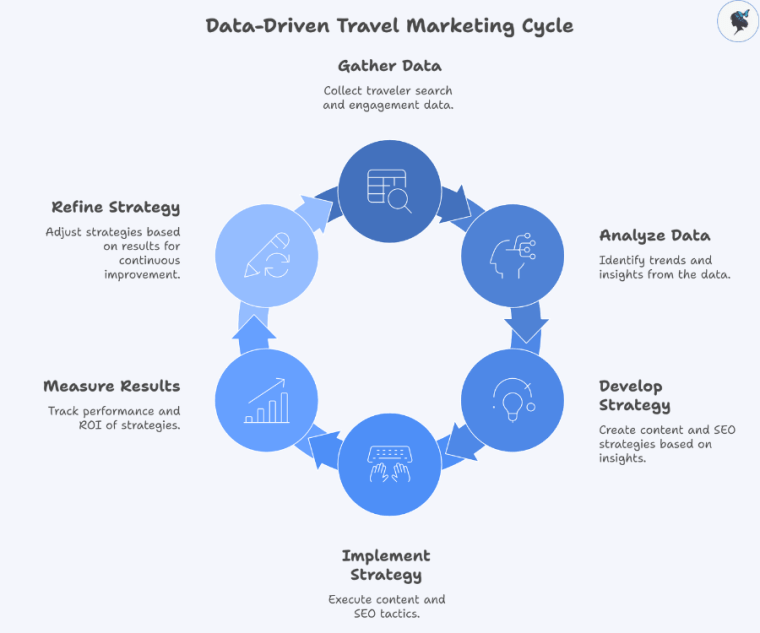
In the digital age, travel agencies no longer rely solely on beautiful brochures or brick-and-mortar storefronts to attract customers. Instead, they must compete in the vast online marketplace, where visibility and engagement often determine success. The most successful travel brands are those that pair creativity with data—using analytics to guide content strategy, SEO tactics, and user experience decisions.
Data-driven marketing cycle
By leveraging data analytics, travel agencies can better understand what travelers are searching for, which types of content convert best, and how to continuously refine their digital strategies. When SEO and content are aligned with data insights, agencies can attract more qualified leads, improve their search rankings, and ultimately increase bookings. Agencies that do this successfully position themselves as thought leaders while optimizing their content investment for maximum ROI.
Understanding the Role of Data Analytics in SEO and Content
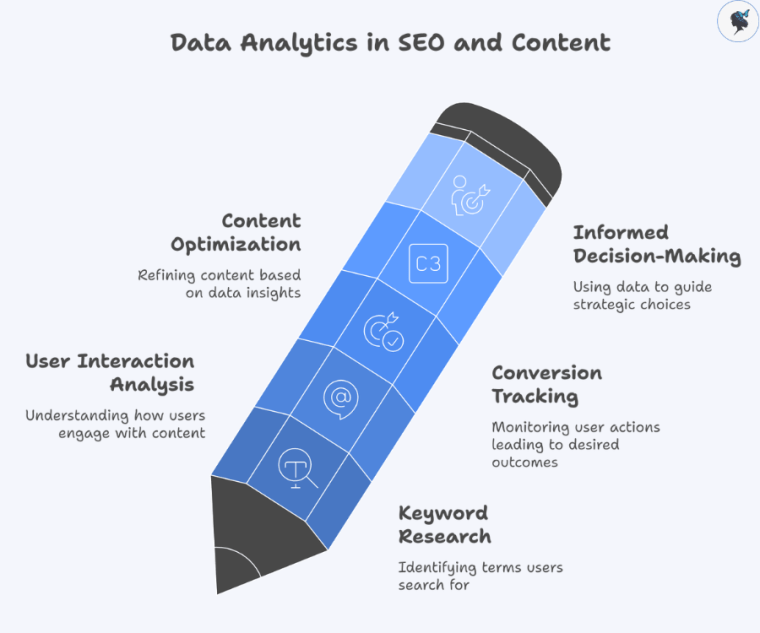
Before jumping into tactical steps, it’s essential to understand the role of data analytics in digital marketing. Data analytics involves collecting and interpreting user and website data to make informed decisions. In the context of SEO and content strategy, this includes insights into which keywords users are searching, how they interact with content, and what actions they take on your website.
This foundation enables travel agencies to move from assumptions to accuracy. Instead of guessing what travelers want, agencies can tailor their content with precision, ensuring relevancy and performance.
Data analytics in SEO and content
Key Tools:
Google Analytics: Understand audience behavior and conversion paths. For example, track which destination pages convert best for family vacations, helping to allocate marketing spend more effectively.
Google Search Console: Track keyword performance and identify crawl or indexing issues. This helps discover if your “Honeymoon in Bali” guide is being seen but not clicked, signaling the need to improve meta descriptions.
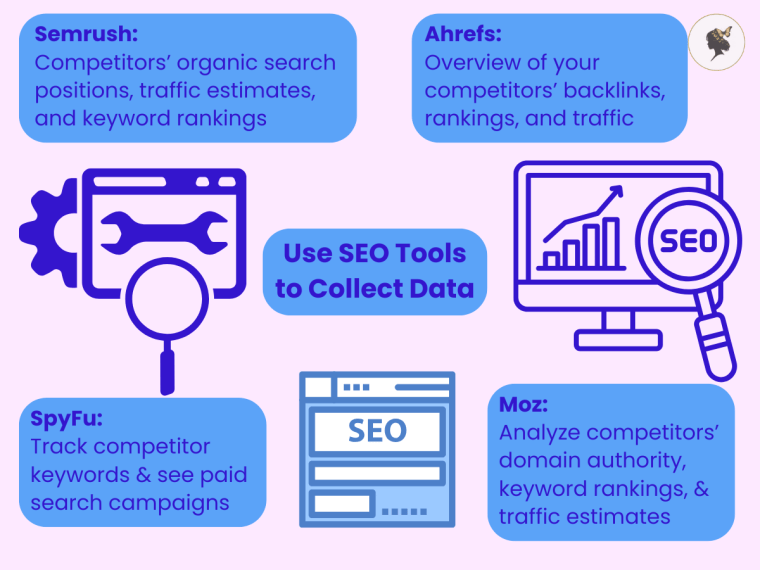
Semrush / Ahrefs: Competitor analysis, keyword tracking, and backlink data. These tools can show how your blog on “Northern Lights Tours” stacks up against competitors and where to improve.
Hotjar / Microsoft Clarity: Visual heatmaps and user session recordings. See where users drop off on your “Luxury Train Journeys” landing page and optimize accordingly to increase conversions.
Travel Examples:
A family travel agency using Google Analytics to identify top-performing content around beach resorts sees more bookings during summer.
A luxury travel operator discovers via Search Console that their “Maldives Overwater Villas” page has high impressions but low clicks, prompting them to rewrite meta tags.
An adventure travel brand uses Semrush to uncover competitor keywords for “Amazon Rainforest Expeditions” and creates better content targeting those terms.
Connect Data to Revenue — Not Just Traffic
Traffic alone doesn’t grow your business. Always tie your analytics back to revenue and booking behavior. Instead of asking:
“Which audience segments convert at the highest value?”
When you shift from vanity metrics to profitability metrics, your strategy becomes exponentially more powerful.
Wander Women Hot Tip: The most successful travel brands don’t create content based on trends — they create content based on traveler behavior. When you let data guide your strategy, you stop guessing and start converting. Precision beats assumption every single time.
Analyzing Audience Behavior to Inform Content Topics
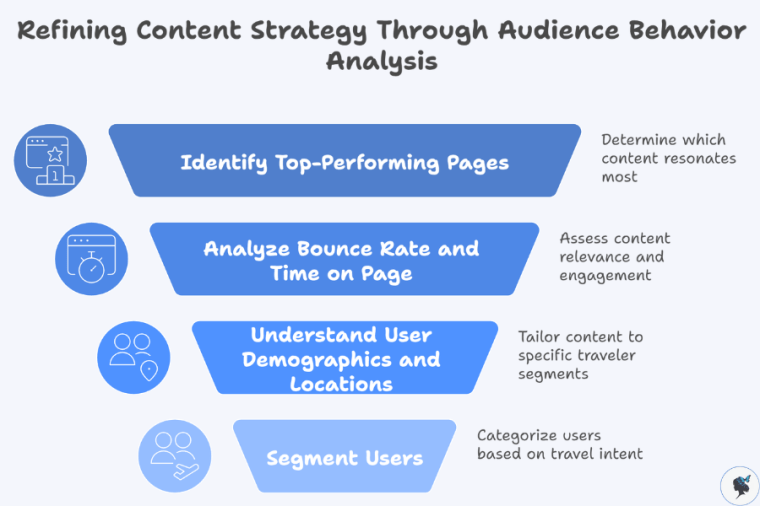
One of the first steps in refining your content strategy is analyzing how visitors behave on your site. Audience behavior data helps you identify what’s resonating with travelers, what needs improvement, and what opportunities exist. It bridges the gap between content production and real user needs.
Refining content strategy through audience behavior analysis
Using Google Analytics, travel agencies can discover:
Top-performing pages: Identify which blog posts or itineraries get the most views and engagement. For instance, if your “2-Week Itinerary in Japan” post is your top performer, consider creating video content or social media snippets to further amplify engagement.
Bounce rate and time on page: These indicate how engaging and relevant your content is. A high bounce rate on “Affordable Caribbean Packages” may suggest that the content or headlines don’t meet user expectations, signaling a need for optimization.
User demographics and locations: Helps tailor content to specific traveler segments. For example, if most visitors to your “Alaskan Cruise Guide” are retirees from the U.S., customize calls-to-action and offers targeting that demographic.
Segment your users into categories such as:
Informational travelers: Dreaming about travel and looking for inspiration. Create visually rich blog posts or destination listicles like “10 Most Romantic Cities in Europe” to engage these users.
Transactional travelers: Ready to book and searching for specific services. Develop landing pages like “Book Your All-Inclusive Maldives Package Today” with clear booking options.
A spike in engagement on the “Winter in Quebec” post suggests increased seasonal interest, encouraging timely promotional content. Check out: managing seasonal content.
Analytics show long page times on the “Backpacking Through Patagonia” guide, indicating strong content value and opportunities to upsell local tours.
Users drop off quickly from the “Luxury Travel in Dubai” page; session recordings reveal slow load times and lack of engaging CTAs, guiding design improvements.
Wander Women Hot Tip: Look for patterns, not just spikes. One viral post doesn’t define your strategy — but consistent behavior patterns do. Track: recurring destination interests, seasonal search behavior, & content themes that repeatedly convert. When you identify patterns, you can build scalable content frameworks rather than chasing one-off wins.
Keyword Research Backed by Data
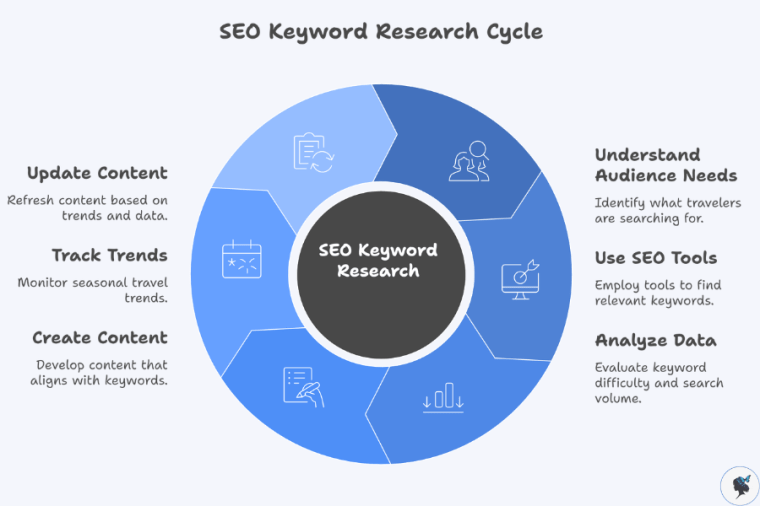
Effective SEO starts with understanding what your audience is searching for. Keyword research powered by data ensures your content aligns with real-world demand, increasing its chances of ranking well and attracting the right travelers.
SEO keyword research cycle
Tools to Use:
Google Keyword Planner: Discover keywords by destination or travel type. Use it to find terms like “best safari tours Kenya” that align with your packages.
Semrush / Ahrefs: Analyze keyword difficulty, search volume, and competitive data. This helps prioritize whether to target “skiing in Switzerland” or “ski trips Austria.”
AnswerThePublic: Find question-based long-tail keywords your audience is asking. Helps you address queries like “Is Iceland safe for solo travel?”
Internal Site Search: Review what users type in your website’s search bar to find missing content. If people search for “pet-friendly hotels,” create a dedicated guide.
Track seasonal travel trends and update your content calendar accordingly. For example, “best places to visit in Europe in summer” spikes around March–May, so plan content in February.
Discovering “Things to Do in Cappadocia” has low competition but high interest helps craft a niche blog that captures a specialized audience.
Site search reveals users frequently look for “visa-free countries for Indians,” guiding a new content series catering to this segment.
Semrush shows rising interest in “digital nomad visas,” perfect for attracting remote worker travelers with dedicated content.
Wander Women Hot Tip: Prioritize keywords by intent + opportunity. Not all keywords deserve equal attention. Prioritize keywords that: align with your packages, show commercial or booking intent, have achievable competition levels, & match seasonal demand. The smartest travel brands don’t chase the highest volume keywords — they target the most strategic ones.
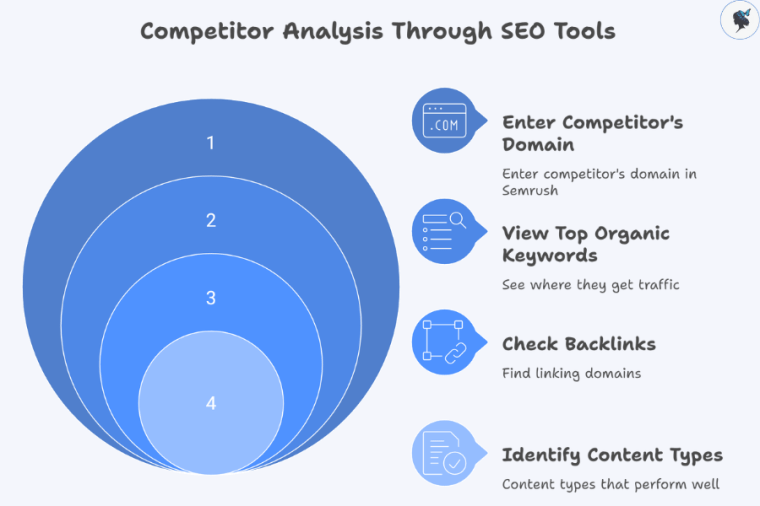
Competitor Analysis Through SEO Tools
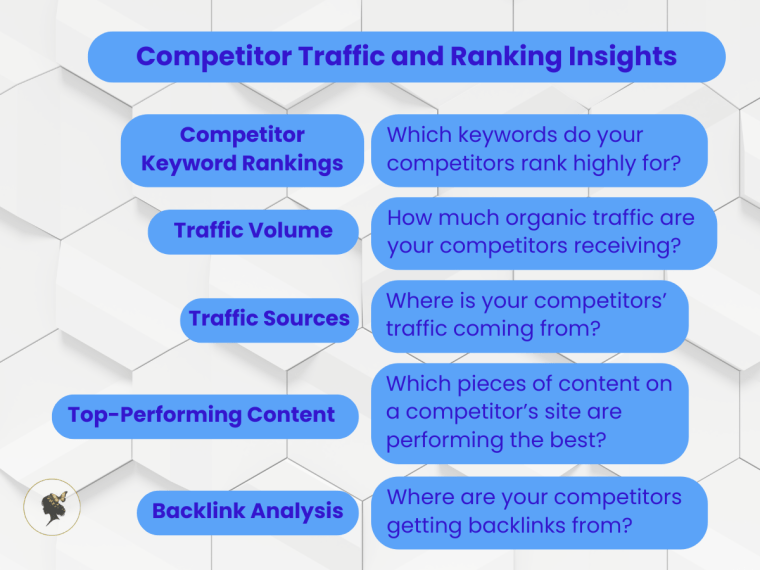
Understanding your competitors’ strategies helps uncover keyword and content gaps. With SEO tools, you can reverse-engineer their success and spot opportunities to outperform them.
Competitor analysis through SEO tools
Use tools like Semrush or Ahrefs to evaluate:
What keywords they rank for: Discover high-performing keywords you haven’t targeted yet. For example, if a competitor ranks for “Adventure Travel New Zealand,” create a more comprehensive version of this content.
Which blog posts generate backlinks: High backlink posts indicate authority. Consider writing about similar topics like “Eco-Lodges in Costa Rica” to earn valuable links. More about competitor backlinks here.
Their domain authority and top-performing pages: Gauge your ability to compete and understand their content strengths.
Step-by-step:
Enter a competitor’s domain in Semrush’s “Domain Overview.”
View “Top Organic Keywords” to see where they get traffic.
Check “Backlinks” to find linking domains.
Identify content types that perform well.
Travel Examples:
A rival blog’s “Glamping in California” piece ranks #1; aim to outdo it with insider tips and engaging video content.
Competitors focus on “travel insurance for seniors”; create a better-optimized, visually appealing alternative to capture this audience.
A YouTube video on “Island Hopping in Greece” from a competitor gets strong links—add your own travel vlog to compete.
Wander Women Hot Tip: Look for gaps, not just rankings. The biggest opportunity isn’t always their #1 keyword — it’s the keyword they missed. Pay attention to: underserved traveler segments, outdated blog posts, thin content ranking on page one, questions left unanswered in their guides. That’s where you can win.
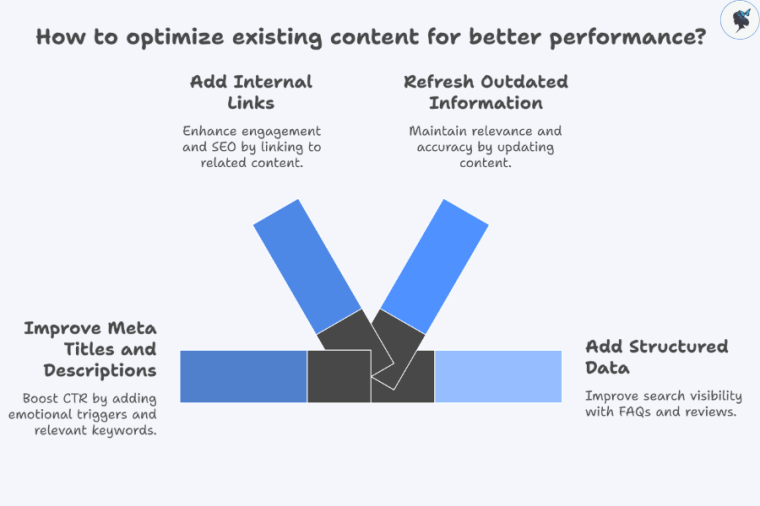
Optimizing Existing Content Based on Performance Metrics
Rather than constantly creating new content, use analytics to improve what you already have. Optimization is often faster and more cost-effective than starting from scratch.
How to optimize existing content for better performance?
Look for blog posts with:
High impressions but low click-through rates (CTR): Improve meta titles and descriptions. For example, “Top Beaches in Bali” might benefit from adding emotional triggers like “Uncrowded Paradise Beaches in Bali” to entice clicks.
Low time on page or high bounce rates: This may signal content mismatch or weak layout. Enhance readability with subheadings, images, or summaries to keep visitors engaged.
Rankings just outside the top 10 in Google: A few tweaks can push these into top spots. Add keywords, update outdated info, or improve internal links.
How to Optimize:
Improve meta titles and descriptions to boost CTR.
Add internal links to related content.
Refresh outdated information (e.g., visa policies or hotel recommendations).
Wander Women Hot Tip: SEO success isn’t about publishing more — it’s about improving smarter. When you identify gaps — whether in your competitors’ content or your own — you create strategic leverage.
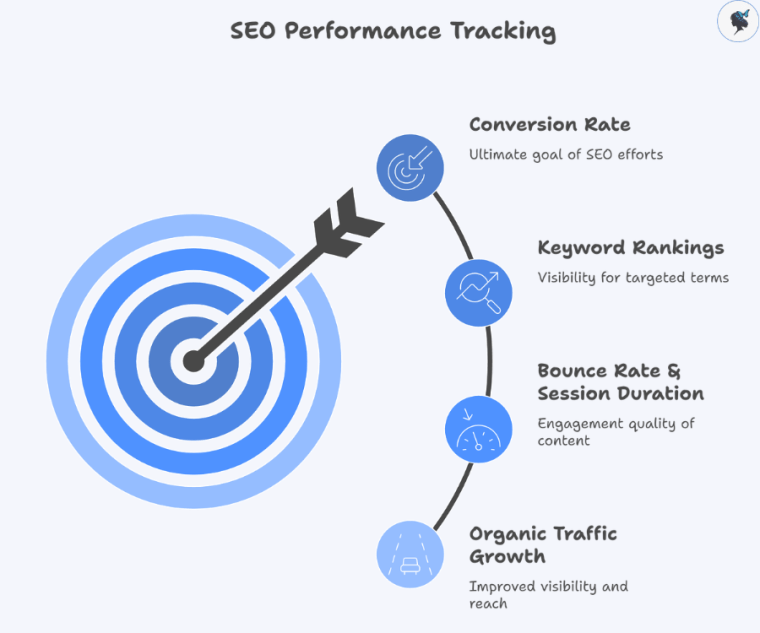
Tracking SEO Progress Over Time
Set realistic KPIs and track your progress monthly. Monitoring performance ensures you remain aligned with your goals and catch any downward trends early.
SEO performance tracking
Key SEO Metrics:
Organic traffic growth: Indicates improved visibility. A rise after publishing “Cherry Blossom Season in Kyoto” suggests SEO efforts paid off.
Bounce rate and session duration: Reveal engagement quality. Long sessions on “Road Trips Across Australia” show strong content relevance.
Keyword rankings: Show your visibility for targeted terms. Seeing “Best Beach Resorts in Thailand” climb rankings proves content value.
Conversion rate from organic content: Ultimately, the most important metric. Track how many readers book trips after reading your “Traveling with Kids in Italy” guide.
Google Looker Studio Setup:
Connect your Google Analytics and Search Console accounts.
Build custom reports with key SEO KPIs.
Segment by content type (e.g., blog vs. landing pages).
Travel Examples:
Track post-launch traffic of your “Ski Season in the Alps” article.
Monitor CTR changes after editing “Best Vegan Restaurants in Bangkok.”
Compare session durations across “Luxury Cruises” vs. “Budget Backpacking” content.
Wander Women Hot Tip: Track trends, not just numbers. SEO success compounds over time. Don’t panic over small dips. Instead, analyze: 3-month trends, 6-month growth, seasonal patterns, & content refresh performance. Progress in SEO is rarely linear — but with consistent tracking, it is predictable.
Using Data to Shape Content Formats and Distribution
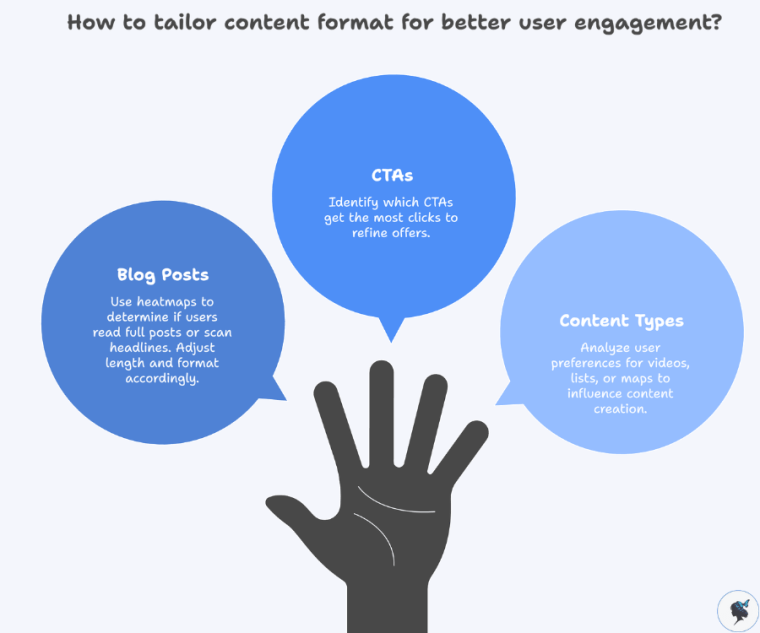
Not all content performs equally. Use heatmaps (Hotjar, Clarity) to see how users interact with your site—where they scroll, click, or drop off. These insights help you tailor your content format to how users actually consume it.
How to tailor content format for better user engagement?
Insights to Look For:
Do users read full blog posts or just scan headlines? Scrolling data can reveal whether to keep long-form content or switch to bite-sized formats. For example, scan-friendly layouts work well for “Top 10” lists.
Which CTAs get the most clicks? This shows what prompts action. Use this to refine offers on pages like “Luxury Stays in the Maldives.”
Are travelers more drawn to videos, lists, or maps? Content type preferences can influence engagement. If users interact more with interactive maps on your “Wine Tours in France” page, use them in similar content.
Tailor your content format accordingly:
Listicles: Great for social sharing. A post like “7 Most Scenic Train Rides in Europe” gains more traction when formatted clearly.
In-depth guides: Ideal for SEO. A comprehensive “Ultimate Guide to Backpacking Southeast Asia” attracts organic traffic over time.
Videos and infographics: High engagement on mobile. Visuals work great for posts like “Island-Hopping in the Philippines.”
Travel Examples:
A “Best Hidden Beaches in Croatia” listicle drives more shares than traditional guides.
Your “Guide to Japan’s Rail Passes” with infographics reduces bounce rates.
Video content on “Traveling Italy by Vespa” sees more engagement on mobile.
Wander Women Hot Tip: Optimize for behavior, not preference. You may prefer writing long travel essays — but if your audience skims and clicks lists, adapt accordingly. Data reveals how travelers actually consume content. Stop creating content the way you like to consume it. Create content the way your travelers engage with it. When format aligns with behavior, engagement rises — and so do conversions.
Predicting Future Travel Trends with Data
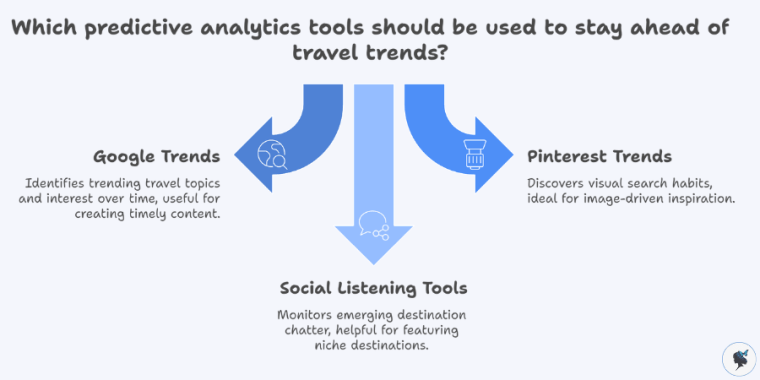
Use predictive analytics and trend monitoring to stay ahead of the curve. Forward-looking data allows agencies to create content and campaigns before interest peaks, giving them a competitive edge.
Which predictive analytics tools should be used to stay ahead of travel trends?
Tools to Try:
Google Trends: See what’s trending now or rising interest over time. For instance, searches for “slow travel” or “off-the-grid getaways” are gaining traction.
Pinterest Trends: Discover visual search habits in travel. Find image-driven inspiration like “tiny house stays” or “desert escapes.”
Social listening tools (Brandwatch, Sprout Social): Monitor emerging destination chatter. If people are talking more about “Astrotourism,” consider featuring dark sky destinations.
Travel Examples:
Rising Google Trends for “digital detox vacations” prompt content on unplugged getaways in Costa Rica.
Pinterest searches for “fall foliage drives” inspire a blog on U.S. road trips.
Brandwatch shows increasing mentions of “Arctic cruises,” suggesting a niche opportunity.
Wander Women Hot Tip: The best travel brands don’t just follow trends — they forecast them. When you combine search data, visual discovery insights, and social listening, you stop reacting to demand and start leading it.
Common Pitfalls to Avoid When Using Data
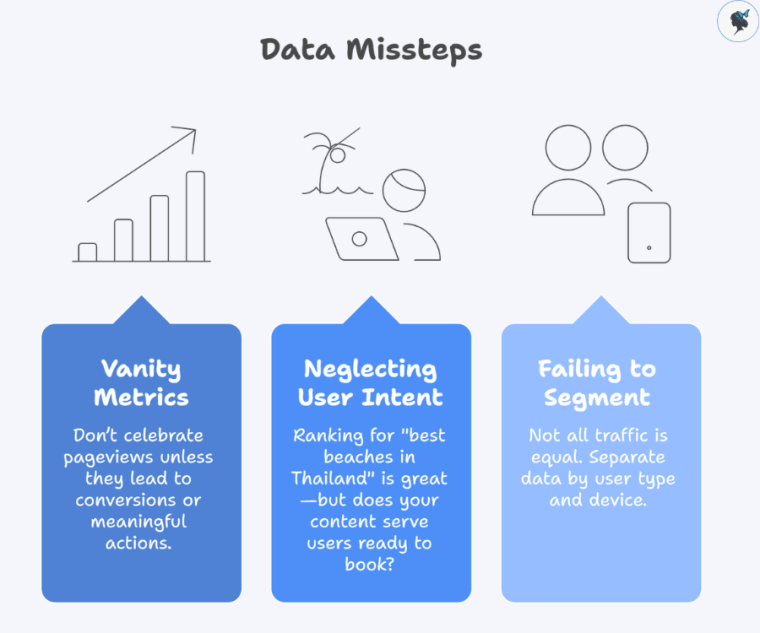
While data is powerful, it must be interpreted and applied correctly. Missteps can lead to wasted resources or ineffective strategies.
Data missteps
Chasing vanity metrics: Don’t celebrate pageviews unless they lead to conversions or meaningful actions. A blog on “Fun Facts About Italy” might get views but doesn’t lead to bookings.
Neglecting user intent: Ranking for “best beaches in Thailand” is great—but does your content serve users ready to book? If not, add booking widgets or clear CTAs.
Failing to segment: Not all traffic is equal. Separate data by user type and device. Knowing mobile users prefer short, visual content helps tailor “Weekend Getaways from NYC.”
Travel Examples:
A “Travel Quotes” post drives traffic but no bookings—replace with trip planning content.
Ranking for “cheap flights” draws users not interested in full-service packages.
Failing to differentiate international vs. domestic travelers in “Travel Insurance Guide” weakens conversions.
Conclusion & Next Steps
By integrating data analytics into your SEO and content strategy, your travel agency can stop guessing and start optimizing. Data provides the roadmap—revealing what content attracts travelers, what keywords convert, and how to stay ahead of industry shifts.
This data-driven approach ensures resources go to high-impact activities, and continuous feedback loops lead to stronger marketing decisions. Ultimately, it transforms SEO from a guessing game into a scalable, ROI-positive growth strategy.
If you’re ready to turn insights into impact:
Audit your top content in Google Analytics. Focus on improving or repurposing high-potential pieces.
Research untapped keywords in Semrush. Look for long-tail queries like “family-friendly safaris in Kenya.”
Set clear monthly SEO goals. Use dashboards to visualize your wins and gaps.
Start building dashboards to track progress. Transparency helps your team align on content goals.
Need help understanding the data? Contact us today to see how we can help.
In today’s digital-first world, travelers are no longer flipping through glossy brochures—they’re scrolling Instagram, watching YouTube vlogs, and following TikTok creators on dreamy adventures. Influencer marketing has become a powerful tool for travel brands to build trust, inspire wanderlust, and convert followers into guests.
Why? Because travelers believe travelers. Authentic experiences shared by real people resonate more than traditional ads. Whether you’re a boutique hotel, a tour operator, or a national tourism board, working with the right influencers can amplify your brand, tell your story beautifully, and drive real business results. Influencers provide a human face to your brand, which helps foster emotional connections with potential guests. This strategy not only builds visibility but also creates memorable storytelling opportunities that differentiate your offering in a crowded market.
Why Influencer Marketing Works in Travel
Travel is all about experience, emotion, and storytelling—and that’s where influencers shine.
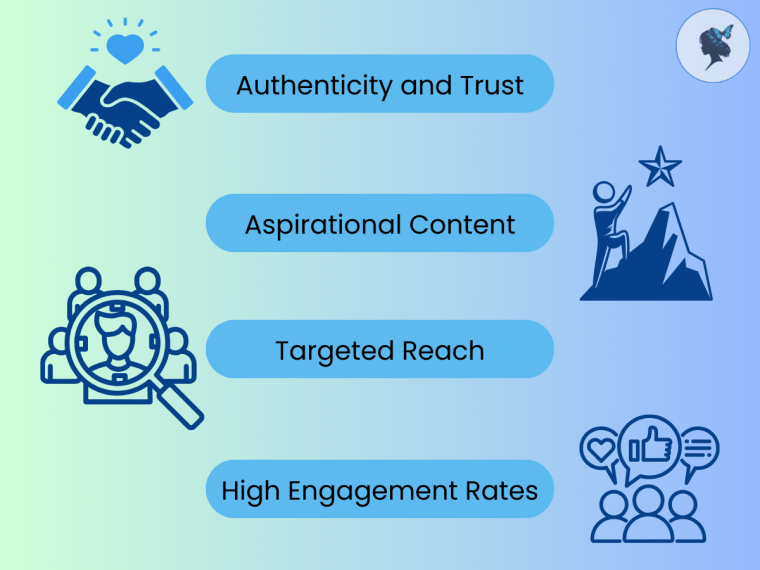
Authenticity and Trust
Influencers create content that feels personal and honest. Their audiences see them as peers, not advertisers, making their recommendations highly trusted. People follow influencers because they value their lifestyle and perspective. Unlike paid celebrity endorsements, influencer content often includes genuine reviews and unscripted moments that build credibility. Travel decisions are often emotional, and seeing someone enjoy a destination firsthand makes it easier for followers to imagine themselves there.
Aspirational Content
Through curated photos and immersive video, influencers paint vivid, emotional portraits of destinations and experiences that followers aspire to recreate. These experiences become travel goals for many people, especially when paired with compelling visuals and storytelling. The more an influencer brings a location to life, the more likely it is to stick in the minds of potential travelers. A well-shot sunset, unique cultural moment, or adventurous activity can turn into a saved post or a booked trip.
Influencers have niche audiences: solo female travelers, adventure seekers, luxury jet-setters, eco-tourists, digital nomads. Working with the right one helps you reach exactly who you’re trying to attract. Instead of casting a wide net, you can tailor your message to a very specific type of traveler. This increases the likelihood of engagement and conversion, as the audience feels your brand aligns with their identity and travel goals. Influencer partnerships also give insight into new market segments you may not have previously considered.
High Engagement Rates
Compared to branded content, influencer posts often achieve higher engagement. Followers are more likely to like, comment, save, and share. This interaction not only boosts reach but also provides direct feedback on what travelers find compelling. Comments often include travel planning questions, which is a strong signal of intent. Engagement creates social proof, further validating your brand’s appeal to prospective guests.
Choosing the Right Influencers
Not all influencers are created equal. Picking the right partner starts with clear goals.
Define Your Campaign Goals
Are you trying to boost bookings? Increase brand awareness? Drive traffic? Your goal determines the type of influencer and campaign structure. Clearly defining your goals upfront will help you measure success more accurately. It also ensures alignment between your expectations and the influencer’s creative execution. SMART goals (Specific, Measurable, Achievable, Relevant, Time-bound) are especially effective in guiding strategy.
Types of Influencers
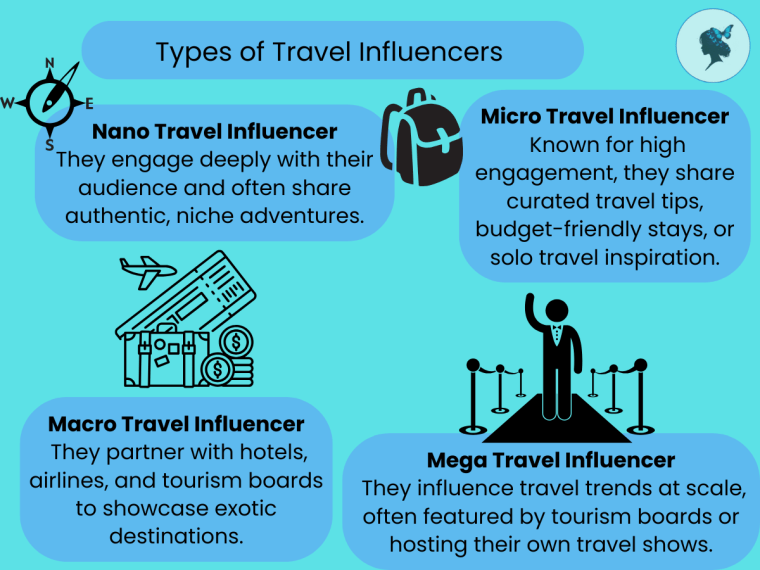
Nano (1K–10K): Super niche, highly engaged audiences. Great for targeting local markets. They’re usually more affordable and have deeper relationships with their followers. Nano influencers often generate high comment rates and more personal interactions. Perfect for grassroots or community-based campaigns.
Micro (10K–100K): Strong influence within a niche (e.g., budget travel, luxury escapes). Their audiences are often very aligned with their content themes, leading to better targeting. They strike a balance between reach and engagement. Micro-influencers tend to offer strong ROI for travel brands.
Macro (100K–1M): Broader reach, polished content, good for regional / national campaigns. Their content is usually high quality and curated. While engagement may be lower, the audience size creates valuable exposure. Great for elevating brand credibility and professionalism.
Mega (1M+): Celebrities. Mass exposure, but often less engagement. These influencers work best for large-scale brand awareness campaigns. They tend to attract broad, mainstream audiences. Be cautious, though—costs are high and relevance may be lower.
Evaluate Fit
Look beyond the follower count:
Audience Relevance: Do their followers match your ideal traveler?
Engagement Rate: Do people like, comment, and share?
Aesthetic & Style: Does their tone match your brand?
Past Partnerships: Do they promote competitors? Are they professional?
Also assess how they engage with followers—do they answer questions and provide value? Review their posting frequency and content consistency. A trial campaign or gifting collaboration is a good way to evaluate fit before investing more.
Crafting a Winning Campaign
You’ve picked your influencer. Now, build a campaign that sets them (and you) up for success.
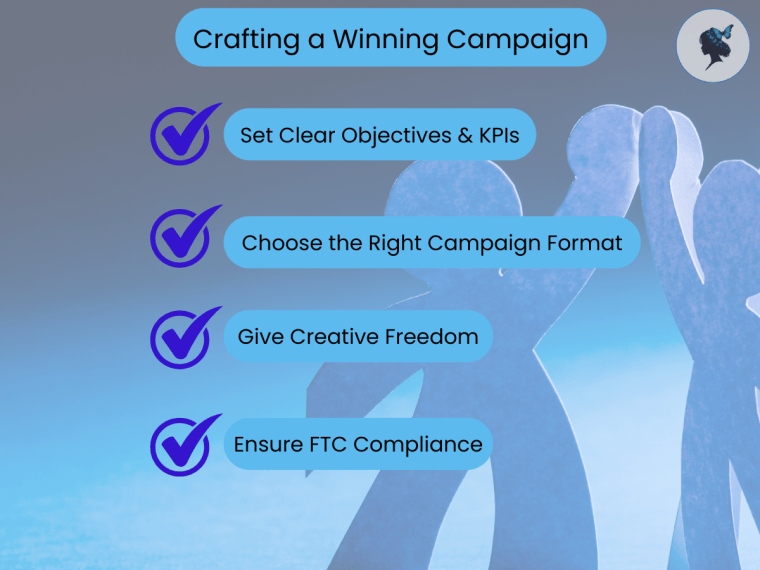
Set Clear Objectives & KPIs
Be specific: “Increase direct bookings by 15% from Gen Z travelers over 30 days” or “Drive 5,000 clicks to our summer promo page.” KPIs keep campaigns focused and help both parties stay accountable. They also enable you to benchmark performance and optimize future collaborations. Make sure influencers understand what success looks like before launch.
Choose the Right Campaign Format
Hosted Stays or Press Trips: Let influencers experience your property or destination firsthand. This provides them with a genuine story to share, leading to better content and more trust. Make the itinerary photogenic and unique to encourage creative output. Offer perks like spa treatments or exclusive access for added wow-factor.
Social Media Takeovers: They post directly from your accounts for a day. It gives your audience fresh, behind-the-scenes content while showcasing your brand through a new lens. This also grows trust and visibility. Be sure to promote the takeover in advance.
Sponsored Posts: Influencers create content on their channels. These posts can be photos, videos, or reels that highlight your property or experience. Sponsored content is great for expanding reach and storytelling. Ensure you review drafts to maintain brand alignment.
Affiliate Links or Promo Codes: Track direct conversions from influencer efforts. These allow precise ROI measurement. Influencers get a commission or incentive, motivating them to drive actual sales. Use tools like Refersion or Rewardful for affiliate setup.
Give Creative Freedom
Influencers know their audience. Provide brand guidelines but allow flexibility—forced scripts hurt authenticity. Trust them to craft stories that resonate. Include must-have messages, but let them decide the delivery. Collaboration, not control, yields the best content.
Ensure FTC Compliance
Influencers must disclose paid partnerships clearly with hashtags like #ad or #sponsored. This builds trust and avoids legal issues. Non-disclosure can result in penalties and erode audience trust. Educate influencers on your expectations regarding transparency. Include compliance in your contracts.
Platforms and Content Types That Work
Choose platforms based on your target audience and content style.
Instagram
Ideal for aspirational travel imagery: sunsets, resorts, food, and poolside luxury.
Use Stories, Reels, and carousels.
Why visuals matter: Instagram is where travelers discover and save future trip ideas. It appeals to millennials and Gen Z dreamers. Its visual-first nature makes it perfect for inspiring destination envy. Strong photo editing and creative captions drive engagement. Use hashtags and location tags to increase reach.
YouTube
Long-form video content: reviews, vlogs, city guides.
SEO-rich and evergreen.
Why visuals matter: Viewers watch to plan real trips. Great for detail-driven planners and adventure seekers. Videos stay relevant for months or years. YouTube search is a key discovery channel for travel planning. Collaborate on packing lists, tour reviews, or day-in-the-life content.
TikTok
Fast-paced, fun, behind-the-scenes content.
Trending audio and storytelling.
Why visuals matter: Authenticity and entertainment win. It attracts Gen Z travelers who want off-the-beaten-path ideas and real experiences. TikTok rewards creativity over polish. Even short clips can go viral, generating massive exposure. It’s ideal for promoting quirky experiences or behind-the-scenes access.
Blogs
Ideal for evergreen content like destination guides, hotel reviews, and itineraries.
Great for SEO and link-building.
Why visuals matter: Strong images support content and improve search performance. Readers are often in the planning phase and ready to book. Blog readers typically have high intent. Photos and maps increase dwell time and conversion. Encourage influencers to link to your booking or info page.
Pinterest
Vertical pins (2:3 ratio) for dream-trip inspiration.
Popular for weddings, honeymoons, and bucket-list trips.
Why visuals matter: Pinterest attracts planners—mostly women—looking for aesthetic, save-worthy travel ideas. Pins have a long shelf life and can drive traffic for months. Rich pins improve engagement and conversion. Ideal for itinerary boards, seasonal promotions, and bucket lists.
Numbers matter. Track key metrics to understand impact and optimize future efforts.
Key Metrics
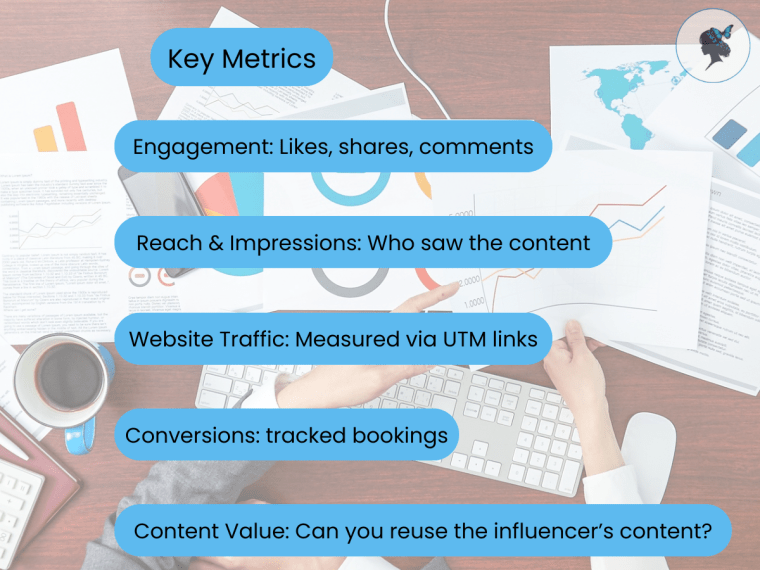
Engagement: Likes, shares, comments High engagement indicates content is resonating with the audience. Look at the ratio of engagement to followers to assess true impact. Compare engagement across multiple posts to spot trends.
Reach & Impressions: Who saw the content Reach tells you how many unique users saw the post, while impressions count all views. These metrics help evaluate brand awareness. Use these numbers to assess the value of exposure.
Website Traffic: Measured via UTM links UTM codes allow you to track traffic from specific influencer posts. Add campaign parameters using Google’s Campaign URL Builder. Analyze traffic in Google Analytics under “Acquisition > Campaigns.”
Conversions: Promo code redemptions or tracked bookings Assign unique discount codes or booking links to each influencer. This shows direct impact and allows for fair compensation models. Combine this with post-purchase surveys to capture attribution.
Content Value: Can you reuse the influencer’s content? High-quality images and videos can be repurposed for ads, newsletters, and your website. Request usage rights in advance. Content reuse increases ROI without additional production costs.
Tools for Tracking
Bitly or Rebrandly: Track link clicks Shorten custom URLs for easy sharing and clickable stats. This also helps with branding and aesthetics. Use unique links for each influencer.
Influencer Dashboards: Some offer post-campaign reports Many influencer platforms offer analytics dashboards with audience insights and campaign summaries. Use these to compare results across multiple influencers. Data transparency helps in post-campaign evaluations.
Affiliate Platforms: Track conversions from specific creators Tools like Refersion, Impact, and Rewardful help manage and pay influencer commissions. These platforms allow you to track clicks, conversions, and payouts in one place. It’s a great option for long-term or performance-based campaigns.
Building Long-Term Relationships
One-off posts are fine—but long-term partnerships bring deeper results.
Ambassador Programs
Instead of single posts, invite influencers to represent your brand over months. This increases trust and visibility. Audiences get more consistent exposure to your brand, which helps build recognition. Ambassadors can participate in seasonal campaigns or be featured across multiple platforms. This also deepens their familiarity with your offerings.
Content Licensing
Negotiate content rights so you can reuse influencer visuals in your ads, email campaigns, or website. Reusing content saves you money on professional photography and video. It also reinforces authenticity by showing real guests and experiences. Make sure terms are clear—include duration, usage rights, and placement options.
Mutual Growth
Support the influencer’s goals too—feature them in your newsletter, cross-promote, and engage with their community. When you elevate their work, you foster goodwill and deeper collaboration. Offer perks like early access to new packages or exclusive event invites. Building trust creates more genuine advocacy.
Real-Life Influencer Examples
@TheBlondeAbroad(Kiersten Rich): A travel influencer focused on solo female travel, with beautifully curated content, blog guides, and Instagram posts. She appeals to millennial and Gen Z women who prioritize safety, aesthetics, and independence. Her blog and email list drive significant booking power for tour companies and boutique hotels.
ExpertVagabond (Matt Karsten): Adventure and photography-focused influencer with an engaged YouTube and Instagram audience. Known for hiking, diving, and off-the-beaten-path destinations. Brands working with him typically target thrill-seeking, eco-conscious travelers.
@Gypsea_Lust(Lauren Bullen): A luxury travel and lifestyle influencer with a dreamy, aspirational Instagram feed. Her audience skews toward high-income couples and honeymooners. Resorts and tourism boards use her visual storytelling to spark romantic travel dreams.
Common Pitfalls to Avoid
Save yourself time, money, and headaches by avoiding these mistakes.
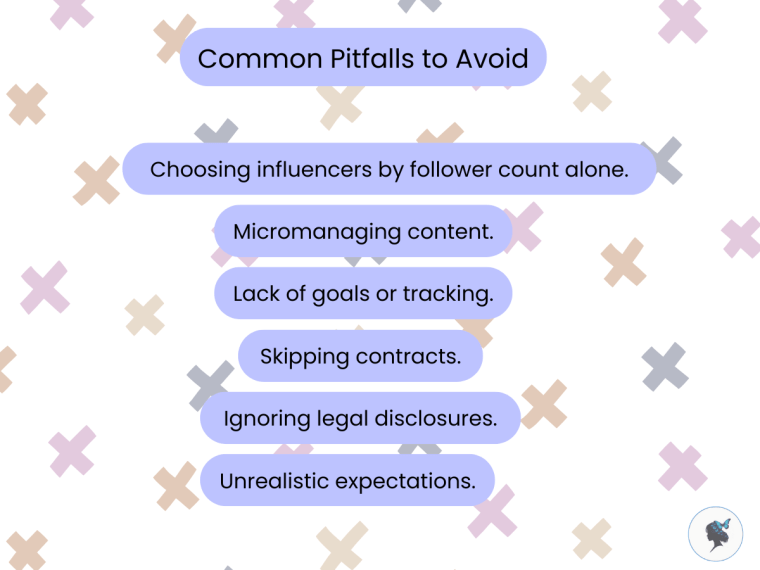
Choosing influencers by follower count alone. A large following doesn’t guarantee relevance or engagement. Instead, evaluate metrics like comment quality and content alignment. Small audiences often drive more loyal actions.
Micromanaging content. Over-controlling limits creativity and authenticity, which can damage both your and the influencer’s brand. Set guidelines but encourage organic storytelling. Trust their knowledge of what works with their audience.
Lack of goals or tracking. Without clear KPIs, you won’t know if your campaign succeeded or failed. Always outline your objectives in the brief and track performance from day one. Even awareness-focused campaigns should include metrics like reach and engagement.
Skipping contracts. Always have a written agreement that includes deadlines, deliverables, compensation, and content rights. Contracts protect both sides and clarify expectations. Include clauses about cancellation, revisions, and disclosures.
Ignoring legal disclosures. Influencers must use #ad, #sponsored, or platform-specific disclosure tools. Not doing so can lead to fines and reduced trust. Be proactive about compliance—it’s part of professional collaboration.
Unrealistic expectations. Influencers can’t guarantee viral posts or immediate bookings. Success is often cumulative and may take multiple campaigns. Be patient and track both short- and long-term outcomes.
Real-Life Examples of Influencer Marketing Success
They partnered with YouTubers and Instagrammers to showcase Iceland’s culture, nature, and sustainable travel experiences. The influencers documented hiking, geothermal spas, and food tours. The campaign reached over 6 million people and contributed to a measurable rise in off-season visits.
Marriott collaborated with Gen Z and millennial creators to spotlight unique hotel experiences and room tours through TikTok. The campaign leveraged trending sounds, aesthetic visuals, and travel hacks. It delivered engagement rates over 3x higher than traditional hotel ads.
Contiki targeted 18–35-year-old adventure travelers by using micro-influencers to create vlogs, Instagram stories, and reels about group travel experiences. These influencers participated in guided tours and shared authentic reactions. The result: a 21% spike in Gen Z bookings during a three-month period.
Conclusion
Influencer marketing offers travel brands a high-impact way to reach new audiences, tell powerful stories, and drive bookings. The key is choosing the right partners, aligning them with your goals, and giving them space to create real, resonant content.
As travelers look for authenticity, peer-to-peer inspiration, and relatable experiences, influencers will continue to play a critical role in travel discovery and decision-making. When done right, this strategy is not only cost-effective but also scalable. Influencers become brand storytellers who shape how your destination or service is perceived.
In the competitive landscape of the travel industry, local SEO is just as important as global SEO. When travelers are searching for accommodations, activities, or experiences, they’re often looking for businesses in specific locations. Local link building is one of the most powerful ways to improve your local SEO, increase visibility, and drive targeted traffic to your travel website. But how can travel companies leverage local link building effectively?
In this article, we’ll delve into Local Link Building strategies and explain how your business can benefit from implementing these tactics. We’ll also introduce you to WanderLinks, our comprehensive link-building service designed to help travel companies achieve local SEO success.
What is Local Link Building?
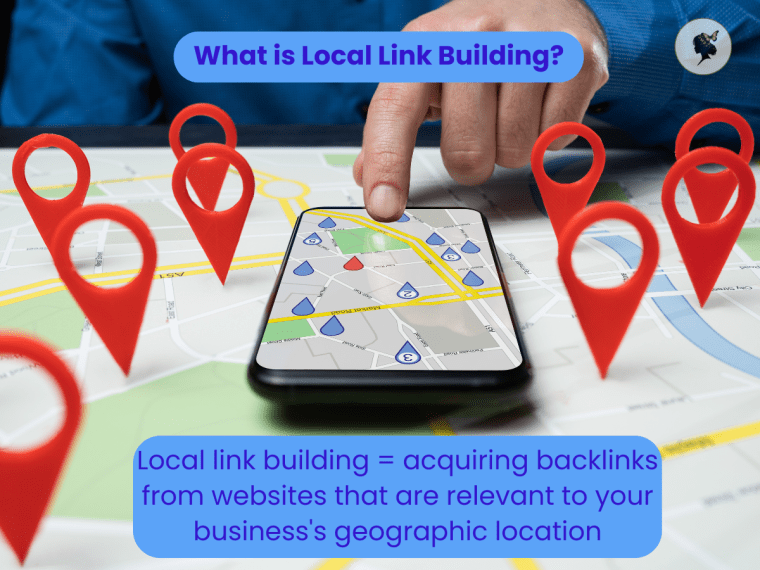
Local link building refers to the process of acquiring backlinks from websites and online resources that are relevant to your business’s geographic location. These backlinks come from websites that serve or have authority in your local area or region. For travel companies, these local websites can include local tourism boards, blogs, review platforms, community organizations, local media outlets, and more.
The key aspect of local link building is relevance to your business’s physical location or the specific areas you cater to. For example, if your travel agency offers tours to specific cities, linking to local news outlets, bloggers, and event organizers within those cities can significantly impact your local SEO and visibility.
Local link building is distinct from general link building because it focuses on strengthening your business’s presence in local search results. When search engines see you being linked to authoritative local sources, they begin to associate your business with the geographic region, which improves your rankings for location-based search queries.
By creating a robust network of local backlinks, your travel business can become the go-to resource for travelers looking for nearby experiences, accommodations, or activities.
Executing a local link building strategy requires deliberate effort and a well-planned approach. Here are the steps to implement a local link building campaign for your travel business:
Step 1: Identify Local Link Opportunities
Before you begin building links, you need to identify where you can earn them.
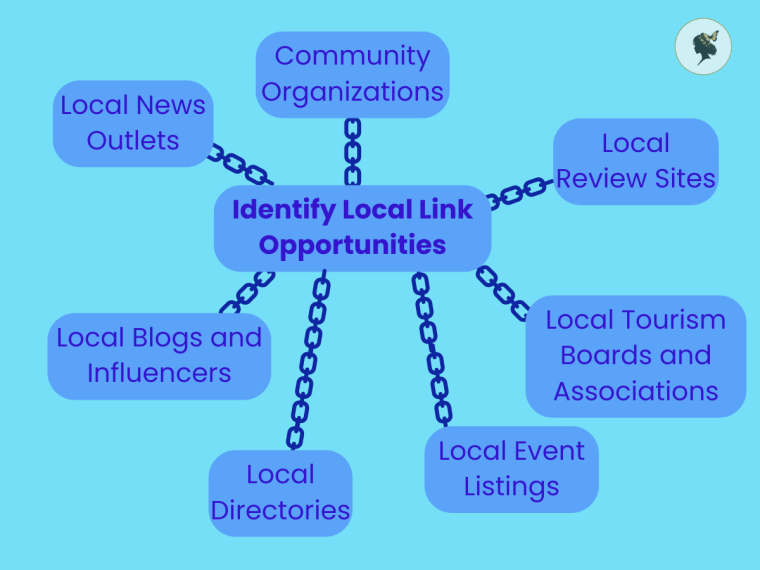
Here’s a list of potential local link sources for your travel business:
Local Tourism Boards and Associations: Many cities and tourist destinations have official websites or associations that list local businesses. Being included on these platforms can give you a valuable local backlink.
Local Blogs and Influencers: Reach out to local bloggers, travel influencers, or content creators who focus on destinations or experiences that your travel business offers. Ask for guest post opportunities, collaborations, or mentions.
Local News Outlets: News websites and local publications can provide valuable media coverage and backlinks, especially if you are hosting events or participating in the local community.
Community Organizations: Non-profit organizations, local chambers of commerce, and other community-driven websites often have directories or resources where local businesses are featured.
Local Review Sites: Travel review websites like Yelp, TripAdvisor, and Google My Business are key platforms for travel businesses to be reviewed and linked to.
Local Event Listings: If your business is sponsoring or hosting local events, you can often get backlinks from the event websites or directories that promote them.
Local Directories: Many cities have online business directories. Being listed in these directories is not only beneficial for visibility but also for link-building purposes.
Content is king, even when it comes to link building. The more valuable and locally relevant your content is, the more likely local websites are to link to it.
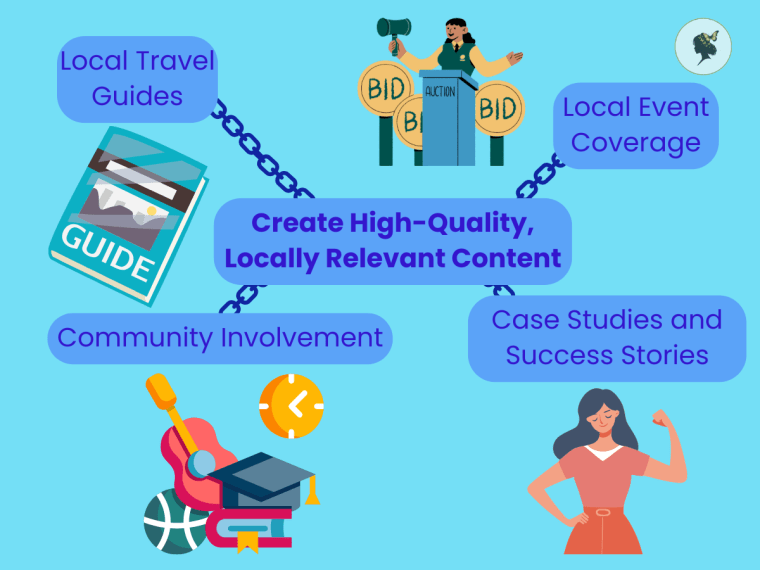
Consider creating content that appeals to local audiences, such as:
Local Travel Guides: Share insider tips about local landmarks, events, restaurants, or accommodations. This can be an excellent way to get your content linked by local blogs or influencers.
Case Studies and Success Stories: Share stories about how your travel company has helped visitors discover the best of your city or destination. When you highlight local successes, you make it easier for local outlets to feature and link to your content.
Community Involvement: Show how your business is involved in the local community, whether through sponsorships, volunteer work, or partnerships. Community-driven content can attract local interest and backlinks.
Local Event Coverage: If you host or participate in local travel-related events, blog about them and share insights or highlights. This type of content can generate local backlinks and increase your site’s authority.
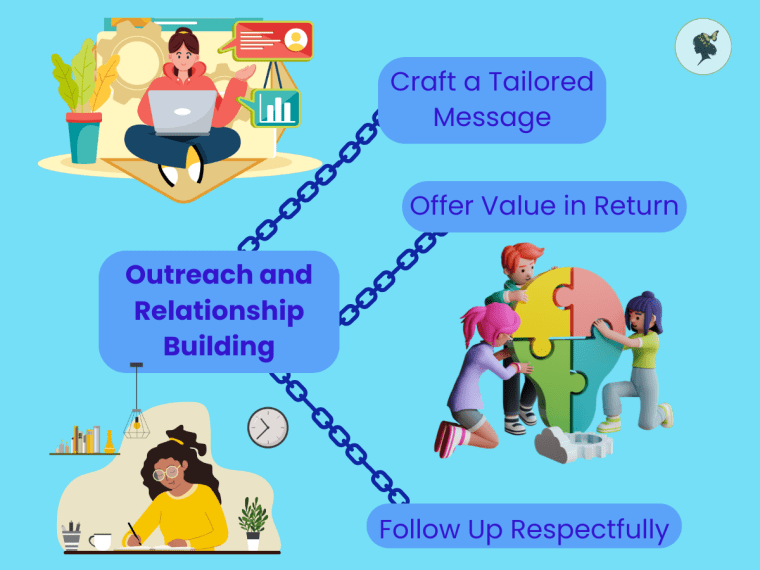
Reaching out to local websites, blogs, and influencers is a crucial step in the link-building process. Personalized outreach is key to making connections with potential link partners.
Here’s how to do it:
Craft a Tailored Message: Begin by researching your target link sources and personalizing your outreach messages. Mention specific aspects of their site or content that you find interesting or valuable.
Offer Value in Return: When reaching out, offer something valuable in exchange for a link. This could be a guest post, an interview, or an opportunity for collaboration. You could also provide your services or offer discounts in exchange for being featured.
Follow Up Respectfully: If you don’t receive a response initially, don’t be discouraged. Send a friendly follow-up email, but avoid being overly pushy.
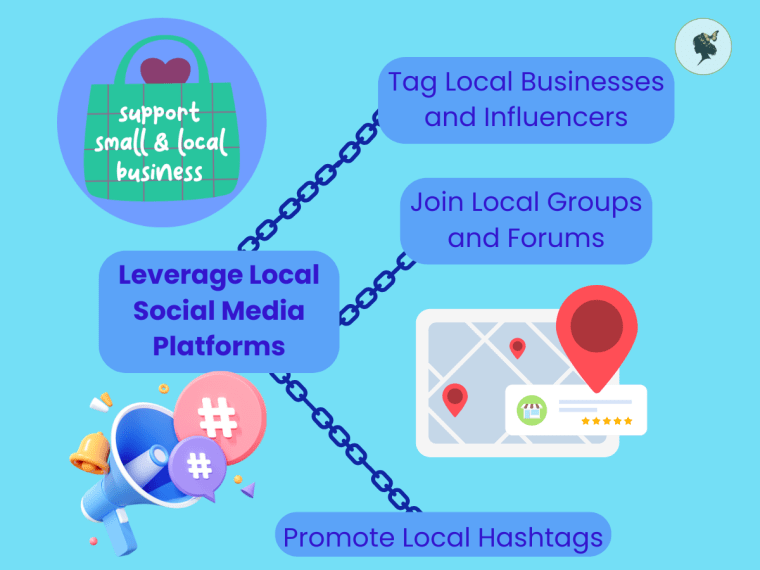
Social media is an excellent way to connect with local influencers, businesses, and organizations. Engaging with local accounts on platforms like Instagram, X, and Facebook can help you build relationships that may lead to backlinking opportunities.
Here’s how to use social media for local link building:
Tag Local Businesses and Influencers: When posting about your travel experiences, tag local businesses and influencers. They may be inclined to share your posts, giving you additional exposure and potential backlinking opportunities.
Join Local Groups and Forums: Engage in local travel-related groups or forums on social media platforms. These groups are often filled with people who share an interest in local events, tourism, and activities.
Promote Local Hashtags: Use popular local hashtags when posting content relevant to a city or destination. This helps get your posts in front of local audiences and increases the likelihood of others linking to your content.
Not sure which social media platform is the right one? Check out our guide on the best social media platforms.
Step 5: Monitor and Track Your Results
Once you’ve executed your outreach and started acquiring local backlinks, it’s essential to track your progress. Use SEO tools like Ahrefs, Moz, or Semrush to monitor the growth of your backlink profile and measure changes in your local search rankings.
This will help you gauge the effectiveness of your local link-building strategy and adjust your tactics if necessary.
Why Local Link Building is Important for Travel Companies
Local link building plays a crucial role in the SEO success of travel companies for several reasons.
Improved Local SEO Rankings
When you build local backlinks, search engines begin to recognize your business as relevant to specific geographic locations. This is essential for ranking in local search results, particularly when users search for terms like “best travel agency in city” or “things to do in destination.”
Targeted Traffic from Local Sources
By earning links from local websites, your business can attract more relevant, geographically-targeted traffic. When local users see your backlinks on trusted websites, they’re more likely to click through to your site, increasing both traffic and potential conversions.
Enhanced Brand Authority and Trust
Backlinks from reputable local sites (such as local newspapers, chambers of commerce, and trusted travel bloggers) help build your brand’s credibility in the eyes of both search engines and your target audience. Trustworthy local backlinks can help establish your travel company as an authority in your area.
Stronger Community Engagement
By engaging with local businesses and organizations, you create a network of support within your community. These relationships can lead to further marketing opportunities, co-promotions, and lasting business partnerships.
Higher Conversion Potential
When your travel business appears in local search results with strong local backlinks, potential customers are more likely to convert. People prefer working with businesses that are local, familiar, and trusted. Local backlinks enhance this trust and encourage conversions.
WanderLinks Helps You Build Local Links
At Wander Women Strategies, we have created our WanderLinks package to help travel companies boost their local SEO through targeted outreach and content strategies.
Backlink Audit: We complete a thorough backlink audit with actionable recommendations on your broken links.
Competitor Backlink Analysis: We identify your competitors, evaluate their backlinks, and provide valuable insight into backlink opportunities.
Outreach Strategy Development: We identify 10+ opportunities for guest posting and provide tips on best practices for your outreach strategy.
Local Link Building: We provide opportunities for local link building, including local tourism blogs & websites, local business partnerships, and local media. Audit
Ready to enhance your travel company’s local SEO and increase your website traffic?
Take the first step towards enhancing your local SEO and driving more qualified traffic to your travel business today. Contact us today to begin your local link-building journey!
When running an online business in the travel industry, it’s essential to know not only how your website is performing but also how your competitors are doing. Gaining competitor traffic and ranking insights can help you understand how well others in your niche are performing, identify gaps in your strategy, and seize opportunities that can boost your travel company’s SEO.
This type of competitor analysis is invaluable when seeking to enhance your online presence, increase organic traffic, and improve your overall ranking on search engines. With a package like Wanderer’s Watchlist, your travel company can leverage competitor traffic and ranking data to stay ahead of the game.
What are Competitor Traffic and Ranking Insights?
In SEO, competitor traffic and ranking insights are the data points you gather to understand how your competitors are performing in terms of organic traffic and their rankings on search engines. These insights can be incredibly valuable as they reveal not only which keywords your competitors are ranking for, but also the amount of traffic they are getting from these keywords.
By understanding where your competitors are gaining traction, you can develop a strategy to improve your own rankings and potentially overtake them in certain areas. Key elements of competitor traffic and ranking insights include:
Competitor Keyword Rankings
This refers to the positions your competitors hold for specific search terms. By identifying which keywords your competitors rank highly for, you can understand which terms are driving traffic to their sites and whether you can target those same keywords—or better yet, identify less competitive keywords that might give you an edge.
Traffic Volume
This is the amount of organic traffic your competitors are receiving from search engines. By analyzing the traffic volume of competitors who rank for the same keywords as your business, you can gauge how much potential traffic you could gain by ranking for those keywords.
Traffic Sources
Knowing where your competitors’ traffic is coming from (i.e., which search engines, devices, or even specific pages) can provide insight into their audience behavior. Are they getting more traffic from mobile searches? Which pages are driving the most traffic?
Top-Performing Content
In addition to keywords, understanding which pieces of content on a competitor’s site are performing the best can help you determine what content you should create. It can also give you insights into why certain types of content resonate with your shared audience.
Backlink Analysis
Although not directly related to traffic, backlinks have a significant effect on rankings. Understanding where your competitors are getting backlinks from, and how many they have, can help you refine your link-building strategy.
How to Obtain Competitor Traffic and Ranking Insights for Your Travel Company
Obtaining competitor traffic and ranking insights requires the right tools and a systematic approach. Below is a step-by-step guide on how to collect these insights effectively:
Step 1: Identify Your Competitors
The first step in obtaining these insights is identifying your direct and indirect competitors.
For travel businesses, this could include:
Direct Competitors: Other travel companies offering similar products or services (e.g., other tour operators, travel agencies, or destination-specific companies).
Indirect Competitors: Websites or content that target the same audience but might not offer the same product, such as travel blogs, online review sites, and booking platforms.
Once you’ve identified your competitors, you can focus on their online performance, and start collecting the data that matters.
Step 2: Use SEO Tools to Collect Data
To get the most accurate and actionable traffic and ranking insights, you’ll need to use advanced SEO tools.
Some of the best tools available for this task include:
Semrush: This tool allows you to view your competitors’ organic search positions, traffic estimates, and keyword rankings. It also gives insights into which pages on your competitor’s website are driving the most traffic.
Ahrefs: Ahrefs provides a detailed overview of your competitors’ backlinks, rankings, and traffic. It also offers a tool for analyzing competitors’ organic keywords and the search volume for each keyword.
SpyFu: With SpyFu, you can track competitor keywords, see which paid search campaigns they are running, and get traffic insights based on their organic keywords.
Moz: Moz provides tools for analyzing competitors’ domain authority, keyword rankings, and traffic estimates. It also offers a competitive analysis tool to compare your SEO performance with that of others.
These tools provide data on:
Organic Keyword Rankings: Which keywords your competitors are ranking for, and their position in search results.
Estimated Traffic: How much traffic these keywords are bringing to the competitor’s website.
Traffic Volume by Device: How much of your competitor’s traffic is coming from mobile versus desktop searches.
Step 3: Analyze the Data
Once you have the data from the tools, you can start analyzing the insights.
Here’s how:
Identify High-Value Keywords: Look for keywords where your competitors are ranking highly but you are not. These are the areas where you have the opportunity to catch up or outbid them for that ranking spot.
Look for Gaps in Their Strategy: Is there a topic or keyword that they are not targeting, which could be an opportunity for you?
Analyze Traffic Trends: Understand how your competitors’ traffic has changed over time. This can tell you if their traffic is increasing or decreasing, giving you insight into their SEO strategy’s effectiveness.
Review Top-Performing Pages: Analyze which of your competitors’ pages drive the most traffic. This can provide content ideas and insights into what your audience is looking for.
Step 4: Apply Insights to Your Own Strategy
With this information, you can refine your SEO strategy to outperform your competitors.
Here’s how:
Target the Right Keywords: Focus on keywords that have high traffic potential and low competition, based on your analysis of competitor rankings.
Create High-Quality Content: Replicate the types of content that are performing well for your competitors, but offer more value, be more detailed, and more user-friendly.
Optimize for User Experience: If competitors’ top pages rank because they offer an excellent user experience, ensure your site is optimized for both usability and speed.
Improve Backlink Strategy: Analyze your competitors’ backlinks and look for opportunities to earn similar links to boost your domain authority and improve your own rankings.
Step 5: Monitor and Adjust Regularly
Competitor analysis is not a one-time task. SEO is a dynamic field, and your competitors will constantly adjust their strategies. Regularly monitoring your competitors’ rankings and traffic can help you stay ahead of the curve.
Why Competitor Traffic and Ranking Insights Are Important for Travel Companies
Competitor traffic and ranking insights offer multiple advantages for travel companies looking to enhance their SEO strategies.
Here’s why these insights are so important:
Identify Growth Opportunities
By examining the keywords your competitors are ranking for, you can identify growth opportunities for your travel business. If they’re ranking for high-traffic keywords you’re not targeting, this gives you clear opportunities to compete for those same keywords.
Outsmart the Competition
Knowing where your competitors are succeeding and failing allows you to strategically outmaneuver them. If a competitor is driving massive traffic through a particular set of keywords or content, you can create something better or target underutilized opportunities.
Improve Your Content Strategy
Understanding which content drives the most traffic to your competitors can inspire new content ideas. If your competitors are ranking for specific travel destinations or experiences, you can create better-targeted and more engaging content to serve your audience.
Track Your Progress
Competitor analysis is also an excellent way to benchmark your progress. By tracking your competitors’ rankings and traffic over time, you can evaluate how well your SEO efforts are working compared to your competition.
Increase ROI
By focusing your SEO efforts on high-value, under-targeted keywords, you can achieve better rankings with less competition. This can lead to increased organic traffic and a higher return on investment (ROI).
Get Started with Wanderer’s Watchlist Today
If you’re ready to leverage competitor traffic and ranking insights to improve your travel company’s SEO, look no further than Wanderer’s Watchlist. Our package provides:
Competitor Identification: A list of top 5 competitors in your niche, including domain names and a brief description of each.
Keyword Analysis: A breakdown of high-performing keywords used by competitors, including search volume & position in SERPs. Keyword gap analyisis, including: monthly volume, competition, and position in SERPs.
Backlink Analysis: A report on competitor backlink profiles, highlighting linking domains and opportunities for link building.
Traffic and Ranking Insights: An overview of estimated traffic sources and top-ranking pages for competitors, providing benchmarks for your own SEO strategy.
With Wanderer’s Watchlist, you’ll have the tools and insights needed to outshine your competition, drive more traffic to your travel website, and grow your business.
Ready to Dominate Your Travel Niche?
Contact us today to learn more about how Wanderer’s Watchlist can help your travel company gain valuable competitor traffic and ranking insights. Together, we can create a strategy that leads to long-term SEO success!
In the competitive world of travel content, standing out means more than just writing well — it means showing the world what you see. This post explores why visual storytelling is essential, how to create stunning travel photos and videos, and where to share them for maximum impact.
Why Visual Content Matters in Travel Marketing
Visual content isn’t just eye-catching — it’s effective.
Visual content is 40X more likely to be shared on social media than text alone.
Articles with images get 94% more views than those without.
In travel, visuals inspire emotions, spark curiosity, and help potential travelers imagine themselves in a destination.
Real-Life Example:
National Geographic (@natgeo) has over 277M Instagram followers, largely thanks to their powerful use of storytelling through images. Their consistent mix of high-resolution photography and informative captions drives massive engagement.
Capturing Stunning Travel Photography
You don’t need a pro camera to get started. Some of the most viral travel shots were taken on smartphones. What matters most is light, composition, and emotion.
Tips for Better Travel Photos:
Shoot during golden hour (early morning or late afternoon).
Follow the rule of thirds for more balanced compositions.
Add human elements to give scale and storytelling depth.
@gypsea_lust (Lauren Bullen) built a following of over 2 million using dreamy pastel visuals and consistent filters. Her photos are often set in exotic locations and edited with a soft, signature tone.
Creating Engaging Travel Videos
Video is the fastest-growing form of content across platforms.
Platforms like Reels, TikTok, and YouTube Shorts thrive on short, immersive clips — and travel creators are using these to show everything from flight hacks to hidden waterfalls.
How to Shoot Compelling Videos:
Start with a hook (e.g., “I found a secret beach in Thailand…”)
Use natural movement and ambient sound for realism
Kara and Nate grew their YouTube to over 4.25M subscribers by sharing cinematic, personable travel vlogs. Their storytelling-first approach sets them apart from typical highlight reels.
Where and How to Share Your Visual Content
Choosing the right platform — and optimizing for it — is key.
Consistency builds trust. Your audience should instantly recognize your content, whether it’s a blog post, Instagram Story, or YouTube video.
Elements to Define:
Color palette: Pick 3–5 colors that reflect your travel style (earthy, bright, pastel, etc.)
Typography: Use the same fonts for overlays or thumbnails
Preset/Filter: Apply the same editing preset to all your photos for a cohesive feed
Example:
The Bucket List Family maintains a bright, clean aesthetic with family-centered content. Their visuals are uplifting, playful, and immediately recognizable.
Monetizing Your Travel Visuals
Once you’ve built a portfolio of high-quality images and videos, it’s time to turn your work into revenue.
5 Ways to Make Money:
Collaborate with travel brands on sponsored posts
Sell prints or digital downloads via SmugMug or Etsy
Launch a photography course or video editing workshop
Offer content creation packages to hotels or tour companies
Final Thoughts
Visual content is not just decoration — it’s the core of how we experience travel online. A stunning photo can ignite wanderlust. A well-edited video can sell a destination.
Whether you’re a beginner or a seasoned travel blogger, sharpening your visual skills will help you build a more engaging, memorable, and profitable presence online.
Ready to Level Up?
Have a favorite app, editing tip, or travel shot you’re proud of? Drop it in the comments — let’s build a creative community that inspires each other!