Content Clusters: How to Organize Your Travel Blog for SEO Success

▶ Table of Contents
  1. Introduction: What Are Content Clusters and Why They Matter for Travel Blogs
  2. The Pillar-and-Cluster Model Explained
  3. Benefits of Content Clusters for Travel SEO
  4. How to Create a Travel Content Cluster Step-by-Step
  5. Content Cluster Examples for Travel Blogs
  6. Tools to Plan and Build Content Clusters
  7. Common Mistakes to Avoid
  8. Conclusion: Build Authority One Cluster at a Time

Introduction: What Are Content Clusters and Why They Matter for Travel Blogs

In the competitive world of travel blogging, standing out requires more than captivating stories and stunning visuals. Implementing a strategic content structure, like content clusters, can significantly enhance your blog’s visibility and authority.

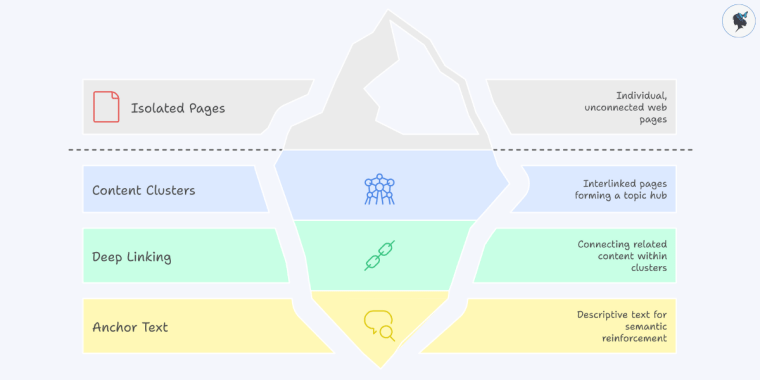
Content clusters consist of a central pillar page that provides a comprehensive overview of a topic, linked to several cluster pages that delve into specific subtopics. This structure not only aids search engines in understanding your site’s hierarchy but also improves user navigation.

infograph: Content cluster strategy for travel blogs
Content cluster strategy for travel blogs

Why is this crucial for travel bloggers?

  • Enhanced SEO Performance: Search engines favor well-structured content. Implementing topic clusters can boost your site’s relevance and authority, leading to higher rankings.
  • Improved User Experience: A clear content structure helps readers find information effortlessly, increasing engagement and time spent on your site.

The Pillar-and-Cluster Model Explained

The pillar-and-cluster model organizes content into a central hub (pillar) and related subtopics (clusters). For instance, a pillar page titled “Ultimate Guide to Traveling in Italy” could link to cluster pages like “Top Attractions in Rome” or “Best Italian Cuisine in Florence.”

infograph: Pillar and cluster model for content organization
Pillar and cluster model for content organization

Benefits of this model:

  • SEO Ranking: Internal linking between pillar and cluster pages signals to search engines the depth and breadth of your content, enhancing your site’s authority.
  • User Navigation: This structure allows readers to explore topics in-depth, improving their experience and encouraging longer site visits.

Benefits of Content Clusters for Travel SEO

Implementing content clusters offers several advantages:

  • Increased Organic Traffic: By covering a topic comprehensively, you can attract a broader audience searching for various related keywords.
  • Establishing Authority: Consistently providing valuable information on a subject positions your blog as a go-to resource, building trust with your audience.

How to Create a Travel Content Cluster Step-by-Step

infograph: Building a travel content cluster
Building a travel content cluster
  1. Identify a Core Topic: Choose a broad subject relevant to your audience, such as “Backpacking in Southeast Asia.”
  2. Research Subtopics: Use tools like Semrush or AnswerThePublic to find related queries and interests.
  3. Create a Pillar Page: Develop a comprehensive guide covering the core topic, ensuring it links to all related cluster pages.
  4. Develop Cluster Pages: Write detailed articles on specific aspects of the core topic, linking back to the pillar page.
  5. Implement Internal Linking: Ensure all cluster pages link to each other and the pillar page, creating a cohesive structure.
  6. Regularly Update Content: Keep information current to maintain relevance and authority in your niche.

More about internal linking here.

Content Cluster Examples for Travel Blogs

Adventure Travel Cluster:

infograph: Adventure travel cluster
Adventure travel cluster
  • Pillar: “Ultimate Guide to Adventure Travel in South America”
  • Clusters: “Hiking the Inca Trail,” “Whitewater Rafting in Chile,” “Exploring Patagonia’s Glaciers”

Family Travel Cluster:

infograph: Family travel cluster
Family travel cluster
  • Pillar: “Family-Friendly European Destinations”
  • Clusters: “Top Theme Parks in Europe,” “Best Family Hotels in Paris,” “Traveling Europe with Kids: Tips and Tricks”

Luxury Travel Cluster:

Infograph: Luxury travel cluster
Luxury travel cluster
  • Pillar: “Luxury Escapes Around the World”
  • Clusters: “Top Private Villas in Bali,” “Luxury Train Journeys in Europe,” “High-End Safari Lodges in Africa”

Sustainable Travel Cluster:

infograph: Sustainable travel cluster
Sustainable travel cluster
  • Pillar: “Eco-Friendly Travel Tips”
  • Clusters: “Best Green Hotels in Costa Rica,” “Zero-Waste Packing List,” “Ethical Wildlife Tours in Asia”

Solo Travel Cluster:

infograph: Solo travel cluster
Solo travel cluster
  • Pillar: “Solo Female Travel Guide”
  • Clusters: “Safest Cities for Solo Travel,” “Budgeting for Solo Trips,” “Meeting People While Traveling Alone”

Tools to Plan and Build Content Clusters

  • Semrush: Offers topic research and keyword suggestions to build effective clusters.
  • Ubersuggest: Provides keyword ideas and content suggestions based on current trends.
  • AlsoAsked.com: Helps discover common questions related to your topic, guiding cluster content creation.
  • Trello or Notion: Useful for organizing content plans and tracking progress.
  • MindMeister: Allows for visual mapping of your content clusters, aiding in strategy development.
  • Google Search Console: Monitors site performance, helping identify successful content and areas for improvement.

Common Mistakes to Avoid

infograph: Content strategy challenges
Content strategy challenges
  • Lack of Strategy: Creating content without a clear plan can lead to disorganized information and missed SEO opportunities.
  • Keyword Cannibalization: Targeting the same keyword across multiple pages can confuse search engines and dilute your site’s authority.
  • Neglecting Updates: Outdated information can harm your credibility and SEO rankings.
  • Overlooking Internal Linking: Failing to link related content can hinder navigation and SEO performance.
  • Ignoring Analytics: Not monitoring your site’s performance can prevent you from identifying successful strategies and areas needing improvement.

Conclusion: Build Authority One Cluster at a Time

Implementing content clusters in your travel blog can significantly enhance your SEO performance and user engagement. By strategically organizing your content around central themes and related subtopics, you establish authority, improve navigation, and increase your site’s visibility. Start with a single cluster and expand over time, continuously updating and refining your content to meet your audience’s needs and search engine algorithms.

By following this structured approach, your travel blog can achieve greater SEO success and provide a more valuable experience for your readers.

Need help with your content strategy? Contact us today!
The Impact of Voice Search on the Travel Industry: SEO Tips for Voice Queries


▶Table of Contents
  1. Introduction: The Rise of Voice Search in Travel
  2. How Voice Search is Transforming the Travel Industry
  3. Understanding the Nature of Voice Search Queries
  4. SEO Tips for Optimizing Travel Content for Voice Search
  5. Leveraging Local SEO and “Near Me” Searches in Travel
  6. The Role of Mobile Optimization in Voice Search Success
  7. Future Trends: AI, Machine Learning, and Voice Search in Travel
  8. Conclusion: Preparing Your Travel Brand for the Voice Search Era

Introduction: The Rise of Voice Search in Travel

Voice-activated devices and digital assistants like Siri, Alexa, and Google Assistant have become integral parts of how people search for information. The travel industry, in particular, has seen a significant shift in consumer behavior as travelers increasingly use voice search to plan trips, find local attractions, and make bookings. Optimizing for voice search is no longer optional—it’s essential for travel brands aiming to capture modern travelers’ attention. Currently, about 20% of all searches are expected to be voice-based, highlighting the urgent need for travel marketers to adapt their SEO strategies.

infograph: Navigating the voice search revolution
Navigating the voice search revolution
  • A traveler on a road trip asks Alexa, “Find scenic stops along Route 66,” seeking quick local recommendations without typing.
  • A backpacker planning a last-minute trip says to Siri, “What’s the cheapest flight to Barcelona next weekend?” for instant pricing info.
  • A family on vacation uses Google Assistant to ask, “Where can I find kid-friendly restaurants near the hotel in Orlando?” to simplify dining choices.

How Voice Search is Transforming the Travel Industry

Voice search provides travelers instant access to information while on the move, enabling quick decision-making and a more seamless travel experience. Unlike traditional typed searches, voice queries are more conversational and context-driven, reflecting the way people naturally speak. Travelers increasingly expect personalized and local recommendations, asking questions such as “best vegan restaurants near me” or “cheap flights to Bali next weekend.” This shift influences booking behaviors, with many travelers making last-minute decisions based on voice search results. Travel brands must align their content with these evolving needs to remain competitive.

infograph: How should travel brands adapt to voice search trends?
How should travel brands adapt to voice search trends?
  • A solo traveler uses voice search to ask, “What are the safest neighborhoods to stay in Tokyo?” helping them select accommodations confidently.
  • A couple on a city break says, “Show me rooftop bars open now in New York City,” allowing spontaneous outing plans.
  • An adventure tourist queries, “Which national parks near Denver allow dogs on trails?” to tailor their itinerary.

Understanding the Nature of Voice Search Queries

Voice search queries tend to be longer, more natural, and phrased in a question format compared to text searches. This means that instead of searching for “Chicago pet-friendly hotels,” a user might ask, “Where can I find a pet-friendly hotel in Chicago?” Content creators need to understand this conversational tone and create content that answers these questions directly and succinctly. Voice searches also often focus on immediate needs, so providing quick, straightforward answers is critical. Tailoring your content to this intent helps ensure it aligns with what travelers are actually asking their voice assistants.

infograph: How should content be tailored for voice search queries?
How should content be tailored for voice search queries?
  • A traveler asks, “How do I get from Heathrow Airport to central London by train?” seeking a quick transit guide.
  • Someone planning a beach holiday asks, “What’s the best time to visit the Maldives for snorkeling?” to get seasonal advice.
  • A food enthusiast queries, “Are there any Michelin-starred restaurants in San Francisco that offer vegan options?” for dining decisions.

Optimizing your travel blog or website for voice search starts with using long-tail, question-based keywords that reflect natural speech patterns. Creating content that clearly and concisely answers common travel questions improves your chances of being picked up by voice assistants. Implementing structured data such as FAQPage, HowTo, and LocalBusiness schema markup helps search engines understand your content better, enhancing your visibility. Featured snippets are especially important, as voice assistants frequently pull answers directly from them—structure your content with bullet points and short paragraphs to increase snippet potential.

Additionally, your website must be mobile-friendly and load quickly, as voice searches mostly happen on mobile devices. Including local SEO elements will help capture “near me” and location-specific queries. Utilize tools like AnswerThePublic, Google’s People Also Ask, and Semrush to find relevant voice search questions and optimize accordingly.

infograph: How to optimize for voice search?
How to optimize for voice search?
  • A travel blog creates a FAQ answering, “How do I book a train ticket from Paris to Lyon?” with schema markup for Google to display in voice search.
  • A hotel website adds clear, bulleted “check-in and check-out times” sections that help generate featured snippets.
  • A tour operator writes blog posts targeting “best family-friendly activities in Orlando near Disney World” optimized for mobile and local search.

Leveraging Local SEO and “Near Me” Searches in Travel

Local SEO plays a vital role in capturing voice search traffic, especially for travel-related services such as tours, accommodations, and dining. Claiming and optimizing your Google My Business listing is essential for visibility in local voice searches. Consistent Name, Address, and Phone (NAP) details across your website and directories build trust and improve your local rankings. Creating local landing pages with voice search-friendly content and encouraging positive customer reviews further enhance your chances of being found. For example, a tour operator optimizing their content for “best walking tours near me” can capture travelers looking for immediate local experiences via voice assistants.

infograph: Enhancing Local SEO for travel services
Enhancing Local SEO for travel services
  • A bed-and-breakfast in Portland optimizes its Google My Business profile with detailed descriptions and photos to appear in voice searches for “cozy stays near downtown Portland.”
  • A restaurant in Barcelona ensures their NAP is consistent across directories to rank high for “tapas bars near me.”
  • A local hiking guide writes blog content focused on “easy hikes near San Diego” and encourages guests to leave positive Google reviews to boost local rankings.

Read: The ultimate guide to Local SEO.


The Role of Mobile Optimization in Voice Search Success

Since the majority of voice searches occur on mobile devices, ensuring your travel website is mobile-friendly is crucial. Fast-loading, responsive websites provide the seamless experience voice search users expect. 56% of users used voice search via mobile to find information about a brand or business, underlining the importance of mobile optimization in voice SEO.

infograph: Optimizing travel websites for voice search
Optimizing travel websites for voice search
  • A travel blog redesigns its site using responsive templates to reduce load times, leading to a 20% increase in mobile traffic from voice search.
  • A hotel website compresses images and simplifies navigation to make booking easier for users speaking voice queries on smartphones.
  • A city tour company tests its mobile site speed with Google PageSpeed Insights and improves scores, helping voice search users find tours faster.

Artificial intelligence (AI) and machine learning are continuously improving the accuracy and contextual understanding of voice search results. Personalized voice assistants are becoming more prevalent in travel planning, enabling conversational commerce and even voice bookings. Travel brands leveraging AI-powered chatbots integrated with voice assistants are already gaining a competitive edge. Preparing your SEO strategy to incorporate these emerging technologies will keep your brand ahead as the travel industry embraces voice-activated experiences.

infograph: AI-Driven travel experience cycle
AI-Driven travel experience cycle
  • A luxury resort uses an AI chatbot integrated with Google Assistant to allow guests to book spa appointments via voice commands.
  • A travel agency implements machine learning to analyze voice search trends and tailor content for popular destinations accordingly.
  • An airline integrates voice-enabled booking support with Alexa, allowing customers to check flight status and make changes hands-free.

Conclusion: Preparing Your Travel Brand for the Voice Search Era

Voice search is revolutionizing how travelers find and interact with travel information online. Travel brands that optimize for voice queries by embracing conversational keywords, structured data, local SEO, and mobile optimization will be better positioned to attract and convert these users. Staying informed about the latest trends and adapting your SEO strategy will ensure your brand remains visible in this rapidly evolving landscape. Early adoption of voice search optimization offers a significant competitive advantage in capturing the growing segment of voice-driven travel consumers.

Contact us today to see how we can help!


How to Use Data to Improve Your Travel Website’s User Experience


▶ Table of Contents
  1. Understanding Your Website Visitors Through Analytics
  2. Using Heatmaps and Session Recordings to Observe User Behavior
  3. Leveraging User Feedback and Surveys
  4. Analyzing Search Data to Optimize Navigation and Content
  5. Personalization Using Behavioral Data
  6. Mobile Experience Optimization Based on Data
  7. Testing and Iterating Improvements
  8. Conclusion

User Experience (UX) refers to how visitors feel when interacting with your website—the ease of navigation, clarity of information, and overall satisfaction. For travel websites, delivering an excellent UX is vital because travelers often make complex, emotionally charged decisions involving time and money. Data-driven UX improvements mean using actual user behavior and feedback rather than assumptions to make your site more effective. This approach helps boost engagement, reduce frustration, and increase bookings. By analyzing both quantitative data (numbers and metrics) and qualitative data (user opinions and behavior), travel brands can create seamless and enjoyable online experiences.

Understanding Your Website Visitors Through Analytics

Web analytics tools collect and analyze data about your website visitors’ behavior. Metrics such as bounce rate (the percentage of visitors who leave after viewing only one page), session duration (average time spent on the site), user flow (the path visitors take through the site), and conversion rates (percentage completing desired actions) provide insights into how well your site meets user needs.

infograph: Website visitor behavior analysis
Website visitor behavior analysis

For example, a travel site noticed a high bounce rate on their booking page, indicating visitors were leaving before completing purchases. By analyzing analytics data, they identified slow loading times and confusing layout as causes, leading to a redesign that improved bookings by 20%.

Popular tools like Google Analytics and Adobe Analytics provide comprehensive dashboards to track these important metrics easily.

Adobe emphasizes that analytics help companies deliver exceptional customer experiences, personalization, and measurable business growth.

Read our post: The Importance of Personalization in Travel.


Using Heatmaps and Session Recordings to Observe User Behavior

Heatmaps visually represent where users click, scroll, or hover on a page, highlighting popular or ignored areas. Session recordings are video replays of individual user visits showing mouse movements and clicks. These tools provide qualitative data, helping identify usability issues invisible in raw numbers.

infograph: User behavior analysis tools
User behavior analysis tools

For example, a travel agency discovered from heatmaps that their booking button was hidden below the fold (not visible without scrolling), causing many users to miss it. After relocating the button above the fold, conversions improved significantly.

Platforms like Hotjar, Crazy Egg, and Microsoft Clarity allow travel brands to implement heatmaps and session recordings with easy setup processes.

Step-by-step:

  1. Sign up for Hotjar and add the tracking code to your website.
  2. Enable heatmaps for your main pages (homepage, booking, destination guides).
  3. Review heatmap reports weekly and note patterns of clicks and scrolls.
  4. Use session recordings to watch user interactions and identify friction points.

78% of users say that poor website usability negatively impacts their willingness to buy.


Leveraging User Feedback and Surveys

Direct user feedback complements behavioral data by revealing visitor motivations, frustrations, and preferences. On-site surveys, exit intent surveys, and post-booking feedback forms can gather actionable insights.

infograph: User feedback cycle
User feedback cycle

For example, a boutique travel agency used exit surveys to learn that users wanted more flexible cancellation policies. By updating their policies and highlighting this information, they reduced cart abandonment by 15%.

Survey tools such as SurveyMonkey, Qualaroo, and Google Forms make it simple to design and deploy these surveys effectively.

Step-by-step:

  1. Choose a survey tool like SurveyMonkey.
  2. Design concise surveys with specific questions (e.g., “What prevented you from completing your booking?”).
  3. Implement pop-up surveys triggered when users try to leave the site or after booking completion.
  4. Analyze responses monthly to identify trends.

Companies that collect and act on user feedback have a 10-15% higher customer retention rate.


Analyzing Search Data to Optimize Navigation and Content

Many visitors use your site’s internal search to find specific destinations, services, or information. Analyzing these queries helps identify gaps in navigation or content.

infograph: Optimizing site navigation through search analysis
Optimizing site navigation through search analysis

For example, a travel blog noticed many users searched for “eco-friendly tours,” which was not a featured category. They created a dedicated section for sustainable travel, increasing page views and bookings in that niche.

Tools like Google Analytics Site Search and Athos Commerce allow you to analyze these search terms and tailor your content accordingly.

43% of users rely on internal search to navigate websites, and these visitors are twice as likely to convert.


Personalization Using Behavioral Data

Personalization means tailoring content and offers based on user behavior, such as browsing history or preferences. Behavioral data helps recommend relevant destinations, deals, or experiences.

infograph: Tailoring experiences through user insights
Tailoring experiences through user insights

For example, a travel company detected a user browsing family-friendly resorts and dynamically displayed family package offers and child-friendly activities on the homepage, improving engagement.

Platforms like Dynamic Yield, Optimizely, and Segment provide easy-to-use personalization tools to implement targeted user experiences.

Step-by-step:

  1. Implement a personalization platform like Dynamic Yield.
  2. Define user segments (e.g., families, solo travelers).
  3. Set up personalized content blocks based on browsing behavior.
  4. Monitor performance and adjust targeting as needed.

87% of consumers are more likely to do business with travel brands offering personalization, with 61% willing to spend more for it.


Mobile Experience Optimization Based on Data

With over 60% of travel bookings made on mobile devices, optimizing mobile UX is critical. Data such as device-specific behavior, page loading times, and mobile bounce rates highlight issues.

For example, a hotel chain used Google PageSpeed Insights and BrowserStack to identify and fix slow-loading mobile booking forms, resulting in an 18% increase in mobile bookings.

Read our post: Mobile Optimization for Travel Companies


Testing and Iterating Improvements

A/B testing compares two versions of a webpage to see which performs better. Multivariate testing tests multiple variables simultaneously. Testing based on data insights helps validate improvements before full rollout.

infograph: Which testing method should be used to improve webpage performance?
Which testing method should be used to improve webpage performance?

For example, a tour operator tested two versions of a “Book Now” button (red vs. green). The green button led to a 12% higher click-through rate.

Tools like Google Optimize and Optimizely simplify setting up and running these tests.

Step-by-step:

  1. Choose the page element to test (e.g., CTA button).
  2. Create two variants differing only in that element.
  3. Run the test for sufficient traffic to gather statistically significant data.
  4. Implement the winning version.

Companies that use A/B testing see conversion rates improve by an average of 20%.

More about A/B testing here.


Conclusion

Using data to improve your travel website’s user experience is not a one-time task but an ongoing process of learning, testing, and iterating. By combining quantitative metrics, qualitative insights, user feedback, and personalization, travel brands can build websites that truly meet traveler needs, driving satisfaction and revenue. Embrace data-driven UX improvements to stay competitive and deliver exceptional travel experiences online.

Need help with your data? Contact us to see how we can help!

The Importance of Personalization in Travel Website Content and SEO

▶ Table of Contents
  1. Why Personalization Matters in Travel Marketing
  2. What is Personalization in Travel Website Content?
  3. How Personalization Enhances SEO for Travel Websites
  4. Types of Personalization Strategies for Travel Websites
  5. Tools and Technologies to Implement Personalization
  6. Examples of Personalization in Travel Websites
  7. Measuring the Impact of Personalization on SEO and Conversions
  8. Challenges and Best Practices for Personalization
  9. Conclusion: The Future of Personalization in Travel Marketing

Why Personalization Matters in Travel Marketing

In today’s highly competitive travel industry, personalization has become essential for engaging potential travelers and turning website visitors into loyal customers. Personalization means tailoring your travel website content and SEO strategies to match the unique preferences, behaviors, and needs of each visitor. As travelers increasingly expect customized experiences online, delivering relevant, personalized content not only improves user satisfaction but also boosts key SEO metrics like engagement and conversions. Studies show that 80% of consumers are more likely to purchase from brands offering personalized experiences—a figure that applies strongly to the travel sector.

infograph: Personalization in travel marketing
Personalization in travel marketing

Personalized experiences also help build stronger emotional connections with users, fostering brand loyalty and repeat visits. Furthermore, personalization allows travel brands to differentiate themselves in a crowded marketplace by offering unique, relevant content that competitors may overlook.


What is Personalization in Travel Website Content?

Personalization on travel websites involves dynamically adapting content, offers, and recommendations based on information such as user behavior, location, demographics, and previous interactions. Instead of presenting generic content, personalized sites serve up travel packages, destination guides, and promotions tailored specifically to individual visitors.

infograph: Personalization cycle in travel websites
Personalization cycle in travel websites

This can include showing relevant flight deals based on a user’s search history, highlighting activities suited to their interests, or recommending destinations that match their climate preferences. Dynamic content is key—it adjusts in real-time to deliver the most pertinent information, creating a more seamless and engaging user experience.

Additionally, personalization can extend to language preferences and currency displays, making international visitors feel more at home. It also enables customized user journeys, guiding visitors smoothly from initial interest to booking based on their unique profiles.


How Personalization Enhances SEO for Travel Websites

Personalized content significantly improves SEO performance by increasing visitor engagement. When users find content that feels relevant and useful, they stay longer on your site and explore more pages, which reduces bounce rates—an important ranking factor for search engines. Additionally, personalization enables the use of long-tail keywords tailored to specific traveler interests or locations, helping capture niche search queries.

More about mastering long-tail keywords here.

infograph: Strategies for enhanced SEO performance
Strategies for enhanced SEO performance

Optimizing meta titles and descriptions with personalized elements can also improve click-through rates (CTR) from search engine results pages (SERPs). For example, dynamically inserting location-specific terms into meta tags can attract travelers searching for packages in their preferred destinations.

Furthermore, personalized URLs and structured data can enhance site indexing by search engines, improving visibility for relevant queries. Personalized internal linking strategies also help distribute page authority effectively, guiding users and crawlers through tailored content pathways.


Types of Personalization Strategies for Travel Websites

User Location-Based Content

Showing visitors offers, events, and travel tips relevant to their geographic location helps provide immediate value. For example, a visitor from New York might see winter ski packages in the nearby mountains, while someone browsing from California is shown beach resort deals. This geo-targeting increases relevance and conversion potential.

infograph: Geo-targeting for enhanced user experience
Geo-targeting for enhanced user experience

Behavior-Based Recommendations

Tracking visitor behavior such as previous searches or pages visited allows websites to suggest related destinations, activities, or travel packages. For instance, if a user views several posts about hiking trips, the site can highlight adventure travel itineraries or gear recommendations.

infograph: Behavior-based recommendation cycle
Behavior-based recommendation cycle

Personalized Email Marketing and Retargeting

Using data collected from site visits, travel agencies can send customized emails with offers based on user interests, increasing the likelihood of bookings. Retargeting ads showing destinations or packages the user engaged with keep your brand top-of-mind.

infograph: Enhancing bookings through personalized marketing
Enhancing bookings through personalized marketing

Check out our post: AI-Driven Email Personalization

Dynamic Landing Pages

Landing pages tailored for different traveler segments (families, solo travelers, honeymooners) allow the presentation of highly targeted content and offers that appeal directly to those groups, improving SEO relevance and conversions.

infograph: Tailoring landing pages for traveler segments
Tailoring landing pages for traveler segments

Time-Based Personalization

Adjusting content based on seasonality or upcoming holidays—such as promoting beach vacations in summer or ski trips in winter—keeps the website timely and engaging.

Read our post: Strategies for Managing Seasonal Content

Device-Based Personalization

Optimizing content for different devices (mobile, tablet, desktop) and adjusting offers based on the visitor’s device ensures a smooth experience and higher conversion rates.

infograph: How to optimize content for different devices?
How to optimize content for different devices?

Tools and Technologies to Implement Personalization

Many CMS platforms and SEO tools now support personalization features. For example, HubSpot offers smart content modules that change based on visitor data, while Optimizely provides A/B testing and personalization capabilities to tailor website content dynamically. Artificial intelligence and machine learning algorithms further enhance personalization by predicting user preferences based on large datasets.

Check out: Ways AI Can Enhance Personalized Itinerary Generation

infograph: Personalization tools and technologies
Personalization tools and technologies

Other useful tools include Segment for managing user data across platforms and Dynamic Yield, which offers AI-driven personalization engines. Integrating these tools with analytics platforms like Google Analytics can provide comprehensive insights for continuous improvement.


Examples of Personalization in Travel Websites

  • A travel website detects a user’s previous searches for tropical beaches and dynamically displays a curated list of island resorts with special offers on the homepage.
  • For travelers browsing during winter months, the site automatically highlights ski resorts and winter festivals in relevant regions.
  • The website provides personalized packing lists and travel tips based on the user’s chosen destination and travel dates, enhancing the overall user experience.
infograph: Tailoring travel experiences
Tailoring travel experiences

Imagine a family browsing your site during school holidays and seeing kid-friendly attractions and family vacation packages prominently featured. Or a solo traveler interested in cultural experiences is shown content focusing on local events and group tours. Additionally, returning visitors might receive customized discount offers based on their past interactions, encouraging repeat bookings.


Measuring the Impact of Personalization on SEO and Conversions

Tracking key performance indicators (KPIs) such as bounce rate, average session duration, and conversion rate helps assess the effectiveness of personalization. Implementing A/B testing enables travel websites to compare personalized vs. generic content, identifying which strategies yield better engagement and sales.

infograph: Personalization effectiveness assessment
Personalization effectiveness assessment

Tools like Google Analytics, Hotjar, and Crazy Egg allow you to monitor user behavior, heatmaps, and conversion funnels, providing insights to optimize personalized experiences further.

Regularly reviewing SEO rankings for targeted keywords can indicate if personalization efforts are improving search visibility. Monitoring customer feedback and engagement metrics also helps refine personalization tactics to better meet traveler expectations.


Challenges and Best Practices for Personalization

While personalization offers great benefits, it must be implemented thoughtfully. Data privacy regulations like GDPR require transparent user consent for data collection and use, so compliance is essential. Over-personalization can sometimes feel intrusive or repetitive, so balancing automated recommendations with fresh, authentic content is critical.

infograph: Balancing personalization benefits and challenges
Balancing personalization benefits and challenges

Best practices include regularly updating personalization rules, providing opt-out options, and ensuring your content remains human-centric and trustworthy.

Travel brands should also invest in staff training to understand the ethical use of data and to design personalized experiences that truly benefit the user. Ensuring website speed and technical SEO health is vital as dynamic personalization can increase site complexity.


Conclusion: The Future of Personalization in Travel Marketing

Personalization is no longer optional for travel websites; it’s a key strategy to improve SEO, user experience, and conversions. As technology advances, emerging trends like voice search personalization and augmented reality (AR) travel previews will create even richer, tailored experiences for travelers.

Travel brands that invest in intelligent personalization tools and strategies today will stand out, foster loyalty, and thrive in a rapidly evolving digital landscape.

Building a culture of continuous testing and adaptation around personalization will keep your agency ahead of competitors and aligned with traveler expectations.

Need help with your SEO or Content Strategy? Contact us to get started.


The Role of Trust Signals in Converting Travel Website Visitors


▶ Table of Contents
  1. Introduction
  2. Customer Reviews and Testimonials
  3. Security and Privacy Indicators
  4. Professional Design and Usability
  5. Trust Signals in Content and Communication
  6. Social Proof Beyond Reviews
  7. Measuring the Impact of Trust Signals
  8. Conclusion

Introduction

Trust signals are essential cues on your travel website that reassure visitors your business is reliable, secure, and worth booking with. In the travel industry, where purchases involve significant cost and planning, trust is crucial for turning casual browsers into paying customers. Research shows that 75% of travelers say a website’s trustworthiness strongly influences their decision to book. By incorporating strong trust signals, travel brands can reduce hesitation, increase conversions, and build lasting customer relationships.


Customer Reviews and Testimonials

Customer reviews are some of the most powerful trust signals because they provide social proof — real evidence from other travelers about your service quality. According to 3sixfive, 84% of people trust peer recommendations more than traditional advertising, highlighting how vital reviews are in travel decision-making.

  • Booking.com displays thousands of verified guest reviews, giving visitors detailed insights on hotels’ cleanliness, service, and amenities. This transparency builds confidence in bookings.
  • Airbnb uses host and guest reviews, plus verification badges like “Superhost,” helping users trust peer-to-peer stays.
  • TripAdvisor’s vast library of reviews and traveler photos makes it a go-to resource, influencing millions of bookings.

How to Implement:
Send follow-up emails post-trip requesting reviews using platforms like Trustpilot or Yotpo. Embed review widgets dynamically on accommodation and booking pages. Encourage detailed, authentic feedback with guided questions to make reviews more useful.


Security and Privacy Indicators

Travelers must share sensitive information, so visible security signals greatly reduce booking abandonment. Baymard Institute reports that 19% of shoppers leave due to security concerns during checkout.

  • Expedia prominently displays SSL padlocks and payment provider logos like Visa and PayPal to reassure users.
  • Booking.com’s privacy policies clearly explain GDPR compliance and data handling, boosting user trust.
  • Hotels.com uses recognized seals like Norton Secured and McAfee Secure during checkout.

How to Implement:
Install SSL certificates (get free ones via Let’s Encrypt). Add trusted payment badges from Stripe or PayPal on checkout pages. Create a clear, accessible privacy policy explaining data protection measures.


Professional Design and Usability

A sleek, intuitive design reflects professionalism and reliability, making visitors more likely to trust your site. Since over 60% of travel bookings now occur on mobile devices, mobile responsiveness is critical.

  • TripAdvisor’s clean layout and easy-to-use interface keep visitors engaged.
  • Airbnb’s high-quality visuals and mobile-first design create an immersive experience that builds trust.
  • Luxury operator Abercrombie & Kent invests in elegant design paired with smooth navigation, signaling premium quality.

How to Implement:
Choose a professional travel theme from marketplaces like ThemeForest. Use Google PageSpeed Insights to optimize load times. Ensure mobile responsiveness with responsive frameworks like Bootstrap.


Trust Signals in Content and Communication

Trustworthy content and transparent policies are vital. Third-party endorsements, awards, and clear cancellation or refund policies reassure visitors. Providing live chat support answers questions instantly, preventing doubts.

  • Abercrombie & Kent showcases multiple industry awards, reinforcing authority.
  • Intrepid Travel highlights ethical certifications, appealing to socially conscious travelers.
  • Many companies, like Contiki, use live chat for immediate customer support.

How to Implement:
Display award logos on your homepage. Publish detailed FAQ and policy pages. Use tools like Zendesk or Intercom for live chat.


Social Proof Beyond Reviews

Real-time social proof, like live booking notifications and user-generated content, creates urgency and builds community trust. Influencer partnerships also amplify credibility.

  • Contiki Tours embeds Instagram feeds showing happy travelers.
  • G Adventures displays real-time booking counts, boosting urgency.
  • Influencers like Murad Osmann (#FollowMeTo) impact millions, lending trust through authentic content.

How to Implement:
Embed social feeds with Taggbox or Juicer. Use Fomo or Proof for real-time booking notifications. Collaborate with influencers using BuzzSumo or Upfluence.


Measuring the Impact of Trust Signals

Measure how trust elements affect user behavior with conversion rates, bounce rates, and session durations. Use A/B testing to optimize placement and design.

A European travel company boosted bookings by 15% after moving testimonials above the fold. A US hotel chain lowered cart abandonment by adding security badges, verified with heatmaps.

How to Implement:
Set conversion goals in Google Analytics. Analyze user behavior with Hotjar. Run A/B tests using Optimizely or Google Optimize.


Conclusion

In travel, trust is currency. Incorporating reviews, security badges, professional design, transparent content, and social proof builds credibility and boosts conversions. With 70% of travelers prioritizing trust, embedding these signals is critical for sustained growth and customer loyalty.

Contact us today to see how we can guide your trust strategy.


Content Marketing Ideas for Travel Agencies to Attract Clients


▶ Table of Contents

Introduction

In today’s competitive travel industry, content marketing is a powerful way for travel agencies to stand out and connect with potential clients. By sharing valuable, engaging, and informative content, agencies can build trust, increase brand awareness, and ultimately drive more bookings. Different travelers seek different kinds of information—some want detailed itineraries, others look for travel tips or inspirational stories. Offering a diverse range of content formats allows you to address these varied interests and guide prospects through their journey from inspiration to booking.

Content marketing also helps nurture leads over time by providing ongoing value, keeping your agency top-of-mind. In this post, we’ll explore creative content ideas that travel agencies can use to attract clients, improve engagement, and grow their business.


1. Destination Guides and Travel Itineraries

Creating in-depth destination guides is one of the most effective ways to attract travelers researching their next trip. These guides showcase both popular hotspots and hidden gems, helping clients envision their vacation. Sample itineraries tailored to specific interests—like adventure, luxury, or family-friendly trips—make planning easy and inspire bookings.

Offering downloadable PDFs or printable checklists adds extra value, allowing travelers to conveniently reference your content on the go. Updating guides regularly with seasonal events and new attractions keeps content fresh and relevant. Enhance these guides with rich media such as interactive maps, infographics, and videos for increased engagement.

Imagine publishing a detailed “7-Day Family Adventure in Costa Rica” itinerary complete with daily activity suggestions and local restaurant picks to help families plan hassle-free trips. You might create a blog post highlighting lesser-known spots in Italy, complemented by downloadable maps for travelers who love exploring off the beaten path. Or, envision launching a YouTube series offering virtual tours of popular destinations paired with downloadable itinerary PDFs that inspire viewers to book.

You might be interested in our post: 5 types of content every travel website should have.


2. Travel Tips and Advice

Helpful travel tips build your agency’s authority and answer common customer questions before they even ask. Sharing packing lists, visa requirements, and cultural etiquette helps travelers feel prepared and confident. Seasonal advice and budget planning tips assist clients in making informed decisions tailored to their travel timeframe.

Additional content like emergency contact guides or health precautions for specific regions provide practical value. How-to guides on booking flights, accommodations, or airport navigation simplify complex processes. Language phrasebooks or basic conversational tips for popular destinations further ease travelers’ experiences.

You could publish a blog post titled “Packing Smart for a Winter European Trip” that includes a downloadable checklist, making packing less stressful for clients. A video tutorial explaining “How to Get the Best Deals on Flights” might help educate your audience and encourage them to book early. Another idea is to write a blog on “Essential Travel Safety Tips for Solo Female Travelers” featuring expert interviews to build trust and credibility.


3. Client Testimonials and Travel Stories

Authentic client testimonials and real travel stories inspire potential customers and build trust. Featuring written or video testimonials lets prospects hear directly from satisfied clients. User-generated content, like photos and stories shared by travelers, creates emotional connections and social proof.

Before-and-after transformation stories, such as successful honeymoon planning, highlight your agency’s value. Guest blog posts from clients or local guides diversify content and provide fresh perspectives. A dedicated “Travel Stories” website section encourages repeat visits and user engagement.

You might share a heartfelt video testimonial from a couple who booked their honeymoon through your agency, highlighting how smooth and special their experience was. Imagine publishing a client’s photo diary blog documenting their safari adventure, giving prospects a vivid sense of the trip. You could also run an Instagram campaign encouraging clients to share their travel photos with a branded hashtag to boost community and engagement.

More about User-Generated Content here.


4. Interactive Content: Quizzes and Polls

Interactive content like quizzes and polls actively engage your audience and gather valuable data on their preferences. Quizzes such as “What Type of Traveler Are You?” or destination match quizzes provide personalized recommendations while entertaining users. Polls on social media can ask followers about their dream destinations or travel priorities, boosting interaction.

Hosting webinars or live Q&A sessions allows real-time communication and builds community. Contests or photo challenges encourage user participation and content sharing. Interactive maps on your site can let users explore destinations by clicking regions to reveal tips or offers.

Consider creating a Facebook quiz called “Find Your Perfect Beach Vacation” that suggests destinations based on user preferences, encouraging shares and engagement. You might run Instagram polls asking followers which destinations they hope to explore next, increasing story views and interaction. Hosting a live webinar on “Planning Your Dream Trip” where viewers can ask travel experts questions in real time could also help build authority and trust.


5. Behind-the-Scenes Content

Sharing behind-the-scenes glimpses humanizes your brand and builds transparency. Day-in-the-life posts showcasing travel agents’ daily activities or how trips are curated help clients feel connected. Highlighting partnerships with local guides or exclusive experiences demonstrates your agency’s dedication to quality.

Showing the vetting process for accommodations or exclusive offerings builds trust. Interviews with destination experts or suppliers add authority. Sharing your agency’s involvement in sustainable travel initiatives resonates with eco-conscious travelers and demonstrates corporate responsibility.

You might share Instagram Stories showing your team visiting a resort or cultural site to give followers a sneak peek behind the scenes. Imagine a blog post titled “How We Craft Custom Luxury Trips” that walks readers through your planning process with photos and insights. A video interview with a local guide from Bali could offer insider tips and highlight the unique experiences your agency provides.


6. Seasonal and Event-Based Content

Content tied to holidays, festivals, or seasonal trends capitalizes on timely interest. Creating posts about Christmas markets, summer festivals, or winter sports destinations drives relevant traffic. Promoting last-minute deals or special packages tied to events creates urgency.

Countdown campaigns for major events like the Olympics or Carnival encourage early bookings. Gift guides for travelers during holiday seasons inspire gift purchases. Sharing tips for traveling during off-peak seasons attracts budget-conscious clients and helps smooth demand.

You could write a blog about the “Top 5 Christmas Markets in Europe” and include travel packages designed around those events. An email campaign might promote early bird specials for summer vacations, encouraging clients to book ahead. Social media countdown posts to popular festivals could generate buzz and motivate last-minute bookings.


7. Video Content and Live Streaming

Video content offers immersive and engaging ways to showcase destinations and travel tips. Producing destination walkthroughs, packing demos, or travel vlogs helps clients visualize their trips. Hosting live Q&A sessions or virtual tours enables real-time interaction.

Sharing client testimonial videos or highlight reels of past trips adds social proof. How-to videos on visa applications or travel apps provide practical help. Using Instagram Stories, TikTok, and YouTube Shorts taps into younger audiences who prefer short-form video content.

You might create a YouTube playlist of virtual tours for resorts you offer, helping clients get a feel for the experience. Hosting live Instagram Q&A sessions where travel experts answer viewers’ questions could boost engagement. Short TikTok videos with travel hacks or cultural tips might go viral, driving traffic to your website.


8. Collaborations with Influencers and Travel Bloggers

Partnering with travel influencers expands your agency’s reach and credibility. Influencers co-create content such as sponsored trips, reviews, or giveaways. Their audiences trust their recommendations, boosting your brand exposure.

Inviting bloggers to experience and review your packages provides authentic content you can share. Co-hosting webinars or podcasts with influencers adds fresh voices and expertise. Repurposing influencer content diversifies your social media posts and blog articles.

Imagine partnering with a travel blogger who takes a sponsored trip to a tropical destination you offer, sharing daily updates and reviews on their blog and social media. An influencer takeover on your Instagram account might showcase a safari package with authentic, engaging content. You could also collaborate on YouTube interviews with popular travel vloggers to highlight hidden gems and insider tips.

More about Influencer Marketing here.


Conclusion

Content marketing is an essential strategy for travel agencies aiming to attract and engage clients. By offering a diverse mix of destination guides, travel tips, testimonials, interactive quizzes, behind-the-scenes stories, seasonal content, video, and influencer collaborations, agencies can address the needs of varied traveler types. Consistent publishing and performance measurement help refine your efforts and maximize ROI. Remember, authentic storytelling and valuable content are key to winning traveler loyalty and standing out in a crowded market.

Start experimenting with these ideas today to elevate your travel agency’s content marketing and attract more clients!

Contact us for help with your content strategy!


How to Improve the Navigation of Your Travel Website for SEO


▶ Table of Contents
  1. Introduction
  2. Understand the Basics of Website Navigation
  3. Plan Your Website Structure for SEO
  4. Optimize Your Main Navigation Menu
  5. Enhance Internal Linking for Better SEO and User Experience
  6. Improve Site Search Functionality
  7. Optimize URL Structure and Navigation Paths
  8. Use Schema Markup to Enhance Navigation and SEO
  9. Monitor and Test Navigation Performance
  10. Conclusion

Introduction

Website navigation is a critical factor that influences both user experience and SEO performance. Good navigation helps visitors find information quickly, reduces bounce rates, and encourages longer site visits — all signals that search engines interpret as indicators of quality. Moreover, a well-structured navigation system makes it easier for search engine crawlers to index your pages effectively, improving your site’s visibility in search results.

According to a recent report 94% of users say that easy site navigation is a key factor for trust and credibility online. For travel websites, where users often browse multiple destinations, offers, and services, optimizing navigation is especially important to keep visitors engaged and drive conversions.


Understand the Basics of Website Navigation

Website navigation refers to the system of menus, links, and buttons that guide users through a website’s pages and content. It’s essential because it helps visitors find what they’re looking for without frustration, while also signaling to search engines how your site content is organized.

There are several types of navigation menus commonly used:

  • Primary navigation: Usually the main menu at the top of the site, featuring key categories.
  • Secondary navigation: Additional menus that might include related links or utility items like login or contact info.
  • Footer navigation: Links at the bottom of the page for important but less prominent pages like privacy policy or FAQs.
  • Sidebar navigation: Often used on blogs or content-heavy sites for quick access to categories or recent posts.

Travelers’ browsing habits influence how navigation should be designed. For example, many users look for destination-specific pages, booking options, or travel tips, so your navigation should reflect these priorities. 55% of users say website navigation is the top factor influencing their perception of a site’s quality.


Plan Your Website Structure for SEO

Your website’s structure is how its pages are organized and linked, often represented as a sitemap. A logical hierarchy groups related content together, making it easier for users and search engines to understand your site.

Using a silo structure means organizing content into thematic groups or “silos” that focus on specific topics or destinations, improving topical relevance and boosting SEO. For example, a travel agency website might have main categories like “Destinations,” “Tours,” and “Travel Tips,” with subcategories for regions or types of tours underneath.

Designing your structure around typical traveler journeys enhances usability. For instance, a hotel website might organize pages for “Rooms,” “Amenities,” “Dining,” and “Local Attractions” to guide visitors naturally through their booking decision process.

An ideal sitemap example for a boutique hotel might include:

  • Home
  • Rooms & Suites
  • Dining
  • Local Attractions
  • Booking

CXL Institute reports that well-structured websites convert 200% better than poorly structured ones—implying a strong correlation between clear site architecture and higher engagement, which could translate to improved SEO rankings.


Optimize Your Main Navigation Menu

Your primary navigation menu is one of the first things visitors interact with, so it must be clear and concise. Limiting menu items to 5-7 helps avoid overwhelming users and keeps choices focused.

Labels in the menu should be descriptive and, where appropriate, include keywords that travelers might use in searches (e.g., “Family-Friendly Hotels” instead of just “Hotels”). This also helps search engines understand the relevance of your pages.

Dropdown menus are useful for showing subcategories but should be used sparingly to prevent clutter and navigation complexity. Also, with over 60% of web traffic coming from mobile devices, your navigation must be mobile-responsive. Hamburger menus or collapsible menus are common mobile solutions that keep navigation accessible without crowding the screen.

Expedia uses clear categories like “Hotels,” “Flights,” “Cars,” and “Packages” in its main menu with dropdowns that show popular subcategories.


Enhance Internal Linking for Better SEO and User Experience

Internal links connect one page of your website to another, helping visitors discover related content and spreading “link juice,” which is the SEO value passed between pages. This helps search engines crawl your site more efficiently and understand which pages are important.

Contextual internal linking within blog posts or service descriptions adds relevance and encourages users to explore further. Footer links can also guide visitors to important pages like contact info or policies.

Breadcrumb navigation is a type of secondary navigation showing users their current page location relative to the site hierarchy (e.g., Home > Destinations > Europe > Italy). This not only improves usability but also helps search engines understand page relationships.

Tools like Screaming Frog and Ahrefs help audit and optimize internal linking by identifying orphan pages or broken links.

A travel blog that links related destination posts and travel guides internally saw a 25% increase in average session duration.


Improve Site Search Functionality

Many travelers use on-site search to quickly find specific destinations, packages, or travel tips. An effective search feature improves user satisfaction and keeps visitors engaged longer.

Key features include autocomplete (suggesting queries as users type), filters (to narrow down results by date, price, location), and category-based search (e.g., searching within tours or hotels separately).

Analyzing what users search for on your site provides insights into content gaps and opportunities to improve navigation or create new pages. For example, if many users search for “eco-friendly tours,” you might consider adding that category prominently.

TripAdvisor’s advanced search allows users to filter hotels by amenities, price range, and traveler rating, providing a seamless search experience.


Optimize URL Structure and Navigation Paths

An SEO-friendly URL reflects the site’s hierarchy and helps both users and search engines understand the page topic. For example, http://www.travelagency.com/destinations/europe/italy/rome clearly shows the path from homepage to the specific location.

Avoid excessively deep URL structures, as they make crawling harder and URLs difficult to read. Also, keep URLs short and descriptive.

Use canonical tags to indicate the preferred version of a page if there are multiple URLs with similar content, which prevents duplicate content issues caused by navigation elements like filters or session IDs.

Booking.com uses clean, hierarchical URLs that follow the site’s structure and help rank destination pages effectively.


Use Schema Markup to Enhance Navigation and SEO

Schema markup is a type of structured data that helps search engines better understand your site’s content and display rich snippets in search results, enhancing click-through rates.

Implementing breadcrumb schema allows search engines to display breadcrumb trails directly in search results, improving visibility and helping users navigate.

LocalBusiness schema provides detailed business information like address, hours, and reviews, boosting local SEO signals crucial for travel brands.

A recent study by Search Engine Journal showed that websites using schema markup see up to a 30% increase in organic traffic.

Many hotels embed schema markup on their contact and location pages to improve local search performance.


Monitor and Test Navigation Performance

Continuous monitoring and testing are essential to ensure your navigation meets user needs and SEO goals.

Tools like Hotjar and Crazy Egg provide heatmaps and click tracking to visualize where users navigate and identify problem areas.

Google Analytics’ Behavior Flow report shows the paths visitors take through your site, highlighting where users drop off or get stuck.

A/B testing different menu layouts, labels, or placement can reveal what drives better engagement. Regular audits help detect broken links or outdated navigation items that harm SEO and user experience.

A travel agency that conducted A/B testing on its navigation menu saw a 15% decrease in bounce rate and a 20% increase in bookings after implementing changes.


Conclusion

Improving the navigation of your travel website is vital for creating a positive user experience and boosting SEO performance. By understanding navigation basics, planning a logical structure, optimizing menus, enhancing internal linking, and using tools like schema markup and site search, you can make your site easier to use and more search-engine friendly.

Remember, navigation is not a one-time task but an ongoing process that requires regular monitoring and optimization to adapt to traveler behaviors and search engine updates. Prioritize navigation improvements as a core part of your travel website’s SEO strategy to keep visitors engaged and convert searches into bookings.

Need help with your website structure? Contact us today to get started!


How Travel Influencers Are Impacting Search Rankings and What This Means for SEO


▶ Table of Contents
  1. Introduction
  2. The Rise of Travel Influencers and Their Online Authority
  3. Influencer Content and Its SEO Value
  4. Search Engines Valuing User Engagement Signals
  5. Integrating Influencer Marketing with SEO Strategies
  6. Challenges and Considerations
  7. Future Trends: The Evolving Relationship Between Influencers and SEO
  8. Conclusion

Introduction

In the world of digital marketing, travel influencers have rapidly become key players in shaping consumer behavior and brand visibility. Their content—ranging from captivating blog posts to engaging social media stories—not only inspires wanderlust but increasingly affects how search engines rank travel brands online.

Understanding the connection between influencer-generated content and search rankings is essential for travel marketers looking to boost their SEO strategy. This article explores how travel influencers impact search rankings and what that means for your SEO efforts.


The Rise of Travel Influencers and Their Online Authority

Travel influencers are individuals who create and share content related to travel experiences, destinations, and tips, building dedicated followings on platforms like Instagram, YouTube, and blogs. Their reach often extends to millions of engaged followers, giving them significant online authority.

  • Types of influencers: Micro-influencers typically have 10K–100K followers and offer high engagement within niche audiences; macro-influencers have hundreds of thousands to millions of followers; mega-influencers include celebrities with massive reach.
  • Influencer impact: These creators often serve as trusted voices in travel, shaping opinions and decisions.

Examples:

  • Louis Cole (@funforlouis), a YouTube travel vlogger with millions of subscribers, whose videos drive massive engagement and backlinks to featured destinations.
  • Murad Osmann (@muradosmann), famous for his “Follow Me To” photo series, influencing destination branding worldwide.
  • Kristen Sarah (@hopscotchtheglobe), a micro-influencer with a dedicated community, impacting niche adventure travel audiences.

Influencer Content and Its SEO Value

Content created by influencers is often high-quality, visually rich, and compelling, which contributes significantly to SEO in several ways.

  • Backlinks and brand mentions: Influencers linking to a travel brand’s website or being featured in guest posts help build valuable backlinks, which are a major ranking factor for Google.
  • Engaging storytelling: Well-crafted stories keep visitors on pages longer and encourage social sharing, improving user engagement metrics like time on site and bounce rate.
  • Visual assets: Stunning photos and videos increase user interaction and encourage other sites to link back.

Examples:

  • A hotel partnering with a travel influencer who blogs about their stay can gain multiple backlinks from reputable sites and social shares, boosting organic traffic.
  • Destinations featured in influencer videos often see improved search visibility due to increased search volume and referral traffic.
  • Influencer-created content often ranks well for long-tail keywords related to travel experiences.

Search Engines Valuing User Engagement Signals

Google and other search engines factor in how users interact with content to determine its quality and relevance. Metrics like time spent on page, click-through rates, and bounce rates influence rankings.

  • Influencer-driven traffic: Collaborations with influencers drive highly targeted traffic that tends to engage deeply with content, signaling to search engines that the content is valuable.
  • Improved dwell time: Visitors coming from trusted influencers often spend more time exploring a site, reducing bounce rates.
  • Increased social signals: Social shares and comments generated by influencer content enhance perceived authority.

A travel brand collaborating with a popular influencer saw a 50% increase in organic search rankings within three months, correlating with higher engagement from influencer-driven traffic.


Integrating Influencer Marketing with SEO Strategies

To maximize SEO benefits from influencer marketing, travel brands should strategically integrate influencer collaborations into their SEO plans.

  • Co-branded content and guest posts: Work with influencers to create blogs or videos that include natural backlinks to your site.
  • Keyword targeting: Guide influencers to incorporate relevant keywords and destination-specific phrases in their content.
  • Track and measure: Use tools like Google Analytics and UTM parameters to monitor traffic and SEO impact from influencer campaigns.

Tips:

  • Set clear goals for influencer content to align with SEO objectives.
  • Collaborate on content planning to ensure it supports your keyword strategy.

Challenges and Considerations

While influencer marketing offers SEO benefits, there are pitfalls to avoid.

  • Quality over quantity: Low-quality or irrelevant influencer content can harm SEO if it leads to poor user experience.
  • Search engine guidelines: Avoid buying links or engaging in link schemes that violate Google’s policies.
  • Authenticity matters: Choose influencers whose style and audience align with your brand to maintain credibility.

Careful vetting and ongoing management are essential to protect your SEO while leveraging influencer partnerships.


The intersection of influencer marketing and SEO is evolving with emerging trends.

  • AI and voice search: As search technology advances, influencer content optimized for voice queries and AI-powered search will gain importance.
  • Micro-influencers rising: Authentic, niche micro-influencers are increasingly valued for their genuine engagement and targeted audiences.
  • Content authenticity: Search engines will continue rewarding real, user-focused content, making influencer authenticity crucial.

Travel brands should stay ahead by adapting to these trends and maintaining genuine influencer collaborations.


Conclusion

Travel influencers are reshaping SEO by driving high-quality backlinks, boosting user engagement, and enhancing brand visibility in search results. For travel brands, integrating influencer marketing with SEO strategies offers a powerful way to improve rankings and connect with target audiences authentically.

To succeed, focus on partnering with influencers who align with your brand values, create valuable content, and monitor SEO impact carefully. Embracing this evolving dynamic will position your travel business for long-term digital success.

Need help finding the right influencer for your travel brand? Contact us today!


SSL & Security Implementation for Travel Websites

▶ Table of Contents
  1. What is SSL & Security Implementation?
  2. How to Implement SSL & Security on Your Travel Website
  3. Why is SSL & Security Important for Travel Companies?

In today’s digital landscape, website security is not just a luxury—it’s a necessity. For travel companies, where customer trust and safety are paramount, ensuring that your website is secure is more important than ever. One of the most effective ways to safeguard your website is through SSL (Secure Sockets Layer) certificates and overall security implementation.

At Wander Women Strategies, we understand that the success of your travel website hinges not only on high-quality content and effective SEO strategies but also on securing your users’ personal information and providing a trustworthy online experience.

In this article, we’ll break down the importance of SSL certificates and website security for your travel business, how to implement them on your website, and why they are crucial for driving traffic, improving SEO, and protecting your customers’ data.


What is SSL & Security Implementation?

Before diving into implementation, it’s important to first understand what SSL and website security entail.

SSL (Secure Sockets Layer)

SSL is a security protocol that encrypts the communication between a website and its users, ensuring that data sent and received is secure. When a website has SSL enabled, the URL begins with “https://” instead of “http://,” and you’ll also see a padlock symbol next to the URL in the browser bar.

SSL encrypts the data transmitted between the user’s browser and the website’s server. This encryption prevents hackers from intercepting sensitive information like personal data, passwords, and payment details. For travel websites that collect user data for bookings, payments, and travel details, SSL is absolutely essential.

Website Security Implementation

Website security refers to the broader measures taken to protect your website and its users from malicious attacks, hacking, data breaches, and other security threats. Implementing website security involves not just installing SSL but also configuring various security features such as firewalls, malware protection, and regularly updating your website’s software.

Security implementation involves:

  • Ensuring the website is hosted on a secure server.
  • Using SSL encryption for all data transmitted.
  • Regularly updating website software and plugins to close security loopholes.
  • Setting up firewalls and security plugins to monitor suspicious activity.
  • Securing user accounts with strong authentication protocols (like multi-factor authentication).

In essence, SSL is the first step in a larger strategy to protect both your business and customers from cyber threats.


How to Implement SSL & Security on Your Travel Website

Implementing SSL and website security on your travel site might sound like a complex task, but it’s absolutely essential for protecting your business and improving your SEO rankings. Here’s a step-by-step guide to implementing SSL & Security:

Step 1: Choose the Right SSL Certificate

The first thing you need is to choose the right SSL certificate for your website. There are several types of SSL certificates depending on the needs of your travel business.

  • Domain Validation (DV) SSL: The most basic SSL certificate, ideal for smaller websites. It validates the domain ownership.
  • Organization Validation (OV) SSL: Offers more robust encryption and verifies the identity of the business behind the website.
  • Extended Validation (EV) SSL: The highest level of SSL, offering the most stringent validation processes and displaying a green bar in the browser. This is ideal for eCommerce travel websites handling sensitive payment information.

Step 2: Install the SSL Certificate

After selecting the appropriate SSL certificate, you will need to install it on your website’s server. Most website hosting providers offer SSL installation services, or you can install it manually if you have technical expertise.

  • Automatic Installation: Many hosting providers such as SiteGround or Bluehost offer SSL certificates with automatic installation.
  • Manual Installation: If you’re handling it yourself, follow the instructions from your SSL certificate provider and install it on your server. Once installed, your website will display the padlock icon and “https://” in the URL.

Step 3: Redirect HTTP to HTTPS

Once SSL is installed, it’s essential to ensure that all of your website’s pages are being served securely over HTTPS. This can be done by setting up a 301 redirect from your HTTP pages to HTTPS.

A 301 redirect ensures that users and search engines are automatically directed to the secure version of your pages. This is particularly important to avoid any potential issues with duplicate content and to preserve SEO rankings.

Step 4: Check for Mixed Content Issues

After implementing SSL, you must check that there are no mixed content issues. Mixed content occurs when a page is loaded over HTTPS but contains links or resources (images, videos, scripts, etc.) that are still loaded over HTTP. This can cause security warnings in browsers and can make your site appear less trustworthy.

To resolve mixed content issues, make sure that all internal links, images, scripts, and other resources are updated to HTTPS.

Step 5: Update Website Security Measures

While SSL is critical for securing data transmission, you also need to implement additional security measures to protect your website as a whole:

  • Firewall Configuration: Set up a web application firewall (WAF) to block malicious traffic and potential attacks.
  • Regular Software Updates: Keep your website’s CMS, plugins, and themes up to date. Vulnerable plugins or outdated software can be a gateway for hackers to attack your site.
  • Malware Scanning: Use malware scanning tools to monitor your website for malicious software and threats.
  • Two-Factor Authentication (2FA): For extra protection, enable two-factor authentication for your login and admin areas, especially on high-traffic pages like booking forms and customer account pages.

Step 6: Monitor and Maintain Website Security

Security is not a one-time task. To ensure your travel website stays protected, regularly monitor your website for security breaches, update your SSL certificate (as it expires annually), and run regular scans for vulnerabilities.

Tools like Sucuri, Wordfence (for WordPress), and Google Search Console can help you monitor your website for security issues, including SSL and certificate errors.


Why is SSL & Security Important for Travel Companies?

Trust and Credibility

SSL certificates build trust with your users. When customers book flights, hotels, or tours through your website, they want to know their payment and personal information are secure. The padlock symbol and “https://” reassure them that your site is legitimate and safe. This is especially critical for travel companies that deal with sensitive customer information daily.

Improved SEO Rankings

Google has confirmed that SSL is a ranking factor. Websites with SSL certificates receive a ranking boost in search engine results, which means a secure site can help you rank higher in Google. For travel companies, this could mean more visibility for your destination pages, hotel listings, and tour packages, ultimately driving more traffic to your website.

Protection from Cyber Threats

Cybersecurity threats, such as hacking, phishing, and data breaches, are real risks for travel websites. Without SSL, your website is vulnerable to man-in-the-middle attacks, where hackers can intercept and manipulate user data. SSL encryption ensures that sensitive information—such as customer payment details, bookings, and personal information—is protected.

Compliance with Regulations

If you process sensitive customer data, including payment details, you must comply with regulations such as PCI-DSS (Payment Card Industry Data Security Standard). Having SSL certificates in place is one of the key requirements for ensuring that your website meets these regulatory standards and avoids potential legal issues.

Better User Experience

A secure website with SSL encryption ensures that your customers can interact with your site without security warnings or errors. This leads to a smoother booking experience, higher customer satisfaction, and better retention. For travel companies, offering a frictionless, secure online experience is critical to turning visitors into paying customers.


At Wander Women Strategies, we understand the importance of SSL and overall website security for your travel business. With more customers relying on the internet to book their next vacation, it’s essential to ensure your website is both secure and optimized for SEO success.

Contact us today to get started on securing your website. Safeguard your business, boost your SEO, and ensure a seamless, secure travel booking experience for your customers.